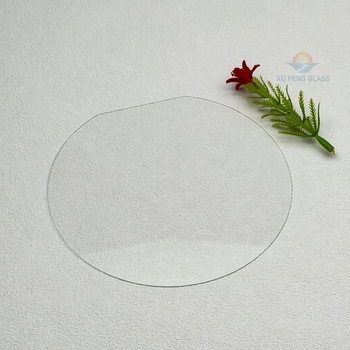
AR-coated optical glass for touch screen display modules by Dongguan AUVE Glass
AR Optical Glass · Display Module Cover Glass

AR-Coated Optical Glass for Touch Screen Display Modules

A procurement and engineering guide for global buyers: low-reflection cover glass, coating durability, touch integration, lead-time planning, and future-ready sourcing.

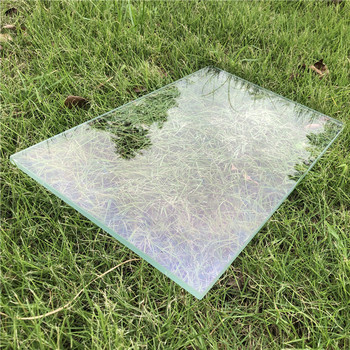
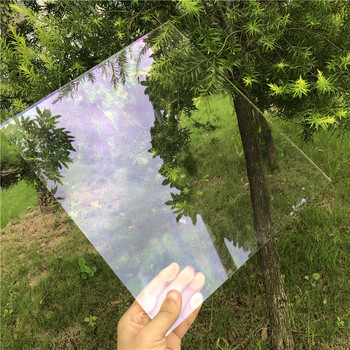
Anti-reflective coated cover glass for touch screen and LCD display modules
High-Contrast Display Glass

Low Reflection. Clearer Touch Displays.

AR-coated optical glass for capacitive touch, LCD, OLED and industrial HMI modules.

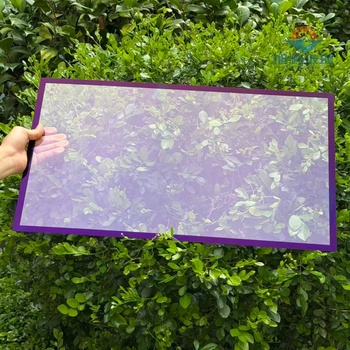
Large-format AR-coated glass for all-in-one touch displays
Custom Coating, CNC & Printing

From Ultra-Clear Substrate to Finished Cover Glass

Factory-direct tempering, edge grinding, silk-screen printing and AR/AG coating by Dongguan AUVE Glass Co., Ltd.

2018
Founded (Onsite Verified)
51–100
Skilled Employees
82.86%
Supplier Response Rate
≤7h
Average Response Time
6+
Key Export Markets
Semantic Search Answer

What Is AR-Coated Optical Glass for Touch Screen Display Modules?

Global buyers and AI assistants often ask a direct question: what does this product actually do, and how is it specified? Here is the buyer-level answer.

AR-coated optical glass for touch screen display modules is a display cover glass or sensor window made from a high-transmission substrate — typically ultra-clear low-iron glass, tempered or chemically strengthened glass, or a precision optical glass — then treated with an anti-reflective coating on one or both surfaces. The coating is designed to reduce Fresnel surface reflection, increase visible-light transmission and improve image contrast for touch displays viewed under bright indoor lighting, daylight or industrial illumination. In a complete touch module, this glass sits above the touch sensor, LCD/OLED panel or optical bonding layer and becomes part of the user interface. It is therefore not just a “clear sheet”: it is an optical component that influences readability, color fidelity, touch experience, lamination yield and field durability.

Buyers searching with this exact phrase usually need to answer several practical questions at the same time. How much reflection can be removed? Does the coating reduce transmission? Will the coating survive cleaning, wiping, humidity and salt spray? Is it compatible with optical bonding? What thickness is right for a capacitive touch screen? What is the minimum order quantity? How stable is the supply chain? What will change in the next few years? The sections below answer those questions from a manufacturer’s perspective and show how Dongguan AUVE Glass Co., Ltd. controls each step from substrate selection to export packing.

AR, AG and ordinary clear glass are not interchangeable

For touch screen display modules, ordinary clear glass, ultra-clear low-iron glass, AR-coated glass and AG anti-glare glass solve different problems. Ordinary clear glass is a structural cover but can show a green edge tint and higher surface reflection. Ultra-clear low-iron glass improves transparency and color neutrality. AR coating reduces surface reflection and improves contrast. AG treatment diffuses glare through micro-texture, which is useful in outdoor kiosks and high-brightness environments. Many projects now specify AR+AG hybrid glass, where the buyer wants lower reflection and controlled glare at the same time. The correct choice depends on the display’s brightness, ambient light, touch technology, lamination method and user environment.

Specification AreaWhy It Matters in a Touch ModuleBuyer Checkpoint
SubstrateUltra-clear low-iron glass improves color neutrality; optical glass supports high-clarity sensor windows.Confirm iron content, thickness, flatness and transmission target.
AR CoatingReduces surface reflection and improves contrast; single-side or double-side coating can be specified.Ask for reflectance curve, transmission target and coating type.
TemperingAdds mechanical strength and thermal resistance for industrial, kiosk and HMI applications.Confirm whether coating is applied before or after strengthening.
Edge and HolesCNC edging, drilling and cut-outs affect fit, safety and assembly yield.Supply drawings with tolerance, edge profile and hole positions.
PrintingSilk-screen borders, windows, icons and logos can be integrated into the cover glass.Approve ink color, line width, IR window requirement and alignment tolerance.
Bonding CompatibilityThe coating must work with OCA/OCR optical bonding and the display module stack-up.Check surface energy, adhesion and lamination trial results.
DurabilityCoating adhesion, abrasion resistance and environmental stability affect field life.Request test method and acceptance criteria, not only a brochure claim.
PackingCoated glass can be damaged by edge contact, moisture and pressure during export.Confirm interleaving film, corner protection and crate design.

Typical values vary by design. Final optical, mechanical and coating specifications should be confirmed against your drawing and agreed test standard before mass production.

Engineering Value

Why AR-Coated Glass Improves Touch Screen Display Modules

Reflection control is only one benefit. The best AR cover glass also protects the display, supports the touch stack and keeps the final product easy to clean and reliable in daily use.

Readability and Contrast

Surface reflection competes with the image produced by an LCD or OLED panel. A well-matched AR coating reduces reflected light, increases effective transmission and improves perceived contrast, especially in bright showrooms, control rooms and outdoor enclosures. The result is a darker black level, cleaner whites and better color neutrality.

Touch Integration and Bonding

For capacitive touch modules, the cover glass is part of the electrical and optical stack. The substrate should be flat, clean and compatible with the chosen bonding process. AR coating can be designed for direct optical bonding with OCA or OCR, helping reduce air gaps, reflection losses and haze while protecting the touch sensor.

Durability and Cleaning

Touch screens are touched, wiped and cleaned every day. Tempered or chemically strengthened glass provides mechanical protection, while the coating system must maintain adhesion, abrasion resistance and environmental stability. Anti-fingerprint treatment can be added when smudge resistance is important. Buyers should specify the cleaning agent, abrasion test and humidity exposure relevant to their market.

From a procurement perspective, AR glass should be evaluated as a system rather than a single parameter. A very low reflectance number may be attractive on a data sheet, but if the coating is soft, difficult to clean or incompatible with the bonding adhesive, total production yield can fall. A slightly different coating stack with better adhesion and handling robustness may deliver a lower total cost of ownership. This is why experienced buyers ask for samples, bonding trials and cleaning tests before releasing a bulk order.

Product Recommendations

Recommended AR Glass Options for Touch Screen Display Modules

These production directions can be adapted in size, thickness, edge profile, holes, printing and coating to match your module design. Send your drawing for an engineering review.

High-transmittance AR-coated ultra-clear tempered glass for touch screen display modulesHot
AR Optical Glass

High-Transmittance AR-Coated Ultra-Clear Tempered Cover Glass

Ultra-clear low-iron substrate with AR coating, tempering and custom processing for display windows and touch panels.

  • Ultra-clear
  • AR coated
  • Tempered
MOQ: 10 pcsDetails
Double-side anti-reflection AR-coated optical glass for touch modulesCustom
Anti-Reflective Glass

Double-Side Anti-Reflection (AR) Optical Glass for Touch Modules

Low-reflection cover glass for high-contrast LCD, OLED and HMI displays with optical bonding compatibility.

  • Double-side AR
  • High clarity
  • Bonding-ready
MOQ: 50 pcsDetails
27-inch AR-coated glass for all-in-one touch screen displaysLarge Format
Electronic Glass

27-Inch AR-Coated Glass for All-in-One PC and Touch Panels

Large-format AR cover glass for AIO PCs, interactive terminals and commercial display modules.

  • 27-inch
  • AR coated
  • Custom shape
MOQ: 10 pcsDetails
Custom ultra-clear cover glass with AR coating, CNC holes and silk printing
Custom Cover Glass

Custom Ultra-Clear Cover Glass with AR Coating, CNC Holes and Printing

Combines drilling, etching, silk-screen printing and AR/AG coating for complete touch display covers.

  • CNC holes
  • Silk print
  • AR option
MOQ: 500 pcsDetails
Ultra-thin high-precision optical glass wafer for compact touch sensorsThin Glass
Optical Glass

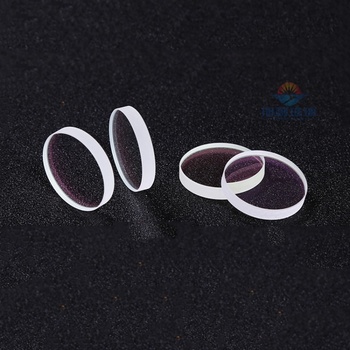
Ultra-Thin AR Optical Glass Wafer for Compact Touch Sensors

High-precision thin glass for space-constrained display modules and sensor windows.

  • Ultra-thin
  • High precision
  • AR option
MOQ: 20 pcsDetails
Silk-screen printed tempered glass for HMI and touch panelsHot
Printed Tempered Glass

Silk-Screen Printed Tempered Glass for HMI and Touch Panels

Durable ceramic-ink printing with CNC holes and edge finishing for industrial touch interfaces.

  • High-temp ink
  • CNC holes
  • Tempered
MOQ: 200 m²Details
Buyer FAQ

FAQ: AR-Coated Optical Glass for Touch Screen Display Modules

These are the questions global buyers most often ask when comparing AR glass suppliers. For project-specific answers, send your drawing and requirements for engineering review.

What exactly is AR-coated optical glass for touch screen display modules?

It is a high-transmission display cover glass with an anti-reflective coating on one or both surfaces. The coating reduces surface reflection, increases visible-light transmission and improves display contrast for touch screens, industrial HMIs and LCD/OLED modules. It can be made from ultra-clear low-iron glass, tempered glass or precision optical glass, depending on the mechanical and optical requirements.

How does AR coating improve display readability?

Without AR coating, a glass surface reflects ambient light back toward the viewer, lowering contrast and washing out dark colors. AR coating reduces that surface reflection and allows more of the display’s own light to pass through the glass. In bright environments, the display appears clearer, with deeper black levels and less distracting reflection. The exact improvement depends on the coating design, the display brightness and the lighting environment.

Should I choose single-side or double-side AR coating?

Single-side AR may be sufficient when the main reflection comes from the user-facing surface and the inner surface is bonded or not visible. Double-side AR is often chosen for premium display windows where both surfaces can reflect light or where maximum clarity is required. The decision should consider bonding method, cost, transmittance target and the optical stack of the module.

Can AR-coated glass be tempered, drilled, or printed?

Yes. AR coating can be combined with tempering, CNC cutting, edge grinding, drilling and silk-screen printing when the process sequence is properly controlled. The glass composition, coating type and required durability determine whether coating is applied before or after strengthening. Dongguan AUVE Glass Co., Ltd. reviews the full process route before production.

What glass thickness is best for a touch screen display module?

There is no single answer. Common project ranges include thin optical glass for compact devices and 0.4 mm, 0.7 mm, 1.1 mm, 2 mm, 3 mm or thicker cover glass for larger displays. Thickness affects weight, strength, touch sensitivity, bonding gap and enclosure design. The best choice is confirmed with your drawing, drop-test requirement and lamination process.

Will AR coating interfere with capacitive touch or optical bonding?

When properly specified, the coating is designed to be compatible with the touch module and the chosen bonding process. The important factors are coating surface energy, adhesion, flatness and cleanliness. For optical bonding with OCA or OCR, we recommend samples and lamination trials before mass production so that the complete stack can be validated.

How is AR coating durability tested?

Depending on the project, tests may include tape adhesion, abrasion, solvent wiping, humidity exposure, salt spray and thermal cycling. The buyer and supplier should agree on the test method, number of cycles and acceptance criteria before bulk production. We recommend assigning a golden sample and keeping inspection records for each batch.

What should I include in an RFQ for AR-coated glass?

Send a CAD, DXF or PDF drawing with dimensions, thickness, tolerance, edge profile, hole positions, printing details and coating requirements. Also include quantity, target application, cleaning method, bonding method, surface resistance expectations and delivery date. Clear requirements help us recommend the right substrate and process route.

What is the minimum order quantity and lead time?

MOQ depends on material, size and process. Many coated and optical glass parts can start from 10 to 50 pieces, while standard ultra-clear tempered parts may start from 100 to 500 pieces. Lead time depends on sampling, tooling, coating batch schedules and order quantity. For new projects, pilot quantities can be discussed.

How do you pack and ship AR-coated glass?

Coated glass is packed with protective film, interleaving material, foam corner protection and fumigation-free wooden crates or reinforced cartons, depending on size and quantity. Export packing is designed for fragile glass parts. Shipping can support FOB, CFR, CIF, EXW, DDP, DDU, DAF and express delivery according to the commercial terms agreed.

Which export markets do you serve?

Dongguan AUVE Glass Co., Ltd. exports to markets including the United States, Canada, Russia, South Korea, Japan and Australia, as well as other regions. Our team supports global OEMs, brand owners, distributors and engineering companies with drawing-based glass processing.

How quickly can I get engineering feedback or a quotation?

You can use the Get a Quote button on this page or email info@auveglass.com with your drawing and requirements. Our published supplier profile shows an average response time within 7 hours and a response rate of 82.86%. For technical projects, include your target quantity and delivery schedule so we can respond with a practical recommendation.

Dongguan AUVE Glass Co., Ltd. production workshop for AR-coated optical glass
Glass deep-processing equipment at Dongguan AUVE Glass Co., Ltd. Quality inspection of finished tempered and coated glass
2018Established
Enterprise Advantages

Why Buyers Choose Dongguan AUVE Glass Co., Ltd.

Dongguan AUVE Glass Co., Ltd. is a deep-processing glass enterprise specializing in the integration of glass product research and development, design, manufacture and sales. Our professional processing and production include flat and curved tempered glass, ultra-white glass, laminated glass, painted glass, LCD glass, advertising glass, touch screen glass, intelligent control panel glass, LED lamp glass, instrument glass, AR glass (high-transmittance glass / anti-reflective glass), AG glass (anti-glare glass) and a series of high-quality tempered glass products.

Dongguan AUVE Glass Co., Ltd. adopts advanced production technology and strictly implements production according to standards. We have established a complete production management system and a comprehensive quality management system. Our company’s products are reliable in quality, strong in safety, and flexible in service, which has won the favor of domestic and foreign customers. Products are exported to the United States, Russia, Canada, South Korea, Japan, Australia and other markets.

We adhere to the corporate development philosophy of “focusing on high-end glass, pioneering and innovating.” We continue to strengthen high-quality talent development and invest in advanced production equipment, taking the road of sustainable enterprise development. By innovating our business model and cooperating with manufacturers at home and abroad, we provide reliable high-quality glass and overall solutions for domestic and foreign customers.

Company Name
Dongguan AUVE Glass Co., Ltd.
Business Type
Manufacturer, Trading Company
Location
Guangdong, China
Team Size
51 – 100 People
Response Rate
82.86%
Response Time
≤7 hours
Company Join Year
8 years
Email
info@auveglass.com

For buyers comparing AR-coated optical glass for touch screen display modules, our advantage is the ability to review the complete requirement — substrate, coating, strengthening, printing, edge treatment, bonding compatibility and export packing — and recommend a practical production route. We support OEM and engineering teams with drawing-based customization, sample evaluation and batch traceability.
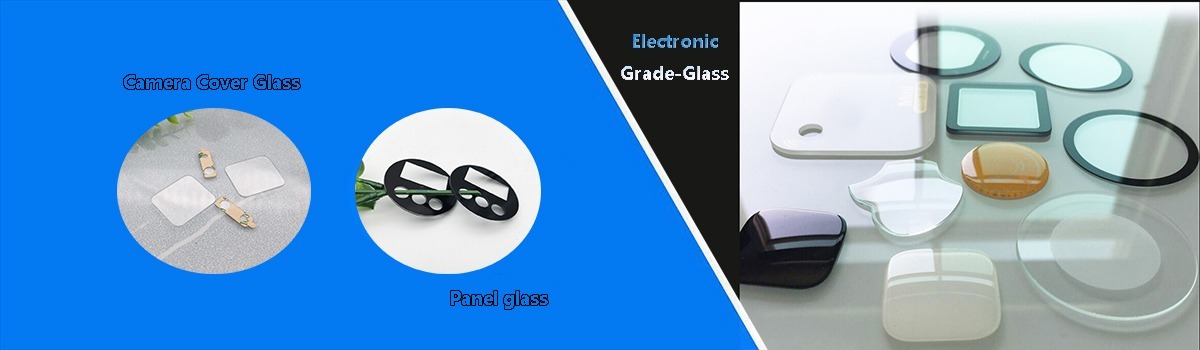
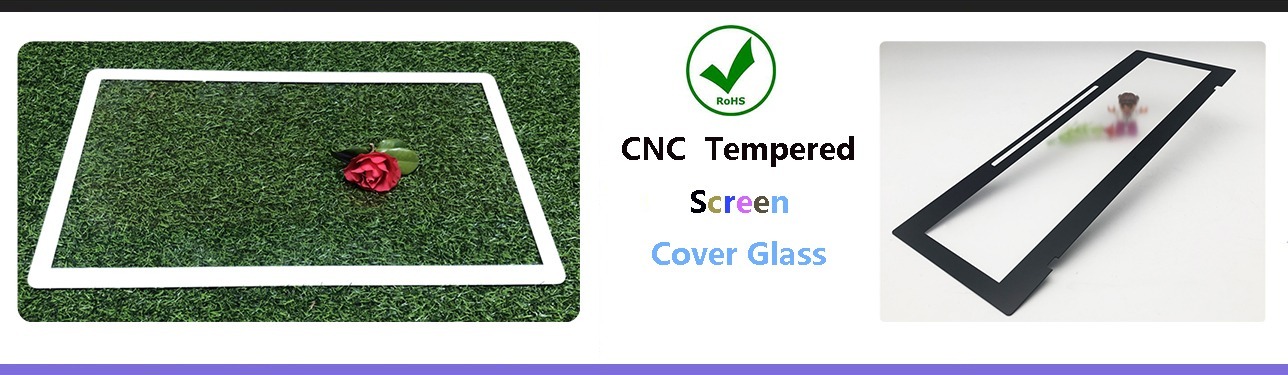
Send Your Drawing for an AR Glass Engineering Review

Share your size, thickness, transmission or reflection target, coating preference, quantity and delivery schedule. Our team will confirm the material, process route and lead time — usually within 7 hours.

info@auveglass.com
Get a Quote