Blog
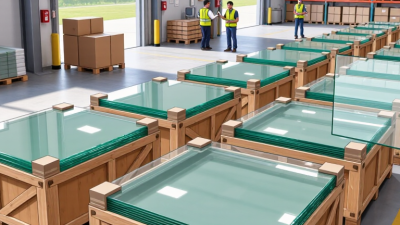
7 Toughened Glass Buying Tips for Global Buyers
Toughened Glass can look simple on a loading dock: clear panes, neat edges, protective corner pads. Yet a small mismatch in thickness, dimensions, or processing can delay installation and add avoidable costs. Global buyers need more than a low unit price. They need clear specifications, dependable quality checks, and delivery details they can verify.
A composite glass-procurement expert, Daniel Reed, offers this practical reminder: “A reliable order begins with exact specifications, not assumptions.” Reed is an illustrative expert persona, not a real, independently verified source. The advice still matters. Confirm the required thickness, edge finish, hole locations, tolerances, and intended application before approving production. Ask how each batch is inspected, and request test documents that match the product being shipped. Details matter.
These seven buying tips examine supplier evaluation, product specifications, safety documentation, packaging, shipping, and after-sales support. They focus on questions buyers can put directly to manufacturers, such as how panes are separated in a crate or how damaged units are reported. A polished sample is useful, but it cannot prove that every shipment will match. That deserves a second look. This guide also leaves room for uncertainty: supplier claims should be checked against written records, and local project requirements may differ. Careful questions cannot remove every risk, but they can make purchasing Toughened Glass clearer, more accountable, and less dependent on guesswork.
Read more »
 By:Evelyn
- November 25, 2026

How to Choose a Custom Glass Manufacturer
Choosing a Custom Glass manufacturer is not just a matter of comparing prices. The right partner should understand your design, explain material limits, and show how each piece will be made. Glass scientist John C. Mauro’s work highlights how composition and processing shape glass performance. A practical principle inspired by that expertise is: “A reliable glass solution begins with the material, not just the drawing.” Treat it as a useful guide, not a substitute for project-specific engineering advice.
Look beyond polished product photos. Ask how the manufacturer handles your required thickness, edge finish, color, tolerances, and expected order volume. A clear answer should include real details: sample approval, production checks, packaging, and delivery timing. Small clues matter. A carefully finished sample, consistent measurements, and a direct explanation of limitations can reveal more than a long sales presentation.
Experience also matters when specifications change. Can the team flag a design that may be difficult to produce before tooling begins? Do they explain what a different glass type or finish could mean for appearance and cost? Request relevant project examples and references, then compare the responses—not just the quotations. A low price may leave important questions unanswered. And even a reputable manufacturer may not be the best fit for every project. The choice deserves a little doubt, and careful verification.
Read more »
By:Evelyn
- November 25, 2026
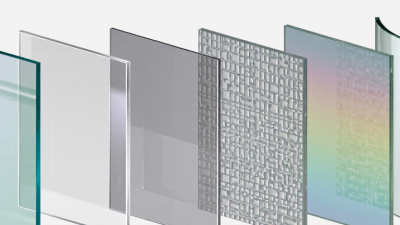
What Are the Top Types of Tempered Glass in 2026?
Tempered Glass is used in doors, shower enclosures, railings, furniture, and vehicle windows because controlled heating and rapid cooling increase its strength compared with ordinary annealed glass. When it breaks, it usually fragments into many small pieces rather than large, sharp shards. That reduces some risks, but it does not make the material unbreakable or eliminate the need for careful installation.
In 2026, buyers may encounter clear, low-iron, tinted, patterned, coated, and curved tempered glass. Each option serves a different purpose. Clear glass suits many everyday applications, while low-iron glass offers a less green edge for display areas. Tinted and coated products can help manage glare or solar heat, depending on their specifications. Patterned glass adds privacy, though the texture can affect cleaning and visibility. Curved glass brings a distinctive shape, but typically requires more planning and precise measurements.
The categories can overlap. Details matter. A glass panel might be tinted and coated, for example, so “type” may describe its appearance, treatment, or intended use. Thickness, edge finishing, dimensions, hardware, and the manufacturer’s technical data all influence whether a product fits a specific project. Specifications vary by product and application; confirm them with a qualified supplier or installer before ordering. This guide compares the main options, their practical advantages, and the trade-offs worth checking. Some distinctions are less obvious than product photos suggest.
Read more »
 By:Charlotte
- November 25, 2026