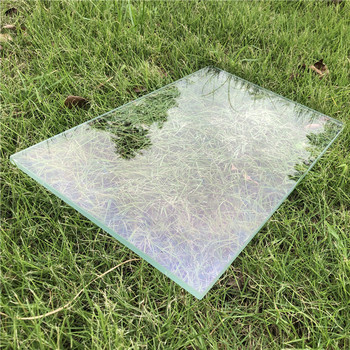

Precision optical glass components for optical instruments by Dongguan AUVE Glass Co., Ltd.
Semantic Search & Sourcing Guide

K9 Optical Glass for Precision Optical Instruments

A global buyer’s guide to K9 specifications, product selection, procurement trends, quality verification and future development — written for instrument OEMs, optical engineers and sourcing teams.

AR coated K9 optical glass windows and precision covers
Windows, Lenses & Prisms

Specification-First Sourcing for K9 Optics

Share your drawing, wavelength band, tolerance, coating target and inspection criteria. Our team reviews manufacturability before quoting.

Dongguan AUVE Glass production workshop for optical and instrument glass
Factory-Direct Processing

From K9 Blanks to Inspected Optical Parts

Cutting, CNC shaping, edging, polishing, AR coating, inspection and export packing — coordinated under one supplier.

2018
Founded (Onsite Verified)
100max
51–100 Skilled Employees
≤7h
Average Response Time
6+
Key Export Markets
10pcs
Optical Parts From
Search-Intent Sourcing Guide

What Global Buyers Need to Know Before Sourcing K9 Optical Glass

Answering the questions engineers, procurement teams and technical buyers ask AI assistants and search engines when evaluating K9 optical glass for precision optical instruments.

K9 optical glass for precision optical instruments is a borosilicate crown material that sits at the practical center of visible-light optics: it is transparent, polishable, dimensionally stable and readily available in custom sizes. Buyers searching for K9 optical glass are usually not looking for a decorative crystal. They are trying to solve an optical-mechanical problem: how to transmit, focus, redirect or protect a beam inside an instrument while meeting tolerance, coating, inspection and delivery requirements.

At Dongguan AUVE Glass Co., Ltd., we see two different buyer journeys. The first is an engineer with a CAD drawing, a wavelength band and a list of acceptance criteria. The second is a procurement specialist comparing BK7-equivalent alternatives, MOQs, lead times and landed cost. The most reliable quotations combine both perspectives: a manufacturable drawing, a defined material grade and a written inspection plan.

K9 is often described as a BK7-equivalent glass. That shorthand is useful for early research, but it is not enough for a production purchase. Optical designs can be sensitive to refractive index, Abbe number, striae, bubbles, inclusions, annealing state and coating performance. Ask for the material data that matters to your design, and state the test method that will be used at incoming inspection.

The buyer questions that matter most

Global buyers typically ask whether K9 is suitable for their wavelength range, whether it can be polished to their flatness and surface quality, what anti-reflective coating will hit their reflection target, how low the MOQ can go, how parts will be inspected and packed, and whether the supplier can support the project from prototype to series production. These questions are reasonable because the cost of a poor optical-glass decision is rarely limited to the glass itself. Rework, assembly delays, coating mismatch and failed incoming inspection can be far more expensive than the unit price difference between one substrate and another.

  • Material identity: confirm the K9 grade, optical data and acceptable equivalency before approving a sample.
  • Optical function: window, lens, prism, mirror, sensor cover or viewport — the function determines which specifications matter.
  • Drawing quality: dimensions, edge profile, chamfer, hole position, surface quality and coating zones should be explicit.
  • Acceptance criteria: define how flatness, parallelism, scratch/dig, transmission, reflection and visual defects will be judged.
  • Commercial route: prototype quantity, production quantity, packaging, documents, shipping terms and after-sales inspection process.
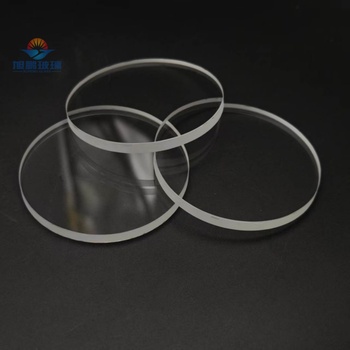
Information gain for your RFQ: a strong inquiry for K9 optical glass includes six items: (1) the optical function, (2) a 2D drawing or STEP file, (3) material grade and acceptable equivalents, (4) optical acceptance criteria, (5) coating or surface-treatment specification, and (6) packaging, documentation and delivery requirements. This single step often removes more cost than negotiating a few cents from the unit price.
Recommended K9 Products

Product Recommendations for Precision Optical Instruments

Custom K9 components can be quoted from your drawing. The options below show common starting points for optical instrument OEMs, sensor manufacturers and industrial inspection equipment builders.

Polished K9 optical glass windows for precision optical instrumentsCore
K9 Optical Glass

Polished K9 Optical Windows for Instrument Apertures

  • K9 / BK7-equivalent
  • Custom polish
  • Edge options
MOQ: 10 pcsDetails
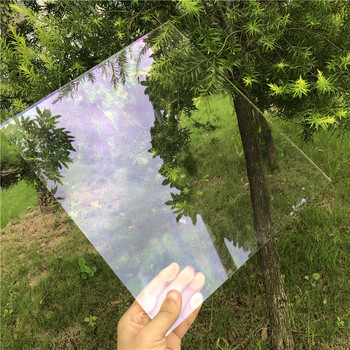
AR coated K9 optical glass windows for sensors and instrumentsCoated
Optical Coating

AR-Coated K9 Windows for Sensors & Display Instruments

  • Single/double side
  • Visible AR
  • Custom shape
MOQ: 50 pcsDetails
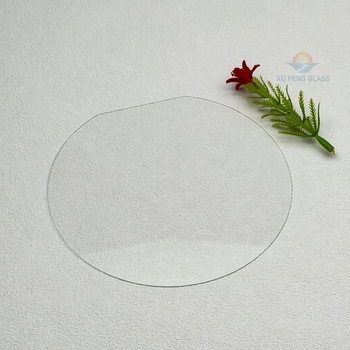
Thin polished K9 optical glass wafers and precision covers
Optical Wafers

Thin K9 Wafers & Precision Covers for Instrument Modules

  • Thin substrates
  • Double-side polish
  • Clean packing
MOQ: 50 pcsDetails
K9 optical glass lens and prism components with anti-reflection coating
Lenses & Prisms

K9 Lens Blanks & Right-Angle Prisms for Optical Assemblies

  • Prototype to series
  • Angle control
  • Coating optional
MOQ: 20 pcsDetails
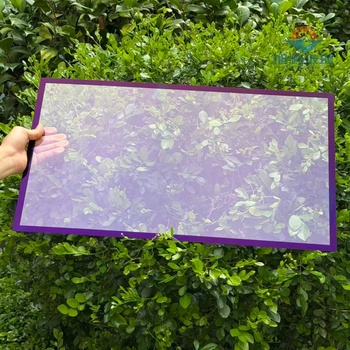
Large AR coated optical glass cover for precision display instruments
Instrument Windows

Large-Format Optical Covers for Inspection & Display Systems

  • Large format
  • AR coated
  • CNC shaped
MOQ: 10 pcsDetails
Specification Guide

K9 Optical Glass Properties & Custom Processing Checklist

Use this table to structure your RFQ and incoming inspection plan. Values are typical references only; the final specification must be confirmed against your drawing, application and agreed test method.

Specification AreaWhat Buyers Should DefineWhy It Matters for Optical Instruments
Material GradeK9 borosilicate crown glass; acceptable BK7/N-BK7 equivalent only if data is approvedSmall differences in index, dispersion, bubbles and striae can affect image quality and assembly fit.
Optical ConstantsTypical reference values for K9: nd ≈ 1.5168 and Vd ≈ 64.2; request supplier dataOptical design software may be sensitive to the actual melt or grade used for production.
Size & ThicknessOutside dimensions, thickness, tolerance, corner radius, bevel, hole and notch requirementsMechanical fit in the instrument housing is often as critical as optical performance.
Surface & GeometryFlatness, parallelism, wedge, surface quality, scratch/dig, chamfer and edge polishThese parameters influence wavefront quality, mounting stress and stray-light behaviour.
CoatingAR, protective or reflective coating; wavelength band, incidence angle, target reflection/transmission and durabilityA coating that is correct on paper but mismatched to the light path can create loss, ghosting or colour shift.
InspectionDimensional report, visual inspection, coating check, flatness/parallelism check if specified, packing inspectionClear acceptance criteria prevent disputes and make incoming inspection predictable.
Cleaning & PackingProtective film or interleaving, clean-room handling if required, labeled cartons or cratesOptical surfaces can be damaged by improper contact, dust, moisture or vibration during export shipping.
Application FitWavelength range, temperature, shock, mounting method and expected service lifeK9 is often excellent for visible-light optics, but other materials may be better for UV, thermal-shock or semiconductor applications.

Typical values are provided for material-selection guidance only. Final K9 optical glass specifications are confirmed by drawing review, sample approval and agreed inspection criteria.

A practical incoming inspection checklist for K9 optical parts

  • Verify the item code, batch label, quantity and material declaration against the purchase order.
  • Check dimensions, thickness, edge profile, chamfer, holes and coating zones against the approved drawing.
  • Inspect optical surfaces under controlled lighting for chips, scratches, stains, coating defects and inclusions that exceed the agreed acceptance criteria.
  • Confirm flatness, parallelism, wedge or angle requirements if these were specified for the application.
  • Review coating appearance and, where required, transmission or reflection target data.
  • Inspect packaging, interleaving, separators and labels before releasing the shipment to the production line.
Supplier-selection tip: ask for a sample inspection report format before placing the first production order. A supplier that can explain how it will measure and document the part is usually better prepared for repeat production than a supplier that only quotes a price.
Enterprise Advantages

Why Global Buyers Work With Dongguan AUVE Glass Co., Ltd.

A deep-processing glass manufacturer with in-house engineering review, optical and instrument glass experience, documented quality management and export-ready service.

Dongguan AUVE Glass production workshop for tempered, coated and optical glass
Glass deep-processing equipment at Dongguan AUVE Glass Co., Ltd. Quality inspection of finished glass components at AUVE
2018Established
About AUVE

Engineering Support From Dongguan AUVE Glass Co., Ltd.

Dongguan AUVE Glass Co., Ltd. is a deep-processing glass enterprise specializing in the integration of glass product research and development, design, manufacture and sales. Our factory processes flat and curved tempered glass, ultra-white glass, laminated glass, painted glass, LCD glass, advertising glass, touch screen glass, intelligent control panel glass, LED lamp glass, instrument glass, AR high-transmittance glass and AG anti-glare glass.

For optical projects, we also work with K9 optical glass, quartz, sapphire, borosilicate and Corning EXG alkali-free glass. This material range allows our team to review the application first and recommend a practical substrate path, rather than treating every inquiry as the same product. K9 optical glass for precision optical instruments can be reviewed together with polishing, coating, edge, inspection and packaging requirements.

Our company adopts advanced production technology and strictly implements production according to defined standards. We maintain a production management system and a comprehensive quality management system, so product quality, safety and service can be managed in a repeatable way. Our glass products are exported to markets including the United States, Canada, Russia, South Korea, Japan and Australia.

Guided by the philosophy of “focusing on high-end glass, pioneering and innovating,” we keep investing in skilled people, production equipment and process improvement. With 51–100 employees, an average response time within 7 hours, and a manufacturer and trading company structure, we support buyers from drawing review through export delivery.

Company Name
Dongguan AUVE Glass Co., Ltd.
Business Type
Manufacturer & Trading Company
Team Size
51 – 100 People
Location
Dongguan, Guangdong, China
Main Markets
USA · Canada · Russia · Japan · Korea · Australia
Response Time
≤7 Hours Average

Engineering Review Before Quotation

Send a drawing, material grade, optical acceptance criteria and coating target. Our team reviews manufacturability, process route and inspection requirements before confirming the quote.

Process Control & Inspection

Dimensions, surface quality, edges, coating condition and packing can be inspected according to the agreed plan. Batch identification and export packing help reduce risk after shipment.

Export Service for Global Buyers

We support export packing for fragile glass parts and can quote according to the destination and buyer requirements. Email info@auveglass.com with your project details.

E-E-A-T note: this guide is prepared by the optical glass engineering and export team at Dongguan AUVE Glass Co., Ltd. It reflects practical work with instrument glass, AR/AG coated glass, tempered glass and custom optical components. It is intended to help buyers prepare a better inquiry, but final material selection and acceptance criteria must be confirmed against the drawing, application, sample and agreed test method.
FAQ

Frequently Asked Questions About K9 Optical Glass for Precision Optical Instruments

Direct answers to the most common technical, commercial and quality questions from global optical instrument buyers.

Is K9 optical glass the same as BK7?

K9 is a Chinese borosilicate crown glass often used as a BK7-equivalent material for visible-light optics. It is not automatically identical to a specific BK7 grade, so buyers should specify refractive index, Abbe number, inclusions, bubbles, striae, annealing condition and test method. For critical designs, confirm the exact material data before production.

What should I send for a K9 optical glass quotation?

Send a 2D drawing or STEP file, dimensions, thickness, dimensional tolerance, edge and hole requirements, material grade, surface quality, flatness, parallelism, coating specification, inspection requirements, quantity and delivery target. If the optical function is known, include wavelength band, incidence angle and target transmission or reflection.

Which K9 optical components can AUVE supply?

Dongguan AUVE Glass Co., Ltd. can review custom K9 optical windows, lenses, prisms, wafers, sensor covers, instrument viewports and AR-coated components. Processing can include cutting, CNC shaping, edging, drilling, grinding, polishing, coating, inspection and export packing, subject to drawing review.

Can K9 optical glass be AR coated?

Yes. AR coatings can be specified for single-side or double-side application, with the wavelength band, incidence angle, target reflection or transmission and durability requirements stated in the RFQ. Coating design and inspection criteria are confirmed before production.

What is the MOQ for custom K9 optical glass?

MOQ depends on size, polishing, coating and inspection requirements. Prototype or pilot quantities can often be discussed from small lots, while production orders are quoted separately. The exact MOQ is confirmed after the drawing and acceptance criteria are reviewed.

How do you control K9 optical glass quality?

Quality control is matched to the drawing. It can include material identification, dimensional inspection, visual inspection, edge and chamfer checks, flatness or parallelism checks where specified, coating verification and packing inspection. The inspection plan and documentation package are agreed at quotation.

How is K9 optical glass packed for export?

Optical surfaces are protected and separated, then cushioned for fragile export shipment. Packaging can include protective film or interleaving, foam protection, moisture protection, labeled cartons or wooden crates, and batch identification. Shipping can be arranged by express, air or sea according to the order.

Can you help choose a material if K9 is not suitable?

Yes. Dongguan AUVE Glass Co., Ltd. works with K9, fused quartz, sapphire, borosilicate and Corning EXG alkali-free glass, among other materials. K9 is often a cost-effective choice for visible-light optics; fused quartz, sapphire or other substrates may be better for UV transmission, high temperature, scratch resistance or semiconductor applications.

Which markets do you export optical glass to?

Our glass products are exported to markets including the United States, Canada, Russia, South Korea, Japan and Australia. Export packing, labeling and shipping terms are quoted according to the destination and buyer requirements.

How can I contact Dongguan AUVE Glass Co., Ltd.?

Email info@auveglass.com with your drawing, quantity and inspection requirements, or use the Inquire Now button on this page. Our average response time is within 7 hours.

Send Your K9 Optical Glass Drawing for Engineering Review

Share dimensions, tolerances, coating targets and inspection requirements. Our team will review the material, process route and packaging route — usually within 7 hours.

info@auveglass.com