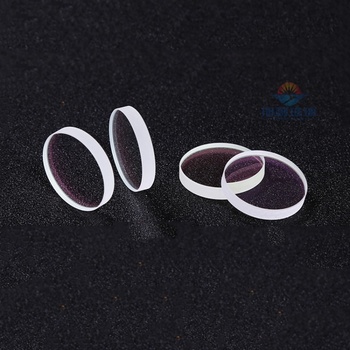
 Recommended
Ultra-White Glass
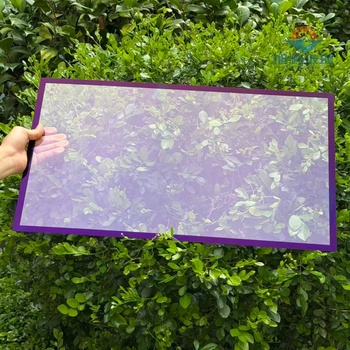
Ultra-White Tempered Glass for LED Light Boxes
- Low-iron
- High clarity
- Tempered
MOQ: 100 pcsDetails
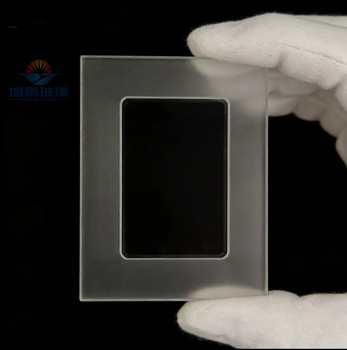
If you are sourcing panels for retail signage, menu boards, airport displays, exhibition light boxes or outdoor advertising, the glass substrate directly controls brightness, colour accuracy and long-term reliability.
Ultra-white glass for advertising light boxes is a low-iron float glass developed to transmit more visible light with less colour shift than standard clear glass. Because the iron content is significantly reduced, the glass loses the familiar green edge tint and produces a cleaner white background for LED backlighting. For brands that depend on accurate reds, blues, cosmetics tones and corporate colours, that difference is visible immediately. The result is a light box face that looks brighter, whiter and more consistent from edge to centre.
From a buyer's perspective, ultra-white glass is not simply a protective cover. It is an optical component in the display system. A panel with higher light transmission allows the LED module to operate at lower power while maintaining target luminance, which can reduce heat and improve energy efficiency. A glass face with minimal haze and low absorption helps diffuse light evenly, avoiding the grey or muddy look that appears when standard glass is used over bright LED modules. In premium retail environments, that clarity directly affects product presentation and brand perception.
Dongguan AUVE Glass Co., Ltd. processes ultra-white glass for advertising light boxes in a range of thicknesses and sizes. We review the drawing, light source position, viewing distance, structural opening and installation method before recommending a specification. Common options include 2 mm to 6 mm low-iron glass, flat or curved tempered glass, CNC edge grinding, drilled holes, cut-outs, high-temperature silk-screen printing, AR anti-reflective coating, AG anti-glare etching and laminated safety constructions. Each step is controlled in-house so that optical performance, dimensional tolerance and packing quality remain consistent from sample to mass production.
When requesting a quotation for ultra-white glass for advertising light boxes, the most useful information is not only the length and width. Suppliers need to understand how the glass will be used. A light box window for a luxury boutique may require maximum clarity and colour neutrality, while an outdoor advertising panel may need tempered safety glass, anti-glare treatment and stronger edge protection. A large-format menu board may require low-reflectance coating to improve readability under store lighting.
Information gain for buyers: the best light box glass specification balances optical performance, mechanical safety and total landed cost. A slightly higher transmission panel can allow lower LED power, fewer heat issues and a longer service life for the complete display—not just the glass alone.
For advertising light boxes, we recommend starting with low-iron ultra-white glass and selecting the finishing route based on the installation environment. For interior retail displays, a clear ultra-white tempered panel with polished edges usually delivers excellent brightness and colour fidelity. For high-end applications, double-side AR coating can reduce reflections from showroom lighting. For outdoor or high-ambient-light environments, AG anti-glare glass helps maintain image contrast. For safety-critical installations, laminated glass can be supplied with a specified interlayer.
RecommendedCustom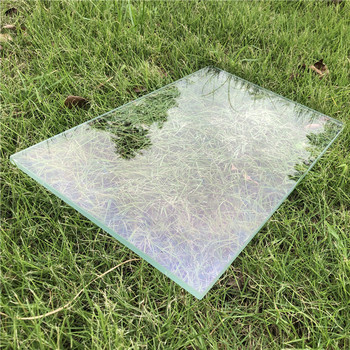

Purchasing teams are no longer comparing only price per square metre. They are evaluating optical consistency, supply reliability, compliance documentation and total cost of ownership.
Buyers increasingly check onsite verification, transaction history, credit index and buyer reviews before requesting samples. Traceability from raw glass lot to packed carton is becoming a standard requirement for brand owners and government projects.
Retail campaigns change quickly, so buyers need pilot quantities, mixed sizes and rapid sample turnaround. Suppliers that can support small custom runs without sacrificing optical quality have a clear advantage.
High-transmission ultra-white glass can reduce LED power needed to reach a target luminance. Procurement teams now calculate energy use, heat load and maintenance cost, not just the glass purchase price.
AR coating, AG anti-glare etching, silk-screen diffusers and laminated safety constructions are moving from premium options to mainstream requirements in high-end retail and outdoor signage.
Global buyers are balancing cost, lead time and risk across regions. A manufacturer with documented export experience to the USA, Canada, Russia, Japan, Korea and Australia can support smoother customs and logistics planning.
Breakage rates, packaging quality, container loading efficiency and replacement lead time all affect the true cost of glass. Export-grade packing and batch labelling are now part of the commercial evaluation.
Another important trend is the demand for application-specific documentation. Buyers ask for material certificates, tempering process records, coating performance data, dimensional inspection reports and packing photos before shipment. For advertising light boxes, the most common pre-shipment checks are glass size, hole position, edge quality, printing alignment, coating appearance, flatness and light transmission sample comparison. Dongguan AUVE Glass Co., Ltd. supports these checks as part of the production workflow, so buyers can reduce incoming inspection risk and avoid costly rework after the panels arrive.
Finally, sustainability is influencing specification decisions. Low-iron glass allows more light to pass through, which may reduce the number of LEDs or the power required for the same brightness. Longer service life, recyclable glass and reduced breakage through better packing all contribute to a lower environmental footprint. For brand owners with public sustainability commitments, those factors are increasingly included in supplier scorecards.
Glass technology is moving toward thinner formats, higher optical performance and better integration with LED and digital display systems.
In the coming years, ultra-white glass for advertising light boxes is likely to be specified with more functional layers. Anti-reflective coatings will become more common in premium retail environments because they reduce distracting reflections and improve perceived contrast. Anti-glare surfaces will continue to grow in outdoor and high-ambient-light applications, where readability matters more than mirror-like clarity. Anti-fingerprint and easy-clean treatments are also emerging for touch-enabled light boxes and interactive displays.
Thinner ultra-white glass can reduce weight and improve design flexibility, but it must be paired with appropriate tempering, lamination or mounting systems to maintain safety and flatness. Curved and irregular shapes are increasingly requested for flagship stores and exhibition booths. CNC processing, thermal bending and precise edge polishing allow designers to integrate glass into architectural features rather than treating it as a simple rectangular window.
Another development is the integration of lighting and glass. Edge-lit light boxes, diffuser patterns and locally masked printing can create uniform illumination without visible hot spots. For smart advertising, glass panels may be combined with sensors, dimming controls and digital displays. In these systems, low-iron ultra-white glass provides a neutral optical foundation that helps maintain colour accuracy across the display surface.
Sustainability will also shape product development. Manufacturers are improving energy efficiency in tempering and coating lines, reducing packaging waste and designing glass panels for easier disassembly and recycling. For buyers, the practical result is a wider choice of high-performance ultra-white glass solutions that can be tailored to the project's brightness, durability and environmental targets.



Dongguan AUVE Glass Co., Ltd. is a deep-processing glass enterprise specializing in the integration of glass product research and development, design, manufacture and sales. Our factory in Songshan Lake, Dongguan, is located in one of China's leading electronics and optoelectronics clusters, giving us access to skilled engineers, advanced equipment and a mature export supply chain.
Our professional processing and production covers flat and curved tempered glass, ultra-white glass, laminated glass, painted glass, LCD glass, advertising glass, touch screen glass, intelligent control panel glass, LED lamp glass, instrument glass, AR glass (high-transmittance / anti-reflective glass) and AG glass (anti-glare glass). This breadth of capability allows us to recommend the right material and process route for each advertising light box project, whether the priority is brightness, safety, outdoor durability or reflection control.
AUVE Glass adopts advanced production technology and strictly implements production according to defined standards. We have established a comprehensive quality management system, so our glass products are reliable in quality, strong in safety and flexible in service. This has earned the trust of domestic and foreign customers, with products exported to the United States, Russia, Canada, South Korea, Japan, Australia and other markets.
Guided by the corporate philosophy of “focusing on high-end glass, pioneering and innovating”, we continue to invest in high-quality talent and advanced production equipment. We boldly innovate in our development model and work with manufacturers at home and abroad to provide reliable high-quality glass. Our team focuses on the production of high-end glass and provides overall solutions for domestic and foreign customers.
Each step is controlled in-house, which shortens lead times, protects tolerances and lets our engineers solve issues before they reach your assembly line.
Low-iron glass sheets cut to drawing size with controlled edge allowance.
Edge grinding, beveling, grooving, holes and cut-outs before tempering.
Flat and curved thermal tempering for impact and thermal resistance.
High-temperature ceramic inks for borders, logos, diffusers and masking.
Anti-reflective, anti-glare and functional coatings for display clarity.
Dimensional, visual and optical checks, then protective export packing.

Direct answers to the questions global buyers ask when evaluating ultra-white glass for backlit signage and advertising displays.
Ultra-white glass is a low-iron glass with very low residual colour, designed to transmit more visible light and avoid the green tint of ordinary clear glass. In an advertising light box, it creates a brighter and more colour-neutral background for LED backlighting, helping graphics appear cleaner and more accurate.
Yes, these terms are often used interchangeably. Suppliers may call it ultra-white, low-iron, ultra-clear or high-transmission glass. The key is the low iron content, which improves clarity and reduces colour shift. Always confirm the measured light transmission and colour coordinates with your supplier.
Thickness depends on panel size, installation method, safety requirements and expected wind or impact loads. Small indoor light boxes may use thinner glass, while large-format or outdoor advertising panels often require thicker tempered glass. Dongguan AUVE Glass Co., Ltd. can review your drawing and recommend a suitable specification.
Yes. We provide CNC cutting, edge grinding, drilling, cut-outs, flat and curved tempering, and high-temperature silk-screen printing. For the best result, send a CAD, DXF or PDF drawing that includes dimensions, tolerances, hole positions, edge requirements and printing artwork.
Yes. AR anti-reflective coating can reduce surface reflection and improve perceived contrast, while AG anti-glare treatment helps diffuse glare in bright environments. We can discuss single-side or double-side options and recommend the best match for your viewing environment.
MOQ depends on material, size, processing and coating. Many custom glass parts start from 50 to 100 pieces, while standard ultra-clear tempered panels may start from 100 to 500 pieces. Sample and pilot quantities can be discussed for new projects.
We control raw glass sourcing, monitor light transmission, check printing alignment and inspect finished panels under controlled lighting. For colour-critical projects, we recommend approving a production sample and retaining it as a reference standard for bulk orders.
Glass panels are protected with interleaving film or paper, corner protectors, foam and reinforced cartons or fumigation-free wooden crates. Packing is designed for fragile glass parts and can include batch labels, packing lists and shipment photos for buyer verification.
Lead time depends on quantity, processing complexity and coating requirements. We support FOB, CFR, CIF, EXW, DDP, DDU, DAF and express delivery. Share your destination port and required delivery date so we can confirm the most suitable shipping plan.
Our glass products are exported to the United States, Canada, Russia, South Korea, Japan, Australia and other markets. Our team has experience with export documents, fragile-goods packing and international logistics for glass parts.
Our average response time is within 7 hours. Email info@auveglass.com with your drawing, quantity and application details, and our team will review the specification and prepare a quotation.
Send your drawing, size, thickness, target quantity and finishing requirements to Dongguan AUVE Glass Co., Ltd. Our engineering team will confirm the material, process route, coating option, packing method and lead time—usually within 7 hours.
info@auveglass.com