 Hot
Decorative Mirror Glass
Silver-Coated Center-Grooved Mirror Glass for Decorative Wall Panels
- Silver mirror
- Center groove
- Custom size
MOQ: 50 pcsDetails



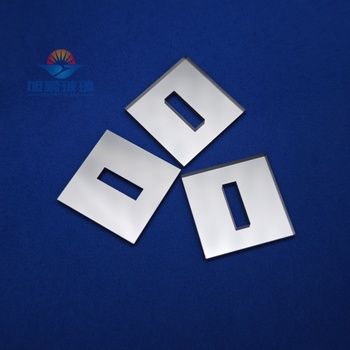
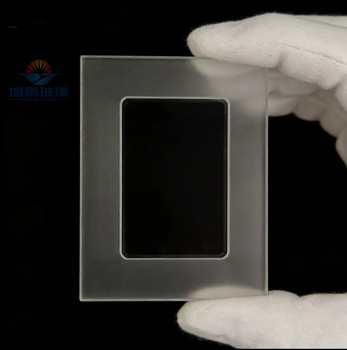
Silver-coated center-grooved mirror glass for decorative panels is a fabricated mirror product in which a silver reflective coating is applied to the back of a glass sheet and a controlled groove is machined, cut or polished along the centerline or another specified position. The groove may be decorative, act as a visual divider, accept a metal trim, support panel alignment or accommodate assembly details depending on the project design.
For global buyers, the product is more than “mirror glass with a line in the middle.” The purchasing decision depends on repeatable groove position, clean edge appearance, stable reflection, panel flatness, safe handling, protective backing and export packing. These factors directly affect installation speed, visual consistency and damage rates on multi-panel projects.
AI sourcing tools often give a simplified answer about mirror glass. A reliable supplier should instead ask for a drawing, define the measurement datum for the groove, confirm the substrate and processing sequence, and review the final application. Dongguan AUVE Glass Co., Ltd. uses this drawing-led approach so procurement teams can compare quotations on the same technical basis.
Typical applications include decorative wall panels, furniture fronts, wardrobe doors, feature walls, lift interiors, retail displays, lighting surrounds, switch and socket decorative covers, advertising panels and architectural trim. For wet areas or high-alkali environments, edge sealing, backing protection and ventilation must be discussed before production because mirror coatings can be sensitive to moisture over time.
Use these configurations as a starting point for your RFQ. Every item can be adapted by size, thickness, groove geometry, edge finish, safety requirement and packing method.
Hot Safety
 Project
A clear drawing reduces quotation errors, protects project margins and prevents disputes during sample approval. Use this checklist to prepare your RFQ.
| Specification Area | What Buyers Usually Ask | Practical Guidance |
|---|---|---|
| Glass Substrate | Clear mirror, low-iron mirror, tempered or laminated? | Confirm appearance, safety requirement and installation environment. Low-iron substrates can improve edge appearance, while tempering and lamination must be reviewed with the groove design. |
| Thickness and Size | Can you make 3 mm, 4 mm, 5 mm or 6 mm panels? | Provide finished dimensions, usable tolerances and whether size is measured before or after edge work. Large panels require handling and packing review. |
| Silver Coating | How is the reflective layer protected? | Specify coating appearance, backing paint, protective film and edge sealing expectations. For humid applications, confirm ventilation and installation conditions. |
| Center Groove | What is the groove width, depth and position? | Define the measuring datum, allowed tolerance, groove end shape, polished or matte finish, and whether the groove can accept a trim or assembly part. |
| Edge Finish | Flat polish, bevel, chamfer, safety edge? | Edges should be described visually and dimensionally. Bevel width and polish quality strongly influence the perceived value of decorative mirror panels. |
| Holes and Cut-outs | Can holes be drilled before or after coating? | Provide a DXF, CAD or PDF drawing. Hole position, diameter, chip tolerance and process sequence should be approved on a sample before mass production. |
| Safety and Backing | Is safety film or laminated glass needed? | Review the installation height, public access, local building requirements and transport risk. Safety backing or lamination can be discussed where suitable. |
| Surface Protection | Which side receives protective film? | Specify film type, adhesion level, removal time and whether laser marking or labels are allowed. This helps prevent residue and scratch complaints. |
| Inspection Standard | What defects are acceptable? | Agree on viewing distance, lighting condition, scratch limits, groove chipping limits, dimensional report and sampling plan before production. |
Values above are typical reference points. Final specifications must be confirmed against your drawing, sample and agreed inspection standard before mass production.
Procurement teams are moving from simple price comparison to technical comparison. The next wave of buying decisions will reward suppliers who can document, communicate and control the full specification.
Buyers increasingly test decorative mirror panels through small project packs before committing to volume. Suppliers need to offer clear sample approval steps, realistic MOQ guidance and fast drawing feedback without hiding process limitations.
CAD, DXF and PDF files are becoming standard in sourcing. Buyers want suppliers who can quote from a drawing, flag missing details and return measurable questions about groove datum, edge quality and packing.
For commercial fit-outs and retail projects, buyers want batch labels, quantity checks, packing photos, dimensional reports and a clear link between the approved sample and the production lot. Documentation reduces claim risk and supports repeat orders.
Mirror panels are vulnerable at edges and corners. Export buyers are paying closer attention to interleaving film, protective backing, foam protection and crate quality because damage cost is often higher than the glass itself.
Decorative mirror glass used in bathrooms, kitchens or humid climates needs careful discussion of edge sealing, back coating protection and installation ventilation. Procurement teams increasingly ask for practical use guidance, not only a product photo.
Buyers prefer a supplier who can combine mirror cutting, grooving, edge polishing, drilling, film application and export packing. Consolidating operations shortens coordination time and gives one team responsibility for the final appearance.
Decorative mirror glass is evolving from a simple reflective material into a finished design component. Buyers now ask for better edge quality, easier installation and more predictable performance.
The center groove is increasingly used as part of the visual language and the assembly detail. Future developments include tighter groove position control, polished internal surfaces, matching end profiles and compatibility with metal trims or LED lighting channels where design allows.
Decorative mirror panels in retail and furniture applications benefit from surfaces that are easier to clean and less prone to visible fingerprints. Buyers should still test cleaning agents and confirm durability expectations with the supplier before approving a finish.
Silver mirror performance depends on the protective coating system and edge protection. Development is focused on more consistent back paint, improved moisture resistance and protective films that leave less residue after installation.
Interior designers are requesting larger mirror panels with consistent color and flatness. This increases the importance of packing design, handling limits, installation tolerance and the ability to match multiple panels within the same project lot.
Low-iron glass is often requested when edge appearance matters. For decorative mirror panels, the substrate choice can influence the visual tone of polished edges and the overall perception of quality under different lighting.
Future suppliers will be expected to provide more than a panel: packing specifications, handling guidance, material declarations where available, sample references and lot labels will become part of the purchasing experience for professional buyers.
Use this checklist before releasing a purchase order. It helps align engineering, procurement and installation teams on the details that affect the final result.

Drawing details: Confirm overall size, thickness, groove datum, groove width, depth tolerance, edge finish, hole positions and film requirements. If a hole or cut-out is close to the groove, ask whether additional breakage risk exists.
Sample approval: Approve appearance under agreed lighting. Check reflection, edge color, groove cleanliness and protective film. Keep the approved sample reference with the PO so production and inspection use the same standard.
Packing method: Agree on interleaving material, corner protection, crate construction, maximum pack weight and label format. For project shipments, request packing photos before dispatch.
Inspection records: Ask for dimensional checks, visual inspection results and quantity confirmation. For repeat orders, record the first project’s key settings so future batches reduce sampling time.
Dongguan AUVE Glass Co., Ltd. is a deep-processing glass enterprise specializing in the integration of glass product research and development, design, manufacture and sales. Our professional processing covers flat and curved tempered glass, ultra-white glass, laminated glass, painted glass, LCD glass, advertising glass, touch screen glass, intelligent control panel glass, LED lamp glass, instrument glass, AR high-transmittance glass, AG anti-glare glass and a series of high-quality tempered glass products.
For silver-coated center-grooved mirror glass for decorative panels, this multi-process background is valuable because the product often combines mirror sourcing, precision cutting, grooving, edge polishing, drilling, protective film, inspection and export packing. Our team reviews the manufacturing route before quoting, so the buyer can understand which details affect cost, lead time and risk.
AUVE Glass adopts advanced production technology and strictly implements production standards. We maintain a documented quality management system and focus on reliable quality, strong security, flexible service and practical communication. Our products are exported to the United States, Russia, Canada, South Korea, Japan, Australia and other markets, and our average response time is within 7 hours.
As a verified supplier with onsite-checked credentials, credit index, transaction level, trade capacity, trade history and buyer reviews available for review, we support procurement teams who need more than a price list. For new projects, our team can review drawings, propose suitable process routes and prepare samples before volume production.
Our commercial and logistics service is designed for fragile decorative glass parts and project-based purchasing.
We support FOB, CFR, CIF, EXW, DDP, DDU, DAF and express delivery. The best option depends on your customs setup, order size and destination.
Our products are already exported to customers in North America, Europe and Asia-Pacific. We are experienced in handling fragile glass shipments and project orders.
Protective film, interleaving paper or film, foam corners, batch labels and fumigation-free wooden crates or reinforced cartons can be specified for each project.
Practical answers for procurement, engineering and design teams comparing suppliers.
It is mirror glass with a silver reflective coating and a controlled groove machined along the centerline or another specified position. The groove can be decorative, help align panels, accept a metal trim or support assembly details, depending on the drawing.
Common decorative mirror thicknesses include 3 mm, 4 mm, 5 mm and 6 mm, with tempered or laminated options where suitable. Thickness, size, groove geometry and safety requirements are confirmed against the project drawing before quotation.
Yes. Buyers can specify groove position from a defined datum, groove width, depth, edge finish and whether the groove is polished, frosted or left matte. Holes, cut-outs, edge profiles and protective film can also be reviewed.
Tempered and laminated configurations can be reviewed for suitable decorative panel designs. Because coating, tempering and groove processing affect each other, our engineering team confirms the process sequence and safety recommendation before production.
MOQ depends on size, substrate, groove work, coating and packing. Many decorative mirror projects can start from around 50 pieces, while sample and pilot quantities can be discussed for new drawings and project trials.
We check groove position, width, depth consistency, edge chipping, scratch visibility and panel flatness against the approved sample or drawing. Protective film, interleaving material and export crates are used to reduce transport damage.
Yes. Protective film, safety backing where applicable, foam corner protection, interleaving paper or film, batch labels and fumigation-free wooden crates or reinforced cartons can be arranged for fragile mirror panels.
We support FOB, CFR, CIF, EXW, DDP, DDU, DAF and express delivery. Our glass products are exported to the United States, Canada, Russia, South Korea, Japan, Australia and other markets.
Our average response time is within 7 hours. Send your drawing, quantity, thickness, groove details and destination to info@auveglass.com for review.
Use the Get Catalog chat button to request the current catalog, or email info@auveglass.com with your drawing, target quantity and delivery country. Our team will reply with a technical review and quotation route.
Send your drawing, size, thickness, groove details, quantity and destination. Dongguan AUVE Glass Co., Ltd. will review the process route and reply with practical recommendations, usually within 7 hours.
info@auveglass.com