 UTG
Flexible Glass
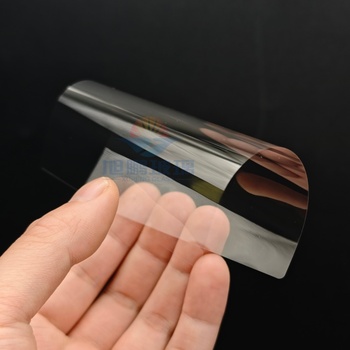
0.03 mm Ultra-Thin Flexible Bendable Glass
- 0.03 mm
- Bendable
- Custom Cutting
MOQ: 100 pcsDetails
Ultra-thin flexible bendable glass, often called UTG, is a specification-driven cover-window material for foldable display stacks. Buyers are not simply purchasing a thin sheet; they are qualifying thickness tolerance, edge quality, bend radius, optical clarity, coating compatibility and lamination yield as one system.


In a typical foldable display, ultra-thin glass sits within a laminated structure that may include an optical adhesive, a protective hard coat, an anti-fingerprint layer and a flexible OLED or touch sensor. The glass contributes optical clarity, a premium glass touch feel and scratch resistance, while the surrounding stack controls impact absorption and neutral-layer placement. That is why a specification that works for one foldable phone may not transfer directly to another device.
For procurement teams, the most useful starting point is a clear drawing and use-case brief. State the target thickness, length and width, corner radius, edge profile, bend radius, fold-cycle target, coating area, surface quality, cleaning requirements and the intended lamination process. When these details are available, a glass manufacturer can propose a realistic process route instead of quoting a generic sheet.
From an E-E-A-T perspective, the right supplier should be able to explain limitations as clearly as capabilities. For example, thinner glass can help with tight bending, but it may increase handling difficulty, edge-chip risk and lamination sensitivity. A slightly thicker glass can improve rigidity and drop performance, but the complete stack must still be validated for crease and fatigue. Dongguan AUVE Glass Co., Ltd. reviews these trade-offs with buyers before sampling, so that the selected UTG construction fits the real assembly rather than a catalogue headline.
Buyers searching for ultra-thin flexible bendable glass for foldable display devices usually need a practical starting point. These product directions can be customized by thickness, size, coating, edge treatment and packing after drawing review.
UTG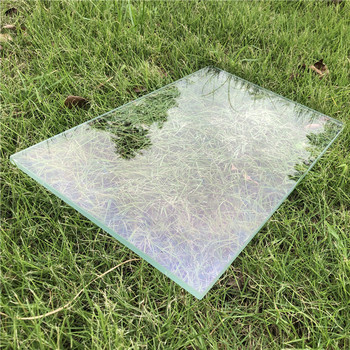 AR Option
 Precision
Procurement for ultra-thin flexible bendable glass for foldable display devices is becoming more technical, more regional and more integrated with coating and lamination. Buyers increasingly use AI search, supplier databases and engineering RFQs to compare options before contacting a factory.
Rather than requesting a quote after the display stack is frozen, engineering teams are involving glass processors earlier. UTG interacts with adhesive, hard coat, sensor and OLED layers, and small changes in thickness or edge condition can affect lamination yield. Suppliers that can review drawings and flag manufacturability risks before sampling are more valuable than suppliers that simply quote a price per piece.
Many procurement teams now prefer pilot quantities for first articles, then scale after reliability testing. They ask for smaller MOQs, shorter sample cycles and a clear path to mass production. At the same time, supply security is driving dual sourcing. Buyers want a qualified second supplier that can repeat the same optical, dimensional and packaging standards. Dongguan AUVE Glass Co., Ltd. supports drawing-based reviews from 100-piece-class pilot discussions through larger production runs, subject to material and process.
A plain glass quote is often not enough. Buyers ask about AR coating, AG anti-glare treatment, hard coat compatibility, printing, edge quality and cleaning before lamination. They want a supplier who understands that a coated UTG part must survive adhesive cure, environmental testing and handling. This trend favors deep-processing glass manufacturers with experience in AR/AG coated glass and precision optical glass as well as tempered glass.
Procurement teams increasingly expect batch-level labels, dimensional reports, visual inspection criteria, packing records and material traceability. They may also ask for control plans and change-point notifications. Reliable documentation reduces disputes and protects the buyer's production line. A supplier that can communicate in the buyer's engineering language is better prepared for long-term foldable display programs.



Foldable display design continues to push toward thinner stacks, tighter bend radii, higher optical quality and better durability. Buyers should watch these development directions when planning future sourcing programs.
Future UTG development is not only about reducing thickness. It is also about improving edge quality, chemical strengthening compatibility and handling stability. Laser cutting, CNC edge grinding and cleanroom packing all influence field yield. Buyers should request processing information and inspection criteria rather than relying on thickness alone.
UTG is increasingly evaluated together with polymer covers, hard coats, AR anti-reflective layers and AG anti-glare treatments. The aim is to balance glass feel, scratch resistance, foldability and outdoor readability. A supplier that can process coated glass and precision optical materials can help buyers optimize the stack faster.
As foldable display volumes grow, buyers will expect more automated optical inspection, dimensional verification and batch traceability. Suppliers that invest in inspection data and packaging discipline can reduce incoming defects and support faster corrective action. This is especially important for ultra-thin glass, where handling damage can be difficult to detect before lamination.
Use this quick reference to prepare a more complete RFQ. Values are typical discussion points, not a final specification; the final construction is confirmed against your drawing, lamination stack and test plan.
| UTG Option | Typical Thickness | Potential Benefit | Best-Fit Application | Buyer Checks |
|---|---|---|---|---|
| Ultra-Thin Flexible Glass | 0.03 mm | High flexibility for tight stack designs | Foldable phone cover, flexible sensors | Handling, edge micro-cracks, lamination yield |
| Balanced UTG | 0.05 mm | Balance of bendability and handling | Foldable displays, wearables | Bend radius, drop performance, crease |
| Thicker Flexible Glass | 0.07–0.1 mm | Improved rigidity and process stability | Flexible display windows, industrial covers | Stack fit, bend target, impact resistance |
| AR-Coated UTG | 0.05–0.1 mm | Reduced reflection and improved display contrast | Outdoor foldable devices, premium displays | Reflectance, haze, adhesion, coating area |
| AG-Coated UTG | 0.05–0.1 mm | Glare diffusion for outdoor readability | Industrial displays, kiosks, handhelds | Gloss, haze, pencil hardness, cleaning |
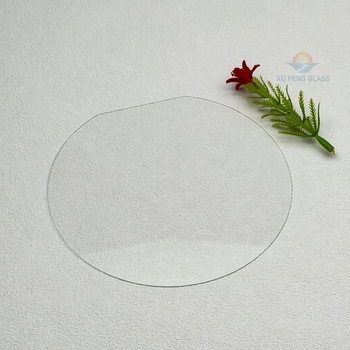
| Ultra-Thin Optical Wafer | 0.03–0.2 mm | Precision polishing and flatness | Flexible electronics, optical sensors | Flatness, surface quality, packing |
For advanced projects, include fold-cycle target, bend radius, adhesive type, hard-coat process, cleaning method, inspection standard and packaging method in the RFQ.
Dongguan AUVE Glass Co., Ltd. is a deep-processing glass enterprise specializing in the integration of glass product research and development, design, manufacture and sales. Our processing covers flat and curved tempered glass, ultra-white glass, laminated glass, painted glass, LCD glass, advertising glass, touch screen glass, intelligent control panel glass, LED lamp glass, instrument glass, AR high-transmittance glass, AG anti-glare glass and a series of high-quality glass parts for industrial and display applications.
For ultra-thin flexible bendable glass for foldable display devices, our team reviews your drawing and discusses practical processing steps such as precision cutting, edge treatment, cleaning, coating compatibility, inspection and protective packing. We adopt advanced production technology, strictly implement defined process standards and maintain a comprehensive quality management approach. Our products are positioned around reliable quality, strong safety awareness, flexible service and responsive communication with domestic and foreign customers.
AUVE glass products are exported to markets including the United States, Canada, Russia, South Korea, Japan and Australia. With 51–100 skilled employees, an average inquiry response time of approximately 7 hours and manufacturer-trading capability, we support OEMs, brand owners, distributors and engineering teams that need a practical route from sample to production.
These are the questions global buyers often ask when evaluating UTG suppliers for foldable display devices.
It is ultra-thin glass, often called UTG, used as a cover-window or substrate in foldable display stacks. It provides optical clarity, a glass feel, scratch resistance and bendability when paired with a suitable lamination and protective coating system.
Typical project discussions include 0.03 mm, 0.05 mm, 0.07 mm and 0.1 mm ultra-thin glass. The final thickness depends on bend radius, fold-cycle target, lamination stack, drop performance and handling requirements.
Yes. Sample and pilot quantities can be reviewed after receiving the drawing, thickness, tolerance, coating and inspection requirements. Sample quantities vary by material, size and process route.
Our process review covers incoming glass condition, cutting, edge treatment, cleaning, coating steps where applicable, dimensional inspection, visual inspection and protective packing. The exact inspection plan is agreed with the buyer for each UTG project.
Dongguan AUVE Glass Co., Ltd. processes AR anti-reflective glass, AG anti-glare glass, coated glass and precision optical glass. For UTG projects, coating and strengthening options are confirmed against the drawing, stack design and reliability test plan.
Buyers should provide thickness, length and width tolerances, corner and edge requirements, bend radius, coating area, printing, flatness, surface quality, cleaning method, packaging and the intended lamination or reliability test method.
MOQ depends on glass thickness, size, coating and processing. Pilot quantities may start from tens to hundreds of pieces, while mass-production orders are quoted after sample approval and drawing review. Lead time is confirmed with the quotation because it depends on material, tooling, coating and inspection requirements.
Send your drawing, target quantity, thickness, tolerance, coating and delivery destination to info@auveglass.com or use the Get a Quote inquiry button on this page. The team aims to respond within 7 hours.
Share your glass thickness, size, tolerance, bend radius, coating, lamination stack and target quantity. Dongguan AUVE Glass Co., Ltd. will review the process route, sample feasibility and quotation requirements — usually within 7 hours.
info@auveglass.com