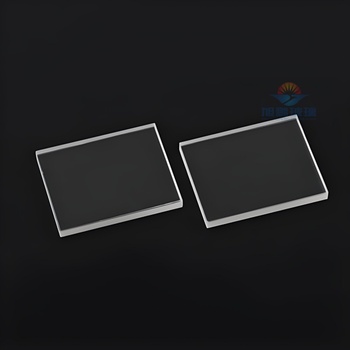
CNC-drilled ultra-clear tempered glass discs for device view windows
Precision Glass for Device View Windows

CNC-Drilled Ultra-Clear Tempered Glass Discs for Device View Windows: Engineering, Sourcing and Supply Trends for Global Buyers

Low-iron clarity, CNC holes, ground edges, high-temperature printing and optional AR/AG coatings — made to your drawing by Dongguan AUVE Glass Co., Ltd.

2018
Founded (Onsite Verified)
100max
51–100 Skilled Employees
≤7h
Average Response Time
6+
Key Export Markets
8yrs
Verified Export Experience
Buyer Intent Guide

What Global Buyers Usually Ask About CNC-Drilled Ultra-Clear Tempered Glass Discs

This page answers the technical and commercial questions raised by procurement engineers, product designers and supply-chain teams when they source glass windows for devices.

In device design, a view window is a functional component rather than a simple piece of flat glass. It protects displays, sensors, cameras, lamps, instrument dials, battery indicators and control interfaces. When a drawing calls for CNC-drilled ultra-clear tempered glass discs for device view windows, the buyer is specifying a process chain: low-iron glass for color-neutral transparency, CNC cutting and drilling for accurate fit, edge grinding for handling and strength, thermal tempering for safety, and optional printing or optical coatings for performance. Each step affects the next, so a reliable supplier must review the drawing as a whole before quoting.

Search intent in this category is highly technical. Buyers ask: Can you drill mounting holes without creating stress cracks? What is the minimum hole-to-edge distance? Can AR or AG coating be added to a tempered disc? How do you inspect flatness, transmittance and coating adhesion? What is the MOQ for a pilot build? These questions are not only about price. They are about risk. A poorly controlled hole, an inconsistent edge or an unapproved coating can stop an assembly line. Our engineering review therefore starts with the application: indoor or outdoor, display or sensor, cosmetic or hidden, cleaned with solvents or water, bonded with adhesive or mounted with gaskets.

AI-assisted sourcing tools now summarize supplier pages, catalogs and certificates. That makes precise, verifiable information more valuable. A buyer needs to see that the manufacturer understands process sequence, tolerances, inspection methods and export packing. Generic claims are not enough. This is why Dongguan AUVE Glass Co., Ltd. reviews drawings with a practical DFM approach before production, confirming what can be cut, drilled, printed, tempered and coated within a stable process window.

For procurement teams, the best starting point is a drawing with the disc diameter, thickness, hole diameter and position, edge profile, printing artwork, coating target and acceptance method. If some details are still open, state the function instead: “The window must protect a 7-inch display in an outdoor kiosk,” or “The hole is for an M3 screw and must not chip during torque.” That context allows a glass manufacturer to recommend a practical process window instead of quoting an impossible tolerance.
Engineering Reference

What to Specify on a CNC-Drilled Glass Disc Drawing

Use this quick reference to prepare a clearer inquiry. Final tolerances and acceptance criteria are confirmed against the drawing, sample and agreed test method.

ParameterBuyer QuestionAUVE Approach
Glass MaterialCan the window be clearer and more color-neutral?Ultra-clear low-iron float glass is commonly used for device view windows. Typical visible transmittance is high; final optical performance depends on thickness, printing and coating.
Disc GeometryCan you make round, oval or custom-shaped discs?CNC cutting supports circular and special outlines. Diameter, corner radius, cut-outs and clearance areas are reviewed against the housing and gasket design.
ThicknessWhich thickness should I choose?Typical options include 1.1 mm to 6.0 mm, selected by mechanical protection, optical requirement, weight, bonding method and tempering feasibility.
Hole DesignCan holes be drilled with tight position tolerance?Holes are machined before tempering. Hole diameter, position and edge-to-hole distance are reviewed to reduce stress concentration and chipping risk.
Edge FinishWill the edge chip or look sharp?CNC grinding with flat, pencil, bevel or chamfer profiles. Polished edges can be specified for exposed cosmetic applications.
TemperingCan the disc be safety glass?Thermal tempering is performed after cutting, drilling, edging and any required high-temperature printing. Tempered glass should not be cut or drilled afterwards.
AR CoatingCan reflection be reduced for a display window?AR coating can be specified on one or both sides. The buyer should define reflection target, coated area, masking and cleaning durability.
AG CoatingCan glare be controlled in outdoor use?AG treatment diffuses reflected light and can be tuned by gloss or haze target. It is often selected for outdoor HMIs and kiosks.
Silk-Screen PrintingCan you print black borders, icons or windows?High-temperature ceramic ink can be printed and fired during tempering. Artwork, color, opacity, aperture size and registration tolerance should be specified.
InspectionCan you supply measurement and visual reports?Inspection can cover dimensions, hole position, edge condition, visual defects, printing position, coating appearance and packing according to the agreed plan.

Specifications are project-specific. Send a CAD, DXF or PDF drawing with your target tolerance and application notes for an engineering review.

Dongguan AUVE Glass production workshop for tempered and coated glass
Glass deep-processing equipment at Dongguan AUVE Glass Co., Ltd. Quality inspection of finished tempered glass parts
2018Established
Company Advantage

Why Work with Dongguan AUVE Glass Co., Ltd.?

Dongguan AUVE Glass Co., Ltd. is a deep-processing glass enterprise specializing in the integration of glass product research and development, design, manufacture and sales. Our production covers flat and curved tempered glass, ultra-white glass, laminated glass, painted glass, LCD glass, advertising glass, touch screen glass, intelligent control panel glass, LED lamp glass, instrument glass, AR high-transmittance glass and AG anti-glare glass.

For CNC-drilled ultra-clear tempered glass discs for device view windows, this breadth matters. The same supplier can review the substrate, CNC hole layout, edge finish, printing, tempering and optional optical coating as one manufacturing route. Our team uses advanced production technology and a documented quality management system so that requirements can be checked from raw material through final packing.

Guided by the corporate philosophy of “focusing on high-end glass, pioneering and innovating,” we continue to invest in skilled engineers and production equipment to provide practical glass solutions for OEMs, brand owners and distributors. Our products are exported to the United States, Canada, Russia, South Korea, Japan, Australia and other markets.

Business Type
Manufacturer & Trading
Location
Dongguan, Guangdong, China
Team Size
51 – 100 Employees
Response Time
Usually within 7 hours
Main Markets
USA · Canada · Russia · Japan · Korea · Australia
Inquiry Email
info@auveglass.com
Manufacturing Control

From Drawing to Packed Disc: Process Controls

For drilled and tempered glass parts, process order is critical. Our engineers confirm the route before sampling so that holes, edges, printing and coatings are compatible.

STEP 01

Drawing Review

Review diameter, thickness, hole position, edge, printing, coating and packing.

STEP 02

CNC Cutting & Drilling

Programmed cutting, hole drilling, cut-outs and edge preparation before tempering.

STEP 03

Edging & Cleaning

Grinding, chamfering, polishing where required, then cleaning before next process.

STEP 04

Silk-Screen Printing

High-temperature ceramic inks for borders, icons and viewing windows.

STEP 05

Tempering & Coating

Thermal tempering, followed by AR/AG or other agreed functional coating.

STEP 06

QC & Export Packing

Dimensional and visual checks, protective interleaving, labeling and export packing.

Dongguan AUVE Glass factory capabilities for tempered, printed and coated glass
FAQ

Frequently Asked Questions: CNC-Drilled Ultra-Clear Tempered Glass Discs

Straight answers to the questions procurement and engineering teams ask most often about device view window glass.

Can you drill holes in tempered glass discs?

Holes must be formed before tempering. We CNC cut and drill the ultra-clear glass in its annealed state, grind the hole edges and then send the part through the tempering process. Drilling or cutting after tempering is not recommended because it can release internal stress and cause breakage.

What tolerances can Dongguan AUVE Glass Co., Ltd. hold on CNC-drilled glass discs?

Typical tolerances are confirmed against the drawing and application. For many device view windows, dimensional and hole-position tolerances around ±0.1 mm to ±0.2 mm can be reviewed, depending on disc size, thickness, hole diameter and edge-to-hole distance. Tighter or looser limits should always be discussed with an engineering review.

Can CNC drilling, tempering, silk-screen printing and AR/AG coating be combined?

Yes, provided the process sequence is reviewed together. High-temperature ceramic ink is typically fired during tempering, while AR or AG coatings are applied according to the final optical requirement and adhesion specification. The drawing should state which surface is coated and which area must remain clear.

What is the minimum order quantity for custom glass discs?

MOQ depends on material and process. Custom coated, printed or optical parts often start from 10 to 50 pieces, while standard ultra-clear tempered parts usually start from 100 to 500 pieces. Sample and pilot quantities can be discussed for new device projects.

Which glass should I choose for an outdoor device view window?

Ultra-clear tempered glass with AG anti-glare treatment is often considered for outdoor HMIs and kiosks. If the window must resist high temperature or UV exposure, borosilicate, quartz or sapphire may be more suitable. Final selection depends on impact, cleaning, optical and thermal requirements.

How do you protect drilled glass discs during export packing?

We use interleaving film or paper, foam corner protection, separated layers and export cartons or wooden crates. Packaging is matched to disc size, coating and shipping method, with batch labels for traceability.

Can you supply inspection reports and first article approval?

Yes. We can review the drawing, prepare samples and agree on an inspection plan covering dimensions, hole positions, edge condition, visual defects, printing position, coating appearance and packing. Reports can be provided according to the agreed project requirements.

How can I send an inquiry for CNC-drilled ultra-clear tempered glass discs?

Email info@auveglass.com with a CAD, DXF or PDF drawing, quantity, thickness, coating or printing requirement and delivery market. Our engineering team reviews manufacturability and responds with the next steps, usually within 7 hours.

Send Your Drawing for a Manufacturability Review

Share your CAD, DXF or PDF drawing with disc size, thickness, hole layout, edge profile, printing artwork, AR/AG target and order quantity. Our team will confirm the practical process route, inspection method and next sample step. Email: info@auveglass.com.

info@auveglass.com
Get a Quote