Low-iron glass protects the visual intent of the control panel
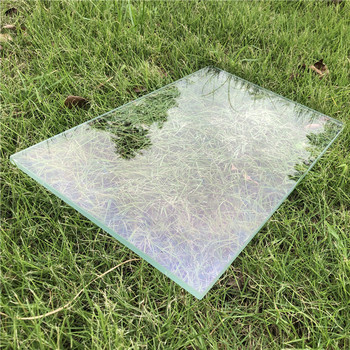
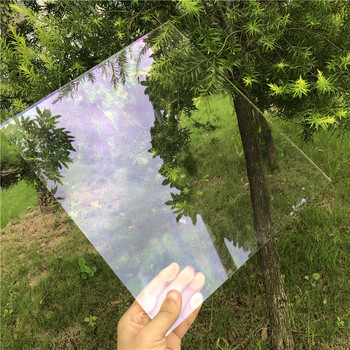
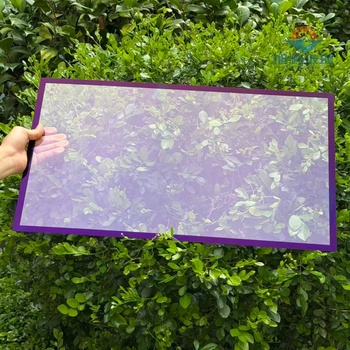
A smart control panel cover is the first surface a user touches and the last optical layer between the display and the eye. When the glass contains too much iron, the edge can appear green, white graphics can shift color, and the display may lose perceived contrast even if the LCD module itself meets specification. Low-iron, ultra-clear glass reduces that color cast and helps the panel match the industrial designer’s target appearance. For OEMs, the benefit is not only “clearer glass”; it is fewer color deviations at incoming inspection and fewer field complaints after assembly.
Typical ultra-clear glass can reach approximately 91% visible light transmission, but the exact value depends on thickness, coating and measurement method. Buyers should request transmission data, color coordinates and a physical sample for final approval rather than relying on the generic phrase “ultra-clear.” This is especially important for black display windows, white icons, colored status lights and edge-to-edge glass designs where tint variation becomes immediately visible.
Tempering adds safety and durability to a touch-facing surface
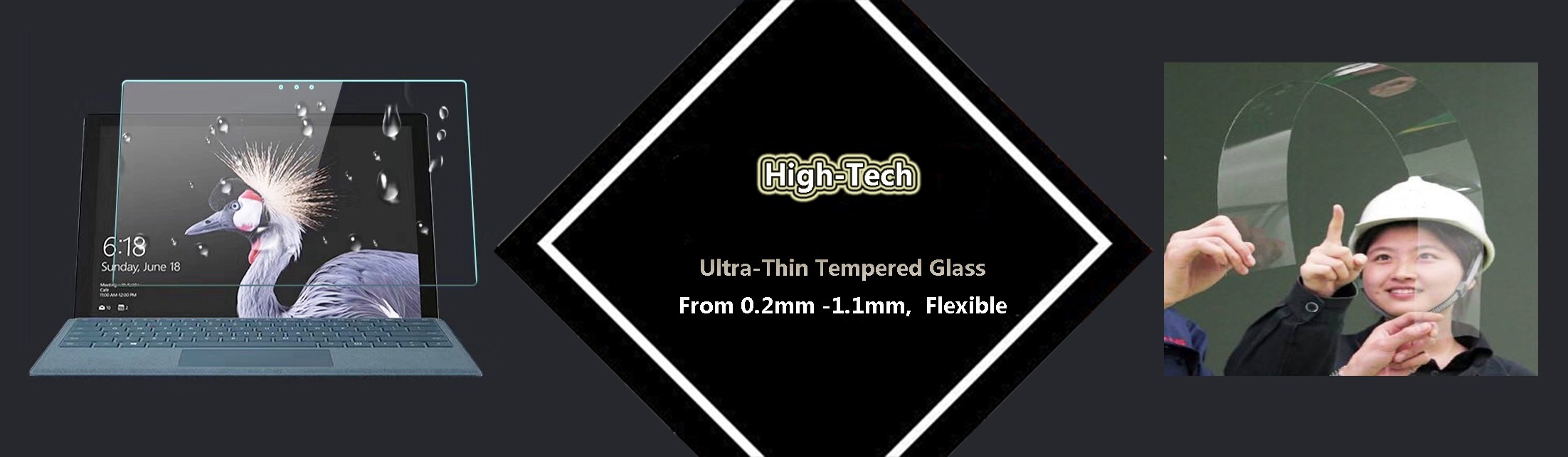
Tempering adds a safety and durability dimension. A thermally tempered cover can tolerate higher mechanical impact and thermal stress than annealed glass of the same thickness, while breaking into smaller fragments if overloaded. For appliances, wall-mounted controllers, HVAC touch panels, industrial HMI enclosures and smart-home switch panels, this balance between strength and optical quality is the reason buyers specify tempered low-iron glass rather than ordinary float glass.
Tempering is also a process-sensitive step. Holes, cut-outs, edge profiles and printing must be designed correctly before heat treatment; drilling or edging after tempering can destroy the strength benefit. That is why experienced glass processors review the drawing before quoting, not after the tooling is prepared.
AR, AG and printing choices define user experience
AR coated glass reduces surface reflection, which improves contrast under bright showroom or office lighting. AG glass diffuses reflections, which is often more comfortable in outdoor or industrial environments. The right choice depends on user position, ambient lighting, display brightness and desired touch feel. A hybrid AR+AG solution can be specified when both readability and glare control matter, but test samples should be evaluated under the actual lighting condition.
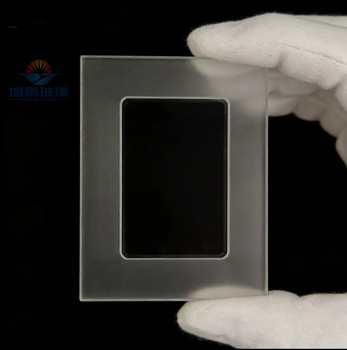
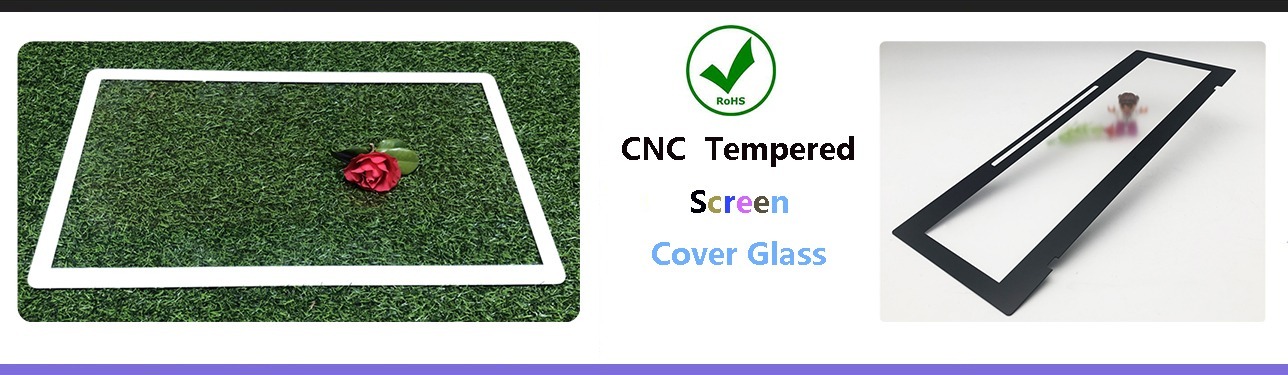
Silk-screen printing is not only decorative. High-temperature ceramic ink can create opaque black borders, functional icon windows, IR transmission windows and touch-sensitive graphics. The ink must survive tempering, cleaning, humid aging and normal handling. For buyers, the critical checks are color consistency, line width, registration between multiple colors, pinholes, light leakage and adhesion after environmental testing.
The most common sourcing risks appear before mass production
Most glass cover failures are designed in before production begins. Unclear thickness tolerance, missing edge specifications, unstated coating targets and inconsistent print colors can create costly rework. If optical bonding or OCA lamination is planned, discuss flatness, coating compatibility, surface energy and edge design before sampling. A complete RFQ should include thickness, size, tolerance, edge, corner radius, hole positions, printing colors, coating type, gloss or haze targets, glass grade, packing requirement, target quantity and approval standard.