China has become a major source of cover glass for smartphones, tablets, vehicle displays, and industrial equipment. Its suppliers differ in more than factory size. Glass composition, chemical strengthening, edge finishing, optical clarity, and production consistency all affect the finished product. A bright showroom sample tells only part of the story.
Glass scientist John C. Mauro’s research offers a useful perspective on material performance. The following is a paraphrase, not a verbatim quotation: “Glass performance depends on both its composition and the processes used to shape it.” That principle helps explain why buyers should examine manufacturing capability, not just a product sheet. Details matter.
This guide introduces leading Chinese cover glass manufacturers and the strengths they may bring to different applications. It considers product range, processing expertise, quality controls, customization, and evidence of production capacity. These factors can help distinguish a supplier suited to high-volume consumer electronics from one focused on vehicle displays or specialized equipment. Company claims still need careful checking. Request clear specifications, sample parts, and relevant test information before making a comparison. Rankings can also shift as investments, customer needs, and technologies change. No single supplier fits every project. The goal is a practical starting point for evaluating candidates, while recognizing that public information may not reveal every detail of a manufacturer’s performance.
What Is Cover Glass and Where Is It Used?
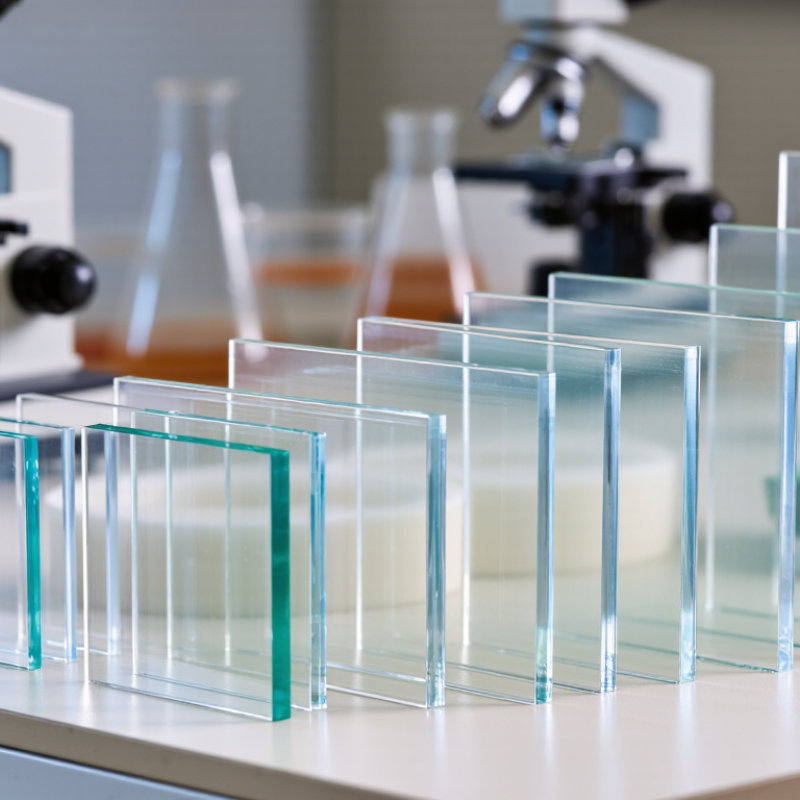
Cover glass is the transparent outer sheet that protects a display from scratches, impacts, and everyday handling. It is usually made from strengthened glass, with polished edges and a thin profile. In many devices, a touch sensor sits beneath or within the glass; the glass itself is not necessarily the sensor. Small details matter: a poorly finished edge can feel sharp, while fingerprints and glare can make a screen harder to read. It is protective, not unbreakable.
Its best-known use is on smartphones and tablets, but cover glass also appears on smartwatches, vehicle dashboards, household appliances, and industrial control panels. These settings call for different choices. A car display may need to remain readable in sunlight, while a factory panel may face repeated cleaning and contact with gloves. Scale is substantial: IDC reported 1.17 billion smartphone shipments worldwide in 2023 in its Worldwide Quarterly Mobile Phone Tracker. That figure does not measure cover-glass consumption directly, but it shows the size of one major application. Fit, optical clarity, impact resistance, and touch response all affect performance. Trade-offs remain; stronger glass can still crack, and coatings can wear over time.
Who Are the Top Cover Glass Manufacturers in China? - What Is Cover Glass and Where Is It Used?
Cover glass is a transparent protective sheet placed over a display or sensor. It is commonly made from strengthened glass and may include surface treatments such as anti-fingerprint or anti-reflective coatings.
| Application | Common Glass Type | Indicative Thickness | Typical Design Requirements | Common Processing Options |
|---|---|---|---|---|
| Smartphones | Chemically strengthened aluminosilicate glass; some designs use other strengthened glass compositions. | About 0.4–1.0 mm | Thin profile, impact and scratch resistance, optical clarity, and precise openings for cameras or sensors. | Ion-exchange strengthening, edge shaping, printing, and optional anti-fingerprint or anti-reflective treatment. |
| Tablets and laptops | Chemically strengthened aluminosilicate or soda-lime glass, selected for the device design. | About 0.5–1.3 mm | Large-area flatness, touch performance, optical uniformity, and resistance to everyday abrasion. | Strengthening, precision cutting, edge finishing, surface coating, and decorative border printing. |
| Wearables and smartwatches | Chemically strengthened glass; sapphire is also used in some premium watch designs. | About 0.3–0.8 mm for glass designs | Compact shaping, scratch resistance, clear viewing, and compatibility with touch or optical sensors. | Precision forming, strengthening, curved-edge finishing, and optional anti-smudge coating. |
| Automotive displays and control panels | Strengthened soda-lime or aluminosilicate glass, depending on the display and vehicle requirements. | Often about 1.1–2.1 mm; design-dependent | Large-area optical quality, glare management, temperature durability, and integration with curved or bonded displays. | Chemical or thermal strengthening, curved shaping, printing, and anti-reflective or anti-glare treatment. |
| Industrial, medical, and public-use touchscreens | Strengthened soda-lime or aluminosilicate glass; borosilicate glass may be selected for particular thermal or chemical requirements. | Commonly about 0.7–3.0 mm, depending on the equipment | Durability, cleanability, visibility, and compatibility with the operating environment and touch technology. | Edge polishing, strengthening, screen printing, and optional anti-glare or chemical-resistant surface treatments. |
Note: Thickness figures are indicative examples, not industry standards. Actual material, dimensions, strengthening method, and coatings vary by product design, performance requirements, and applicable specifications.
FAQS
Look for precise cutting, edge grinding, strengthening, printing, and inspection. One quality system helps keep the edges smooth and dimensions consistent. Factory size alone proves little.
Specify glass type, thickness, dimensions, edge finish, coating, and operating environment. Include measurable limits for light transmission, haze, flatness, and thickness. Ask for data.
Review thickness checks, surface inspections, and sample tests across production lots. Ask how the factory tracks furnace settings and tiny edge chips. Numbers help, but not everything.
Inspect samples under consistent lighting. Check for scratches, chipped edges, uneven coatings, and visible distortion. A polished sample may not represent volume production.
Yes. Confirm fit, touch response, bonding, and readability under bright light. A panel can look fine on a desk yet fail after assembly.
Ask for yield records, inspection methods, traceability, and corrective-action reports. Also clarify how rejected parts are handled. Clear answers matter.
Compare factory capacity and lead times with your actual forecast, not only the quoted price. Ask whether the same process will support larger orders. Ramp-up can still miss targets.
Ask how process and material changes are documented and reviewed. Discuss custom shapes and coatings with engineering and procurement together. Some drawings need another look.
Conclusion
This article introduces Cover Glass, a protective material used in products such as smartphones, tablets, vehicle displays, and industrial touchscreens. It explains how manufacturers are assessed by factors including product quality, production capacity, technical expertise, customization options, and consistency. Rather than focusing on brand names, the overview highlights the capabilities that distinguish leading manufacturers in China’s cover glass industry.
Readers will also learn about common technologies and services, such as precision cutting, edge finishing, surface treatments, printing, and quality testing. The final section offers practical guidance for choosing a suitable supplier: define the application and performance requirements, compare samples and manufacturing capabilities, confirm quality-control processes, and evaluate communication, delivery, and after-sales support. Together, these points help buyers make a well-informed decision for their specific project.