Tempered Glass is used in doors, shower enclosures, railings, furniture, and vehicle windows because controlled heating and rapid cooling increase its strength compared with ordinary annealed glass. When it breaks, it usually fragments into many small pieces rather than large, sharp shards. That reduces some risks, but it does not make the material unbreakable or eliminate the need for careful installation.
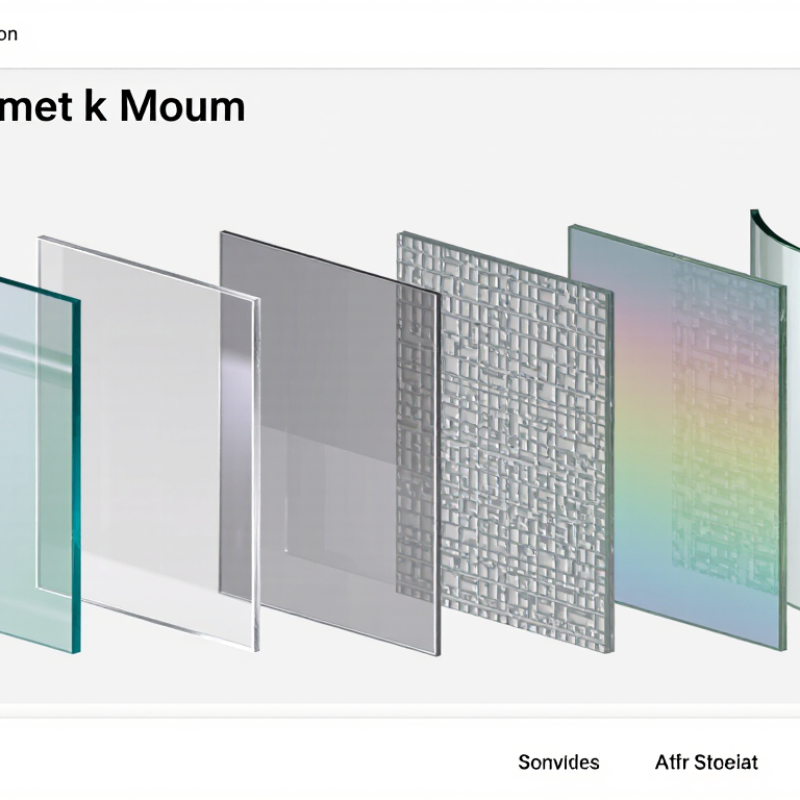
In 2026, buyers may encounter clear, low-iron, tinted, patterned, coated, and curved tempered glass. Each option serves a different purpose. Clear glass suits many everyday applications, while low-iron glass offers a less green edge for display areas. Tinted and coated products can help manage glare or solar heat, depending on their specifications. Patterned glass adds privacy, though the texture can affect cleaning and visibility. Curved glass brings a distinctive shape, but typically requires more planning and precise measurements.
The categories can overlap. Details matter. A glass panel might be tinted and coated, for example, so “type” may describe its appearance, treatment, or intended use. Thickness, edge finishing, dimensions, hardware, and the manufacturer’s technical data all influence whether a product fits a specific project. Specifications vary by product and application; confirm them with a qualified supplier or installer before ordering. This guide compares the main options, their practical advantages, and the trade-offs worth checking. Some distinctions are less obvious than product photos suggest.
What Tempered Glass Is and How It Is Made
Tempered glass starts as annealed glass, which is cut and shaped before strengthening. Its edges are carefully ground, and any holes are drilled at this stage. Later changes are risky. That timing matters.
The prepared sheet enters a furnace, where it is heated evenly to a high temperature. The exact setting depends on glass thickness and composition. Powerful air jets then cool its surfaces quickly while the center cools more slowly. This creates compression near the surfaces and tension within the core. The balance makes the glass stronger against impact and temperature changes than comparable annealed glass. The process is not magic.
When properly tempered glass breaks, it usually fragments into many smaller pieces rather than long, sharp shards. That can reduce certain injury risks, but the fragments can still cut or cause harm. Tempered glass cannot be cut or drilled afterward without likely shattering. Quality checks may include visual inspection, measurements, and tests on sample pieces. Uneven heating, damaged edges, or poor handling can weaken the finished sheet. Even careful production cannot remove every flaw, so specifications and installation details matter. A pane that looks perfect may still have stresses that are difficult to spot.
What Are the Top Types of Tempered Glass in 2026? — What Tempered Glass Is and How It Is Made
Tempered glass is glass strengthened by controlled heating and rapid cooling, which leaves its surfaces in compression and its interior in tension. In thermal tempering, the glass is cut and edge-finished first, heated to a temperature near its softening range, then rapidly cooled with air. The process increases strength compared with annealed glass and typically causes fully tempered glass to break into many smaller pieces rather than large sharp shards. Tempered glass cannot be cut or drilled after tempering.
| Type or Product Form | How It Is Made | Key Characteristics | Common Uses | Important Considerations |
|---|---|---|---|---|
| Clear fully tempered glass | Annealed glass is heated and rapidly cooled using controlled air quenching. | Has higher strength and thermal-shock resistance than comparable annealed glass. When it breaks, it generally fractures into many small fragments. | Shower enclosures, doors, side panels, furniture, and other applications where safety glazing is specified. | Must be cut, drilled, and edge-finished before tempering. Fragmentation behavior and required thickness depend on the product and applicable standards. |
| Heat-soaked fully tempered glass | Fully tempered glass is held in a controlled heating chamber as an additional quality-control step to encourage some panes containing nickel sulfide inclusions to break before installation. | Can reduce, but does not eliminate, the risk of spontaneous breakage associated with certain inclusions. | Glazing in buildings where reducing the risk of breakage after installation is important, subject to project specifications. | Heat soaking does not make glass unbreakable or guarantee that spontaneous breakage will not occur. The process and acceptance criteria vary by standard. |
| Chemically strengthened glass | Glass is immersed in a molten salt bath, commonly containing potassium ions, which replace smaller sodium ions near the surface and create a compressive layer. | Can provide high surface strength and is useful for thin glass. Its strengthening mechanism differs from thermal tempering. | Thin protective covers, electronic-device glass, and specialty applications. | Often called chemically tempered in everyday usage, but it is distinct from thermally tempered safety glass. It is not automatically safety glazing; verify the applicable product standard and use requirements. |
| Curved tempered glass | Glass is heated until it can be shaped, formed to a curve, and then cooled rapidly to temper it. | Combines a curved form with the characteristics of thermally tempered glass. | Curved facades, doors, display cases, and vehicle or architectural glazing designed for a specific shape. | Shape, dimensions, thickness, and edge details must be finalized before tempering. Optical distortion and dimensional tolerances should be considered in design. |
| Patterned or privacy tempered glass | Patterned or textured glass is cut to size and then thermally tempered, when the glass composition and product are suitable for the process. | Provides light transmission with a textured appearance that can obscure clear views. | Bathroom glazing, interior partitions, doors, and decorative panels. | Pattern, thickness, and surface orientation affect appearance. Confirm that the specific patterned product is approved for tempering and the intended application. |
| Laminated tempered glass | Two or more glass plies are tempered individually, then bonded with an interlayer under heat and pressure. | If the glass breaks, the interlayer can help hold fragments in place and retain the glazing in the frame, depending on the design. | Overhead glazing, guardrails, skylights, and locations where post-breakage retention is required. | Lamination is a construction combining glass plies and an interlayer, not a separate tempering method. Performance depends on the complete assembly, interlayer, support, and applicable requirements. |
Selection note: Tempered-glass requirements vary by country, building code, thickness, size, and application. Confirm that the complete glazing product—not just the glass type—meets the relevant safety and performance standards for its intended use.
FAQS
Tempered glass is heated and rapidly cooled to strengthen its surfaces. The center cools more slowly. This creates a balance of compression and tension.
The glass is cut, shaped, and drilled before heating. Its edges are ground carefully. Later changes are risky.
It usually breaks into many smaller pieces instead of long, sharp shards. The fragments can still cause cuts. Not harmless.
Usually not. Cutting or drilling afterward can cause the pane to shatter. Measurements and holes should be planned earlier.
Fully tempered glass is generally stronger and has a different break pattern. Heat-strengthened glass receives gentler cooling and offers greater resistance to thermal stress. The names can be confusing.
It combines tempered panes with an interlayer. After breakage, the interlayer helps hold fragments together. Monolithic tempered glass is a single pane.
Clear glass keeps views and colors relatively accurate. Low-iron glass reduces the green edge tint, especially visible through thick panels. Tinted glass can soften glare, but dark samples may feel heavy on cloudy days.
Confirm the glass build, treatment, thickness, safety requirements, and performance data for the installation. Compare a sample with nearby flooring and walls. Small samples can mislead; I still find that easy to overlook.
Conclusion
Tempered Glass is produced by heating glass and then cooling it rapidly, strengthening it so it can better withstand everyday stress than ordinary glass. Its types can be understood by looking at appearance, shape, processing, and how it is combined with other glass. Clear tempered glass offers an unobstructed view, while low-iron glass appears less green and tinted glass adds color and can soften incoming light.
Other options include patterned glass, which brings texture and privacy; curved glass, shaped for rounded designs; and heat-soaked glass, which undergoes an additional screening process. Tempered glass can also be incorporated into laminated or insulated systems. Laminated constructions hold fragments together with an interlayer if the glass breaks, while insulated units use separate panes and a sealed space to support thermal performance. The right type depends on the desired look, application, and balance of strength, safety, privacy, and insulation.