CE Certified Custom Cover Glass Exporter & Wholesaler
Ultra-clear tempered, AR/AG coated, sapphire, TGV, UTG and precision optical cover glass for buyers who need drawing-based engineering, traceable quality and export-ready packing.
8 Cover Glass Products for CE-Ready OEM Programs
These eight product families cover the recurring specification gaps in display, appliance, sensor, semiconductor, aerospace and high-temperature window projects. Every item below preserves the original product URL so your engineering and sourcing teams can request the exact specification.

High Transmittance Sapphire Glass, Scratch Resistant & High Temperature Resistant Sapphire Glass Sheets
For sensor covers and viewports where scratch resistance, high transmission and elevated temperature resistance matter more than ordinary soda-lime glass.

Custom Ultra-White Clear Tempered Glass Socket Decorative Cover for Stairways
Aesthetic cover glass that combines ultra-white clarity with cut-outs, edge finishing and printing for architectural switch and socket interfaces.
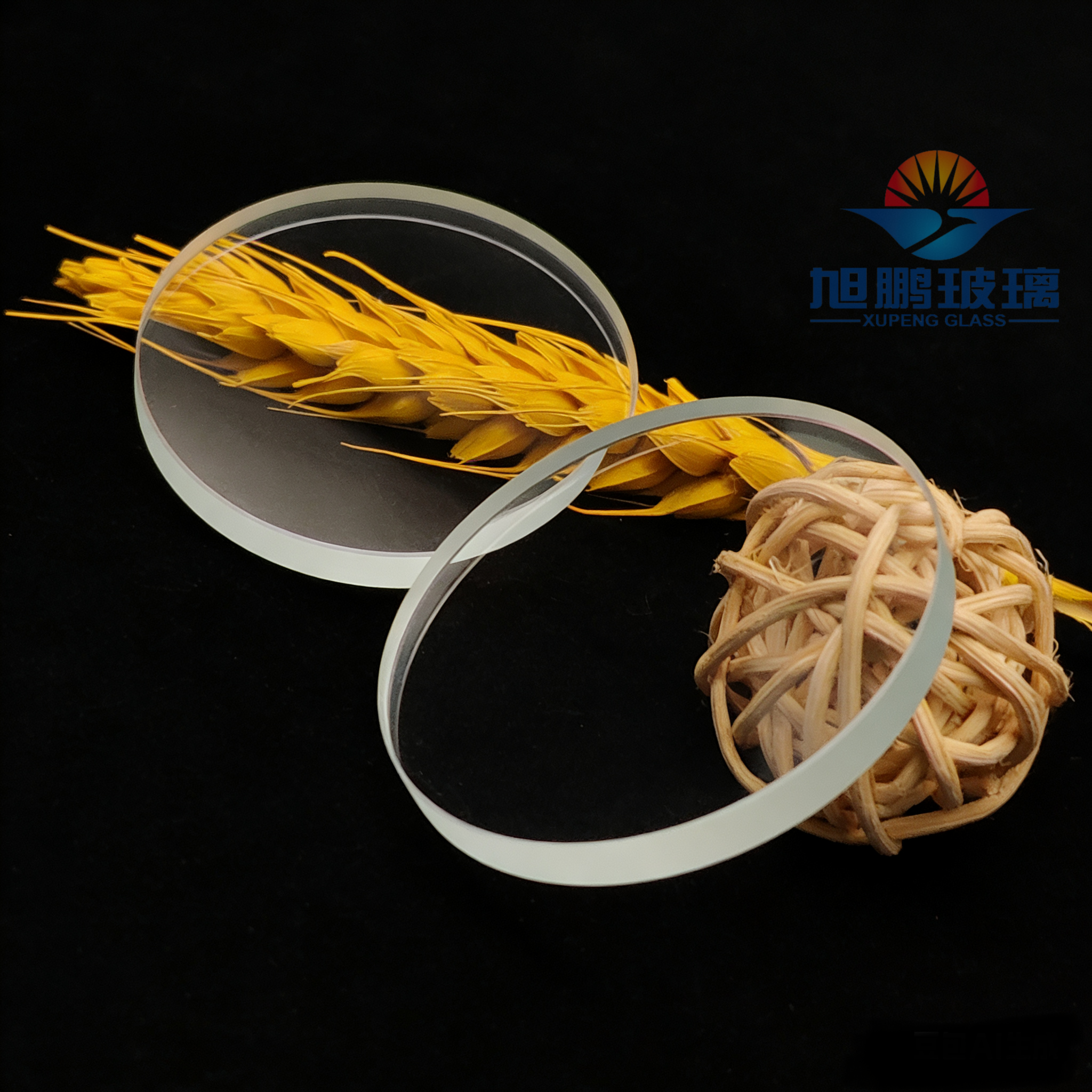
Low Iron Round High Transmittance Tempered Glass Panel with Precision Polished Edges, Flat Clear Glass
Circular low-iron glass for HMI windows, appliance lenses and display covers that need clean edges and neutral color transmission.

Ultra-thin Optical Glass Sheets Schott B270/D263T Semiconductor Electronic Glass Blank Cutting & Processing
Thin optical blanks for display, sensor and electronic applications where cutting, edge quality, flatness and downstream coating compatibility must be agreed before sampling.

Schott BF33 TGV Microvia Glass Wafer, Packaging Substrate for Sensors & Chips
Borosilicate wafer options for advanced packaging programmes; define via geometry, wafer thickness, surface quality and inspection method at RFQ stage.

Ultra-white Tempered Glass, AR Anti-Reflection Coatable, High Light Transmittance & Anti-reflective
An ultra-white substrate for low-reflection display windows and instrument panels where visible transmission and coating uniformity are critical.

Ultra-thin Flexible UTG Glass, Bendable and Foldable, Suitable for Commercial Aerospace and New Energy Industries
Ultra-thin glass for foldable, curved and lightweight structures; buyers should specify bend radius, edge treatment, handling method and lamination process.
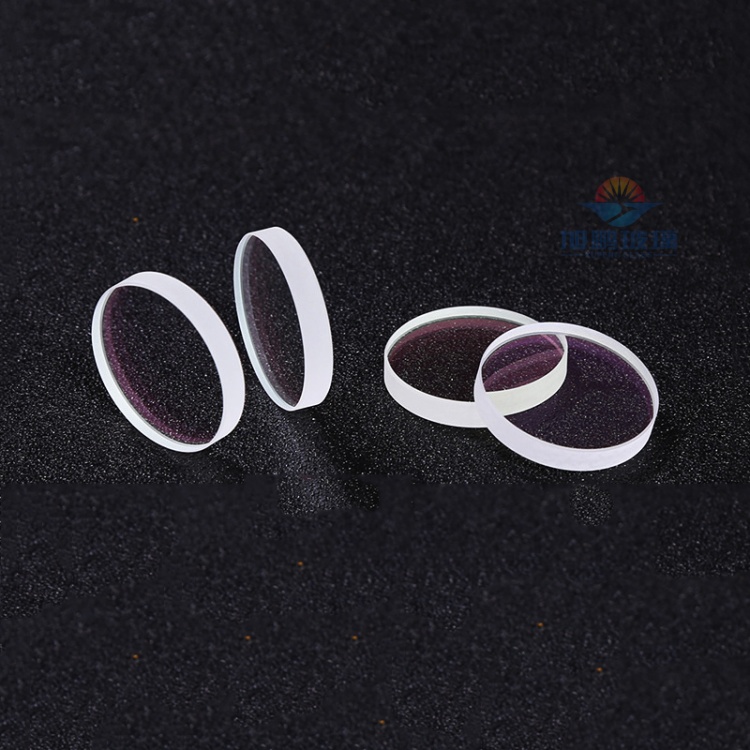
Ultra-clear Tempered Glass, Custom Processing Available: Drilling, Etching, AG Coating Silk Printing, AR Coating
A flexible platform for control panels, appliance covers and lighting glass that need drilling, etching, AG/AR coating and multi-color silk printing.
Why Cover Glass Procurement Is Now an Evidence-Led Decision
Price per square meter still matters, but it no longer explains total program cost. A cover glass specification now carries optical performance, safety, coating durability, packing survival, documentation and change-control risk.
For OEM procurement teams, the most useful supplier is not simply the one with the lowest unit price. It is the one that can turn a drawing, a coating target and an end-market compliance scope into a repeatable, inspectable shipment — without hiding process risk behind a quotation.
Material clarity reduces hidden cost
Low-iron, standard float, borosilicate, sapphire and fused quartz behave differently under heat, impact and optical inspection. A supplier should state the material route and the inspection basis, not only the glass name.
Interface risk lives at the surface
AR reflection targets, AG haze, silk-print adhesion, laser-cut edges and cleaning compatibility are interface issues. They should be frozen in a pre-production sample record before volume release.
Supply continuity is part of quality
A qualified glass part is only valuable if the next batch arrives intact, within tolerance and with the same coating and printing parameters. Packaging validation and batch traceability belong in the sourcing decision.
CE Marking and Custom Cover Glass: What a Wholesaler Must Document
A credible cover glass exporter should help you build an evidence pack rather than simply promise “CE compliance” in an email. The right evidence depends on the end product, the applicable directive and the buyer’s own risk assessment.
For display assemblies, appliance panels and industrial HMI products, the cover glass is often a component inside a CE-marked article. The final manufacturer remains responsible for the declaration of conformity, but the glass supplier can either strengthen or weaken that file. A documentation-first discussion should clarify material composition, coating chemistry, RoHS/REACH declarations where relevant, dimensional inspection method, surface quality limits, tempering records and packaging validation. This is especially important when the glass carries printed graphics, anti-reflective coatings, anti-glare etching or conductive features.
Experienced buyers do not ask only “Is this CE certified?” They ask: which end product scope is being assessed, which declarations are available, which tests are batch-linked, and how changes to raw glass, ink, coating or edge treatment will be communicated. Those questions separate a transactional wholesaler from a manufacturing partner that understands the technical file behind a CE-marked assembly.
1. Material and substance declarations
Collect glass composition, coating information and relevant RoHS/REACH statements. Keep declaration versions linked to the purchase order, especially when low-iron, borosilicate, sapphire or quartz grades are substituted.
2. Process and inspection records
Define cut tolerance, edge quality, flatness, hole position, printing registration, coating reflection or haze, and the sampling plan. Records should show what was measured, how often and against which drawing revision.
3. Traceability and change control
Ask how raw sheet lots, tempering runs, coating batches and print lots are identified. A written change-notification route for material, ink, coating or process shifts prevents silent drift after qualification.
Illustrative RFQ scorecard weighting
Many custom cover glass RFQs are still decided mainly on piece price. A more resilient scorecard gives weight to evidence and delivery reliability, not only the quotation headline.
Cover glass evidence pack checklist
Use this checklist during supplier qualification and keep it alongside the drawing revision.
- 1Approved drawing with material grade, thickness, tolerance, edge, hole and coating zones.
- 2Golden sample or photo-limited defect standard agreed by engineering and quality.
- 3Material declaration and declaration version tied to the purchase order.
- 4Measurement report and first-article inspection for the production batch.
- 5Packaging validation record and drop/transit protection method.
Future Procurement Trends for Cover Glass Buyers
From 2026 onward, cover glass sourcing will be shaped less by catalogue availability and more by qualification speed, supply resilience and the ability to prove what was shipped.
Dual-source qualification
Buyers are qualifying a second supplier earlier, but a credible dual-source plan requires the same drawing, inspection method and golden sample. Otherwise the second source adds variation rather than resilience.
Documentation-first RFQs
Procurement teams increasingly ask for material declarations, coating data, packaging methods and batch records at quotation stage. Suppliers that answer only with a price and MOQ slow the qualification process.
Total landed cost modelling
Breakage, replacement freight, line stoppage and re-inspection often cost more than a small unit-price gap. Buyers are modelling packaging survival and batch consistency alongside FOB or DDP pricing.
Smaller validated pilot lots
Rather than jumping from sample to mass production, sourcing teams are using pilot quantities to validate coating durability, printing adhesion, packing and assembly yield before releasing a larger PO.
A practical implication is that cover glass RFQs should include an evidence schedule, not only a bill of materials. Ask each supplier to state the material route, coating target, inspection standard, packaging method and change-notification route in the quotation response. That single document reduces later disputes and makes supplier comparison far more reliable.
Product Development Trends Reshaping Cover Glass Specifications
The next generation of cover glass is being driven by foldable formats, higher display contrast, semiconductor packaging, high-temperature sensing and smarter surface functions. Each trend changes what the drawing must control.
Ultra-thin flexible glass
UTG development is moving bend radius, edge strength and lamination compatibility into the core specification. Buyers should define handling and downstream lamination before selecting thickness alone.
Integrated AR/AG optical stacks
Display and HMI projects increasingly combine anti-reflection, anti-glare, anti-fingerprint and easy-clean functions. The supplier must control haze, reflection, color shift and coating durability together.
Semiconductor and TGV platforms
Glass wafers, TGV substrates and alkali-free materials are becoming part of mainstream advanced-packaging conversations. Via geometry, flatness, surface quality and wafer inspection must be specified together.
High-reliability specialty glass
Sapphire, borosilicate and quartz remain essential where thermal shock, UV transmission or scratch resistance outranks ordinary glass economics. Applications demand traceable material grades and targeted inspection.
Material Selection Guide for Cover Glass Engineers
Use this reference to shortlist a material before sending a drawing. Final acceptance must always be confirmed against your application standard, sample approval and agreed test method.
| Glass type | Key property (typical reference) | Best-fit applications | Buyer check |
|---|---|---|---|
| Ultra-clear tempered | High visible transmission with low green edge tint; strengthened glass for impact resistance | Control panels, appliance covers, LED fixtures, light boxes | Confirm iron level, tempering mark, edge quality and coating compatibility |
| AR coated glass | Surface reflection reduced through single- or double-side anti-reflective coating | Touch modules, all-in-one PCs, instrument windows, museum glazing | Define reflection angle, wavelength band, color shift and coating durability |
| AG anti-glare glass | Micro-textured surface diffuses reflected light; haze and gloss selectable | Outdoor LCDs, industrial HMI, kiosks, medical displays | Agree haze range, gloss level, cleaning method and fingerprint performance |
| Silk-screen printed tempered | Ceramic ink fired into glass for durable graphics and light-blocking windows | Instrument panels, appliances, switch and socket covers | Check ink color, registration, IR transmission windows and adhesion |
| K9 optical glass | Borosilicate crown material used in optical instruments; low inclusion targets | Lenses, prisms, instrument windows | Define refractive index grade, surface quality, polishing and coating |
| Fused quartz | High UV transmission and strong thermal shock resistance | UV curing, disinfection equipment, high-temperature viewports | Specify UV band, thickness, bubble/ inclusion limits and annealing needs |
| Sapphire glass | Very high scratch resistance and high-temperature capability | Sensor covers, harsh-environment windows, scratch-critical surfaces | Confirm crystal orientation, transmission, thickness and chamfer requirements |
| Corning EXG / BF33 TGV | Alkali-free or borosilicate wafer platforms for semiconductor and sensor packaging | Advanced packaging, MEMS, display substrates, sensor wafers | Agree flatness, via geometry, surface particles and wafer-level inspection |
| Ultra-thin flexible UTG | Thin glass with bendability for flexible electronic structures | Foldable displays, flexible sensors, aerospace and new-energy devices | Specify bend radius, edge treatment, handling method and lamination stack |
Values are indicative selection references, not a substitute for your drawing, end-product risk assessment or regulatory review. Confirm final specifications before mass production.
Factory-Direct Advantages for a Documentation-Heavy Supply Chain
Dongguan AUVE Glass Co., Ltd. integrates R&D, design, production and export of deep-processed glass. The company’s advantage is not one machine or one material; it is the ability to connect drawing review, process routing and export packing in one supply chain conversation.
Based in the Songshan Lake electronics and optoelectronics cluster in Dongguan, Guangdong, AUVE states a factory footprint of 1,001–2,000 m², a team of 51–100 skilled employees and a founding date of 2018. Its public product scope covers flat and curved tempered glass, ultra-clear low-iron glass, laminated and painted glass, AR anti-reflective and AG anti-glare coated glass, silk-screen printed glass, touch screen and LCD cover glass, LED lighting glass, instrument glass, and optical materials such as K9, quartz, sapphire, borosilicate and Corning EXG alkali-free glass.
For buyers, that range matters most when a programme needs more than a single catalogue part. A control panel may require low-iron glass, CNC drilling, high-temperature printing and AR coating. A sensor window may need sapphire or quartz, precision edge work and incoming inspection. A display cover may need ultra-white tempered glass with an anti-reflective surface and protective packing. Consolidating those steps with a deep-processing supplier reduces the number of hand-offs that can lose tolerance or traceability.

Manufacturing and export capability in one team
AUVE supports drawing-based production covering CNC cutting, edging, drilling, tempering, silk-screen printing and AR/AG coating. It also publishes buyer-assurance information such as onsite verification, credit index, transaction level, trade capacity, trade history and buyer feedback, which shortens the supplier due-diligence path.
Its stated export markets include the United States, Canada, Russia, South Korea, Japan and Australia. Supported commercial terms include FOB, CFR, CIF, EXW, DDP, DDU, DAF and express delivery, with packing designed for fragile glass parts. For project teams, these details matter because compliance documentation and shipping terms must be aligned before the first production order.
Factory-direct deep processing
Cutting, CNC shaping, drilling, edging, tempering, printing and coating are coordinated around the buyer’s drawing rather than passed through multiple unrelated workshops.
Verifiable supplier profile
The original supplier profile links onsite verification, credit index, transaction level, trade capacity, trade history and ratings, giving procurement teams evidence to review before sampling.
Export-market familiarity
Experience with buyers in North America, Europe and Asia-Pacific helps align Incoterms, packing method, labelling and fragile-goods handling with the destination supply chain.
Broad material portfolio
Low-iron, tempered, borosilicate, K9, quartz, sapphire, Corning EXG and ultra-thin flexible glass options let engineering compare optical, thermal and mechanical trade-offs.
Engineering review before tooling
CAD, DXF or PDF drawings can be reviewed for thickness, tolerance, edge, hole, printing and coating requirements before production commitments are made.
Responsive technical communication
AUVE states an average response time within 7 hours. For custom glass, faster clarification of drawings and process questions directly shortens sample cycles and reduces avoidable rework.
Manufacturing Control: From Drawing to Export Carton
A custom cover glass order should not begin with a machine setting. It should begin with a drawing review that defines what “good” means at every downstream step.
Drawing and DFM review
Confirm material, thickness, tolerance, edge profile, holes, coating zones and printing artwork. Raise manufacturability questions before cutting begins.
Cutting and CNC shaping
Cut from the selected glass stock, then shape, drill, bevel or groove to the approved drawing. Dimensional checks start at the first article.
Tempering and printing
Apply thermal strengthening where required, followed by high-temperature ceramic printing, IR windows or light-blocking graphics with agreed registration.
AR / AG and functional coating
Control reflection, haze, color and coating uniformity against the approved sample. Coating compatibility with inks, adhesives and cleaning must be checked.
Final inspection and data
Inspect dimensions, appearance, coating performance and print quality using the agreed sampling plan. Keep records linked to the production batch.
Protective export packing
Use interleaving protection, corner guards and reinforced cartons or wooden crates suitable for fragile glass. Label batches so the buyer can trace receipt.
Frequently Asked Questions from Cover Glass Buyers
Direct answers to the questions that appear most often during supplier qualification, sample approval and first-order planning.
What types of glass does Dongguan AUVE Glass manufacture?
The supplier processes flat and curved tempered glass, ultra-clear low-iron glass, laminated and painted glass, AR anti-reflective and AG anti-glare coated glass, silk-screen printed glass, touch screen and LCD cover glass, LED lighting glass, instrument glass, and optical materials such as K9, quartz, sapphire, borosilicate and Corning EXG alkali-free glass.
Is cover glass itself CE certified?
In many applications, cover glass is a component rather than the finished CE-marked article. The final product manufacturer normally places the CE mark and issues the EU Declaration of Conformity. A capable glass supplier should provide material declarations, process records, inspection data and batch traceability that support the final product’s technical file. Always confirm the applicable directive and evidence requirements for your end product.
Can you produce glass to my own drawings?
Yes. Send a CAD, DXF or PDF drawing with thickness, tolerance, edge, hole, printing and coating requirements. The engineering team can review manufacturability before production, covering CNC cutting, edging, drilling, tempering, silk-screen printing and AR/AG coating.
What is the minimum order quantity?
MOQ depends on material and process. Many coated and optical glass parts start from 10 to 50 pieces, while standard ultra-clear tempered parts typically start from 100 to 500 pieces. Sample and pilot quantities can be discussed for new projects, especially when a new coating or printing stack needs validation.
Which Incoterms and shipping methods are supported?
Supported terms include FOB, CFR, CIF, EXW, DDP, DDU, DAF and express delivery. Export packing is designed for fragile glass parts, with protective film, corner protection and wooden crates or reinforced cartons depending on the order.
Which markets does the company export to?
AUVE states that its glass products are exported to the United States, Canada, Russia, South Korea, Japan, Australia and other markets. For a new destination, confirm labelling, documentation, packaging and delivery terms before the first shipment.
How quickly are technical inquiries answered?
The stated average response time is within 7 hours. Include your drawing, target quantity, material preference and end-use environment in the first message so the reply can address process route, MOQ and inspection requirements rather than only price.
What should I send with a cover glass RFQ?
Send a dimensioned drawing, material and thickness, surface quality target, edge and hole requirements, coating or printing specification, end-use environment, annual volume, target sample date and required Incoterm. If the part will support a CE-marked assembly, state which declarations or traceability records your technical file needs.
Send Your Drawing for a CE-Ready Cover Glass Review
Share the size, thickness, tolerance, edge, printing, coating and packing requirements. The quote can then be built around the actual engineering and documentation scope instead of a generic catalogue price.
Typical technical response within 7 hours · Custom drawings accepted · Export packing available