Float Glass and Precision Processed Glass Products for Export Buyers
The eight product families below represent the most frequent requests from overseas buyers: mirror components, CNC-drilled tempered discs, printed low-iron panels, Schott B270/D263T blanks, ultra-clear control-panel glass, K9 optical glass, Corning ultra-thin wafer substrates and high-UV quartz plates. Each item can be quoted as a repeat wholesale line or adapted to your drawing.
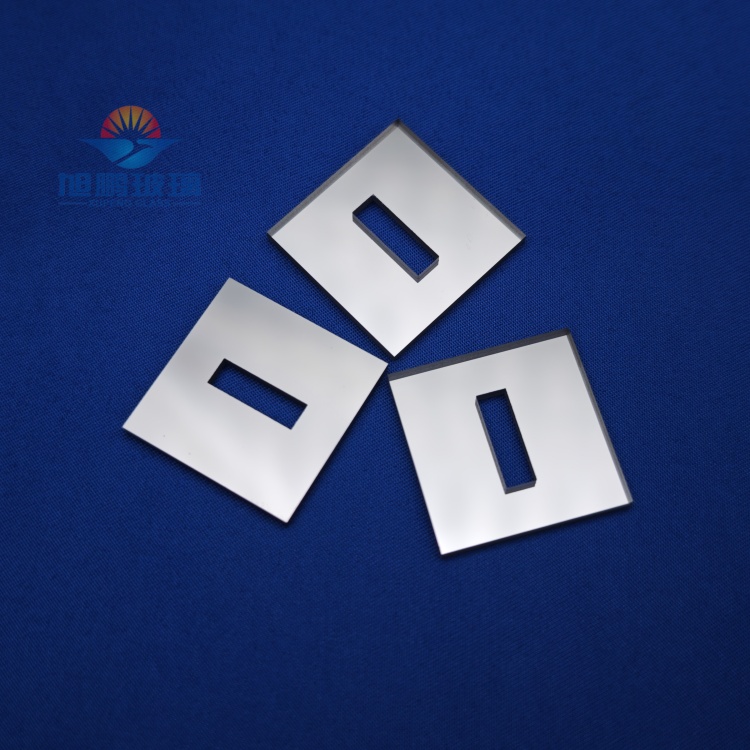
Silver-coated Mirror, Grooved at the Center of Glass
Decorative mirror component for furniture, display and architectural fittings, produced with controlled edge quality and protective export packing.
View product →
Precision CNC Cut & Holed, High-temperature Silk Screen Tempered Glass, Drilled Ultra-clear Small Round Glass Discs
CNC-cut, drilled and high-temperature printed tempered glass discs for control panels, sensors and appliance interfaces, with ultra-clear grade available.
View product →
CNC Carved Low Iron Glass Sheet, High-temperature Screen Printed Tempered Glass, Drilled Glass Panel
Low-iron glass with CNC carving, high-temperature printing and drilling for premium control panels, lighting covers and smart-device assemblies.
View product →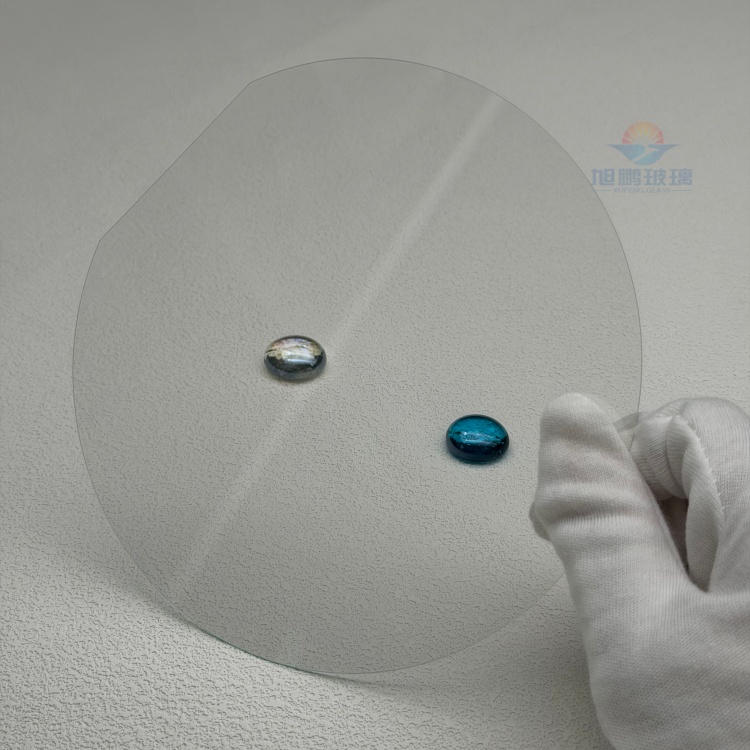
Ultra-thin Optical Glass Sheets Schott B270/D263T Semiconductor Electronic Glass Blank Cutting & Processing
Ultra-thin optical glass blanks cut and processed for semiconductor, electronic and precision optical applications that require stable flatness.
View product →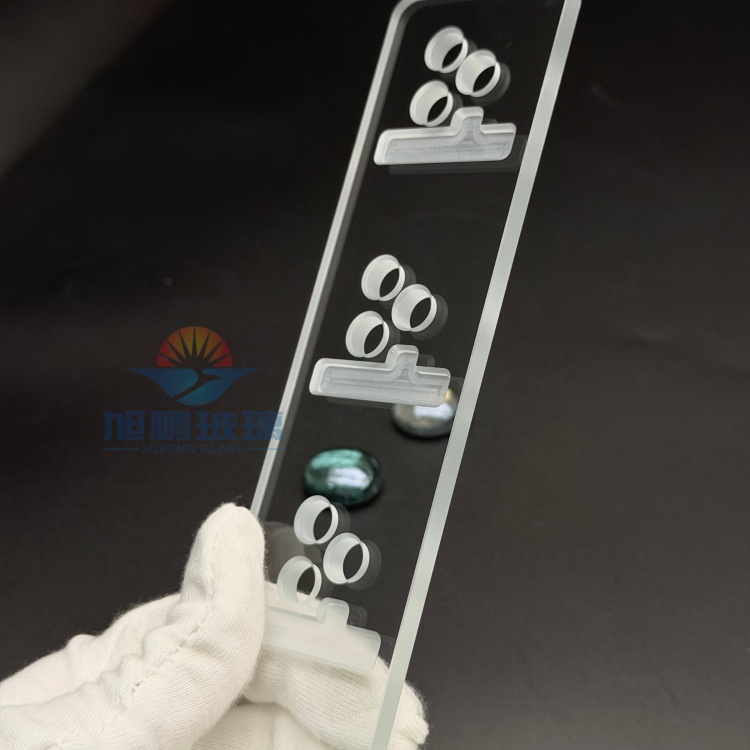
Ultra Clear High Light Transmission Tempered Glass Panel, CNC Arc Polishing, Drilling & Grooving
Ultra-clear tempered panel with high light transmission, CNC arc polishing, drilling and grooving for display and control-panel assemblies.
View product →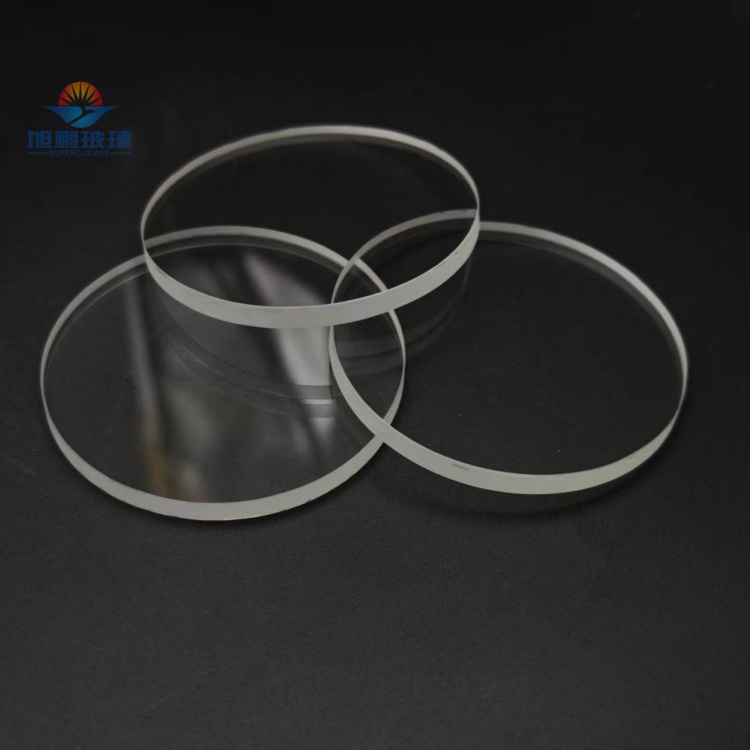
K9 Optical Glass (K9 Crystal Glass) for Optical Instruments
K9 crystal glass for lenses, windows and optical instruments, supplied with precision polishing, edge finishing and optional coating.
View product →
Corning Ultra-Thin Glass Sheet, Optical Grade Glass Wafer Substrate with Chamfered Edge
Corning ultra-thin glass wafer substrate with chamfered edge for optical-grade separation, inspection and microelectronic processing.
View product →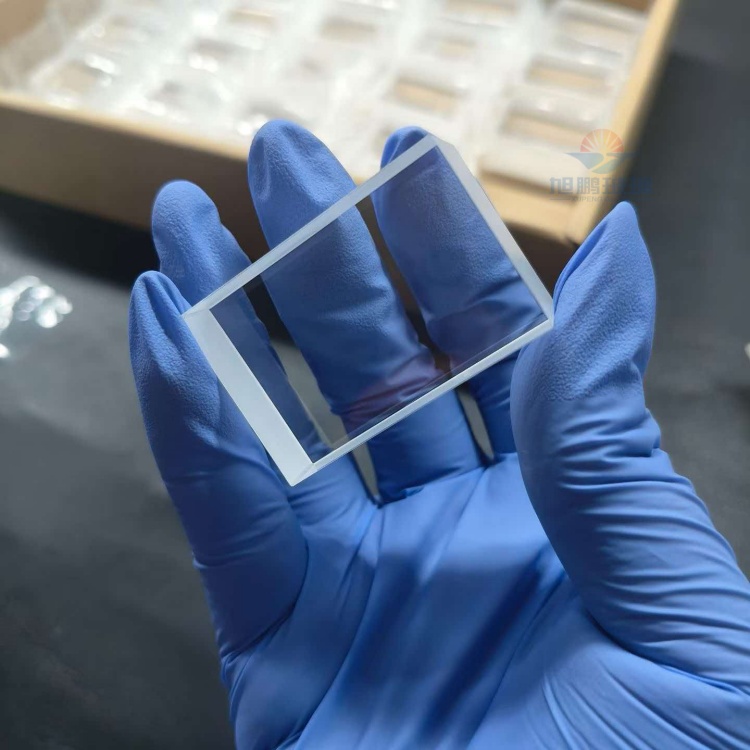
High UV Transmission Thick Gauge Thick Quartz Glass Plate
Thick-gauge quartz glass plate with high UV transmission for UV curing, disinfection and high-temperature viewport applications.
View product →Factory-Direct Capacity with Checkable Supplier Signals
Float glass buyers increasingly compare documentation, process depth and communication speed before price. These are the operating facts that let procurement teams pre-qualify AUVE as a practical long-term export partner.
An established manufacturing base in Songshan Lake, Dongguan, one of China’s optoelectronics and electronics clusters.
A compact production and engineering team with hands-on experience across cutting, tempering, printing and coating.
Space allocated to deep-processing glass equipment, inspection areas and export packing for fragile components.
Fast drawing review and quotation support for buyers who need to close specification gaps without slowing the project.
What CE Compliance Means for Float Glass Wholesale Buyers
A CE claim is only useful when it is tied to the exact product, thickness, coating, processing route and destination market. This is where experienced exporters separate themselves from catalogue resellers.
CE is a route to evidence, not a sticker
Float glass is a platform material, not a finished compliance story. In construction and equipment supply, CE marking generally attaches to products covered by a harmonised European standard or an applicable assessment route. For float-glass-based components, the real question is whether the supplier can trace the glass grade, processing steps, test evidence and declaration of performance for the exact item being shipped.
AUVE operates as a deep-processing exporter and wholesaler: qualified float-glass substrates are sourced, processed in-house and assembled into a documentation package agreed at quotation. For safety-glass or other regulated end uses, our team confirms the applicable standard before production and aligns inspection, marking and paperwork with the order.
Because specifications vary by thickness, edgework, holes, printing and coating, we treat CE compliance as a specification-control process. The approved sample, drawing revision, material reference, coating batch and packing label are linked so that a buyer can audit the shipment against the purchase order.
Documents to confirm before shipment
- Harmonised standard or assessment route for the product family
- Declaration of performance with scope, thickness and coating reference
- Test reports for tempering, impact, optical or other agreed properties
- Material grade and batch traceability from float sheet to packed carton
- Dimensional and visual inspection records against the approved drawing
- Export packing specification and Incoterms confirmation
Why Global Buyers Choose AUVE as a Float Glass Export Partner
The information gain for buyers is not another product list; it is a supplier that can connect material selection, process capability, inspection evidence and export packing in one controlled quotation.
Factory-direct integration
R&D, design, production and export operate under one roof in Dongguan, reducing hand-off risk between trading company, processor and packer.
Drawing-first engineering review
CAD, DXF or PDF drawings are checked for thickness, tolerance, edge profile, holes, printing, coating and packing before quotation is finalised.
Multi-process chain
CNC cutting, edging, drilling, tempering, silk-screen printing, polishing and AR/AG coating can be coordinated as a single production route.
Quality gates and traceability
Dimensional, visual and optical checks are documented so that a batch can be traced from raw sheet to finished carton and export label.
Export packing and flexible terms
FOB, CFR, CIF, EXW, DDP, DDU, DAF and express delivery are supported, with protective film, foam corners and crates for fragile glass.
Responsive technical communication
Average reply within 7 hours, with export experience in the United States, Canada, Russia, South Korea, Japan, Australia and other markets.

Inside the Songshan Lake workshop
Our philosophy of “focusing on high-end glass, pioneering and innovating” is supported by practical production controls rather than broad product claims. The team processes flat and curved tempered glass, ultra-white and low-iron glass, laminated and painted glass, touch-screen cover glass, instrument glass, AR/AG coated glass and optical materials.
- Deep-processing lines for electronic glass, tempered glass, ultra-clear glass and optical glass.
- Engineering review before production to catch manufacturability issues early.
- Batch-level inspection and export packing designed for fragile, high-value components.
From RFQ to Export Carton: A Process Built for Float Glass Buyers
Repeat wholesale supply depends on predictable process steps. Each stage below is designed to prevent late-stage surprises in tolerance, appearance, coating or packing.
Drawing and tolerance review
Buyers send CAD, DXF or PDF files with thickness, tolerance, edge, hole, printing, coating and packing requirements.
Material and process matching
Engineers match float glass grade, tempering route, ink system, coating type and inspection method to the end application.
CNC, tempering, printing, coating
Production is scheduled across cutting, CNC shaping, drilling, tempering, high-temperature printing and AR/AG coating.
Inspection and export packing
Final checks cover dimensions, appearance, coating quality and packing protection before shipment under the agreed Incoterm.
| Material / Process | Typical Advantage | Best-Fit Applications | Wholesale Processing Options |
|---|---|---|---|
| Clear float glass | Good flatness, neutral appearance and broad availability for fabrication. | General glazing, equipment windows, fabricated panels. | Cutting, edging, drilling, tempering, packing. |
| Low-iron float glass | Reduced green edge tint and higher visible light transmission than standard clear glass. | Smart control panels, lighting covers, display windows, light boxes. | Tempering, CNC shaping, silk-screen printing, AR/AG coating. |
| Tempered safety glass | Heat-treated strength and predictable fragmentation when correctly processed. | Appliance panels, touch modules, instrument windows, protective covers. | CNC holes, grooves, edge polishing, high-temperature printing. |
| AR coated glass | Surface reflection reduced to improve display contrast and readability. | Touch screens, optical windows, museum glazing, instrument displays. | Single- or double-side AR, tempering, printing, precision cleaning. |
| AG anti-glare glass | Micro-textured surface diffuses glare while maintaining image clarity. | Outdoor LCDs, industrial HMIs, kiosks, bright-environment displays. | Etched AG, AG plus AR, tempering, custom sizing. |
| Silk-screen printed glass | Fired ceramic ink creates durable graphics, windows and light-blocking areas. | Instrument panels, appliance covers, switch and socket glass. | Multi-colour printing, IR/window ink, holes, tempering. |
| Optical and quartz materials | Stable optical properties, UV transmission or thermal resistance depending on grade. | K9 lenses, Schott B270/D263T blanks, Corning wafers, UV equipment windows. | Precision cutting, polishing, drilling, chamfering, wafer processing. |
Values are typical reference data for material selection. Final thickness, transmission, strength, coating and tolerance are confirmed against your drawing and the agreed test standard before mass production.
Float Glass Procurement Trends Shaping 2025–2027
Buying behaviour is moving away from sheet-price comparison alone. The strongest export suppliers will be judged on documentation, process depth, yield protection and remote verification.
Compliance-first sourcing
Procurement teams increasingly ask for declarations, test evidence and batch records before approving a supplier. A low sheet price with weak documentation creates hidden risk in regulated projects.
Consolidation to process-capable partners
Buyers are reducing the number of suppliers that only sell sheets. A wholesaler that can cut, temper, print, coat, inspect and pack shortens the supply chain and reduces finger-pointing.
Total landed cost discipline
Packaging quality, breakage rate, replacement cost, lead time and engineering response now sit beside unit price in supplier scorecards. Yield protection is part of procurement value.
Traceability and remote verification
Overseas buyers want batch labels, inspection photos, supplier profiles and trade history they can check remotely. Transparent supplier signals reduce the cost of qualifying new factories.
Product Development Trends in Float Glass and Precision Glass Components
Float glass is being pushed into more functional roles: optical interfaces, printed human-machine interfaces, thin substrates and high-UV windows. The processing route matters as much as the base glass.
Low-iron glass as the default for display and lighting
Ultra-clear low-iron glass is increasingly specified for control panels, LED fixtures and light boxes where green edge tint and colour shift are unacceptable.
AR/AG coatings for readability and outdoor use
Anti-reflective and anti-glare surfaces improve contrast in bright environments, support touch-screen integration and reduce distracting reflections in instrument windows.
Printed tempered glass for human-machine interfaces
High-temperature ceramic inks allow durable icons, windows and branding on tempered glass, replacing separate labels and films in appliance and control-panel designs.
Thin and ultra-thin glass handling
Schott B270/D263T, Corning ultra-thin glass and 0.03 mm flexible glass require careful cutting, edge treatment, cleaning and packing to protect flatness and yield.
Quartz and optical materials for UV and semiconductor work
High-UV quartz plates, K9 optical glass and alkali-free wafer substrates support UV curing, disinfection, optical instruments and microelectronic processing.
Hybrid glass-plus-coating-plus-printing modules
Buyers increasingly request one supplier to combine base glass, tempering, printing and coating into a single qualified component, reducing assembly steps and incoming inspection.
Frequently Asked Questions from Float Glass Buyers
These answers reflect the questions engineering, sourcing and compliance teams ask most often before placing a sample order or repeat wholesale order.
Are you a CE-certified float glass exporter and wholesaler?
Yes. Dongguan AUVE Glass operates as a factory-direct deep-processing manufacturer and export supplier of CE-compliant float glass and processed-glass components. CE compliance is confirmed against the applicable product standard for each order, because a generic claim is not enough. We support buyers with declarations, test reports, inspection records and batch traceability where the product falls within scope. For products outside CE scope, we state that clearly and provide the relevant material and quality documents instead.
Can you supply both standard float glass sheets and custom processed parts?
Yes. We supply float-glass-based sheets and finished components, including ultra-clear tempered panels, AR/AG coated display glass, silk-screen printed glass, mirror components, K9 optical glass, Schott B270/D263T blanks, Corning ultra-thin wafer substrates and thick quartz plates. Standard sheets can be cut to size, and custom parts can be produced to drawings with holes, grooves, printing and coating.
What documentation can you provide for CE compliance?
Depending on the product and destination market, the package may include a declaration of performance, test reports for tempering, impact or optical properties, material certificates, dimensional inspection records, batch labels, packing list and certificate of origin. The exact document set is agreed at RFQ so there is no mismatch between the certification scope and the shipped product.
What is the minimum order quantity?
MOQ depends on material and process. Many coated and optical glass parts start from 10 to 50 pieces, while standard ultra-clear tempered parts typically start from 100 to 500 pieces. Sample and pilot quantities can be discussed for new projects, especially when the drawing is still being validated.
Can you produce glass to my own drawing or sample?
Yes. Send a CAD, DXF or PDF drawing with thickness, tolerance, edge, hole, printing, coating and packing requirements. Our engineers review manufacturability before production, covering CNC cutting, edging, drilling, tempering, silk-screen printing and AR/AG coating. If you only have a physical sample, we can discuss a practical reverse-engineering route.
Which Incoterms and shipping methods do you support?
We support FOB, CFR, CIF, EXW, DDP, DDU, DAF and express delivery. Export packing is designed for fragile glass parts and can include protective film or paper, foam corner protection, reinforced cartons or wooden crates. The best shipping method depends on thickness, quantity, destination and project schedule.
Which markets do you export to?
Our glass products are exported to the United States, Canada, Russia, South Korea, Japan, Australia and other markets. Different destinations have different documentation and compliance expectations, so the quotation process includes destination-market confirmation before the order is released.
How quickly do you reply to technical inquiries?
Our average response time is within 7 hours. Email info@auveglass.com with your drawing, quantity, destination and target schedule. Our team will review material, process route, packing method and lead time, then reply with the next technical questions or a practical quotation path.
Send Your Drawing or Wholesale Specification
Share your size, thickness, tolerance, edge, hole, printing, coating and packing requirements. Our team will confirm the material route, CE documentation scope, inspection plan and lead time—usually within 7 hours.
Email: info@auveglass.com