Custom Glass Lens & Optical Glass Products for OEM Programs
Eight product listings are shown with their original live URLs. Each part can be reviewed for thickness, edge profile, holes, printing and AR/AG coating after a drawing review. For a CE-marked finished product, use these components as part of a documented compliance file rather than relying on a generic “CE certificate” claim.
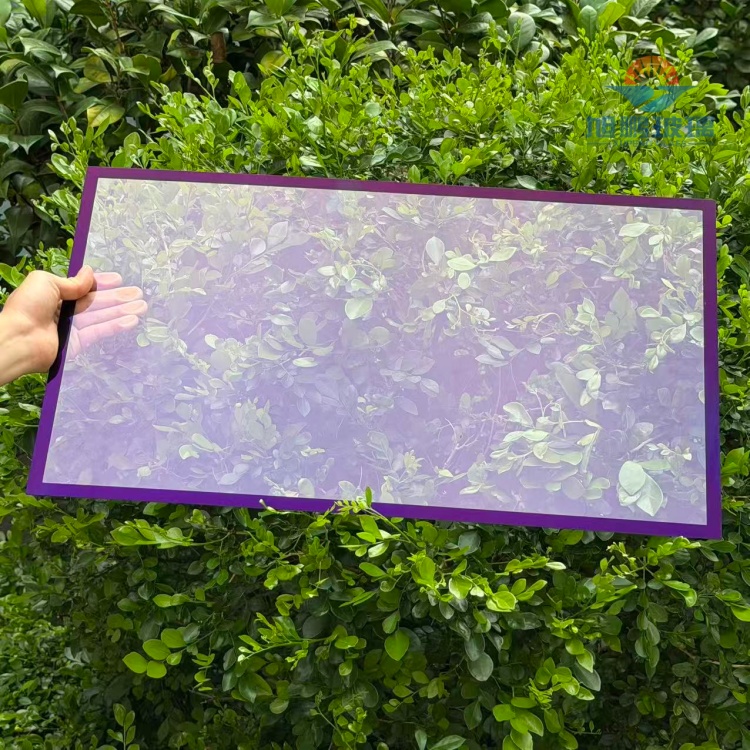
27-inch All-in-One PC AR Coated Glass
Large-format AR cover glass for all-in-one PCs and interactive displays; reduces surface reflection and can be tempered, printed and CNC-finished.
View specification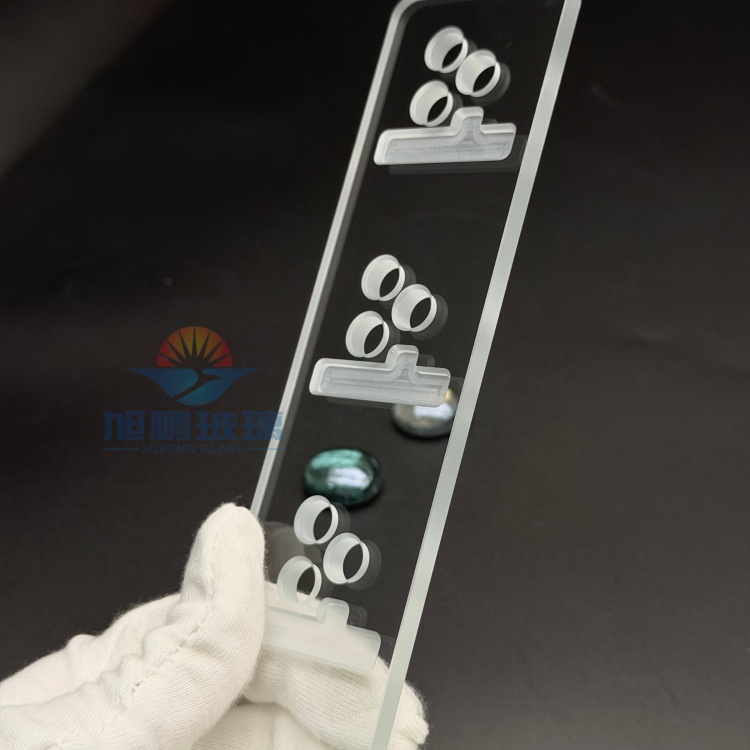
Ultra Clear High Light Transmission Tempered Glass Panel, CNC Arc Polishing, Drilling & Grooving
Low-iron tempered panel with CNC arc polishing, drilling and grooving for HMI, appliance and display windows that need clarity and mechanical features.
View specification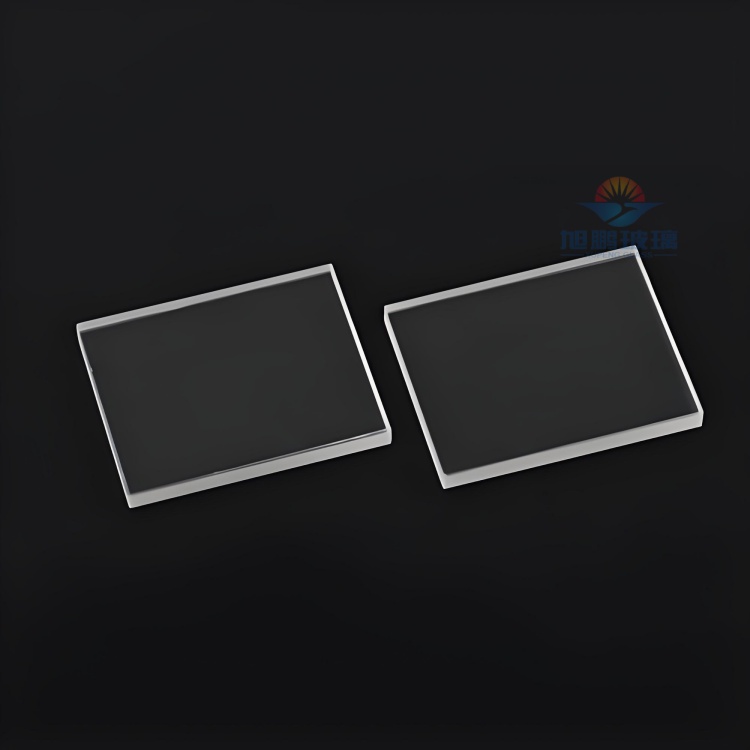
Tempered Glass Customized High Temperature Resistant, High Transparency and High Borosilicate Mirror Window Glass
High-borosilicate mirror window glass for heat-resistant viewing windows, appliances and instruments; high transparency and strong thermal-cycling behaviour.
View specification
CNC Carved Low Iron Glass Sheet, High-temperature Screen Printed Tempered Glass, Drilled Glass Panel
CNC-carved low-iron glass with high-temperature ceramic printing and drilled features for durable control plates, appliance fascias and architectural electronics.
View specification
Ultra-thin Flexible UTG Glass, bendable and foldable, suitable for commercial aerospace and new energy industries
Ultra-thin bendable UTG for commercial aerospace, new energy and next-generation flexible devices; supports precision cutting, edge treatment and lamination.
View specification
Schott Ultra-thin Optical Glass Sheets, 0.1mm, 0.5mm, 0.7mm, 1.1mm, Raw Semiconductor Electronic Glass Substrates
SCHOTT ultra-thin optical glass substrates in 0.1–1.1 mm for semiconductor, photonic and precision optical assemblies; raw electronic glass wafer supply.
View specification
Custom Ultra-White Clear Tempered Glass Socket Decorative Cover for Stairways
Ultra-white tempered glass cover for stairway sockets and interior accessories, with custom cut-outs, printing and edge treatment for a premium finish.
View specification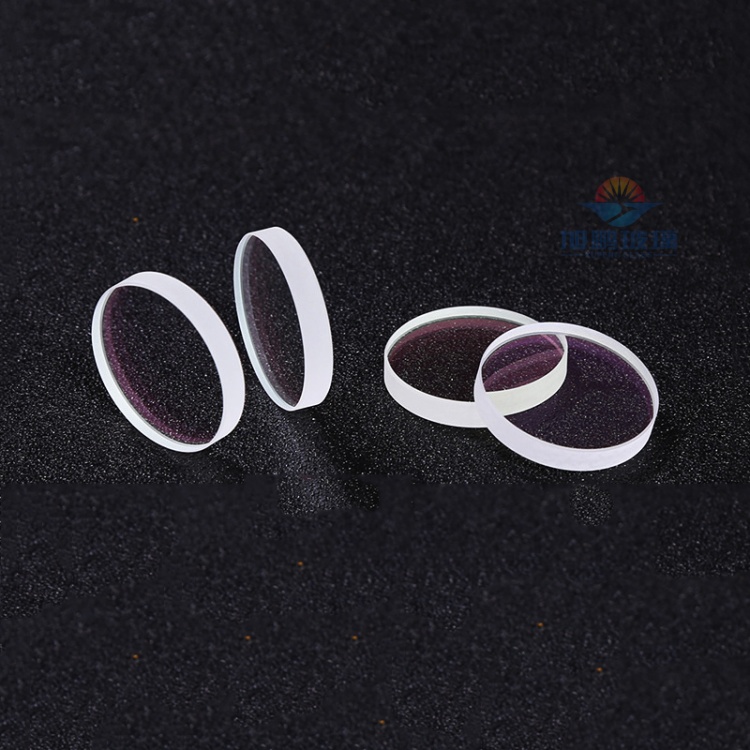
Ultra-clear Tempered Glass, Custom Processing Available: Drilling, Etching, AG Coating Silk Printing, AR Coating
Flexible ultra-clear tempered glass platform with drilling, etching, AG/AR coating and silk printing for touch windows, instrument panels and OEM enclosures.
View specificationNeed a custom optical lens instead of a listed part? Send the drawing, application environment and target volume for a manufacturability and compliance review.
Inquire NowProfile figures reflect the supplier information published on AUVE’s public company pages. Buyers should verify current scope, certificates and test reports for each project.
CE Certified Glass Lens Manufacturers & Supplier: What the Label Should Really Mean
The phrase combines three different buying jobs: finding a qualified optical glass maker, confirming European compliance evidence, and selecting a supplier who can repeat production at scale.
The search phrase “CE certified glass lens manufacturers & supplier” combines three different buying jobs: finding a qualified optical glass maker, confirming European compliance evidence, and selecting a supplier who can repeat production at scale. Treating those jobs as one checkbox is where sourcing risk starts. CE marking is a legal declaration for a finished product under applicable EU directives and regulations, not a universal certificate that can be applied to every glass lens.
For a glass lens, glass window or display cover, the compliance route depends on the end application. Safety eyewear, medical equipment, machinery guards, display assemblies, lighting and semiconductor tools can fall under different rules. A credible manufacturer will ask what the lens does, where it is installed, and which assembly-level directive the final product must satisfy before promising a CE claim.
The evidence package is more useful than the phrase. Request material composition, dimensional reports, optical transmission curves, coating adhesion and abrasion results, tempering or heat-soak records where relevant, RoHS/REACH declarations, packaging validation and batch traceability. For high-risk applications, ask for a requirement-by-requirement compliance matrix and a sample size that matches your risk model.
AUVE’s factory profile supports this evidence-led approach: a deep-processing glass manufacturer founded in 2018 in Songshan Lake, Dongguan, with 51–100 employees, a 1,001–2,000 m² facility, export experience in the USA, Canada, Russia, South Korea, Japan and Australia, and an average technical response time within seven hours. The company’s stated philosophy — “focusing on high-end glass, pioneering and innovating” — is relevant only when it translates into documented process control.
Use the eight product listings above as a starting point, then narrow the route with the application shortlist and CTQ checklist below. This is how procurement teams reduce both unit cost and the higher cost of a failed compliance audit.
Which Glass Lens Platform Fits Your Application?
This shortlist maps common glass lens applications to a practical starting product and the evidence buyers should request. It does not replace a formal regulatory assessment of the finished product.
| Application | Recommended platform | Why it fits | Evidence to request |
|---|---|---|---|
| 27-inch AIO PC, kiosk or interactive display | 27-inch All-in-One PC AR Coated Glass | Lower surface reflection and higher display contrast in a large-format cover lens. | Transmission/reflection curve, coating adhesion, flatness, edge quality, RoHS/REACH declaration. |
| Industrial HMI, control panel or appliance fascia | Ultra Clear High Light Transmission Tempered Glass with CNC processing | Low-iron clarity plus drilled holes, grooves and arc-polished edges in one part. | Dimensional report, tempering record, fragmentation test if safety glass is claimed, print durability. |
| High-temperature viewing window | High Borosilicate Tempered Mirror Window Glass | Thermal shock resistance and high transparency for heat-cycling equipment. | Thermal shock test, expansion data, surface quality, annealing or tempering records. |
| Decorative control plate or appliance panel | CNC Carved Low Iron Glass with high-temperature screen printing | Durable ceramic ink, low-iron clarity and drilled features for premium fascias. | Print adhesion, colour tolerance, hole position, tempering condition, edge-chip criteria. |
| Foldable display, aerospace or new-energy device | Ultra-thin Flexible UTG Glass | Thin, bendable and lightweight for next-generation device architectures. | Bend radius, fatigue cycling, thickness tolerance, edge strength, lamination compatibility. |
| Semiconductor, photonics or optical measurement | SCHOTT Ultra-thin Optical Glass Sheets, 0.1–1.1 mm | Raw electronic glass substrates for precision optical and semiconductor assemblies. | Flatness, CTE, particle cleanliness, thickness distribution, double-side polish data. |
| Stairway socket or premium interior accessory | Custom Ultra-White Clear Tempered Glass Socket Cover | Ultra-white edge appearance with custom cut-outs and printed graphics. | Dimensional report, gloss level, edge-chip inspection, printing adhesion, packing validation. |
| Custom AR/AG display window or instrument lens | Ultra-clear Tempered Glass with drilling, etching, AG/AR and silk print | A flexible coated-glass platform for touch windows and OEM enclosures. | Haze/gloss, adhesion, transmission, climate test, cleaning-chemical resistance. |
Glass Lens Procurement Trends Buyers Should Plan For
Price comparison is still important, but the supplier selection process is shifting toward evidence, risk and repeatability. These six trends are reshaping RFQs for tempered, coated and optical glass lenses.
Compliance evidence moves into the RFQ
Buyers increasingly ask for material declarations, coating test data and dimensional reports before a sample is approved. The winning supplier is not the one with the loudest “CE certified” claim, but the one that can map each requirement to a test method, acceptance criterion and batch record.
Consolidation around deep-processing partners
OEMs are reducing the number of suppliers that touch a single glass part. Cutting, CNC edging, drilling, tempering, printing, AR/AG coating, inspection and export packing under one roof shorten lead times and make corrective action far easier when a tolerance drifts.
High-mix, low-volume customisation
Product variants are multiplying while batch sizes fall. Sourcing teams need suppliers that can switch between 27-inch display covers, small optical windows and printed control panels without losing setup discipline. Digital job routing and CNC flexibility are becoming more important than raw sheet capacity alone.
Risk-adjusted total landed cost
Unit price is only one line in the landed-cost model. Breakage, rework, compliance delays, air freight and line stoppages can dwarf a small piece-price difference. Protective packing, first-pass yield and documentation quality should be scored alongside price.
Traceability and digital documentation
Batch IDs, material lots, coating runs, inspection results and packing lists are moving from paper folders to buyer portals. A supplier that can issue a clean document package for each shipment reduces audit friction and makes repeat orders easier to qualify.
Dual sourcing and regional resilience
Many buyers now qualify a second source for finishing or assembly while keeping specialist glass deep-processing with a focused manufacturer. The practical goal is not to duplicate every process, but to protect the supply chain against freight disruption, tariff shifts and single-line failure.
Where Glass Lens Technology Is Moving Next
The next sourcing cycle will reward buyers who understand how coating stacks, thin-glass handling, large-format flatness and semiconductor-grade cleanliness affect yield.
AR/AG becomes a coating system
Next-generation display windows combine anti-reflection, anti-glare, anti-fingerprint and easy-clean properties. Buyers should specify haze, gloss, reflection and abrasion resistance together, because a coating that looks good in a sample may not survive cleaning chemicals or repeated touch.
Ultra-thin flexible glass enters pilot production
UTG is moving from demonstrator projects into foldable displays, aerospace and new-energy applications. Bend radius, fatigue life, edge quality and lamination compatibility matter more than thickness alone, so prototype and pilot runs should be tested as a system.
Large-format edge-to-edge design
All-in-one PCs, interactive kiosks and automotive HMIs are pushing cover glass beyond 27 inches with narrow borders and integrated printing. Flatness, coating uniformity, CNC accuracy and packing stiffness become critical as panel size grows.
Semiconductor-grade glass substrates
Low-CTE alkali-free glass, ultra-thin wafers and double-side polished substrates are increasingly important in photonics, MEMS and advanced packaging. Cleanliness, flatness, thickness distribution and particle control are the new differentiators.
Heat-resistant borosilicate windows
Sensors, lighting, appliances and industrial viewports need windows that tolerate thermal cycling without losing clarity. High-borosilicate glass and heat-soak protocols are becoming part of mainstream sourcing conversations, not only specialised engineering projects.
Smart manufacturing and optical metrology
Automated optical inspection, laser marking, SPC dashboards and digital batch records are moving from large fabs into custom glass workshops. For buyers, the benefit is faster first-article approval, fewer hidden defects and a clearer audit trail from raw sheet to packed carton.
A Practical CTQ Checklist for Glass Lens RFQs
Most sourcing failures begin with an incomplete specification. These six critical-to-quality areas should be agreed before samples are made.
Optical performance
Define visible light transmission, reflection, haze or gloss by wavelength or test method. For imaging or laser systems, add wavefront distortion, surface flatness, refractive index and clear-aperture requirements.
Geometry and tolerance
Provide overall dimensions, thickness, corner radii, hole positions and critical datum. State what the assembly can tolerate, not only the nominal drawing, so the supplier can choose a capable process route.
Edge and hole quality
Chips, micro-cracks and edge roughness can seed breakage during tempering or service. Specify edge profile, bevel, polishing and hole-to-edge distance, especially for thin or tempered parts.
Tempering and heat soak
If safety glazing or thermal resistance is claimed, state the applicable standard and whether heat-soak testing is required. Fragmentation, flatness and roller-wave limits should be agreed before production.
Coating durability
For AR, AG, mirror or printed glass, define adhesion, abrasion, humidity, salt spray and chemical resistance requirements. Coating stacks should be matched to the cleaning process used by the assembly line.
Cleanliness and packing
Set particle, fingerprint and residue limits for optical surfaces. Agree interleaving, corner protection, carton or crate design, labels and unboxing inspection so the last process step does not undo the first.
Why Dongguan AUVE Glass Is Shortlisted for Custom Glass Lens Projects
Buyers need a supplier whose stated capabilities match the drawing, the compliance route and the shipment. AUVE’s public profile provides specific, checkable facts rather than a generic factory claim.
Factory-Direct Deep Processing in Dongguan
Dongguan AUVE Glass Co., Ltd. is a deep-processing glass manufacturer integrating R&D, design, production and export in Songshan Lake, Dongguan, one of China’s electronics and optoelectronics clusters. The company processes flat and curved tempered glass, ultra-clear low-iron glass, laminated and painted glass, LCD/touch screen cover glass, smart control panel glass, LED lighting glass, instrument glass, AR high-transmittance glass and AG anti-glare glass. Its optical portfolio includes K9, quartz, sapphire, borosilicate and Corning EXG alkali-free glass.
The stated production profile is specific: founded in 2018, 51–100 employees, a 1,001–2,000 m² facility, an average response time within seven hours, and exports to the United States, Canada, Russia, South Korea, Japan and Australia. Buyers can review the company’s onsite verification, credit index, transaction level, trade capacity, ratings and trade history before requesting a sample. That visible evidence is more useful than an unsupported “CE certified” badge.
Manufacturing coverage runs from precision cutting and CNC edging/drilling to flat and curved tempering, high-temperature silk-screen printing, AR/AG coating, QC and export packing. For a CE-related project, the most useful conversation is not “Can you give us a certificate?” but “Which requirement, test method and acceptance criterion must this lens meet in the finished assembly?”


Visual indicators show the control areas emphasised in project review. They are not a certified Cpk claim or a substitute for project-specific inspection data.
From sheet to finished lens under one roof
Cutting, CNC shaping, drilling, tempering, printing, coating, inspection and packing are handled as one production route. Fewer hand-offs mean fewer tolerance assumptions and faster corrective action.
Engineering-led DFM review
Drawings are reviewed for manufacturability before production. Hole-to-edge distance, edge profile, coating stack, printing tolerance and packing method are checked against the process route.
Verified supplier credentials
Buyers can check onsite verification, credit index, transaction level, trade capacity, ratings and trade history. This supports supplier qualification without relying only on a sales presentation.
Fast technical response
The stated average response time is within seven hours. A useful reply depends on a complete RFQ, but fast engineering feedback helps buyers close feasibility questions before a sample order is raised.
Export-ready packing and Incoterms
Fragile glass needs more than a carton. Interleaving film, corner protection, reinforced cartons or fumigation-free wooden crates and batch labels are discussed alongside FOB, CIF, DDP, DDU or express delivery.
Multi-material optical portfolio
Ultra-clear, borosilicate, K9, quartz, sapphire, Schott ultra-thin optical glass and Corning EXG substrates allow the conversation to start with the application rather than a single stock material.
How a CE-Aware Glass Lens Order Runs
A disciplined route from drawing review to export packing reduces the chance that a technically good sample fails in production or at the buyer’s audit.
Drawing and application review
Review the 2D/3D drawing, final product, installation environment and any safety or optical requirement. Clarify the clear aperture, critical tolerances and handling constraints.
Material and compliance route
Select a glass platform that matches transmission, thermal load, weight, tempering and coating needs. Build the evidence list around the finished product’s regulatory route, not a generic label.
Sample, FAI and test plan
Produce the first article with agreed dimensions, surface quality and coating targets. Record the inspection method, sample size and acceptance criteria before approving the route for mass production.
Production with process control
Control cutting, CNC, tempering, printing and coating parameters. Link batch records to material lots and inspection results so a technical question can be traced back to the actual process run.
Final inspection and document pack
Check dimensions, appearance, optical performance and coating/printing durability against the agreed plan. Issue the packing list, batch label and requested declarations with the shipment.
Export packing and shipment
Use interleaving, corner protection and reinforced cartons or wooden crates as appropriate. Confirm Incoterms, destination, unloading method and any special labelling before dispatch.
What to Include in a CE-Aware Glass Lens RFQ
A complete RFQ shortens the technical review and helps the supplier recommend a manufacturable platform instead of quoting an unsuitable sheet.
Drawings and model
- 2D drawing with datums and critical dimensions
- 3D STEP model where available
- Thickness, corner radii and edge profile
- Hole, cut-out and groove positions
Optical and coating spec
- Transmission or reflection target
- AR, AG, mirror or anti-fingerprint stack
- Haze, gloss and surface quality limits
- Adhesion, abrasion and chemical test method
Environment and compliance
- Indoor or outdoor use and cleaning chemicals
- Temperature, humidity or UV exposure
- Finished-product CE route and standards
- RoHS, REACH or other declaration needs
Commercial and logistics
- Annual volume and pilot quantity
- Target sample and production date
- Incoterm and destination
- Packing, labelling and inspection requirements
Have the drawing but not the full specification? Describe the final product and environment. The engineering team can help identify the missing performance and documentation questions.
Inquire NowFrequently Asked Questions from Glass Lens Buyers
Straight answers to the questions procurement, engineering and regulatory teams ask most often.
What does “CE certified glass lens” mean?
Strictly, CE marking is a declaration by the manufacturer that a finished product meets the applicable EU harmonisation legislation. A bare glass lens is usually a component, so the CE route depends on the final product — for example PPE, a medical device, machinery, or an electrical display. A supplier should provide test evidence and declarations that support the finished-product manufacturer’s assessment, not a generic certificate for every lens.
Which standards may apply to a glass lens?
It depends on use. Thermally toughened safety glass may reference EN 12150-1; heat-soaked tempered glass EN 14179-1; laminated glass EN 14449; coated glass EN 1096. Protective eyewear can involve EN 166 and the PPE Regulation. Electrical assemblies may fall under LVD, EMC and RoHS. Medical devices follow MDR 2017/745. Always confirm the route with your regulatory team.
Can AUVE provide CE documentation?
AUVE can support the documentation package a buyer needs for component qualification: material declarations, dimensional reports, optical transmission/reflection data, coating adhesion and abrasion test records, tempering or heat-soak records where applicable, RoHS/REACH declarations, packing validation and batch traceability. The final CE mark and declaration of conformity remain the responsibility of the legal manufacturer of the finished product.
Can you manufacture glass lenses to my own drawing?
Yes. Send a CAD, DXF, STEP or PDF drawing with thickness, tolerance, edge, hole, printing and coating requirements. Engineers review manufacturability before quoting, covering CNC cutting, edging, drilling, tempering, silk-screen printing and AR/AG coating. For optical parts, include the optical axis, clear aperture, surface quality and any flatness or wavefront requirement.
What is the minimum order quantity?
MOQ depends on material and process. Many coated and optical glass parts start from 10 to 50 pieces, while standard ultra-clear tempered parts often start from 100 to 500 pieces. Sample and pilot quantities can be discussed for new projects, especially when the part requires new tooling, printing screens or coating setup.
How is optical quality controlled?
Control starts with incoming glass and process setup. Depending on the part, inspection can include visible light transmission, reflection, haze, gloss, surface flatness, thickness, edge chips, hole position and coating adhesion. Production records should link the batch to the material lot and process parameters. Buyers should agree on the test method and acceptance criteria before mass production.
How do you pack and ship fragile glass lenses?
Export packing typically uses interleaving film or paper, foam corner protection, reinforced cartons or fumigation-free wooden crates, with batch labels and packing lists. Incoterms include FOB, CFR, CIF, EXW, DDP, DDU, DAF and express delivery. The right choice depends on destination, order size and how much handling risk the buyer wants to transfer.
How fast can I get a technical reply or quote?
The stated average response time is within seven hours. A useful first reply depends on a complete RFQ: drawing, material, thickness, optical/coating target, quantity, destination and compliance route. If the application is unclear, describe the final product and environment. That lets engineering recommend a manufacturable glass platform rather than quote an unsuitable sheet.
Send Your Drawing. Get a Compliance-Aware Engineering Review.
Share the application, drawing, optical target and volume. The team can review material, process route, inspection plan and documentation needs before quoting. Typical technical response: within seven hours.
Inquire Now No generic CE badge. A requirement-by-requirement discussion for your finished product.