CE Certified Specialty Glass Manufacturer & Exporters
Tempered, AR/AG coated, ultra-clear, silk-screen printed and precision optical glass — engineered to your drawing for display, semiconductor, aerospace, new-energy and industrial OEM programs.
8 Specialty Glass Products for OEM Buyers
These eight factory-direct products show the practical range of AUVE deep-processing: ultra-white tempered glass, AR optical glass, CNC-drilled silk-screen glass, ultra-thin wafers, Schott B270/D263T processing, flexible UTG and large-format 27-inch AR cover glass.

Ultra-white Tempered Glass, AR Anti-Reflection Coatable, High Light Transmittance & Anti-reflective

High-transmittance AR Coated Optical Glass, Ultra-clear Tempered Glass

Precision CNC Cut & Holed, High-temperature Silk Screen Tempered Glass, Drilled Ultra-clear Small Round Glass Discs
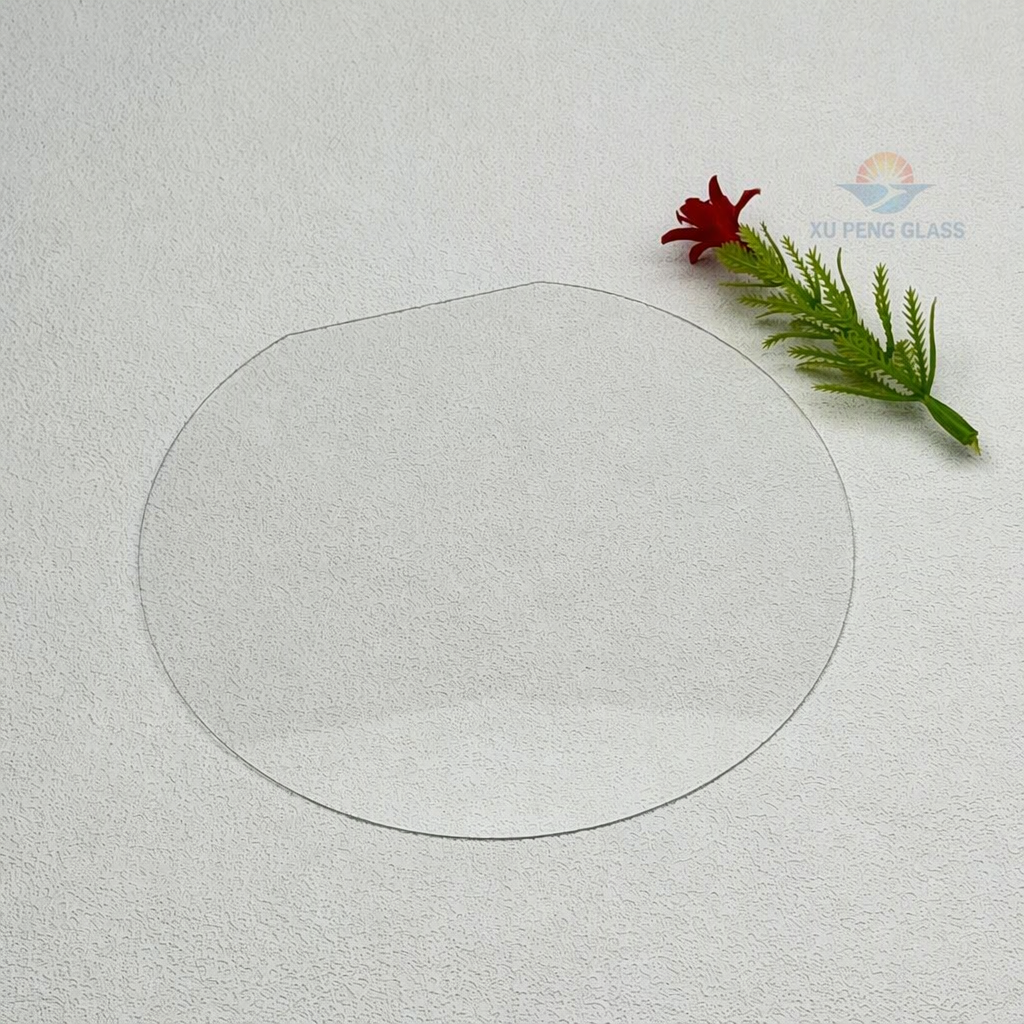
Ultra-thin High-precision Optical Glass Wafer, Corning / SCHOTT / Fused Silica

Ultra-thin Optical Glass Sheets Schott B270/D263T Semiconductor Electronic Glass Blank Cutting & Processing
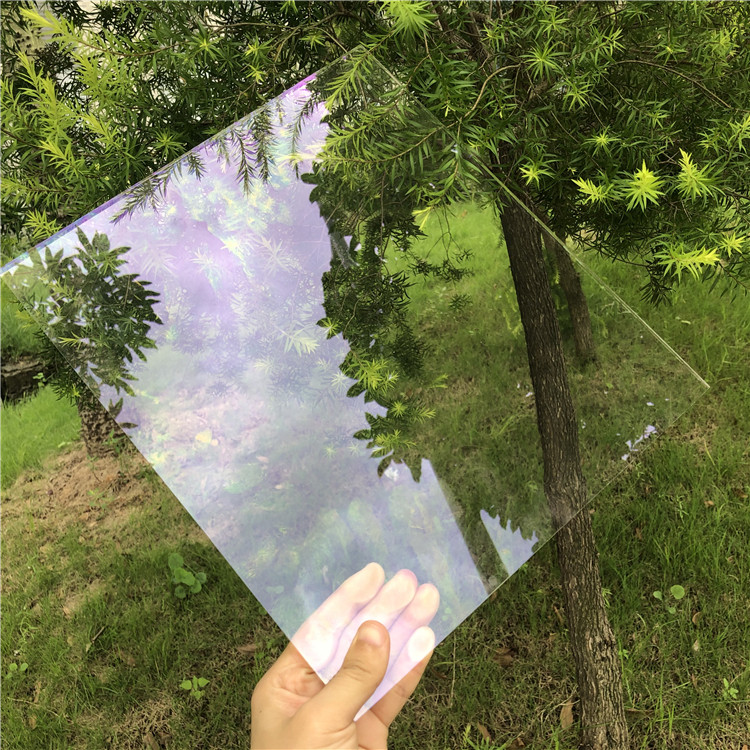
High-transmittance Anti-Reflection (AR) Coated Optical Glass

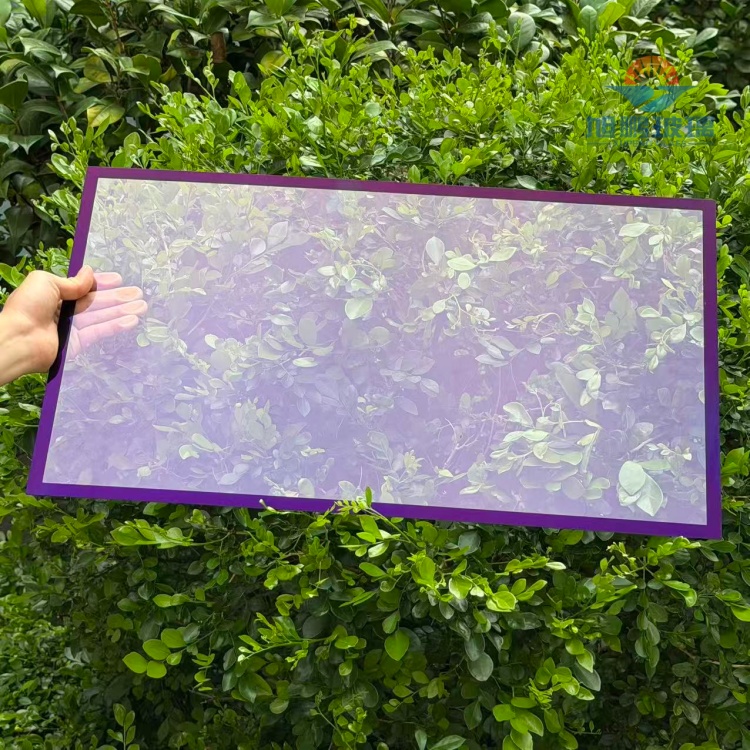
27-inch All-in-One PC AR Coated Glass
Need a variant in size, thickness, tolerance, edge profile, hole pattern, printing or coating? Contact Us
Evidence Before You Request a Quote
For B2B glass sourcing, a good supplier page must do more than show products. It should give engineering, procurement and compliance teams verifiable facts they can compare, audit and defend internally.
Established · onsite-verified factory background
Skilled employees in deep-processing glass production
Production facility in Songshan Lake, Dongguan
Average technical inquiry response time
Key export markets including USA, Canada, Japan, Korea and Australia
Product and process videos available for buyer due diligence
Information gain for buyers: the strongest specialty glass RFQ is not judged only on piece price. It is judged on drawing clarity, material traceability, coating repeatability, packing integrity, compliance evidence and communication speed. This page is structured around those decision points so your team can shortlist AUVE with fewer review cycles.
Why AUVE Is a Qualified Specialty Glass Manufacturer & Exporter
Dongguan AUVE Glass Co., Ltd. integrates R&D, design, production and export in one deep-processing glass operation in Songshan Lake, Dongguan — one of China’s major electronics and optoelectronics clusters.
Factory-direct deep processing
Flat and curved tempered glass, ultra-white, laminated and painted glass, LCD and touch screen glass, smart control panel glass, LED lighting glass, instrument glass, AR high-transmittance glass and AG anti-glare glass can be consolidated with one qualified supplier.
Quality system and process control
Production follows defined process standards and a documented quality management system, so every batch can be traced from raw sheet to packed carton. Dimensional, visual and optical checks are built into the process route.
Engineering-first RFQ review
Send a CAD, DXF or PDF drawing with thickness, tolerance, edge, hole, printing and coating requirements. Our engineers review manufacturability before production, covering CNC cutting, edging, drilling, tempering, silk-screen printing and AR/AG coating.
Export-ready communication
Our team supports international buyers with drawing review, material recommendations, packing specifications, trade terms and export documentation. Main markets include the United States, Canada, Russia, South Korea, Japan and Australia.
Fragile-glass packing discipline
Protective film, interleaving paper, foam corner protection and fumigation-free wooden crates or reinforced cartons are selected according to glass size, thickness, coating and shipping method.
Fast technical response
Average response time is within 7 hours. For high-mix OEM projects, quick clarification of drawing intent, tolerances and finishing options reduces re-quote cycles and protects your launch schedule.

“Focusing on high-end glass, pioneering and innovating”
Guided by this operating philosophy, AUVE keeps investing in skilled engineers and advanced equipment to deliver complete glass solutions for OEMs, brand owners and distributors at home and abroad. Our facility is located at Room 303, Building 1, Guangda Photoelectric Science Park, No. 17 Qinyuan Road, Songshan Lake, Dongguan, Guangdong, China.
What “CE Certified” Should Mean in a Specialty Glass RFQ
CE marking is application-specific. For many finished products, the final CE declaration is the responsibility of the finished-product manufacturer, while the glass component supplier must provide reliable material, dimensional, optical and process evidence. AUVE supports that evidence chain with documentation and change control.
Documentation package
Material declarations, dimensional inspection reports, coating performance data, RoHS/REACH statements where applicable, packing lists and batch labels can be prepared for your compliance file and internal supplier audit.
Application-specific evidence
Display, lighting, instrument, semiconductor and high-temperature window projects do not need the same test package. Share your destination market, end application and acceptance standard so the correct evidence is quoted from the start.
Batch traceability and change control
From raw sheet to packed carton, critical parameters can be linked to batch records. Material, thickness, tolerance, coating and printing changes should be documented and approved before shipment — not discovered at incoming inspection.
Buyer caution: ask every specialty glass supplier to separate product compliance evidence, process capability evidence and commercial terms. A supplier that can explain the difference is usually better prepared for prototype builds, pilot runs and repetitive mass production.
Recommended Glass Selection by Application
Use this practical shortlist to align material and finishing with the optical, mechanical and environmental demands of your assembly.
Display & touch modules
For all-in-one PCs, HMI panels and touchscreen windows, shortlist ultra-white tempered glass with AR coating for high contrast. For outdoor LCDs and kiosks, AG anti-glare or AG+AR coating reduces reflection while preserving readability.
Semiconductor & electronics
For wafers, carriers and electronic glass blanks, consider Corning EXG alkali-free glass, Schott B270/D263T, fused silica and ultra-thin precision wafers. Specify flatness, surface quality, dicing method and cleaning requirements clearly.
Aerospace & new energy
Ultra-thin flexible UTG glass is suited to bendable, lightweight and space-constrained designs. For new-energy equipment and commercial aerospace, clarify thermal cycling, impact, coating durability and edge strength before material approval.
Optical instruments & harsh windows
K9 optical glass, fused quartz and sapphire are strong candidates for lenses, prisms, sensor windows and high-temperature viewports. Select based on refractive index, UV transmission, scratch resistance and thermal shock requirements.
Specialty Glass Procurement Trends Reshaping 2025–2030
Buying behavior for engineered glass is moving from price-led purchasing to evidence-led supplier selection. The following trends are especially relevant for OEMs, brand owners, distributors and contract manufacturers.
Documentation-first sourcing
Procurement teams now request drawings, inspection plans, material certificates, coating data and packaging specifications before comparing prices. Suppliers who can answer in one technical package shorten the RFQ cycle.
Dual-source resilience
Single-source risk is being replaced by qualified dual sourcing. Buyers look for suppliers with stable raw material channels, documented process windows and predictable capacity for repeat orders.
Total landed cost over piece price
Breakage, rework, incoming inspection failures and line stoppages often cost more than the glass itself. A slightly higher quoted price with stronger edge quality, coating consistency and export packing can reduce total landed cost.
Tighter tolerances and larger formats
Large-format displays, integrated HMI panels and semiconductor applications are pushing requirements for flatness, thickness control, hole position accuracy and coating uniformity.
Sustainability and material efficiency
Low-iron glass, energy-efficient coatings, optimized cutting yield and recyclable packing are becoming part of supplier scorecards, especially for European and North American OEM programs.
Digital RFQ and supplier dashboards
Drawings, revision history, sample approvals, inspection reports and shipment status are increasingly managed digitally. A responsive supplier with clear document naming and revision control becomes easier to integrate into your sourcing workflow.
Product Development Trends Buyers Should Watch
Specialty glass is becoming a functional component rather than a passive cover. These development directions should influence your next RFQ, sampling plan and supplier qualification checklist.
Multi-functional AR/AG coatings
Buyers increasingly request AR for contrast, AG for outdoor readability, anti-fingerprint and easy-clean surfaces in one coated part. Specify reflection, haze, gloss, abrasion and environmental test requirements together.
Ultra-thin flexible glass
Thickness down to 0.03 mm enables bendable and foldable designs. For UTG, edge quality, chemical strengthening compatibility, handling and lamination processes are as important as the base glass specification.
Semiconductor-grade substrates
Alkali-free glass such as Corning EXG and ultra-thin B270/D263T are gaining attention for wafers, MEMS, sensors and display substrates. Low CTE, flatness, surface particles and dicing quality dominate buyer decisions.
Low-iron ultra-clear tempered glass
Low-iron glass reduces green edge tint and improves visual clarity for control panels, light boxes, LED fixtures and high-end appliances. Buyers should compare visible light transmission, edge color and tempering quality.
Sapphire and quartz for extreme conditions
Sapphire offers high scratch resistance and high-temperature capability; fused quartz offers high UV transmission and thermal shock resistance. These materials are increasingly specified for sensors, UV equipment and harsh-environment windows.
Printed smart surfaces and integrated HMI
Silk-screen printed tempered glass with high-temperature ceramic inks is moving beyond decoration into integrated HMI covers, appliance control panels, switch and socket covers and instrument windows.
Glass Selection Guide for Engineers & Sourcing Teams
Choosing the wrong substrate is one of the most common causes of field failures, rework and re-sourcing costs. Use this reference to shortlist the right material before you send your drawing.
| Glass Type | Key Property | Best-Fit Applications | Available Processing |
|---|---|---|---|
| Ultra-clear low-iron tempered | ~91% visible light transmission; reduced green edge tint; tempered strength typically about 4–5× annealed glass | Smart control panels, appliance covers, LED fixtures, advertising light boxes | CNC shaping, drilling, silk-screen, AR/AG coating |
| AR coated glass | Surface reflection reduced to roughly 0.5–1% per side; higher display contrast | Touchscreen modules, AIO PCs, museum and instrument windows | Single/double-side AR, tempering, printing |
| AG anti-glare glass | Micro-textured surface diffuses glare; gloss and haze selectable | Outdoor LCDs, industrial HMIs, kiosks, POS displays | Etched AG, AG+AR, tempering |
| Silk-screen printed tempered | Fired ceramic ink fused into glass for durable graphics | Instrument panels, home appliances, switch and socket covers | Multi-color printing, IR/window ink, holes |
| K9 optical glass | Borosilicate crown glass; refractive index nd ≈ 1.5168; low inclusions | Lenses, prisms, optical instrument windows | Precision polishing, coating, CNC edging |
| Fused quartz | High UV transmission and excellent thermal shock resistance | UV curing, UV disinfection, high-temperature viewports | Thick-gauge cutting, polishing, drilling |
| Sapphire glass | Mohs hardness 9; melting point approx. 2,040 °C | Sensor covers, high-temperature and scratch-critical windows | Cutting, polishing, chamfering |
| Corning EXG alkali-free | Alkali-free aluminoborosilicate; low CTE around 3.2 ppm/°C | Semiconductor wafers, MEMS, display substrates | Double-side polishing, wafer dicing |
| Ultra-thin flexible glass | Thickness down to 0.03 mm with bendability | Foldable displays, flexible electronics, aerospace and new-energy devices | Precision cutting, edge strengthening |
Typical reference data for material selection only. Final specifications must be confirmed against your drawing, end application, destination-market requirements and agreed test standard before mass production.
From Drawing to Delivery: Six Controlled Production Steps
Keeping critical operations under one roof shortens lead times, protects tolerances and lets engineers solve process issues before they reach your assembly line.
Precision cutting
Automatic and CNC cutting from float, low-iron, borosilicate, quartz and optical glass stock, with sheet yield reviewed against your part size.
CNC edging & drilling
Edge grinding, beveling, grooving, hole drilling and profile machining according to drawing tolerances and downstream assembly needs.
Tempering
Flat and curved thermal tempering for impact resistance and thermal durability, with process parameters matched to thickness and part geometry.
Silk-screen printing
High-temperature ceramic inks for logos, windows, icons and functional graphics, including multi-color printing and IR/window ink options.
AR / AG coating
Anti-reflective, anti-glare, mirror and other functional coatings applied according to optical targets, environmental tests and surface durability requirements.
QC & export packing
Dimensional, visual and optical inspection followed by protective film, interleaving, foam protection and export-grade crates or reinforced cartons.
Verified Credentials You Can Check Yourself
Before placing a sample or bulk order, review independently verified supplier data — onsite inspection status, credit index, transaction level, trade capacity, genuine buyer feedback and trade history.
Onsite-checked supplier
Premises and legal status can be confirmed through third-party onsite verification. Buyers can review the supplier assessment before committing tooling, samples or production capacity.
Credit index
A transparent credit profile built on real trading behavior helps procurement teams evaluate commercial reliability alongside technical capability.
Transaction level
Verified online transaction records with overseas buyers can be reviewed as part of your supplier risk assessment and onboarding file.
Trade capacity
Export experience, main markets and production capability are documented for buyers who need to compare potential long-term partners.
Ratings & reviews
Unfiltered buyer feedback on quality, delivery and service can reveal how a supplier performs when tolerances tighten or schedules move.
Trade history
Documented shipment history across global markets provides additional context for lead-time planning, packing expectations and export documentation.
Trade Terms, Packing and Global Delivery
Flexible commercial terms and fragile-goods packing help your glass arrive on time and intact — whether you ship by sea, air or express.
Accepted delivery terms
Choose the Incoterm that fits your supply chain and customs setup. We support FOB, CFR, CIF, EXW, DDP, DDU, DAF and express delivery.
Proven export markets
Our glass products are exported to the United States, Canada, Russia, South Korea, Japan, Australia and other markets.
Safe glass packing
Interleaving film or paper, foam corner protection and fumigation-free wooden crates or reinforced cartons are specified for every order. Batch labels and packing lists are prepared for efficient incoming inspection.
Frequently Asked Questions from Specialty Glass Buyers
Straight answers to the questions engineering, procurement and compliance teams ask most often.
What does “CE certified” mean for a specialty glass manufacturer?
CE marking is usually application-specific and may be the responsibility of the finished-product manufacturer. As a glass component supplier, AUVE supports the evidence chain with material declarations, dimensional reports, coating performance data, RoHS/REACH statements where applicable, batch traceability and change-control documentation. Share your destination market and end application so the correct evidence package can be quoted.
Can you produce specialty glass to my own drawing?
Yes. Send a CAD, DXF or PDF drawing with thickness, tolerance, edge, hole, printing and coating requirements. Our engineers review manufacturability before production, covering CNC cutting, edging, drilling, tempering, silk-screen printing and AR/AG coating.
What is the minimum order quantity?
MOQ depends on material and process. Many coated and optical glass parts start from 10 to 50 pieces, while standard ultra-clear tempered parts typically start from 100 to 500 pieces. Sample and pilot quantities can be discussed for new projects.
Which glass should I use for AR display windows?
For display windows, ultra-white low-iron tempered glass with AR coating is often a strong starting point because it combines high light transmission, mechanical strength and low surface reflection. For outdoor environments, consider AG or AG+AR coatings to balance glare, contrast and durability.
What is the difference between AR and AG coated glass?
AR anti-reflective coating reduces surface reflection and increases light transmission, improving display contrast. AG anti-glare glass uses a micro-textured surface to diffuse reflected light, which is useful for outdoor LCDs, kiosks, industrial HMIs and other high-glare environments.
Can you process large-format glass such as 27-inch AIO cover glass?
Yes. Large-format AR coated glass for all-in-one PCs is part of the product range. For large parts, clarify flatness, coating uniformity, edge quality, hole position, printing registration and packing method during RFQ review.
Which optical materials are available?
Available materials include K9 optical glass, fused quartz, sapphire, borosilicate, ultra-thin optical glass wafers, Schott B270/D263T, Corning EXG alkali-free glass and ultra-thin flexible UTG glass. Material selection should be based on optical, thermal, mechanical and environmental requirements.
How do you control quality before shipment?
Quality control is built around drawing requirements and process risk. Typical checks include dimensional inspection, visual inspection, edge and hole condition, coating appearance, optical performance where required, printing registration and packing verification. Batch records and inspection reports can be prepared for buyer review.
Can you support samples and pilot runs?
Yes. Sample and pilot quantities can be discussed for new projects, especially for coated, printed, optical and CNC-machined glass parts. Send drawings, target quantities and the acceptance standard so the sample plan can be defined clearly.
Which Incoterms and shipping methods do you support?
We support FOB, CFR, CIF, EXW, DDP, DDU, DAF and express delivery, with export packing designed for fragile glass parts. The final shipping method should consider size, weight, coating sensitivity, transit time and unloading conditions.
Which markets do you export to?
Our glass products are exported to the United States, Canada, Russia, South Korea, Japan, Australia and other markets. Buyers from other regions are welcome to contact us for a technical review and shipping evaluation.
How quickly do you reply to technical inquiries?
Our average response time is within 7 hours. Email info@auveglass.com with your drawing, quantity, destination market and acceptance standard for an engineering review.
Have a Drawing? Get an Engineering Review.
Share your size, thickness, tolerance, edge, hole, printing and coating requirements. Our team will confirm material, process route, packing and lead time — usually within 7 hours.