CE-Certified Toughened Glass Sourcing: Start With Evidence, Not a Logo
For OEMs and distributors, the real question is not whether a supplier can print “CE” on a brochure. It is whether the supply chain can connect the drawing, raw glass, tempering cycle, coating, printing, inspection record and export packing into one traceable chain of evidence.
What the certificate actually represents
Under the EU Construction Products Regulation, CE marking for construction glass is a declaration supported by harmonised standards, initial type testing, factory production control and a Declaration of Performance. Depending on the product and project scope, buyers may ask for evidence linked to EN 12150 for thermally toughened soda lime silicate safety glass, EN 14179 for heat-soaked toughened glass, EN 14449 for laminated glass, or the EN 1096 series for coated glass.
That distinction matters because a CE-certified toughened glass manufacturer and exporter should be able to discuss thickness, tint, edge work, holes, print coverage, coating type, fragmentation, thermal performance and packaging as part of one production route. Dongguan AUVE Glass Co., Ltd. operates as a deep-processing partner for flat and curved tempered glass, ultra-clear low-iron glass, AR anti-reflective glass, AG anti-glare glass, silk-screen printed glass, instrument glass and optical materials such as K9, quartz, sapphire and Corning EXG-type alkali-free wafers.
Our engineering approach is deliberately practical: review the drawing first, confirm manufacturability, set the inspection plan, then lock the process route. This is how a buyer reduces re-sourcing risk when a glass part must fit a display module, control panel, sensor package, high-temperature viewport or decorative architectural detail.
Evidence package buyers usually request
- Product scope and applicable harmonised standard
- Factory production control and furnace records
- Declaration of Performance and CE label details, where applicable
- Fragmentation, impact, thermal or optical test reports
- Batch traceability from raw sheet to packed carton
- Fragile-goods packing method and shipping terms
| Buyer question | Useful evidence to request | Why it protects the project |
|---|---|---|
| Which standard applies? | Product-specific standard reference, thickness range, coating and application description. | Prevents a generic “CE certificate” from being applied to a glass type outside its scope. |
| Is factory production control live? | FPC records, calibration logs, tempering furnace parameters and inspection sheets. | Shows that performance is controlled through routine production, not only a one-off sample. |
| Can the supplier support the DoP? | Draft Declaration of Performance, trade name, intended use and importer details, where applicable. | Clarifies responsibilities before the order reaches EU customs or a project inspection. |
| Are optical and safety claims tested? | Visible light transmittance, reflection, haze, fragmentation, impact and thermal shock reports. | Aligns the glass with display readability, safety glazing and environmental requirements. |
| Is the batch traceable? | Batch number, raw glass source, process date, operator record and final inspection result. | Makes it possible to investigate a tolerance, coating or print issue without guessing. |
| Will the glass arrive intact? | Packing drawing, interleaving film, corner protection, crate type and loading photos. | Breakage is a hidden cost; packaging is part of the quality system, not an afterthought. |
Standards and documentation requirements vary by product, destination and project specification. Final CE/DoP scope should always be confirmed with the importer or appointed conformity body.
8 Recommended Toughened, Coated & Precision Glass Products
These product routes reflect the practical range of a modern toughened glass manufacturer and exporter: display glass, safety glass, coated optical glass, TGV packaging substrates, ultra-thin flexible glass and high-temperature window glass. Each can be engineered against a drawing, with dimensional inspection and export packing matched to the application.

Round Aluminosilicate Glass with Chamfered Ground Edges and Metal Coating
Aluminosilicate substrate with chamfered edges and a functional metal coating for lighting, sensor and display windows where thermal stability and a clean edge finish matter.

High-transmittance AR Coated Optical Glass, Ultra-clear Tempered Glass
AR-coated ultra-clear cover glass for touch panels, kiosks and instrument windows. Combines low surface reflection with tempered mechanical strength and custom printing options.
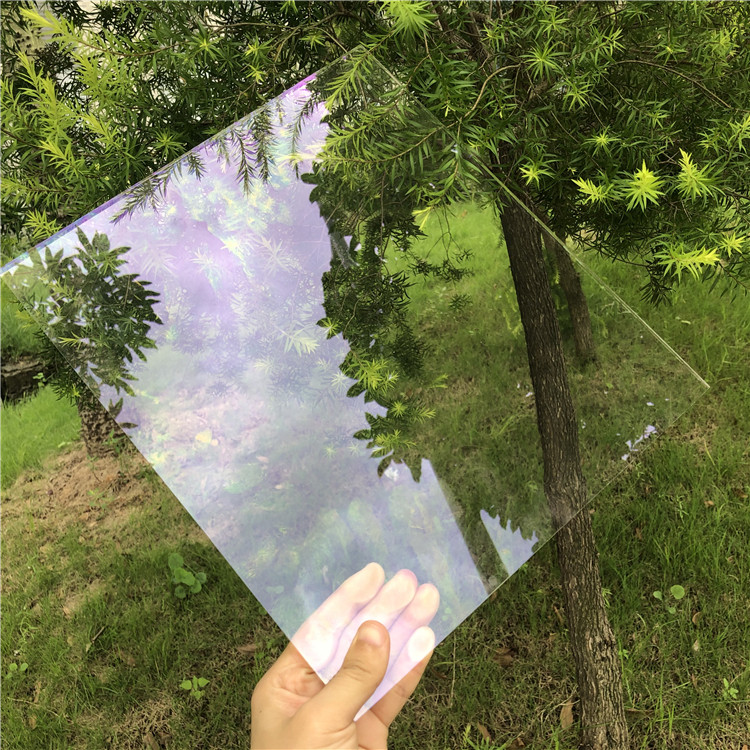
High-transmittance Anti-Reflection (AR) Coated Optical Glass
Single- or double-side AR coating engineered for high transmittance and reduced ghosting in sensors, HUD systems, camera windows and precision optical assemblies.

Schott BF33 TGV Microvia Glass Wafer, Packaging Substrate for Sensors & Chips
Borosilicate wafer with microvias for sensor and chip packaging. Low CTE, electrical insulation and wafer-level process compatibility support miniaturised device architectures.
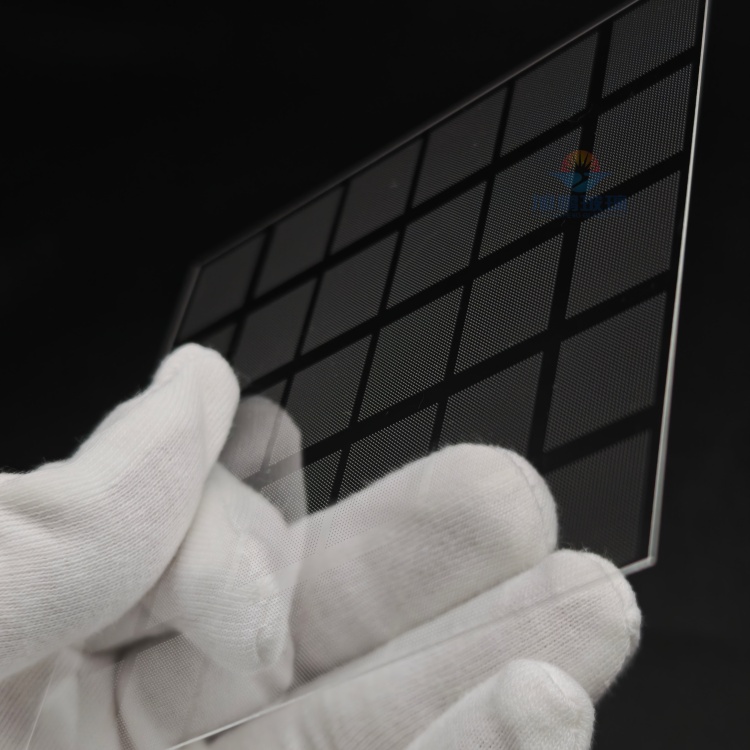
TGV Drilled Packaging Glass Substrate, Precision Laser Microvia Glass
Laser-drilled TGV substrate for high-density electrical, optical and sensor packaging. Clean via geometry and thin-wafer handling help protect yield through downstream assembly.

Custom Ultra-White Clear Tempered Glass Socket Decorative Cover for Stairways
Ultra-white tempered cover with custom cut-outs, edge finishing and decorative printing. A practical option for stairways, switch plates, wall sockets and interior design details.
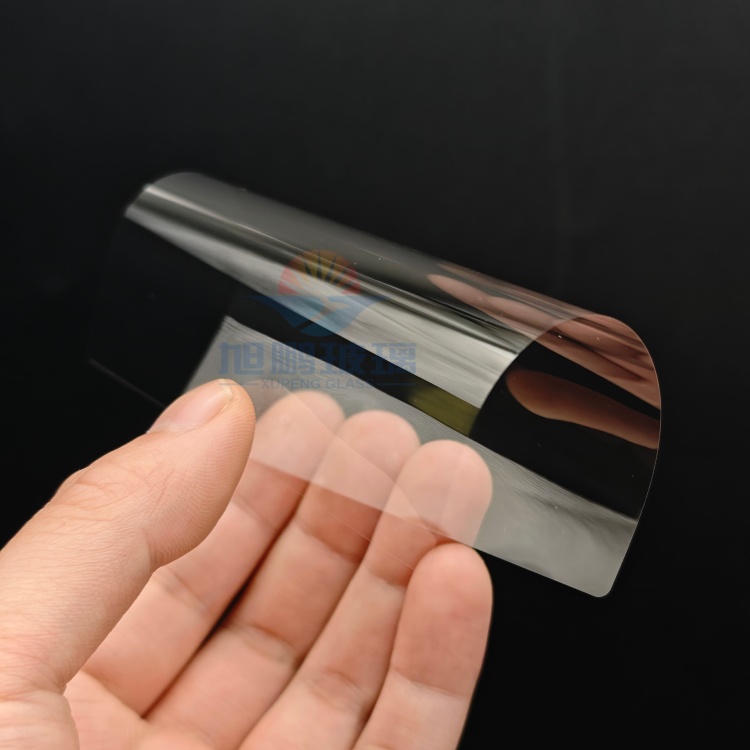
0.03 mm Ultra-thin Flexible Bendable Glass
Ultra-thin glass for foldable displays, flexible sensors and next-generation electronics. Combines optical clarity and scratch resistance with bendability for thin device stacks.
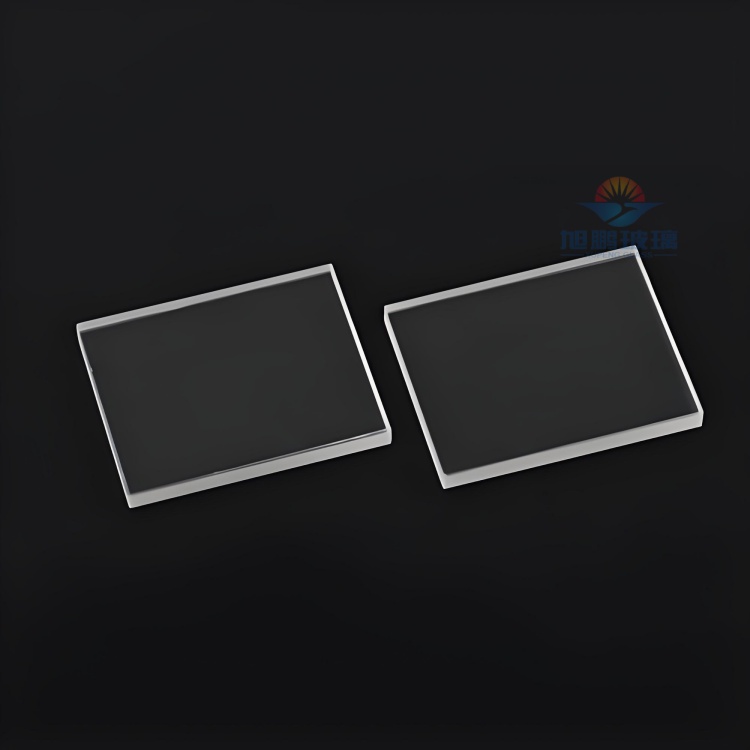
Tempered Glass Customized High Temperature Resistant, High Transparency and High Borosilicate Mirror Window Glass
High-borosilicate window glass for ovens, fireplaces, industrial viewports and high-temperature equipment. Clear or mirror finishes, custom shapes and thermal shock resistance.
How Buyers Will Source Toughened Glass Through 2030
Procurement teams are moving away from “cheapest piece price” toward total risk, total landed cost and documented compliance. For a CE-certified toughened glass manufacturer and exporter, that shift rewards factories that can supply engineering feedback, traceability and repeatable quality.
Documentation-led sourcing
Specifiers will screen suppliers by evidence before sampling: DoP support, test reports, FPC records, batch traceability, PPAP-style documentation and inspection plans. The supplier who can answer technical questions quickly moves to the shortlist.
Dual sourcing without duplicate validation
Buyers want resilience but do not want to qualify two completely different process chains. A deep-processing partner covering tempered, printed, coated and optical glass can reduce supplier count while keeping material and process alternatives open.
Total landed cost replaces piece price
Breakage rate, packing method, lead time, rework, inspection time and freight claims are now part of the sourcing calculation. A slightly higher piece price can be cheaper when the first-pass arrival rate and assembly yield are higher.
Pilot lots and mass customisation
Launch quantities are smaller and variants are more numerous. Buyers want one route from prototype and pilot batches to volume, with stable edge profiles, print artwork and coating recipes across each revision.
Lower-carbon and compliance-ready glass
Energy use, cullet strategy, packing volume and transport mode are entering supplier scorecards. Glass is inert and recyclable, but buyers increasingly ask for process energy data and transport-efficient packaging.
Supplier-managed inventory and export reliability
Forecast sharing, safety stock, FOB/CIF/DDP flexibility and consistent export packing will matter as much as production capacity. Reliable weekly communication is a procurement feature, not a courtesy.
Illustrative buyer scorecard for toughened glass suppliers
Weighting varies by project; use this scorecard as a discussion tool during supplier qualification.
Illustrative only. Buyers should set project-specific weights for optical performance, thermal resistance, print durability, cleanroom compatibility or other special requirements.
Where Toughened and Technical Glass Is Moving Next
Product roadmaps in consumer electronics, semiconductor packaging, industrial equipment and building interiors are converging on thinner glass, more functional coatings and tighter integration between glass and the final assembly.
Thinner, stronger, flexible glass
Ultra-thin glass around 0.03 mm is opening new options for foldable displays, flexible sensors and thin protective stacks. The manufacturing challenge is not only thickness; it is edge quality, handling and yield through downstream lamination.
TGV and glass packaging for advanced chips
Through-glass vias are gaining attention in sensor and chip packaging because glass offers electrical insulation, dimensional stability and low CTE. Precision laser drilling and wafer-level handling are becoming core capabilities.
Multifunctional coatings
AR, AG, anti-fingerprint, hard-coat and selective mirror finishes are being combined into single glass parts. Buyers want one supplier to control coating uniformity, adhesion and optical performance across the batch.
High-borosilicate and heat-resistant windows
Ovens, fireplaces, industrial viewports, UV equipment and high-temperature sensors need glass that survives thermal cycling without losing clarity. High-borosilicate and quartz routes remain essential for these applications.
Decorative-printed functional glass
Silk-screen printed tempered glass is moving beyond decoration into integrated control panels, switch covers and appliance interfaces. Durable ceramic inks, fine line resolution and accurate holes are becoming differentiators.
Precision optical glass and wafer processing
K9, quartz, sapphire, borosilicate and Corning EXG-type materials are being specified alongside conventional tempered glass. The winning supplier combines optical polishing knowledge with practical export and packing discipline.
Match the Glass Route to the Application
Use this selection matrix as an early-stage reference. Final material grade, coating, tolerance and test requirements should be confirmed against the drawing and the agreed inspection standard before mass production.
| Glass type | Typical property | Best-fit applications | Available processing |
|---|---|---|---|
| Ultra-clear low-iron tempered glass | About 91% visible light transmission; tempered strength approximately 4–5× annealed glass | Smart control panels, appliance covers, LED fixtures, light boxes | CNC shaping, drilling, silk-screen, AR/AG coating |
| AR-coated glass | Surface reflection reduced to roughly 0.5–1% per side, depending on design | Touch modules, all-in-one PCs, museum glazing, instrument windows | Single/double-side AR, tempering, printing |
| AG anti-glare glass | Micro-textured surface diffuses glare; gloss and haze selectable | Outdoor LCDs, industrial HMIs, kiosks, transportation displays | Etched AG, AG + AR, tempering, edge treatment |
| Silk-screen printed tempered glass | Fired ceramic ink fused into glass for durable graphics | Instrument panels, home appliances, switch and socket covers | Multi-colour printing, IR/window ink, holes, CNC cut-outs |
| K9 optical glass | Borosilicate crown glass with refractive index around 1.5168 and low inclusions | Lenses, prisms, optical instrument windows, light guides | Precision polishing, coating, CNC edging |
| Fused quartz | High UV transmission and excellent thermal shock resistance | UV curing, disinfection equipment, high-temperature viewports | Thick-gauge cutting, polishing, drilling |
| Sapphire glass | Mohs hardness 9 and melting point around 2,040 °C | Sensor covers, scratch-critical windows, high-temperature equipment | Cutting, polishing, chamfering, inspection |
| Corning EXG-type alkali-free glass | Alkali-free aluminoborosilicate with low CTE, around 3.2 ppm/°C | Semiconductor wafers, MEMS, display substrates | Double-side polishing, wafer dicing, microvia processing |
| Ultra-thin flexible glass | Thickness down to 0.03 mm with controlled bendability | Foldable displays, flexible electronics, thin sensors | Precision cutting, edge strengthening, lamination support |
Reference values are for material shortlisting only. Project-specific performance must be verified through sampling, test reports and approved drawings.
A Manufacturer-Exporter Built for Documented Glass Projects
Dongguan AUVE Glass Co., Ltd. combines deep-processing capability with export discipline. Buyers work with one team for engineering review, sampling, production, inspection and packing—so technical decisions do not disappear between suppliers.
One roof, multiple process families
Cutting, CNC edging, drilling, tempering, silk-screen printing, AR/AG coating and final inspection can be coordinated as one production route. This reduces hand-off risk for parts that need several processes.
Verified trade profile
AUVE maintains an onsite-checked supplier profile with credit index, transaction level, trade capacity, trade history and buyer feedback. Procurement teams can review the trade record before committing to a new project.
Export-ready from day one
Our glass products are exported to the United States, Canada, Russia, South Korea, Japan, Australia and other markets. We support FOB, CFR, CIF, EXW, DDP, DDU, DAF and express delivery depending on the order.
Engineering feedback before production
Send a CAD, DXF or PDF drawing with thickness, tolerance, edge, hole, printing and coating requirements. Our engineers review manufacturability and flag potential issues before material is cut.
MOQ flexibility for pilot and volume orders
MOQ depends on material and process. Many coated and optical glass parts start from 10 to 50 pieces, while standard ultra-clear tempered parts typically start from 100 to 500 pieces. Sample and pilot quantities can be discussed.
Packing treated as part of quality
Interleaving film or paper, foam corner protection and fumigation-free wooden crates or reinforced cartons are selected around the glass size, edge condition and transport mode. Good packing protects both the glass and the schedule.

Inside the Songshan Lake deep-processing operation
Established in 2018, AUVE is located in Songshan Lake, Dongguan—an electronics and optoelectronics cluster in Guangdong, China. The company integrates R&D, design, production and export, with a team of 51–100 employees and a facility in the 1,001–2,000 m² range.
Guided by the philosophy of focusing on high-end glass and continuous innovation, the factory processes flat and curved tempered glass, ultra-white, laminated and painted glass, LCD and touch screen glass, smart control panel glass, LED lamp glass, instrument glass, AR high-transmittance glass and AG anti-glare glass. The objective is simple: deliver a complete glass solution that is easier to qualify, assemble and export.
From Drawing to Export Carton: Six Controlled Stages
Each stage produces information as well as parts. That information is what supports a credible CE-aligned documentation package and a smoother buyer qualification process.
Drawing and DFM review
Confirm dimensions, tolerances, edge profile, holes, print artwork, coating zone and application risks.
Material selection
Match low-iron, borosilicate, optical, quartz, sapphire or alkali-free substrate to the thermal and optical duty.
Cutting and CNC shaping
Automatic cutting, CNC edging, drilling, grooving and profile work are set against the approved drawing.
Tempering, printing and coating
Thermal tempering, high-temperature ceramic ink and AR/AG coating are controlled as specified process steps.
Inspection and documentation
Dimensional, visual, optical and functional checks are recorded, with batch traceability and non-conformance control.
Export packing and dispatch
Protective film, interleaving, corner guards and crates are matched to the route, Incoterm and unloading method.
Common Questions From Toughened Glass Buyers
These answers are written for engineering, sourcing and quality teams evaluating a CE-certified toughened glass manufacturer and exporter.
Does CE certification apply to every toughened glass product?
No. CE marking depends on the product, intended use and the regulatory scope in the destination market. For construction glass under the EU CPR, the relevant harmonised standard and Declaration of Performance must match the actual product. For display glass, optical windows or semiconductor substrates, the applicable compliance route may be different. Always confirm the product-specific scope before accepting a generic CE certificate.
Can AUVE provide EN 12150 and DoP-related documentation?
For applicable construction glass orders, AUVE can discuss the documentation package needed for CE marking, including product scope, factory production control records, test report references and Declaration of Performance details where required. The final responsibility for CE marking and importer obligations should be agreed with the EU importer or appointed conformity body.
What is the minimum order quantity for custom glass?
MOQ depends on material and process. Many coated and optical glass parts start from 10 to 50 pieces, while standard ultra-clear tempered parts typically start from 100 to 500 pieces. Sample and pilot quantities can be discussed for new projects, especially when the part requires new tooling, printing screens or coating setup.
Can you produce glass to my own drawing?
Yes. Send a CAD, DXF or PDF drawing with thickness, tolerance, edge, hole, printing and coating requirements. Our engineers review manufacturability before production, covering CNC cutting, edging, drilling, tempering, silk-screen printing, AR/AG coating and inspection. Early DFM feedback usually reduces rework and sampling cycles.
Which Incoterms and shipping methods do you support?
We support FOB, CFR, CIF, EXW, DDP, DDU, DAF and express delivery, with export packing designed for fragile glass parts. The best option depends on your customs setup, order size, destination and whether you prefer to control freight or have the supplier manage door-to-door delivery.
Which markets do you export to, and how quickly do you reply?
Our glass products are exported to the United States, Canada, Russia, South Korea, Japan, Australia and other markets. Our average response time is within 7 hours. For the fastest technical review, include your drawing, quantity, destination, target schedule and any coating, printing or test requirements in the first message.
Send a Drawing. Get a Manufacturability and Documentation Review.
Share your size, thickness, tolerance, edge, hole, printing, coating and destination requirements. Our team will confirm the material route, process feasibility, packing method and next steps—usually within 7 hours.