8 Electronic Glass Products to Shortlist First
The products below are existing AUVE production items. Each one can be adapted in size, thickness, edge profile, holes, printing and coating to fit your assembly. Review the material and application notes, then send your drawing for manufacturability review.
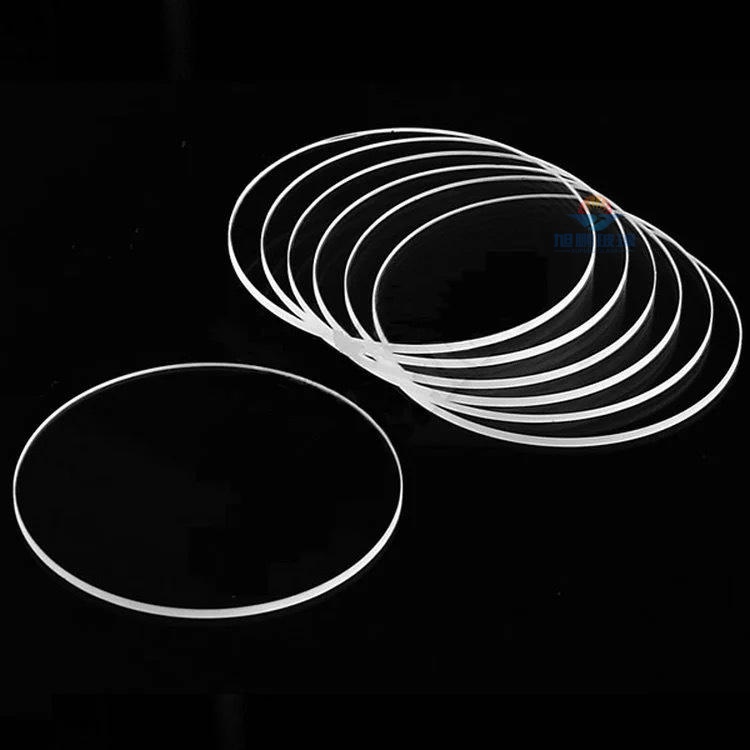
Corning EXG Alkali-Free Glass, UV High-Transmittance Optical Window Substrate
Recommended for semiconductor carriers, MEMS, UV optical windows and display substrates where alkali-free composition and dimensional stability matter.
- Low CTE
- UV grade
- Double-side polish option

White Ceramic Glass-Ceramic, 4mm & 6mm, High Temperature Resistant Glass-Ceramic
Used for high-temperature appliance panels, industrial viewing windows, lighting diffusers and heat-tolerant display covers.
- 4mm & 6mm
- Thermal shock resistance
- White ceramic finish
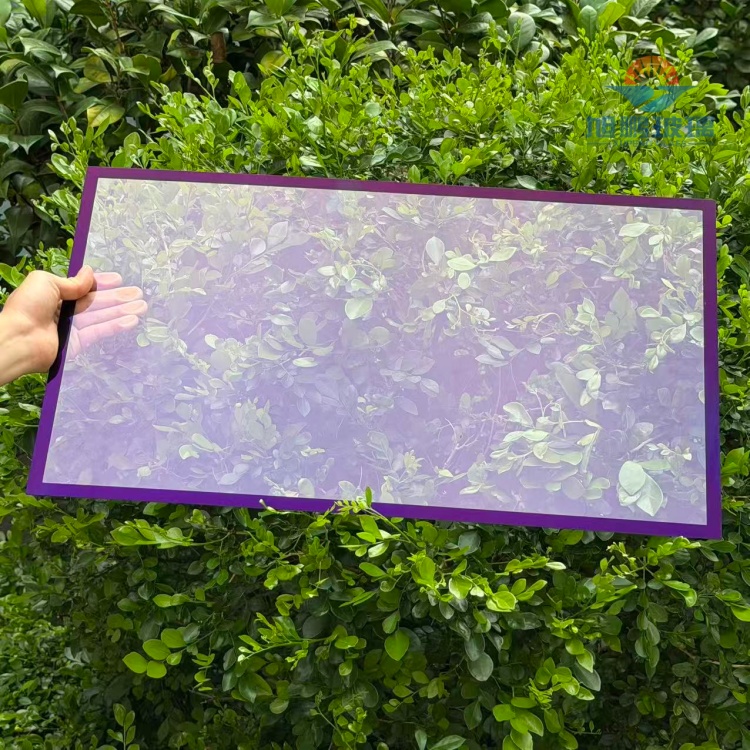
27-inch All-in-One PC AR Coated Glass
Large-format electronic glass with anti-reflection coating for all-in-one PCs, panel PCs, kiosks and interactive display modules.
- 27-inch format
- AR coated
- High contrast
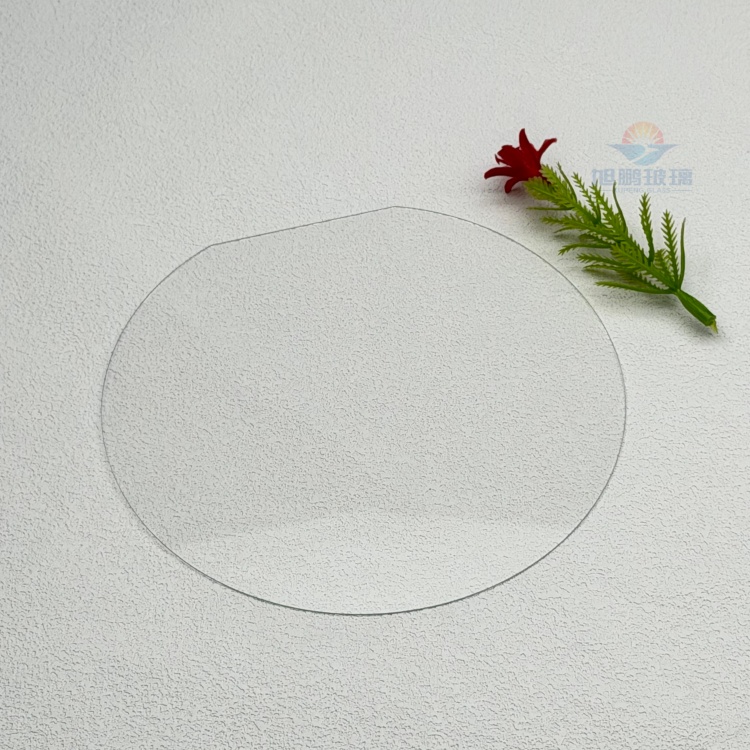
Round Aluminosilicate Glass with Chamfered Ground Edges and Metal Coating
Designed for sensor windows, rugged electronic interfaces and functional or decorative metallization where edge quality matters.
- Aluminosilicate
- Chamfered edge
- Metal coating
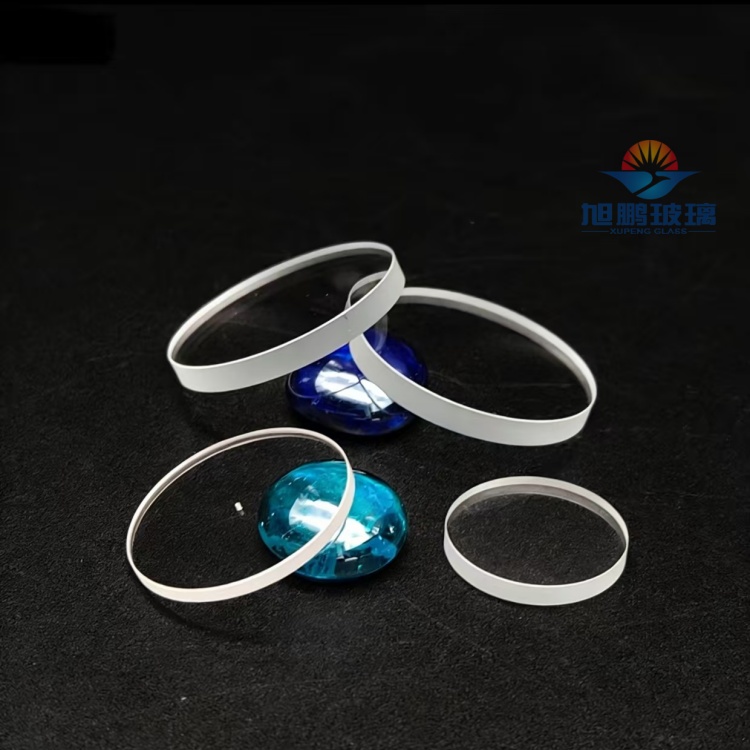
Sapphire Glass Step Window Wafers, High Temperature Resistant & High Light Transmittance Optical Sapphire Lenses
For high-temperature viewports, scratch-resistant sensor covers and precision optical windows where standard glass is not durable enough.
- Mohs 9
- High temperature
- Optical transmission
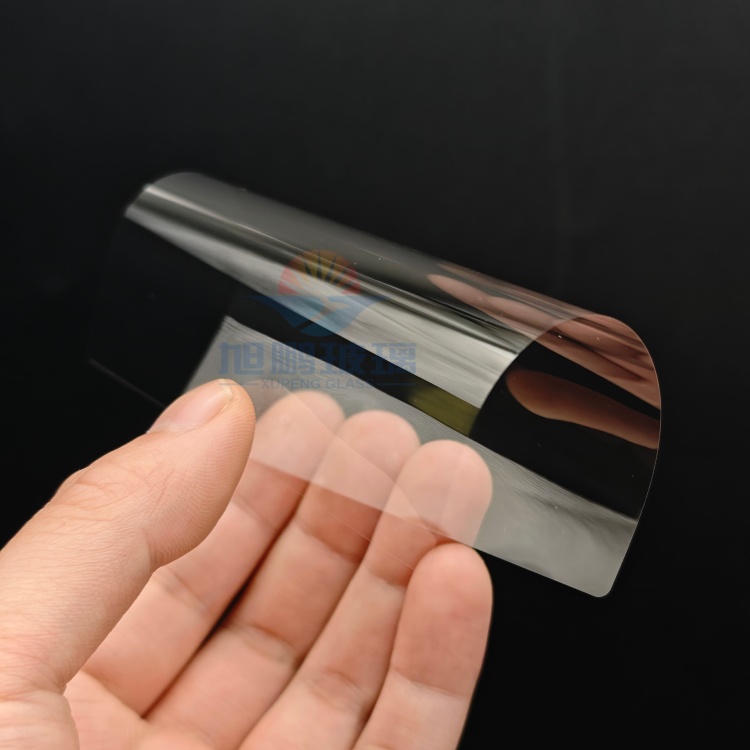
0.03 mm Ultra-thin Flexible Bendable Glass
Ultra-thin glass for foldable displays, flexible electronics and wearables where bendability, optical clarity and surface hardness must be balanced.
- 0.03 mm
- Bendable
- Edge strengthening option
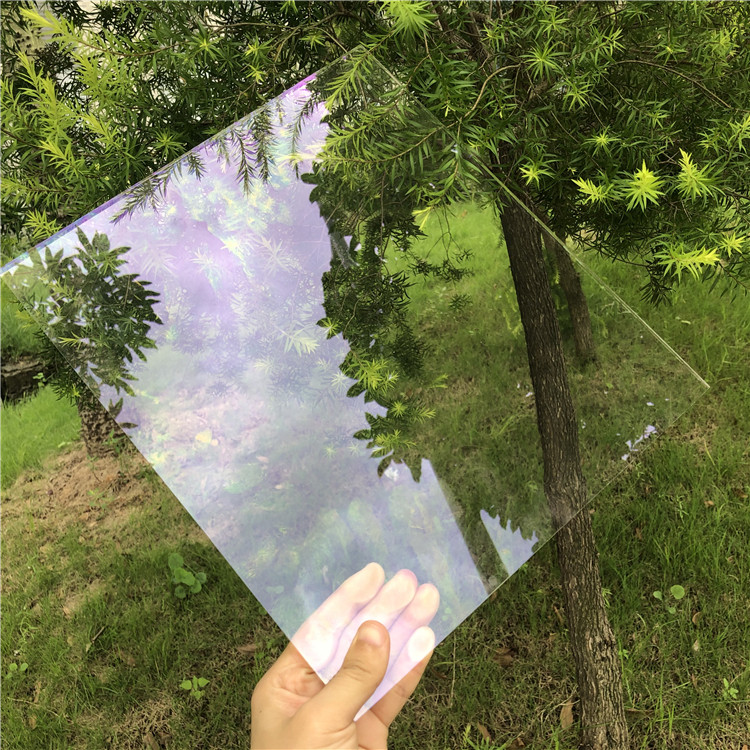
High-transmittance Anti-Reflection (AR) Coated Optical Glass
Multi-layer AR coated optical glass for display windows, instrument covers and precision optical assemblies requiring low surface reflection.
- High transmittance
- Anti-reflection
- Optical grade
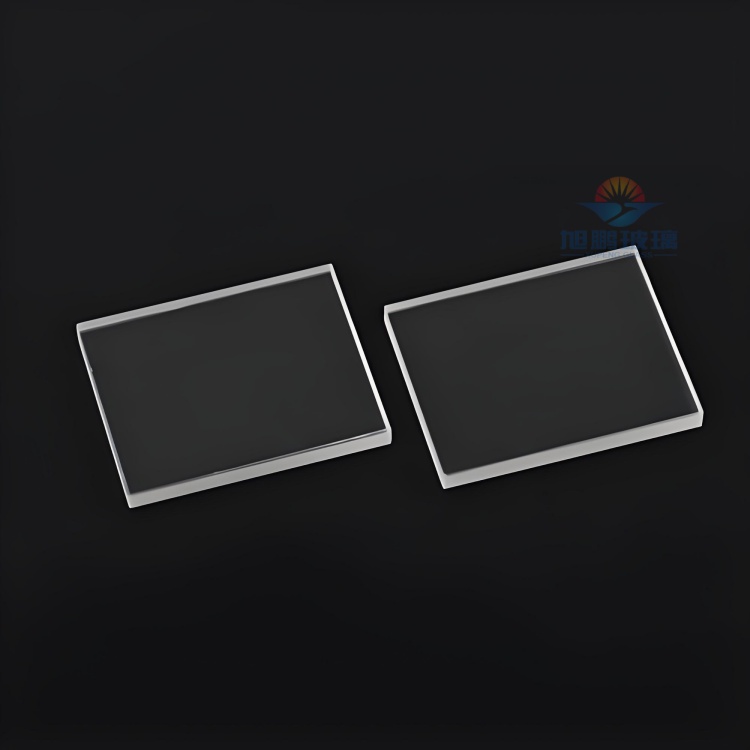
Tempered Glass Customized High Temperature Resistant, High Transparency and High Borosilicate Mirror Window Glass
Custom tempered high-borosilicate window glass for heat-resistant equipment, lighting fixtures, appliance panels and industrial observation windows.
- Borosilicate
- Tempered
- High transparency
What “China Best Electronic Glass Factories & Wholesaler” Really Means
The commercial intent behind this query is not a simple price request. It is a supplier-qualification search for custom electronic glass.
A buyer typing “China best electronic glass factories & wholesaler” is usually comparing a shortlist of suppliers for a specific part: an AR-coated display cover, an AG anti-glare HMI window, a tempered control panel, a silk-screen printed appliance lens, a sapphire sensor window, a Corning EXG wafer, or an ultra-thin flexible glass substrate. The word “best” is only meaningful when it is tied to a drawing, an application environment and a quality acceptance method.
Electronic glass is a material system, not a commodity sheet. Two factories can quote the same thickness and still deliver completely different results if one controls edge micro-chipping, coating uniformity, tempering stress, printing registration and packing protection, while the other does not. This is why experienced buyers evaluate a Chinese electronic glass factory on process depth, engineering response, batch traceability and export reliability—not on a single price per square meter.
Dongguan AUVE Glass Co., Ltd. fits that evaluation model as a deep-processing glass manufacturer integrating R&D, design, production and export in Songshan Lake, Dongguan. The company has been factory-direct since 2018, operates with 51–100 skilled employees in a 1,001–2,000 m² facility, and exports to the United States, Canada, Russia, South Korea, Japan and Australia. Its production scope covers flat and curved tempered glass, ultra-clear low-iron glass, laminated and painted glass, AR/AG coated glass, silk-screen printed glass, touch screen and LCD cover glass, LED lighting glass, instrument glass, and optical materials such as K9, quartz, sapphire, borosilicate and Corning EXG alkali-free glass.
Verified supplier data is part of the evidence. Buyers can review onsite-checked supplier status, credit index, transaction level, trade capacity, trade history and buyer ratings, and the team’s average response time is within 7 hours. For procurement teams, this is more useful than a generic “best factory” list because it reduces the risk of placing a sample order with a supplier that cannot document production discipline or support repeat export shipments.
From a semantic-search perspective, the useful question is not “which factory is number one?” but “which factory is best-fit for my drawing, volume, coating, tolerance and destination?” This whitepaper answers that question with product-specific recommendations, material data, procurement trends, development trends and an FAQ written for engineering and sourcing teams.
Buyer Decision Snapshot
What a qualified electronic glass wholesaler should be able to prove before mass production.
- Drawing-based customization across size, thickness, holes, edges, printing and coating.
- In-house cutting, CNC edging, drilling, tempering, silk-screen and AR/AG coating.
- Optical material options including K9, quartz, sapphire, borosilicate and Corning EXG.
- Export packing designed for fragile glass and Incoterm support for global buyers.
- Verified supplier credentials, trade history and buyer feedback.
- Average technical response within 7 hours.
Which Electronic Glass Should Different Buyers Shortlist?
Use this application-led recommendation matrix to narrow the RFQ before contacting a factory. It helps engineering and procurement teams compare like-for-like materials instead of relying on generic catalog names.
Display & Touch Modules
AR-coated cover glass improves contrast and reduces surface reflection for AIO PCs, kiosks, medical displays and industrial panel PCs. When the installation is bright or angled, pair AR with AG or select a slightly diffused AG surface to improve readability without washing out the image.
High-Temperature Equipment
For appliance panels, industrial viewports and heat-exposed lighting, white ceramic glass-ceramic and high-borosilicate tempered glass are strong starting points. Sapphire becomes relevant when scratch resistance, optical transmission and very high temperature resistance are all required at the same time.
Semiconductor, UV & Optics
Alkali-free glass such as Corning EXG is selected for semiconductor carriers, MEMS and display substrates where mobile ions and dimensional drift are unacceptable. For UV curing, disinfection and high-temperature viewports, fused quartz and sapphire offer different balances of transmission, thermal shock resistance and scratch resistance.
Wearables & Flexible Devices
Foldable and flexible products require a different qualification path. Ultra-thin glass at 0.03 mm can support bending and optical clarity, but edge quality, handling, lamination and surface protection become critical. Buyers should request sample testing that reflects the real bend radius and use environment.
How Electronic Glass Procurement Is Changing
Price comparison is still important, but it is no longer enough. The strongest buyers are redesigning their RFQ process around risk reduction, traceability and engineering speed.
Supplier Consolidation Around Process Depth
Instead of sourcing raw sheets from one trader and coating from another, OEMs are consolidating with factories that control cutting, CNC edging, drilling, tempering, printing and coating. This reduces handling damage and clarifies responsibility when optical or dimensional defects appear.
Traceability and Batch Documentation
Buyers increasingly ask for batch identification, coating curves, edge inspection photos, packing records and change-control notes. In electronic glass, visual inspection alone is not enough. A reliable wholesaler should be able to connect the finished part back to raw material and process history.
Dual Sourcing With One Qualified Specification
Dual sourcing is useful, but it only works when both suppliers qualify against the same drawing, coating target, tolerance and packing standard. Procurement teams are moving toward master specification files that allow a second source to be validated without reopening the entire design review.
Pilot Batches Before Mass Production
Small pilot quantities are becoming a normal stage for AR/AG coated and optical glass projects. This allows the buyer to test lamination, cleaning, drop performance, environmental aging and assembly fit before committing to a larger order, while still giving the factory enough feedback to stabilize the process.
Digital RFQ and Faster Engineering Feedback
CAD, DXF and PDF files now move directly into supplier engineering review. Buyers expect fast feedback on manufacturability, tolerance stack-up, coating feasibility and packing risk. A factory that responds within hours with specific questions is usually better prepared than one that returns only a unit price.
Total Landed Cost Replaces Unit Price
Broken glass, rework, delayed assembly and inconsistent batches can cost more than the price difference between two quotations. Buyers are comparing total landed cost by including packaging quality, replacement policy, response speed, inspection documentation and the supplier’s ability to remain stable across repeat orders.
Where Electronic Glass Technology Is Moving
Material development is being driven by thinner devices, brighter displays, harsher operating environments and more integrated optical functions.
Ultra-Thin and Bendable Glass
Flexible displays continue to push thickness down toward 0.03 mm and below. The challenge is not only bendability but surface hardness, edge strength, lamination compatibility and defect control. Buyers should define bend radius, cycle count and cleaning method before selecting a UTG supplier.
Multifunctional AR/AG Coatings
Single-function coatings are giving way to combined AR/AG, easy-clean, anti-fingerprint and scratch-resistant stacks. For outdoor HMIs and medical displays, the supplier must balance reflection, haze, transmission and durability so that the final display remains readable under real lighting conditions.
Alkali-Free Glass for Semiconductors
Corning EXG and similar alkali-free substrates are increasingly important for MEMS, semiconductor carriers and display substrates because low alkali content and low thermal expansion support dimensional stability. Double-side polishing, flatness and particle control become central procurement metrics.
Sapphire and Ceramic Glass in Harsh Environments
High-temperature sensors, industrial optics and scratch-critical windows are pulling demand toward sapphire and ceramic glass-ceramic. These materials are not interchangeable with ordinary tempered glass. Buyers need to compare thermal expansion, transmission range, hardness and edge-finishing requirements.
Borosilicate and Tempered Glass in Appliances
High-borosilicate and tempered glass remain critical in appliances, lighting and industrial equipment. The trend is toward better optical clarity, tighter flatness, printed graphics that survive heat and cleaning, and custom shapes that reduce assembly steps.
Printed Glass and Hidden-Display Design
Silk-screen printed tempered glass is moving beyond simple decoration. Buyers now use IR-transparent windows, dead-front graphics, icons and sensor openings to hide displays until they light up. Printing registration, ink durability and edge cleanliness directly affect the perceived quality of the final product.
Material Selection Data for Electronic Glass Buyers
Use this table to shortlist materials before requesting samples. Values are typical reference data for material selection; final specifications are confirmed against your drawing and agreed test standard before mass production.
| Glass / Material | Key Property (Typical) | Best-Fit Applications | Available Processing |
|---|---|---|---|
| Ultra-Clear Low-Iron Tempered | ~91% visible light transmission; reduced green edge tint; tempered strength approximately 4–5× annealed glass | Smart control panels, appliance covers, LED fixtures and light boxes | CNC shaping, drilling, silk-screen printing, AR/AG coating |
| AR Coated Glass | Surface reflection reduced to roughly 0.5–1% per side; higher display contrast | Touch modules, AIO PCs, museum and instrument windows | Single- or double-side AR, tempering, printing |
| AG Anti-Glare Glass | Micro-textured surface diffuses glare; gloss and haze selectable | Outdoor LCDs, industrial HMI, kiosks and medical displays | Etched AG, AG + AR, tempering |
| Silk-Screen Printed Tempered | Fired ceramic ink fused into glass for durable graphics | Instrument panels, home appliances, switch and socket covers | Multi-color printing, IR/window ink, holes |
| K9 Optical Glass | Borosilicate crown glass; refractive index nd ≈ 1.5168; low inclusions | Lenses, prisms and optical instrument windows | Precision polishing, coating, CNC edging |
| Fused Quartz | High UV transmission and excellent thermal shock resistance | UV curing, disinfection and high-temperature viewports | Thick-gauge cutting, polishing, drilling |
| Sapphire Glass | Mohs hardness 9; melting point approximately 2,040 °C | Sensor covers, high-temperature and scratch-critical windows | Cutting, polishing, chamfering |
| Corning EXG Alkali-Free | Alkali-free aluminoborosilicate; low CTE around 3.2 ppm/°C | Semiconductor wafers, MEMS and display substrates | Double-side polishing, wafer dicing |
| Ultra-Thin Flexible Glass | Thickness down to 0.03 mm with bendability | Foldable displays and flexible electronics | Precision cutting, edge strengthening |
Selection tip: define the use environment first—indoor display, outdoor HMI, high-temperature window, semiconductor tool or foldable device—then choose the glass family and coating stack.
Why Dongguan AUVE Glass Is a Credible China Wholesaler
Experience, expertise, authority and trust are not claimed through slogans. They are proved through verified company data, process control, engineering review and repeat export support.
Factory-Direct Since 2018
Dongguan AUVE Glass Co., Ltd. is a deep-processing glass manufacturer integrating R&D, design, production and export in Songshan Lake, Dongguan—one of China’s leading electronics and optoelectronics clusters. The company operates with 51–100 skilled employees.
Full In-House Process Chain
Cutting, CNC edging, drilling, tempering, silk-screen printing, AR/AG coating and optical polishing are handled in a controlled process flow. This reduces handling damage and gives buyers a single point of accountability for dimensional and optical quality.
Engineering Review Before Production
Send a CAD, DXF or PDF drawing with thickness, tolerance, edge, hole, printing and coating requirements. The engineering team reviews manufacturability before production, covering CNC cutting, edging, drilling, tempering, printing and coating feasibility.
Quality Management and Traceability
Production follows defined process standards and a documented quality management system, so every batch is traceable from raw sheet to packed carton. Dimensional, visual and optical checks are part of the process, with protective packing for fragile glass parts.
Export-Ready Service
Accepted delivery terms include FOB, CFR, CIF, EXW, DDP, DDU, DAF and express delivery. Proven export markets include the United States, Canada, Russia, South Korea, Japan and Australia, with fragile-goods packing designed for international transport.
Verified Supplier Credentials
Buyers can check onsite-checked supplier status, credit index, transaction level, trade capacity, trade history and buyer ratings. The average response time is within 7 hours, which supports faster RFQ cycles and technical clarification.
Review company profile →From Raw Sheet to Finished Electronic Glass Part
Each step is controlled in-house, which shortens lead times, protects tolerances and lets engineers solve issues before they reach the buyer’s assembly line.
Precision Cutting
Automatic and CNC cutting from float, low-iron, borosilicate and optical stock.
CNC Edging & Drilling
Edge grinding, beveling, grooving, holes, cut-outs and laser punching.
Tempering
Flat and curved thermal tempering for impact and thermal resistance.
Silk-Screen Printing
High-temperature ceramic inks, logos, display windows and icons.
AR / AG Coating
Anti-reflective, anti-glare, mirror and functional coatings.
QC & Export Packing
Dimensional, visual and optical checks, then protective export packing.
Logistics, Incoterms and Fragile-Goods Packing
Electronic glass must arrive intact and identifiable. Commercial terms and packing discipline are part of product quality, not an afterthought.
Accepted Delivery Terms
Choose the Incoterm that fits your supply chain and customs setup, from factory pickup to delivered-duty arrangements.
Proven Export Markets
AUVE glass products are exported to the United States, Canada, Russia, South Korea, Japan, Australia and other markets.
Safe Glass Packing
Interleaving film or paper, foam corner protection and fumigation-free wooden crates or reinforced cartons are applied according to part size, coating and route.
Frequently Asked Questions from Electronic Glass Buyers
Straight answers to the questions engineering, sourcing and wholesale teams ask most often before requesting a sample or bulk quotation.
What types of glass does Dongguan AUVE Glass manufacture?
AUVE processes flat and curved tempered glass, ultra-clear low-iron glass, laminated and painted glass, AR anti-reflective and AG anti-glare coated glass, silk-screen printed glass, touch screen and LCD cover glass, LED lighting glass, instrument glass, and optical materials such as K9, quartz, sapphire, borosilicate and Corning EXG alkali-free glass.
Can you produce electronic glass to my own drawing?
Yes. Send a CAD, DXF or PDF drawing with thickness, tolerance, edge, hole, printing and coating requirements. Engineers review manufacturability before production, covering CNC cutting, edging, drilling, tempering, silk-screen printing and AR/AG coating. This review helps identify tolerance conflicts or handling risks before samples are made.
What is the minimum order quantity?
MOQ depends on material and process. Many coated and optical glass parts start from 10 to 50 pieces, while standard ultra-clear tempered parts typically start from 100 to 500 pieces. Sample and pilot quantities can be discussed for new projects, especially when the buyer needs to validate lamination, cleaning or assembly fit.
How do I choose between AR and AG coated glass?
AR coating is usually selected to reduce surface reflection and improve display contrast, especially for angled or dark-screen viewing. AG anti-glare glass uses a micro-textured surface to diffuse reflections, which is often preferred for outdoor kiosks, industrial HMI and bright environments. Depending on the application, a combined AR/AG stack may be the best compromise.
Which Incoterms and shipping methods do you support?
AUVE supports FOB, CFR, CIF, EXW, DDP, DDU, DAF and express delivery. Export packing is designed for fragile glass parts, with interleaving protection, corner foam and wooden crates or reinforced cartons selected according to the part size, coating and destination.
Which markets do you export to?
Glass products are exported to the United States, Canada, Russia, South Korea, Japan, Australia and other markets. For buyers in these regions, the sales team can discuss packaging expectations, documentation needs and the most practical shipping route for the order size.
How quickly do you reply to technical inquiries?
The average response time is within 7 hours. For a faster review, email your drawing and quantity to info@auveglass.com, and state the application, use environment, expected annual volume and any acceptance standards. Clear inputs usually shorten the sample and quotation cycle.
How do you protect fragile glass during export?
Packing is planned according to size, thickness, edge finish, coating and transport mode. Common methods include protective film or paper interleaving, foam corner protection, batch labeling and fumigation-free wooden crates or reinforced cartons. For high-value optical or coated parts, buyers can request additional packing details before shipment.
Send a Drawing, Get a Manufacturing Route
Share your size, thickness, tolerance, edge, printing and coating requirements. The team will confirm material, process route, sample plan and lead time—usually within 7 hours. For wholesale, OEM and engineering buyers, a drawing-based review is the fastest way to compare electronic glass factories on real capability rather than catalog claims.
info@auveglass.com