8 Custom Tempered Glass Sheet & Precision Glass Products for OEM Buyers
These eight production-ready glass products cover high-temperature windows, anti-reflection display glass, semiconductor wafers, TGV packaging substrates, low-iron tempered panels, K9 optical glass and ultra-thin flexible glass. Each item can be customized by drawing, thickness, tolerance, edge profile, hole layout, printing and coating.
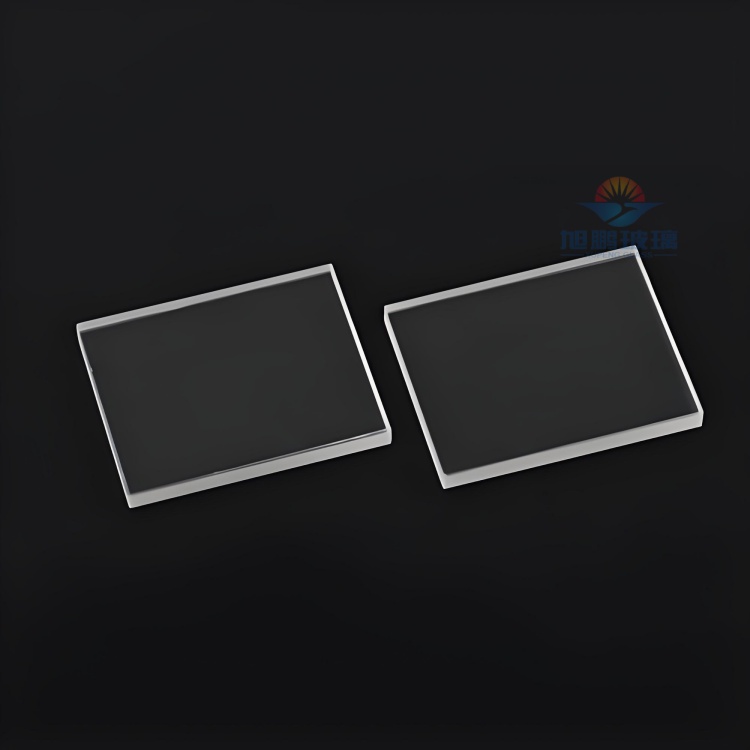
A high-clarity borosilicate tempered glass sheet developed for heat-resistant viewports, fireplace windows, instrument covers and appliance panels. Custom cutting, edge polishing, drilling and silk-screen printing are available.
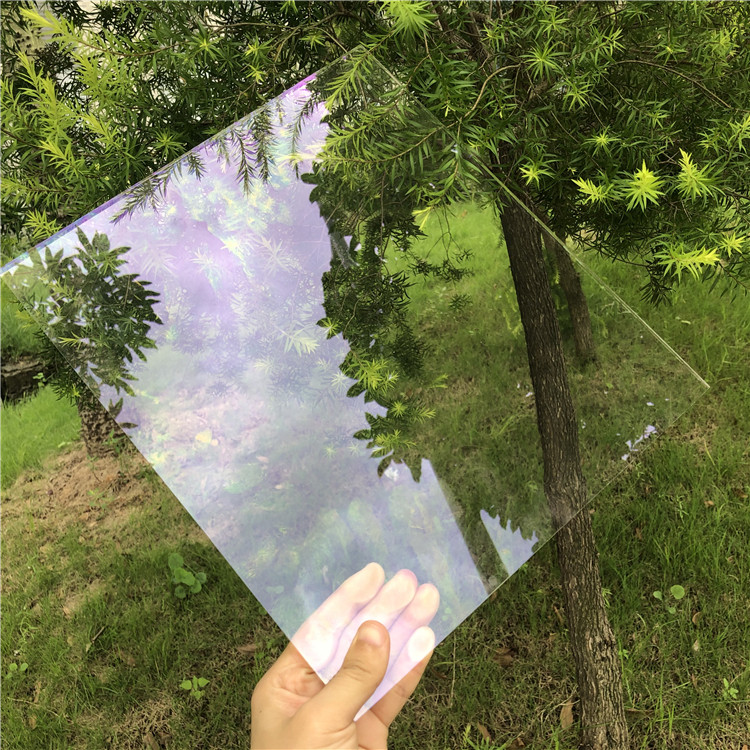
AR-coated optical glass with high visible-light transmission for touch modules, all-in-one PC covers, museum windows and precision instrument displays. Single-side and double-side AR coatings can be specified.

Thin glass wafer substrates for circuit boards, chip carriers, sensors and solar silicon ingot processing. Flatness, thickness tolerance and edge quality are controlled for downstream lithography, coating and packaging steps.
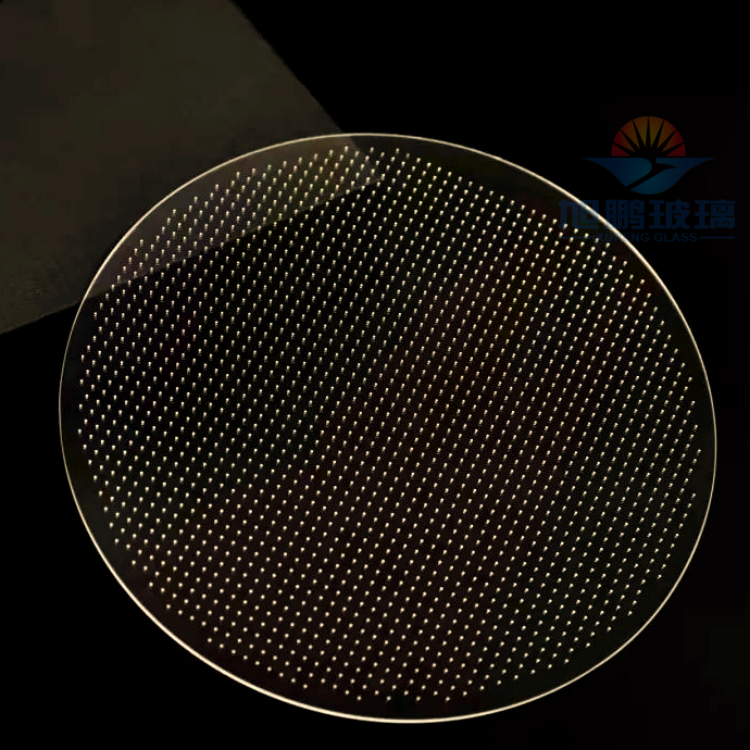
Borosilicate BF33 glass wafer with through-glass vias for advanced sensor and chip packaging. The material supports insulated, dimensionally stable substrates for microvia metallization and wafer-level packaging.
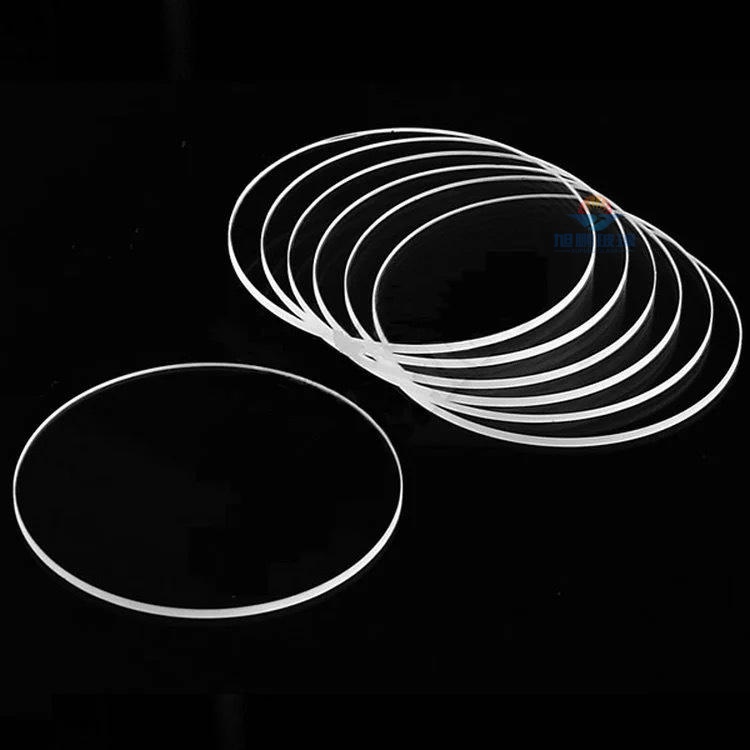
Corning EXG alkali-free glass for UV-transparent optical windows, photonics and semiconductor substrates. The low-alkali composition and low CTE make it suitable for high-stability optical and electronic applications.
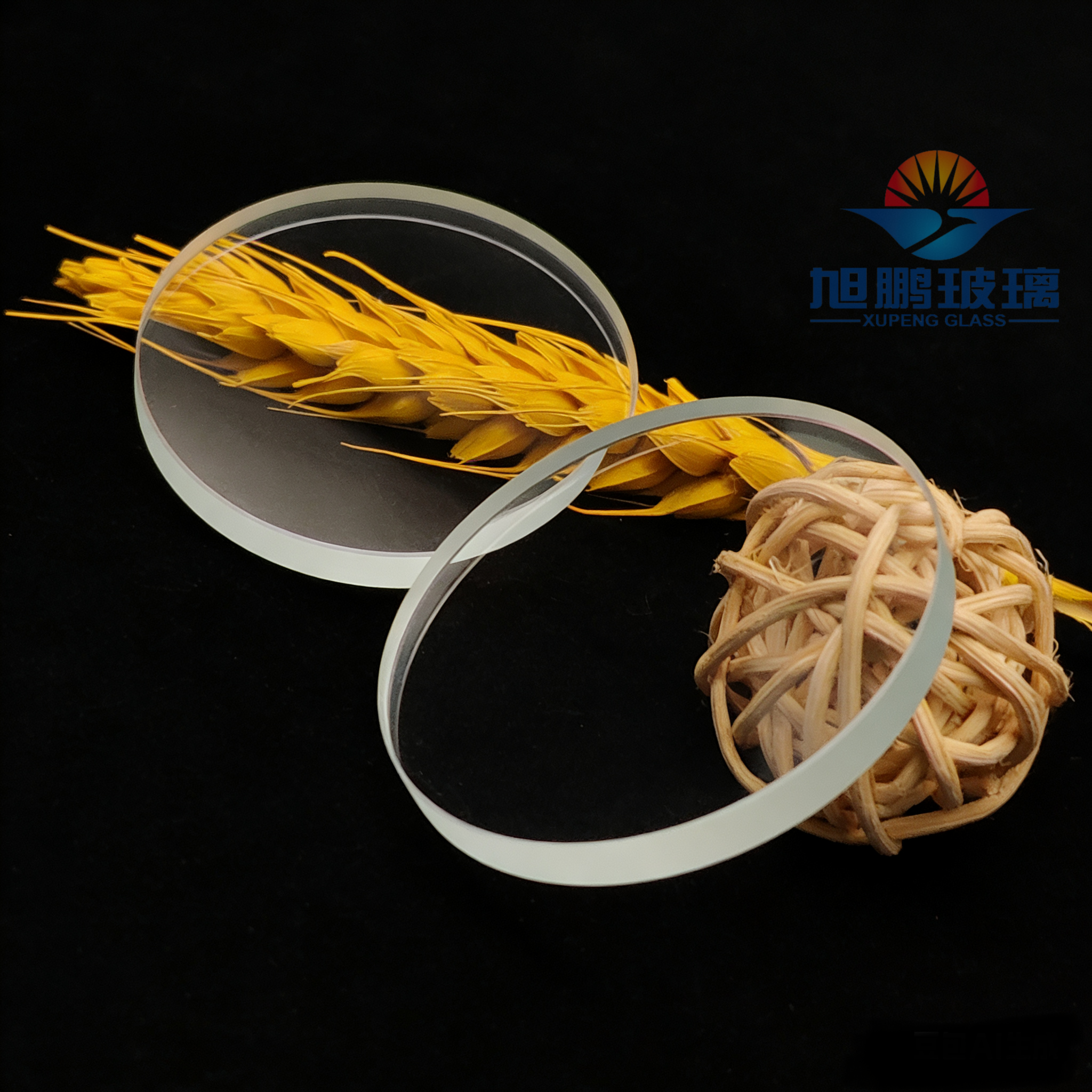
A low-iron tempered glass panel with high light transmission, minimal green edge tint and precision polished edges. Ideal for smart control panels, lighting covers, appliance windows and clear decorative panels.
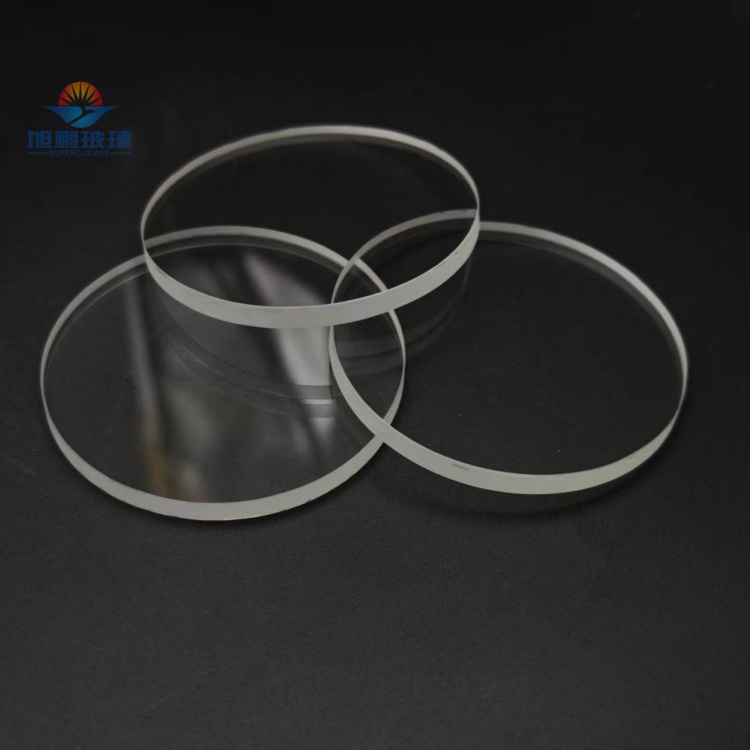
K9 borosilicate crown glass with a refractive index around 1.5168, used for lenses, prisms, instrument windows and optical assemblies. Precision polishing, CNC edging and optical coating can be included.
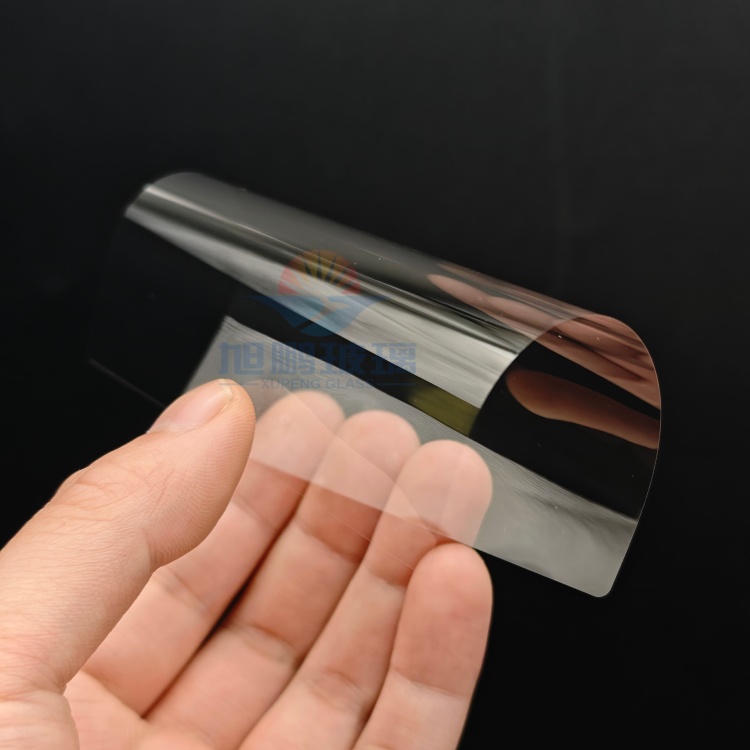
Ultra-thin flexible glass for foldable displays, flexible electronics, sensors and protection layers. At 0.03 mm, the sheet balances bendability, optical clarity and surface hardness after strengthening and edge treatment.
Why the Search for a China Best Tempered Glass Sheet Supplier Starts with Verification
Buyers often begin with the phrase “China best tempered glass sheet supplier” or “tempered glass sheet suppliers,” then discover that the real difference lies in process control, engineering response and verifiable supplier data — not a headline claim.
A tempered glass sheet is not a single commodity. It may start as float glass, low-iron glass, borosilicate, K9 optical glass, fused quartz, sapphire or an alkali-free wafer. Each material behaves differently under cutting, CNC edging, drilling, tempering, silk-screen printing and AR/AG coating. That is why a qualified supplier must be evaluated as a deep-processing partner, not only as a sheet seller. The supplier should be able to review a CAD, DXF or PDF drawing, flag manufacturability risks, confirm tolerance and edge quality, and document the process route before production begins.
For international B2B buyers, trust is easier to establish when the supplier publishes checkable credentials. Dongguan AUVE Glass Co., Ltd. integrates R&D, design, production and export in Songshan Lake, Dongguan, one of China’s electronics and optoelectronics clusters. Our verified profile covers onsite-checked supplier status, credit index, transaction level, trade capacity, trade history and buyer feedback. These signals do not replace a sample approval, but they shorten the due-diligence path for procurement teams comparing multiple China tempered glass sheet suppliers.
AUVE Glass: A Deep-Processing Partner Built for Custom Glass Programs
From raw sheet to finished part, AUVE Glass combines material breadth, in-house processing and export experience for OEMs, brand owners, distributors and engineering teams.
Factory-Direct Deep Processing
Cutting, CNC shaping, edging, drilling, tempering, printing and coating are coordinated in-house, reducing hand-off risk and protecting tolerances from sample to mass production.
Engineering Review Before Production
Send a drawing with thickness, tolerance, hole, edge, printing and coating requirements. Our engineers review manufacturability and recommend a process route before quoting.
Material Breadth
Low-iron tempered glass, borosilicate, K9 optical glass, quartz, sapphire, Corning EXG, Schott BF33, TGV wafers and ultra-thin flexible glass can be sourced through one qualified partner.
Verified Supplier Credentials
Onsite-checked status, credit index, transaction level, trade capacity, trade history and ratings give buyers documented starting points for supplier qualification.
Export-Ready Packing & Terms
FOB, CFR, CIF, EXW, DDP, DDU, DAF and express delivery are supported, with protective film, foam corners, wooden crates or reinforced cartons for fragile glass parts.
Fast Technical Response
Average response time is within 7 hours for technical inquiries. Email info@auveglass.com with drawings and quantities for an engineering review.
Precision Cutting
Automatic and CNC cutting from float, low-iron, borosilicate and optical stock, with careful sheet layout for yield and edge quality.
CNC Edging & Drilling
Edge grinding, beveling, grooving, hole drilling and laser punching are reviewed against your assembly and sealing requirements.
Tempering
Flat and curved thermal tempering improves impact resistance and thermal stability, with process parameters matched to material and thickness.
Silk-Screen Printing
High-temperature ceramic inks are used for logos, windows, icons, borders and functional graphics that must survive tempering and service life.
AR / AG Coating
Anti-reflective, anti-glare, mirror and functional coatings are applied according to optical performance, haze, gloss and durability targets.
QC & Export Packing
Dimensional, visual and optical checks are followed by batch labeling and protective packing designed for international glass shipments.



How B2B Buyers Will Source Tempered Glass Sheets in 2025–2030
Price comparison will remain important, but qualified buyers are shifting toward supplier verification, application engineering, documentation and total landed cost.
Supplier Qualification Moves Upstream
Procurement teams are asking for DFM feedback, process capability, sample inspection data and change-control procedures before they release a PO. A supplier that can review drawings and explain manufacturability limits reduces late-stage revisions and line-down risk.
Dual-Source Strategy with Application Fit
Many OEMs now qualify one supplier for display cover glass, another for optical wafers or high-temperature windows, and a third for emergency spares. Consolidating with a deep-processing partner that covers multiple materials can simplify vendor management.
Traceability and Documentation
Batch codes, inspection records, coating parameters, packing photos and shipment marks are becoming routine requirements. Buyers want to trace a finished tempered glass sheet back to material lot and process route.
Total Landed Cost over Unit Price
Breakage, rework, freight, customs terms and lead time can outweigh a low quoted unit price. Export-ready packing and flexible Incoterms such as FOB, CIF, DDP and express delivery help buyers compare the real cost of supply.
What this means for your RFQ
When you compare China tempered glass sheet suppliers, score the response quality rather than only the price. Ask each supplier to confirm material grade, tempering route, edge and hole tolerance, coating performance, packing method and Incoterm. A supplier that answers these points clearly is more likely to protect your schedule after the order is placed.
Use the scorecard as a discussion framework. The values above are relative evaluation weights commonly reflected in custom-glass sourcing discussions, not a statistical market survey. Your own weighting should reflect application risk, assembly tolerance and warranty exposure.
Thinner, Stronger, Coated and More Integrated Tempered Glass Sheets
Glass is moving from a passive cover component to an engineered surface that combines strength, optics, touch performance and environmental durability.
Thinner and Stronger Glass
Ultra-thin flexible glass down to 0.03 mm, chemically strengthened cover glass and precision thin wafers are enabling foldable displays, flexible sensors and compact optical modules. The challenge is not only thickness; edge quality, surface flaws and strengthening consistency determine real-world strength.
Functional Coating Integration
AR anti-reflection, AG anti-glare, anti-fingerprint, easy-clean, UV filter and IR-control coatings are increasingly specified together. Suppliers must control reflection, transmission, haze, gloss, adhesion and environmental durability — not just coating color.
Large-Format Precision & Optical Convergence
Large AR-coated display covers, semiconductor glass wafers, TGV packaging substrates, Corning EXG windows and K9 optical components are converging into the same supply chain. Buyers benefit when one partner can manage cleanliness, flatness, polishing, coating and packing across these formats.
Tempered Glass Sheet Selection Guide for Engineers & Sourcing Teams
Use this reference to shortlist the right material before you send your drawing. Final specifications should always be confirmed against your application, test standard and approved sample.
| Glass Type | Key Property (Typical) | Best-Fit Applications | Available Processing |
|---|---|---|---|
| Ultra-Clear Low-Iron Tempered | ~91% visible light transmission, minimal green edge tint; tempered strength approximately 4–5× annealed glass | Smart control panels, appliance covers, LED fixtures, advertising light boxes | CNC shaping, drilling, silk-screen, AR/AG coating |
| AR Coated Glass | Surface reflection reduced to roughly 0.5–1% per side; improved display contrast | Touch screen modules, all-in-one PCs, museum windows, instrument windows | Single/double-side AR, tempering, printing |
| AG Anti-Glare Glass | Micro-textured surface diffuses glare; gloss and haze selectable | Outdoor LCDs, industrial HMIs, kiosks, control rooms | Etched AG, AG + AR, tempering |
| Silk-Screen Printed Tempered | Fired ceramic ink fused into glass for durable graphics | Instrument panels, home appliances, switch and socket covers | Multi-color printing, IR/window ink, holes |
| K9 Optical Glass | Borosilicate crown glass, refractive index nd ≈ 1.5168, low inclusions | Lenses, prisms, optical instrument windows | Precision polishing, coating, CNC edging |
| Fused Quartz | High UV transmission and excellent thermal shock resistance | UV curing, UV disinfection, high-temperature viewports | Thick-gauge cutting, polishing, drilling |
| Sapphire Glass | Mohs hardness 9, melting point approximately 2,040 °C | Sensor covers, high-temperature and scratch-critical windows | Cutting, polishing, chamfering |
| Corning EXG Alkali-Free | Alkali-free aluminoborosilicate, low CTE around 3.2 ppm/°C | Semiconductor wafers, MEMS, display substrates, UV windows | Double-side polishing, wafer dicing |
| Ultra-Thin Flexible Glass | Thickness down to 0.03 mm with bendability | Foldable displays, flexible electronics, thin sensors | Precision cutting, edge strengthening |
Values are typical reference data for material selection. Final specifications are confirmed against your drawing and agreed test standard before mass production.
Frequently Asked Questions from Tempered Glass Sheet Buyers
Straight answers to the questions procurement and engineering teams ask most when evaluating China tempered glass sheet suppliers.
What is the difference between a tempered glass sheet and annealed glass?
Tempered glass is heat-treated to create compressive stress at the surface and tensile stress in the core. This improves impact resistance and thermal stability compared with annealed glass. It must be cut, drilled and edged before tempering, so the drawing and process route should be confirmed early.
Can you produce tempered glass sheets to my own drawing?
Yes. Send a CAD, DXF or PDF drawing with thickness, tolerance, edge, hole, printing and coating requirements. AUVE engineers review manufacturability before production, covering CNC cutting, edging, drilling, tempering, silk-screen printing and AR/AG coating.
What is the minimum order quantity?
MOQ depends on material and process. Many coated and optical glass parts start from 10 to 50 pieces, while standard ultra-clear tempered parts typically start from 100 to 500 pieces. Sample and pilot quantities can be discussed for new projects.
How do I specify edge, hole, printing and coating requirements?
Provide a dimensioned drawing with edge profile, hole diameter and position, printing artwork, color reference, coating type and target optical values. If you are unsure, describe the application and assembly condition; our team can recommend a practical specification for review.
Which Incoterms and shipping methods do you support?
We support FOB, CFR, CIF, EXW, DDP, DDU, DAF and express delivery, with export packing designed for fragile glass parts. The best term depends on your customs setup, order size and urgency.
Which markets do you export to?
Our glass products are exported to the United States, Canada, Russia, South Korea, Japan, Australia and other markets. Export packing, labeling and documentation can be adapted to destination requirements.
How quickly do you reply to technical inquiries?
Our average response time is within 7 hours. Email info@auveglass.com with your drawing, quantity and application details for an engineering review. Including a target schedule helps us confirm material and process feasibility faster.
How is glass protected during export packing?
Protective film or interleaving paper, foam corner protection, batch labeling and fumigation-free wooden crates or reinforced cartons are used according to size, thickness and shipping method. Packing photos can be provided before shipment on request.
Have a Drawing? Get an Engineering Review.
Share your size, thickness, tolerance, edge, hole, printing and coating requirements. Our team will confirm material, process route and lead time — usually within 7 hours.