8 Custom Glass Products for Engineering Buyers
This shortlist reflects real deep-processing capabilities rather than catalog filler: flexible UTG, TGV packaging glass, Corning EXG and SCHOTT wafers, AR-coated display glass, ultra-thin optical sheets and precision mirror glass. Each item can be reviewed against your drawing, tolerance, coating, printing and packaging requirements.

Ultra-thin Flexible UTG Glass, bendable and foldable, suitable for commercial aerospace and new energy industries
Ultra-thin, bendable UTG for flexible display stacks, lightweight laminates and high-reliability projects where thickness control and edge quality are critical.
View product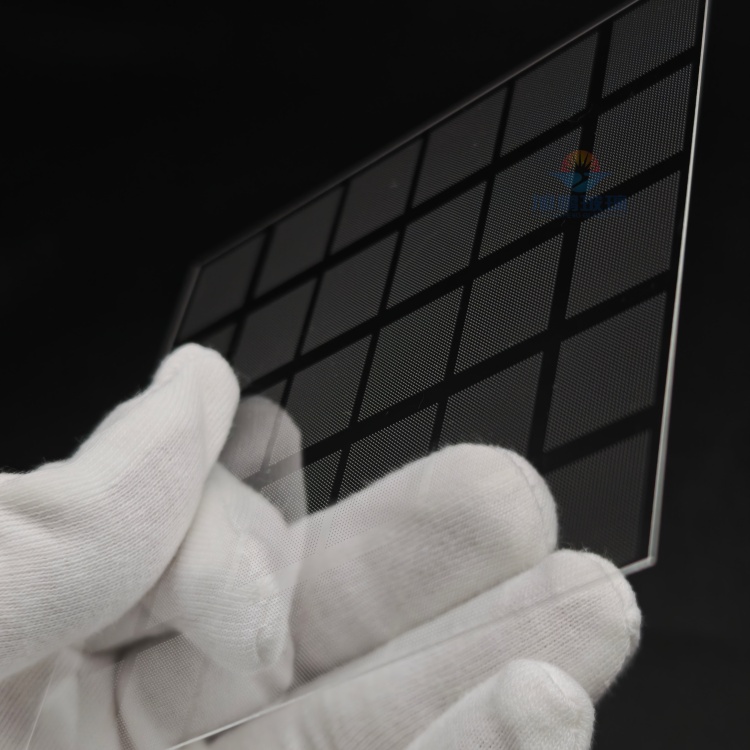
TGV Drilled Packaging Glass Substrate, Precision Laser Microvia Glass
Laser-drilled microvia glass for sensors, RF modules and advanced chip packaging, where via consistency, flatness and dimensional stability matter.
View product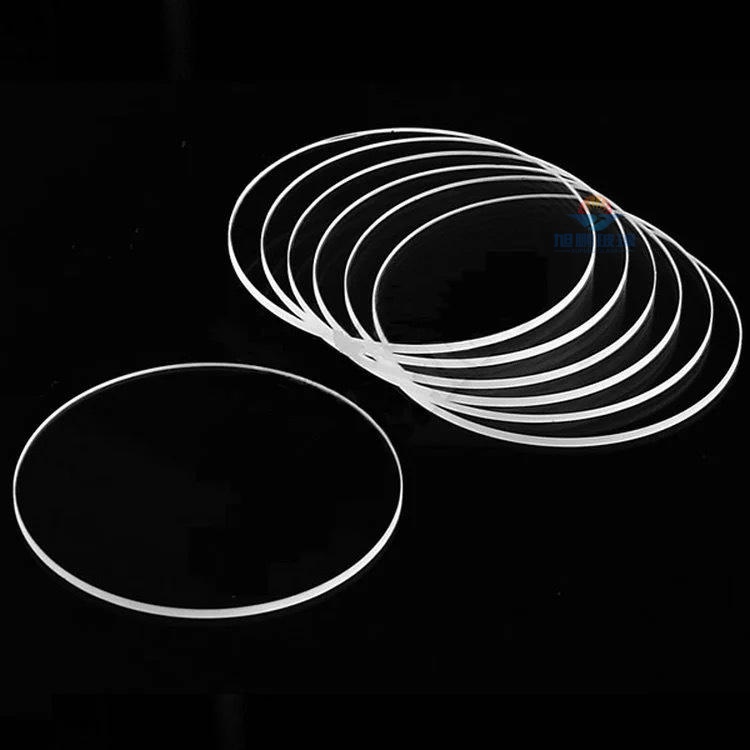
Corning EXG Alkali-Free Glass, UV High-Transmittance Optical Window Substrate
Corning EXG alkali-free glass for UV windows, photonics and analytical instruments. Low alkali content supports stable optical and electrical behavior.
View product
Corning EXG Glass Wafer Double-Sided Polished for Custom Semiconductor Glass Wafers & Solar Panels
Double-side polished Corning EXG wafers for custom semiconductor glass and solar research. Surface quality and flatness help reduce downstream polishing risk.
View product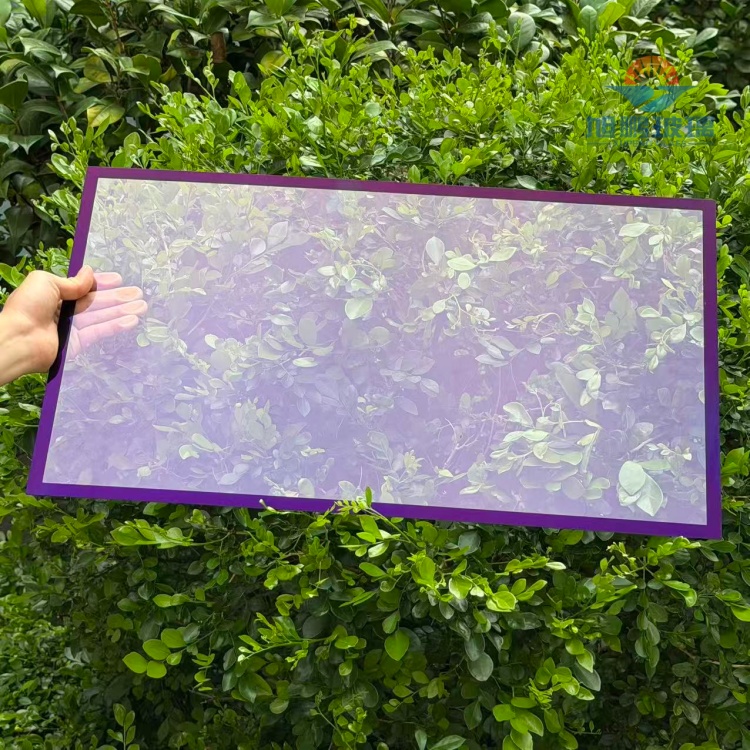
27-inch All-in-One PC AR Coated Glass
Large-format AR-coated cover glass for AIO PCs, monitors and interactive terminals. Anti-reflective treatment improves contrast and reduces distracting reflections.
View product
Schott BF33 TGV Microvia Glass Wafer, Packaging Substrate for Sensors & Chips
SCHOTT BF33 borosilicate glass with microvias for sensor and chip packaging. Predictable thermal and electrical behavior supports demanding packaging routes.
View product
Schott Ultra-thin Optical Glass Sheets, 0.1mm, 0.5mm, 0.7mm, 1.1mm, Raw Semiconductor Electronic Glass Substrates
SCHOTT ultra-thin glass sheets in 0.1 mm, 0.5 mm, 0.7 mm and 1.1 mm for precision cutting, polishing and thin-film processes.
View product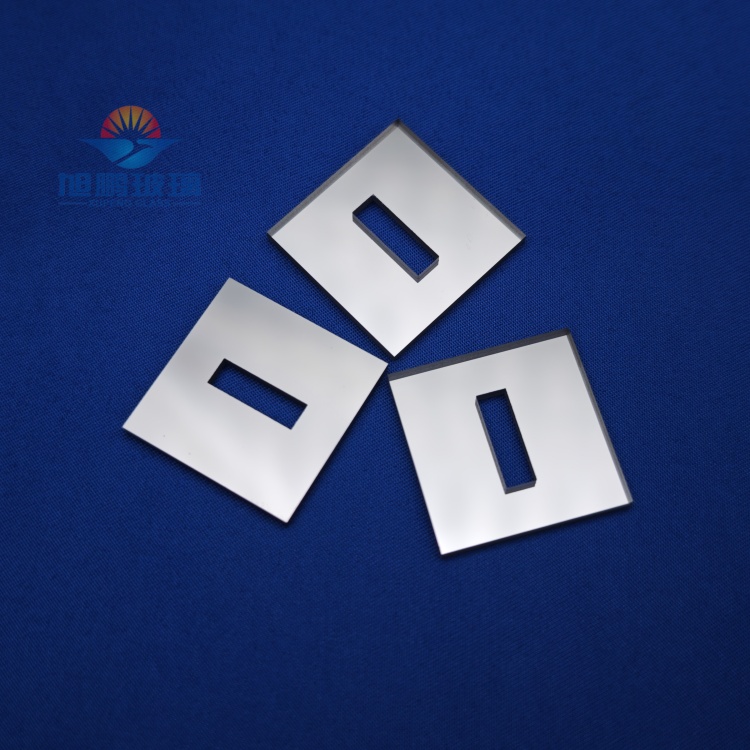
Silver-coated Mirror, Grooved at the Center of Glass
Silver-coated mirror with a precision center groove for decorative and functional assemblies. Custom edge work, drilling and finishing can be reviewed.
View productWhat Buyers Really Mean by “China Top Custom Tempered Glass Factories & Supplier”
Semantic search now connects glass buyers with suppliers through intent clusters: custom tempered glass manufacturer, AR-coated glass supplier, AG anti-glare glass, TGV glass substrate, Corning EXG wafer, SCHOTT BF33 glass, ultra-thin flexible glass and precision optical window. A buyer using these terms is usually not looking for a generic commodity broker. They are screening for a factory that can interpret drawings, control processes and support export delivery.
The word “top” is not a certificate. In custom glass procurement, it should mean documented process control, material breadth, drawing-based engineering, traceable inspection and responsive communication. That is why a serious evaluation should go beyond a headline price and compare manufacturability review, sample discipline, packing method and corrective-action capability.
Dongguan AUVE Glass Co., Ltd. is positioned for this intent: a deep-processing glass manufacturer integrating R&D, design, production and export in Songshan Lake, Dongguan, one of China’s electronics and optoelectronics clusters. Since 2018, the company has supported OEMs, brand owners and distributors with flat and curved tempered glass, ultra-clear low-iron glass, laminated and painted glass, AR high-transmittance glass, AG anti-glare glass, silk-screen printed glass, touch and LCD cover glass, LED lighting glass, instrument glass and optical materials such as K9, quartz, sapphire, borosilicate, Corning EXG and ultra-thin flexible glass.
- Business Type
- Manufacturer & Trading
- Location
- Dongguan, Guangdong, China
- Team Size
- 51–100 Employees
- Core Philosophy
- Focusing on high-end glass, pioneering and innovating
Manufacturing Profile: Dongguan AUVE Glass Co., Ltd.
For B2B buyers, trust grows when claims can be checked. AUVE combines factory-direct deep processing with a public supplier profile covering onsite verification, credit index, transaction level, trade capacity, trade history and buyer feedback. This is the practical foundation of E-E-A-T for a custom glass supplier: real experience, relevant expertise, verifiable authority and reliable export performance.
Drawing-Based Engineering Review
Send CAD, DXF or PDF drawings with thickness, tolerance, edge, hole, printing and coating requirements. Our engineers review manufacturability before production to reduce late changes and protect your assembly schedule.
Integrated Deep Processing
Cutting, CNC edging, drilling, tempering, silk-screen printing, AR/AG coating and inspection are coordinated in one production flow. Fewer handoffs mean clearer accountability and shorter lead times for custom parts.
Broad Material Expertise
Ultra-clear low-iron glass, K9, quartz, sapphire, borosilicate, Corning EXG, SCHOTT BF33 and UTG flexible glass allow one supplier to support display, optical, semiconductor and industrial teams.
Export Discipline & Packing
AUVE supports FOB, CFR, CIF, EXW, DDP, DDU, DAF and express delivery. Fragile-goods packing uses protective film, foam corner protection and wooden crates or reinforced cartons for international transit.
Quality Documentation Mindset
Dimensional, visual and optical checks are matched to the agreed drawing and standard. Batch labeling and packing controls help buyers trace finished parts from raw sheet to export carton.
Fast Technical Response
Average response time is within 7 hours. Include your drawing, quantity, application, coating or printing requirements and target test standard so the engineering reply is specific rather than generic.
Where Custom Tempered and Optical Glass Creates Value
Custom glass succeeds when the material, coating and finishing route match the use environment. The same drawing can require a different glass type if the part faces impact, UV exposure, high temperature, flexing or semiconductor contamination risk.
AR and AG coated display glass for low reflection, glare control and improved readability.
Precision optical glass, quartz and sapphire windows for instruments and UV systems.

Deep-processing workshop supporting cutting, CNC, tempering, printing and coating.
Display & Touch Electronics
AR, AG, silk-screen and tempered cover glass for AIO PCs, control panels, LCD modules, kiosks and touch screens. Coatings improve contrast, readability and perceived product quality.
Semiconductor & Sensor Packaging
TGV drilled glass, SCHOTT BF33 and Corning EXG wafers, double-side polished substrates and thin glass for sensors, RF, MEMS and advanced packaging development.
Aerospace & New Energy
Flexible UTG, lightweight laminates and thin glass for commercial aerospace and new energy research. Each project requires careful review of bend radius, edge quality and lamination method.
Optical Instruments & UV
K9, quartz, sapphire, high-UV windows and precision mirrors for imaging, analytical instruments, UV curing and disinfection equipment. Coating and tolerance choices are confirmed before production.
Material Selection Matrix for Custom Glass Projects
Use this reference to shortlist the right substrate before requesting a quotation. Final specifications should always be confirmed against your drawing, application environment and agreed test standard.
| Glass Type | Typical Advantage | Best-Fit Applications | Custom Processing |
|---|---|---|---|
| Ultra-Clear Tempered Glass | High visible light transmission with low green edge tint; strengthened for impact resistance | Smart control panels, appliance covers, LED fixtures, light boxes | CNC cutting, drilling, edge polishing, silk-screen, AR/AG |
| AR Coated Glass | Reduced surface reflection and higher display contrast | Touch modules, AIO PCs, instrument windows, museum glazing | Single- or double-side AR, tempering, printing |
| AG Anti-Glare Glass | Micro-textured surface diffuses glare with selectable haze and gloss | Outdoor LCDs, industrial HMIs, kiosks, signage | Etched AG, AG plus AR, tempering, edge treatment |
| Silk-Screen Tempered Glass | Durable ceramic ink graphics fused into the glass surface | Instrument panels, appliances, switch and socket covers | Multi-color printing, IR windows, holes, CNC cut-outs |
| K9 Optical Glass | Borosilicate crown glass with low inclusions and stable optical behavior | Lenses, prisms, optical instrument windows | Precision polishing, coating, CNC edging |
| Fused Quartz | High UV transmission and excellent thermal shock resistance | UV curing, disinfection, high-temperature viewports | Thick-gauge cutting, polishing, drilling |
| Sapphire Glass | Scratch resistance and high-temperature stability | Sensor covers, scratch-critical windows, high-temperature viewports | Cutting, polishing, chamfering, thickness control |
| Corning EXG Alkali-Free | Alkali-free aluminoborosilicate with low thermal expansion | Semiconductor wafers, MEMS, display substrates | Double-side polishing, wafer dicing, cleaning |
| SCHOTT BF33 Glass | Borosilicate glass suitable for microvia and packaging processes | Sensor packaging, chip packaging, TGV substrates | TGV drilling, polishing, dicing, inspection |
| Ultra-Thin Flexible Glass | Thin glass with bendability for flexible stacks | Foldable displays, flexible electronics, specialty laminates | Precision cutting, edge strengthening, lamination support |
Reference values are for material shortlisting only. Final thickness, tolerance, coating, printing and test criteria are confirmed during engineering review.
Future Procurement Trends for Custom Glass Buyers
Purchasing teams are moving away from transactional buying toward supplier engineering partnership. The most resilient custom glass programs combine early technical review, dual sourcing and documented quality gates.
Dual Sourcing with Technical Comparison
Buyers increasingly qualify a primary and backup supplier for critical coated or tempered parts. The comparison is shifting from unit price alone to process capability, sample consistency, packaging quality and response speed.
Early Supplier Involvement
Engineering teams are inviting glass processors into design reviews earlier to avoid tolerances that are difficult to manufacture. Drawing-based feedback on edge profile, hole spacing, coating area and printing registration reduces launch risk.
Pilot-to-Volume Flexibility
New display, sensor and optical products often need samples or pilot quantities before mass production. Suppliers that can discuss 10–50 piece coated or optical runs, then scale to larger tempered orders, are better positioned for innovation cycles.
Traceability and Quality Documentation
Procurement teams increasingly expect batch identification, inspection records and clear packing labels. For semiconductor, sensor and optical projects, material certificates and agreed measurement methods are part of supplier selection.
Coating Integration
AR, AG, mirror and printed finishes are being sourced together with the glass substrate to reduce handling and supplier coordination. A single process owner can align coating quality with tempering, printing and edge finishing.
Sustainable Protective Packaging
Fragile glass still demands strong protection, but buyers are asking for efficient materials and fumigation-free packing where possible. Protective film, foam corners, reinforced cartons and wooden crates should match shipping mode and handling risk.
Product Trends Shaping the Next Glass Cycle
Custom glass development is moving toward thinner substrates, tighter flatness, integrated optical function and stronger packaging compatibility. These trends matter to sourcing teams because they change material choice, inspection method and supplier qualification.
Ultra-Thin Flexible Glass
UTG is progressing from early flexible-display concepts into broader lightweight laminates and specialty applications. The practical challenge is not only thickness; it is edge quality, handling, lamination compatibility and yield through downstream processes.
TGV Glass Packaging
Through-glass vias are gaining attention for sensor, RF and advanced packaging designs. Buyers should evaluate via consistency, surface quality, substrate flatness and the supplier’s ability to support pilot development before volume commitment.
Alkali-Free and High-Flatness Wafers
Corning EXG and other alkali-free substrates continue to support semiconductor and display development where contamination and dimensional stability are critical. Double-side polishing and cleaning discipline are central to repeatable wafer quality.
AR/AG Optical Display Covers
Display buyers want lower reflection without losing clarity, plus anti-glare options for outdoor or industrial environments. Coating design increasingly combines reflection control, color neutrality, hardness and easy-cleaning requirements.
Sapphire and Quartz Windows
Sapphire and fused quartz remain important for scratch resistance, high temperature and UV transmission. The specification debate is usually about thickness, surface quality, coating, edge finish and total cost of ownership.
Decorative and Functional Mirror Glass
Silver-coated mirrors, center grooves, printed graphics and precision cut-outs combine aesthetics with function. Custom edge work and protection layers are increasingly specified to match installation and cleaning conditions.
How AUVE Controls Quality from Drawing to Export Carton
Custom glass is only as reliable as the process behind it. Keeping cutting, CNC, tempering, printing, coating and inspection within a coordinated workflow allows AUVE to identify risks before parts are packed for international shipment.
Precision Cutting
Float, low-iron and optical glass cut to drawing with controlled break-out and handling.
CNC Edging & Drilling
Edge grinding, beveling, grooving, holes and cut-outs reviewed for chipping risk.
Tempering
Flat and curved thermal tempering for strength, thermal resistance and application safety.
Silk-Screen Printing
High-temperature ceramic inks for durable graphics, logos, windows and icons.
AR / AG Coating
Anti-reflective, anti-glare, mirror and functional finishes matched to display needs.
QC & Export Packing
Dimensional, visual and optical checks, batch labeling and fragile-goods protection.

Frequently Asked Questions from Custom Glass Buyers
These are the questions engineering, sourcing and quality teams ask most often before samples, pilot runs and volume orders.
What makes a custom tempered glass factory suitable for OEM projects?
A suitable factory should control cutting, CNC, tempering, printing, coating and inspection as a coordinated process, not only resell glass. Ask for drawing-based feedback, sample reports, packing standards and evidence of previous export experience. Dongguan AUVE Glass combines deep-processing capability with a verified supplier profile, documented trade history and responsive technical communication.
Can you manufacture glass to my own drawings?
Yes. Send a CAD, DXF or PDF drawing with thickness, tolerance, edge, hole, printing, coating and packing requirements. AUVE engineers review manufacturability before production, covering CNC cutting, edging, drilling, tempering, silk-screen printing and AR/AG coating. If a tolerance is difficult to achieve, the team can discuss design adjustments before tooling or material commitment.
What is the minimum order quantity for custom glass?
MOQ depends on material and process. Many coated and optical glass parts can start from 10 to 50 pieces, while standard ultra-clear tempered parts typically start from 100 to 500 pieces. Sample and pilot quantities can be discussed for new projects, especially when the part is in development or the final annual volume is not yet fixed.
Which materials and surface finishes can be combined?
AUVE processes ultra-clear low-iron glass, flat and curved tempered glass, AR anti-reflective glass, AG anti-glare glass, silk-screen printed glass, LCD and touch cover glass, LED lighting glass, instrument glass, K9 optical glass, quartz, sapphire, borosilicate, Corning EXG, SCHOTT BF33, UTG and silver-coated mirror glass. Finishes can be reviewed together with edge work, holes and printing.
How do you control quality and prevent breakage during shipping?
Quality control includes incoming material checks, in-process inspection and final dimensional, visual and optical review against the agreed drawing. Export packing uses interleaving film or paper, foam corner protection and wooden crates or reinforced cartons. The packing method is selected for the glass size, thickness, coating and shipping mode to reduce transit risk.
Which Incoterms and export markets do you support?
AUVE supports FOB, CFR, CIF, EXW, DDP, DDU, DAF and express delivery. Products are exported to markets including the United States, Canada, Russia, South Korea, Japan, Australia and other regions. Buyers can choose the commercial term that best fits their customs setup, freight forwarder and risk preference.
How fast will I receive a technical response?
The average response time is within 7 hours. To speed up the review, include your drawing, quantity, application, glass thickness, coating or printing requirements, target test standard and delivery destination. A complete inquiry allows the team to respond with material suggestions, process route, MOQ and lead-time considerations.
How do I start a sample or pilot order?
Prepare a drawing or clear specification, state the expected quantity, describe the operating environment and confirm any optical, printing or packaging requirements. Submit these details through the contact channel, and AUVE will review manufacturability and recommend the next step for sampling or pilot production.
Send Your Drawing for a Manufacturability Review
Share your size, thickness, tolerance, edge profile, holes, printing, coating and packaging requirements. The team will confirm material, process route, MOQ and lead-time direction — usually within 7 hours.
Contact Us info@auveglass.com