8 Engineered Glass Plate Products for High-Value Applications
These eight production examples show the practical range of a modern China glass plate factory: semiconductor wafers, large-format display covers, ultra-thin optical sheets, high-borosilicate windows, glass-ceramic panels and sapphire sheets. Each item keeps its original product link, so engineering and sourcing teams can move from research to a technical discussion without losing specification context.
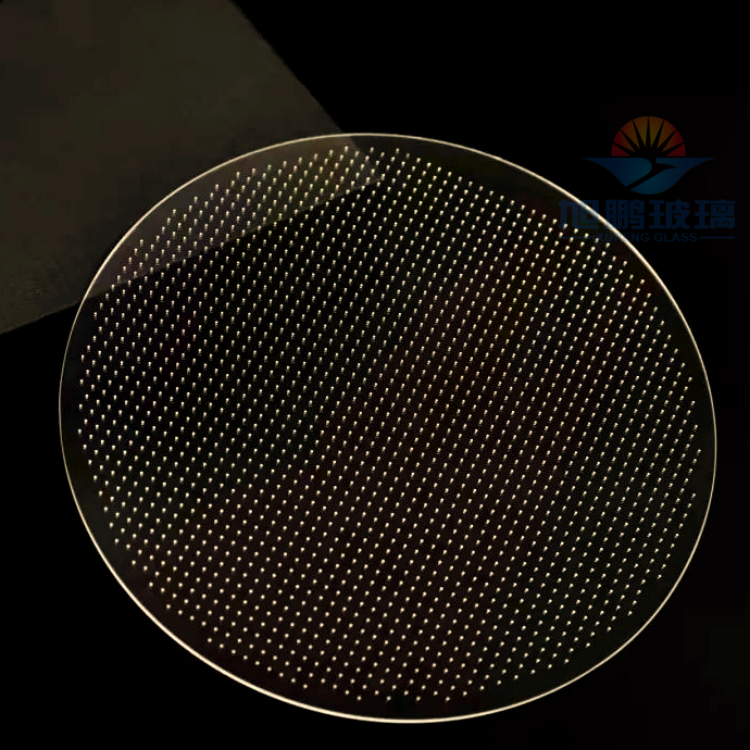
Schott BF33 TGV Microvia Glass Wafer, Packaging Substrate for Sensors & Chips
Alkali-free borosilicate wafer with microvia engineering for sensor and chip packaging, suited to through-glass via substrate development and precision inspection.
Review specifications →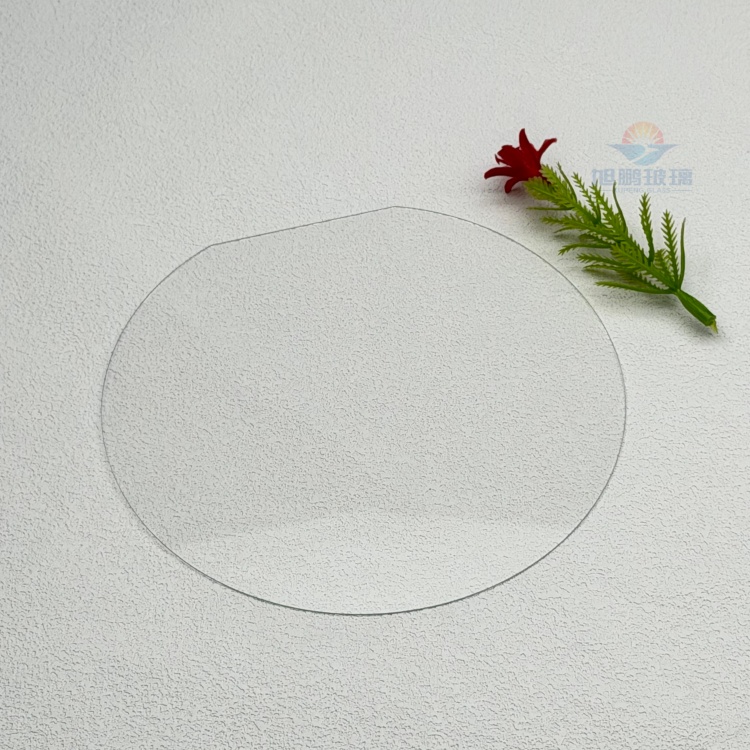
Round Aluminosilicate Glass with Chamfered Ground Edges and Metal Coating
Round aluminosilicate plate with chamfered ground edges and functional metal coating for sealed windows, sensing modules and industrial glass assemblies.
Review specifications →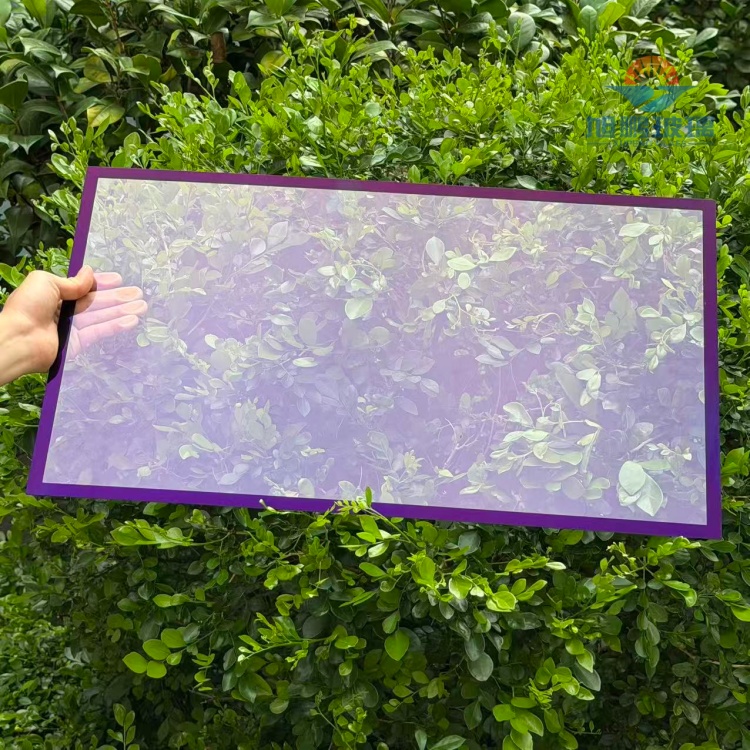
27-inch All-in-One PC AR Coated Glass
Large-format AR-coated cover glass that suppresses surface reflection and raises contrast in all-in-one PC, monitor and display-module assemblies.
Review specifications →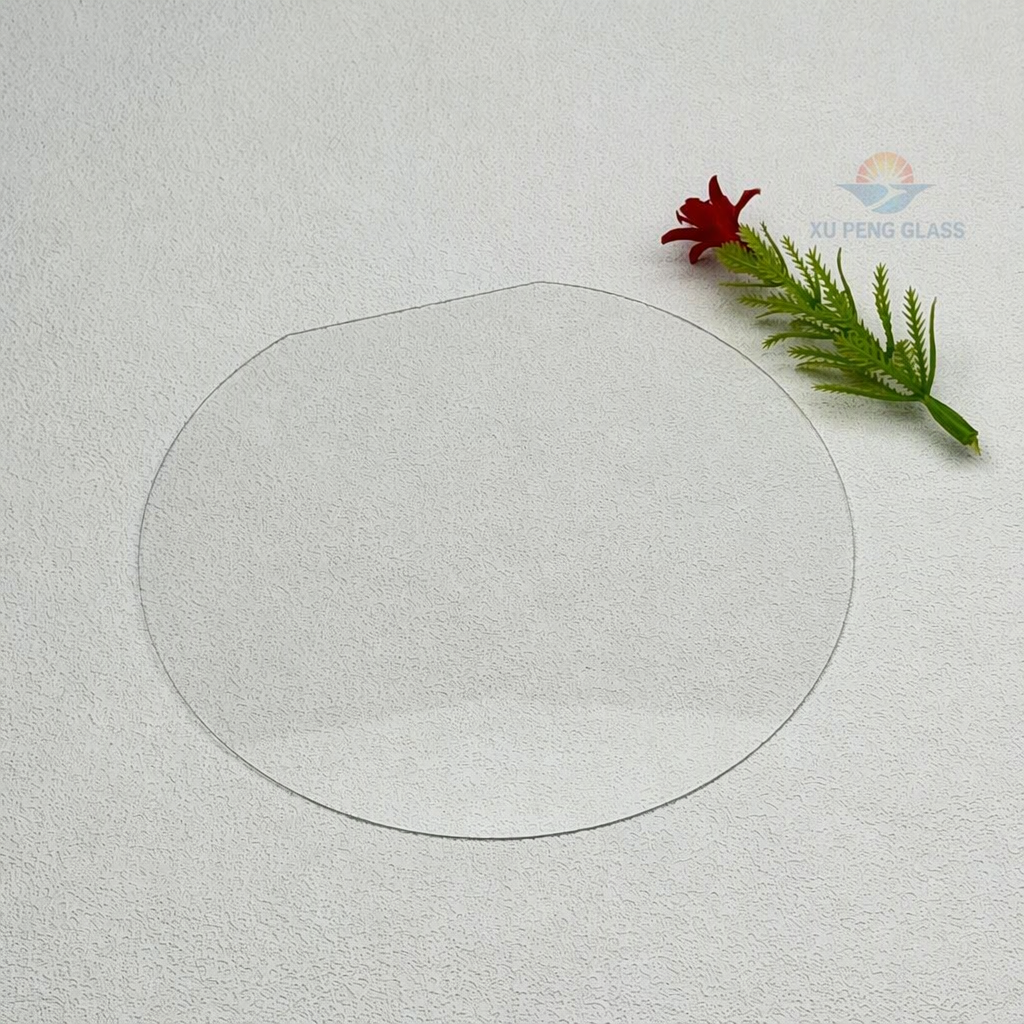
Ultra-thin High-precision Optical Glass Wafer, Corning / SCHOTT / Fused Silica
Ultra-thin optical wafer in Corning, SCHOTT or fused silica grades for low-distortion optical paths, precision instruments and compact sensor stacks.
Review specifications →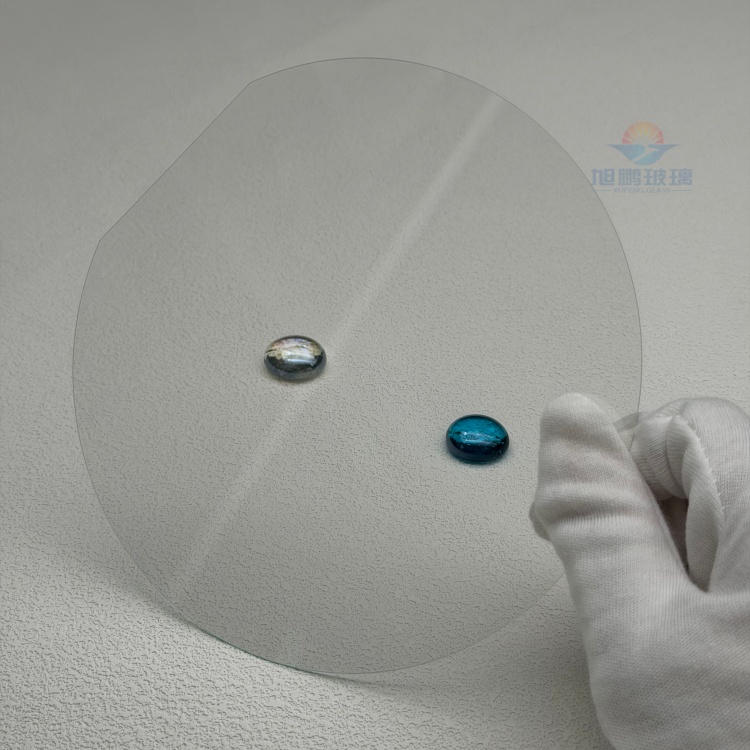
Ultra-thin Optical Glass Sheets Schott B270/D263T Semiconductor Electronic Glass Blank Cutting & Processing
B270 and D263T glass blank cutting and processing for semiconductor, electronic and optical applications that require clean edges and stable flatness.
Review specifications →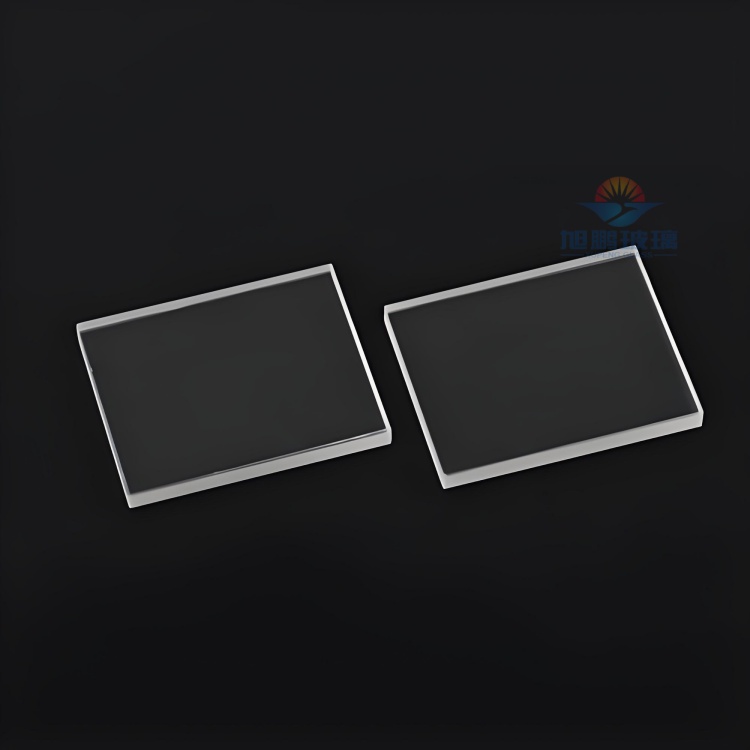
Tempered Glass Customized High Temperature Resistant, High Transparency and High Borosilicate Mirror Window Glass
Customized high-borosilicate tempered window glass with high transparency and thermal resistance for appliances, lighting and industrial vision ports.
Review specifications →
White Ceramic Glass-Ceramic, 4mm & 6mm, High Temperature Resistant Glass-Ceramic
White glass-ceramic in 4 mm and 6 mm options for high-temperature, chemically demanding viewports, appliance panels and thermal equipment.
Review specifications →
High Transmittance Sapphire Glass, Scratch Resistant & High Temperature Resistant Sapphire Glass Sheets
High-transmittance sapphire sheet with strong scratch resistance and thermal stability for sensor covers, optical windows and high-temperature equipment.
Review specifications →Have a drawing that does not match a standard item? The fastest path is a technical review, not a catalogue search. Share thickness, tolerance, edge profile, coating, printing, quantity and destination market.
What “China Top Glass Plate Factories & Wholesaler” Really Means in 2025-2030
The search phrase has changed. Serious buyers are no longer screening for the lowest quotation alone; they are screening for a supply partner that can prove process depth, material range, engineering response and shipment reliability.
A credible China top glass plate factory must do more than cut glass to size. It must connect material selection, CNC shaping, tempering, silk-screen printing, AR/AG coating, optical inspection and export packing into one controlled route. That route determines whether a display cover fits a bonded stack, whether a semiconductor wafer survives downstream handling, and whether a high-temperature window keeps its transmission after thermal cycling.
This is where the difference between a factory and a wholesaler becomes visible. A wholesaler can relay a message; a qualified factory filters risk. It challenges an impossible tolerance, recommends a more stable substrate, documents the inspection method and explains how the part will be packed. For buyers, that is information gain: practical engineering evidence that cannot be copied from a generic product page.
AUVE Glass operates as a deep-processing manufacturer in Songshan Lake, Dongguan, integrating R&D, design, production and export. The company processes flat and curved tempered glass, ultra-clear low-iron glass, laminated and painted glass, AR anti-reflective glass, AG anti-glare glass, silk-screen printed glass, LCD and touch screen cover glass, LED lighting glass, instrument glass, K9 optical glass, quartz, sapphire, borosilicate and Corning EXG alkali-free glass. That breadth matters because modern procurement teams want fewer qualified suppliers, not more unverified catalogues.
Before placing a sample or bulk order, ask for four pieces of evidence: the proposed process route, the inspection plan, the change-control statement and the export packing method. A supplier that can answer those four questions clearly is usually a stronger long-term partner than one that only sends a price sheet.
Why Dongguan AUVE Glass Qualifies for a Serious Supplier Shortlist
E-E-A-T is not a badge. It is the sum of experience, expertise, authority and trust signals that a buyer can check before committing tooling time or inventory budget.
Engineering-led DFM review
CAD, DXF and PDF drawings are reviewed for manufacturability before quotation. Thickness, tolerance, edge profile, holes, printing and coating are checked together, not in isolation.
CAD / DXF / PDFFull-process control
Precision cutting, CNC edging, drilling, chamfering, tempering, high-temperature silk-screen printing, AR/AG coating and final QC are coordinated under one roof.
Cut · Edge · Temper · CoatVerifiable transparency
Buyers can independently review onsite-checked supplier status, credit index, transaction level, trade capacity, ratings and trade history before a deposit is discussed.
View supplier assessment →Export-ready service
FOB, CFR, CIF, EXW, DDP, DDU, DAF and express delivery are supported, with fragile-goods packing designed for intercontinental glass shipments.
6+ export markets
A Glass Plate Factory Built Around Process Discipline
Dongguan AUVE Glass Co., Ltd. is a deep-processing glass manufacturer located in Songshan Lake, Dongguan — an electronics and optoelectronics cluster that gives buyers access to skilled engineering support and mature export logistics.
Guided by the philosophy of “focusing on high-end glass, pioneering and innovating,” the company keeps investing in engineers, CNC capability, tempering control and coating capacity. Production follows defined process standards and a documented quality management system, so batches remain traceable from raw sheet to packed carton.

Product Development Trends: Where Glass Plates Are Moving Next
Glass is no longer only a protective cover. It is becoming an active part of the optical, thermal and electrical stack. These four directions are shaping RFQs from display, semiconductor, industrial and optical buyers.
Glass wafers and TGV packaging
Through-glass vias, alkali-free borosilicate wafers, B270/D263T blanks and Corning EXG substrates are moving deeper into sensor packaging, MEMS and advanced electronic modules.
Large-format, ultra-thin covers
All-in-one PCs, commercial displays and industrial HMIs need larger cover glass without sacrificing flatness, optical clarity or edge strength. Ultra-thin and flexible formats continue to expand.
AR, AG and multifunctional coatings
AR anti-reflective layers improve contrast, while AG anti-glare etching controls reflection in outdoor and industrial environments. Combined coatings increasingly target readability, durability and cleanability.
High-temperature and extreme durability
High-borosilicate glass, glass-ceramic, fused quartz and sapphire are being specified for thermal shock, UV transmission, scratch resistance and chemically demanding viewports.
The New Scorecard for China Glass Plate Wholesalers
Price remains important, but it is now judged against risk. The most effective procurement teams compare suppliers on evidence quality, pilot flexibility and the ability to consolidate multiple glass processes into one accountable route.
Verified data before price
Onsite verification, credit index, transaction level, ratings and trade history are checked before a sample order is released.
Low-volume engineering trials
New programmes often begin with pilot quantities. Suppliers that can discuss samples and small lots reduce the cost of learning.
Multi-material consolidation
One qualified supplier for tempered, coated, printed and optical glass simplifies audits, packaging standards and technical communication.
Traceability and packing validation
Batch labels, inspection records, protective film, foam corners and export crates are now part of the quality discussion.
The meter labels above are qualitative RFQ-priority indicators observed by the AUVE engineering team, not statistical market forecasts.
Which Glass Plate Should You Shortlist First?
Start with the operating environment, then choose the material and coating. A beautiful sample that ignores thermal load, reflection or packaging risk will fail later in the programme.
Display and touch modules
Prioritize AR-coated or AG-treated cover glass, controlled flatness, printed borders and reliable bonding surfaces. The 27-inch AR-coated AIO glass is a useful reference point.
View display glass →Semiconductor, sensors and packaging
Look for alkali-free wafers, B270/D263T processing, TGV capability and inspection discipline. BF33 and Corning EXG substrates are strong starting materials.
View TGV wafer →High-temperature equipment
Specify high-borosilicate, glass-ceramic or sapphire when thermal shock, chemical exposure or repeated cleaning is part of the application.
View high-temperature glass →Precision optics and instruments
Use ultra-thin optical wafers, K9, fused silica or sapphire where transmission, flatness, scratch resistance and coating adhesion are critical.
View optical wafer →Quality Control and the Information Gain Buyers Should Ask For
A supplier that only reports “good quality” gives the buyer nothing to manage. Ask for the process route, the measurement method and the records that will accompany each batch.
Drawing and DFM review
Confirm size, thickness, tolerance, edge, holes, printing, coating and packing before production begins.
Raw material verification
Check material grade, thickness, appearance and traceability against the approved specification.
CNC cutting and shaping
Control flatness, edge quality, hole position and chamfer geometry with drawing-led inspection.
Tempering and heat treatment
Match thermal history to glass type and application, then verify warp, appearance and edge condition.
Printing and coating
Inspect ink adhesion, coating uniformity, transmission, reflection and surface cleanliness where applicable.
Final QC and export packing
Dimensional and visual checks, protective interleaving, corner foam and batch labelling before shipment.
Export Logistics, Trade Terms and Fragile-Glass Packing
Glass is expensive to replace and slow to re-make. Packaging and commercial terms deserve the same attention as optical specifications.
Flexible Incoterms
Choose the term that fits your customs and freight setup. Express delivery is available for urgent samples and small lots.
Fragile-goods packing
Interleaving film or paper, foam corner protection, fumigation-free wooden crates or reinforced cartons protect finished surfaces and edges.
Proven export markets
Products are shipped to the United States, Canada, Russia, South Korea, Japan, Australia and other markets with different packaging and documentation needs.
Fast technical response
Average reply time is within 7 hours. Send a drawing, quantity and destination market to receive a more useful engineering response.
info@auveglass.comFrequently Asked Questions from Glass Plate Buyers
Direct answers to the questions that appear most often in technical RFQs, supplier audits and first-sample reviews.
What makes a China glass plate factory “top-tier” for OEM buyers?
A top-tier factory combines process depth with evidence. Look for in-house cutting, CNC edging, drilling, tempering, printing and coating, plus a documented inspection plan. Onsite verification, credit data, transaction history and buyer feedback should be available for independent review. Engineering response matters too: a useful supplier challenges tolerances and packing assumptions before production, not after a failed shipment.
Can AUVE manufacture glass plates from my CAD, DXF or PDF drawing?
Yes. Send a drawing with thickness, tolerance, edge profile, hole positions, printing, coating and quantity. The engineering team reviews manufacturability before quoting, covering CNC cutting, edging, drilling, tempering, silk-screen printing and AR/AG coating. If a feature is difficult to control, the team can propose an alternative process route before tooling time is committed.
What is the minimum order quantity for custom glass plates?
MOQ depends on material and process. Many coated and optical glass parts start from 10 to 50 pieces, while standard ultra-clear tempered parts often start from 100 to 500 pieces. Sample and pilot quantities can be discussed for new projects, especially when the buyer needs to validate fit, coating performance or packing before mass production.
Which glass materials can be processed?
The range includes soda-lime, ultra-clear low-iron, high-borosilicate, glass-ceramic, K9 optical glass, fused quartz, sapphire, Schott BF33, B270, D263T, Corning EXG alkali-free glass and TGV glass wafers. Material choice should follow the application: display covers prioritize transmission and coating, semiconductor parts prioritize flatness and cleanliness, and high-temperature windows prioritize thermal stability.
How do you control quality on coated or tempered glass plates?
Quality control starts with the approved drawing and process route. Incoming material is checked, then dimensional, visual, edge and flatness requirements are inspected through production. Coated parts may require transmission, reflection, adhesion and surface-cleanliness checks; tempered parts require warp and appearance review. Final inspection records and batch labels help the buyer trace the shipment.
How are fragile glass plates packed for export?
Packing is designed around glass size, thickness, edge condition and transport mode. Typical protection includes interleaving film or paper, foam corner guards, reinforced cartons or fumigation-free wooden crates, and clear batch labelling. For high-value optical or coated parts, the packing method should be agreed during the quotation stage rather than added after production.
Which Incoterms and export markets are supported?
AUVE supports FOB, CFR, CIF, EXW, DDP, DDU, DAF and express delivery. Glass products are exported to the United States, Canada, Russia, South Korea, Japan, Australia and other markets. The right term depends on the buyer’s freight forwarder, customs experience and whether door-to-door delivery is required.
How quickly can I receive a technical quote?
The average response time is within 7 hours. For a faster and more accurate reply, include the drawing, material preference, thickness, tolerance, surface finish, coating or printing requirement, estimated quantity and destination market. Send the package to info@auveglass.com or use the live inquiry button on this page.
Send a Drawing. Get a Process Route, Not a Generic Catalogue Price.
Share thickness, tolerance, edge profile, coating, printing, quantity and destination market. The engineering team will review material fit, production route, packing risk and lead time — usually within 7 hours.