8 Custom Tempered, Coated and Optical Glass Panels for 2026 Projects
These production-ready glass configurations cover display covers, instrument windows, semiconductor substrates, ultra-thin optical sheets, AR-coated panels, CNC-drilled tempered discs and custom coated glass. Each product can be adapted by size, thickness, edge profile, hole pattern, printing and coating route.

Round Aluminosilicate Glass with Chamfered Ground Edges and Metal Coating
A round coated glass part with chamfered ground edges for optical windows, sensor covers and premium instrument faces. Edge quality and coating zones are reviewed from your drawing.
View product
Schott Ultra-thin Optical Glass Sheets, 0.1mm, 0.5mm, 0.7mm, 1.1mm, Raw Semiconductor Electronic Glass Substrates
SCHOTT ultra-thin optical glass sheets for semiconductor electronic glass substrates, display stacks and compact optical assemblies. Thickness, warp and edge conditions are agreed before sampling.
View product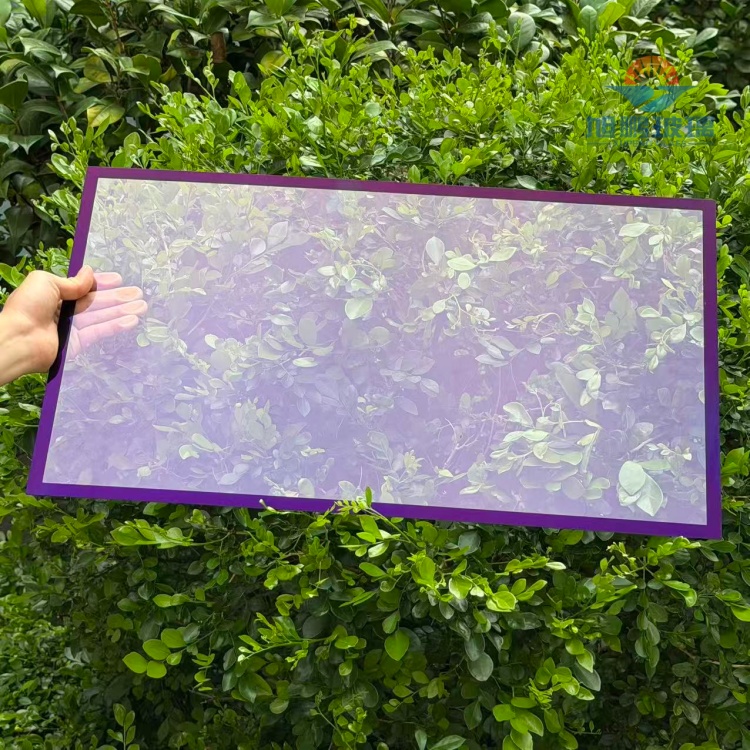
27-inch All-in-One PC AR Coated Glass
A large-format AR coated cover glass for all-in-one PCs and display modules. Anti-reflective treatment improves contrast and reduces reflections in bright office, retail and control-room environments.
View product
Corning Ultra-Thin Glass Sheet, Optical Grade Glass Wafer Substrate with Chamfered Edge
Corning ultra-thin optical-grade glass supplied as a wafer substrate with chamfered edge for precision optical and electronic applications. Custom shaping and inspection criteria can be aligned with assembly needs.
View product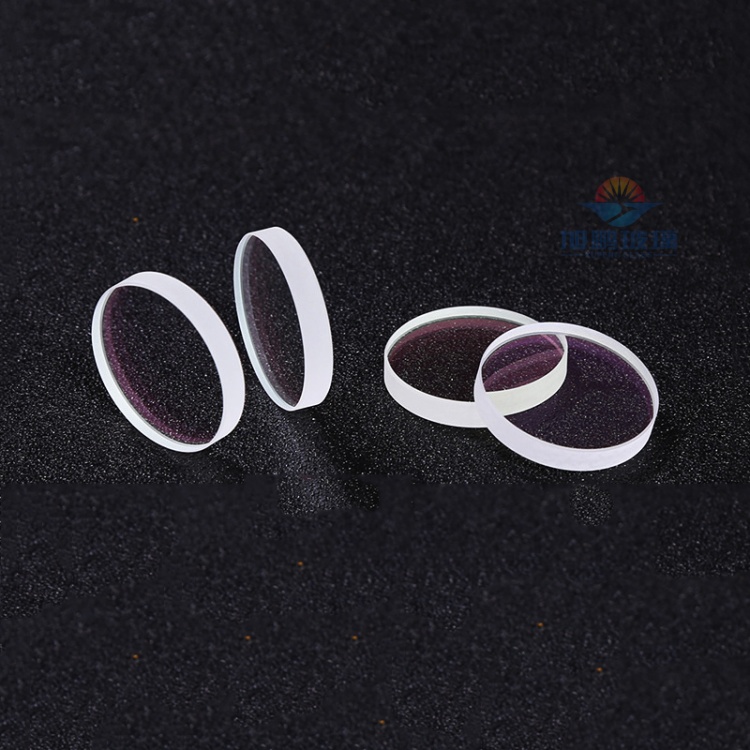
Ultra-clear Tempered Glass, Custom Processing Available: Drilling, Etching, AG Coating Silk Printing, AR Coating
Ultra-clear tempered glass with drilling, etching, AG coating, silk printing and AR coating options. A practical base for control panels, appliance windows and interactive display covers.
View product
High-transmittance Anti-Reflection Coated Glass
High-transmittance AR coated glass for displays, touch modules and instrument windows. Single- and double-side anti-reflection routes can be specified according to reflection, color and durability targets.
View product
Precision CNC Cut & Holed, High-temperature Silk Screen Tempered Glass, Drilled Ultra-clear Small Round Glass Discs
Precision CNC cut and holed tempered glass discs with high-temperature silk screen printing. Suitable for view windows, control interfaces and small round covers where edge quality and print registration matter.
View product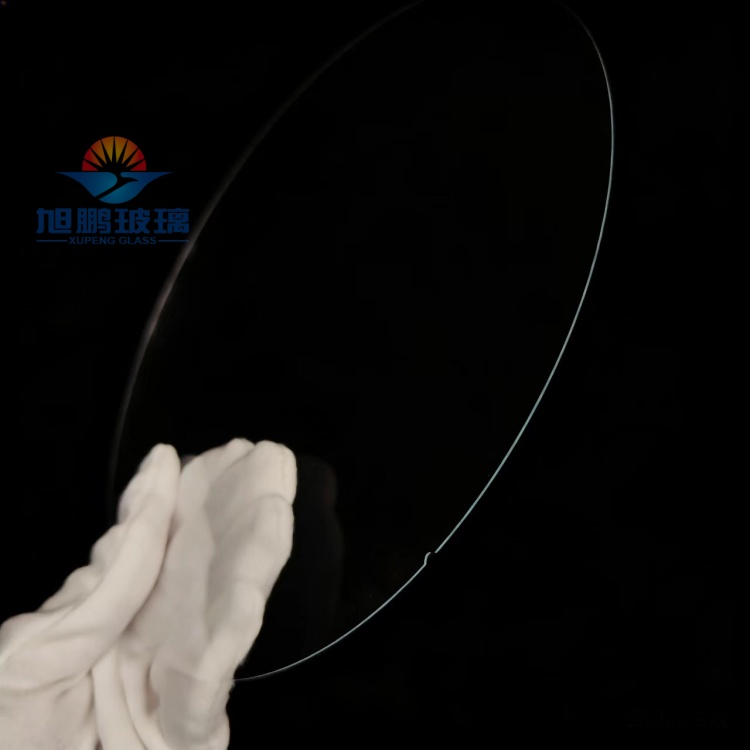
Corning EXG Glass Wafer, Double-Sided Polished Custom Fabrication for Semiconductor Glass Wafers
Corning EXG double-sided polished glass wafer, custom fabricated for semiconductor glass wafer projects. Alkali-free substrate characteristics and polishing quality are specified by application and confirmed before production.
View productNot sure which substrate or coating route fits your assembly? Send your drawing, target transmission, haze, thickness and packing requirement for an engineering review.
Inquire NowHow to Read the China Tempered Glass Panel Supply Market Like a Technical Buyer
The phrase “China top tempered glass panel manufacturers & wholesaler” carries strong commercial intent. Buyers are not simply looking for a sheet of glass; they are qualifying a supply relationship that must protect optical performance, assembly yield, delivery timing and brand risk.
A tempered glass panel can appear simple in a quote: size, thickness, edge, printing, coating and packing. In production, however, each step affects the next. CNC edge quality influences breakage during tempering. Hole placement affects stress distribution. Silk-screen ink choice determines whether the graphic survives thermal processing. AR and AG coatings must match the display stack, viewing environment and cleaning method. This is why serious buyers compare manufacturing control, not only unit price.
Factory-direct manufacturers usually control cutting, CNC machining, tempering, printing, coating, inspection and export packing under one quality route. A wholesaler can aggregate SKUs and simplify communication, but the buyer still needs traceability back to the actual glass processor. For custom tempered glass panels, the most reliable wholesale relationship is one where commercial service is backed by visible process ownership.
The strongest search intent behind this category combines product recommendation, supplier verification, technical selection and procurement risk. Engineering teams want material data; sourcing teams want MOQ, lead time, Incoterms and packaging; quality teams want inspection criteria and batch traceability; managers want a responsive supplier who can solve a problem before a line stops. A useful manufacturer profile should answer all four.
Information gain in this guide comes from connecting product features to manufacturing reality: why ultra-clear low-iron glass is selected for control panels, how AR and AG coatings serve different viewing conditions, when optical-grade substrates justify their cost, and how export packing prevents the hidden cost of breakage and rework.
E-E-A-T at a Glance
- Experience: factory-direct deep processing since 2018 in Songshan Lake, Dongguan.
- Expertise: tempered, ultra-clear, AR/AG coated, printed and optical glass manufacturing.
- Authority: process integration from cutting and CNC edging to tempering, coating and QC.
- Trust: verified supplier data, documented quality management and export packing for fragile glass.
- Service: 51–100 employees, six-plus export markets and an average technical reply within 7 hours.
Process Depth
Cutting, CNC, drilling, tempering, printing, coating, inspection and packing should be controlled under one quality route.
Optical Consistency
Transmission, reflection, haze, color and flatness must be controlled batch to batch, not only in a sample photo.
Export-Grade Protection
Interleaving film, corner foam, moisture control, crates and batch labels are part of quality, not optional extras.
Verified Trading Record
Onsite-checked status, credit index, transaction level, trade capacity and buyer feedback reduce sourcing risk.
Factory-Direct Advantage: Inside Dongguan AUVE Glass Co., Ltd.
Dongguan AUVE Glass Co., Ltd. is a deep-processing glass manufacturer integrating R&D, design, production and export in Songshan Lake, Dongguan — one of China’s electronics and optoelectronics clusters.



AUVE processes flat and curved tempered glass, ultra-white, laminated and painted glass, LCD and touch screen glass, smart control panel glass, LED lamp glass, instrument glass, AR high-transmittance glass and AG anti-glare glass. Production follows defined process standards and a documented quality management system, so every batch is traceable from raw sheet to packed carton.
Guided by the philosophy of “focusing on high-end glass, pioneering and innovating,” the company keeps investing in skilled engineers and advanced equipment to deliver complete glass solutions for OEMs, brand owners and distributors at home and abroad.
For buyers, the practical advantage is not a generic “factory price” claim. It is the ability to consolidate multiple glass processes, verify manufacturing status, protect fragile parts during export and receive fast technical feedback before a drawing is released to mass production.
One Supplier, Multiple Processes
Cutting, CNC, edging, drilling, tempering, printing, coating, inspection and packing can be coordinated under one production route.
Drawing-Led Engineering
CAD, DXF or PDF drawings are reviewed for thickness, tolerance, edge, hole, printing and coating requirements before production.
Optical and Mechanical QC
Dimensional, visual and optical checks are aligned with application requirements, from display reflection to edge condition.
Verified Supplier Credentials
Onsite-checked supplier status, credit index, transaction level, trade capacity, trade history and buyer feedback are available for review.
Global Export Terms
FOB, CFR, CIF, EXW, DDP, DDU, DAF and express delivery are supported, with packing designed for fragile glass parts.
Responsive Communication
Average technical reply within 7 hours helps sourcing and engineering teams keep sample and production schedules moving.
Six Production Stages That Decide Tempered Glass Panel Reliability
Each stage is controlled in-house, which shortens lead times, protects tolerances and lets engineers solve issues before they reach an assembly line.
Precision Cutting
Automatic and CNC cutting from float, low-iron, borosilicate and optical glass stock. Sheet layout is planned to protect edge quality and material yield.
CNC Edging & Drilling
Edge grinding, beveling, grooving, holes and cut-outs are machined before tempering so stress distribution and assembly fit can be reviewed early.
Tempering
Flat and curved thermal tempering improves impact resistance and thermal stability for display, appliance, lighting and instrument panels.
Silk-Screen Printing
High-temperature ceramic inks are used for logos, windows, icons and graphic layers that must remain durable after firing and handling.
AR / AG Coating
Anti-reflective, anti-glare, mirror and functional coatings are matched to the viewing environment, display brightness and cleaning method.
QC & Export Packing
Dimensional, visual and optical checks are followed by interleaving protection, corner foam, labeled cartons or fumigation-free wooden crates.

What the Next Generation of Tempered Glass Panels Will Require
Panel specifications are moving toward thinner stacks, lower reflection, higher durability and tighter integration with electronics, sensors and semiconductor processes.
Thinner, Lighter and Stronger
Ultra-thin glass down to 0.03 mm and chemically strengthened substrates are enabling foldable displays and compact optical stacks without sacrificing durability.
AR and AG Become Default
Premium displays increasingly specify anti-reflective or anti-glare surfaces to improve readability in bright offices, retail spaces, vehicles and outdoor kiosks.
Multi-Functional Panels
Tempering, printing, etching and coating are converging in one part. Buyers want a single panel that provides strength, branding, glare control and touch integration.
Optical-Grade Materials
K9, fused quartz, sapphire and Corning EXG are moving beyond laboratory products into semiconductor, sensor, lidar and precision instrument supply chains.
Thermal and Environmental Resilience
Borosilicate, quartz and sapphire windows are valued for high-temperature, UV, chemical and thermal-shock applications where ordinary glass fails.
Traceability and Sustainability
Batch IDs, inspection records, packing optimization and material documentation are becoming part of supplier selection, especially for regulated products.
How Professional Buyers Will Shortlist China Tempered Glass Panel Suppliers
The lowest unit price is rarely the lowest total cost. Future procurement will reward suppliers who reduce qualification time, breakage, rework, communication gaps and supply interruptions.
Buyer Priority Snapshot
For custom tempered glass panels, sourcing teams increasingly score suppliers by evidence, not promises. The qualitative priority signals below reflect the questions that decide whether a supplier moves from quotation to pilot order.
Verification-First Sourcing
Buyers will check onsite verification, credit index, transaction level, trade capacity and buyer feedback before releasing a sample request or drawing package.
Total Landed Cost
Cheap panels can become expensive after breakage, re-inspection and line stoppage. Export packing, tolerance control and documentation now enter the cost model.
Dual Sourcing and Pilots
Low-volume pilot runs and parallel supplier qualification are becoming common for new display, appliance and optical projects before mass production.
Digital RFQ Packages
Drawings, stack-ups, optical targets, cleaning requirements and packaging data are increasingly sent as complete RFQ packages to reduce back-and-forth.
Compliance and Transparency
Material declarations, inspection criteria, batch labels and change notification are moving from “nice to have” to standard supplier scorecards.
Early DFM Involvement
Suppliers who review manufacturability early can prevent tolerance conflicts, coating damage, print misregistration and packing failures before tooling or mass production.
Material Selection Guide for Engineers and Sourcing Teams
Choosing the wrong glass substrate can drive field failures and re-sourcing cost. Use this reference to shortlist the right material before sending a drawing.
| Glass Type | Typical Property | Best-Fit Applications | Available Processing |
|---|---|---|---|
| Ultra-Clear Low-Iron Tempered | ~91% visible light transmission; reduced green edge tint; tempered strength approximately 4–5× annealed glass | Smart control panels, appliance covers, LED lighting, light boxes | CNC shaping, drilling, silk-screen, AR/AG |
| AR Coated Glass | Surface reflection reduced to roughly 0.5–1% per side in typical display configurations; higher contrast | Touch modules, AIO PCs, museum windows, instrument windows | Single/double-side AR, tempering, printing |
| AG Anti-Glare Glass | Micro-textured surface diffuses glare; gloss and haze selectable by application | Outdoor LCDs, industrial HMIs, kiosks, control rooms | Etched AG, AG plus AR, tempering |
| Silk-Screen Printed Tempered | Fired ceramic ink fused into glass for durable graphics and light-blocking windows | Instrument panels, appliances, switch covers, decorative glass | Multi-color printing, IR/window ink, holes, tempering |
| Optical: K9, Quartz, Sapphire, Corning EXG | K9 nd ≈ 1.5168; quartz offers high UV transmission; sapphire Mohs 9; EXG low CTE ≈ 3.2 ppm/°C | Semiconductor wafers, lenses, prisms, sensors, high-temperature viewports | Precision polishing, wafer dicing, chamfering, coating |
Values shown are typical reference data for material selection. Final specifications are confirmed against your drawing, application environment and agreed inspection standard before mass production.
Frequently Asked Questions About China Tempered Glass Panel Sourcing
Direct answers to the questions procurement and engineering teams ask before requesting a sample or placing a trial order.
What types of glass does Dongguan AUVE Glass manufacture?
AUVE processes flat and curved tempered glass, ultra-clear low-iron glass, laminated and painted glass, AR anti-reflective and AG anti-glare coated glass, silk-screen printed glass, touch screen and LCD cover glass, LED lighting glass, instrument glass, and optical materials such as K9, quartz, sapphire, borosilicate and Corning EXG alkali-free glass.
Can you produce glass panels to my own drawing?
Yes. Send a CAD, DXF or PDF drawing with thickness, tolerance, edge, hole, printing and coating requirements. Engineers review manufacturability before production, covering CNC cutting, edging, drilling, tempering, silk-screen printing and AR/AG coating.
What is the minimum order quantity for custom tempered glass panels?
MOQ depends on material and process. Many coated and optical glass parts start from 10 to 50 pieces, while standard ultra-clear tempered parts typically start from 100 to 500 pieces. Sample and pilot quantities can be discussed for new projects.
Which Incoterms and shipping methods are supported?
FOB, CFR, CIF, EXW, DDP, DDU, DAF and express delivery are supported, with export packing designed for fragile glass parts. The right term depends on your customs setup, destination and preferred risk transfer point.
Which markets do you export to?
Glass products are exported to the United States, Canada, Russia, South Korea, Japan, Australia and other markets. Buyers can request packing and documentation aligned with destination requirements.
How quickly do you reply to technical inquiries?
The average response time is within 7 hours. Email info@auveglass.com with your drawing and quantity for an engineering review, or use the inquiry button on this page to start a live discussion.
Ready to compare a factory-direct route against your current glass supplier? Share your drawing, annual volume and target market for a practical review.
Inquire NowHave a Drawing? Get an Engineering Review from a Factory-Direct Partner.
Share your size, thickness, tolerance, edge, hole, printing and coating requirements. The team will confirm material, process route, packing and lead time — usually within 7 hours.
Inquire NowEmail: info@auveglass.com | Dongguan AUVE Glass Co., Ltd., Songshan Lake, Dongguan, Guangdong, China