What “Top” Really Means When You Compare China Touch Screen Glass Factories
Buyers searching for China top touch screen glass manufacturers and factories usually need more than a supplier list. They need a factory that can interpret a drawing, control optical performance, protect edges and holes during tempering, match printed graphics to an HMI design, and pack fragile glass for export without turning a good quotation into a quality claim.
This white paper is written for engineers, sourcing managers, brand owners and distributors who are comparing factory-direct partners for touch screen cover glass, display windows, control panels, instrument glass and precision optical components. The strongest China suppliers are not judged only by price per square meter. They are judged by process depth, drawing-based engineering review, traceability, coating consistency, export discipline and response speed.
Dongguan AUVE Glass Co., Ltd. is a deep-processing glass manufacturer integrating R&D, design, production and export in Songshan Lake, Dongguan, one of China’s leading electronics and optoelectronics clusters. Since 2018, the company has focused on flat and curved tempered glass, ultra-clear low-iron glass, AR anti-reflective glass, AG anti-glare glass, silk-screen printed glass, LCD and touch screen glass, smart control panel glass, LED lighting glass, instrument glass and optical materials such as K9, quartz, sapphire, borosilicate and Corning EXG alkali-free glass.


8 Factory-Direct Glass Products Worth Evaluating First
These products reflect the practical range of a deep-processing glass factory: ultra-thin flexible glass, tempered decorative covers, UV quartz, low-iron display glass, welding filter glass, wafer substrates and Corning EXG wafers. Each item can be customized by drawing for dimensions, thickness, edge profile, holes, printing and coating.
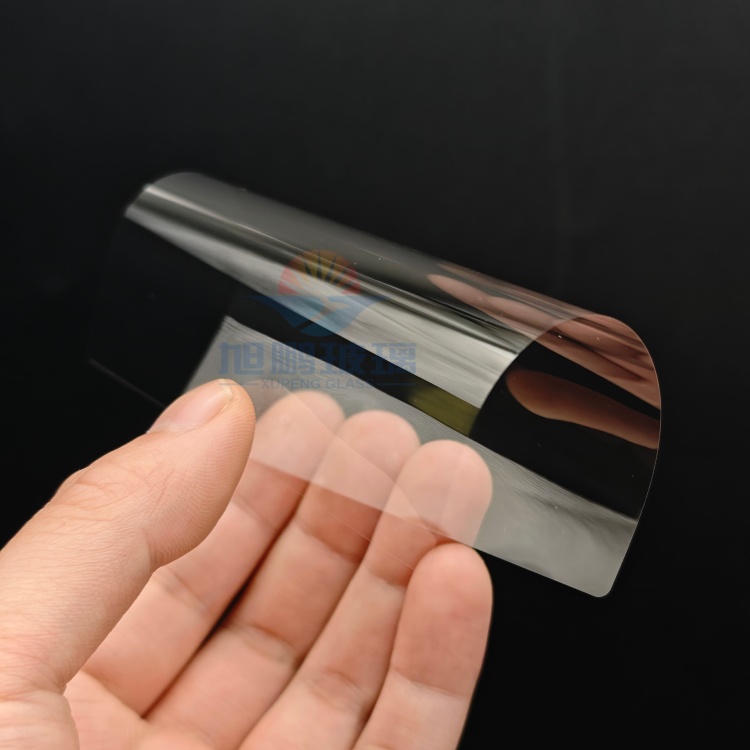 Flexible Display
0.03 mm Ultra-thin Flexible Bendable Glass
Ultra-thin glass for foldable displays, flexible electronics and precision lamination where bendability and surface quality matter.
 Ultra-White
Custom Ultra-White Clear Tempered Glass Socket Decorative Cover for Stairways
Decorative tempered glass covers with custom cut-outs, clean edges and ultra-white clarity for switch, socket and interior applications.
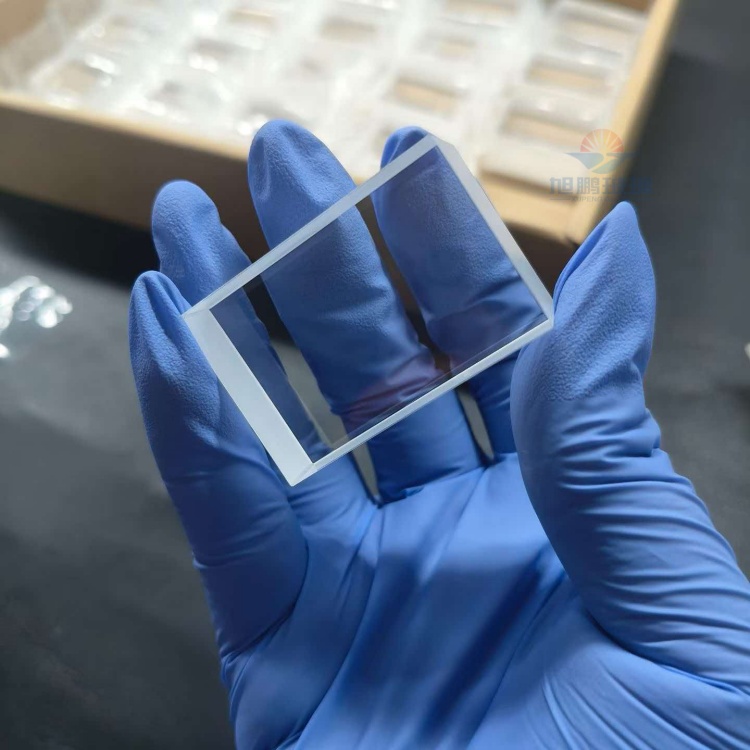 UV Optics
High UV Transmission Thick Gauge Thick Quartz Glass Plate
Thick fused quartz for UV curing, disinfection equipment and high-temperature viewports requiring thermal shock resistance.
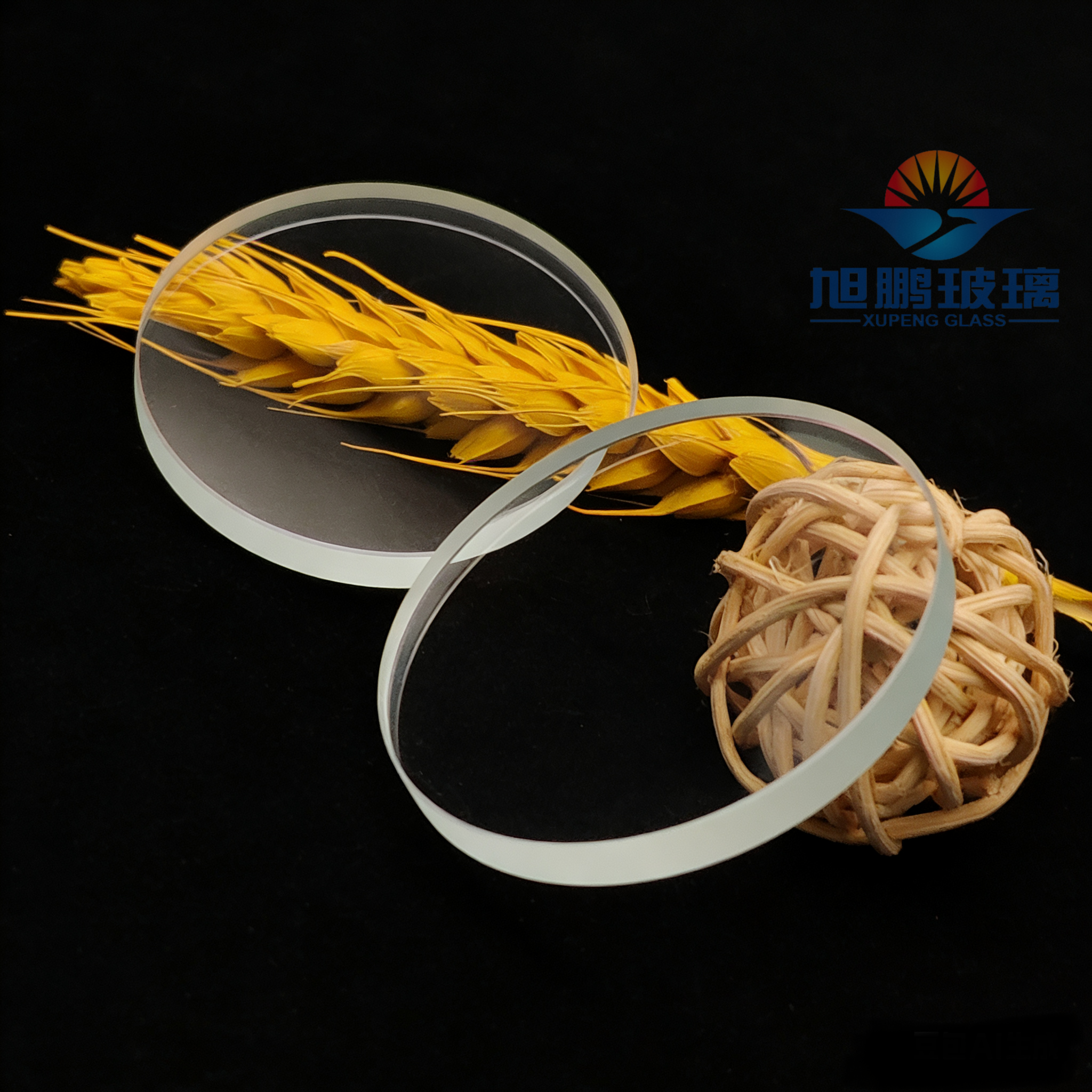 Display Cover
Low Iron Round High Transmittance Tempered Glass Panel with Precision Polished Edges, Flat Clear Glass
Low-iron tempered glass with precision polished edges for display windows, control panels and clarity-critical covers.
 Filter Glass
Welding Black Filter Glass, Beveled Edge Grinding, Long Irregular-shaped Welding Filter Glass
Black filter glass for welding masks and goggles, processed with beveled edges and long irregular shapes for user-specific assemblies.
 Semiconductor
Wafer Glass Thickness Circuit Board Chip Solar Silicon Ingot Substrate
Glass substrate options for circuit board, chip, solar and silicon ingot-related applications where thickness and flatness are controlled.
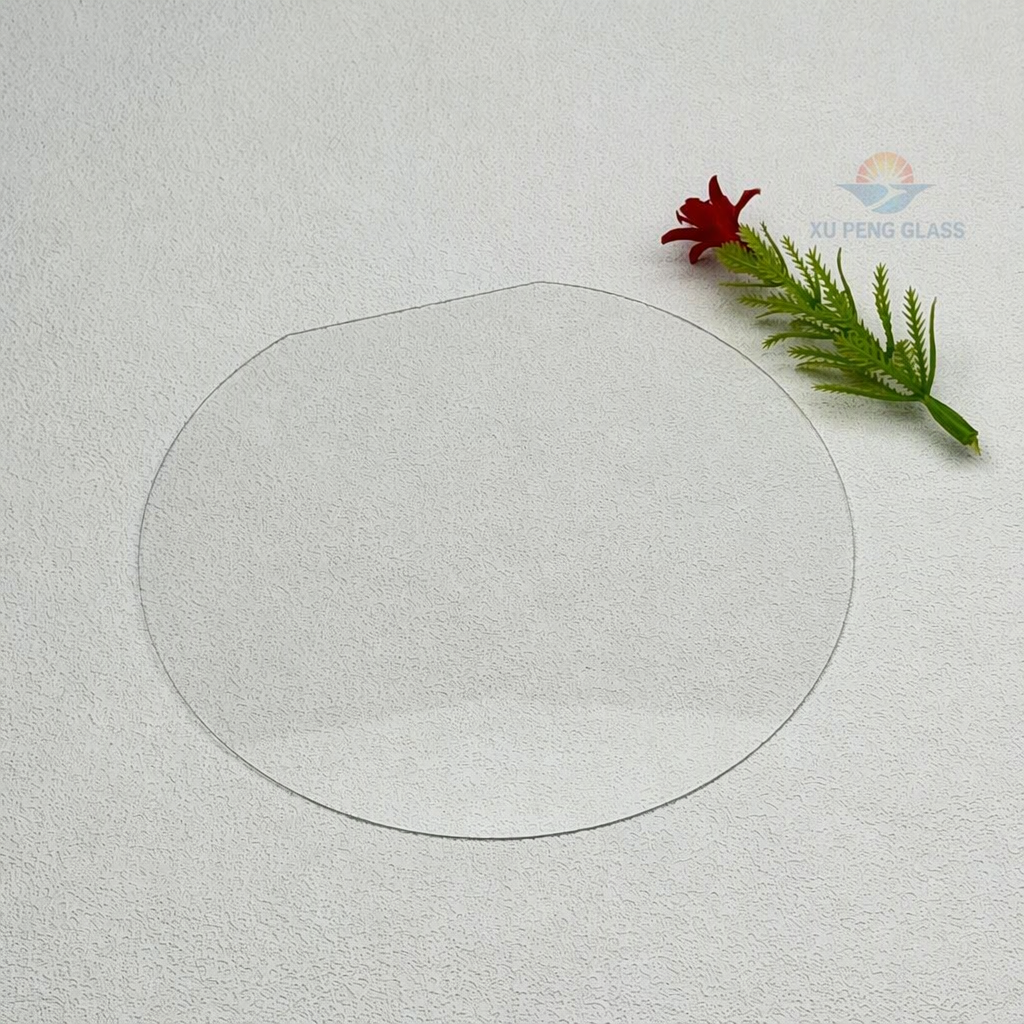 Optical Wafer
Ultra-thin High-precision Optical Glass Wafer, Corning / SCHOTT / Fused Silica
Ultra-thin optical wafers in Corning, SCHOTT or fused silica material families for optical instruments and precision assemblies.
 Corning EXG
 Glass Wafer Double-Sided Polished for Custom Semiconductor Glass Wafers & Solar Panels
Alkali-free, double-side polished Corning EXG glass wafers for semiconductor, MEMS, display and solar-related development.
Why Dongguan AUVE Glass Belongs on a Qualified Factory Shortlist
For touch screen glass projects, a supplier’s real value appears after the RFQ: whether the factory can review manufacturability, hold optical and dimensional tolerances, and ship fragile parts with controlled packing.
Full-Process Deep Processing
Cutting, CNC shaping, edging, drilling, tempering, silk-screen printing, AR/AG coating, optical polishing and inspection are organized around a drawing-based production route rather than a single-process quote.
Drawing-Led DFM Review
CAD, DXF or PDF drawings are reviewed for thickness, tolerance, edge profile, holes, printing windows and coating requirements before production, reducing the risk of a technically correct quotation that cannot be manufactured cleanly.
Traceability from Sheet to Carton
The factory follows defined process standards and a documented quality management system. Finished parts can be checked for dimensions, visual defects, edge quality, coating appearance and packing condition before export.
Verified Supplier Profile
Buyers can review onsite-checked supplier status, credit index, transaction level, trade capacity, trade history and buyer feedback—useful evidence for procurement committees that need more than a brochure.
Application Coverage
Touch screen modules, LCD display windows, smart control panels, home appliances, instrument panels, LED lighting, light boxes, welding filters, UV equipment and semiconductor-related glass can be consolidated with one deep-processing partner.
Export Packing & Terms
FOB, CFR, CIF, EXW, DDP, DDU, DAF and express delivery are supported. Interleaving film, foam protection, batch labeling and wooden crates or reinforced cartons are selected for fragile glass shipments.
How to Specify Touch Screen Cover Glass Before You Request a Quote
The best quotation is based on a complete design intent. Use this reference to align optical, mechanical and cosmetic requirements before sending drawings to a China factory.
| Glass Route | Typical Specification Direction | Best-Fit Touch / Display Use | Procurement Note |
|---|---|---|---|
| Ultra-clear low-iron tempered glass | High visible light transmission, reduced green edge tint, tempered strength for cover applications | Touch screen cover glass, smart control panels, appliance windows, LED lighting | Specify edge quality, hole positions, printing window and whether AR/AG treatment is required. |
| AR anti-reflective coated glass | Low surface reflection, improved display contrast, single- or double-side coating options | Touch modules, all-in-one PCs, instrument windows, museum and kiosk displays | Define reflection target, coating side, transmission direction and durability test requirement. |
| AG anti-glare glass | Micro-textured surface diffuses reflected light; gloss and haze can be selected | Outdoor LCDs, industrial HMIs, kiosks and high-ambient-light displays | Agree haze, gloss and sparkle limits with a sample—not only a numeric haze value. |
| Silk-screen printed tempered glass | Fired ceramic ink fused into glass for durable borders, icons and masking windows | Instrument panels, home appliances, switch and socket covers | Provide Pantone or RAL targets, ink opacity, window tolerance and whether IR ink is needed. |
| Ultra-thin flexible glass | Thickness down to 0.03 mm with bendability and high surface quality | Foldable displays, flexible electronics and thin laminated structures | Discuss edge strengthening, handling, lamination support and breakage risk before pilot build. |
| Fused quartz | High UV transmission, thermal shock resistance and good optical clarity | UV curing, disinfection, high-temperature viewports and lab equipment | Confirm grade, OH content, thickness, flatness and whether polished edges are required. |
| Sapphire glass | High hardness and high-temperature capability for scratch-critical windows | Sensor covers, instrument windows and harsh-environment inspection ports | Define crystal orientation, thickness, chamfer and optical polishing specification. |
| Corning EXG / alkali-free glass | Alkali-free substrate with low coefficient of thermal expansion and double-side polish | Semiconductor wafers, MEMS, display substrates and solar-related work | Review flatness, surface quality, wafer size, dicing method and clean-pack requirements. |
Values are reference directions for early material selection. Final specifications should be confirmed against your drawing, coating target, assembly process and agreed inspection standard before mass production.
China Touch Screen Glass Procurement Trends to Plan for in 2026–2030
Procurement teams are moving away from lowest-price sourcing toward supply resilience, engineering collaboration and verified quality records. The following trends are especially relevant for display glass and precision optical glass buyers.
Quality-First Dual Sourcing
Buyers will qualify more than one China factory, but complex coated or tempered parts often remain with the supplier that can control the full process chain. Dual sourcing works best when drawings and inspection plans are standardized across both suppliers.
Traceability at Batch Level
Procurement teams increasingly request batch labels, inspection records, packing photos and material certificates. A factory that can trace finished parts back to raw sheet and coating run reduces the cost of quality investigations.
Consolidation into Deep-Processing Partners
Splitting cutting, tempering, printing and coating across several vendors adds tolerance stack-up, freight damage risk and coordination cost. Consolidating with one deep-processing factory can shorten lead time and clarify responsibility.
Hybrid AR/AG and Functional Surfaces
Displays used outdoors or in bright industrial environments need a balance of anti-glare diffusion and anti-reflective contrast. Buyers will evaluate samples under real lighting rather than choosing the lowest reflection number alone.
Low-Volume High-Mix Pilots
Many coated and optical glass projects start with 10 to 50 pieces, while standard tempered parts may start from 100 to 500 pieces. Suppliers with flexible pilot runs help buyers validate design before committing to tooling and mass production.
Supplier Verification and ESG Review
Onsite-checked supplier status, credit index, transaction level, trade history and buyer feedback are becoming standard checks alongside price. Energy use, packing waste and process documentation are also entering supplier scorecards.
Where Touch Screen Glass and Precision Glass Products Are Heading
New device formats and harsher application environments are pushing glass beyond simple protection. The next wave of demand favors thinner substrates, integrated coatings, printed functionality and tighter optical control.
Thinner Foldable Cover Glass
Ultra-thin glass around 0.03 mm is moving from concept samples to product development programs. Edge quality, handling, lamination and bend radius remain the key engineering constraints for mass adoption.
Large-Format Display Windows
Large-format AIO PCs, industrial HMIs, kiosks and smart appliances require low warpage, uniform coating appearance and consistent printing across bigger glass surfaces.
Alkali-Free and Optical Wafers
Corning EXG, fused silica, quartz and other precision substrates will continue to support semiconductor, MEMS, optical instrument and solar-related development where flatness and surface quality matter.
Sapphire and Quartz for Harsh Environments
Scratch resistance, high-temperature stability and UV transmission keep sapphire and quartz relevant for sensors, UV equipment, viewports and critical inspection windows.
Printed Glass with Integrated Coating
Designers increasingly combine black borders, icons, sensor windows and AR/AG treatment on one part. This integration demands tight registration between printing, coating and final outline.
Durability and Cleaner Production
Lead-free inks, controlled coating chemistry, recyclable packing and energy-efficient processing are becoming part of product development conversations, especially for brands with global compliance teams.
A Practical Procurement Workflow for Touch Screen Glass Buyers
Use a structured workflow to compare China manufacturers fairly and avoid the hidden costs of unclear drawings, unverified samples and fragile export packing.
Send a Complete Drawing
Share CAD, DXF or PDF with size, thickness, tolerance, edge, holes, printing, coating and packing requirements. A complete drawing reduces back-and-forth engineering questions.
Request DFM and Sampling
Confirm manufacturability, material route and inspection plan before tooling. Validate sample appearance under your actual display lighting and assembly method.
Lock the Inspection Standard
Agree dimensional checks, visual limits, coating appearance, printing color tolerance and packaging tests. Document the approved sample and golden reference.
Plan Export Packing
Select Incoterms, carton or crate structure, interleaving protection and labeling. For fragile glass, packing is part of product quality—not an afterthought.
Frequently Asked Questions About China Touch Screen Glass Suppliers
Direct answers for engineering and sourcing teams comparing factory-direct glass manufacturers.
What types of glass does Dongguan AUVE Glass manufacture?
AUVE processes flat and curved tempered glass, ultra-clear low-iron glass, laminated and painted glass, AR anti-reflective and AG anti-glare coated glass, silk-screen printed glass, touch screen and LCD cover glass, LED lighting glass, instrument glass, and optical materials such as K9, quartz, sapphire, borosilicate and Corning EXG alkali-free glass.
Can you produce glass to my own drawings?
Yes. Provide a CAD, DXF or PDF drawing with thickness, tolerance, edge, hole, printing and coating requirements. The engineering team reviews manufacturability before production, covering CNC cutting, edging, drilling, tempering, silk-screen printing and AR/AG coating.
What is the minimum order quantity?
MOQ depends on material and process. Many coated and optical glass parts start from 10 to 50 pieces, while standard ultra-clear tempered parts typically start from 100 to 500 pieces. Sample and pilot quantities can be discussed for new projects.
Which Incoterms, shipping methods and packing options are supported?
FOB, CFR, CIF, EXW, DDP, DDU, DAF and express delivery are supported. Export packing is designed for fragile glass parts, using interleaving protection, foam corners, reinforced cartons or wooden crates depending on size and route.
Which markets do you export to and how fast is the response?
Glass products are exported to the United States, Canada, Russia, South Korea, Japan, Australia and other markets. The average technical response time is within 7 hours. Send your drawing, quantity and application details to info@auveglass.com for engineering review.
How should I compare China touch screen glass factories beyond price?
Compare five items: drawing-review depth, in-house process coverage, sample-to-mass-production consistency, inspection documentation and export packing. Also check verified supplier status, credit index, transaction level, trade history and buyer feedback. A low piece price can become expensive if coating appearance, edge quality or breakage rates create rework.
Have a Drawing or BOM? Get an Engineering Review.
Share your size, thickness, tolerance, edge, printing and AR/AG coating requirements. The team will confirm material route, process feasibility and lead time—usually within 7 hours.