China Wholesale Chemically Strengthened Glass Factories & Factory
A procurement-grade guide to ion-exchange strengthened, ultra-clear, tempered, coated and precision optical glass for OEMs, brand owners and global distributors.
Inquire NowFactory-Direct Glass Products for Chemically Strengthened & Precision Glass Programs
These eight product formats reflect the downstream reality of chemically strengthened glass sourcing: thin substrates, ultra-clear covers, printed panels, AR/AG coatings, optical windows and high-temperature specialties must all survive cutting, edging, drilling, coating, printing, inspection and export packing.

CNC Carved Low Iron Glass Sheet, High-temperature Screen Printed Tempered Glass, Drilled Glass Panel
A CNC-carved low-iron sheet with high-temperature screen printing and drilled features for control panels, appliance interfaces and display parts.
- CNC carving
- Screen print
- Drilled
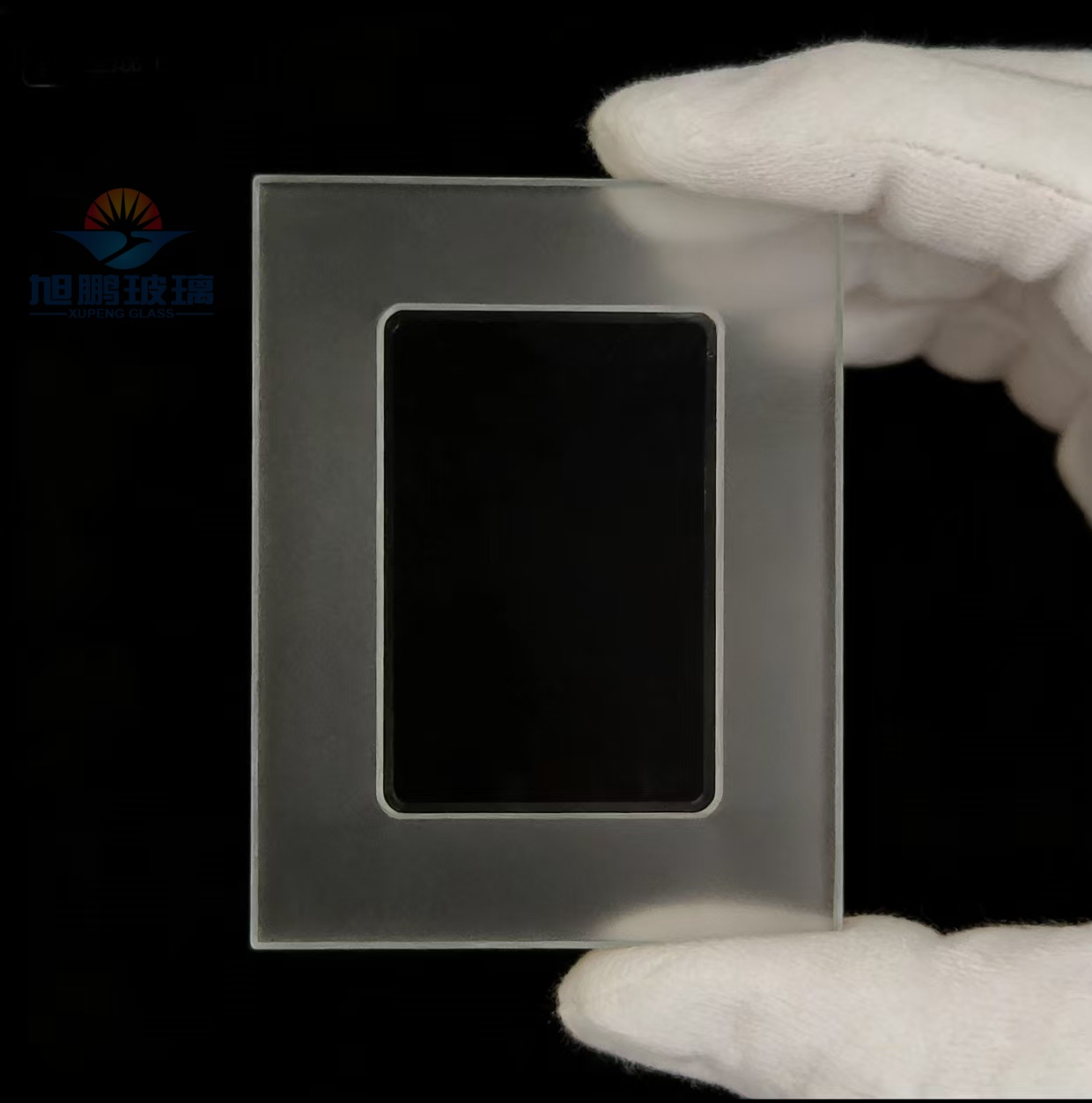
Custom Ultra-White Clear Tempered Glass Socket Decorative Cover for Stairways
Ultra-white tempered cover for stairway sockets; custom cut-outs and printed graphics support clean wall-device finishes.
- Ultra-white
- Custom cut-outs
- Tempered
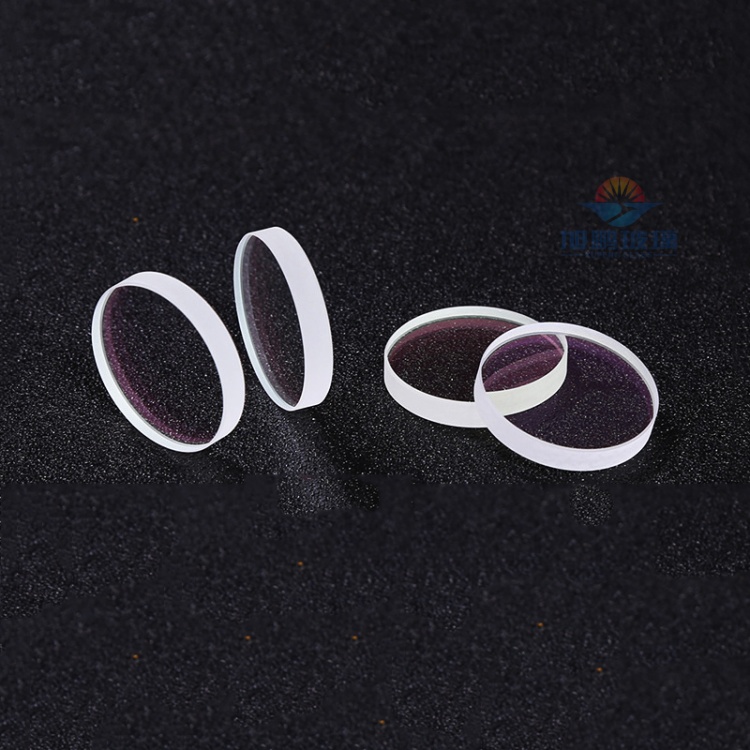
Ultra-clear Tempered Glass, Custom Processing Available: Drilling, Etching, AG Coating Silk Printing, AR Coating
Ultra-clear tempered glass with drilling, etching, AG/AR coating and silk printing options for touch and HMI cover laminates.
- AR/AG
- Etching
- Silk print

Welding Black Filter Glass, Beveled Edge Grinding, Long Irregular-shaped Welding Filter Glass
Black welding filter glass with beveled edge grinding and irregular shapes for welding masks, goggles and protective optical assemblies.
- Beveled edge
- Irregular shape
- Filter
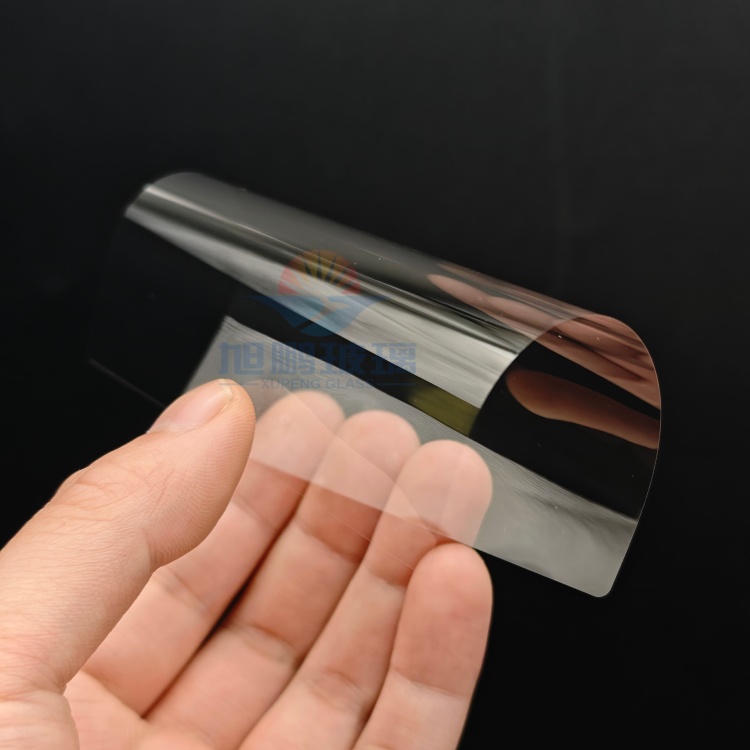
0.03 mm Ultra-thin Flexible Bendable Glass
A 0.03 mm ultra-thin flexible substrate for foldable displays, flexible electronics and precision cover applications where bending is essential.
- 0.03 mm
- Bendable
- UTG
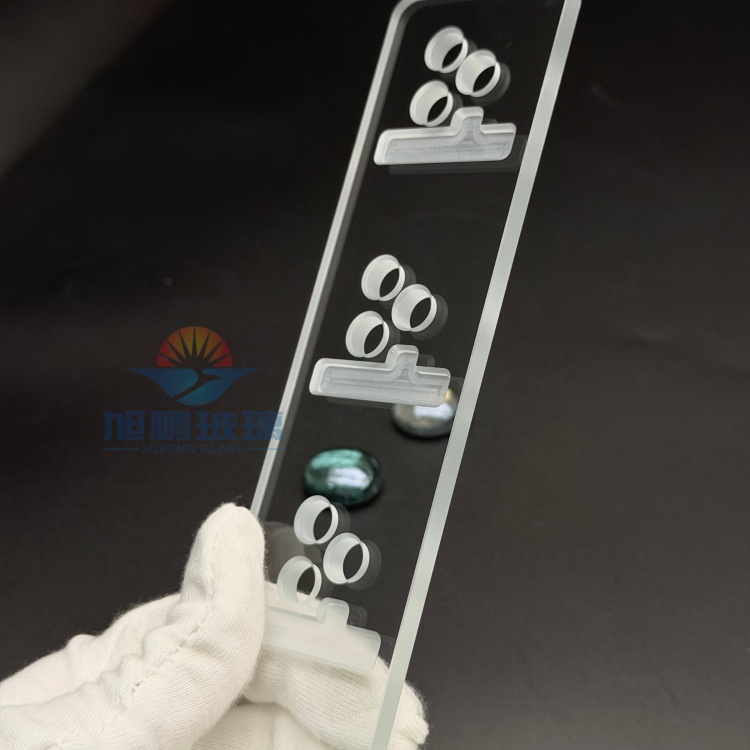
Ultra Clear High Light Transmission Tempered Glass Panel, CNC Arc Polishing, Drilling & Grooving
High-transmission ultra-clear panel with CNC arc polishing, drilling and grooving for premium display and instrument windows.
- High transmission
- Arc polish
- Grooving

White Ceramic Glass-Ceramic, 4mm & 6mm, High Temperature Resistant Glass-Ceramic
4 mm and 6 mm white ceramic glass-ceramic with high-temperature resistance for appliance, lighting and thermal barrier windows.
- 4–6 mm
- Heat resistant
- Ceramic

High-transmittance AR Coated Optical Glass, Ultra-clear Tempered Glass
AR coated ultra-clear tempered optical glass for high-transmittance display windows, touch modules and optical instruments.
- AR coated
- Optical
- Ultra-clear
What “China Wholesale Chemically Strengthened Glass Factories & Factory” Really Means
For procurement teams, the phrase describes a qualification problem, not a commodity search. The right factory must connect substrate selection, ion-exchange strengthening, precision fabrication, coating compatibility and export reliability.
China remains one of the world’s most complete supply bases for chemically strengthened glass because it combines access to ultra-clear and specialty substrates, dense CNC and coating ecosystems, fast tooling, mature quality inspection and flexible export logistics. However, “chemically strengthened” is not a single material specification. It usually refers to an ion-exchange process in which smaller alkali ions in the glass surface are replaced by larger ions at controlled temperature, creating a compressive stress layer that improves resistance to flexural failure and surface damage. Final performance depends on glass chemistry, thickness, edge quality, compressive stress, depth of layer, flatness, coating adhesion and printing compatibility.
Thermally tempered glass and chemically strengthened glass solve different engineering problems. Thermal tempering is highly efficient for thicker soda-lime or borosilicate parts and delivers robust mechanical strength for many industrial covers. Chemical strengthening becomes especially relevant when the project requires thin glass, complex shapes, high optical clarity, low optical distortion or bendability. In real production, the best supply chain often combines a qualified substrate source, a controlled strengthening route and a deep-processing factory that can cut, edge, drill, print, coat, inspect and pack the finished part without disturbing the strengthened surface.
Buyers comparing China wholesale chemically strengthened glass factories should therefore score suppliers less on catalogue photography and more on process control, drawing review, measurement discipline and change management. Ask whether the glass is strengthened before or after cutting, how edges are finished, whether laser cutting or CNC grinding introduces micro-cracks, how AR or AG coatings are cured, and how the supplier validates flatness, haze, gloss, adhesion and dimensional tolerances. A factory that can explain these interactions in writing is usually better prepared for repeatable production than one that only quotes a price per piece.
Dongguan AUVE Glass Co., Ltd. is positioned as a factory-direct deep-processing partner for glass programs that require this level of coordination. The company’s portfolio covers flat and curved tempered glass, ultra-clear low-iron glass, laminated and painted glass, LCD and touch screen glass, smart control panel glass, LED lamp glass, instrument glass, AR high-transmittance glass, AG anti-glare glass and optical materials such as K9, quartz, sapphire, borosilicate and Corning EXG. For chemically strengthened projects, AUVE’s value is concentrated in the downstream chain: CNC shaping, edging, drilling, tempering where applicable, silk-screen printing, AR/AG coating, dimensional and optical inspection, and fragile-goods export packing.
The most reliable sourcing strategy is to treat chemically strengthened glass as a drawing-controlled, process-controlled component, not as a generic sheet purchase. The RFQ should identify substrate chemistry, thickness, pre-strengthening or post-strengthening sequence, edge profile, hole and slot tolerances, printing ink system, coating type, gloss or haze target, transmission requirement, cleaning method, packaging standard and approval sample. That single discipline reduces field failures, re-sourcing cost and late-stage engineering changes.
Procurement Trends Reshaping Chemically Strengthened Glass Sourcing, 2025–2030
Purchasing teams are moving from lowest-piece-price negotiation toward total qualification cost, process evidence and supply resilience. These six trends are already visible in display, appliance, instrument, lighting and optical glass projects.
From piece price to qualification cost
Buyers increasingly calculate the cost of samples, first-article inspection, failure analysis, rework and line stoppage. A factory with documented process control can be cheaper overall than a low quote with unclear strengthening and coating sequences.
Thin, bendable and foldable formats
Ultra-thin flexible glass and chemically strengthened thin substrates are moving from R&D samples to pilot production. Procurement teams must lock bend radius, edge quality, surface defect limits, handling methods and protective film choices earlier.
Coating integration
AR, AG, anti-fingerprint, mirror and hard-coat requirements are now specified together with mechanical strength. Suppliers must prove that coating adhesion, optical performance and curing temperatures are compatible with the strengthened substrate.
Data-backed traceability
Batch labels, material certificates, dimensional reports, transmission data, haze/gloss records and packaging checks are becoming normal RFQ attachments. Serialized traceability helps buyers isolate issues by glass lot, process date and shipment.
Dual sourcing and resilient capacity
Global buyers are qualifying secondary glass factories while keeping one engineering team responsible for drawings and approvals. The goal is not simply lower risk; it is faster recovery from substrate shortages, coating bottlenecks or logistics disruption.
Response speed as a service metric
Engineering responsiveness is now measured alongside price. A supplier that answers technical questions within hours can prevent tooling errors, unclear tolerances and late design changes before they become expensive production issues.
How Chemically Strengthened Glass Products Will Evolve
Future demand will reward factories that can combine materials knowledge with fabrication discipline. The winning supplier will not only strengthen glass; it will protect optical quality and dimensional stability through every downstream step.
Hybrid strengthening and laser-enabled shaping
Thin glass roadmaps are moving toward hybrid routes that combine chemical strengthening with precision laser cutting, laser drilling and low-stress edge treatment. The commercial advantage belongs to factories that can control micro-defects at the cut edge, because edge quality directly affects flexural strength and yield.
Larger, curved and integrated HMI covers
Smart control panels, all-in-one computers, appliances, kiosks and industrial HMIs are pushing toward larger formats, tighter flatness and integrated printing. Buyers will increasingly require one supplier to manage glass, coating, printing, inspection and protective assembly-ready packaging.
Optical clarity and anti-glare differentiation
Display windows are no longer judged only by strength. Transmission, reflection, haze, gloss, color neutrality, sparkle and fingerprint resistance are becoming product differentiators. AR/AG coated ultra-clear glass will continue to expand in touch modules, instrument windows and outdoor displays.
Material convergence across glass families
Low-iron glass, borosilicate, ceramic glass-ceramic, quartz, sapphire and K9 optical glass will be specified side by side as device designs become more demanding. A factory with multi-material processing experience can shorten sourcing cycles and reduce coordination risk for OEMs.

Inside a Dongguan Factory-Direct Glass Partner: AUVE’s E-E-A-T Advantage
Dongguan AUVE Glass Co., Ltd. is a deep-processing glass manufacturer integrating R&D, design, production and export in Songshan Lake, Dongguan, Guangdong, China. Founded in 2018, the company operates as a manufacturer and trading company serving OEMs, brand owners and distributors in the United States, Canada, Russia, South Korea, Japan, Australia and other markets.
The supplier profile is transparent: 51–100 skilled employees, a 1,001–2,000 m² facility, and an average response time within 7 hours. Buyers can review independently presented supplier information such as onsite-checked status, credit index, transaction level, trade capacity, trade history and ratings and reviews. This matters in chemically strengthened glass sourcing because the buying team needs evidence of production stability, export experience and responsive technical communication before committing tooling or sample budgets.
AUVE’s production strengths align with the practical demands of advanced glass programs: precision cutting; CNC edging, beveling, drilling and grooving; flat and curved tempering; high-temperature silk-screen printing; AR anti-reflective and AG anti-glare coating; optical and dimensional inspection; and export packing for fragile glass parts. The product portfolio includes flat and curved tempered glass, ultra-clear low-iron glass, laminated and painted glass, touch screen and LCD cover glass, LED lighting glass, instrument glass, and optical materials such as K9, quartz, sapphire, borosilicate and Corning EXG alkali-free glass.
For chemically strengthened glass projects, the engineering conversation should begin before quotation. AUVE’s drawing-review approach helps confirm substrate source, thickness, edge profile, hole and slot geometry, printing sequence, coating compatibility and packing method. Where ion-exchange strengthening is supplied by a specialist partner, the downstream process flow should be documented so that cutting, edge grinding, coating or printing do not compromise the strengthened layer. The company’s stated philosophy, “focusing on high-end glass, pioneering and innovating,” is most credible when it is expressed through control plans, first-article inspection and repeatable export execution.
Material Selection Matrix for Chemically Strengthened Glass Buyers
Use this matrix as an early-stage shortlisting tool. Final feasibility must be confirmed against your drawing, substrate source, strengthening route, coating stack and agreed test method.
| Glass Family | Typical Format | Chemical Strengthening Fit | Typical Applications | Specifications to Lock |
|---|---|---|---|---|
| Ultra-thin flexible glass | 0.03–0.1 mm | High relevance for thin, bendable and foldable designs | Foldable displays, flexible electronics, precision cover windows | Bend radius, edge quality, compressive stress, depth of layer, surface defects, protective film |
| Ultra-clear low-iron glass | 2–6 mm | Selective; often used with thermal tempering or coated after fabrication | Smart control panels, appliance covers, LED lighting, light boxes | Visible transmission, color neutrality, flatness, edge finish, printing, AR/AG compatibility |
| AR coated optical glass | 0.5–5 mm | Application dependent; coating and strengthening sequence must be validated | Touch modules, all-in-one PCs, instrument windows, display covers | Reflectance, transmission, adhesion, environmental durability, haze, cleaning resistance |
| Silk-screen printed tempered glass | 2–6 mm | Printing sequence must be defined relative to strengthening | Instrument panels, home appliances, switch and socket covers | Registration accuracy, ink adhesion, color consistency, hole geometry, tempering condition |
| White ceramic glass-ceramic | 4 mm and 6 mm | Limited for conventional ion exchange; selected for thermal resistance | Appliance windows, lighting, high-temperature barriers | Thermal shock, thermal expansion, surface finish, cut-out quality, color consistency |
| K9, quartz and sapphire | Custom thickness | Not usually a substitute for chemically strengthened soda-lime glass | Optical instruments, UV equipment, sensor windows, high-temperature viewports | Refractive index, transmission, hardness, surface polish, flatness, coating, environmental test |
Reference data are for sourcing discussion only. Production specifications must be confirmed in the approved drawing, sample and quality plan.
Five Factors That Separate a Low-Risk Glass Factory from a Low-Price Quote
Procurement teams can use these weighted priorities as a discussion framework during supplier audits and RFQ reviews.
Frequently Asked Questions from Wholesale Glass Buyers
Direct answers for sourcing teams comparing China chemically strengthened glass factories, custom glass manufacturers and factory-direct suppliers.
What is chemically strengthened glass, and how is it different from tempered glass?
Chemically strengthened glass is treated through an ion-exchange process that creates a compressive stress layer at the glass surface. It is often chosen for thin glass, complex shapes or applications where optical clarity and low distortion matter. Thermally tempered glass is produced through controlled heating and rapid cooling and is widely used for thicker safety glazing, appliance covers and industrial panels. The right route depends on substrate chemistry, thickness, shape, edge condition and the mechanical or optical target.
How should I evaluate China wholesale chemically strengthened glass factories?
Start with the drawing and process route, not the catalogue. Ask the supplier to identify substrate source, thickness, whether strengthening occurs before or after cutting, how holes and edges are finished, what measurement method is used for flatness and surface defects, and how coating or printing is validated. For a factory-direct partner, also review export history, packaging standard, response time, sample approval flow and documented change notification.
Can AUVE process glass to my drawing for chemically strengthened projects?
Dongguan AUVE Glass Co., Ltd. reviews CAD, DXF or PDF drawings for manufacturability and confirms the process route before production. The company supports CNC cutting, edging, drilling, grooving, tempering where applicable, silk-screen printing, AR/AG coating, inspection and export packing. For projects requiring ion-exchange strengthening, the substrate source and strengthening step should be agreed in writing so the downstream process does not compromise the strengthened surface.
What information should I include in an RFQ?
Include the drawing, material family, thickness, overall dimensions, critical tolerances, edge profile, hole and slot positions, surface-quality limits, printing colors and ink type, coating requirements, transmission or haze targets, cleaning method, sample quantity, annual demand, packaging standard and destination. If the part is chemically strengthened, specify whether the glass will be strengthened before or after fabrication and which tests the supplier must report.
What is the minimum order quantity?
MOQ depends on material and process. Many coated and optical glass parts can start from 10 to 50 pieces, while standard ultra-clear tempered parts typically start from 100 to 500 pieces. Sample and pilot quantities can be discussed for new projects, especially when the buyer needs to validate fit, optical performance or packaging before mass production.
Which coatings and printing options are available?
AUVE’s product scope includes AR anti-reflective coating, AG anti-glare coating, silk-screen printing with high-temperature ceramic inks, and related custom processing such as drilling, etching, CNC edge work and grooving. The correct coating stack and printing sequence must be confirmed against the substrate, strengthening route and environmental test requirements.
Which Incoterms and shipping methods are supported?
The company supports FOB, CFR, CIF, EXW, DDP, DDU, DAF and express delivery. Because glass is fragile, export packing should be reviewed together with the shipping method, destination climate, handling chain and any requirement for fumigation-free wooden crates, foam protection or interleaving film.
Which markets does AUVE export to?
AUVE glass products are exported to the United States, Canada, Russia, South Korea, Japan, Australia and other markets. For buyers in these regions, the supplier profile provides useful reference points: verified supplier credentials, trade capacity, transaction level, trade history and buyer feedback.
How quickly does AUVE respond to technical inquiries?
The average response time is within 7 hours. For a faster engineering review, include your drawing, target quantity, material preference, coating or printing requirement, and delivery destination in the first message. Clear input reduces quotation cycles and helps the team confirm feasibility earlier.
How is fragile glass packed for export?
Typical protection includes interleaving film or paper, foam corner protection, reinforced cartons or fumigation-free wooden crates, batch labels and shipment-level packing checks. For chemically strengthened or coated glass, the packaging plan should also protect edges, prevent surface abrasion and avoid contact materials that could affect coating adhesion or cleanliness.
Need a Factory Review for Your Chemically Strengthened Glass Project?
Send your drawing, thickness, tolerance, coating or printing requirements and target quantity. The AUVE team will review the substrate fit, process route, inspection plan and export packing — usually within 7 hours — before your project moves to sampling or mass production.
Inquire Now