8 Precision Glass Products for Wholesale Programs
These eight product families reflect real deep-processing routes: low-iron tempered glass, high-UV quartz, AR/AG display glass, aluminosilicate windows, welding filter glass, ultra-white decorative glass and high-borosilicate heat-resistant windows. Every item can be adapted by size, thickness, edge profile, holes, printing, coating and packing.

CNC Carved Low Iron Glass Sheet, High-temperature Screen Printed Tempered Glass, Drilled Glass Panel
A high-clarity low-iron panel with CNC carving, drilled holes and fired ceramic screen printing. Recommended for appliance fascia, HMI windows and control plates where print durability matters.
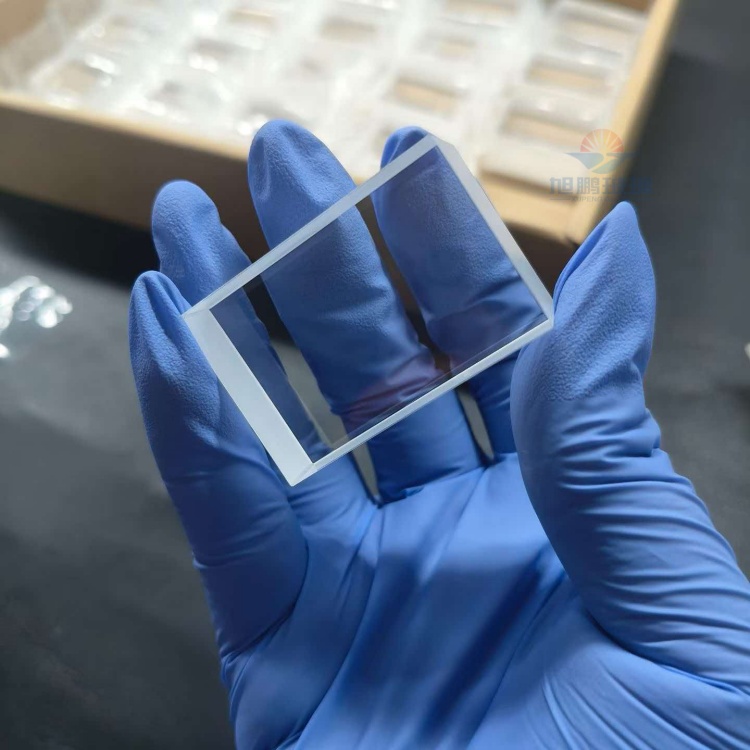
High UV Transmission Thick Gauge Thick Quartz Glass Plate
Thick-gauge fused quartz selected for high UV transmission, thermal shock resistance and optical clarity. Suitable for UV curing chambers, disinfection equipment and inspection windows.
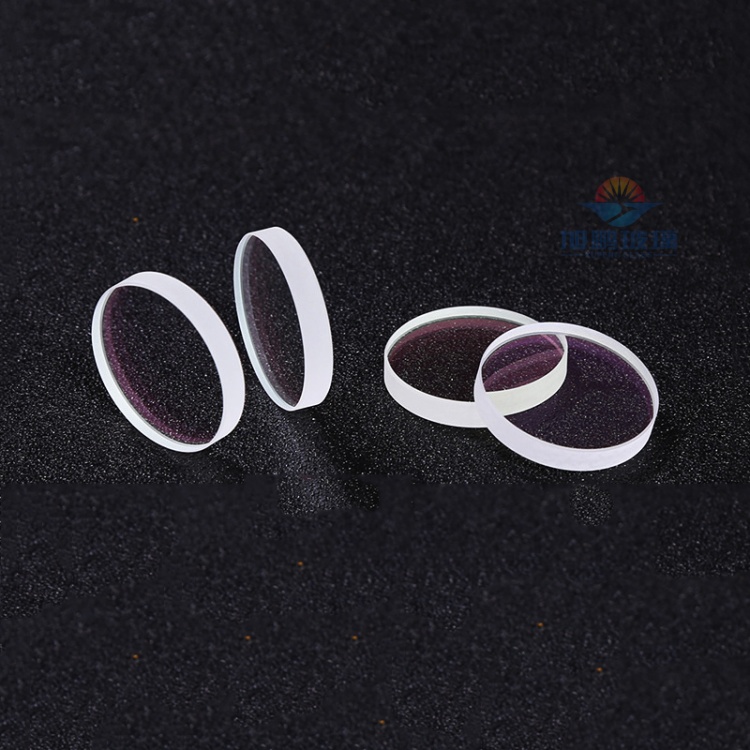
Ultra-clear Tempered Glass, Custom Processing Available: Drilling, Etching, AG Coating Silk Printing, AR Coating
An ultra-clear tempered cover glass platform with drilling, etching, AG anti-glare, AR anti-reflective coating and silk printing. Built for touch modules, all-in-one displays and premium control panels.

Round Aluminosilicate Glass with Chamfered Ground Edges and Metal Coating
Round aluminosilicate glass with chamfered ground edges and metal coating. A high-temperature substrate for sensor windows, viewports and technical decorative parts requiring safe edges.

Welding Black Filter Glass, Beveled Edge Grinding, Long Irregular-shaped Welding Filter Glass
Black welding filter glass in long irregular shapes with beveled edge grinding. Designed for welding masks, goggles and protective optical assemblies needing controlled light filtration.

Custom Ultra-White Clear Tempered Glass Socket Decorative Cover for Stairways
Custom ultra-white tempered glass socket and switch cover for stairways and architectural electrical fittings. Combines decorative clarity, precise cut-outs and safe edge processing.

High-transmittance AR Coated Optical Glass, Ultra-clear Tempered Glass
High-transmittance AR coated optical glass with an ultra-clear tempered substrate. Recommended for display windows, instrument covers and optical modules where reflection reduction improves readability.
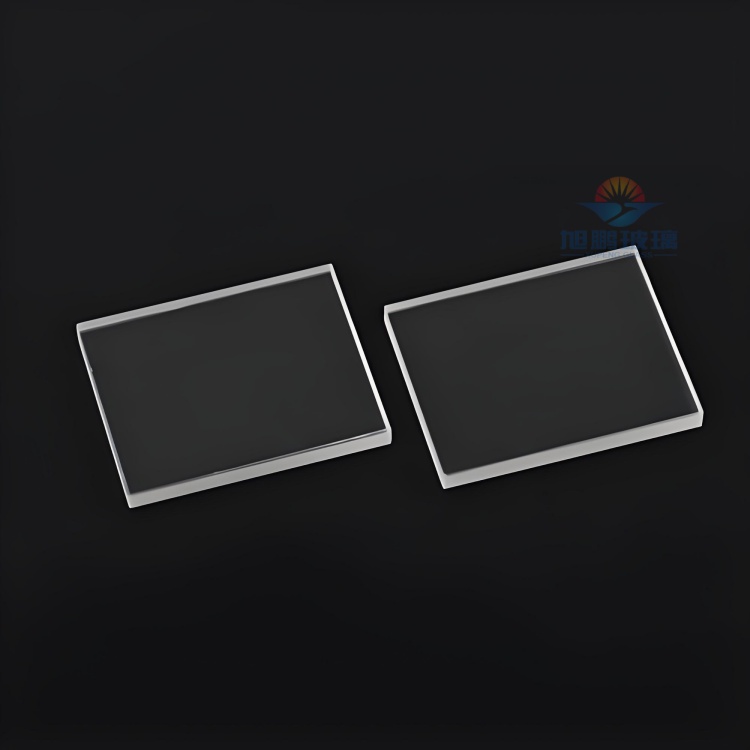
Tempered Glass Customized High Temperature Resistant, High Transparency and High Borosilicate Mirror Window Glass
High-borosilicate tempered glass window for high-temperature, high-transparency and mirror-window applications. Supports heat-resistant viewing and appliance projects with custom sizing.
Supplier verification, credit index, transaction level, trade capacity and buyer feedback can be reviewed before sampling.
Future Procurement Trends for Precision Glass Buyers
The next stage of China precision glass sourcing is not simply about finding a lower unit price. It is about reducing engineering risk, protecting launch schedules and securing a supplier whose process data can survive customer audits. These four shifts are already changing how wholesale buyers evaluate manufacturers and suppliers.
Co-design replaces catalog buying
More OEM buyers now send CAD, DXF or PDF drawings before choosing a material. They expect manufacturability feedback on thickness, tolerance, hole spacing, edge stress, coating coverage and packing. Suppliers who can challenge a drawing early create more value than suppliers who simply quote a size.
Information gain: ask for DFM notes before the first sample.Verified transparency becomes a filter
Procurement teams increasingly shortlist suppliers by checking onsite verification, credit index, transaction level, trade capacity and genuine buyer feedback. A supplier that can be checked independently reduces the perceived risk of fragile-glass shipping, coating failures and schedule slips.
Information gain: compare public trade records with the process claimed.Multi-process consolidation wins
Buyers want one partner for cutting, CNC edging, drilling, tempering, silk-screen printing, AR/AG coating and inspection. Consolidating these steps reduces handling, improves accountability and makes it easier to trace a defect back to the exact process stage instead of splitting responsibility across several workshops.
Information gain: map every process to an in-house owner.Pilot flexibility and supply resilience
Wholesale programs increasingly start with small pilot quantities before ramp-up. Flexible MOQs for coated and optical parts, combined with clear Incoterms and protective export packing, help buyers test a supply route without carrying excessive inventory or accepting unverified quality risk.
Information gain: test packing, documentation and lead time together.Precision Glass Specifications Are Moving Toward More Function per Part
A glass part is no longer only a transparent cover. It can be a structural surface, an optical filter, a printed interface, a thermal window and a traceable safety component at the same time. These trends matter when you compare quotations that appear similar at first glance.
Thinner, larger and stronger formats
Display and control-panel designs continue to push larger formats with tighter flatness and thinner substrates. Buyers should confirm edge quality, tempering capability, bow limits and handling protection before approving a thin large-format design.
Functional optical coatings
AR anti-reflective, AG anti-glare, anti-fingerprint and selective optical coatings are moving from premium options to mainstream requirements. The key is to define gloss, haze, reflection, transmission and durability tests in the drawing rather than describing the finish only by name.
Printed glass as a user interface
High-temperature ceramic inks create durable windows, icons, borders and light-blocking zones. For appliance, instrument and smart-control panels, printing should be reviewed together with tempering, drilling and coating because process order can affect registration and visual quality.
High-temperature and inert materials
High-borosilicate, quartz, aluminosilicate and sapphire are increasingly specified for viewports, UV equipment, sensors and thermal chambers. These materials require different cutting, polishing, edge treatment and inspection methods from standard float glass.
Semiconductor and UV equipment glass
Alkali-free substrates such as Corning EXG, fused quartz and sapphire windows are used in semiconductor, MEMS, UV curing and disinfection systems. Buyers need a supplier who can discuss flatness, surface quality, transmitted wavefront, cleanliness and packing without overstating unverified optical claims.
Flexible and ultra-thin glass
Ultra-thin bendable glass down to 0.03 mm opens new options for foldable displays and flexible electronics. Handling, edge strengthening, particle control and yield risk must be evaluated early, because ultra-thin glass can fail in ways that standard tempered glass does not.
Material Selection Matrix for Precision Glass Sourcing
Use this matrix to shortlist a material before requesting a quotation. The right choice depends on optical targets, thermal load, impact risk, printing, coating, edge quality and assembly method — not on material name alone.
| Glass Type | Key Property (Typical) | Best-Fit Applications | Available Processing |
|---|---|---|---|
| Ultra-clear low-iron tempered | High visible transmission with reduced green edge tint; tempering raises impact resistance | Smart control panels, appliance covers, LED fixtures, light boxes | CNC shaping, drilling, silk-screen, AR/AG coating |
| AR coated glass | Surface reflection reduced for stronger display contrast and lower ghosting | Touch modules, all-in-one PCs, museum windows, instrument covers | Single/double-side AR, tempering, printing |
| AG anti-glare glass | Micro-textured surface diffuses reflected glare; gloss and haze selectable | Outdoor LCDs, industrial HMIs, kiosks, medical displays | Etched AG, AG plus AR, tempering |
| Silk-screen printed tempered | Fired ceramic ink fused into glass for durable graphics and light windows | Instrument panels, home appliances, switch and socket covers | Multi-color printing, IR/window ink, holes, CNC |
| K9 optical glass | Borosilicate crown glass with good optical homogeneity for general optics | Lenses, prisms, optical instrument windows | Precision polishing, coating, CNC edging |
| Fused quartz | High UV transmission and excellent thermal shock resistance | UV curing, UV disinfection, high-temperature viewports | Thick-gauge cutting, polishing, drilling |
| Sapphire glass | Very high hardness for scratch-critical and high-temperature windows | Sensor covers, harsh-environment windows, wear-resistant optics | Cutting, polishing, chamfering, inspection |
| Corning EXG alkali-free | Alkali-free aluminoborosilicate substrate with low thermal expansion | Semiconductor wafers, MEMS, display substrates | Double-side polishing, wafer dicing, cleaning |
| High-borosilicate glass | Heat resistance and high transparency for thermal viewing windows | Heaters, ovens, high-temperature instruments, mirror windows | Cutting, edging, tempering, coating, printing |
Values are typical reference data for material shortlisting. Final specifications must be confirmed against your drawing, assembly method and agreed inspection standard before mass production.
Why Dongguan AUVE Glass Fits Drawing-Based Wholesale Programs
Dongguan AUVE Glass Co., Ltd. is a deep-processing glass manufacturer integrating R&D, design, production and export in Songshan Lake, Dongguan — one of China’s leading electronics and optoelectronics clusters. Since 2018, our team has focused on high-end glass, pioneering and innovating for OEMs, brand owners and distributors.
Factory-direct deep processing
Production covers flat and curved tempered glass, ultra-clear low-iron glass, laminated and painted glass, LCD and touch screen glass, smart control panel glass, LED lamp glass and instrument glass.
Drawing-based DFM review
Send a CAD, DXF or PDF drawing with thickness, tolerance, edge, hole, printing and coating requirements. Our engineers review manufacturability before production, reducing avoidable tooling and launch risk.
Six-stage process consolidation
Precision cutting, CNC edging and drilling, tempering, silk-screen printing, AR/AG coating, then QC and export packing can be controlled under one production route instead of across separate workshops.
Documented quality and traceability
Production follows defined process standards and a documented quality management system, so batches can be traced from raw sheet to packed carton. Dimensional, visual and optical checks are matched to the agreed specification.
Verified supplier credentials
Onsite-checked supplier status, credit index, transaction level, trade capacity, trade history and buyer ratings are available for review, giving procurement teams independent signals before a sample order.
Export terms and safe packing
Accepted delivery terms include FOB, CFR, CIF, EXW, DDP, DDU, DAF and express. Interleaving film, foam corner protection and fumigation-free wooden crates or reinforced cartons protect fragile glass parts.
Precision Cutting
Automatic and CNC cutting from float, low-iron and optical stock, with layout control for yield and edge quality.
CNC Edging & Drilling
Edge grinding, beveling, grooving, holes and laser punching reviewed against assembly and stress requirements.
Tempering
Flat and curved thermal tempering for impact and thermal resistance, with process control to protect flatness.
Silk-Screen Printing
High-temperature ceramic inks for logos, windows and icons, with registration checks before final firing.
AR / AG Coating
Anti-reflective, anti-glare, mirror and functional coatings selected to the display or optical target.
QC & Export Packing
Dimensional, visual and optical checks, batch labeling and fragile-goods packing for sea, air or express.
What Buyers Should Verify Before a Wholesale Order
A credible quotation should connect material grade, process route, inspection method, packing and commercial terms. The capability map below reflects the process depth buyers should confirm during supplier evaluation, not marketing phrases alone.
Frequently Asked Questions from Precision Glass Buyers
These answers address the questions engineering and sourcing teams ask before requesting samples, comparing suppliers or releasing a wholesale purchase order.
What types of glass does Dongguan AUVE Glass manufacture?
We process flat and curved tempered glass, ultra-clear low-iron glass, laminated and painted glass, AR anti-reflective and AG anti-glare coated glass, silk-screen printed glass, touch screen and LCD cover glass, LED lighting glass, instrument glass, and optical materials such as K9, quartz, sapphire, borosilicate and Corning EXG alkali-free glass.
Can you produce glass to my own drawings?
Yes. Send a CAD, DXF or PDF drawing with thickness, tolerance, edge, hole, printing and coating requirements. Our engineers review manufacturability before production, covering CNC cutting, edging, drilling, tempering, silk-screen printing and AR/AG coating.
What is the minimum order quantity for wholesale precision glass?
MOQ depends on material and process. Many coated and optical glass parts start from 10 to 50 pieces, while standard ultra-clear tempered parts typically start from 100 to 500 pieces. Sample and pilot quantities can be discussed for new projects, especially when the process route is still being validated.
Which Incoterms and shipping methods do you support?
We support FOB, CFR, CIF, EXW, DDP, DDU, DAF and express delivery, with export packing designed for fragile glass parts. The best term depends on your customs setup, destination and whether the order is a sample shipment or a bulk production batch.
Which markets do you export to?
Our glass products are exported to the United States, Canada, Russia, South Korea, Japan, Australia and other markets. For new destinations, we review transport mode, packing method, documentation and delivery terms before quotation.
How quickly do you reply to technical inquiries?
Our average response time is within 7 hours. For the fastest engineering review, email info@auveglass.com with your drawing, material preference, coating or printing requirement, target quantity and delivery destination.
How do you control quality for a wholesale glass program?
Quality control should be tied to the drawing and agreed inspection standard. Typical checks include dimensions, holes, edge condition, visual defects, printing registration, coating appearance, flatness or bow, plus packing verification. Batch labels and documented process records support traceability from raw sheet to packed carton.
What information should I include for a fast quotation?
Provide the material type, size, thickness, tolerance, edge profile, hole positions, surface finish, printing or coating requirement, target quantity, packing preference, destination and required delivery term. A reference photo or sample photo helps, but the drawing and written specification remain the controlling documents.
Send a Drawing. Receive a Manufacturing Route.
Share material, thickness, tolerance, edge, hole, printing, coating and target quantity. Our team will review manufacturability and recommend a reliable production route, usually within 7 hours.
Get CatalogEmail: info@auveglass.com · Dongguan AUVE Glass Co., Ltd. · Songshan Lake, Dongguan, Guangdong, China