Product Recommendations

Eight High-Intent Glass Products for OEM & Wholesale Programs

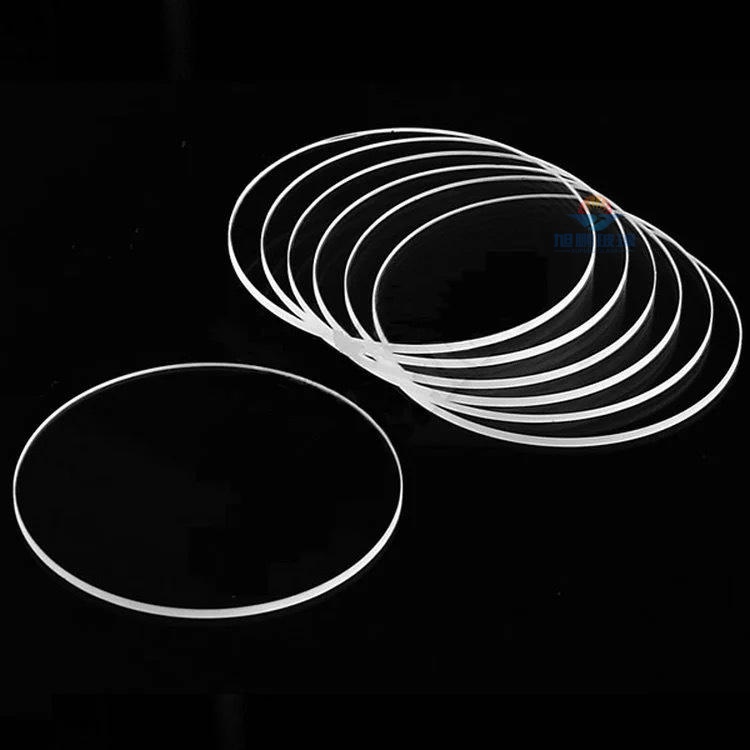
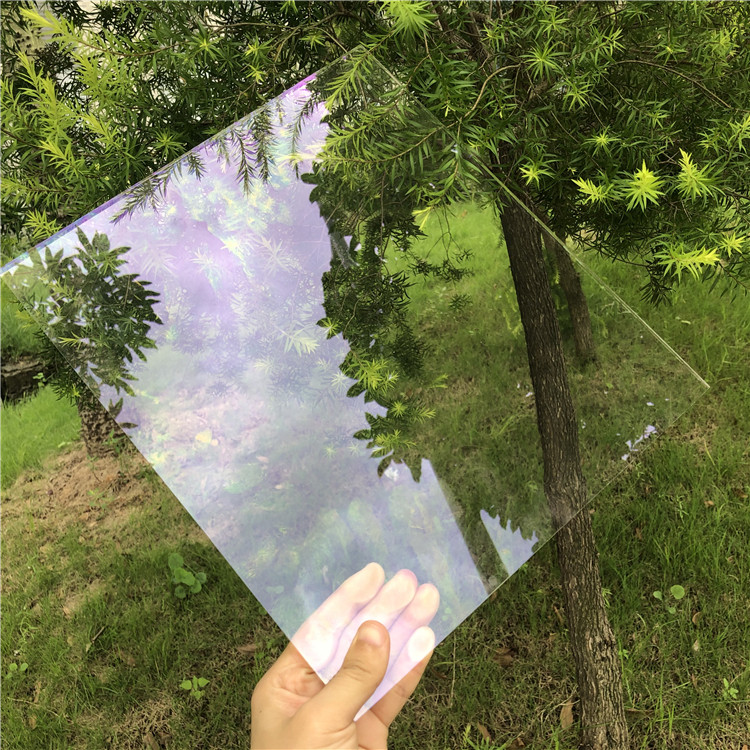
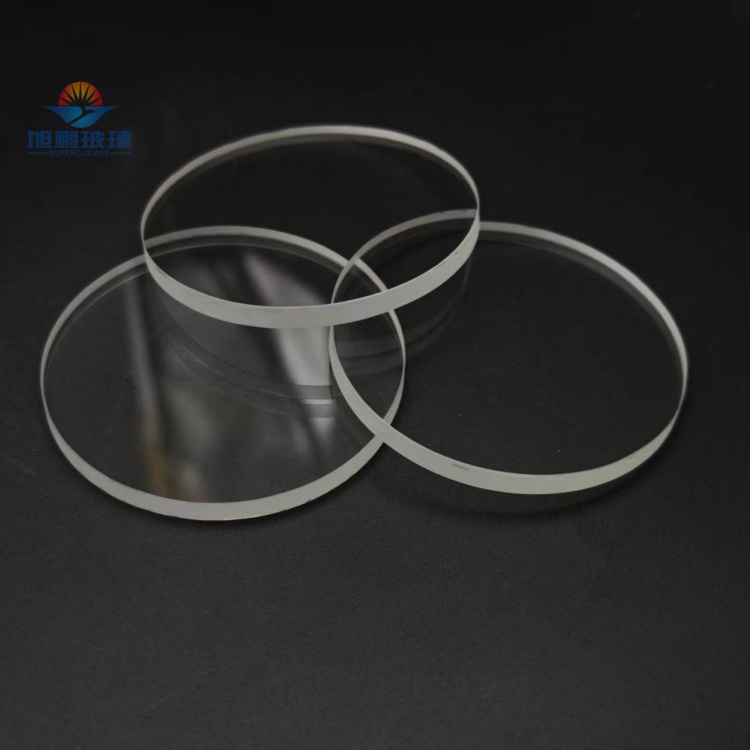
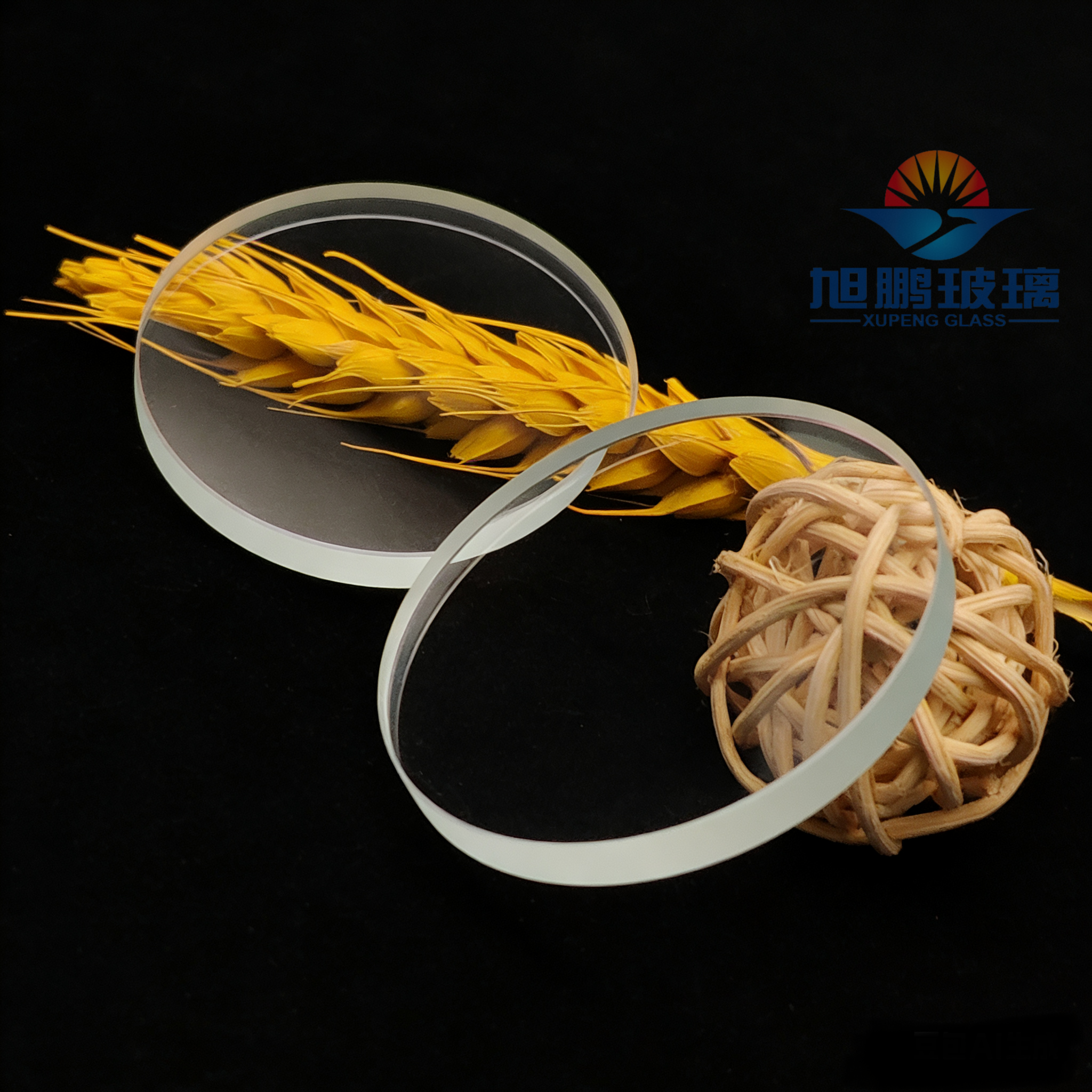
These eight products reflect the requests our engineers see most often: alkali-free optical substrates, CNC-processed low-iron tempered glass, AR-coated display glass, welding filter glass, K9 optical glass, precision polished low-iron panels and wafer substrates. Each can be reviewed as a flat or formed component for a custom bent glass program, subject to drawing and process validation.

Need a size, coating or bend radius that is not listed? Get a Quote and send your drawing for engineering review.

2018Founded / onsite-verified supplier
51–100Skilled employees
≤7hAverage response time
6+Key export markets
1,001–2,000m² facility footprint
Industry White Paper

Bent Glass Is an Engineered Interface, Not a Commodity Sheet

The phrase “custom OEM bent glass suppliers & wholesalers” can hide very different requirements. A curved cover for a medical HMI, a printed appliance fascia and a high-temperature optical window are not interchangeable purchases, even when they share a similar outline.

Procurement teams often begin with a price per square metre, but a custom bent glass component is defined by its interface to the rest of the product. For a curved display cover, the critical variables are bend radius, thickness, optical distortion, hole position, edge condition, ink step height and coating durability. For a high-temperature viewport, the same shape may need a quartz, sapphire or borosilicate substrate instead of soda-lime glass. Selecting a supplier before the process route is understood is the most common source of late-stage redesign.

Information gain begins with the drawing review. A useful supplier will ask for the 3D stack-up, tolerance chain, bending axis, print side, coating side, expected cleaning chemicals and packing constraints. From those inputs, the engineer can propose a bill of process: cut, CNC, edge, drill, bend or thermal form, temper, print, coat, inspect and pack. If holes are close to a bend, or a printed window crosses a high-stress area, the supplier should flag the risk before a sample is made.

For wholesale and distributor buyers, the same logic applies at portfolio level. A supplier that can process flat and curved tempered glass, ultra-clear low-iron glass, AR/AG coated glass, silk-screen printed glass and optical materials can reduce the number of vendors, incoming inspections and packaging specs your team must manage. That is why qualified bent glass sourcing is increasingly a capability decision, not simply a price comparison.

RFQ data that shortens the review

  • 3D model, CAD, DXF or PDF drawing with bend radius and bending axis
  • Glass type, thickness, tolerance chain and assembly stack-up
  • Edge profile, holes, cut-outs, print side and coating side
  • Target quantity, sample plan, test standard and destination
  • Cleaning chemicals, outdoor exposure and packing constraints

Search intent: qualified manufacturer

Buyers searching for bent glass suppliers usually need proof of forming, CNC, tempering and coating capability — not just a catalogue page. Ask for the process route for your specific geometry.

Compare capability, not price alone

A low piece price can disappear after tooling, rework, breakage and delayed samples. Compare suppliers on engineering feedback, first-pass yield, packing and communication speed.

Validate with a drawing-based RFQ

The fastest way to separate a capable OEM bent glass supplier from a reseller is to request a manufacturability review against your actual drawing and target test standard.

Selection Matrix

Material & Coating Selection Guide for Bent and Flat Glass Programs

Use this reference to shortlist a substrate before your engineering team commits to a drawing. Final specifications must be confirmed against the application, tolerance chain and agreed test method.

Glass typeTypical propertyBest-fit applicationsAvailable processing
Low-iron curved tempered~91% visible transmission; no green edge tint; tempered strength approximately 4–5× annealed glassControl panels, appliance fronts, LED lighting, display coversCNC, edge, drill, bend, temper, print, AR/AG
AR coated glassSurface reflection reduced to roughly 0.5–1% per sideTouch modules, AIO PCs, instrument windows, museum glazingSingle/double-side AR, tempering, printing
AG anti-glare glassMicro-textured surface diffuses glare; gloss and haze selectableOutdoor LCDs, industrial HMI, kiosks, POS terminalsEtched AG, AG + AR, tempering
Silk-screen printed temperedFired ceramic ink fused into glass for durable graphicsInstrument panels, appliances, switch and socket coversMulti-color printing, IR/window ink, holes
K9 optical glassBorosilicate crown glass; nd ≈ 1.5168; low inclusionsLenses, prisms, optical instrument windowsPrecision polishing, coating, CNC edging
Fused quartzHigh UV transmission and excellent thermal shock resistanceUV curing, UV disinfection, high-temperature viewportsThick-gauge cutting, polishing, drilling
Sapphire glassMohs hardness 9; melting point approximately 2,040°CSensor covers, high-temperature and scratch-critical windowsCutting, polishing, chamfering
Corning EXG alkali-freeAlkali-free aluminoborosilicate; low CTE around 3.2 ppm/°CSemiconductor wafers, MEMS, display substratesDouble-side polishing, wafer dicing
Ultra-thin flexible glassThickness down to 0.03 mm with bendabilityFoldable displays, flexible electronicsPrecision cutting, edge strengthening

Values are typical reference data for material selection. Final specifications are confirmed against your drawing and agreed test standard before mass production.

Procurement Outlook

Procurement Trends Reshaping Bent Glass Wholesale, 2025–2030

Buyers are not only looking for more shapes. They are looking for lower supply-chain risk, faster engineering loops and documented quality that can be defended in an audit.

Consolidated glass supply

OEMs increasingly prefer one qualified partner for flat glass, curved glass, printed glass and optical materials to reduce vendor audits and incoming inspection points.

Drawing-led RFQs

Buyers now send CAD, tolerance stacks and test standards earlier. Suppliers that return manufacturability feedback before quoting win more samples and reduce revision cycles.

MOQ flexibility with traceability

Pilot quantities and sample programs are becoming more common, but buyers still expect batch labeling, process records and a clear route from sample approval to mass production.

Total landed cost and risk

Fragile-goods packing, Incoterms, breakage allowance and response speed now sit inside the sourcing scorecard, not outside it.

Product Development

Where Bent Glass Product Development Is Heading Next

Shape is only one part of the next generation of glass components. The winning designs combine form, optical function, printing and durability in one qualified part.

Bend plus function integration

Curved covers increasingly combine dead-front printing, AR/AG treatment, touch-sensor integration and hidden cut-outs in a single glass part.

Low-iron clarity with anti-glare

Outdoor HMI, EV charging and industrial display designs are pushing for high clarity without mirror-like reflections or distracting hotspots.

Advanced optical materials

Corning EXG, fused quartz, sapphire and ultra-thin flexible glass are moving from niche requests into mainstream engineering conversations.

Thin, light and still durable

Thickness reduction is only useful when edge quality, tempering route, coating adhesion and packing protection are engineered together.

Company Advantage

E-E-A-T in Practice: Why AUVE Glass Fits OEM Sourcing Teams

Dongguan AUVE Glass Co., Ltd. is a deep-processing glass manufacturer integrating R&D, design, production and export in Songshan Lake, Dongguan — one of China’s electronics and optoelectronics clusters. Founded in 2018, the company operates with 51–100 skilled employees and a 1,001–2,000 m² facility.

Its product scope covers flat and curved tempered glass, ultra-clear low-iron glass, laminated and painted glass, AR anti-reflective and AG anti-glare coated glass, silk-screen printed glass, touch screen and LCD cover glass, LED lighting glass, instrument glass, and optical materials such as K9, quartz, sapphire, borosilicate, Corning EXG alkali-free glass and ultra-thin flexible glass.

Guided by its stated philosophy of “focusing on high-end glass, pioneering and innovating”, AUVE supports OEMs, brand owners and distributors with drawing-based engineering review, documented production steps and export-ready packing. The supplier profile includes onsite inspection verification, credit index, transaction level, trade capacity, ratings and reviews, and trade history — practical evidence that procurement teams can check before a sample or bulk order.

Onsite-checked supplierCredit indexTransaction levelTrade capacityRatings & reviewsTrade history

Factory-direct process control

Deep-processing steps are managed under one quality system, from raw sheet selection to final packing. This is not a catalogue-only reseller model.

Drawing-led engineering review

Send CAD, DXF or PDF with thickness, tolerance, edge, hole, printing and coating requirements. The team reviews manufacturability before production.

Integrated process chain

CNC cutting, edging, drilling, tempering, silk-screen printing, AR/AG coating and optical polishing can be combined in one production plan.

Documented quality & traceability

Dimensional, visual and optical checks are aligned with the drawing, while batch labeling supports traceability from raw sheet to packed carton.

Export packing & trade terms

Protective film, interleaving paper, foam corners and wooden crates or reinforced cartons support FOB, CFR, CIF, EXW, DDP, DDU, DAF and express shipments.

Fast technical response

Average response time is within 7 hours. For urgent sourcing, email info@auveglass.com with your drawing and target quantity for an engineering review.

Manufacturing Route

From Drawing to Export Carton: A Controlled Bent Glass Process

Each route is finalized after drawing review. Not every print or coating survives every forming step, so the bill of process must be agreed before tooling and samples.

STEP 01

Drawing & DFM review

Review geometry, bend radius, tolerance stack, edge profile, holes, print side and coating side before quoting.

STEP 02

Cutting & CNC

Automatic and CNC cutting from float, low-iron and optical stock, followed by shape verification.

STEP 03

Edging, drilling & beveling

Edge grinding, beveling, grooving, holes and laser punching are controlled against the drawing.

STEP 04

Bending, tempering & printing

Flat or curved thermal routes are matched with high-temperature ceramic ink, logos, windows and icons.

STEP 05

Coating & inspection

AR, AG, mirror and functional coatings are applied, then checked for dimensions, appearance and optical performance.

STEP 06

Packing & export

Protective film, interleaving paper, foam corners and wooden crates or reinforced cartons protect fragile parts.

Buyer FAQ

Frequently Asked Questions from Bent Glass Buyers

Straight answers for procurement and engineering teams comparing custom OEM bent glass suppliers and wholesalers.

Are you a manufacturer or trading company?

AUVE is a deep-processing glass manufacturer integrating R&D, design, production and export, with manufacturer and trading business type. Buyers can place a factory-direct technical RFQ while relying on export documentation and packing support.

Can you produce custom bent glass to my drawing?

Yes. Send a CAD, DXF or PDF drawing with thickness, tolerance, edge, hole, printing and coating requirements. For curved parts, include bend radius, bending axis, assembly stack-up and target test standard. Engineers review manufacturability before production, covering CNC cutting, edging, drilling, tempering, silk-screen printing and AR/AG coating.

What is the minimum order quantity?

MOQ depends on material and process. Many coated and optical glass parts start from 10 to 50 pieces, while standard ultra-clear tempered parts typically start from 100 to 500 pieces. Sample and pilot quantities can be discussed for new projects.

Which glass materials can you process?

Flat and curved tempered glass, ultra-clear low-iron glass, laminated and painted glass, AR anti-reflective glass, AG anti-glare glass, silk-screen printed glass, touch/LCD cover glass, LED lighting glass, instrument glass, K9, quartz, sapphire, borosilicate, Corning EXG alkali-free glass and ultra-thin flexible glass.

Which Incoterms and shipping methods do you support?

FOB, CFR, CIF, EXW, DDP, DDU, DAF and express delivery are supported. Export packing is designed for fragile glass parts, with protective film, foam corners and wooden crates or reinforced cartons as required.

How quickly do you reply to technical inquiries?

Average response time is within 7 hours. Email info@auveglass.com with your drawing, target quantity and test standard for an engineering review.

Which markets do you export to?

Glass products are exported to the United States, Canada, Russia, South Korea, Japan, Australia and other markets, covering OEM, brand-owner and distributor requirements.

How do you control quality and export packing?

Incoming sheet inspection, in-process checks on dimensions, edges, holes, print and coating, final visual and dimensional review, and batch traceability are aligned with the drawing. Packing uses interleaving film or paper, foam corner protection and fumigation-free wooden crates or reinforced cartons for fragile glass parts.

Next Step

Have a Bent Glass Drawing? Get an Engineering Review.

Share size, thickness, bend radius, tolerance, edge, hole, printing and coating requirements, target quantity and destination. Our team will confirm material, process route and lead time — usually within 7 hours.

Get a Quote Email: info@auveglass.com · Fragile-goods export packing · Global wholesale support