Recommended Custom OEM Glass Products for Curved, Coated & Precision Applications
Each product in this series is production-ready and can be adapted in size, thickness, edge profile, holes, printing, coating and packing. Product links are preserved exactly for fast specification review.
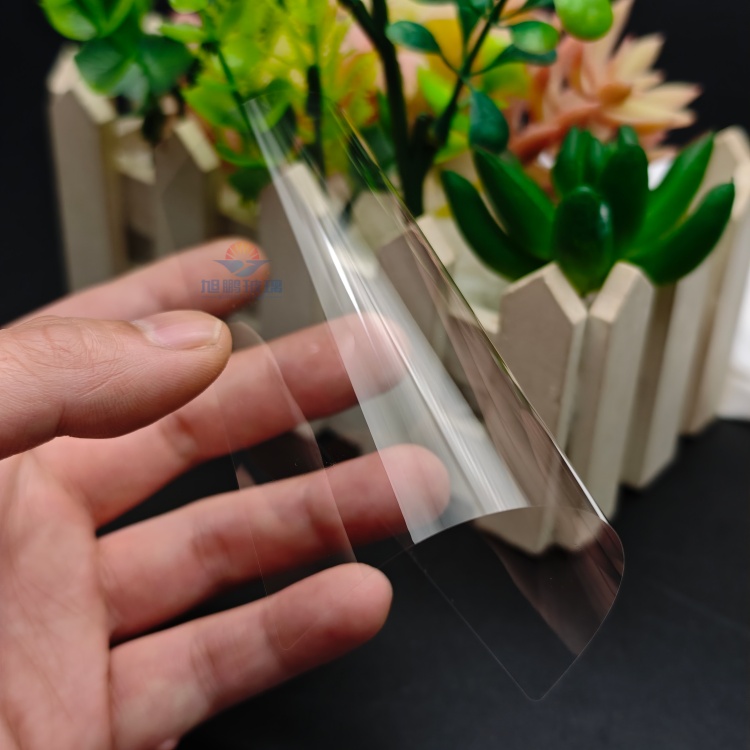 UTG
Ultra-thin Flexible UTG Glass, Bendable and Foldable
Thin flexible glass for foldable display, commercial aerospace and new energy projects, with careful edge handling and lamination support.
 AR Ready
Ultra-white Tempered Glass, AR Anti-Reflection Coatable
High light transmittance and anti-reflective performance for display windows, HMI covers, smart panels and premium lighting fixtures.
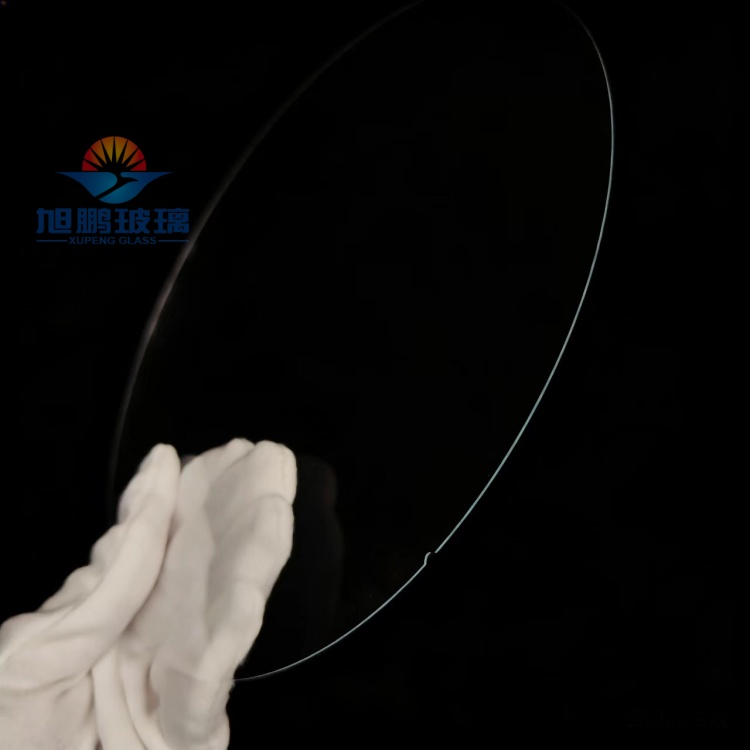 Wafer
Corning EXG Glass Wafer, Double-Sided Polished
Custom-fabricated alkali-free glass wafers for semiconductor, MEMS and precision optical substrate projects requiring stable flatness.
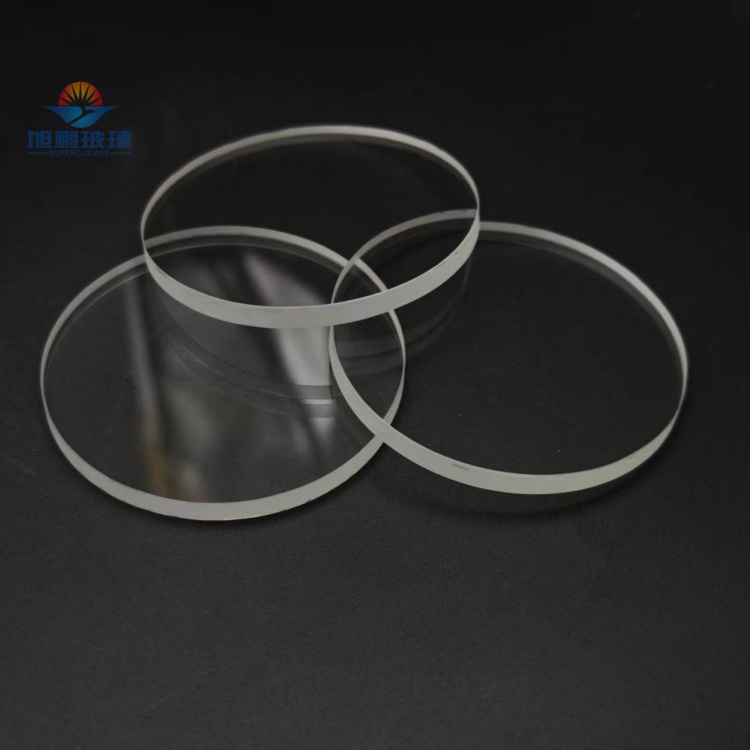 Optical
K9 Optical Glass (K9 Crystal Glass) for Optical Instruments
Polished K9 optical glass for lenses, prisms, windows and instrument components, with CNC edging and coating options.
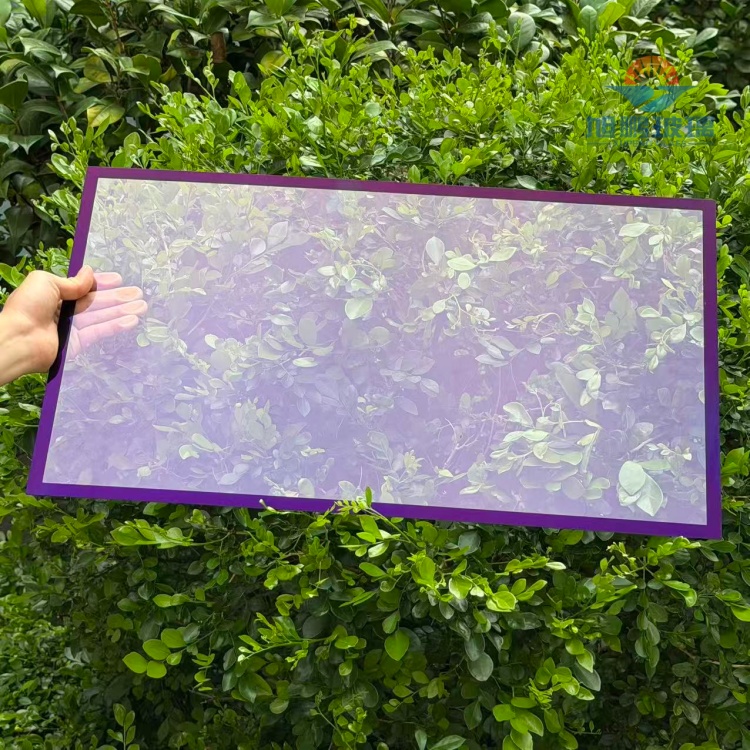 Large Format
27-inch All-in-One PC AR Coated Glass
Large-format AR coated cover glass for all-in-one PCs, kiosks, commercial displays and industrial control terminals.
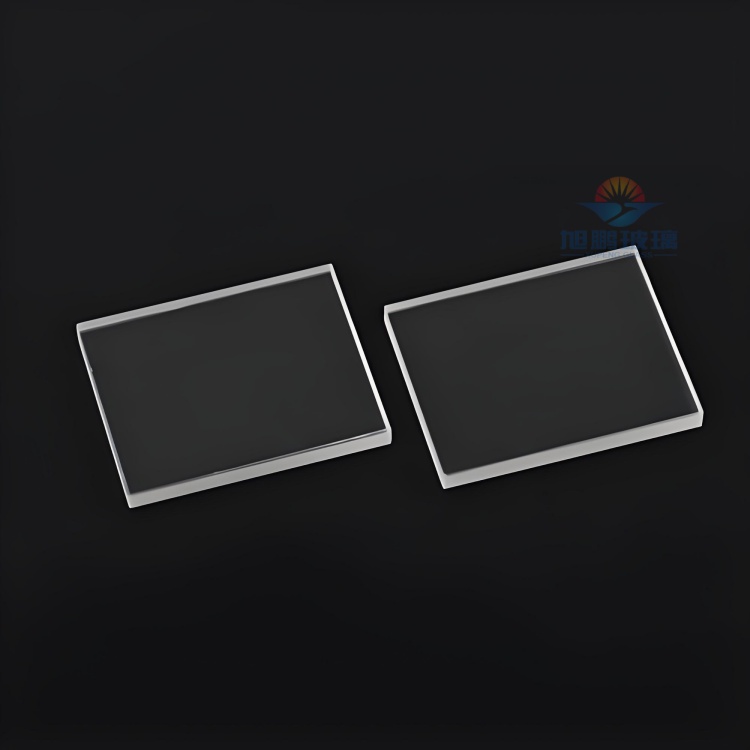 Thermal
High Borosilicate Tempered Glass Window
High-temperature resistant, high-transparency toughened glass windows for equipment, lighting and industrial viewports.
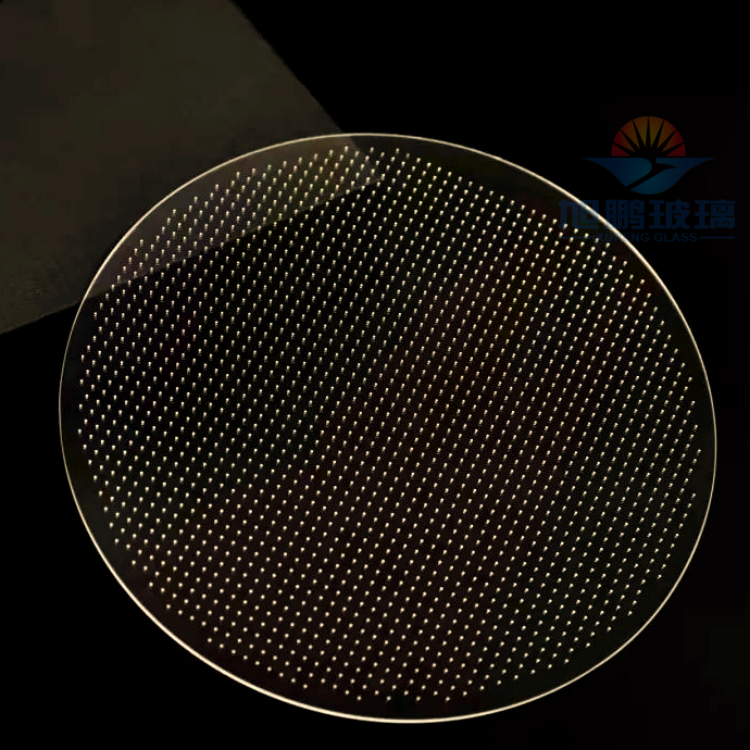 TGV
Schott BF33 TGV Microvia Glass Wafer
Packaging substrate glass wafer for sensors and chips, with engineering review for microvia layout, flatness and dicing requirements.
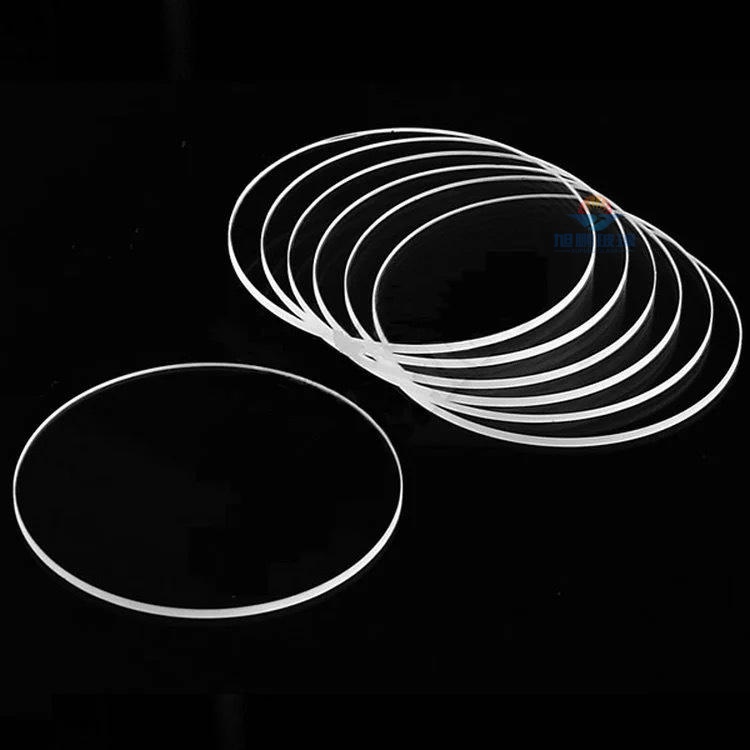 UV
Corning EXG Alkali-Free UV Optical Window Substrate
High UV transmittance alkali-free glass for optical windows, sensors and precision devices requiring low thermal expansion.
What a Qualified Custom OEM Curved Glass Exporter Must Prove
Buyers searching for a custom OEM curved glass exporter are not simply comparing photographs or unit prices. They are evaluating whether a supplier can convert a drawing into a repeatable process, protect optical performance through coating and tempering, pack fragile parts for global freight, and answer technical questions before production begins. That is the practical meaning of E-E-A-T in this category: experience on the shop floor, engineering expertise, an authoritative process system and reliable export execution.
The highest risk in curved glass sourcing is rarely the first sample. It is the variation that appears between the pilot batch and mass production: a bend radius that drifts, an AR coating that changes reflection, a printed window that misaligns, or packaging that survives one shipment but not the next. A qualified exporter controls these variables with documented specifications, in-house process capability and batch-level traceability from raw sheet to packed carton.
Engineering Intent
A real OEM partner must translate thickness, bend radius, edge chip allowance, hole position, printing registration, coating side and tempering sequence into a controlled route. If a supplier only quotes a size, it is acting as a trader rather than a manufacturing partner.
- Drawing review before quotation
- Substrate and process recommendation
- Sampling plan tied to assembly risk
Quality Evidence
Ask how quality is measured, not just whether it is “good.” Dimensional inspection, flatness, coating adhesion, transmittance or reflectance, visual defect limits under controlled lighting and export packing validation should be agreed before mass production.
- Defect and tolerance standards
- Batch labeling and traceability
- Fragile-goods package design
Supply Reliability
Curved and coated glass projects often run against tight NPI deadlines. Fast technical response, clear Incoterms, export experience and a documented escalation path matter as much as machine lists. A typical response within seven hours keeps engineering decisions moving.
- Export markets already served
- FOB, CIF, DDP and express options
- Credit and trade history checks
Curved Glass Procurement: Match the Glass Route to the Application
For OEM buyers, the fastest way to reduce sampling cycles is to specify the application, environment and optical target before choosing a substrate. The matrix below is a practical shortlist for engineering and sourcing teams.
| Application | Recommended Glass Route | Why It Matters | Specify Before RFQ |
|---|---|---|---|
| Foldable / flexible display | Ultra-thin flexible UTG glass | Supports bendability, thin-stack design and premium surface performance | Thickness, bend radius, edge quality, lamination method |
| Industrial HMI / touch panel | Ultra-clear tempered glass with AR or AG | Improves readability, contrast and glare control in different lighting | Transmission, haze, gloss, coating side, print window |
| All-in-one PC / kiosk | Large-format AR coated cover glass | Reduces reflection across a large viewing area and protects the display | Flatness, coating uniformity, bezel print, edge profile |
| Optical instrument | K9 optical glass / precision polished substrate | Image quality depends on material consistency and surface finish | Refractive index, scratch/dig, polish grade, coating |
| Semiconductor / sensor substrate | Corning EXG or BF33 TGV glass wafer | Alkali-free composition and flatness support demanding device processes | CTE, flatness, surface roughness, via layout, dicing |
| High-temperature viewport | High borosilicate, quartz or sapphire glass | Thermal shock resistance protects equipment and operator safety | Maximum temperature, mounting, edge finish, optical clarity |
How Custom Curved Glass Wholesale Buying Is Changing
Procurement teams are moving away from transactional purchasing and toward supplier platforms that can combine engineering review, multi-process finishing and export reliability. For a curved glass wholesaler, this shift rewards documented capability over generic catalog listings.
Consolidated Process Sourcing
Buyers want one qualified supplier to manage cutting, CNC, tempering, printing, coating and packing. Fewer handoffs reduce hidden coordination cost and quality disputes.
Drawing-Led RFQs
RFQs increasingly include CAD, DXF or PDF drawings with tolerance, edge, hole and coating requirements. Suppliers that review manufacturability before quoting win more serious projects.
Dual-Region Risk Mitigation
Brand owners are qualifying secondary sources and asking for clearer documentation of process control, packing standards and shipment history to protect production continuity.
Traceability & Packing Data
Batch labels, inspection records, material identification and fragile-goods packing are becoming part of the purchasing decision, not an afterthought after the PO is issued.
Where Curved, Coated and Precision Glass Is Heading
The product roadmap is being shaped by thinner devices, more demanding optical stacks, semiconductor packaging and high-temperature industrial equipment. These trends directly affect what OEM buyers should specify today.
Flexible & Curved Integration
UTG and curved cover glass are moving beyond prototype programs into foldable, wearable and premium industrial designs. Edge quality and thin-glass handling become critical process controls.
AR/AG Multifunction Stacks
Display covers increasingly combine anti-reflection, anti-glare, high transmission and printed graphics. Coating uniformity and layer durability must be agreed with the display stack.
Semiconductor & Sensor Glass
Corning EXG, BF33 TGV and precision wafers are gaining attention in sensors, MEMS and chip packaging. Flatness, CTE and via quality matter more than decorative appearance.
Thermal & UV Performance
High-borosilicate, quartz and sapphire glass are specified where thermal shock, UV transmission or scratch resistance cannot be compromised. Material grade should be matched to the environment.
Why AUVE Glass Supports Demanding OEM Glass Programs
Dongguan AUVE Glass Co., Ltd. integrates R&D, design, production and export in Songshan Lake, Dongguan. Our philosophy is “focusing on high-end glass, pioneering and innovating”, supported by a practical process system rather than a catalog-only sales model.
Factory-Direct Deep Processing
Flat and curved tempered glass, ultra-white glass, laminated and painted glass, LCD and touch glass, smart panel glass, LED glass, instrument glass, AR high-transmittance glass and AG anti-glare glass are processed under one quality system.
Drawing Review Before Quotation
Send CAD, DXF or PDF drawings with thickness, tolerance, edge, hole, printing and coating requirements. Our engineers review manufacturability across CNC cutting, edging, drilling, tempering, silk-screen printing and AR/AG coating.
Six Controlled Production Steps
Precision cutting, CNC edging and drilling, flat or curved tempering, high-temperature silk-screen printing, functional coating and final QC with export packing are controlled as a connected route.
Batch Traceability & QC
Production follows defined process standards and a documented quality management system, helping keep each batch traceable from raw sheet to packed carton and reducing assembly-line surprises.
Export-Ready Trade Support
We support FOB, CFR, CIF, EXW, DDP, DDU, DAF and express delivery, with export packing designed for fragile glass parts. Products are exported to the United States, Canada, Russia, South Korea, Japan, Australia and other markets.
Verifiable Supplier Credentials
Buyers can review onsite verification, credit index, transaction level, trade capacity, trade history and genuine ratings. Average technical response is within seven hours, helping sourcing teams move faster with confidence.

Deep-processing workshop for tempered, coated and printed glass parts.

CNC, edging, drilling and finishing equipment support drawing-based production.

Final inspection and protective packing before global shipment.
From Raw Sheet to Finished Part: A Repeatable Glass Route
Controlling each step in-house shortens lead times, protects tolerances and lets engineers solve issues before they reach the buyer’s assembly line. The workflow below reflects the core capabilities described on the original AUVE Glass site.
01 · Precision Cutting
Automatic and CNC cutting from float, low-iron and optical glass stock according to the approved drawing.
02 · CNC Edging & Drilling
Edge grinding, beveling, grooving, holes and laser processing are reviewed against handling and assembly risks.
03 · Tempering
Flat and curved thermal tempering improves impact and thermal resistance for safety-related and industrial parts.
04 · Silk-Screen Printing
High-temperature ceramic inks support logos, windows, icons and multi-color graphics with controlled registration.
05 · AR / AG Coating
Anti-reflective, anti-glare, mirror and functional coatings are specified by application, lighting and optical target.
06 · QC & Export Packing
Dimensional, visual and optical checks are followed by interleaving film, foam corners and protective crates or cartons.

12 Specifications to Confirm Before Ordering Custom Curved Glass
This checklist is written for procurement and engineering teams who want fewer sample loops, clearer quotations and fewer disputes after mass production begins.
Substrate Grade
Define ultra-clear, borosilicate, K9, quartz, sapphire, EXG, BF33 or other material.
Thickness
State nominal thickness, tolerance and whether thinning or polishing is allowed.
Curvature / Bend Radius
Provide 2D or 3D geometry, bend direction and allowable optical distortion.
Dimensional Tolerance
Separate critical assembly dimensions from cosmetic or non-critical edges.
Edge Profile
Specify flat polish, bevel, chamfer, round edge or special profile.
Holes & Grooves
Confirm location, diameter, edge-chip allowance and whether drilling occurs before tempering.
Tempering Requirement
State safety, thermal or impact requirements and any fragment standard.
Printing & Windows
Provide ink color, coverage, window opening and registration tolerance.
AR / AG Target
Define transmission, reflection, haze or gloss on the correct surface.
Optical Acceptance
Agree scratch/dig, inclusion, surface and visual inspection criteria.
Packaging
Confirm interleaving, corner protection, crates or cartons and labeling.
Trade Terms
Agree Incoterm, batch traceability, inspection documents and lead-time milestones.
Lowest Quote vs. Engineered Supply: The Real Cost Difference
In curved and coated glass, a low unit price can disappear quickly when rework, line stoppage, resampling or freight damage is added. The stronger supplier is not always the cheapest quote; it is the one that reduces variation and protects the assembly schedule.
Price-Only Sourcing Risk
Missing process review can create unclear tolerances, weak packing and inconsistent coating. The buyer may save on the PO but pay later through sorting, replacement and delayed production.
- Unclear acceptance criteria
- Higher sample loops
- Unexpected freight damage
Engineered Supply Model
A drawing-led supplier aligns material, process route, inspection and packing before quotation. This reduces hidden cost and gives the sourcing team a clear basis for comparing suppliers.
- Manufacturability feedback
- Defined QC and packing
- Traceable batch records
Procurement Advantage
When engineering and sourcing use the same specification language, quotations become comparable and project risk becomes visible earlier. That is how custom glass sourcing protects margin.
- Faster technical decisions
- Clearer supplier comparison
- Better NPI predictability
Frequently Asked Questions About Custom Curved Glass Sourcing
These are the questions engineering and purchasing teams ask most often when evaluating a custom OEM curved glass exporter and wholesaler.
Can you produce curved tempered glass to my own drawing?
Yes. Send a CAD, DXF or PDF drawing with thickness, tolerance, bend radius, edge, hole, printing and coating requirements. Our engineers review manufacturability before production and confirm the process route for cutting, edging, drilling, tempering, printing and coating.
Which glass types can be combined in one project?
We process flat and curved tempered glass, ultra-clear low-iron glass, laminated and painted glass, AR anti-reflective and AG anti-glare coated glass, silk-screen printed glass, LCD and touch cover glass, instrument glass, and optical materials such as K9, quartz, sapphire, borosilicate, Corning EXG and BF33 TGV glass wafers.
What coatings and finishes are available?
Options include AR anti-reflection, AG anti-glare, mirror coating, high-transmittance finishes, high-temperature silk-screen printing, CNC edging, drilling, beveling and custom cut-outs. The exact coating side, optical target and durability test should be confirmed on the drawing.
What is the minimum order quantity?
MOQ depends on material and process. Many coated and optical glass parts start from 10 to 50 pieces, while standard ultra-clear tempered parts typically start from 100 to 500 pieces. Sample and pilot quantities can be discussed for new projects.
Which Incoterms and shipping methods do you support?
We support FOB, CFR, CIF, EXW, DDP, DDU, DAF and express delivery. Export packing is designed for fragile glass parts, with protective film, interleaving, foam corner protection and wooden crates or reinforced cartons where required.
How do I start a technical inquiry?
Send your drawing, quantity, application, surface finish, coating requirement and destination market. Our average response time is within seven hours. For engineering review, email info@auveglass.com or use the inquiry button below to share your project details.
Send Your Drawing for a Custom Glass Engineering Review
Share your size, thickness, tolerance, bend radius, coating and finishing requirements. Our team will confirm material, process route, packing and lead time — usually within seven hours. For OEM curved glass, coated display glass and precision optical substrates, start with a drawing-led conversation.
Send an Inquiry