OEM flat glass · optical · display · energy · industrial
Custom OEM Flat Glass Manufacturers & Wholesalers
Factory-direct flat glass engineering for buyers who need drawings, tolerances, coatings, traceability and export-ready packing — not a generic catalog.
Get Catalog8 Custom Flat Glass Products for OEM Procurement
These eight product families cover the most common high-mix inquiries received by flat glass manufacturers and wholesalers: flexible UTG, optical wafers, thick quartz, alkali-free semiconductor glass, ultra-thin Schott substrates, high-temperature ceramic glass, sapphire windows and welding filter glass. Use them as a shortlist, then confirm thickness, edge condition, surface quality, coating, printing and packing against your drawing.

Ultra-thin Flexible UTG Glass, bendable and foldable, suitable for commercial aerospace and new energy industries
Bendable glass for foldable display covers, flexible sensors and lightweight aerospace or energy components. Define bend radius, cycle count, edge quality and strengthening route before tooling.
View product
Corning Ultra-Thin Glass Sheet, Optical Grade Glass Wafer Substrate with Chamfered Edge
Optical-grade ultra-thin glass with chamfered edge for wafer handling, optical windows and precision carriers. Chamfer control helps reduce edge chipping during cleanroom handling.
View product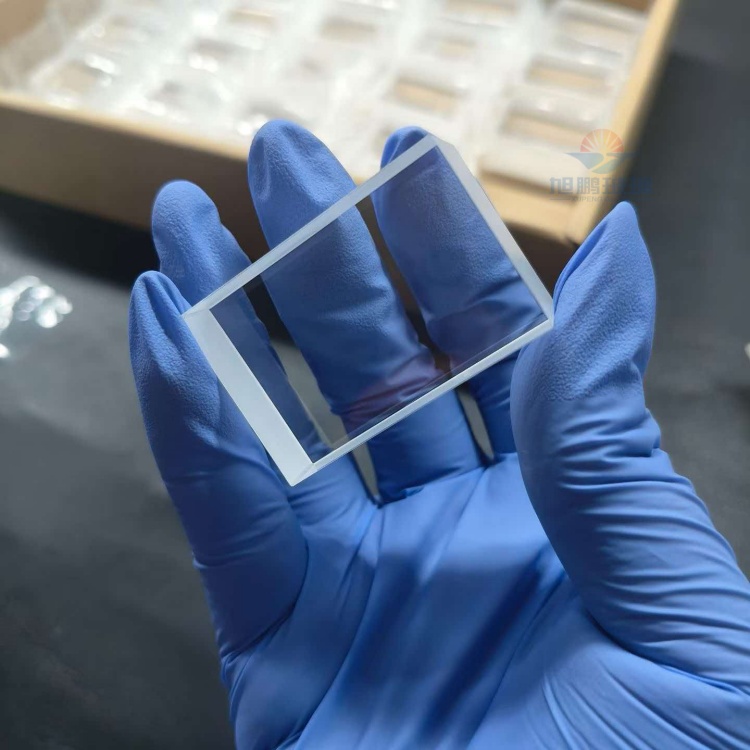
High UV Transmission Thick Gauge Thick Quartz Glass Plate
Thick fused quartz for UV curing, disinfection chambers and high-temperature viewports. Confirm wavelength band, transmission target, thermal shock profile and polished-face protection.
View product
Corning EXG Glass Wafer Double-Sided Polished for Custom Semiconductor Glass Wafers & Solar Panels
Alkali-free, double-side polished EXG glass wafer for semiconductor, MEMS and solar substrate work. Low CTE and clean packaging matter for downstream wafer processing.
View product
Schott Ultra-thin Optical Glass Sheets, 0.1mm, 0.5mm, 0.7mm, 1.1mm, Raw Semiconductor Electronic Glass Substrates
Thin Schott glass substrates for optical, electronic and semiconductor programs. Specify thickness tolerance, flatness, surface quality and dicing method before quotation.
View product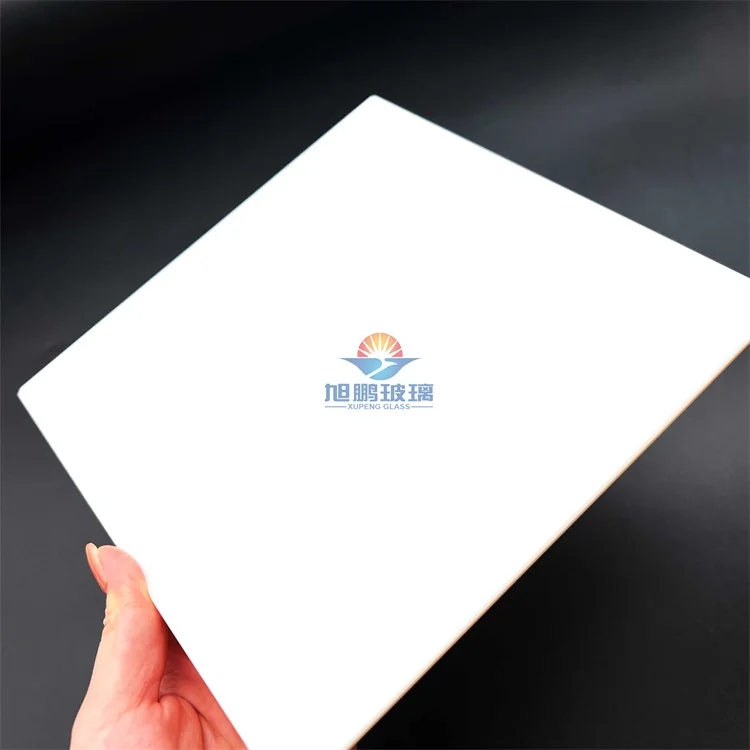
White Ceramic Glass-Ceramic, 4mm & 6mm, High Temperature Resistant Glass-Ceramic
White glass-ceramic for high-temperature appliance windows, industrial covers and thermal-shock applications. Review frame design and sealing method to avoid CTE mismatch.
View product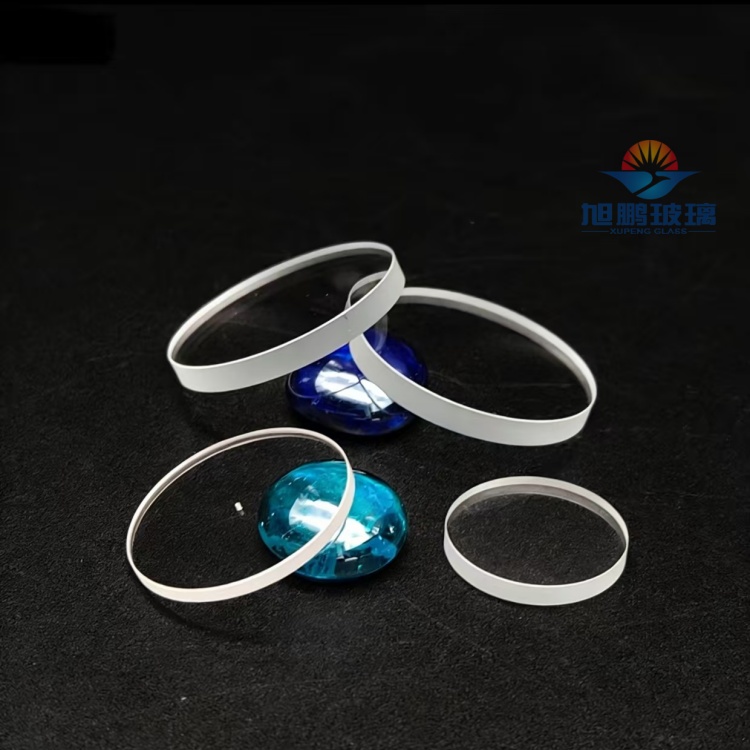
Sapphire Glass Step Window Wafers, High Temperature Resistant & High Light Transmittance Optical Sapphire Lenses
Sapphire step windows and lenses for high-temperature, scratch-critical and optical sensor windows. Define step dimensions, chamfer, surface quality and transmission band.
View product
Welding Black Filter Glass, Beveled Edge Grinding, Long Irregular-shaped Welding Filter Glass
Black welding filter glass for helmets, goggles and protective windows. Beveled edge grinding and irregular shapes are available; optical density and batch color should be agreed.
View productWhat a Qualified OEM Flat Glass Partner Looks Like
A custom flat glass program is not a commodity purchase. A display cover, semiconductor wafer, UV quartz window and welding filter may all look like “flat glass,” yet their failure modes, inspection criteria and packing risks are different. Buyers now ask for drawing-led engineering, batch traceability and total landed cost — not just a price per square meter.
Flat Glass Procurement Trends for 2025–2026
The sourcing brief is changing. Buyers are not only asking for a price per square meter; they ask how the supplier will protect the assembly line, the end product and the launch schedule. That is why qualified supply relationships are replacing one-off lowest-price auctions for custom OEM flat glass.
Dual-source qualification
A single qualified source is no longer enough for many OEMs. Expect to prove repeatability across two batches and provide a second-source path for strategic parts, especially coated or optical glass.
Drawing-led RFQs
CAD, DXF or PDF drawings with thickness, tolerance, edge, hole, printing, coating and surface quality will replace loose email descriptions. The drawing becomes part of the quality contract.
Total landed cost
Packaging validation, breakage rate, lead time, Incoterms and customs documentation become part of the quote. A low unit price with weak export packing can be the more expensive route.
Batch traceability
Raw glass lot, process route, coating run, inspection result and packing label should be linkable. Traceability shortens root-cause analysis if a field issue appears.
Pilot-to-production flexibility
Sample and pilot quantities are discussed before mass production, especially for coated, printed and optical parts. A supplier should be able to explain how pilot data carries into the production batch.
Compliance and ESG evidence
Material declarations, packing choices and supplier audit readiness are increasingly requested. Reliable flat glass manufacturers keep documents organized so procurement can move without chasing paperwork.
Where Flat Glass Performance Is Heading
The next product cycle is being shaped by thinner substrates, integrated coatings and higher-temperature materials. For OEM buyers, the practical question is not simply “which glass is available?” but “which glass, process and inspection method will survive the application?”
Thinner, bendable glass
Ultra-thin glass down to the 0.03 mm class is moving from demonstration into foldable displays, flexible sensors and lightweight electronics. Bend radius, fatigue cycles and edge micro-crack limits must be agreed early.
Coatings become part of the stack
AR anti-reflective, AG anti-glare, anti-fingerprint, easy-clean and hard-coat layers are being specified together. Durability tests such as abrasion, humidity and salt fog should be written into the RFQ.
Semiconductor-grade alkali-free glass
Corning EXG and Schott ultra-thin substrates support semiconductor, MEMS and display work where low CTE, flatness and particle control matter. Double-side polishing and clean packaging are part of the product, not an afterthought.
High-UV quartz and sapphire
UV curing, disinfection and high-temperature sensing continue to drive demand for high-transmission quartz and sapphire windows. Transmission band, thermal shock and scratch resistance need to be matched to the equipment.
Ceramic glass for thermal shock
White glass-ceramic in 4 mm and 6 mm is used for high-temperature appliance windows and industrial covers. Frame design, sealing method and CTE compatibility are as important as the glass itself.
Precision edge and laser processing
Chamfers, bevels, holes, grooves and irregular outlines are becoming more complex. Stable edge quality reduces chipping during tempering, coating and final assembly, especially in welding filter and instrument glass.
Custom Flat Glass Selection Guide for OEM Buyers
Use this matrix to shortlist the right material and process route before requesting a quote. Final specifications should always be confirmed against your drawing, application risk and agreed test standard.
| Application | Recommended glass / process | Key selection question | Procurement note |
|---|---|---|---|
| Foldable display / flexible electronics | Ultra-thin flexible UTG with chemical strengthening | What bend radius and cycle count are required? | Control edge micro-cracks and agree visual limit samples before pilot build. |
| Semiconductor / MEMS / solar substrate | Corning EXG double-side polished wafer; Schott ultra-thin glass | What CTE, flatness and particle limit apply? | Specify cleaning, packing and wafer dicing method with the drawing. |
| UV curing / disinfection | High UV transmission thick quartz glass plate | What wavelength band and transmission target? | Confirm thickness and thermal shock profile; protect polished faces in transit. |
| High-temperature inspection window | Sapphire step window or white ceramic glass-ceramic | What continuous temperature and sealing method? | Avoid incompatible CTE in the frame design; define chamfer and surface quality. |
| Optical instrument / sensor | Sapphire lens, Schott ultra-thin glass or K9 optical glass | Which refractive index, surface quality and coating? | State scratch/dig, chamfer, flatness and transmission tolerance on the drawing. |
| Welding PPE / filter window | Black welding filter glass with beveled edge | What optical density and outline shape? | Control edge grind and batch color; agree appearance limits for irregular shapes. |
| Display cover / HMI | AR or AG coated tempered glass | What reflection, haze, gloss and durability target? | Agree coating durability test and printing alignment before mass production. |
| Industrial / appliance panel | Ultra-clear tempered glass with CNC holes and silk print | What strength, hole and printing requirements? | Review hole-to-edge distance and ink firing process before tempering. |
Values and material recommendations are typical selection guidance. Final glass grade, tolerance, coating and inspection criteria are confirmed against your drawing and agreed test standard.
How to Vet a Custom OEM Flat Glass Manufacturer
Price is a weak signal on its own. Use the following checks to protect launch timing, field reliability and the credibility of your own supplier qualification file.
DFM review before quotation
Ask for written feedback on edge, hole, coating, printing and tolerance. A supplier that only quotes a price may be an order-taker rather than an engineering partner.
Clear process boundaries
Know what is done in-house and what is subcontracted: cutting, CNC edging, drilling, tempering, printing, coating, polishing and inspection. Transparency reduces surprises.
First article inspection
Request a dimensional report, visual limit sample and, where relevant, coating thickness or transmission data. The first article is how you verify that the drawing has been understood.
Batch traceability
Can the raw sheet lot, printing run, coating batch and final carton label be linked? Traceability is essential when a field issue needs a fast, factual root-cause review.
Verified supplier evidence
Use third-party data such as an onsite-checked profile, credit index, trade capacity, transaction level, ratings and trade history. These records do not replace an audit, but they help you shortlist.
Export packing validation
Fragile glass needs interleaving, corner protection, crates or reinforced cartons. Packing should be validated against the shipping route, handling method and destination climate.



Why OEM Buyers Shortlist Dongguan AUVE Glass
Dongguan AUVE Glass Co., Ltd. is a deep-processing glass manufacturer integrating R&D, design, production and export in Songshan Lake, Dongguan — one of China’s leading electronics and optoelectronics clusters. Founded in 2018, the company has built a practical manufacturing system for buyers who need custom flat glass rather than off-the-shelf stock.
The production scope covers flat and curved tempered glass, ultra-clear low-iron glass, laminated and painted glass, LCD and touch screen glass, smart control panel glass, LED lamp glass, instrument glass, AR high-transmittance glass and AG anti-glare glass. Optical materials include K9, quartz, sapphire, borosilicate and Corning EXG alkali-free glass, with CNC cutting, edging, drilling, tempering, silk-screen printing, coating and inspection coordinated around the drawing.
Guided by the philosophy of “focusing on high-end glass, pioneering and innovating,” AUVE keeps investing in skilled engineers and advanced equipment. For international OEM and wholesale buyers, the advantage is not only process breadth; it is the ability to review manufacturability, confirm the process route and keep quality data linked to the batch.
- Business type
- Manufacturer & trading
- Location
- Dongguan, Guangdong, China
- Team size
- 51–100 employees
- Main markets
- USA · Canada · Russia · Japan · Korea · Australia
- Facility
- 1,001–2,000 m²
- Response
- Average within 7 hours
Onsite-checked supplier
Premises and legal status confirmed through third-party onsite verification.
View reportCredit index
Transparent credit profile built on real trading behaviour.
Check indexTransaction level
Verified online transaction records with overseas buyers.
See levelTrade capacity
Export experience, main markets and production capability.
View capacityRatings & reviews
Unfiltered buyer feedback on quality, delivery and service.
Read reviewsTrade history
Documented shipment history across global markets.
View historyFrom Drawing to Export Carton: Six Controlled Stages
Each step should be controlled in-house where possible, because every handoff creates risk for tolerances, surface quality, coating durability and delivery timing. This is the practical meaning of factory-direct engineering for OEM flat glass.
1. Drawing review
Engineers review CAD, DXF or PDF drawings, thickness, tolerance, edge, hole, printing, coating and packing requirements before quotation.
2. Cutting and CNC shaping
Automatic and CNC cutting from float, low-iron, optical and technical glass stock, followed by edge grinding, beveling, grooving and drilling.
3. Tempering or thermal processing
Flat and curved thermal tempering where safety glazing or impact resistance is required, with process parameters matched to the material and design.
4. Printing and coating
High-temperature ceramic ink printing and functional coatings such as AR, AG or mirror layers, specified according to optical and durability requirements.
5. Inspection
Dimensional, visual, optical and functional checks against agreed criteria, with first article inspection and batch records where required.
6. Export packing
Protective film, interleaving, corner protection and crates or reinforced cartons, coordinated with Incoterms, labels and destination handling conditions.
Frequently Asked Questions from OEM Flat Glass Buyers
These are the questions engineering, sourcing and procurement teams ask most often before placing a custom flat glass order.
What is the difference between an OEM flat glass manufacturer and a wholesaler?
A wholesaler mainly trades or distributes stock, while an OEM flat glass manufacturer controls the process route: raw glass selection, cutting, CNC edging, drilling, tempering, printing, coating and inspection. For custom parts, prefer a manufacturer with in-house process control and transparent outsourcing boundaries. A trading company can be useful when it is transparent about the factory, inspection method and traceability.
What should I include in an RFQ for custom flat glass?
Send a CAD, DXF or PDF drawing with material, size, thickness, tolerance, edge condition, holes, cut-outs, printing, coating, surface quality, quantity, target delivery date, destination, packing requirement and Incoterms. Also state the application and any test standard, because a display cover, semiconductor wafer and high-temperature window require different inspection criteria.
What is the minimum order quantity?
MOQ depends on material and process. Many coated and optical glass parts start from 10 to 50 pieces, while standard ultra-clear tempered parts typically start from 100 to 500 pieces. Sample and pilot quantities can be discussed for new projects, especially when the drawing and process route are still being validated.
How are tolerances and edge quality confirmed?
Tolerances should be defined on the drawing and split into critical and non-critical dimensions where possible. Edge condition, chamfer, hole size and flatness should be agreed before production. For risk-critical parts, request a first article inspection report and visual limit samples so both sides interpret surface quality the same way.
Which glass materials and processing options are available?
AUVE Glass processes flat and curved tempered glass, ultra-clear low-iron glass, laminated and painted glass, AR anti-reflective and AG anti-glare coated glass, silk-screen printed glass, LCD and touch screen cover glass, LED lighting glass, instrument glass and optical materials such as K9, quartz, sapphire, borosilicate, Corning EXG and ultra-thin flexible glass.
How is quality controlled and traceability maintained?
Production follows defined process standards and a documented quality management system so each batch can be traced from raw sheet to packed carton. Inspection can include dimensional checks, visual criteria, optical measurements and functional checks. Final specifications are confirmed against your drawing and agreed test standard before mass production.
Which Incoterms and shipping methods are supported?
Export terms include FOB, CFR, CIF, EXW, DDP, DDU, DAF and express delivery. Glass parts are packed for fragile-goods handling, with protective film, interleaving, corner protection and wooden crates or reinforced cartons depending on size, value and route.
Which markets are served and how quickly do technical inquiries receive a reply?
Glass products are exported to the United States, Canada, Russia, South Korea, Japan, Australia and other markets. Average response time is within 7 hours. Email info@auveglass.com with your drawing and quantity for an engineering review.
Send Your Drawing. Get a Manufacturing Review and Catalog.
For OEM and wholesale programs, the fastest route is a complete RFQ. Include material, size, thickness, tolerance, edge, holes, printing, coating, surface quality, quantity, target date, destination, packing and Incoterms. Our team reviews manufacturability, confirms the process route and typically responds within 7 hours.
Need the product catalog for your next flat glass sourcing project?
Get Catalog Engineering inquiries: info@auveglass.com