Why Custom Glass Cover Panels Are Now a Supply-Chain Decision
A custom OEM glass cover panel is no longer selected only by thickness, size, and unit price. It is part of the product interface, the assembly yield, and the perceived quality of display electronics, industrial HMI, appliance controls, lighting fixtures, optical instruments, semiconductor carriers, and UV equipment.
In high-mix OEM programs, a 0.1 mm thickness change, a small edge chip, a 1% reflectance increase, or a printing misregistration can change assembly yield, optical performance, and warranty cost. That is why serious buyers evaluate a glass supplier as a process partner: can the supplier read the drawing, flag manufacturability risks before tooling, control the process route, document inspection, and pack fragile parts for international transit?
Procurement teams are also reducing supplier count. They want one qualified source for ultra-clear tempered glass, AR anti-reflective and AG anti-glare coated glass, precision printed glass, and optical materials such as K9, fused quartz, sapphire, borosilicate, and Corning EXG. This guide explains how to shortlist suppliers, which product directions matter, how to compare quotations, and how to structure an RFQ that protects engineering performance and landed cost.
Three Tests That Separate a Glass Vendor from a Glass Partner
Before comparing price, compare the supplier’s ability to control material clarity, manufacturability, and evidence. These three tests usually reveal whether a quotation is commercially useful or merely optimistic.
Material Clarity vs. Total Cost
Low-iron glass typically delivers about 91% visible light transmission with minimal green edge tint, while tempering raises mechanical strength to roughly 4–5× annealed glass. A low unit price becomes expensive if color, edge clarity, flatness, or coating durability fails at assembly.
Manufacturability Review Before Pricing
Send a CAD, DXF, STEP, or PDF drawing with thickness, tolerance, edge profile, holes, grooves, printing, coating, and application environment. A supplier should confirm the process route — not discover after tempering that a hole, window, or coating requirement should have been handled earlier.
Traceability as Commercial Safeguard
Batch labels, inspection records, surface protection, and packing method are part of quality. For coated or optical glass, the proof is not a photograph — it is a defined measurement method, agreed acceptance criteria, and a repeatable packing standard.
Recommended Custom OEM Glass Cover Panel Portfolio
The eight products below represent real production directions for OEM buyers: ultra-thin semiconductor glass, low-iron tempered panels, thick quartz plates, CNC-processed ultra-clear glass, flexible bendable glass, and optical wafer substrates.

Schott Ultra-thin Optical Glass Sheets, 0.1mm, 0.5mm, 0.7mm, 1.1mm, Raw Semiconductor Electronic Glass Substrates
For MEMS, photonics, thin-film process development, and electronic glass substrates. Thinness alone is not enough: thickness consistency, edge condition, flatness, cleanliness, and carrier strategy determine downstream yield.
View product specification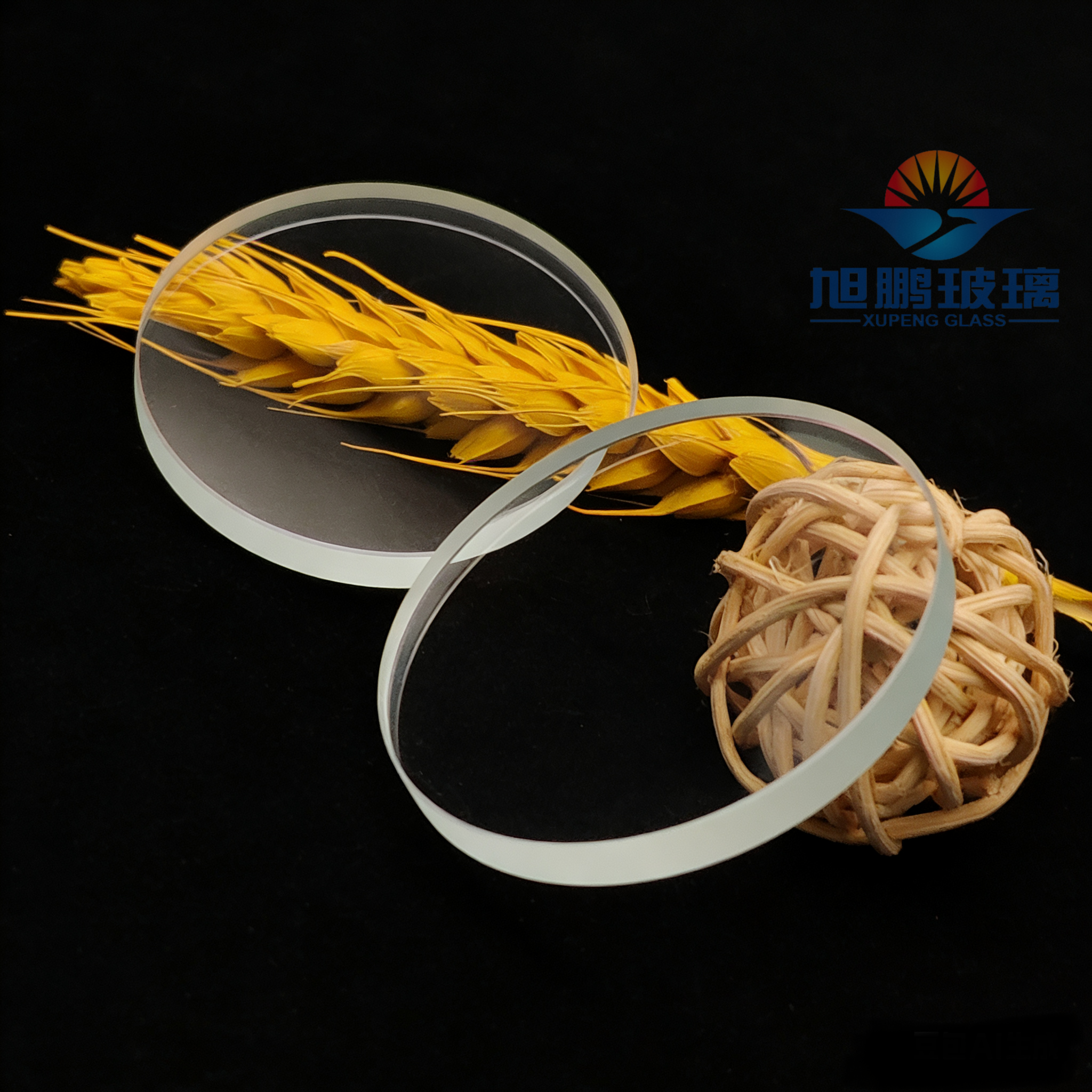
Low Iron Round High Transmittance Tempered Glass Panel with Precision Polished Edges, Flat Clear Glass
A strong choice for display windows, appliance panels, light fixtures, and touch interfaces where edge clarity and flatness are visible. Confirm polishing standard, edge profile, flatness, and coating sequence before sampling.
View product specification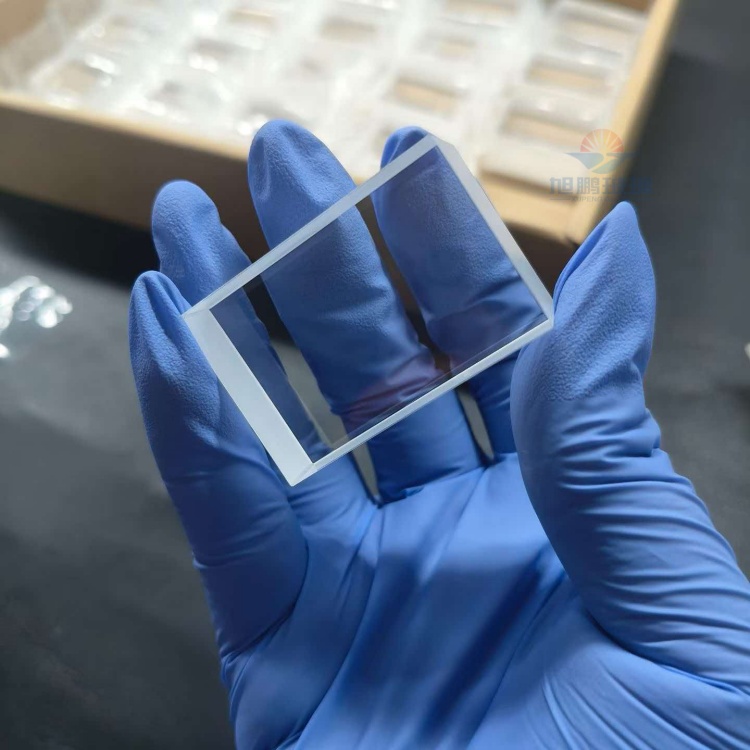
High UV Transmission Thick Gauge Thick Quartz Glass Plate
Used in UV curing, disinfection, photochemical reactors, and high-temperature viewports. Specify wavelength band, power density, inclusion class, surface quality, flatness, and thermal-shock requirements so material grade is not guessed.
View product specification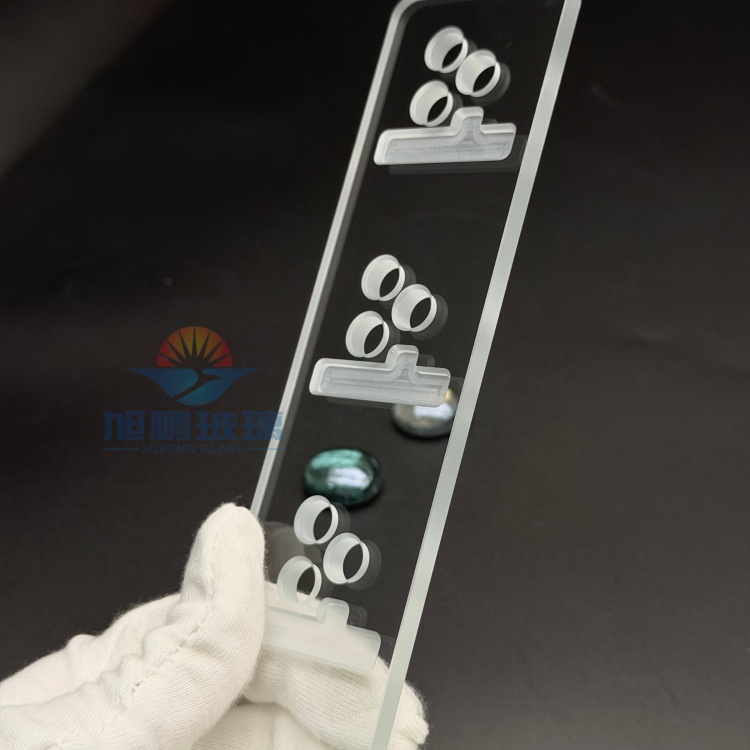
Ultra Clear High Light Transmission Tempered Glass Panel, CNC Arc Polishing, Drilling & Grooving
A premium cover-panel route for smart controls, touch displays, and high-end appliances. Arc-polished edges reduce chip risk and improve tactile feel; holes and grooves must be engineered before tempering.
View product specification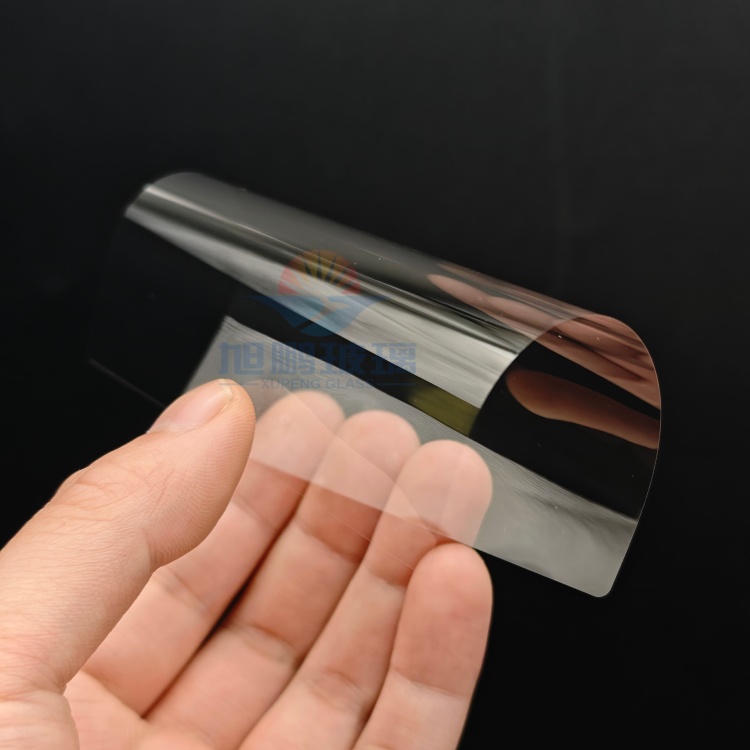
0.03 mm Ultra-thin Flexible Bendable Glass
Targets foldable display covers, flexible sensors, and thin-film device carriers. Define bend radius, cyclic test method, edge quality, surface protection, and carrier-film strategy — handling often matters more than nominal thickness.
View product specification
Corning Ultra-Thin Glass Sheet, Optical Grade Glass Wafer Substrate with Chamfered Edge
An optical-grade wafer substrate option for semiconductor, MEMS, and precision optics. Chamfered edges reduce handling damage and particle risk. For wafer-level processes, confirm warp, roughness, marking, and cleanroom packing.
View product specification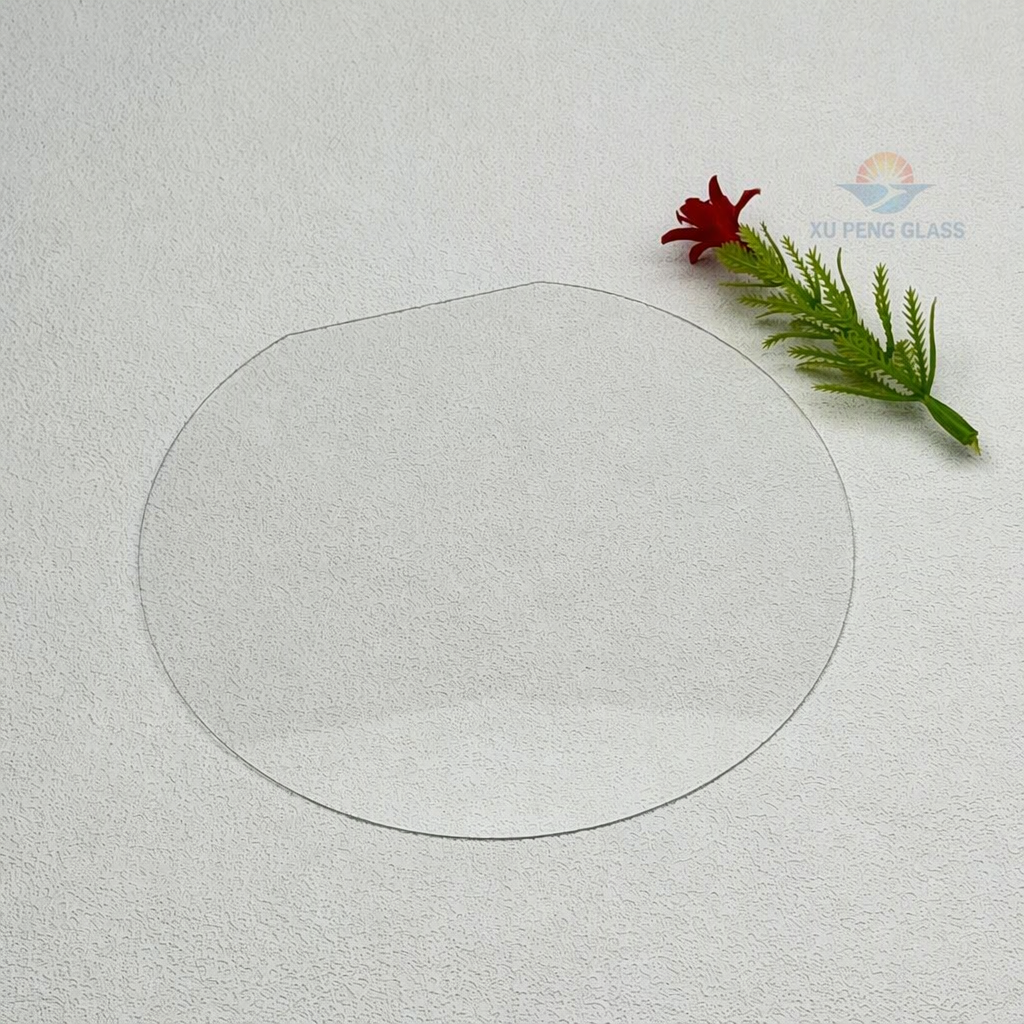
Ultra-thin High-precision Optical Glass Wafer, Corning / SCHOTT / Fused Silica
Supports optical instruments, photonics, sensors, and display metrology. The key specification is not simply “polished”; it is flatness, parallelism, roughness, transmitted wavefront, edge chips, and cleanliness held from prototype to repeat order.
View product specification
CNC Carved Low Iron Glass Sheet, High-temperature Screen Printed Tempered Glass, Drilled Glass Panel
Practical for control panels, appliance fascia, and industrial equipment. Fired ceramic ink survives demanding environments, while CNC carving can create recesses, sensor windows, and mounting features. Freeze print color and registration before mass production.
View product specificationProcurement Trends: What Smart Buyers Are Changing in 2025–2030
Custom glass cover panel sourcing is moving from one-off price comparison toward total-cost, traceability, and supplier-risk management. The strongest RFQs now include process capability, evidence, and packing requirements alongside dimensions.
Landed-Cost and DDP Sourcing
The purchase price of glass is not the landed cost. Cushioning, crating, palletization, insurance, customs, and damage claims can erase a low quotation. Buyers increasingly request FOB, CFR, CIF, EXW, DDP, DDU, DAF, or express options so they can compare total cost, not an isolated unit price.
Low-Volume Pilots with Scale-Up Paths
Programs often begin with 10–50 coated or optical parts, while standard ultra-clear tempered parts may start at 100–500 pieces. The supplier should offer a path from sample to pilot to mass production without changing the process route, especially for AR/AG coatings and printed glass.
Supplier Verification Before RFQ
Buyers review onsite verification, credit index, transaction level, trade capacity, ratings, and trade history before releasing drawings. These checks reduce the risk of paying a deposit to an unverified intermediary and help separate factory-direct capability from trading-only promises.
Procurement Signals from Custom Glass Projects
Product Development Trends Reshaping Glass Cover Panels
The next generation of glass cover panels combines optical function, mechanical durability, and integrated processing. Buyers should specify performance attributes instead of accepting generic material names.
AR / AG Integration
Reflection control is now a design requirement. AR coating can reduce surface reflection to roughly 0.5–1% per side in typical display windows, while AG treatment diffuses glare for outdoor HMI and kiosks. Specify gloss, haze, reflectance, abrasion, and cleaning durability — not only “AR” or “AG.”
Low-Iron Tempered Durability
Low-iron glass delivers high visible light transmission with minimal green edge tint, and tempering adds impact and thermal resistance. The trend is integrated processing: CNC edges, holes, grooves, printing, coating, and tempering in one controlled route rather than multiple uncontrolled handoffs.
Ultra-Thin and Flexible Glass
UTG down to 0.03 mm enables foldable and flexible devices. Commercial success depends on bend radius, cyclic testing, edge strengthening, scratch resistance, and automated handling. Expect more demand for coated, chemically strengthened, and carrier-film-supported thin glass.
Semiconductor and Optical Materials
Corning EXG alkali-free glass, fused quartz, sapphire, K9, and borosilicate are moving from specialist purchases to mainstream OEM sourcing. Low CTE, UV transmission, Mohs hardness 9, high melting point, and low inclusion levels are now procurement parameters, not lab notes.
Glass Selection Guide: Match the Substrate to the Failure Mode
Start with the application environment and the most likely failure mode. Then select the substrate, finishing, and inspection method. This prevents over-specifying one attribute while under-specifying the one that controls field reliability.
| Application | Recommended Substrate | Finish / Coating Direction | Qualification Checkpoint |
|---|---|---|---|
| Smart control panel | Ultra-clear low-iron tempered glass | AR or AG optional; silk-screen printing; CNC holes | Flatness, edge chip limit, print registration, coating adhesion |
| Touch display cover | Ultra-clear tempered or optical glass | Double-side AR; anti-fingerprint optional | Reflectance, haze, hardness, color neutrality, surface cleanliness |
| Outdoor HMI / kiosk | Tempered glass with AG or AG+AR | Etched AG / coated AG; durable ink window | Gloss, haze, abrasion, UV exposure, cleaning chemical resistance |
| Appliance printed fascia | Low-iron tempered glass | High-temperature ceramic ink; drilled mounting holes | Color, ink thickness, registration, adhesion, tempering sequence |
| UV equipment window | Fused quartz | High UV transmission; polished surface | Wavelength band, inclusion class, thermal shock, flatness |
| Semiconductor carrier | Corning EXG / alkali-free glass | Double-side polish; chamfered edge | CTE, roughness, warp, particle limit, cleanroom packing |
| Foldable device cover | 0.03 mm ultra-thin flexible glass | Edge strengthening; optional coating | Bend radius, cyclic test, scratch resistance, carrier-film handling |
| Instrument window | K9, sapphire, quartz, or borosilicate | Precision polish; AR or filter coating | Refractive index, parallelism, transmission, surface quality |
Why Dongguan AUVE Glass Is a Low-Risk OEM Partner
Dongguan AUVE Glass Co., Ltd. is a deep-processing glass manufacturer integrating R&D, design, production, and export in Songshan Lake, Dongguan — one of China’s electronics and optoelectronics clusters. Since 2018, the company has built a process chain for flat and curved tempered glass, ultra-white, laminated and painted glass, LCD and touch screen glass, smart control panel glass, LED lamp glass, instrument glass, AR high-transmittance glass, and AG anti-glare glass.



Engineering Review, Controlled Processing, and Export Packing Under One Roof
The company’s operating philosophy is “focusing on high-end glass, pioneering and innovating.” In practice, that means engineering review before production, disciplined process routing, and export packing designed for fragile parts. With 51–100 skilled employees and a 1,001–2,000 m² facility, AUVE is sized to handle custom work without treating every order as a commodity sheet.
Production covers flat and curved tempered glass, ultra-white, laminated and painted glass, LCD and touch screen glass, smart control panel glass, LED lamp glass, instrument glass, AR high-transmittance glass, and AG anti-glare glass. The product range also includes K9, quartz, sapphire, borosilicate, and Corning EXG alkali-free glass for optical and semiconductor-adjacent applications.
Get CatalogOnsite-Checked Supplier
Premises and legal status confirmed through third-party onsite verification.
Credit Index
Transparent credit profile built on real trading behaviour.
Transaction Level
Verified online transaction records with overseas buyers.
Trade Capacity
Export experience, main markets, and production capability.
Ratings & Reviews
Unfiltered buyer feedback on quality, delivery, and service.
Trade History
Documented shipment history across global markets.
Manufacturing Control from Drawing to Export Carton
Every custom glass cover panel is a sequence of decisions, not a single machine pass. The process begins with drawing review: thickness, tolerance, edge, holes, print, coating, and tempering sequence. The part is then routed through cutting, CNC edging and drilling, tempering, silk-screen printing, AR/AG coating, and QC/export packing.
Precision Cutting
Automatic and CNC cutting from float, low-iron, and optical stock, with size allowance planned for downstream processing.
CNC Edging & Drilling
Edge grinding, beveling, arc polishing, grooving, holes, and laser punching reviewed before tempering.
Tempering
Flat and curved thermal tempering for impact resistance and thermal durability where the application requires it.
Silk-Screen Printing
High-temperature ceramic inks for logos, windows, icons, and functional graphics with registration control.
AR / AG Coating
Anti-reflective, anti-glare, mirror, and functional coatings specified by optical performance and durability target.
QC & Export Packing
Dimensional, visual, and optical checks followed by interleaving film, foam protection, and export-grade crating.

Quality control should be defined before the first sample. For transparent cover panels, specify flatness, thickness, edge chips, scratch limits, print registration, color, gloss/haze, reflectance, and packing method. For optical wafers, add roughness, parallelism, transmitted wavefront, and particle limits as needed. Batch labels and inspection records turn a good shipment into a repeatable supply relationship.
Frequently Asked Questions from OEM Glass Buyers
Straight answers for procurement and engineering teams evaluating a custom OEM glass cover panel manufacturer and supplier.
What is a custom OEM glass cover panel, and how is it different from standard glass?
A custom OEM glass cover panel is engineered to a drawing for a specific product: thickness, tolerance, edge profile, holes, grooves, printing, coating, and packing are defined by the application. Standard glass is sold by generic size and grade; an OEM panel is validated against assembly, optical, safety, and cosmetic requirements.
What file formats and details should I send for an accurate RFQ?
Send a CAD, DXF, STEP, or PDF drawing with 2D dimensions and, where relevant, a 3D model. Include quantity, substrate preference, thickness, tolerance, edge profile, hole and groove locations, printing artwork, coating targets, application environment, inspection standard, and target delivery date.
What MOQ should I expect?
MOQ depends on material and process. Many coated and optical glass parts start from 10–50 pieces, while standard ultra-clear tempered parts typically start from 100–500 pieces. Sample and pilot quantities can be discussed for new projects, especially when the process route is reviewed early.
Can you provide samples before mass production?
Yes, sample and pilot quantities can be reviewed. A useful sample should be made by the same process route as mass production, not by a separate laboratory method. Confirm sample cost, tooling or artwork setup, inspection report, and expected lead time before approving the pilot.
How are AR/AG coatings specified and verified?
Specify the wavelength band, reflectance target, gloss or haze range, substrate, coating side, abrasion requirement, adhesion test, environmental exposure, and cleaning chemical compatibility. “AR” and “AG” are broad terms; a measurable optical target and durability standard prevent disagreement at incoming inspection.
How do you manage quality and traceability?
Quality begins with raw sheet identification, process routing, and batch labeling. For critical parts, inspection can cover dimensions, flatness, edge chips, surface defects, print registration, color, gloss/haze, reflectance, and packing condition. Records should follow the agreed control plan rather than a generic checklist.
How is glass packed for export?
Export packing typically uses interleaving film or paper, foam corner protection, and fumigation-free wooden crates or reinforced cartons. Batch labels, fragile handling marks, and moisture protection are important for long-distance transit. Packing should be matched to part size, coating sensitivity, and shipping method.
Which markets and shipping terms do you support?
AUVE Glass exports to markets including the United States, Canada, Russia, South Korea, Japan, and Australia, and supports FOB, CFR, CIF, EXW, DDP, DDU, DAF, and express delivery. Average response time is within 7 hours. Email info@auveglass.com with your drawing and quantity for an engineering review.
Turn Your Drawing into a Production-Ready Glass Cover Panel
Send your drawing, target quantity, application environment, and inspection standard. The engineering team will review manufacturability, recommend a material and process route, and quote against the same assumptions — so you can compare total cost rather than a bare unit price.