Eight Industrial Glass Products for OEM and Wholesale Programs
These eight product families are best evaluated by application, not by a single price benchmark. Use them to shortlist substrate, finishing and tolerance requirements before requesting a manufacturability review.
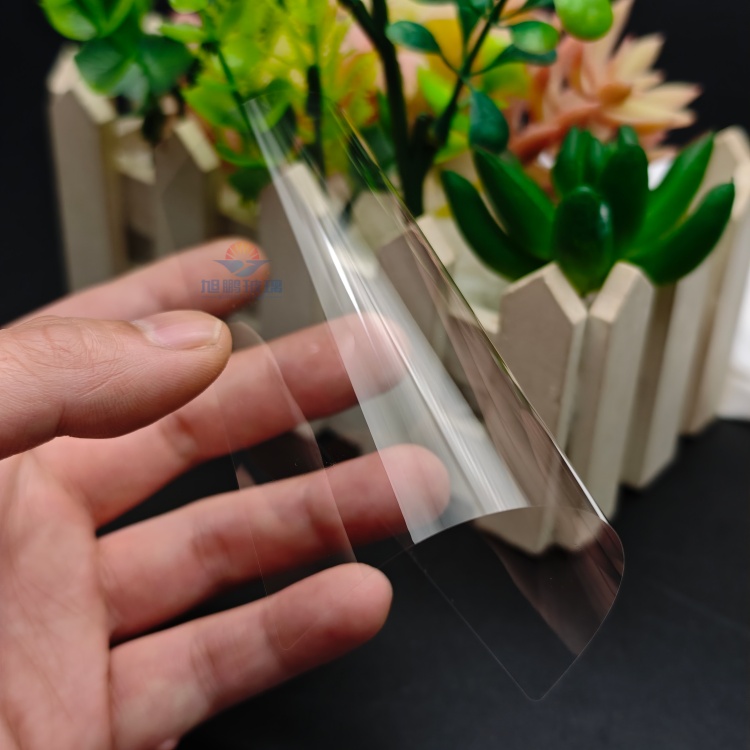
Ultra-thin Flexible UTG Glass, bendable and foldable, suitable for commercial aerospace and new energy industries
Chemically strengthened, bendable glass for foldable displays, flexible sensors, aerospace windows and new-energy device components. Thickness, bend radius and edge condition should be fixed before tooling.
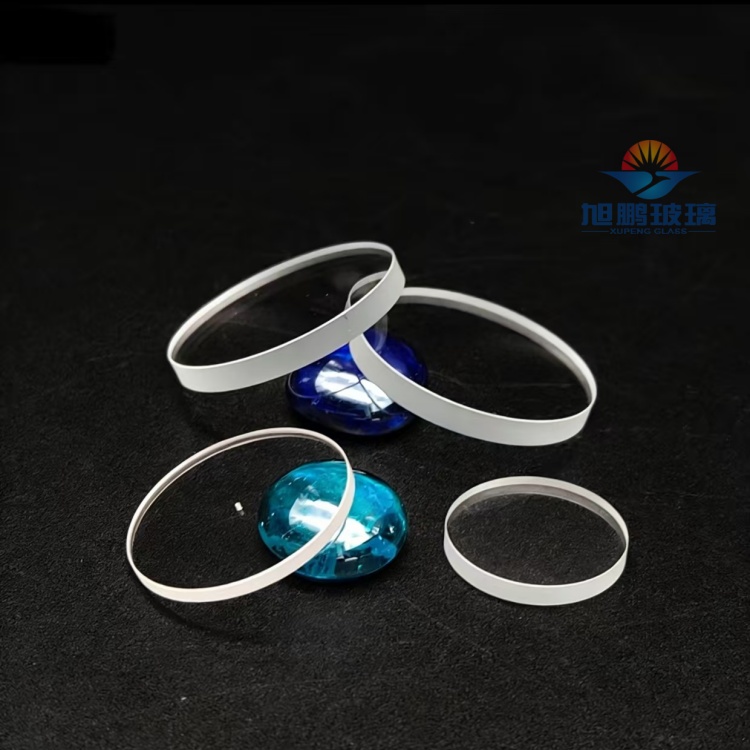
Sapphire Glass Step Window Wafers, High Temperature Resistant & High Light Transmittance Optical Sapphire Lenses
Single-crystal sapphire windows and lenses for scratch-critical, high-temperature and high-transmittance optical assemblies. Ideal where ordinary glass would fail under thermal load or abrasive contact.
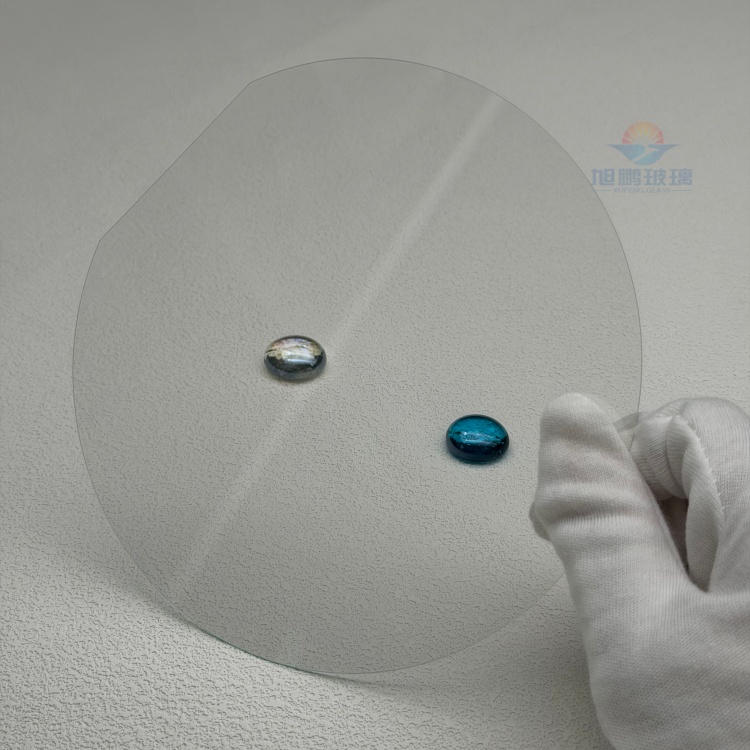
Ultra-thin Optical Glass Sheets Schott B270/D263T Semiconductor Electronic Glass Blank Cutting & Processing
Thin optical glass blanks for semiconductor, display and precision electronic components. Cutting, edge grinding, drilling and polishing are reviewed against drawings before production.

Corning Ultra-Thin Glass Sheet, Optical Grade Glass Wafer Substrate with Chamfered Edge
Optical-grade ultra-thin glass wafers with chamfered edges for display substrates, touch modules and precision electronic stacks. The thin profile supports compact optical and electronic designs.
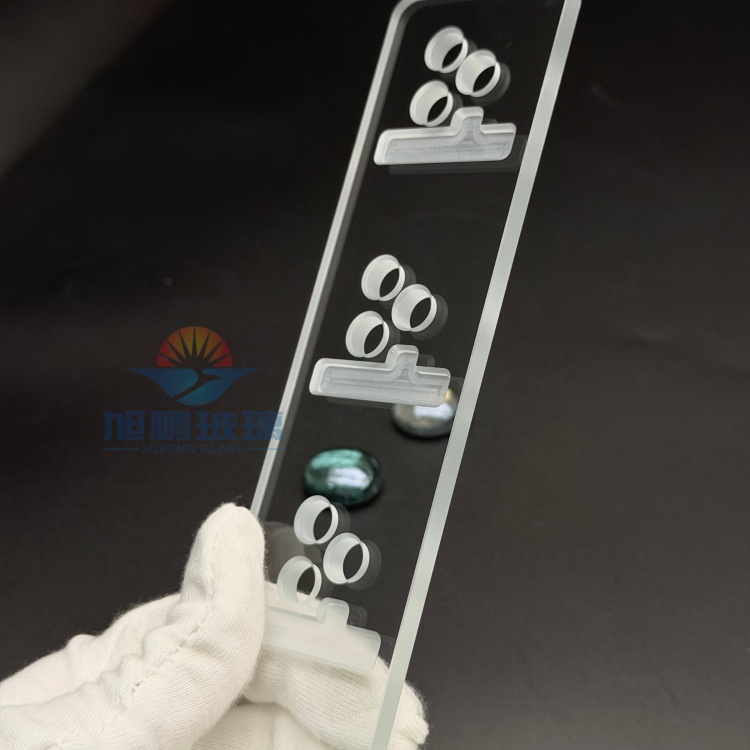
Ultra Clear High Light Transmission Tempered Glass Panel, CNC Arc Polishing, Drilling & Grooving
Low-iron tempered panels with CNC arc polishing, drilling and grooving for smart control panels, LED fixtures and appliance covers. Clear edges and high transmission reduce visible green tint.
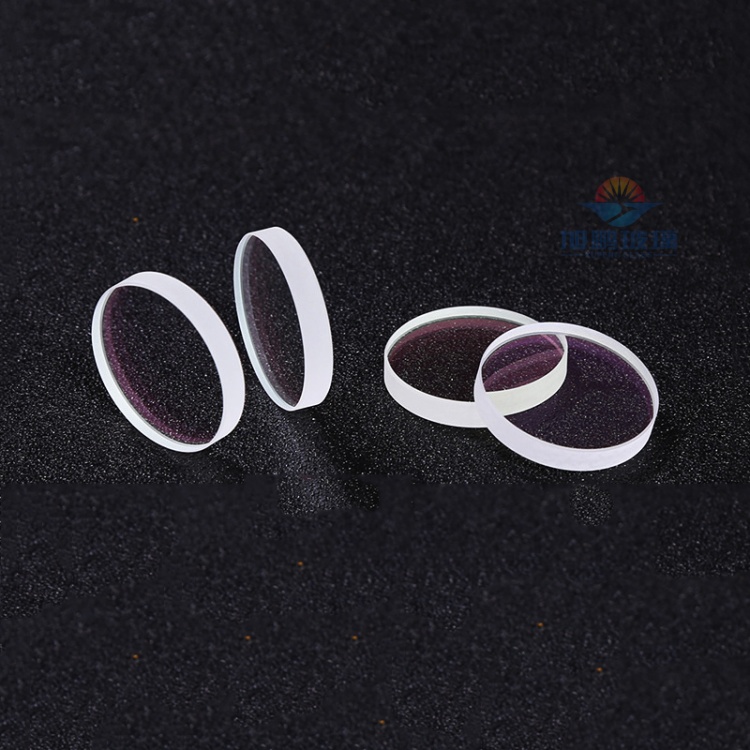
Ultra-clear Tempered Glass, Custom Processing Available: Drilling, Etching, AG Coating Silk Printing, AR Coating
Custom tempered glass with drilling, etching, AG coating, AR coating and silk-screen printing. A practical choice when one part must combine structural protection, optical function and branding.
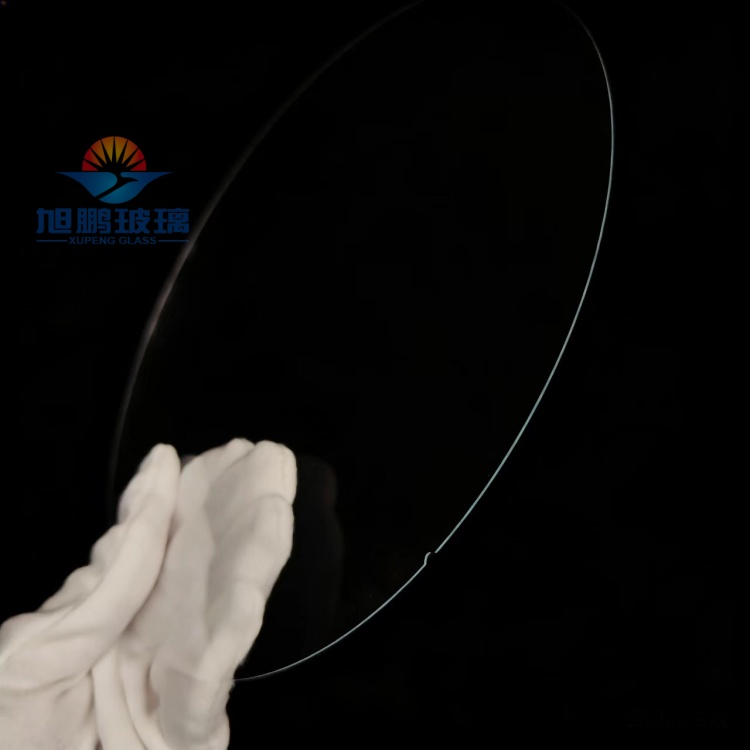
Corning EXG Glass Wafer, Double-Sided Polished Custom Fabrication for Semiconductor Glass Wafers
Alkali-free glass wafers polished on both sides for semiconductor, MEMS and display-substrate development. Low CTE and clean surface quality support demanding thin-film processes.

High-transmittance Anti-Reflection Coated Glass
High-transmittance anti-reflection coated glass for display windows, optical instruments and human-machine interfaces. Coating designs can be matched to reflection, colour and durability targets.
Product Recommendations by Application and Risk Profile
Industrial glass buying becomes easier when the application risk is defined first. These recommendation paths help sourcing teams compare materials without over-specifying cost or under-specifying performance.
Foldable & Flexible Devices
Choose ultra-thin flexible UTG where bend radius, repeated folding and surface scratch resistance matter. Define thickness, edge quality, strengthening and inspection criteria before samples.
Best fit: ultra-thin flexible UTGHigh-Temperature Windows
Use sapphire, quartz or high-borosilicate glass when thermal shock, UV exposure or abrasive contact can damage ordinary display glass. Confirm transmission, flatness and sealing method.
Best fit: sapphire & quartzSemiconductor & Displays
Shortlist Schott B270/D263T or Corning EXG when low alkali content, low CTE and polished wafer surfaces are required. Agree surface quality and dimensional inspection on the drawing.
Best fit: B270/D263T & EXGDisplay Clarity & Glare Control
Use AR-coated glass to improve contrast and reduce reflection, or AG-coated glass to diffuse glare in outdoor kiosks and industrial HMI panels. Combine AR + AG only when the optical target is clear.
Best fit: AR, AG & ultra-clearDongguan AUVE Glass Co., Ltd. combines R&D, design, production and export in Songshan Lake, Dongguan, one of China’s leading electronics and optoelectronics clusters. Buyer-verifiable supplier data includes onsite assessment, credit index, transaction level, trade capacity, ratings and trade history.
Why Dongguan AUVE Glass Co., Ltd. Is a Credible OEM Industrial Glass Partner
Dongguan AUVE Glass Co., Ltd. is a deep-processing glass manufacturer integrating R&D, design, production and export under one roof. The company was founded in 2018 and operates from Songshan Lake, Dongguan, Guangdong, China, serving OEMs, brand owners and distributors in the United States, Canada, Russia, South Korea, Japan, Australia and other markets.
Production covers flat and curved tempered glass, ultra-clear low-iron glass, laminated and painted glass, LCD and touch-screen cover glass, smart control panel glass, LED lighting glass, instrument glass, AR high-transmittance glass, AG anti-glare glass and optical materials including K9, quartz, sapphire, borosilicate and Corning EXG alkali-free glass. This breadth matters because custom OEM industrial glass factories and wholesalers are often judged not by one process, but by how well cutting, tempering, coating, printing, polishing and packing work together.
Integrated Deep-Processing
CNC cutting, edging, drilling, tempering, silk-screen printing, AR/AG coating and optical polishing are coordinated under one production system, reducing finger-pointing between separate suppliers.
Engineering Review Before Production
Send CAD, DXF or PDF drawings with thickness, tolerance, edge, hole, printing and coating requirements. Engineers review manufacturability before tooling and mass production.
Documented Quality & Traceability
Dimensional, visual and optical checks follow agreed standards, with batch traceability from raw sheet to packed carton. Final specifications are confirmed against drawings before repeat orders.
Verifiable Supplier Credentials
Onsite-checked supplier status, credit index, transaction level, trade capacity, ratings and trade history help procurement teams complete due diligence with evidence, not only sales claims.
Export Packing & Incoterms
FOB, CFR, CIF, EXW, DDP, DDU, DAF and express delivery are supported, with interleaving film, foam corner protection and export packing designed for fragile glass parts.
Responsive Global Service
Average response time is within 7 hours. Export experience across North America, Europe and Asia-Pacific helps align specifications, packaging and delivery terms early.
Procurement Trends Reshaping Custom OEM Industrial Glass Buying
Industrial glass procurement is moving away from simple piece-price comparison. Buyers now evaluate manufacturability, coating yield, breakage risk, traceability, supplier verification and supply continuity as one decision.
Total Landed Cost & Risk
Purchasing teams are shifting from unit price to total landed cost: tooling, coating yield, freight, breakage, tariffs, inspection and replacement risk. A slightly higher quoted part can be cheaper when the process route is stable and repeatable.
Engineering-Led RFQs
RFQs increasingly include CAD, tolerance, edge profile, hole position, silk-screen artwork and optical targets. Suppliers that review manufacturability before quoting reduce late-stage engineering changes and sample loops.
Verified and Dual-Sourced Suppliers
Procurement teams compare onsite verification, credit index, transaction level, trade capacity, ratings and shipment history. For critical glass parts, dual sourcing is used with clearly separated tooling and approval steps.
Multi-Process Consolidation
Buyers prefer one qualified partner for cutting, tempering, coating, printing, polishing and packing. Consolidation shortens lead times, simplifies traceability and makes corrective actions easier when optical or dimensional issues appear.
Industrial Glass Product Development Trends to Watch
Demand is rising for thinner, stronger and more functionally coated glass. The most successful programs start with the final environment and assembly process, not with a generic material name.
Ultra-Thin Flexible Glass
UTG demand is growing in foldable displays, flexible electronics, aerospace and new-energy devices. Buyers should define bend radius, cycle life, edge quality and surface protection before selecting thickness.
AR/AG Multifunctional Surfaces
Display and HMI windows increasingly combine anti-reflection, anti-glare, anti-fingerprint and easy-clean properties. Coating performance must be matched to gloss, haze, reflection and durability targets.
Semiconductor-Grade Substrates
Alkali-free, low-CTE glass wafers such as Corning EXG and thin optical glasses such as Schott B270/D263T support advanced packaging, MEMS, display and sensor development. Cleanliness and flatness are critical.
High-Temperature Optical Materials
Sapphire, quartz, borosilicate and K9 remain important for high-temperature, UV or precision optical assemblies. Material selection should consider transmission, thermal shock, hardness and sealing method.
Engineering Selection Matrix for Industrial Glass Buyers
Use this reference to prepare a more accurate RFQ. Final specifications must be confirmed against your drawing, application environment and agreed test standard before mass production.
| Glass Type | Typical Property | Best-Fit Application | Available Processing |
|---|---|---|---|
| Ultra-thin Flexible UTG | Bendable thin glass, custom thickness and edge condition | Foldable displays, flexible electronics, aerospace and new-energy devices | Precision cutting, edge strengthening, inspection |
| Sapphire | Mohs hardness 9, high-temperature resistance, high transmittance | Sensor covers, high-temperature windows, scratch-critical lenses | Cutting, polishing, chamfering, step window fabrication |
| Schott B270 / D263T | Ultra-thin optical glass with stable optical properties | Semiconductor, display and precision electronic components | Blank cutting, edge grinding, drilling, polishing |
| Corning EXG | Alkali-free low-CTE aluminoborosilicate, clean wafer surface | Semiconductor wafers, MEMS, display substrates | Double-side polishing, dicing, chamfering |
| Ultra-clear Tempered | Low-iron clarity, high transmission, tempered strength | Smart control panels, LED fixtures, appliance covers | CNC shaping, drilling, grooving, silk-screen, AR/AG |
| AR Coated Glass | Reduced surface reflection and higher display contrast | Touch modules, optical instruments, HMI windows | Single- or double-side AR coating, tempering, printing |
| AG Coated Glass | Micro-textured surface diffuses glare, selectable haze and gloss | Outdoor LCDs, industrial panels, kiosks | Etched AG, AG + AR, tempering |
| Silk-Screen Printed Tempered | Fired ceramic ink for durable graphics and windows | Instrument panels, appliance covers, switch and socket covers | Multi-colour printing, IR/window ink, holes |
For complex parts, combine material selection with a manufacturability review. Include thickness, tolerance, edge profile, hole positions, coating target, printing colour and packing requirement in the first RFQ.
FAQ: Custom OEM Industrial Glass Factories & Wholesalers
Common questions from procurement, engineering and sourcing teams evaluating custom industrial glass suppliers.
What does a custom OEM industrial glass factory do?
A custom OEM industrial glass factory cuts, tempers, coats, prints, polishes and inspects glass to a buyer’s drawing rather than selling only standard stock. The supplier should review manufacturability, tolerance, edge profile, holes, printing, coating and export packing before quoting. For wholesale programs, batch-to-batch consistency is more important than a single perfect sample.
Can you manufacture glass to my own drawings?
Yes. Send a CAD, DXF or PDF drawing with thickness, tolerance, edge condition, hole positions, printing artwork and coating requirements. Our engineers review manufacturability before production, covering CNC cutting, edging, drilling, tempering, silk-screen printing and AR/AG coating. Sample and pilot quantities can be discussed for new projects.
What is the minimum order quantity for custom industrial glass?
MOQ depends on material and process. Many coated and optical glass parts start from 10 to 50 pieces, while standard ultra-clear tempered parts typically start from 100 to 500 pieces. Complex printing, special coatings or non-standard sizes may require a different MOQ. Consolidating several parts into one production run can improve cost and lead time.
Which glass materials can AUVE Glass process?
The range includes flat and curved tempered glass, ultra-clear low-iron glass, laminated and painted glass, AR anti-reflective and AG anti-glare coated glass, silk-screen printed glass, touch-screen and LCD cover glass, LED lighting glass, instrument glass, K9 optical glass, quartz, sapphire, borosilicate and Corning EXG alkali-free glass. Final capability depends on size, thickness, coating and inspection requirements.
How do you control quality and traceability?
Production follows defined process standards and a documented quality management system. Inspections can include dimensional checks, visual defect review, edge inspection, optical transmission or reflection measurement and packing verification. Every batch can be traceable from raw sheet to packed carton, with final specifications confirmed against the approved drawing and test standard.
Which Incoterms and shipping methods are supported?
We support FOB, CFR, CIF, EXW, DDP, DDU, DAF and express delivery. Export packing is designed for fragile glass parts, using interleaving film or paper, foam corner protection and fumigation-free wooden crates or reinforced cartons where appropriate. The best shipping method depends on part size, order volume, destination and delivery urgency.
Which export markets do you serve and how fast do you reply?
Glass products are exported to the United States, Canada, Russia, South Korea, Japan, Australia and other markets. The average response time for technical inquiries is within 7 hours. For a faster review, email info@auveglass.com with drawings, quantity, material, coating requirement and target delivery date.
How do I start a custom glass project or request a catalog?
Prepare a drawing or sample photo, state the quantity and application, and confirm the required material, thickness, surface finish, coating, printing and packing. Our team will review the process route and reply with questions or a quotation path. Use the Get Catalog button below to start a live inquiry with the factory team.
Send a Drawing, Get an Engineering Review
Share size, thickness, tolerance, edge, hole, printing, coating and packing requirements. Our team will confirm material, process route and lead time — typically within 7 hours.
Email: info@auveglass.com · Factory-direct custom OEM industrial glass supplier