Custom OEM Ultra Thin Glass Manufacturer & Supplier
Factory-direct UTG, sapphire, AR-coated and semiconductor glass substrates engineered to your drawings — with traceable processing, verified supplier credentials and export-ready packing.
Contact Us8 OEM Ultra Thin Glass Products for 2025–2030 Programs
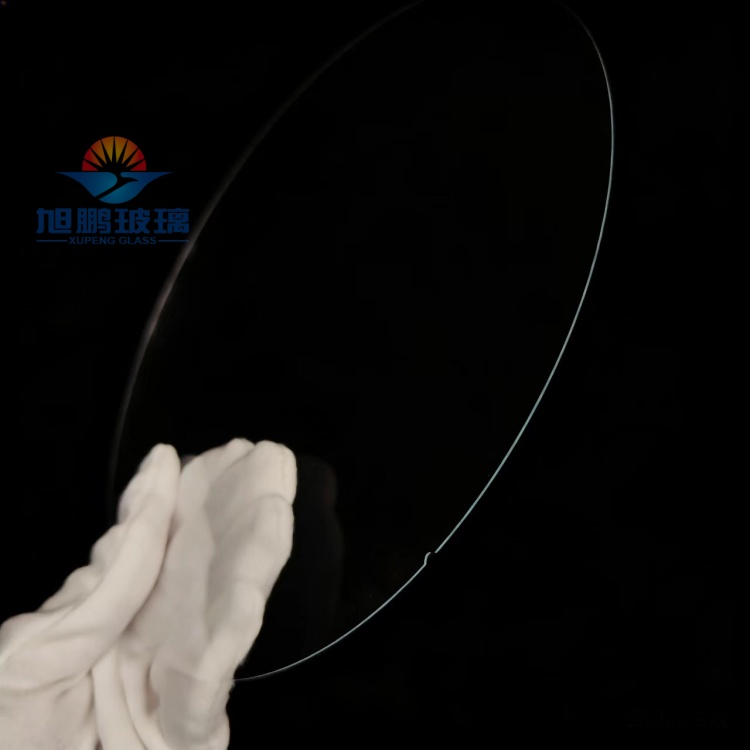
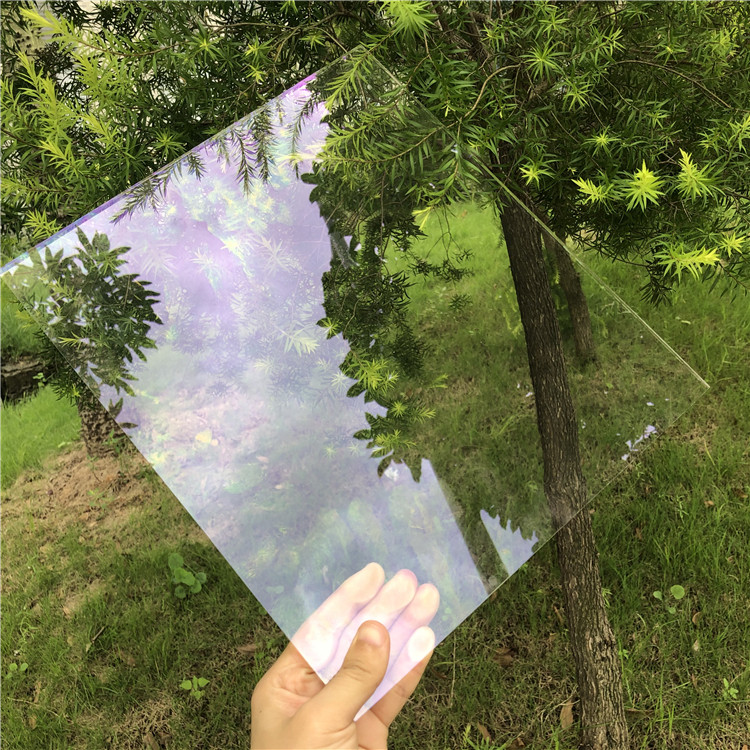
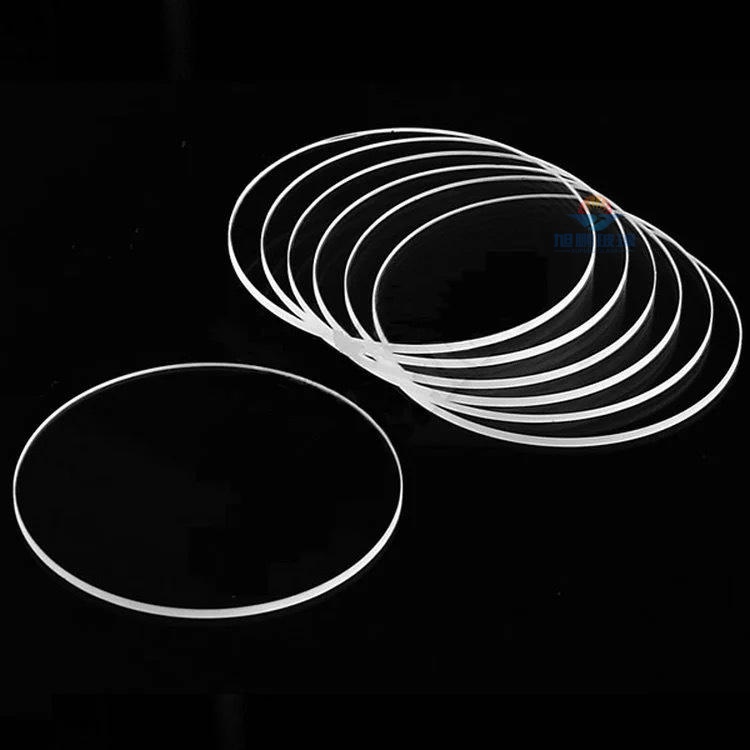
Start with material and process compatibility, not piece price alone. These eight products reflect strong demand from semiconductor, optical display, sensor packaging, solar and flexible electronics buyers. Every item can be customized by thickness, tolerance, edge profile, hole pattern, coating, printing and packing.




Why Ultra-Thin Glass Is No Longer a Niche Material
Ultra-thin glass now sits at the intersection of optics, mechanical design, semiconductor packaging and flexible electronics. The purchasing decision has shifted from “can you supply a sheet?” to “can you control the process that makes the sheet survive assembly?”
In a custom OEM program, the supplier is not simply selling glass. It is selling a controlled sequence of cutting, CNC shaping, edge treatment, cleaning, coating, tempering, printing, inspection and packing. Total landed yield — not quoted piece price — is the number that determines whether an ultra-thin glass project stays profitable after lamination, thermal cycling and incoming inspection.
Buyers often begin with a thickness and a drawing, then discover that edge micro-cracks, flatness after coating, coating adhesion, particle cleanliness and packing method decide the final yield. This is especially true for 0.03 mm flexible glass, TGV microvia wafers, AR-coated display windows and alkali-free semiconductor substrates. A small process deviation at the edge or surface can create scrap that is invisible in a catalogue photo but obvious under a microscope, a haze meter or an adhesion test.
That is why an experienced Custom OEM Ultra Thin Glass Manufacturer & Supplier should ask for the drawing, the downstream assembly method, the cleaning route, the expected thermal load and the inspection standard before quoting. At Dongguan AUVE Glass Co., Ltd., every inquiry is reviewed by an engineering team that checks manufacturability across cutting, edging, drilling, tempering, silk-screen printing, AR/AG coating and final packing. The goal is not to promise every specification, but to define a process route that can be reproduced at sample, pilot and mass-production stages.
Optical Performance
Transmission, reflection, haze and coating uniformity should be specified with test methods, not only adjectives.
Mechanical Reliability
Edge quality, chamfer, micro-crack control and tempering route determine strength after handling and assembly.
Process Integration
AR/AG coating, printing, TGV microvia and lamination must fit the customer’s cleaning and bonding process.
Supply Transparency
Verified supplier data, batch traceability and export packing reduce risk long before the first shipment.
Information Gain for Sourcing Teams
Ask for four documents before approving a sample: dimensional report, surface/optical inspection record, coating adhesion or abrasion data where relevant, and packing validation photos. These records reveal whether the supplier controls the process or only inspects the final piece.
A supplier that can explain why a tolerance is difficult is usually safer than one that accepts every requirement without review.
| Material / Format | Typical Thickness | Best-Fit Application | Critical Specification |
|---|---|---|---|
| Ultra-Thin Flexible Glass | 0.03–0.1 mm | Foldable displays, flexible electronics | Bend radius, edge quality, handling and packing |
| Corning EXG / Alkali-Free | 0.1–1.1 mm | Semiconductor, MEMS, display substrates | CTE, flatness, alkali content, surface particles |
| Sapphire Glass | 0.2–2 mm | Sensor covers, harsh-environment windows | Transmission, scratch resistance, high-temperature stability |
| Fused Quartz | 0.5–10 mm | UV curing, disinfection, high-temperature viewports | UV transmission, OH content, thermal shock resistance |
| AR-Coated Optical Glass | 0.5–6 mm | Touch modules, AIO PCs, instrument windows | Reflectance, coating adhesion, abrasion, color neutrality |
| TGV Glass Wafer | 0.1–0.7 mm | Sensor and chip packaging | Via quality, pitch, flatness, electrical isolation |
| K9 Optical Glass | 1–10 mm | Lenses, prisms, optical instruments | Refractive index, inclusions, polishing quality |
2025–2030 Procurement Trends OEM Buyers Should Plan For
Ultra-thin glass sourcing is moving from transactional purchasing toward process qualification. The following shifts are already visible in RFQs from display, semiconductor, sensor and optical equipment buyers.
Dual Sourcing with Stricter Process Control
Buyers want a second qualified supplier without creating a second quality standard.
- Require the same golden sample, measurement report and inspection method.
- Compare flatness, edge quality, coating adhesion and cleanliness data.
- Keep a documented change-control route for material, ink, coating and packing.
Coating Becomes Part of the Component
AR, AG, UV and anti-fingerprint surfaces are specified as functional layers, not optional finishes.
- Define reflectance, haze, gloss, adhesion and abrasion tests.
- Review environmental durability before tooling and lamination trials.
- Evaluate the supplier’s cleaning and handling discipline between coating steps.
Smaller Batches, Faster Engineering Loops
Programs increasingly start with pilot quantities and iterate before mass production.
- Coated and optical parts may begin from 10–50 pieces.
- Standard ultra-clear tempered parts often start from 100–500 pieces.
- Sample and pilot quantities can be discussed around drawing complexity and process route.
Where Ultra-Thin Glass Is Heading Next
The next wave of glass innovation is not only thinner. It is more functional, more integrated and more closely tied to the customer’s assembly yield.
UTG and Foldable Device Durability
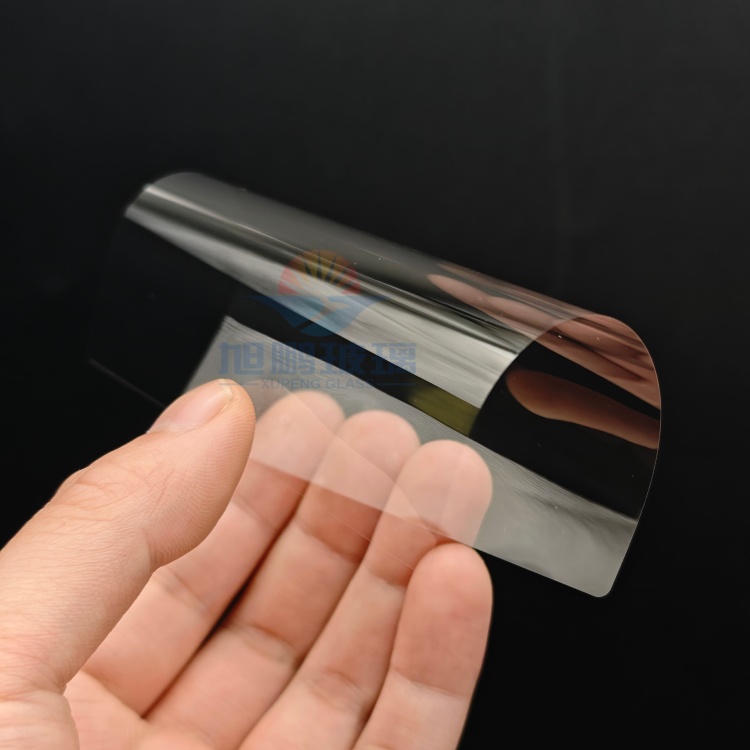
Flexible glass development is focused on bend radius, edge strength, surface scratch resistance and lamination compatibility. For foldable devices, the glass is only one layer in a stack, so supplier and customer must align on handling, adhesive selection and test methods.
- Thickness control down to 0.03 mm
- Edge treatment and micro-crack inspection
- Protective film, interleaving and clean packing
TGV Glass Packaging for Advanced Chips
Through-glass vias are gaining attention in sensor and chip packaging because glass offers electrical isolation, dimensional stability and the potential for high-density interconnection. Buyers should discuss via geometry, flatness and downstream metallization early.
- TGV wafer specification and via quality
- Wafer-level handling and cleaning
- Alignment with packaging and inspection flows
Multifunctional Optical Surfaces
AR, AG, UV-transmitting and easy-clean surfaces are being combined on larger and more complex formats. The challenge is maintaining optical neutrality while surviving cleaning, abrasion and environmental exposure.
- AR + AG stack evaluation
- Large-format coating uniformity
- Color, haze and gloss control



Why Dongguan AUVE Glass Is a Low-Risk OEM Partner
Dongguan AUVE Glass Co., Ltd. is a deep-processing glass manufacturer that integrates R&D, design, production and export in Songshan Lake, Dongguan — one of China’s leading electronics and optoelectronics clusters. Established in 2018, the company operates with 51–100 skilled employees in a 1,001–2,000 m² facility and exports to the United States, Canada, Russia, South Korea, Japan, Australia and other markets.
Our process scope covers flat and curved tempered glass, ultra-clear low-iron glass, laminated and painted glass, AR anti-reflective and AG anti-glare coated glass, silk-screen printed glass, touch screen and LCD cover glass, LED lighting glass, instrument glass, and optical materials such as K9, quartz, sapphire, borosilicate, Corning EXG alkali-free glass and ultra-thin flexible glass.
Guided by the philosophy of “focusing on high-end glass, pioneering and innovating”, we continue to invest in engineering review, precision processing and inspection discipline. Buyers can review our onsite-checked supplier status, credit index, transaction level, trade capacity, trade history and genuine ratings and reviews — which is exactly the transparency needed when an ultra-thin glass program moves from sample approval to repeat production.
Factory-Direct Deep Processing
Cutting, CNC shaping, edging, drilling, tempering, silk-screen printing and AR/AG coating are coordinated under one production route.
Engineering Review Before Production
Send a CAD, DXF or PDF drawing with thickness, tolerance, edge, hole, printing and coating requirements. Engineers review manufacturability before quoting.
Verified Supplier Transparency
Onsite-checked supplier status, credit index, transaction level, trade capacity, shipment history and buyer reviews support due diligence.
Broad Material Portfolio
Tempered glass, low-iron glass, K9, quartz, sapphire, borosilicate, Corning EXG, TGV wafers and ultra-thin flexible glass.
Export-Ready Packing
Protective film, interleaving paper, foam corner protection and wooden crates or reinforced cartons designed for fragile glass parts.
Responsive Technical Communication
Average response time within 7 hours. Share your drawing and target quantity for an engineering review and practical process route.
Drawing & DFM Review
Confirm material, thickness, tolerance, edge, hole, coating, printing and inspection requirements.
Cutting & CNC
Precision cutting, CNC shaping, edging, beveling, grooving, drilling and laser processing.
Tempering, Coating & Printing
Flat or curved tempering, ceramic ink printing, AR/AG coating and functional surface finishing.
QC & Export Packing
Dimensional, visual and optical checks, batch labeling and protective packing for global shipment.

Export Terms, Logistics and Fragile-Glass Packing
Commercial flexibility matters, but glass shipments also need disciplined packing and clear handling instructions. AUVE supports the Incoterms and shipping methods commonly requested by OEM and distributor buyers.
Accepted Delivery Terms
Choose the term that fits your customs setup, freight control and risk allocation.
Proven Export Markets
Our glass products are exported to buyers across North America, Europe and Asia-Pacific.
Safe Glass Packing
Packing is defined around thickness, edge condition, coating and transport method.
Frequently Asked Questions from Ultra-Thin Glass Buyers
Straight answers to the technical and commercial questions engineering, sourcing and quality teams ask most often.
What types of glass does Dongguan AUVE Glass manufacture?
We process flat and curved tempered glass, ultra-clear low-iron glass, laminated and painted glass, AR anti-reflective and AG anti-glare coated glass, silk-screen printed glass, touch screen and LCD cover glass, LED lighting glass, instrument glass, and optical materials such as K9, quartz, sapphire, borosilicate, Corning EXG alkali-free glass and ultra-thin flexible glass.
Can you produce ultra-thin glass to my own drawing?
Yes. Send a CAD, DXF or PDF drawing with thickness, tolerance, edge, hole, printing and coating requirements. Our engineers review manufacturability before production, covering CNC cutting, edging, drilling, tempering, silk-screen printing, AR/AG coating and packing. For early-stage projects, it is helpful to share the downstream lamination or assembly method so the process route can be aligned with your yield targets.
What is the minimum order quantity for custom ultra-thin glass?
MOQ depends on material and process. Many coated and optical glass parts start from 10 to 50 pieces, while standard ultra-clear tempered parts typically start from 100 to 500 pieces. Sample and pilot quantities can be discussed for new projects, especially when the drawing requires new tooling, custom coating or special packing.
How do you control quality for thin glass and coated glass?
Quality control is defined around the agreed drawing and inspection standard. Typical checks include dimensions, edge condition, visible defects, flatness, transmission or reflection where relevant, coating appearance and packing condition. Batch identification and traceability help connect finished parts to production records. Final inspection criteria should be confirmed before mass production.
Which Incoterms and shipping methods do you support?
We support FOB, CFR, CIF, EXW, DDP, DDU, DAF and express delivery, with export packing designed for fragile glass parts. The best shipping method depends on thickness, quantity, coating sensitivity and delivery urgency.
Which markets do you export to?
Our glass products are exported to the United States, Canada, Russia, South Korea, Japan, Australia and other markets. We can support English technical communication and export documentation for international B2B buyers.
How quickly do you reply to technical inquiries?
Our average response time is within 7 hours. Email info@auveglass.com with your drawing, target quantity and application details for an engineering review.
What information should I include in the first inquiry?
Please include material preference, thickness, dimensions, tolerance, edge and hole requirements, coating or printing needs, quantity, application, target market and any inspection standard. If you already have a sample, photo or drawing, include it. This allows our team to confirm material, process route, packing method and commercial terms more efficiently.
Send Your Drawing. Get a Manufacturability Review.
Share material, thickness, size, tolerance, coating, printing, quantity and target market. Our engineering team will confirm the process route, inspection plan, packing method and lead-time requirements — usually within 7 hours.
Contact Us