OEM/ODM Clear Glass Manufacturing: A Buyer’s White-Paper View
Clear glass is no longer a commodity purchase. For display, lighting, instrumentation and semiconductor programs, the real search intent is not “who sells clear glass” — it is “who can co-engineer, qualify and repeatedly export a clear glass part that survives assembly, handling and end-use conditions?”
Dongguan AUVE Glass Co., Ltd. operates as a deep-processing manufacturer and exporter that integrates R&D, design, production and export in Songshan Lake, Dongguan, Guangdong. Since 2018, the company has focused on flat and curved tempered glass, ultra-clear low-iron glass, AR anti-reflective and AG anti-glare coated glass, silk-screen printed glass, LCD and touch screen cover glass, smart control panel glass, LED lighting glass, instrument glass, K9 optical glass, fused quartz, sapphire, borosilicate and Corning EXG alkali-free glass. For OEM buyers, this means one qualified partner can cover several glass categories instead of fragmenting a project across multiple traders.
The most expensive clear glass is rarely the invoice price. It is the part that arrives with a coating scratch, an edge chip, a tolerance miss or an unapproved material substitution that stops a production line. A qualified OEM/ODM clear glass manufacturer reduces that risk through drawing review, material rationalization, process matching, metrology, traceability and export-grade packing. The buyer’s evaluation should therefore move from “best price per square meter” to total landed cost, first-pass yield and engineering responsiveness.
This white-paper-style guide is structured around the questions professional buyers actually ask: which clear glass product fits the application, what procurement trends are changing supplier selection, which product technologies are gaining momentum, how to audit a manufacturer’s claims, and what to confirm before releasing a purchase order. It is written for engineers, sourcing managers, brand owners and importers who need information gain beyond a basic product list.
Eight Clear Glass Products for OEM & ODM Programs
These production examples cover display cover glass, precision optics, wafer substrates, decorative tempered glass, high-temperature glass-ceramic and ultra-thin flexible glass. Every item can be reviewed against your drawing, tolerance, edge, hole, printing and coating requirements.
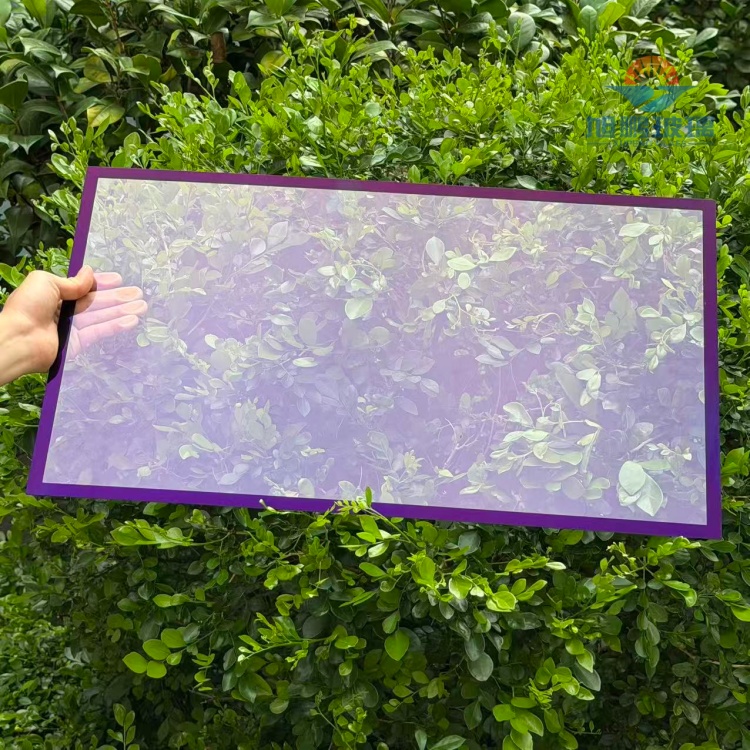
27-inch All-in-One PC AR Coated Glass
Large-format display cover glass with anti-reflective coating for all-in-one PC modules, touch interfaces and high-contrast viewing.
View product
High-transmittance Anti-Reflection Coated Glass
AR-coated clear glass for display windows, optical instruments and touch panels where reflection control and light transmission matter.
View product
Welding Black Filter Glass, Beveled Edge Grinding
Long irregular-shaped welding filter glass with beveled edge grinding for protective masks, goggles and industrial eye protection.
View product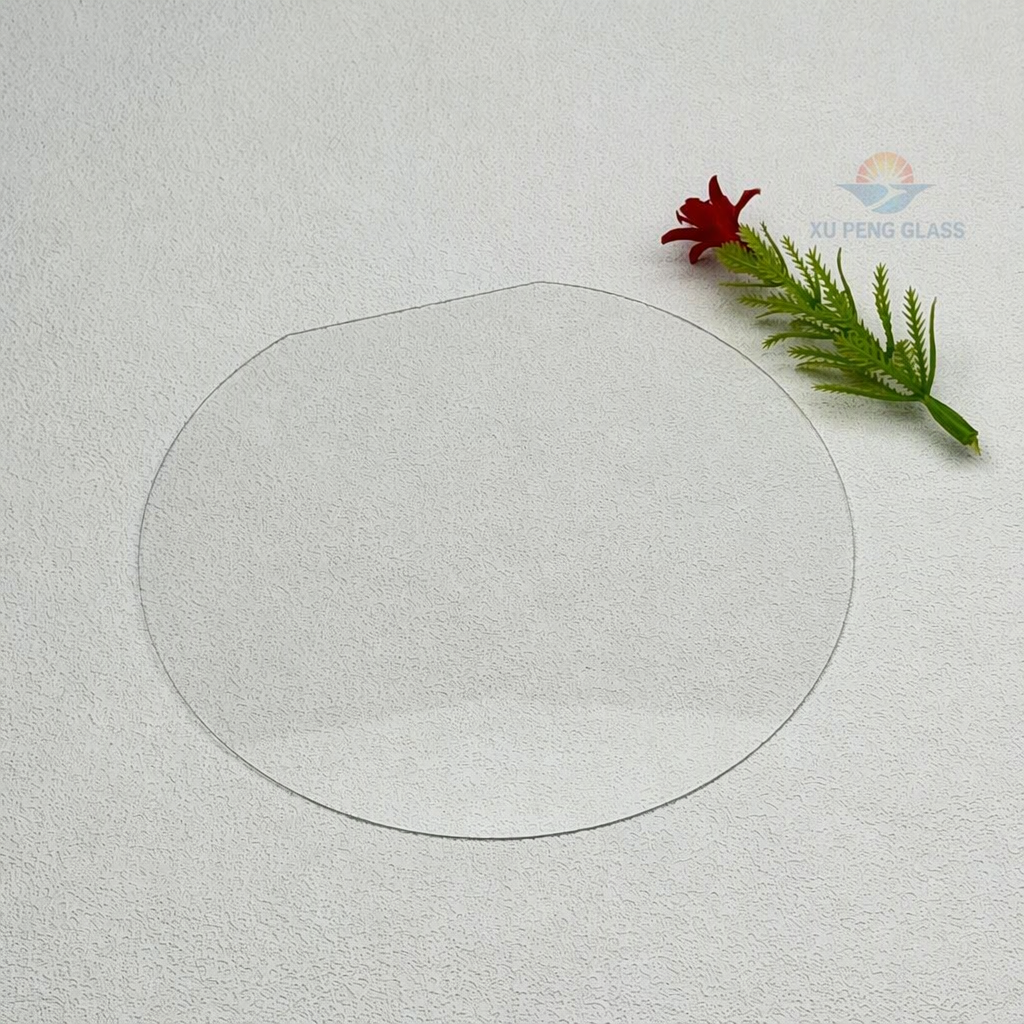
Ultra-thin High-precision Optical Glass Wafer
Precision optical glass wafer in Corning, SCHOTT or fused silica options for optical instruments and thin-substrate engineering.
View product
Corning EXG Glass Wafer Double-Sided Polished
Alkali-free glass wafer for custom semiconductor glass substrates, solar panels and applications requiring low thermal expansion.
View product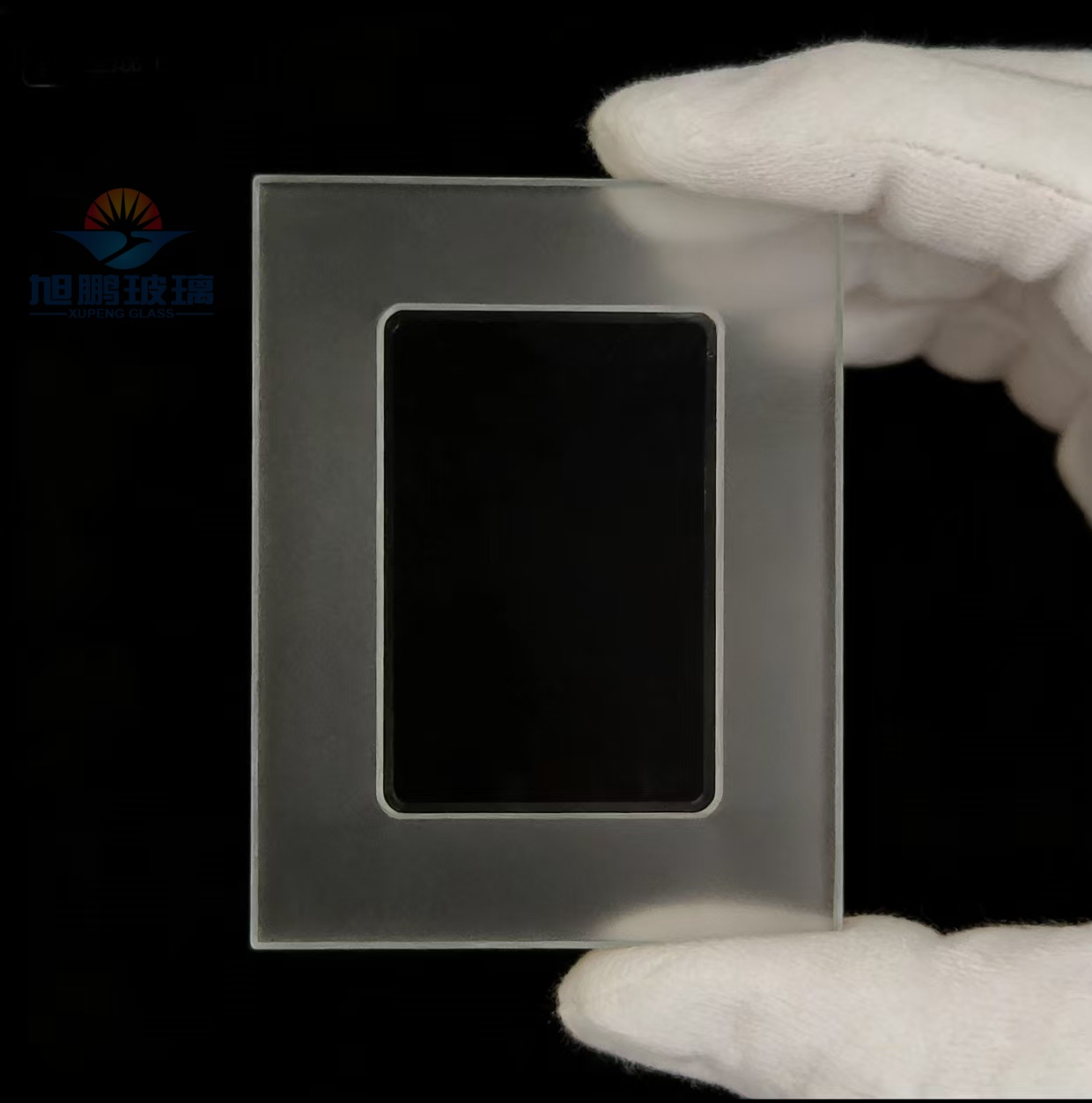
Custom Ultra-White Clear Tempered Glass Socket Cover
Decorative tempered glass socket cover for stairways, switch panels and architectural interiors with custom cut-outs.
View product
White Ceramic Glass-Ceramic, 4mm & 6mm
High-temperature resistant glass-ceramic for appliance windows, thermal barriers and demanding visual panels.
View product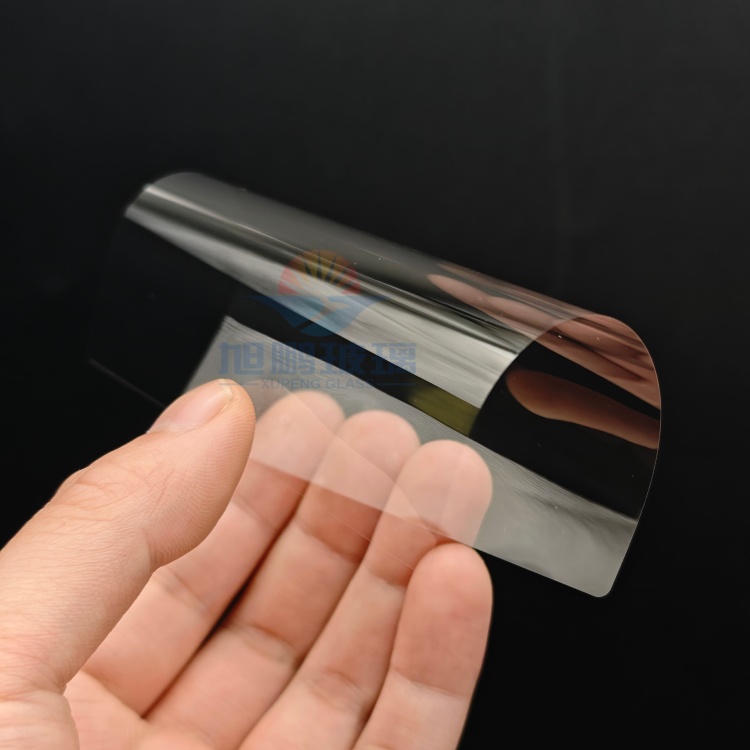
0.03 mm Ultra-thin Flexible Bendable Glass
Ultra-thin bendable glass for foldable displays, flexible electronics and next-generation thin-glass engineering.
View productClear Glass Material Selection by Function
Use this buyer’s matrix to shortlist the right material before requesting a quotation. The final specification should always be confirmed against your drawing, end-use environment and agreed test method.
Ultra-Clear Low-Iron Tempered Glass
Low green tint and high clarity for smart control panels, appliance covers, LED fixtures and light boxes. Tempering improves mechanical strength while CNC shaping, drilling and silk-screen printing convert the sheet into a finished part.
AR Coated Clear Glass
Anti-reflective coating suppresses surface reflection and raises display contrast. Recommended for touch screen modules, AIO PCs, museum windows and optical instrument windows where glare distracts from the image.
AG Anti-Glare Glass
Micro-textured surface diffuses reflected light. Gloss and haze can be selected to balance readability and clarity in outdoor LCDs, industrial HMIs, kiosks and bright retail environments.
Silk-Screen Printed Tempered Glass
Fired ceramic ink becomes part of the glass surface for durable graphics, icons, dead-front windows and appliance panels. Multi-color printing, IR ink, holes and windows can be combined in one part.
K9 Optical Glass
Borosilicate crown glass with low inclusions and good optical uniformity for lenses, prisms and instrument windows. Precision polishing, CNC edging and coating support prototype and production volumes.
Fused Quartz
High UV transmission and excellent thermal shock resistance for UV curing, disinfection equipment and high-temperature viewports. Thick-gauge cutting, polishing and drilling are available.
Sapphire Glass
Mohs hardness 9 and a melting point around 2,040°C make sapphire suitable for scratch-critical sensor covers and high-temperature windows. Cutting, polishing and chamfering complete the finished part.
Corning EXG Alkali-Free Glass
Alkali-free aluminoborosilicate with low coefficient of thermal expansion for semiconductor wafers, MEMS and display substrates. Double-side polishing and wafer dicing support precision programs.
Ultra-Thin Flexible Glass
Thickness down to 0.03 mm with bendability for foldable displays and flexible electronics. Precision cutting and edge strengthening help manage handling risk in pilot and mass-production stages.
Four Trends Reshaping Clear Glass Procurement
Professional buyers are changing how they qualify OEM clear glass suppliers. The deciding factors are resilience, total cost, traceability and the ability to scale from a pilot build to repeat export orders.
Dual-Source Resilience
Buyers are keeping one qualified deep-processing partner for coated and optical work while maintaining a regional finishing option. They ask for drawing portability, process records and inspection reports that can support a second source without repeating costly trials.
Total Cost of Ownership
Unit price is only one line in the landed-cost model. Coating defects, breakage, rework, line downtime and emergency freight can outweigh a lower quotation. Experienced buyers now score first-pass yield, packing quality and technical response time alongside price.
Traceability & Auditability
Batch identification, raw glass lot, coating run, tempering recipe and QC records are becoming standard requests. Traceability supports customer audits, complaint analysis and continuous improvement, especially for AR/AG coated and tempered safety parts.
Small-Batch Customization
Pilot quantities of 10–50 pieces for coated and optical parts, followed by 100–500 piece production runs for standard tempered parts, are now common. MOQ depends on material and process, so early manufacturability review prevents tooling and sampling surprises.
Product Development Trends in Clear Glass
Clear glass development is moving toward thinner substrates, integrated optical functions, semiconductor-grade flatness and higher environmental durability. These trends influence both product design and supplier qualification.
Thinner, Lighter Cover Glass
Smart devices and foldable displays push thickness downward while demanding edge strength and optical clarity. Ultra-thin flexible glass, chemical strengthening and precision edge finishing become linked engineering decisions.
Integrated AR, AG and AF Stacks
Display buyers increasingly request multi-functional surfaces: anti-reflective, anti-glare and easy-clean properties in one coated part. The qualification challenge is balancing optical gain, haze, abrasion resistance and production yield.
Semiconductor Glass Wafers
Alkali-free substrates such as Corning EXG are gaining attention for MEMS, sensors and display substrates. Buyers should confirm flatness, surface quality, dicing capability and lot-to-lot consistency before scaling.
High-Temperature Glass-Ceramic
Appliances, UV equipment and industrial instruments need windows that resist thermal shock without losing clarity. Glass-ceramic, fused quartz and borosilicate options are replacing general-purpose glass in harsher environments.
Smart HMI Cover Glass
Control panels are combining selective printing, dead-front graphics, capacitive touch compatibility and optical bonding. The glass part becomes a functional interface, not just a protective cover, which raises the value of early DFM review.
Low-Iron and Resource Efficiency
Low-iron glass remains the benchmark for clarity, while buyers also ask about energy use, packing optimization and material waste. A supplier’s yield discipline is increasingly part of its sustainability story.
Commodity Trader vs. Deep-Processing OEM/ODM Partner
The comparison below is a practical audit framework. It helps sourcing teams separate a catalog reseller from a manufacturer that can influence material selection, process route and long-term yield.
| Evaluation Area | Commodity Trader | Deep-Processing OEM/ODM Partner | What to Ask For |
|---|---|---|---|
| Drawing Review | Quotes from a basic size list. | Reviews CAD, DXF or PDF for manufacturability, tolerance and edge/hole risk. | Written DFM feedback before tooling. |
| Material Selection | Offers what is in stock. | Matches low-iron, K9, quartz, sapphire, EXG or borosilicate to the application. | Material datasheet and alternative comparison. |
| Process Control | Subcontracts several steps. | Controls cutting, edging, drilling, tempering, printing, coating and QC. | Process flow and inspection plan. |
| Optical Performance | May quote coating generically. | Defines AR reflection target, AG haze/gloss and transmission requirements. | Coating specification and sample approval record. |
| Traceability | Limited batch data. | Batch labeling, raw lot, coating run and QC record support audits. | Batch ID and retained inspection data. |
| Export Packing | Standard carton. | Protective film, foam corners, fumigation-free crates or reinforced cartons. | Packing drawing and drop-test evidence if required. |
Why Dongguan AUVE Glass Fits OEM/ODM Clear Glass Programs
Supplier claims should be verifiable. AUVE Glass combines factory-direct deep processing, documented quality routines, export experience and supplier-verification evidence that buyers can review before placing a sample or bulk order.
Factory-Direct Deep Processing
Established in 2018 in Songshan Lake, Dongguan, AUVE integrates R&D, design, production and export. Its 1,001–2,000 m² facility and 51–100 employees support custom glass programs rather than simple catalog resale.
Wide Material & Process Range
Flat and curved tempered glass, ultra-white glass, laminated and painted glass, LCD and touch cover glass, smart control panel glass, LED lamp glass, instrument glass, AR/AG coated glass, K9, quartz, sapphire, borosilicate, EXG and ultra-thin flexible glass can be consolidated.
Engineering Review Before Production
Send a CAD, DXF or PDF drawing with thickness, tolerance, edge, hole, printing and coating requirements. Engineers review manufacturability before production and align the process route with the drawing instead of forcing a stock size.
Quality Control & Traceability
Production follows defined process standards and a documented quality management system. Dimensional, visual and optical checks are combined with batch labeling so finished parts can be traced from raw sheet to packed carton.
Export Packing & Trade Terms
FOB, CFR, CIF, EXW, DDP, DDU, DAF and express delivery are supported. Export packing uses protective film, foam corners, fumigation-free wooden crates or reinforced cartons for fragile glass parts. Main markets include the USA, Canada, Russia, South Korea, Japan and Australia.
Verified Credentials & Fast Response
Buyers can review onsite-checked supplier status, credit index, transaction level, trade capacity, trade history and ratings/reviews. The average technical response time is within 7 hours, which shortens sample approval and production-release cycles.
Precision Cutting
Automatic and CNC cutting from float, low-iron and optical stock.
CNC Edging & Drilling
Edge grinding, beveling, grooving, holes and laser punching.
Tempering
Flat and curved thermal tempering for impact and thermal resistance.
Silk-Screen Printing
High-temperature ceramic inks, logos, windows and icons.
AR / AG Coating
Anti-reflective, anti-glare, mirror and functional coatings.
QC & Export Packing
Dimensional, visual and optical checks, then protective packing.
Frequently Asked Questions from Clear Glass Buyers
These are the questions engineering and procurement teams ask most often when evaluating an OEM/ODM clear glass manufacturer and exporter.
What does an OEM/ODM clear glass manufacturer do?
An OEM/ODM clear glass manufacturer converts raw glass into a finished part that matches a buyer’s drawing or performance brief. Work can include material selection, cutting, CNC edging, drilling, tempering, silk-screen printing, AR/AG coating, polishing, inspection and export packing. ODM projects may also involve design for manufacturability, material alternatives and packaging recommendations.
Can you produce clear glass to my own drawing?
Yes. Send a CAD, DXF or PDF drawing with thickness, tolerance, edge profile, hole positions, printing and coating requirements. The engineering team reviews manufacturability before production and covers CNC cutting, edging, drilling, tempering, silk-screen printing and AR/AG coating. Early review is especially important for thin glass, large-format cover glass and coated parts.
What is the minimum order quantity?
MOQ depends on material and process. Many coated and optical glass parts start from 10 to 50 pieces, while standard ultra-clear tempered parts typically start from 100 to 500 pieces. Sample and pilot quantities can be discussed for new projects. Because MOQ is process-driven, the most accurate route is to share the drawing, application and target annual volume for a project-specific review.
Should I choose ultra-clear, AR or AG glass?
Choose ultra-clear low-iron glass when the priority is neutral color and high visible light transmission. Choose AR coated glass when surface reflection lowers display contrast or interferes with optical instruments. Choose AG anti-glare glass when the viewer faces strong ambient light, such as outdoor LCDs, industrial HMIs or kiosks. Combined AR+AG options may be considered when both glare diffusion and reflection control are required.
How do you control scratches and coating defects?
Control starts with process design: protective film selection, clean handling, dedicated coating runs, edge quality, packing materials and final visual inspection. For coated and optical parts, the inspection plan should define the viewing condition, acceptance criteria and sampling level. Buyers should request a sample approval record and confirm how parts will be separated and protected during transit.
Which Incoterms and export markets do you support?
FOB, CFR, CIF, EXW, DDP, DDU, DAF and express delivery are supported, with export packing designed for fragile glass parts. Clear glass products are exported to the United States, Canada, Russia, South Korea, Japan, Australia and other markets. The correct Incoterm depends on the buyer’s customs setup, shipment size and preference for door-to-door versus port-to-port service.
How quickly can I receive a technical response?
The average response time is within 7 hours. To accelerate the review, include the drawing, material preference, thickness, tolerance, surface finish, printing or coating requirement, target quantity and destination market. A complete package helps the engineering team confirm material, process route, packing method and lead time without repeated clarification.
What can I verify before placing an order?
Review the supplier’s onsite-checked status, credit index, transaction level, trade capacity, trade history and buyer ratings. Ask for process flow, inspection plan, packing drawing, sample approval record and batch traceability. For new projects, request a manufacturability review and pilot sample before mass production. These steps reduce the risk of material substitution, coating defects and tolerance surprises.
Send a Drawing. Get a Manufacturability and Cost Review.
Share your size, thickness, tolerance, edge, hole, printing, coating and target quantity. The team will confirm material, process route, MOQ and lead time — usually within 7 hours.
Inquire Now OEM/ODM clear glass manufacturer & exporter · Dongguan AUVE Glass Co., Ltd. · info@auveglass.com