Eight Production-Ready Glass Platforms for OEM/ODM Programs
These eight product pages give engineering and sourcing teams a practical way to compare clarity, edge finishing, coating, drilling, printing and material capability before scaling a curved tempered glass program with Dongguan AUVE Glass Co., Ltd.
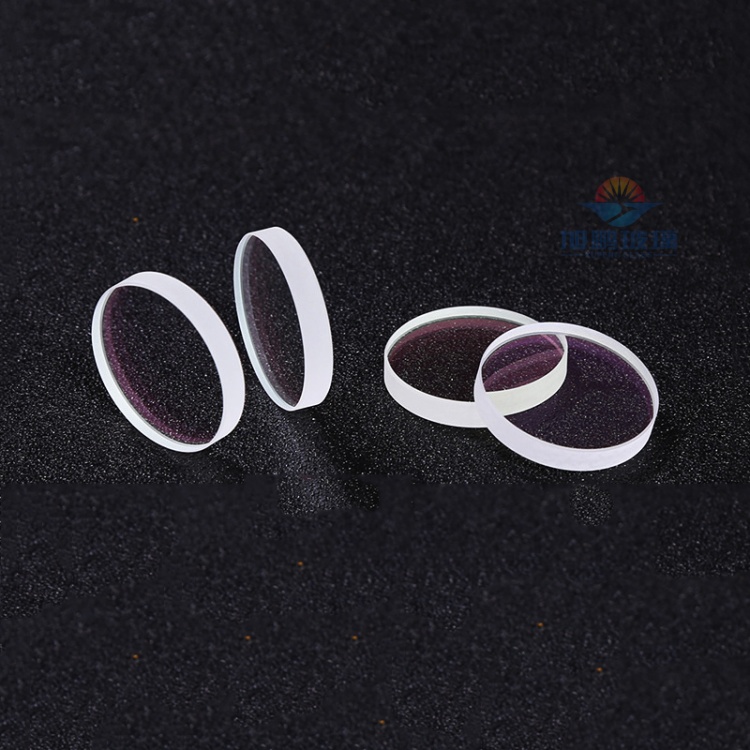
Ultra-clear Tempered Glass, Custom Processing Available: Drilling, Etching, AG Coating, Silk Printing, AR Coating
A versatile ultra-clear platform for drilling, etching, AG/AR coating and silk printing. Use it to benchmark visual clarity, coating adhesion and edge reliability before scaling a display or control-panel project.
View product page →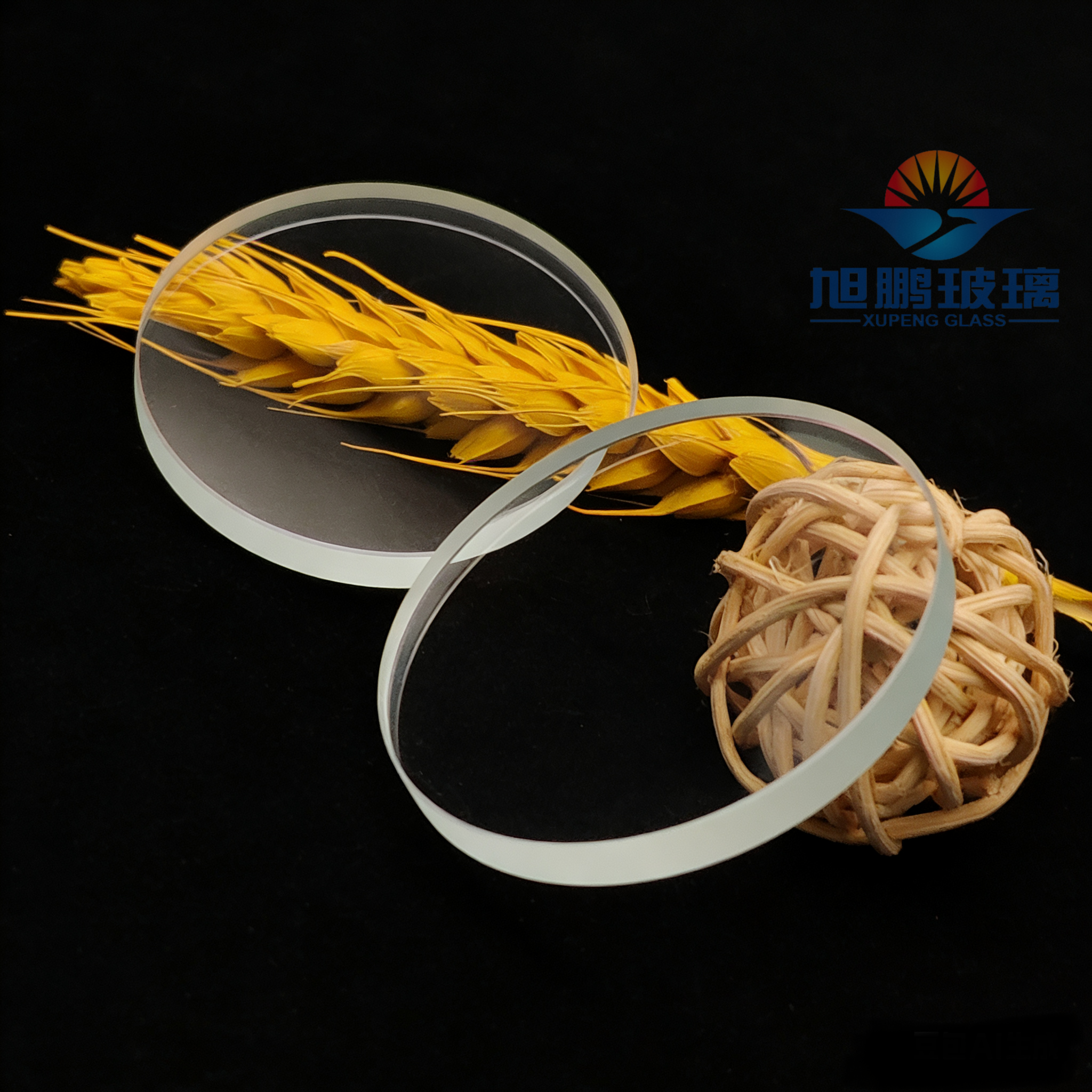
Low Iron Round High Transmittance Tempered Glass Panel with Precision Polished Edges, Flat Clear Glass
Low-iron, round panel with polished edges and high light transmission. A practical reference for buyers comparing color neutrality, edge finish and dimensional repeatability in visible glass assemblies.
View product page →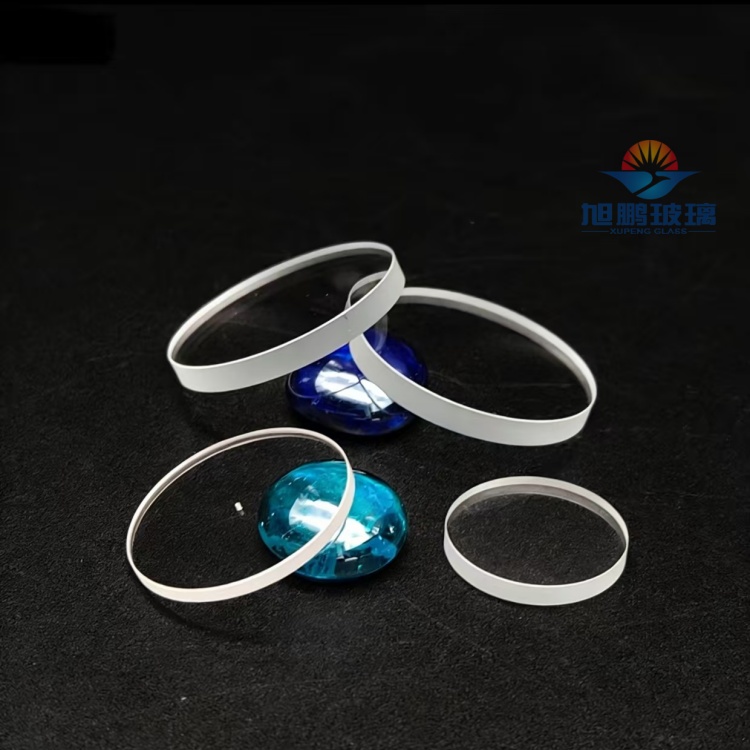
Sapphire Glass Step Window Wafers, High Temperature Resistant & High Light Transmittance Optical Sapphire Lenses
Sapphire step window wafers for high-temperature and high-transmission optical windows. Suitable for sensor protection, instrument windows and applications where scratch resistance is a design requirement.
View product page →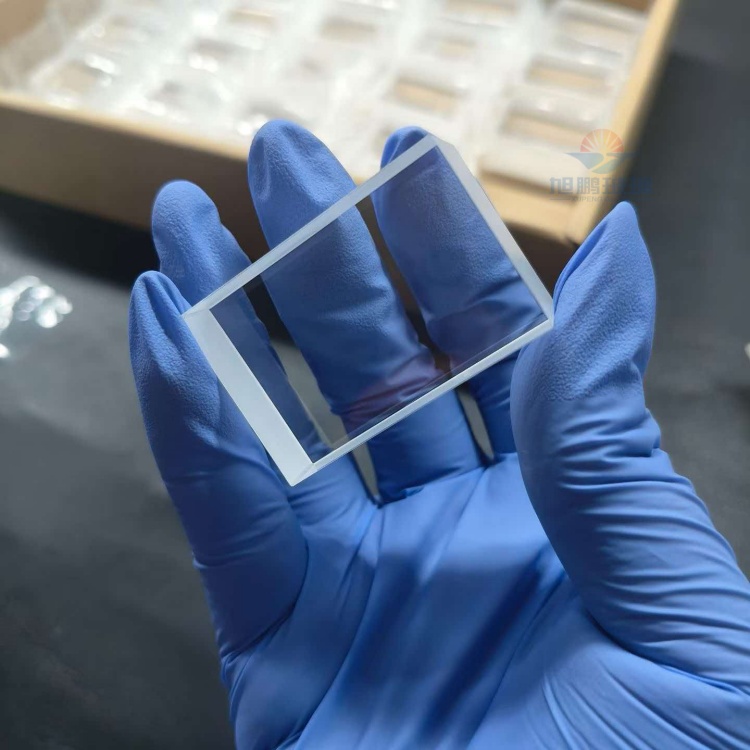
High UV Transmission Thick Gauge Thick Quartz Glass Plate
Thick quartz plate with high UV transmission for UV curing, disinfection and high-temperature viewports. A useful comparison point for projects balancing optical performance with thermal shock resistance.
View product page →
Ultra-white Tempered Glass, AR Anti-Reflection Coatable, High Light Transmittance & Anti-reflective
Ultra-white tempered glass with an AR-coatable surface. Recommended for high-transmittance display covers, instrument windows and front panels where reflection control and color neutrality matter.
View product page →
Welding Black Filter Glass, Beveled Edge Grinding, Long Irregular-shaped Welding Filter Glass
Black welding filter glass with beveled edge grinding and irregular outlines. Shows the factory's ability to combine functional light filtration with controlled shaping and edge finishing.
View product page →
Precision CNC Cut & Holed, High-temperature Silk Screen Tempered Glass, Drilled Ultra-clear Small Round Glass Discs
CNC-cut, drilled and high-temperature silk-screen printed ultra-clear discs. A good production reference for small-format windows, drilled holes, durable graphics and multi-step inspection.
View product page →
High-transmittance Anti-Reflection Coated Glass
High-transmittance anti-reflection coated glass for display and optical assemblies. Useful for evaluating AR stack uniformity, reflection targets, cleaning resistance and cosmetic acceptance criteria.
View product page →Why OEM/ODM Curved Tempered Glass Buyers Audit the Factory Before the Price
Curved tempered glass is not a commodity panel. It is a system outcome created by glass chemistry, bend-mold design, thermal cycle, edge treatment, coating compatibility, printing durability and export packing.
A buyer who compares only price per square meter can easily miss the larger costs of optical distortion, radius deviation, coating haze, edge chipping, transit breakage and re-engineering. A qualified factory should be able to show how it controls those variables from drawing review to final carton. Dongguan AUVE Glass Co., Ltd. works from CAD, DXF or PDF drawings and reviews thickness, radius, tolerance, edge profile, holes, printing and coating requirements before production. This early engineering review reduces late-stage surprises in curved tempered glass programs that also involve ultra-clear low-iron glass, AR/AG coatings, silk-screen printing and optical materials such as K9, quartz, sapphire and Corning EXG.
The practical audit question is therefore not simply “Can this factory bend glass?” It is “Can this factory control the curved part as a repeatable production system?” That means validating the mold, documenting the thermal cycle, checking edge quality after shaping, measuring distortion at the final viewing angle, confirming coating or ink adhesion, and packing the part so it survives international logistics.
Mold validation
Mold condition, radius compensation, spring-back control and first-article approval determine whether a curved cover fits the housing without assembly stress.
Tempering discipline
Fragmentation, flatness and residual stress must be checked against the agreed standard, especially when the part combines bending, holes and printed graphics.
Optical distortion
Distortion should be evaluated in the customer's viewing direction, not only on a flat inspection table, because reflection and transmitted images reveal different defects.
Packing and traceability
Batch labels, protective film, interleaving, corner protection and export crates are part of quality control when glass travels across borders.
Factory Advantages That Lower Total Cost of Ownership
AUVE's deep-processing model combines R&D, design, production and export in Dongguan, one of China's electronics and optoelectronics clusters, so engineering changes can be resolved inside one supply chain.
Deep processing under one roof
Cutting, CNC edging, drilling, tempering, silk-screen printing, AR/AG coating and inspection can be coordinated as one route, reducing hand-off risk between vendors.
Engineer-to-drawing review
Send CAD, DXF or PDF files with thickness, tolerance, radius, edge, hole, printing and coating requirements. The factory reviews manufacturability before production, not after.
Verified supplier data
Buyers can review onsite-checked supplier status, credit index, transaction level, trade capacity, trade history and ratings before committing a new glass program.
Material breadth
Ultra-clear low-iron, AR/AG coated, silk-screen printed, K9, quartz, sapphire, borosilicate and Corning EXG substrates support different optical, thermal and mechanical needs.
Export-ready packing
Protective film, interleaving paper, foam corner protection and fumigation-free wooden crates or reinforced cartons are selected for fragile glass parts.
Global supply communication
Products are exported to the United States, Canada, Russia, South Korea, Japan, Australia and other markets, with average technical response within seven hours.
Four Control Gates for Curved Tempered Glass Production
A clear process is a purchasing advantage. These four gates help OEM/ODM buyers see where cost, lead time, risk and quality are actually created.
Drawing and DFM review
Review 2D/3D geometry, target radius, edge condition, hole positions, coating zones, printing tolerances and packing method before quoting.
Material and tooling plan
Select low-iron, ultra-white, optical or filter glass; confirm mold or bending fixture requirements; define first-article inspection criteria.
Process run and in-process checks
Control CNC cutting, edging, drilling, bending, tempering, printing and coating with documented checks at each hand-off.
Final QC and export packing
Check dimensions, radius, visual cosmetics, optical performance, adhesion and packing protection before carton sealing and shipment.
Material and Finish Selection Matrix
Use this matrix to shortlist the correct material family before asking for a curved tempered glass quotation. Final specifications should always be confirmed against your drawing and agreed test standard.
| Material or finish | Why buyers specify it | Typical fit | Procurement note |
|---|---|---|---|
| Ultra-clear low-iron tempered | High visible transmission, reduced green edge tint and good strength after tempering | Control panels, appliance covers, LED fixtures and light boxes | Confirm edge quality, flatness and printing window after tempering |
| AR anti-reflective coated | Lowers surface reflection and improves display contrast under bright light | Touch modules, all-in-one PCs, instrument windows and museum glazing | Define single-side or double-side AR and reflection target |
| AG anti-glare glass | Diffuses glare through a micro-textured surface, improving readability | Outdoor LCDs, industrial HMIs, kiosks and medical displays | Agree gloss, haze and cleaning resistance before sampling |
| Silk-screen printed tempered | Fired ceramic ink creates durable graphics, windows and icons | Instrument panels, appliances, switch covers and control fascia | Review ink color, registration, IR window and overcoat needs |
| K9 optical glass | Borosilicate crown glass with stable optical properties and low inclusions | Lenses, prisms and optical instrument windows | Specify refractive index, tolerance, polish and coating requirements |
| Fused quartz | High UV transmission and strong thermal shock resistance | UV curing, disinfection equipment and high-temperature viewports | Confirm thickness, internal quality and UV transmission band |
| Sapphire glass | High hardness, scratch resistance and high-temperature capability | Sensor covers and windows for harsh or high-temperature use | Clarify orientation, chamfer, surface finish and acceptable inclusions |
| Corning EXG alkali-free | Low CTE and stable substrate behavior for demanding electronic use | Semiconductor wafers, MEMS and display substrates | Specify thickness, flatness, polishing and dicing requirements |
Reference data for early selection only. Production specifications are confirmed through drawing review, samples and agreed inspection criteria.
Future Procurement Trends for Curved Tempered Glass
Buying behavior is moving from simple catalog sourcing toward risk-managed, documentation-led supplier partnerships. These trends matter to procurement teams planning their next OEM/ODM glass program.
Risk-adjusted sourcing
Buyers are comparing total landed cost, breakage risk, lead-time stability and engineering response rather than piece price alone. A factory that can prevent a failed assembly is often cheaper than the lowest quoted panel.
Documentation-led selection
Supplier assessment, credit index, transaction level, trade capacity, ratings and trade history are being used earlier in the sourcing process. Verified data shortens internal approval cycles.
Consolidation under one processor
Teams prefer one deep-processing partner for cutting, bending, tempering, printing, coating and packing when possible, because fewer hand-offs mean fewer tolerance disputes and clearer accountability.
Early supplier involvement
Engineering teams now invite glass factories into prototype reviews before the housing, gasket or display stack is frozen. This reduces redesign cost when radius, edge or coating limits are discovered late.
Product Development Trends Reshaping Curved Glass Specifications
Curved glass is moving into more demanding display, appliance, instrument and optical applications. The factory's process route must evolve with the product, not after it.
Thinner curved cover glass
Designers want thinner, lighter and more visually seamless covers. This raises the importance of edge strength, bending control, flatness and handling discipline during tempering and packing.
Integrated AR and AG functions
Anti-reflective and anti-glare requirements are increasingly combined with tempered glass, printing and touch-friendly surfaces, requiring coating compatibility checks before mass production.
Optical materials in industrial design
Sapphire, quartz, K9 and Corning EXG are no longer limited to laboratory products. Sensors, UV equipment and industrial windows now require optical-grade substrates with traceable quality.
Packaging as part of quality
As parts become larger and thinner, export packing becomes a design variable. Protective film, interleaving, corner protection and crate design directly affect yield and customer experience.
Recommended Glass Platforms by Application
These recommendations help sourcing teams match the eight product platforms to real end-use environments while keeping the curved tempered glass program aligned with the right material and finish.
Ultra-clear and silk-screen tempered
Use ultra-clear low-iron tempered glass with custom drilling, etching, silk printing and optional AR/AG coating for appliance fascia, switch covers and smart control panels.
AG or AR display cover glass
For outdoor LCDs, kiosks and industrial HMIs, compare AG anti-glare and double-side AR options, then confirm gloss, haze and contrast targets under real lighting.
K9, sapphire and AR coated glass
Use K9 optical glass, sapphire step windows and high-transmittance AR coated glass for lenses, sensor windows and instrument windows requiring stable optical performance.
Quartz and Corning EXG
Specify high-UV quartz plates or Corning EXG alkali-free wafers when thermal resistance, UV transmission, low CTE or wafer-level flatness are critical to the process.
Frequently Asked Questions from OEM/ODM Glass Buyers
Straight answers to the questions engineering, procurement and supply-chain teams ask before starting a curved tempered glass project.
What drawings and data should I send for a curved tempered glass quotation?
Send CAD, DXF or PDF files with 2D/3D geometry, thickness, target radius, tolerance, edge profile, hole positions, printing artwork, coating zones and quantity. Also state the end-use environment, installation method and any test standard.
Can AUVE support both OEM and ODM programs?
Yes. OEM programs are built to your drawing, material and acceptance criteria. ODM discussions can start from function, appearance and target cost, then move toward material and process recommendations with engineering review.
What is the minimum order quantity?
MOQ depends on material, size, coating, printing and tooling. Coated and optical parts often start lower, while standard ultra-clear tempered parts may require larger pilot quantities. Sample and pilot orders can be discussed for new projects.
How are optical distortion, radius and edge quality controlled?
Control points are agreed during first-article approval. Inspection may include radius and profile checks, dimensional measurement, edge visual inspection, optical comparison at the intended viewing angle and coating or printing verification.
Which Incoterms and export markets are supported?
FOB, CFR, CIF, EXW, DDP, DDU, DAF and express delivery can be discussed. Products are exported to the United States, Canada, Russia, South Korea, Japan, Australia and other markets, with packing selected for fragile glass parts.
How fast is the technical response?
The average response time is within seven hours. For an engineering review, include your drawing, quantity, surface finish, coating or printing requirement and target delivery schedule.
Can curved tempered glass be combined with AR/AG, printing and the eight product platforms?
Yes, project feasibility should be reviewed case by case. Coating, printing, tempering and bending sequences must be compatible, so the factory reviews the full stack before confirming the process route.
How is fragile glass packed for international shipping?
Typical protection includes surface film, interleaving paper or film, foam corner protection and fumigation-free wooden crates or reinforced cartons. Batch labels and packing checks help buyers trace and inspect incoming shipments.
Have a Drawing? Let AUVE Review Your Curved Glass Program.
Share size, thickness, radius, tolerance, edge, hole, printing, coating and quantity requirements. The team will confirm material, process route and lead time, usually within seven hours.
Get a Quote