Eight Display Cover Glass & Precision Glass Products for Custom Programs
Every product route below can be adapted in size, thickness, edge profile, holes, printing and coating. If you have a drawing, our engineers can review manufacturability before quotation.

Wafer Glass Thickness Circuit Board Chip Solar Silicon Ingot Substrate
Precision glass substrate route for wafer-adjacent, circuit board, chip and solar-related programs where thickness consistency and flatness matter.
View product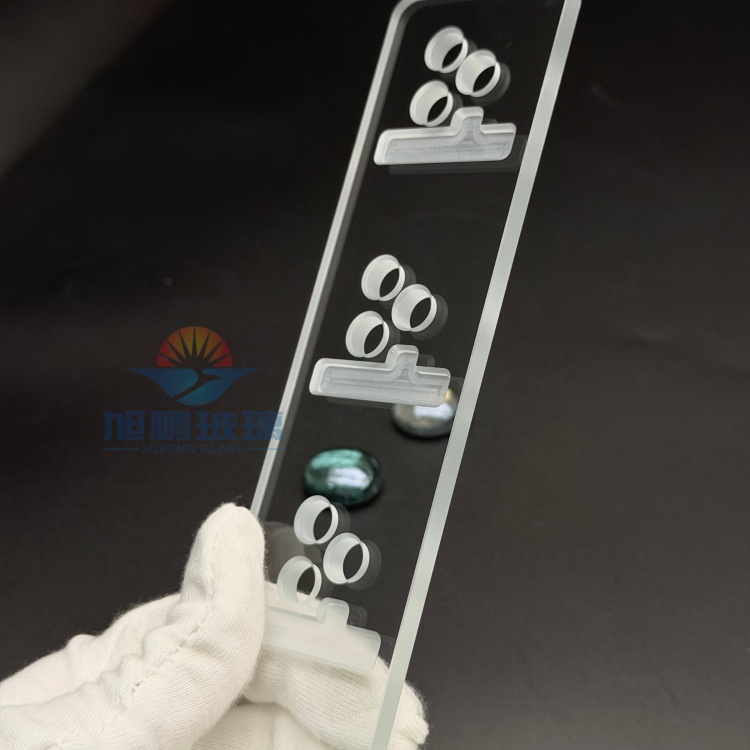
Ultra Clear High Light Transmission Tempered Glass Panel, CNC Arc Polishing, Drilling & Grooving
Low-iron tempered cover glass with CNC edge work, arc polishing, drilling and grooving for display windows, panels and appliance interfaces.
View product
Schott Ultra-thin Optical Glass Sheets, 0.1mm, 0.5mm, 0.7mm, 1.1mm, Raw Semiconductor Electronic Glass Substrates
Ultra-thin optical glass sheet sourcing and processing for sensors, optical modules and semiconductor-adjacent electronic glass substrates.
View product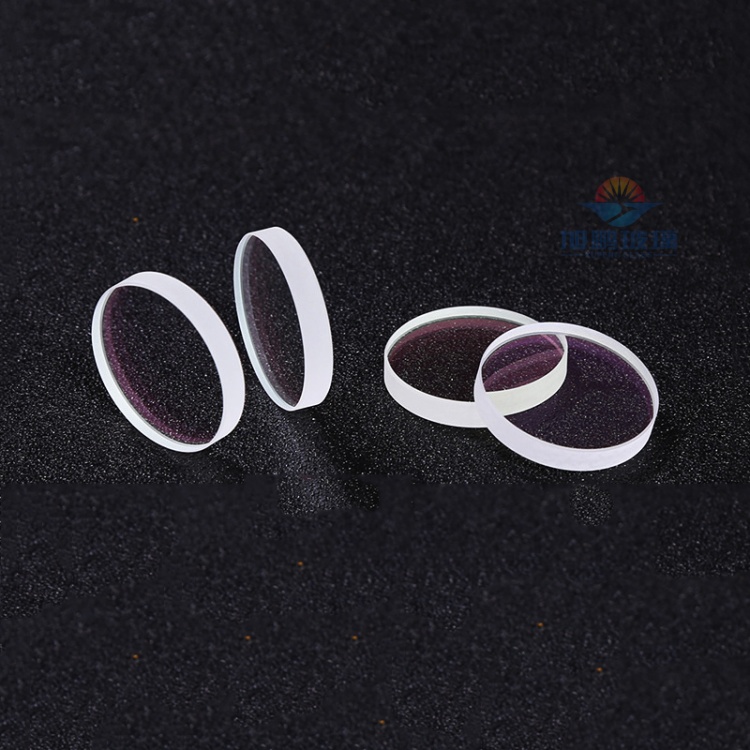
Ultra-clear Tempered Glass, Custom Processing Available: Drilling, Etching, AG Coating Silk Printing, AR Coating
One glass platform for drilling, etching, AG anti-glare coating, silk-screen printing and AR anti-reflective coating in a single production flow.
View product
Schott BF33 TGV Microvia Glass Wafer, Packaging Substrate for Sensors & Chips
Through-glass-via wafer route for sensor and chip packaging where microvia quality, flatness and material stability are critical.
View product
Precision CNC Cut & Holed, High-temperature Silk Screen Tempered Glass, Drilled Ultra-clear Small Round Glass Discs
Small-format tempered glass discs with CNC holes, high-temperature silk-screen graphics and ultra-clear visibility for instrument windows.
View product
Custom Ultra-White Clear Tempered Glass Socket Decorative Cover for Stairways
Ultra-white tempered glass decorative cover route for switch, socket and stairway applications requiring clean color and custom cut-outs.
View product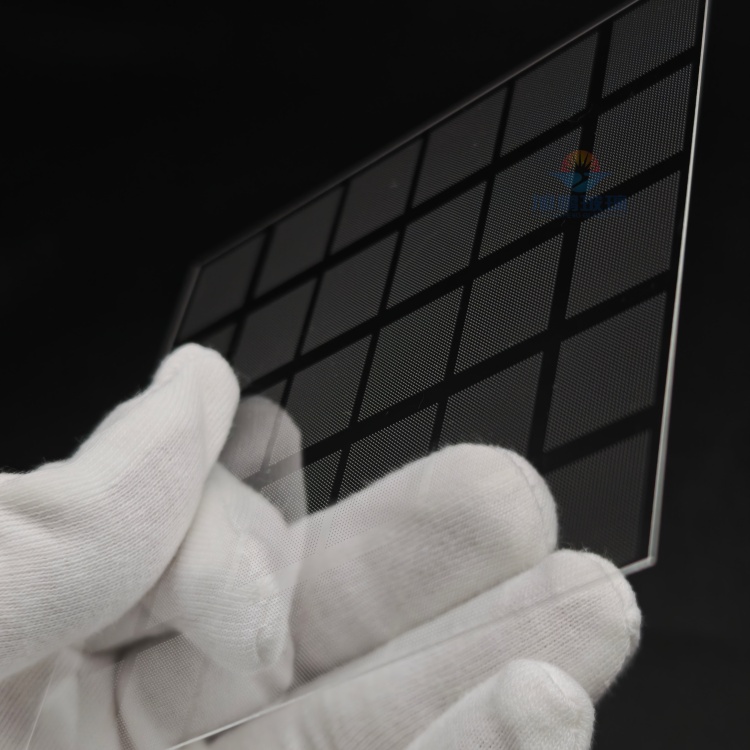
TGV Drilled Packaging Glass Substrate, Precision Laser Microvia Glass
Laser-drilled glass substrate for advanced packaging and microvia projects, supported by engineering review of hole quality and wafer handling.
View productVerified Credentials You Can Review Before You Commit
Custom display cover glass is a long-lead, tolerance-sensitive purchase. The right supplier should be verifiable, responsive and able to document process control — not only competitive on unit price.
Onsite-Checked Supplier
Premises and legal status are independently reviewed through third-party onsite verification. This reduces the risk of sourcing from an unverified intermediary.
Credit Index
A transparent credit profile built from real trading behavior helps procurement teams evaluate commercial reliability before sample and bulk orders.
Transaction Level
Verified online transaction records with overseas buyers provide a clearer view of real order activity, not only catalogue presence.
Trade Capacity
Export experience, main markets and production capability are documented so you can match supplier capacity to your program volume.
Ratings & Reviews
Buyer feedback on quality, delivery and service adds practical context to engineering claims and can reveal communication patterns.
Trade History
Documented shipment history across global markets helps confirm repeatable export packing and international transaction experience.
Display Cover Glass Is a System-Level Material, Not a Commodity Panel
For OEM and ODM teams, cover glass influences optical performance, touch feel, assembly yield, product safety and after-sales risk. A low unit price can be expensive if the glass does not match the full stack-up.
Optical Clarity Drives Perceived Quality
Surface reflection, haze, color tint and coating uniformity change how users judge display contrast and color. AR and AG are optical system choices, not cosmetic upgrades; the final target must be defined against the display, ambient light and viewing distance.
Mechanical Robustness and Safety
Tempering, thickness, edge quality, hole geometry and chamfer design work together. A hole that is dimensionally correct but poorly finished can still become a crack initiator during assembly or field use.
Stack-Up Integration Matters
Flatness, parallelism, step height, print registration and hole-to-edge tolerance affect bonding, gasket fit and housing closure. Early DFM review usually lowers total cost more than late inspection ever can.
Repeatability Protects Your Brand
Batch-to-batch color consistency, coating appearance, ink adhesion and export packing decide whether a pilot build can scale. The supplier should control the process route, not merely broker finished glass.
From Drawing to Production: A Practical Engineering Route
AUVE’s factory-direct model integrates R&D, design, production and export. The workflow below is designed to reduce quotation ambiguity for custom display cover glass and precision glass parts.
Drawing and Requirement Review
Send CAD, DXF, PDF or a clear 2D drawing with material, thickness, tolerance, edge, hole, printing and coating requirements. Include the application environment and any assembly constraints.
DFM and Specification Alignment
Engineers review manufacturability, datum strategy, crack risk, print registration and inspection method. Ambiguous requirements are clarified before tooling and samples move forward.
Material and Coating Selection
Choose ultra-clear tempered glass, AR/AG coated glass, silk-screen printed glass, K9, quartz, sapphire, BF33, Corning EXG or another substrate route according to optical and environmental needs.
Sampling and First-Article Check
Pilot parts verify fit, optics, print, coating appearance and handling. The first-article review should match the agreed drawing and any visual limit samples, not only nominal dimensions.
Production and Process Control
Cutting, CNC edging, drilling, tempering, silk-screen printing and AR/AG coating follow defined process standards. Batch traceability supports containment if an issue appears later.
Final QC and Export Packing
Dimensional, visual and optical checks are completed before protective packing. Fragile-goods packing can include interleaving film, foam corner protection and wooden crates or reinforced cartons.
What Is Changing in Display Cover Glass Technology
The next wave of display and sensing products is pushing cover glass toward higher optical performance, thinner substrates, more complex holes and stronger material traceability.
AR/AG Coatings Become Functional Specs
Outdoor kiosks, industrial HMIs and premium monitors need lower reflection and controlled haze. Buyers increasingly specify gloss, haze, color shift and durability instead of simply asking for “AR glass” or “AG glass.”
Large-Format and Curved HMI Glass
Smart appliances, all-in-one PCs, EV charging interfaces and control panels are moving to larger formats and curved edges. CNC arc polishing, uniform printing and distortion control become differentiators.
Thin, Flexible and Foldable Substrates
Ultra-thin glass, bendable display cover concepts and flexible electronics are creating demand for thinner substrates with controlled edge quality, handling protection and downstream lamination compatibility.
TGV and Semiconductor Packaging Glass
Through-glass vias, microvia substrates and alkali-free glass wafers are gaining attention in sensors, RF and advanced packaging. Precision laser drilling and wafer handling capability are becoming strategic.
Future Procurement Trends OEM Buyers Should Prepare For
Purchasing custom display cover glass is shifting from simple price comparison to total program risk management. The following trends are already visible in buyer RFQs and supplier qualification discussions.
Dual Sourcing With Finishing Consolidation
Buyers want supply resilience but also fewer handoffs. A supplier that controls cutting, CNC, tempering, printing and coating can shorten qualification time and reduce finger-pointing between vendors.
Total Landed Cost Beats Unit Price
Breakage, rework, delayed assembly, coating mismatch and excess packing all add cost. Procurement teams increasingly compare quotes using landed cost, yield risk and engineering response time.
Earlier Supplier Involvement
More OEM teams invite glass processors into DFM review before the housing, gasket or touch stack is frozen. This reduces tolerance conflicts and prevents specifications that look good on paper but are costly to produce.
Traceability and Change Control
Batch labels, material records, coating parameters and packing records are becoming part of supplier qualification. For regulated or high-value programs, change notification and sample approval discipline matter.
Material and Coating Selection Matrix for Display Cover Glass Projects
Use this matrix to shortlist a production route before sending your drawing. Final specifications should always be confirmed against your drawing, application environment and agreed test standard.
| Product Route | Best-Fit Applications | Critical Specification Levers | Typical Processing Options |
|---|---|---|---|
| Ultra-Clear Tempered Glass | Smart control panels, appliance covers, HMI windows, LED fixtures | Visible transmission, edge tint, flatness, tempering stress, edge quality | CNC cutting, edging, drilling, silk-screen printing, AR/AG coating |
| AR Coated Cover Glass | Touch displays, all-in-one PCs, optical instrument windows, museum glazing | Reflection target, coating adhesion, scratch resistance, color neutrality | Single- or double-side AR, tempering, printing, CNC shaping |
| AG Anti-Glare Glass | Outdoor LCDs, industrial HMIs, kiosks, high-brightness displays | Haze, gloss, sparkle, resolution clarity, durability | Etched AG, coated AG, AG plus AR, tempering |
| Silk-Screen Printed Tempered Glass | Instrument panels, home appliances, switch and socket covers | Print registration, ink opacity, color stability, window edge quality | Multi-color printing, IR/window ink, CNC holes, tempering |
| TGV / BF33 / Corning EXG Wafers | Sensor packaging, chip packaging, MEMS, semiconductor-adjacent substrates | Microvia quality, wafer flatness, surface finish, CTE, handling cleanliness | Laser drilling, double-side polishing, wafer dicing, inspection |
| K9, Quartz and Sapphire Optics | Lenses, prisms, UV equipment, high-temperature windows, sensor covers | Refractive index, UV transmission, hardness, thermal shock, surface scratches | Precision polishing, CNC edging, chamfering, functional coating |
| Ultra-Thin Optical Glass | Flexible electronics, thin sensors, foldable display concepts, optical modules | Thickness tolerance, edge micro-cracks, warp, handling protection | Precision cutting, edge strengthening, cleaning, protective packing |
Reference data is intended for early material selection. Production release depends on drawing review, sample approval and the agreed inspection method.
Quality Control and Total Landed Cost in Custom Cover Glass
Information gain starts with better specifications. A drawing that defines datum, edge criteria, print registration, coating appearance and packing method will usually receive a more stable quote and a faster approval cycle.
Illustrative Decision Weight for Custom Glass Buyers
Many sourcing teams still over-weight piece price. In practice, specification clarity and packing/yield risk often decide the final program cost.
Inspection Points That Should Be Agreed Before Mass Production
- Incoming glass sheet: color, thickness, visible defects and storage condition.
- First article: dimensions, holes, edge profile, print registration and coating appearance.
- In-process: CNC edge quality, tempering condition, ink curing and coating uniformity.
- Final inspection: scratch/chipping limits, optical target, flatness and packaging fit.
- Packing validation: interleaving, corner protection, crate/carton strength and labeling.
Practical rule: define the inspection method and acceptance limit before sampling. This is more valuable than adding more inspection after production.



Why OEM/ODM Teams Work With Dongguan AUVE Glass
Dongguan AUVE Glass Co., Ltd. is a deep-processing glass manufacturer integrating R&D, design, production and export in Songshan Lake, Dongguan, Guangdong. The location places the factory inside one of China’s electronics and optoelectronics clusters, supporting responsive access to materials, equipment and technical talent.
The company processes flat and curved tempered glass, ultra-clear low-iron glass, laminated and painted glass, AR high-transmittance glass, AG anti-glare glass, silk-screen printed glass, touch screen and LCD cover glass, LED lighting glass, instrument glass and optical materials such as K9, quartz, sapphire, borosilicate and Corning EXG alkali-free glass.
Guided by the philosophy “focusing on high-end glass, pioneering and innovating,” AUVE continues to invest in skilled engineers and advanced equipment to deliver complete glass solutions for OEMs, brand owners and distributors at home and abroad.
- Business Type
- Manufacturer & Trading
- Location
- Dongguan, Guangdong, China
- Team Size
- 51–100 Employees
- Main Markets
- USA · Canada · Russia · Japan · Korea · Australia
- Factory-direct review of drawings, tolerances, printing and coating requirements.
- In-house route covering CNC, edging, drilling, tempering, silk-screen and AR/AG coating.
- Average inquiry response within 7 hours and documented export packing for fragile glass.
Recommended Product Families by Application
If you are unsure which route fits your program, start from the application. The same drawing can often be produced through more than one glass platform, but the optical and environmental requirements should drive the final choice.
Smart Control Panels and HMI
Ultra-clear tempered glass with silk-screen windows, AR or AG coating, CNC holes and custom edge finishing for appliances, kiosks and industrial interfaces.
Optical Instrument and Sensor Windows
K9 optical glass, quartz, sapphire and ultra-thin glass sheets with precision polishing, chamfering and coating for optical and sensor modules.
Semiconductor and TGV Packaging
BF33 TGV wafers, laser-drilled packaging substrates and Corning EXG alkali-free glass routes for sensor, chip and advanced packaging evaluation.
Appliance and Decorative Cover Glass
Ultra-white clear tempered glass for socket, switch and decorative covers where color consistency, cut-outs and surface appearance drive customer perception.
Frequently Asked Questions: OEM/ODM Display Cover Glass Sourcing
These are the questions engineering, sourcing and product teams ask most often when evaluating a factory-direct cover glass supplier.
What is the difference between OEM and ODM display cover glass?
OEM usually means the glass is produced strictly to the buyer’s drawing, material specification and inspection standard. ODM can include joint development of thickness, coating, print, edge design and packaging based on the application. In practice, both models require early DFM review because optical and mechanical requirements often interact.
Can you produce glass to my own CAD, DXF or PDF drawing?
Yes. Send the drawing with thickness, tolerance, edge profile, hole positions, printing, coating and packing requirements. Engineers review manufacturability before production, covering CNC cutting, edging, drilling, tempering, silk-screen printing and AR/AG coating.
Which glass materials can Dongguan AUVE Glass process?
The factory processes flat and curved tempered glass, ultra-clear low-iron glass, laminated and painted glass, AR anti-reflective and AG anti-glare coated glass, silk-screen printed glass, touch screen and LCD cover glass, LED lighting glass, instrument glass and optical materials such as K9, quartz, sapphire, borosilicate, BF33 and Corning EXG alkali-free glass.
What is the minimum order quantity for custom cover glass?
MOQ depends on material and process. Many coated and optical glass parts start from 10 to 50 pieces, while standard ultra-clear tempered parts often start from 100 to 500 pieces. Sample and pilot quantities can be discussed for new projects, especially when the drawing requires new tooling or coating setup.
How should I specify AR or AG coating for a display project?
Define the application environment, display brightness, ambient light, viewing distance and whether the priority is contrast, haze, fingerprint appearance or scratch resistance. For AR, discuss reflection target, color neutrality and adhesion. For AG, discuss haze, gloss, sparkle and resolution clarity. The final specification should be confirmed with samples.
Which tolerances and quality points should be included in the drawing?
Include overall dimensions, thickness, flatness, parallelism, hole diameter and position, edge chamfer, print registration, coating area, visible scratch limits and packaging method. Where possible, define datum edges and the inspection method. Clear criteria reduce quote variance and first-article disputes.
Which Incoterms and shipping methods do you support?
FOB, CFR, CIF, EXW, DDP, DDU, DAF and express delivery are supported, with export packing designed for fragile glass parts. The best shipping method depends on thickness, size, order volume, destination and how quickly the parts are needed at your assembly line.
Which markets do you export to, and how fast do you reply?
Products are exported to the United States, Canada, Russia, South Korea, Japan, Australia and other markets. The average inquiry response time is within 7 hours. For an engineering review, include your drawing, quantity, application and target delivery schedule.
Have a Drawing? Get an Engineering Review.
Share your size, thickness, tolerance, edge, hole, printing and coating requirements. Our team will confirm material, process route and lead time — usually within 7 hours.