OEM/ODM Glass Panel Manufacturers & Factories
A procurement and engineering guide to custom tempered, AR/AG coated, printed, ceramic, low-iron and semiconductor glass panels — quoted from your drawing, with eight production-ready platforms below.
Eight OEM/ODM Glass Panel Platforms for Drawing-Based Quotation
These are not catalogue-only samples. Each item represents a repeatable route through substrate selection, CNC shaping, hole and edge finishing, tempering, printing, coating, inspection and export packing. Use them to shortlist a process before you send a RFQ.

Corning EXG Glass Wafer Double-Sided Polished for Custom Semiconductor Glass Wafers & Solar Panels
Alkali-free, double-side polished glass wafer for semiconductor, sensor and solar research. Supports custom wafer sizes, flatness and via requirements.
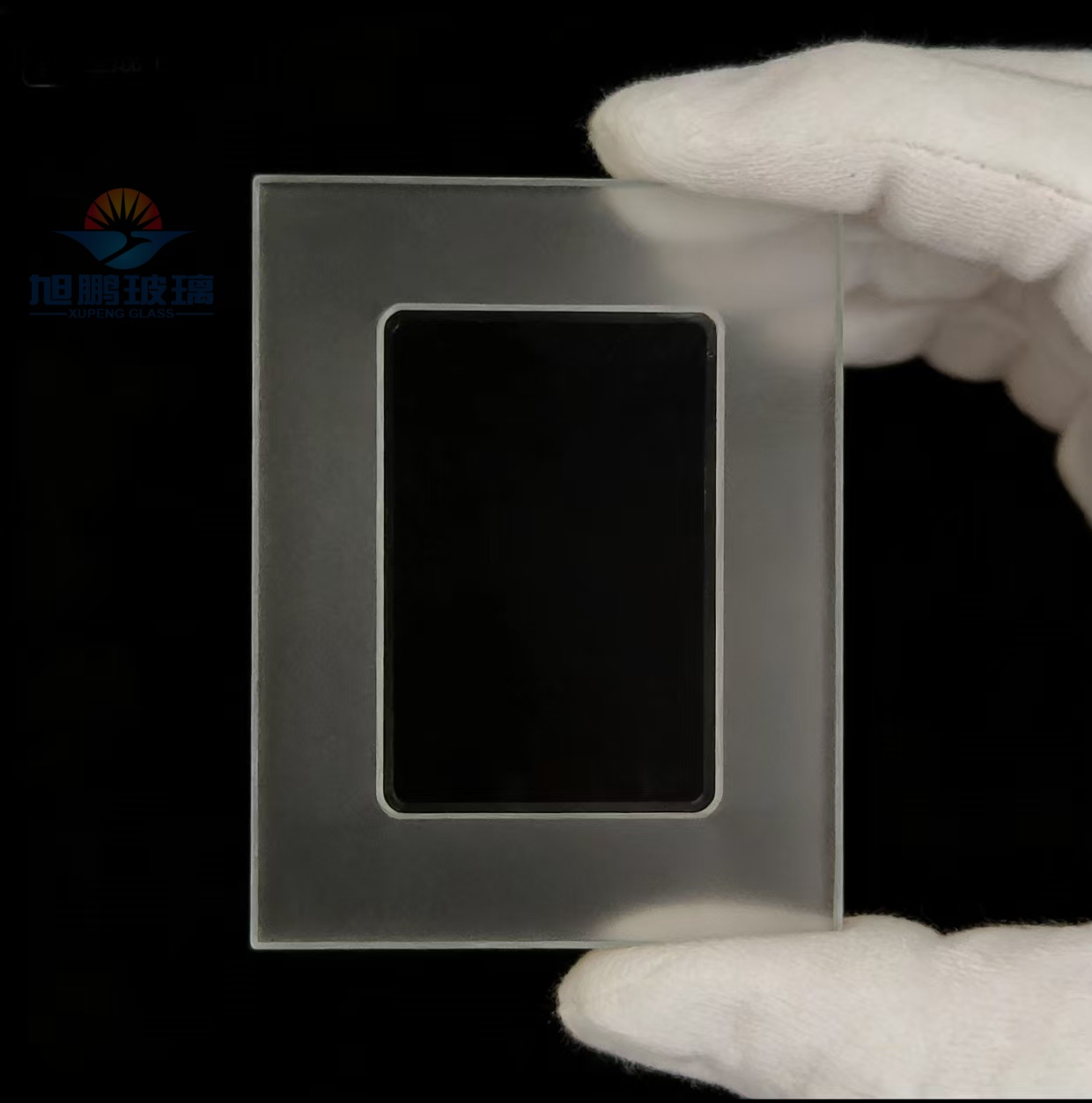
Custom Ultra-White Clear Tempered Glass Socket Decorative Cover for Stairways
Tempered decorative socket and stairway cover that combines ultra-white clarity with safe edge treatment and cut-outs for switches, sockets and architectural details.

White Ceramic Glass-Ceramic, 4mm & 6mm, High Temperature Resistant Glass-Ceramic
Opaque white glass-ceramic for high-temperature windows, heater covers and appliance panels where thermal shock resistance and electrical insulation matter.

CNC Carved Low Iron Glass Sheet, High-temperature Screen Printed Tempered Glass, Drilled Glass Panel
CNC-carved low-iron glass sheet with high-temperature screen printing, drilling and edge work for HMI, lighting and equipment windows that need clean graphics.
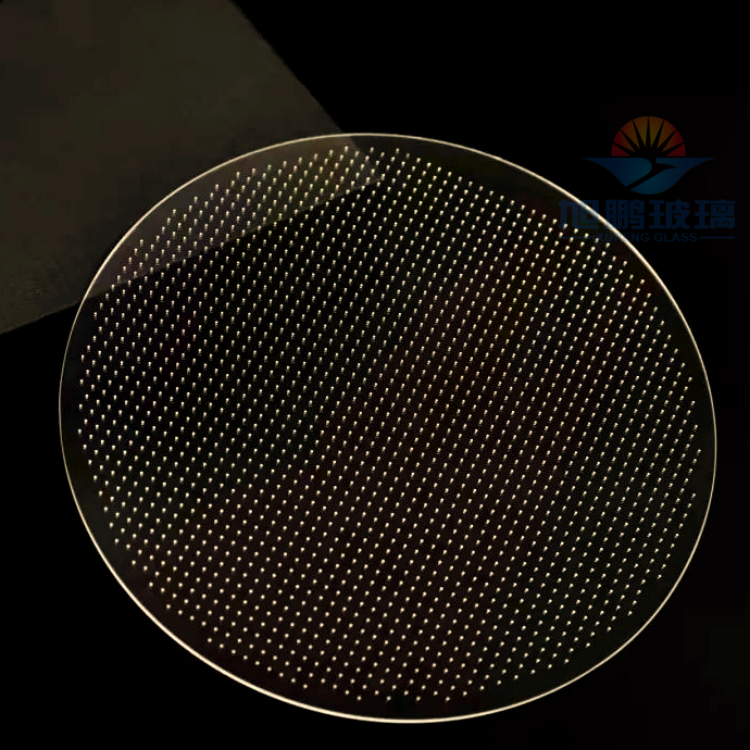
Schott BF33 TGV Microvia Glass Wafer, Packaging Substrate for Sensors & Chips
Schott BF33 TGV microvia wafer for packaging substrates, sensors and chips. Ideal when glass wafer handling, via quality and surface cleanliness must be controlled together.

Precision CNC Cut & Holed, High-temperature Silk Screen Tempered Glass, Drilled Ultra-clear Small Round Glass Discs
CNC-cut and drilled ultra-clear tempered discs with high-temperature silk screen. Used in view windows, appliance displays and small optical apertures.
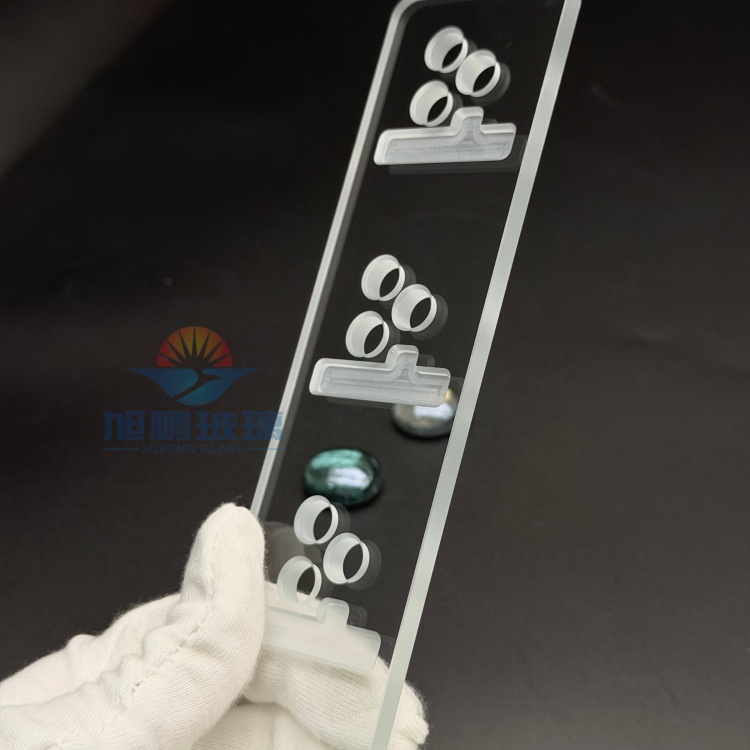
Ultra Clear High Light Transmission Tempered Glass Panel, CNC Arc Polishing, Drilling & Grooving
Ultra-clear tempered panel with CNC arc polishing, drilling and grooving. A flexible platform for display covers, control panels and touch modules that need edge sparkle and strength.
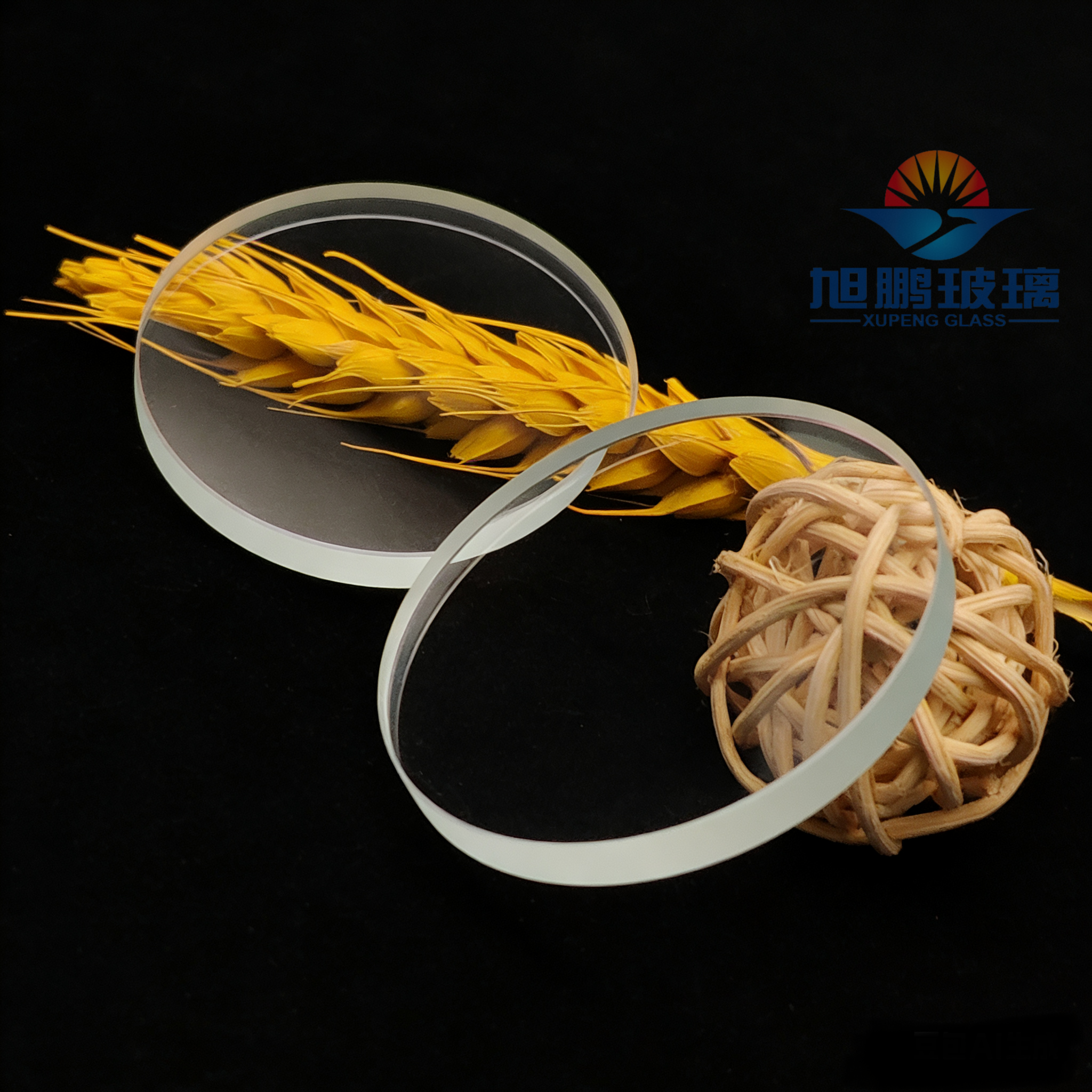
Low Iron Round High Transmittance Tempered Glass Panel with Precision Polished Edges, Flat Clear Glass
Low-iron round panel with precision polished edges. Supports flat clear covers, optical windows and premium decorative parts where edge clarity and light transmission are visible.
What Separates a Capable OEM/ODM Glass Panel Factory from a Trading Listing?
The search for an OEM/ODM glass panel manufacturer often starts with a product photo and ends with a supplier audit. That gap is where projects fail. A factory that can cut glass is not automatically a factory that can hold an optical transmission target, control print registration through tempering, or pack a thin wafer for international freight. For display, sensor, appliance, lighting and semiconductor buyers, the real question is whether a supplier can reproduce your drawing across batches.
The most reliable OEM/ODM relationships are built around an engineering review: CAD, DXF or PDF drawings, tolerance stacks, edge profiles, hole-to-edge distances, coating specifications, ink colour, thermal exposure, cleaning method and final packing format. That review is the information gain that matters when comparing quotations that look similar on price but carry different process risk.
Drawing-Led DFM
Manufacturability is reviewed before production: glass type, thickness, hole spacing, print registration, coating target and assembly method.
In-House Process Chain
Cutting, CNC edging, drilling, tempering, silk-screen printing, AR/AG coating and QC are controlled under one roof for shorter corrective loops.
Material Breadth
Low-iron, ceramic glass-ceramic, K9, quartz, sapphire, Corning EXG and Schott BF33 options allow the substrate to follow the function.
Export-Grade Reliability
Batch traceability, fragile-glass packing, Incoterms flexibility and documented quality checks protect the total landed cost.

Why Global Buyers Shortlist Dongguan AUVE Glass
Dongguan AUVE Glass Co., Ltd. is a deep-processing glass manufacturer integrating R&D, design, production and export in Songshan Lake, Dongguan — one of China’s leading electronics and optoelectronics clusters. Established in 2018, the company operates with a 51–100 person team in a 1,001–2,000 m² facility and serves OEMs, brand owners and distributors in the United States, Canada, Russia, South Korea, Japan, Australia and other markets.
The production scope covers flat and curved tempered glass, ultra-clear low-iron glass, laminated and painted glass, touch screen and LCD cover glass, smart control panel glass, LED lighting glass, instrument glass, AR high-transmission glass, AG anti-glare glass and optical materials such as K9, quartz, sapphire, borosilicate, Corning EXG and Schott BF33. Production follows defined process standards and a documented quality management system, so every batch can be traced from raw sheet to packed carton.
Guided by the philosophy of “focusing on high-end glass, pioneering and innovating,” the factory keeps investing in engineering capability and equipment to deliver complete glass solutions rather than isolated cutting services.
Factory-Direct Deep Processing
Not a catalogue broker: cutting, CNC edging, drilling, tempering, printing, coating and inspection are controlled under one roof, which shortens lead times and protects tolerances.
Verified Supplier Profile
Buyers can review onsite-checked status, credit index, transaction level, trade capacity, trade history and genuine ratings and reviews before placing a bulk order.
Multi-Material Supply Chain
Low-iron, ceramic, printed, coated, optical, quartz, sapphire and semiconductor glass can be consolidated with one qualified source to reduce re-qualification cost.
Fast Engineering Response
Average response time is within 7 hours. Send a drawing and quantity to receive feedback on material, process route, MOQ and lead-time frame.
Export Experience
Proven shipments to North America, Europe and Asia-Pacific, with FOB, CFR, CIF, EXW, DDP, DDU, DAF and express delivery options.
Fragile-Glass Packing
Protective film, foam corner protection, interleaving paper and fumigation-free wooden crates or reinforced cartons are specified around panel size and transit mode.
From Drawing to Packed Panel: The OEM/ODM Engineering Path
Glass panel sourcing is a chain of tolerance decisions. Each step below can change the final fit, optical performance or breakage rate, so a factory should be able to explain how every stage is controlled.
Drawing & DFM Review
CAD, DXF or PDF files are checked for glass type, thickness, hole-to-edge distance, edge profile, print area, coating target and assembly clearance.
Cutting & CNC Shaping
Automatic and CNC cutting from float, low-iron, ceramic, optical or wafer stock, followed by profile shaping for curved, round or asymmetric panels.
Edge & Hole Finishing
Edge grinding, beveling, arc polishing, drilling, grooving and laser punching are matched to handling safety and the visual requirements of the application.
Tempering / Heat Treatment
Flat and curved thermal tempering improves impact and thermal resistance. Heat-soaked or ceramic routes are selected when the working temperature demands it.
Printing & Coating
High-temperature ceramic inks, logos, windows, icons, AR anti-reflective coatings and AG anti-glare surfaces are applied according to the optical or HMI specification.
QC & Export Packing
Dimensional, visual, coating and print checks are completed before protective packing. Batch labels keep the panel traceable from raw sheet to carton.
Match the Glass Panel to the Application Before Comparing Prices
A lower unit price is meaningless if the panel fails optical inspection, cracks during assembly or cannot survive cleaning. Use this application shortlist to align material and process risk.
Touch Displays, HMI & Instrument Windows
Specify ultra-clear low-iron tempered glass with AR or AG coating when contrast, reflection and edge colour are visible to the user. Avoid ordinary float glass where green tint or surface reflection undermines display performance.
Review ultra-clear display panelSemiconductor, Sensor & TGV Packaging
For advanced packaging, MEMS and sensor substrates, Corning EXG and Schott BF33 TGV wafers are stronger candidates than decorative glass. Flatness, via inspection, particle control and clean packing become part of the purchase specification.
Review TGV wafer platformHigh-Temperature Appliances & Equipment
White glass-ceramic, quartz and sapphire are specified where thermal shock, UV transmission or scratch resistance matters. Packaging and thermal cycling tests should be agreed before mass production.
Review ceramic glass-ceramicDecorative, Architectural & Appliance OEM
Ultra-white socket covers, CNC-carved low-iron panels and printed tempered discs combine appearance with safe edges. The critical controls are colour consistency, print registration and breakage protection in transit.
Review ultra-white socket coverWhat Is Changing in Glass Panel Procurement?
Buyers are not simply asking for more quotations. They are asking for evidence that the supplier can repeat a process, protect the panel in transit and support the next design revision.
Qualification Replaces Price-Only RFQs
Procurement teams now ask for process capability, inspection records and packing standards. A low quotation that ignores breakage, rework or coating rejects is not a low total cost.
Multi-Material Consolidation
OEMs prefer fewer qualified glass sources. One supplier that can handle tempered, printed, coated, low-iron, ceramic and optical glass reduces audit load and improves design continuity.
Digital Supplier Verification
Onsite-checked status, credit index, transaction level, trade capacity and buyer reviews are increasingly reviewed before a sample order is released.
Total Landed Cost Focus
DDP, DDU, CIF and express options are compared alongside unit price. Safe packing and accurate documentation often matter more than a small ex-works difference.
Glass Panel Trends That Will Shape the Next OEM/ODM Program
The next wave of glass panel demand is being driven by advanced packaging, flexible electronics, optical bonding and higher integration between printing, coating and thermal performance.
TGV & Glass Packaging Substrates
Through-glass vias are moving from research into sensor and chip packaging. Buyers will expect wafer cleanliness, via inspection and tight flatness control alongside glass supply.
Ultra-Thin Flexible Glass
Foldable and flexible devices need bendable glass with controlled edge quality and protective handling. Thin-glass processing will become a distinct qualification category.
Integrated Optical Coatings
AR, AG, anti-fingerprint, easy-clean and antibacterial functions are being combined on one panel. Coating durability and cleaning resistance must be tested with the display module.
Printed Glass & Thermal Management
Ceramic-ink printing, heater traces and glass-ceramic materials are converging in appliance and industrial designs. Buyers will need suppliers who can control print and thermal behaviour together.
Glass Panel Selection Guide: Material, Performance & Process
Use this quick reference to shortlist a substrate before you request a quotation. Values are typical selection data; final specifications must be confirmed against your drawing and agreed test method.
| Glass Type | Key Property (Typical) | Best-Fit Applications | Available Processing |
|---|---|---|---|
| Ultra-Clear Low-Iron Tempered | ~91% visible light transmission; reduced green edge tint; tempered strength approx. 4–5× annealed glass | Smart control panels, appliance covers, LED fixtures, light boxes | CNC shaping, drilling, silk-screen, AR/AG coating |
| AR Coated Glass | Surface reflection reduced to roughly 0.5–1% per side; higher display contrast | Touch screen modules, all-in-one PCs, museum and instrument windows | Single/double-side AR, tempering, printing |
| AG Anti-Glare Glass | Micro-textured surface diffuses glare; gloss and haze selectable | Outdoor LCDs, industrial HMIs, kiosks, medical displays | Etched AG, AG + AR, tempering |
| Silk-Screen Printed Tempered | Fired ceramic ink fused into glass for durable graphics and light windows | Instrument panels, home appliances, switch and socket covers | Multi-colour printing, IR/window ink, holes, CNC shaping |
| K9 Optical Glass | Borosilicate crown glass, refractive index nd ≈ 1.5168, low inclusions | Lenses, prisms, optical instrument windows | Precision polishing, coating, CNC edging |
| Fused Quartz | High UV transmission and excellent thermal shock resistance | UV curing, UV disinfection, high-temperature viewports | Thick-gauge cutting, polishing, drilling |
| Sapphire Glass | Mohs hardness 9, melting point approx. 2,040 °C, scratch resistant | Sensor covers, high-temperature and scratch-critical windows | Cutting, polishing, chamfering |
| Ceramic Glass-Ceramic | Opaque white, high thermal shock resistance, electrical insulation | Heater covers, appliance panels, high-temperature windows | Cutting, CNC shaping, drilling, printing |
| Corning EXG Alkali-Free | Alkali-free aluminoborosilicate, low CTE around 3.2 ppm/°C | Semiconductor wafers, MEMS, display substrates | Double-side polishing, wafer dicing |
| Schott BF33 TGV Wafer | Borosilicate wafer platform with through-glass via capability for packaging | Sensor and chip packaging substrates, microvia interposers | Via formation, polishing, wafer handling, inspection |
Reference data is intended for early material selection. Optical, mechanical and thermal acceptance criteria are confirmed before mass production.
Commercial Controls That Protect the Panel Before It Reaches Your Line
For fragile custom glass, quality is not limited to the polishing bench. Inspection, MOQ planning, packing, incoterms and response time are part of the product.
Traceable Inspection
Dimensional, visual, edge, print and coating checks are completed against the agreed drawing. Batch labelling supports traceability from raw sheet to packed carton.
Fragile-Glass Packing
Interleaving film or paper, foam corner protection and fumigation-free wooden crates or reinforced cartons are selected by panel size, edge finish and shipping method.
Flexible Commercial Terms
MOQ depends on material and process: many coated and optical parts start from 10–50 pieces, while standard ultra-clear tempered parts typically start from 100–500 pieces. Sample and pilot quantities can be discussed.
OEM/ODM Glass Panel Procurement FAQ
Direct answers for engineering, sourcing and procurement teams comparing custom glass panel factories.
What is the difference between an OEM and ODM glass panel manufacturer?
An OEM manufacturer builds to your drawing, specification and brand requirements, while an ODM manufacturer may also help develop a standard product or design platform that you adapt. In practice, a capable custom glass factory should support both models: drawing-led OEM production and ODM-style engineering suggestions for material, edge, printing and coating.
Can you produce glass panels to my own CAD, DXF or PDF drawing?
Yes. Send a CAD, DXF or PDF drawing with thickness, tolerance, edge, hole, printing, coating and packing requirements. The engineering review should confirm manufacturability before production, covering CNC cutting, edging, drilling, tempering, silk-screen printing and AR/AG coating.
What is the minimum order quantity for custom glass panels?
MOQ depends on material and process. Many coated and optical glass parts start from 10 to 50 pieces, while standard ultra-clear tempered parts typically start from 100 to 500 pieces. Sample and pilot quantities can be discussed for new projects, especially when the material or coating requires a dedicated setup.
Which glass type is better for a display window: AR coated glass or AG anti-glare glass?
AR coated glass is usually chosen when reflection reduction and high contrast are the main goals. AG anti-glare glass is selected when a matte surface or glare diffusion is required, such as outdoor kiosks or industrial HMIs. Some projects combine AG and AR, but the final gloss, haze and transmission targets should be agreed with the display module.
How do you control quality and export packing for fragile panels?
Quality control covers dimensional checks, visual inspection, edge condition, print registration and coating appearance against the approved sample or drawing. Export packing can include protective film, interleaving paper, foam corner protection and fumigation-free wooden crates or reinforced cartons. Batch labels keep the order traceable.
Which Incoterms and shipping methods do you support?
FOB, CFR, CIF, EXW, DDP, DDU, DAF and express delivery are supported. The right term depends on your customs setup, panel size, total weight and urgency. For fragile glass, packing design should be confirmed before the freight mode is finalised.
How quickly can I receive an engineering response or quotation?
Average response time is within 7 hours. Email info@auveglass.com with your drawing and quantity for an engineering review. A complete RFQ should include glass type, thickness, dimensions, tolerance, edge and hole details, printing or coating specification, target quantity and delivery destination.
Which markets does Dongguan AUVE Glass export to?
Glass products are exported to the United States, Canada, Russia, South Korea, Japan, Australia and other markets. The factory supports OEMs, brand owners and distributors with factory-direct production, export documentation and fragile-goods packing.
Send a Drawing. Get an Engineering Route, MOQ and Lead-Time Frame.
Share your size, thickness, tolerance, edge, hole, printing or coating requirement. The team will confirm the suitable material, process route and commercial terms — usually within 7 hours.
Contact Us