OEM/ODM Impact Resistant Glass Manufacturers & Manufacturer
Factory-direct tempered, chemically strengthened, laminated, AR/AG coated and precision glass engineered to your drawing — backed by deep-processing capacity in Dongguan, China.
Get CatalogEight Advanced Products for OEM/ODM Impact-Resistant Glass Programs
The product selection below combines impact-resistant cover glass with adjacent precision capabilities: TGV packaging substrates, Corning EXG wafers, ultra-thin flexible glass, sapphire windows and custom tempered glass. Each item can be reviewed against your drawing, assembly method and validation target.
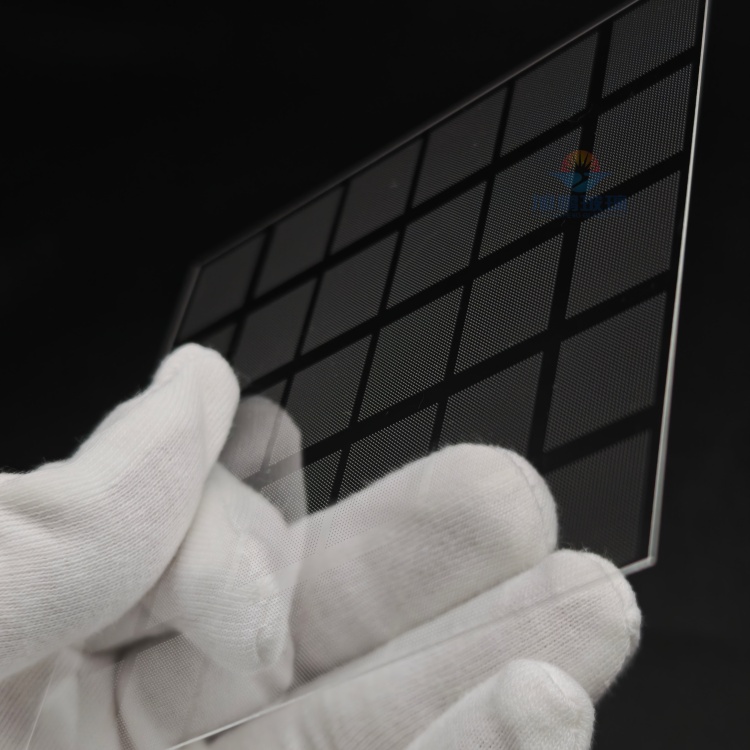
TGV Drilled Packaging Glass Substrate, Precision Laser Microvia Glass
Laser-drilled through-glass vias for advanced packaging, interposers and sensor substrates where flatness and microvia geometry matter.
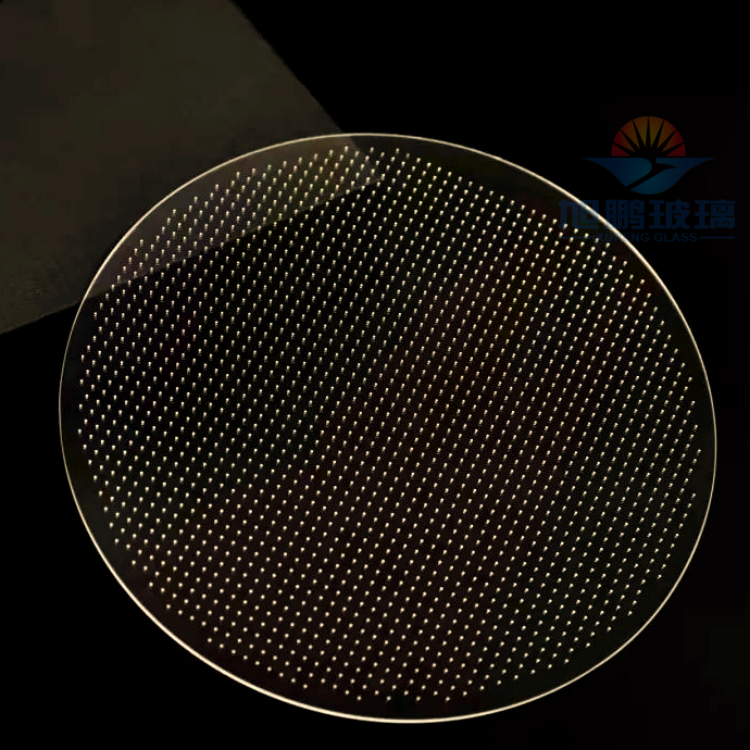
Schott BF33 TGV Microvia Glass Wafer, Packaging Substrate for Sensors & Chips
Borosilicate glass wafer platform for sensors and chip packaging, with microvia layout, thickness and surface finish reviewed to specification.
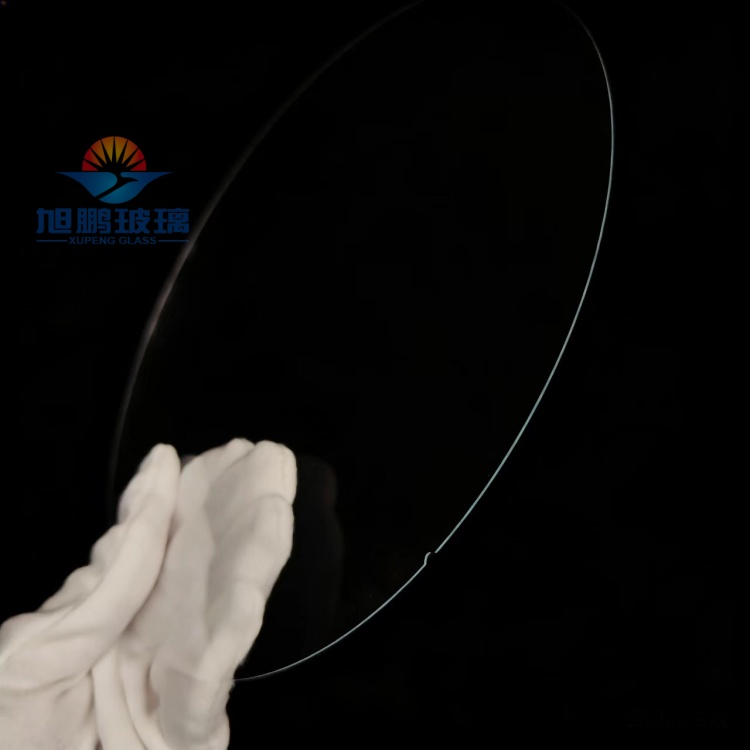
Corning EXG Glass Wafer, Double-Sided Polished Custom Fabrication for Semiconductor Glass Wafers
Alkali-free aluminoborosilicate wafer route for semiconductor, MEMS and display substrate development, with double-side polishing.
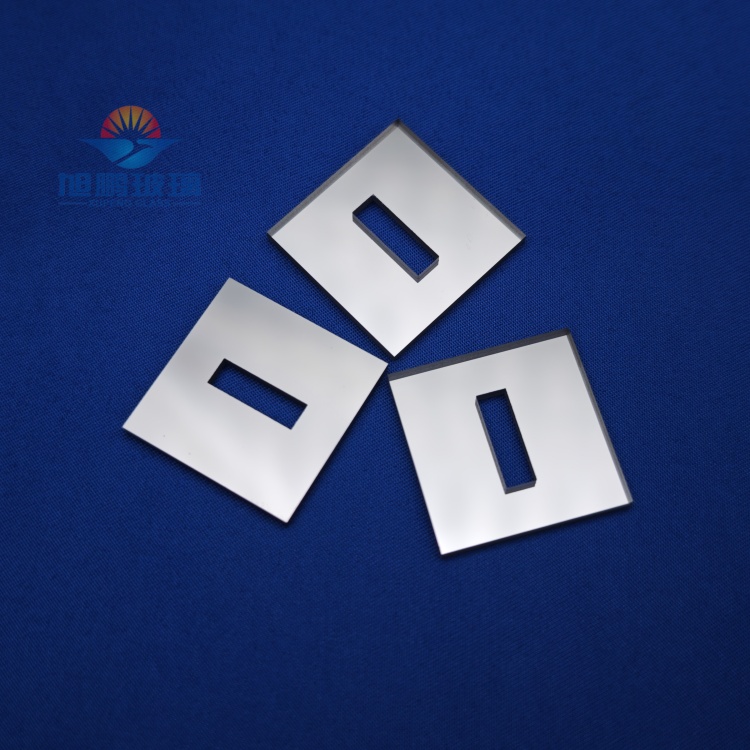
Silver-Coated Mirror, Grooved at the Center of Glass
Reflective glass component with center groove for optical, display or decorative assemblies requiring controlled cutting and edge quality.
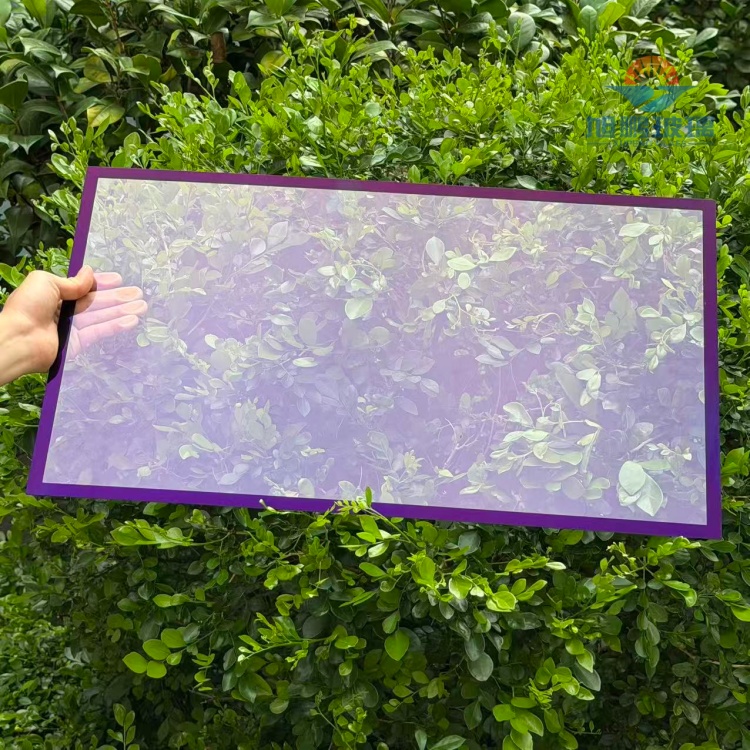
27-inch All-in-One PC AR Coated Glass
Large-format AR cover glass for all-in-one PCs and interactive displays, where reflection control, flatness and edge safety are critical.
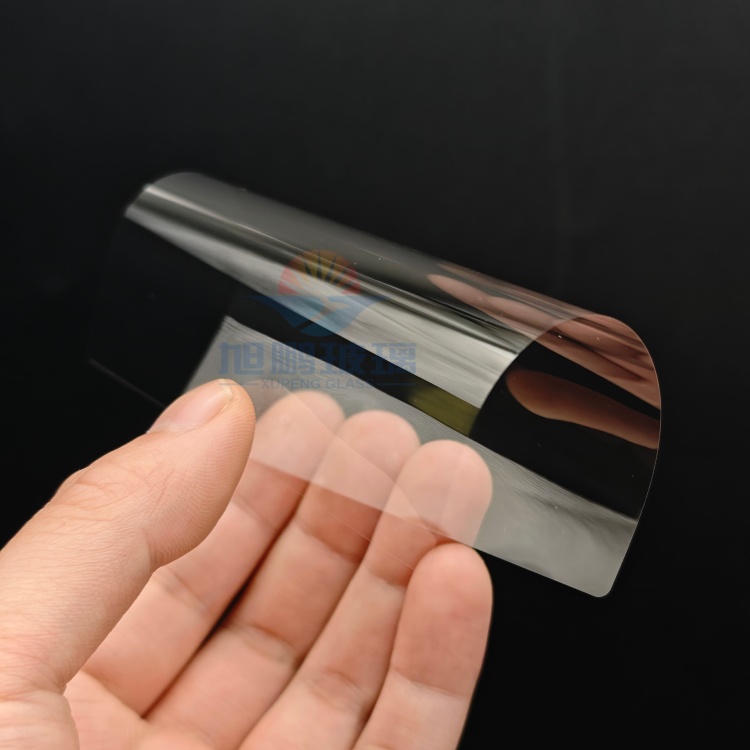
0.03 mm Ultra-thin Flexible Bendable Glass
Ultra-thin glass for foldable displays, flexible electronics and lightweight laminates, supported by careful edge handling and yield control.
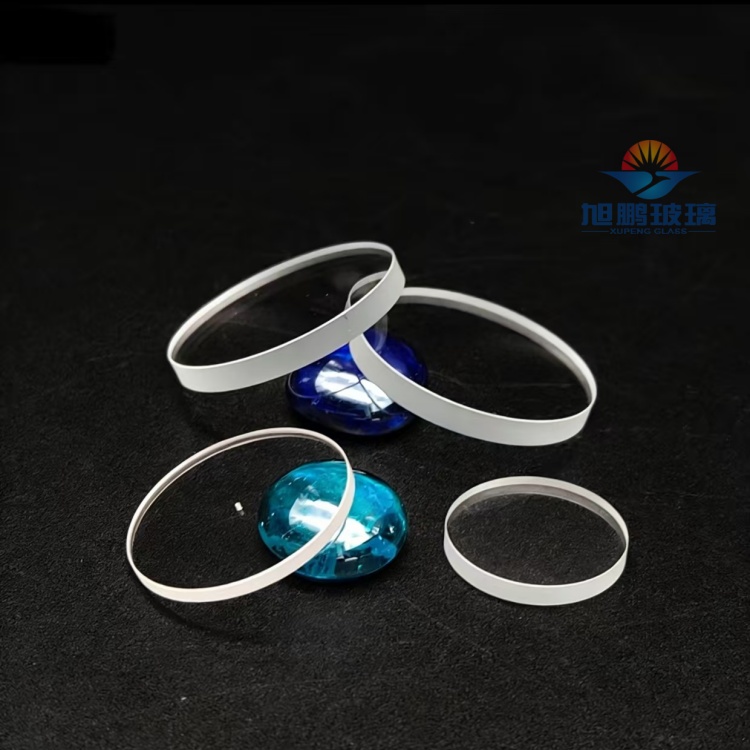
Sapphire Glass Step Window Wafers, High Temperature Resistant & High Light Transmittance Optical Sapphire Lenses
Scratch-resistant sapphire windows and lenses for harsh environments, high-temperature viewports and precision optical apertures.
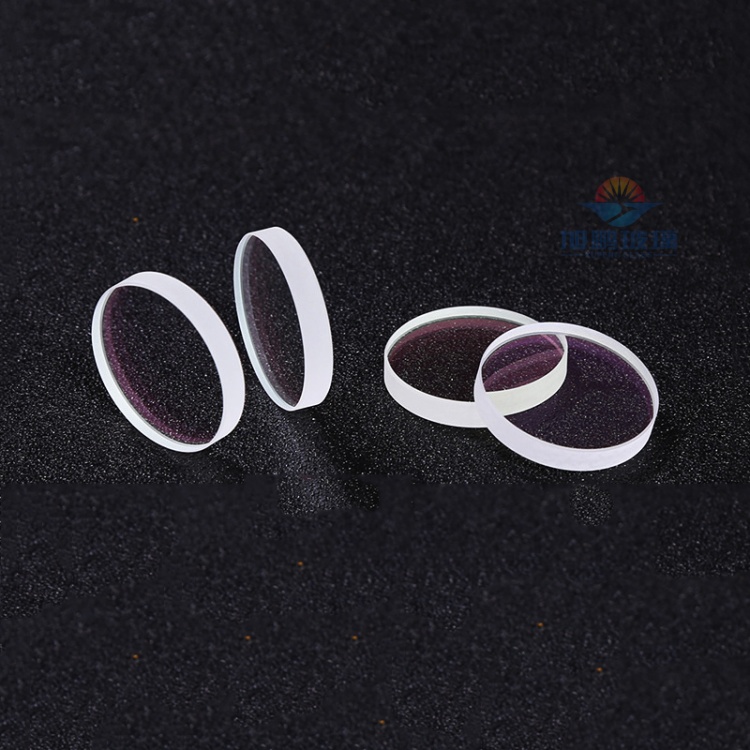
Ultra-clear Tempered Glass, Custom Processing Available: Drilling, Etching, AG Coating, Silk Printing, AR Coating
Impact-resistant low-iron tempered glass platform for control panels, appliance covers, HMI windows and display modules.
Impact-Resistant Glass Is an Engineered System, Not a Commodity Sheet
Procurement teams often search for OEM/ODM impact resistant glass manufacturers because the part must do more than survive a drop. It must fit the housing, protect the display or sensor, pass the agreed test standard and remain manufacturable at the quoted yield.
Impact resistance is rarely determined by glass thickness alone. In production, performance is a system property created by substrate chemistry, edge finish, hole quality, strengthening route, coating stack, mounting method and the actual impact event. A well-supported 5 mm low-iron tempered panel with a polished edge can outperform a thicker annealed panel in the same enclosure. A 0.7 mm chemically strengthened cover may be the better answer for a thin portable device, but only when the housing protects the edge and the bonding process is validated.
The more useful procurement question is not “Is this glass impact resistant?” but “Which impact performance must be demonstrated, on which sample, under which mounting condition, after which coating and printing steps?” That reframing changes supplier selection. It moves the conversation toward test evidence, process control, first article approval and change notification — the factors that reduce line stoppages and field returns.
How the main strengthening routes differ
Thermal tempering creates compressive surface stress and typically raises strength to roughly four to five times that of annealed glass of similar geometry. It is common for display covers, appliance panels, HMI windows and safety glazing. The trade-off is that tempered glass cannot be cut or drilled after tempering, so every hole, notch and edge profile must be finished before the strengthening step.
Chemical strengthening uses ion exchange and is often preferred for thin glass, complex shapes and edge-sensitive designs. Laminated glass adds an interlayer that retains fragments and improves residual integrity. Each route has constraints: chemical strengthening depends on glass composition and bath control; laminated parts add weight and thickness; tempered parts need careful handling to avoid edge damage before assembly. A credible manufacturer should explain these trade-offs clearly, not simply quote the lowest price per square metre.
Why coating and printing must be qualified on the finished part
AR coatings reduce surface reflection and improve display contrast, but the stack must survive adhesion, abrasion, humidity and cleaning. AG coatings diffuse glare, yet haze must be balanced against clarity. High-temperature ceramic inks must be fired within a window that does not undermine the strengthening process. When an impact-resistant cover glass also carries an AR/AG coating and printed graphic, the qualification plan should test the finished part, not only the raw glass. This is especially important for outdoor kiosks, industrial HMIs, medical displays and automotive-adjacent electronics.
Final specifications should be confirmed against the drawing and the agreed test standard before mass production. Where relevant, buyers should reference application-specific requirements such as IEC 62262 IK ratings for enclosures, safety glazing standards for the destination market, and internal drop or ball-impact tests that reflect the assembled product. The best supplier is the one that can show how the glass, coating, printing and packing were controlled together.
Technical review: Dongguan AUVE Glass Co., Ltd. engineering and export team. This guide is educational and does not replace application-specific validation.
AUVE 6F Review Framework for Impact-Resistant Glass RFQs
Use this structure to compare quotations on like-for-like evidence instead of headline price.
- 1. FormGeometry, thickness, edge profile, holes, flatness and tolerance stack.
- 2. ForceImpact energy, drop height, IK/ANSI/EN target, mounting and support condition.
- 3. FinishAR, AG, mirror, silk print, anti-fingerprint, edge treatment and surface protection.
- 4. FidelityTransmission, haze, reflection, colour, dimensional accuracy and cosmetic limits.
- 5. FulfilmentMOQ, lead time, packing method, Incoterm, traceability and export documentation.
- 6. FeedbackFirst article inspection, test data, change control and field feedback loop.
Manufacturing Data Procurement Teams Can Check
Dongguan AUVE Glass Co., Ltd. combines R&D, design, production and export under one roof in Songshan Lake, Dongguan, one of China’s electronics and optoelectronics clusters.
Buyer due diligence can be supported with onsite-checked supplier status, credit index, transaction level, trade capacity and genuine buyer feedback available on the AUVE supplier profile.
Six Procurement Trends Reshaping Impact-Resistant Glass Sourcing
Impact-resistant glass buying is moving from commodity comparison to evidence-based supply partnership. The following trends are especially relevant for OEM, ODM, brand owner and distributor buying teams.
Consolidation Around Drawing-Capable Factories
Buyers are reducing the number of glass suppliers and preferring manufacturers that can handle cutting, CNC shaping, tempering, printing, coating and packing in one controlled flow.
Evidence-Based Qualification
Certificates alone are no longer enough. Procurement teams ask for first article inspection, dimensional reports, coating adhesion data and assembly-level impact validation.
Traceability and Change Control
Batch traceability, material records, coating run logs and written change notification are becoming part of the purchase agreement, not an after-sales request.
Coating and Impact Performance Converge
One cover glass increasingly must deliver impact strength, low reflection, anti-glare readability, print durability and easy cleaning — all on the same part.
Thin, Large-Format and Lightweight Designs
All-in-one PCs, interactive kiosks, industrial HMIs and portable devices are pushing suppliers to control flatness, weight and edge quality in larger formats.
Total Landed Cost and Supply Resilience
Buyers compare breakage rate, packing validation, customs terms, replenishment speed and supplier responsiveness — not only the unit price per piece.
Illustrative RFQ Review Weighting
AUVE engineering reviews are often weighted toward evidence that predicts a stable production launch. This chart is illustrative, not a market statistic; the final weighting depends on the application and risk level.
Where Impact-Resistant Glass Technology Is Moving Next
Product roadmaps are converging on thinner glass, larger formats, higher integration and more demanding environmental exposure. These trends create new qualification questions for OEM and ODM teams.
TGV Glass Packaging for Advanced Packaging
Through-glass vias are gaining attention for interposers, sensors and packaging substrates where electrical performance, flatness and CTE matter. Buyers should lock microvia geometry, surface quality and inspection criteria early.
Ultra-Thin Flexible Glass for Foldables
UTG down to 0.03 mm enables bendable displays and flexible electronics, but handling, edge strengthening, lamination and yield control are decisive. Impact performance must be validated on the stack, not on bare glass alone.
Sapphire and Quartz for Harsh Environments
High-temperature, scratch-critical and UV-transmission applications increasingly use sapphire or fused quartz windows. The specification should define transmission, surface quality, flatness and thermal cycling requirements.
AR/AG Integration with Tempered Cover Glass
Display and HMI buyers want anti-reflection, anti-glare, anti-fingerprint and impact strength on one finished part. Coating durability, cleaning chemical resistance and optical limits should be agreed in the drawing.
Large-Format HMI and AIO PC Glass
Industrial HMI, self-service kiosks and all-in-one PCs require large, flat and safe cover glass with controlled coating uniformity. Packaging and handling become as important as the glass itself.
High-Temperature Ceramic Printing
Appliance panels, switch covers and instrument glass benefit from fired ceramic inks that resist wear and cleaning. Colour tolerance, ink thickness and printing windows should be confirmed before tempering or strengthening.
Choosing the Right Glass Route for Your Assembly
Use this matrix to shortlist a material and process route before sending a drawing. Final specifications are confirmed against your application, tolerance stack and validation plan.
| Application | Recommended Glass Route | Typical Processing | Specification to Confirm |
|---|---|---|---|
| Indoor display cover | Low-iron tempered or chemically strengthened glass | AR/AG coating, silk print, CNC holes, edge polishing | Impact target, reflection, haze, edge quality, cosmetic limits |
| Outdoor kiosk / HMI | Tempered or laminated low-iron glass with AG | AG etching, sealing preparation, printing, CNC shaping | IK rating, weather exposure, cleaning chemical resistance, mounting support |
| Appliance control panel | Ultra-clear tempered glass | Drilling, high-temperature ceramic print, AR/AG options | Hole tolerance, print colour, ink adhesion, thermal exposure |
| Foldable / portable device | Chemically strengthened UTG or 0.03 mm flexible glass | Precision cutting, edge strengthening, lamination support | Bend radius, edge quality, stack impact performance, yield target |
| High-temperature sensor window | Sapphire or fused quartz | Optical polishing, chamfering, coating, thickness control | Transmission, flatness, thermal cycling, surface quality |
| Advanced packaging / semiconductor | Corning EXG, Schott BF33 or TGV glass wafer | Double-side polishing, laser microvia, dicing, cleaning | Flatness, CTE, microvia geometry, particle control, inspection method |
Values and routes are typical reference points for material selection. Final production specifications are agreed in writing before mass production.



Why OEM Buyers Use Dongguan AUVE Glass Co., Ltd.
Dongguan AUVE Glass Co., Ltd. is a deep-processing glass manufacturer integrating R&D, design, production and export in Songshan Lake, Dongguan. The company processes flat and curved tempered glass, ultra-clear low-iron glass, laminated and painted glass, LCD and touch screen glass, smart control panel glass, LED lighting glass, instrument glass, AR high-transmittance glass and AG anti-glare glass.
For impact-resistant glass projects, the advantage is not a single machine or coating line. It is the ability to review a drawing, propose a manufacturable route, complete several processes under one roof and pack fragile parts for export. Production follows defined process standards and a documented quality management system, so batches can be traced from raw sheet to packed carton.
- One-roof deep processing: cutting, CNC shaping, edging, drilling, tempering, printing, AR/AG coating and QC.
- Material breadth: ultra-clear tempered glass, low-iron glass, K9, quartz, sapphire, borosilicate, Corning EXG and TGV wafer platforms.
- Drawing-first engineering review for CAD, DXF or PDF files, including tolerance and manufacturability feedback.
- Transparent supplier credentials: onsite-checked profile, credit index, transaction level, trade capacity and buyer reviews.
- Export-ready packing and Incoterm flexibility: FOB, CFR, CIF, EXW, DDP, DDU, DAF and express delivery.
Drawing & DFM Review
Engineering checks thickness, edge condition, holes, tolerances, coating and impact target before quoting.
Precision Cutting
Automatic and CNC cutting from float, low-iron and optical stock, with material traceability.
Edging, Drilling & Grooving
Edge grinding, beveling, holes, cut-outs and grooves completed before strengthening where required.
Tempering / Strengthening
Flat and curved thermal tempering or chemically strengthened routes selected for the application.
Printing & Coating
High-temperature ceramic inks, AR, AG, mirror and functional coatings applied to the agreed optical window.
QC & Export Packing
Dimensional, visual and optical checks, then protective film, foam, crates or reinforced cartons for fragile glass.

A 12-Point RFQ Checklist for Impact-Resistant Glass Buyers
A clear RFQ shortens sampling, reduces re-quotes and gives suppliers a fair basis for comparison. Include these points in your next inquiry.
Impact Event
Drop height, ball impact, IK/ANSI/EN target and the assembled mounting condition.
Glass Route
Tempered, chemically strengthened, laminated, sapphire, quartz or wafer material.
Dimensions
Thickness, length, width, flatness, tolerance stack and critical datum points.
Edge & Holes
Edge profile, chamfer, hole diameter, spacing, groove depth and post-temper restrictions.
Coating Spec
AR reflection target, AG haze/gloss, adhesion, abrasion, humidity and cleaning resistance.
Printing Spec
Colour, opacity, ink type, window graphics, fired ceramic ink and tolerance.
Assembly Method
Bonding, gasket, frame support, fastener location and expected mechanical load.
Surface Quality
Scratch, bubble, chip, coating defect and acceptable cosmetic limit under defined lighting.
Packaging
Protective film, interleaving, foam corners, crates, cartons and unpacking risk.
Traceability
Batch label, material record, coating run log, inspection report and change notification.
Incoterms
FOB, CFR, CIF, EXW, DDP, DDU, DAF or express delivery, plus customs documentation.
FAI & Sample
Sample quantity, first article inspection format, approval timing and pilot order plan.
Frequently Asked Questions from Impact-Resistant Glass Buyers
Straight answers for engineering, sourcing and procurement teams evaluating an OEM/ODM impact resistant glass manufacturer.
Are you an OEM/ODM impact resistant glass manufacturer or a trading company?
Dongguan AUVE Glass Co., Ltd. is a deep-processing glass manufacturer integrating R&D, design, production and export. The company operates a manufacturing facility in Songshan Lake, Dongguan, and processes tempered, ultra-clear, AR/AG coated, printed and optical glass to buyer drawings.
Can you make impact-resistant glass from my CAD drawing?
Yes. Send a CAD, DXF or PDF drawing with thickness, tolerance, edge, hole, printing, coating and impact requirements. The engineering team reviews manufacturability before production and can propose a suitable glass route and process sequence.
What is the MOQ for custom impact-resistant glass?
MOQ depends on material and process. Many coated and optical glass parts start from 10 to 50 pieces, while standard ultra-clear tempered parts typically start from 100 to 500 pieces. Sample and pilot quantities can be discussed for new projects.
Which glass is best for impact resistance: tempered, chemically strengthened or laminated?
There is no universal answer. Thermally tempered glass is widely used for thicker display covers and safety glazing. Chemically strengthened glass is often preferred for thin or shaped parts. Laminated glass improves residual integrity by retaining fragments. The right choice depends on thickness, edge condition, mounting, impact energy and the destination market’s test standard.
Can you combine AR/AG coating or silk-screen printing with tempered glass?
Yes. AR, AG, mirror and high-temperature ceramic printing can be combined with tempered glass, but the order of operations and durability tests must be agreed. The finished part should be qualified for adhesion, abrasion, humidity and cleaning where relevant.
How do you control quality and packing for fragile glass?
Production uses defined process standards and documented quality management. Inspections can cover dimensions, appearance, optical properties and coating or print condition. Export packing can include protective film, interleaving, foam corner protection and fumigation-free wooden crates or reinforced cartons.
What delivery terms and export markets do you support?
Supported terms include FOB, CFR, CIF, EXW, DDP, DDU, DAF and express delivery. Glass products are exported to markets such as the United States, Canada, Russia, South Korea, Japan and Australia. The appropriate term depends on your customs setup and consignee requirements.
How quickly can I get a technical response and catalog?
The average technical response time is within 7 hours. Email info@auveglass.com with your drawing, quantity and target impact requirement for an engineering review, or use the catalog request button to start the conversation.
Have a Drawing? Get an Engineering and Impact-Performance Review.
Share the size, thickness, tolerance, edge condition, coating, printing and expected impact event. The team will confirm a suitable material and process route, then return a quotation and technical response — usually within 7 hours.