Eight OEM/ODM safety glass products built for specification review
The quickest way to qualify a safety glass wholesaler is to test whether the supplier can interpret your drawing, select the right substrate and control the finishing process. The eight products below reflect the requests AUVE Glass handles most often: high-temperature ceramic glass, AR-coated display glass, ultra-clear tempered covers, TGV packaging substrates and semiconductor-grade ultra-thin glass. Every item can be adapted in thickness, tolerance, edge profile, holes, printing and coating. Use the links to review the base specification, then send your CAD, DXF or PDF for an engineering review.

White Ceramic Glass-Ceramic, 4mm & 6mm, High Temperature Resistant
A low-expansion ceramic glass-ceramic for hot windows, appliance panels and industrial covers where dimensional stability matters. Suitable for custom cutting, edge grinding and hole drilling.

Ultra-white Tempered Glass, AR Anti-Reflection Coatable
Ultra-white, low-iron tempered glass with high light transmittance and an AR-ready surface. Used for display covers, control panels and premium lighting where edge tint and clarity are visible.
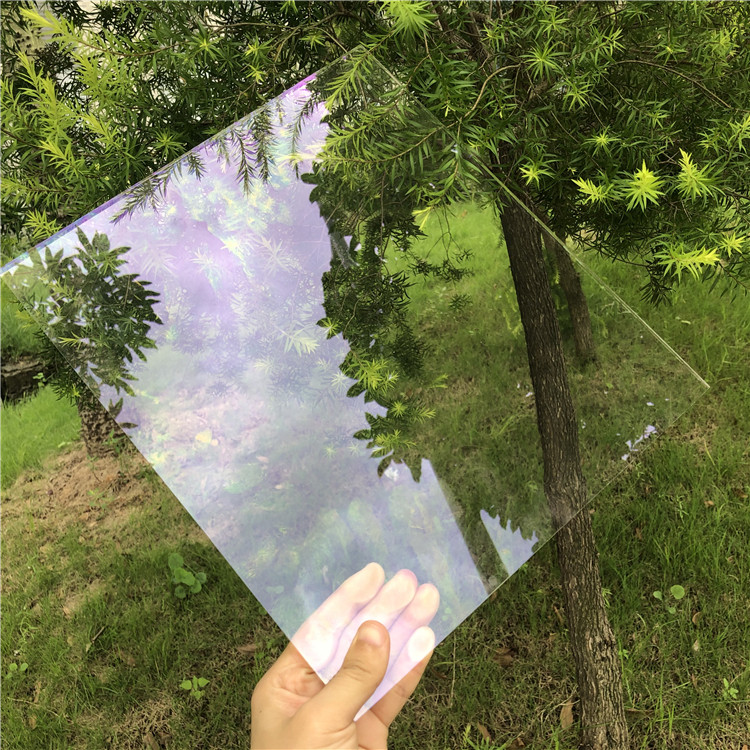
High-transmittance Anti-Reflection (AR) Coated Optical Glass
AR-coated optical glass designed to reduce surface reflection and improve contrast in display windows, instrument covers and optical assemblies. Single- and double-side coating options can be reviewed against your transmission target.

High-transmittance AR Coated Optical Glass, Ultra-clear Tempered
Combines ultra-clear tempered glass with AR coating for touch modules and all-in-one displays that need both mechanical strength and low reflection.
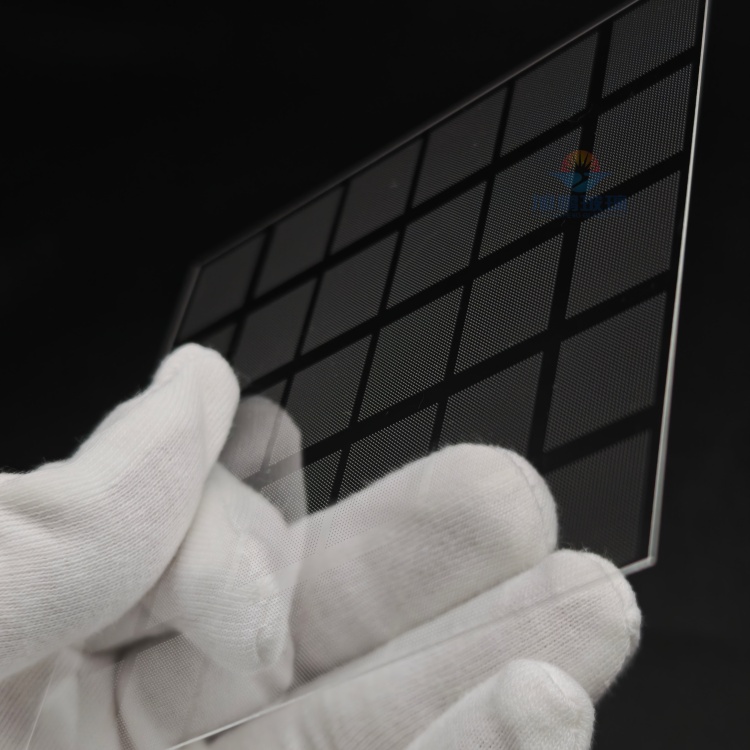
TGV Drilled Packaging Glass Substrate, Precision Laser Microvia
Laser-drilled through-glass-via substrates for advanced packaging, sensors and RF devices. Via diameter, pitch, taper and metallization requirements are reviewed before sampling.

Schott Ultra-thin Optical Glass Sheets, 0.1mm, 0.5mm, 0.7mm, 1.1mm
Raw ultra-thin glass substrates for semiconductor, optical and flexible electronic programs. Thickness options include 0.1mm, 0.5mm, 0.7mm and 1.1mm; cutting and edge treatment can be quoted to drawing.

Corning EXG Glass Wafer, Double-Sided Polished
Double-side polished Corning EXG wafers for semiconductor glass substrates, solar panels and low-CTE applications. Flatness, surface quality and wafer geometry are agreed per project.
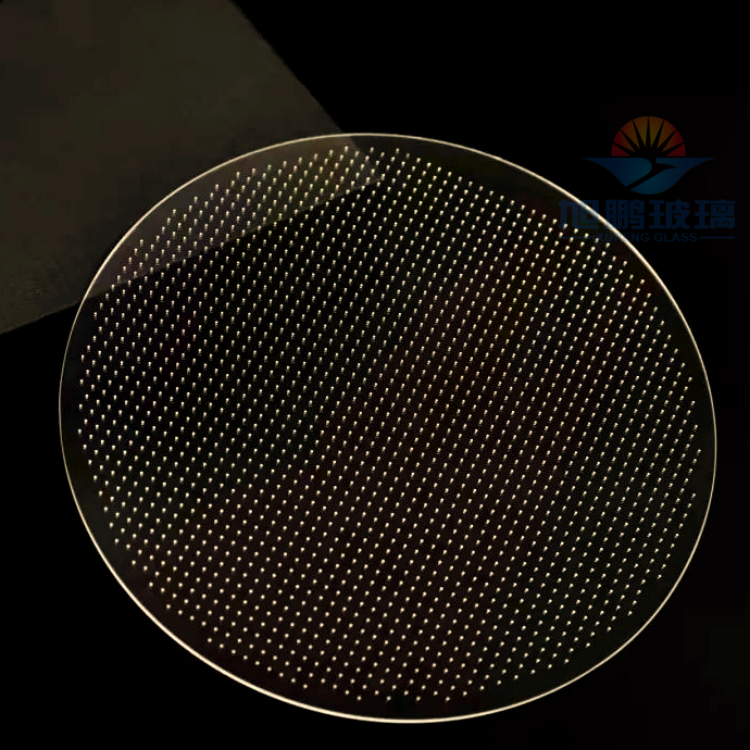
Schott BF33 TGV Microvia Glass Wafer, Packaging Substrate
Borosilicate BF33 glass wafers with TGV microvias for sensor and chip packaging. The material is selected for electrical insulation, chemical durability and dimensional stability.
AUVE Glass at a glance: verified facts that shorten supplier due diligence
Dongguan AUVE Glass Co., Ltd. is a deep-processing glass manufacturer and exporter based in Songshan Lake, Dongguan. The company integrates R&D, design, production and export, and supports OEM and ODM buyers with factory-direct engineering review, sampling and repeat production. Compiled by the AUVE Glass engineering and export team, this guide reflects the specification questions and procurement patterns we see in live buyer inquiries.
*MOQ depends on material and process. Coated and optical parts often start at 10–50 pieces, while standard ultra-clear tempered parts typically start at 100–500 pieces. Sample and pilot quantities can be discussed for new projects.
Buyers can verify the supplier profile through onsite-checked status, credit index, transaction level, trade capacity and buyer reviews. For E-E-A-T due diligence, check these documents before releasing a purchase order, especially when the glass is safety-related or used in a regulated assembly. A supplier that can explain process limits, inspection methods and packing logic is usually safer than one that only confirms a low unit price.
Six supplier advantages that de-risk OEM/ODM safety glass projects
A low piece price can hide the real cost of a glass program: repeated sampling, breakage, coating rework, dimensional rejection and late delivery. The advantage of working with a deep-processing manufacturer is that engineering, cutting, CNC, tempering, printing, coating, inspection and export packing stay under one quality system.
Factory-direct process control
AUVE is a manufacturer and trading company based in Dongguan, not a pure trading office. In-house steps include cutting, CNC edging and drilling, flat and curved tempering, silk-screen printing, AR/AG coating, polishing and final inspection. Keeping these steps together shortens the feedback loop when a tolerance or coating target needs adjustment.
Engineering review before production
Send CAD, DXF or PDF drawings with thickness, tolerance, edge, hole, printing and coating requirements. The engineering team reviews manufacturability before release, highlights risk points such as hole-to-edge distance, coating masking and thin-glass handling, and agrees the inspection plan with your QA team.
Multi-material portfolio
The material scope covers ultra-clear low-iron glass, ceramic glass-ceramic, K9 optical glass, fused quartz, sapphire, borosilicate, Corning EXG and SCHOTT BF33, plus ultra-thin flexible glass and TGV wafers. That range lets a buyer consolidate display glass, safety glass and precision optics with one qualified source.
Traceability and quality documentation
Production follows defined process standards and a documented quality management system. Each batch can be traced from raw sheet to packed carton. Dimensional, visual and optical checks are agreed per drawing, and export packing is designed for fragile glass parts.
Flexible MOQ and commercial terms
MOQ depends on material and process: many coated and optical parts start from 10–50 pieces, while standard ultra-clear tempered parts typically start from 100–500 pieces. Sample and pilot quantities can be discussed. Supported terms include FOB, CFR, CIF, EXW, DDP, DDU, DAF and express delivery.
Verified supplier profile and export experience
The company has been onsite-checked, publishes a credit index, transaction level, trade capacity and buyer reviews, and ships to the USA, Canada, Russia, South Korea, Japan, Australia and other markets. For a procurement team, these signals reduce the cost of verifying a new safety glass wholesaler.
Recommended safety glass specification by application
Use this shortlist to align the material with the failure mode you are trying to control: impact, thermal shock, reflection, glare, chemical exposure or semiconductor contamination.
Appliance and smart control panels
Ultra-clear tempered glass with silk-screen printing, optional AR/AG coating and custom cut-outs. Low-iron glass avoids green edge tint, while tempering provides the mechanical strength needed for daily contact.
Display, touch and all-in-one PCs
AR-coated optical glass or ultra-clear tempered glass with AR coating. For outdoor or high-ambient-light products, compare AG anti-glare etching or AG+AR combinations; specify gloss, haze and transmission targets in the drawing.
High-temperature and harsh environments
White ceramic glass-ceramic for thermal stability, fused quartz for UV transmission and thermal shock, or sapphire for scratch resistance and high-temperature windows. Confirm the operating temperature, thermal cycling and sealing method before selecting the material.
Semiconductor, sensors and advanced packaging
Corning EXG, SCHOTT BF33, TGV microvia wafers and ultra-thin glass substrates. Discuss CTE, flatness, surface quality, via geometry and cleanliness requirements at RFQ stage; these parameters often determine yield more than piece price.
Safety glass procurement trends: what buyers are changing in 2026 and beyond
The sourcing conversation is moving from “price per sheet” to “qualified cost per accepted part.” Buyers are still consolidating volume in Asia, but they are adding engineering documentation, dual-source planning and yield-based evaluation to protect launch schedules. These six shifts are visible in RFQs handled by AUVE Glass.
Total landed cost replaces piece price
Freight, breakage, inspection, rework, coating yield and inventory carrying cost can exceed the difference between two quotations. Serious buyers now ask for packing data, AQL plans, rework policy and replacement lead time before comparing price.
Engineering-led RFQs
Drawings increasingly include coating targets, edge quality, hole-to-edge distance, cleanliness class and traceability requirements. Suppliers that can review manufacturability and propose alternatives before tooling are preferred over suppliers that simply quote a size.
Dual sourcing without duplicate tooling
Many OEMs keep one primary supplier and qualify a second source for risk. Standardized drawings and process documentation make it possible to move a safety glass part without repeating months of sampling.
Consolidation of glass processes
Procurement teams prefer one partner for cutting, CNC, tempering, printing, coating and packing. Fewer handoffs reduce damage, shorten lead time and make quality responsibility clearer when a failure occurs.
Transparent supplier credentials
Onsite verification, credit data, transaction level, trade capacity and buyer reviews are now part of supplier selection. For safety-related glass, documentation quality is itself a risk-control signal.
Faster sampling and smaller pilots
Brand owners want quick pilot quantities before mass production, especially for coated and optical parts. Flexible MOQs and fast engineering response are becoming competitive advantages for wholesalers and OEM suppliers.
Product development trends shaping the next generation of safety glass
Glass is no longer only a protective cover. It is becoming an active part of display performance, thermal management and semiconductor packaging. The trends below should be built into your next-generation sourcing strategy.
AR/AG coatings with tighter optical targets
Display and HMI buyers are asking for lower reflection, higher transmission, controlled haze and durable coating stacks. The specification is moving from “AR coated” to numeric reflectance, transmission and gloss targets.
Ultra-thin flexible glass
UTG down to 0.03mm supports foldable displays and flexible electronics. Handling, edge strengthening and yield control become more important than the raw glass price, so supplier experience matters.
TGV glass substrates for advanced packaging
Through-glass vias enable RF, sensor and packaging designs that need electrical insulation and dimensional stability. Laser drilling quality, via taper, pitch and downstream metallization compatibility drive material selection.
Low-CTE alkali-free substrates
Corning EXG and SCHOTT BF33-type materials are used where thermal expansion and contamination control matter. Semiconductor and display customers increasingly require wafer-level flatness and cleanliness data.
Ceramic glass and high-temperature solutions
White ceramic glass-ceramic, quartz and sapphire are growing in appliance, industrial and UV equipment. These materials solve thermal and chemical problems that ordinary tempered glass cannot address.
Decorative and functional printing on safety glass
High-temperature ceramic inks, dead-front graphics, IR windows and touch-friendly surfaces are turning printed tempered glass into a functional component rather than a simple cover. Print registration and ink durability should be specified in the drawing.
Supplier evaluation dashboard: score what predicts production yield
Most RFQs compare price, lead time and MOQ. A more reliable method is to weight the capabilities that determine whether the part will pass incoming inspection. The scorecard below is a practical weighting example for an OEM safety glass program; adjust the weights for your application.
How to use this scorecard
Score each supplier 1–5 for every category, multiply by the weight, and compare the total with landed cost and sampling speed. Do not accept a high total score without evidence: ask for drawing review notes, first-article inspection format, coating test data, packing photos and references relevant to your market. A supplier that can explain why a hole-to-edge distance is risky, or why an AR coating needs a specific masking strategy, is usually better prepared for volume production than one that only confirms a price.
Weighting example only. For safety-critical or semiconductor applications, increase quality traceability, cleanliness and change-control weightings before awarding volume.
OEM/ODM safety glass procurement FAQ
Direct answers to questions engineering and purchasing teams ask before releasing a sample or bulk order.
Can you manufacture safety glass to our own drawing?
Yes. Send CAD, DXF or PDF drawings with thickness, tolerance, edge profile, holes, printing, coating and packing requirements. AUVE reviews manufacturability before production and confirms the inspection plan before sampling. For safety-related parts, state the destination market and any applicable test standard so the material and process route can be checked early.
What is the MOQ for OEM/ODM safety glass?
MOQ depends on material and process. Many coated and optical glass parts start from 10–50 pieces, while standard ultra-clear tempered parts typically start from 100–500 pieces. Sample and pilot quantities can be discussed for new projects, especially when the drawing is likely to change after fit testing.
How do you control quality before shipment?
Quality control is agreed against the drawing and application. Typical checks include dimensions, holes, edge quality, visual defects, coating appearance, transmission or reflectance targets and packing condition. Batch traceability from raw sheet to carton supports root-cause analysis if a nonconformity appears.
Which trade terms and shipping methods are supported?
FOB, CFR, CIF, EXW, DDP, DDU, DAF and express delivery are supported. Export packing is designed for fragile glass parts using protective film or paper, foam corner protection and fumigation-free wooden crates or reinforced cartons where appropriate.
Which markets do you export to?
AUVE Glass exports to the United States, Canada, Russia, South Korea, Japan, Australia and other markets. For new markets, confirm the required documents, labeling, packaging and compliance evidence during RFQ so that logistics and customs handling do not delay the project.
How fast can I receive a technical response?
The average response time is within 7 hours. Include your drawing, quantity, material preference, coating target and delivery market in the first message. A complete RFQ package usually reduces the number of clarification rounds and shortens the path to a quotable process route.
Ready to qualify an OEM/ODM safety glass supplier?
Send your drawing, target quantity and application. The AUVE Glass engineering and export team will review material, process route, MOQ, packing and lead time—typically within 7 hours. For time-sensitive programs, include your prototype date and destination market so the quotation can reflect the right documentation and shipping method.