OEM/ODM Screen Cover Glass Wholesaler & Wholesalers
A factory-direct partner for tempered, AR/AG coated, silk-screen printed, ultra-thin and optical screen cover glass — engineered to drawings, packed for fragile export, and supplied to wholesalers, brands and integrators across six key markets.
What OEM/ODM Screen Cover Glass Wholesale Really Means
For a procurement team, the phrase OEM/ODM screen cover glass wholesaler is not only a price query. It signals a search for a partner that can support custom drawings, repeatable optical quality, mixed material expertise, export packing, and stable lead times. Wholesalers and brand owners usually compare three things at the same time: material capability, process depth and commercial flexibility. A supplier that can only cut flat glass rarely solves a display program that also needs AR coating, AG etching, silk-screen printing, CNC holes, tempering and fragile-goods logistics.
Dongguan AUVE Glass Co., Ltd. was established in 2018 and operates as a deep-processing glass manufacturer integrating R&D, design, production and export. Its production scope covers flat and curved tempered glass, ultra-clear low-iron glass, AR anti-reflective glass, AG anti-glare glass, silk-screen printed glass, touch screen and LCD cover glass, LED lighting glass, instrument glass, and optical materials such as K9, quartz, sapphire, borosilicate and Corning EXG alkali-free glass. That breadth matters for OEM/ODM screen cover glass wholesalers because it reduces the number of process hand-offs and helps keep tolerances, coating colors and edge finishes consistent from sample to mass production.
The most successful buying decisions are made before a purchase order is issued. Share the drawing, application environment, thickness, tolerance, edge profile, hole placement, printing design, coating target, packing requirement and target quantity. Engineering review then confirms whether the part should be tempered, chemically strengthened, AR coated, AG etched, printed, lasered, CNC machined or simply cut and polished. This early technical alignment is the real information gain in screen cover glass sourcing: it prevents a low unit price from becoming a high total cost through rework, breakage or delayed assembly lines.
What a Strong Wholesale Inquiry Includes
- CAD, DXF or PDF drawing with thickness and tolerance
- Application: display, control panel, lighting, instrument or decorative socket
- Glass type: ultra-clear, low-iron, borosilicate, K9, quartz, sapphire or Corning EXG
- Finishing: AR, AG, silk-screen, anti-fingerprint, mirror or tempered
- Edge, hole, groove, chamfer and print-color requirements
- Estimated annual demand, pilot quantity and delivery market
- Test standard, packing method and any special export-marking needs
8 Screen Cover Glass Products for OEM/ODM Wholesale Programs
The shortlist below uses real production items from the AUVE Glass product family. Each product can be adapted in size, thickness, edge profile, holes, printing and coating to suit the final assembly. Product URLs are preserved from the original catalogue.
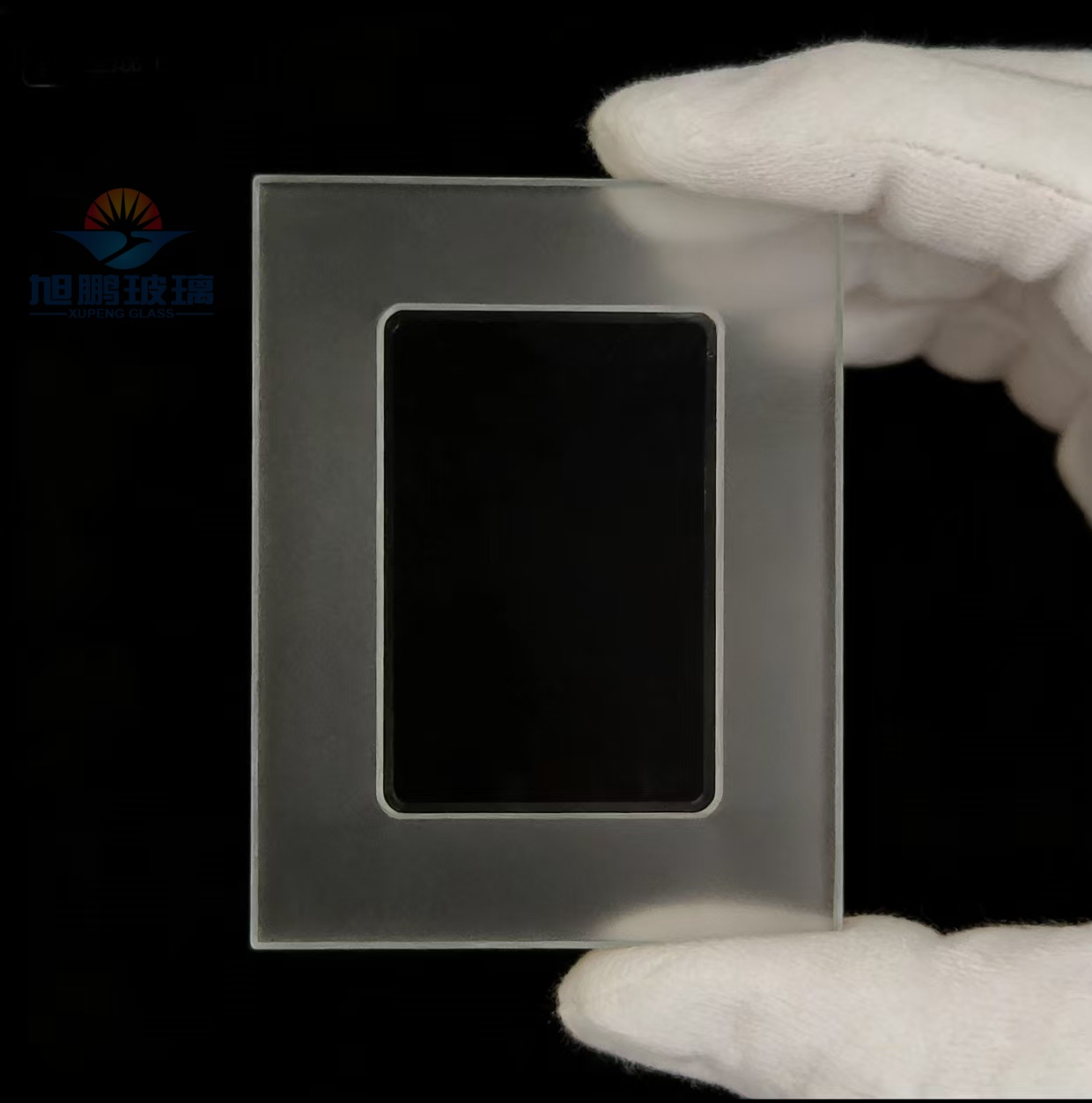 Decorative Cover
Custom Ultra-White Clear Tempered Glass Socket Decorative Cover for Stairways
Recommended for stairway lighting, decorative switch plates and interior architectural details that require edge clarity, ultra-white color consistency and custom cut-outs.
- Tempered
- Ultra-white
- Custom cut-outs
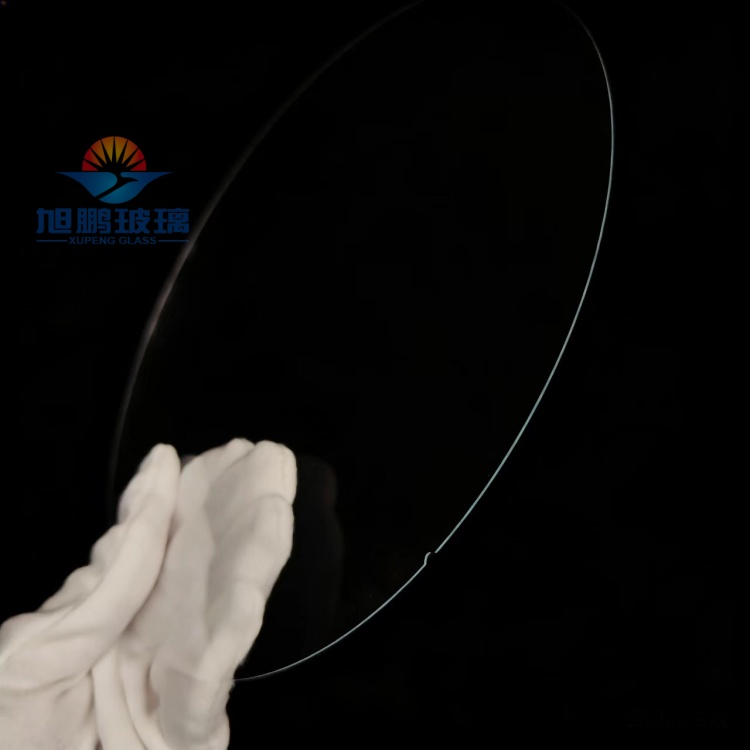 Semiconductor
Corning EXG Glass Wafer, Double-Sided Polished Custom Fabrication for Semiconductor Glass Wafers
Recommended for semiconductor carriers, MEMS, display substrates and precision optical packaging where alkali-free composition, low CTE and double-side polishing are important.
- Corning EXG
- Double-side polished
- Low CTE
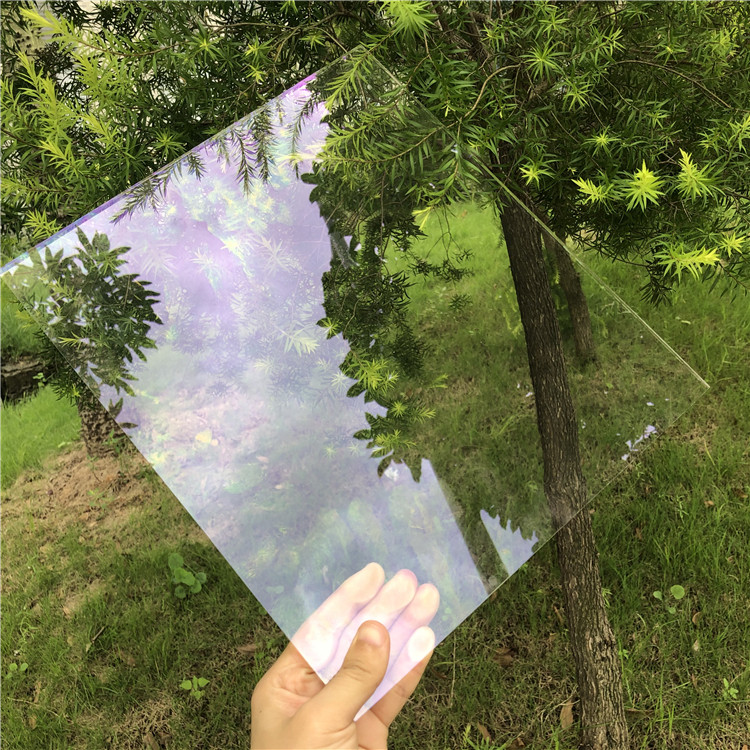 AR Coated
High-transmittance Anti-Reflection (AR) Coated Optical Glass
Recommended for touch modules, all-in-one PCs, instrument windows and high-contrast display covers where surface reflection must be reduced without blurring the image.
- AR coating
- High transmission
- Display windows
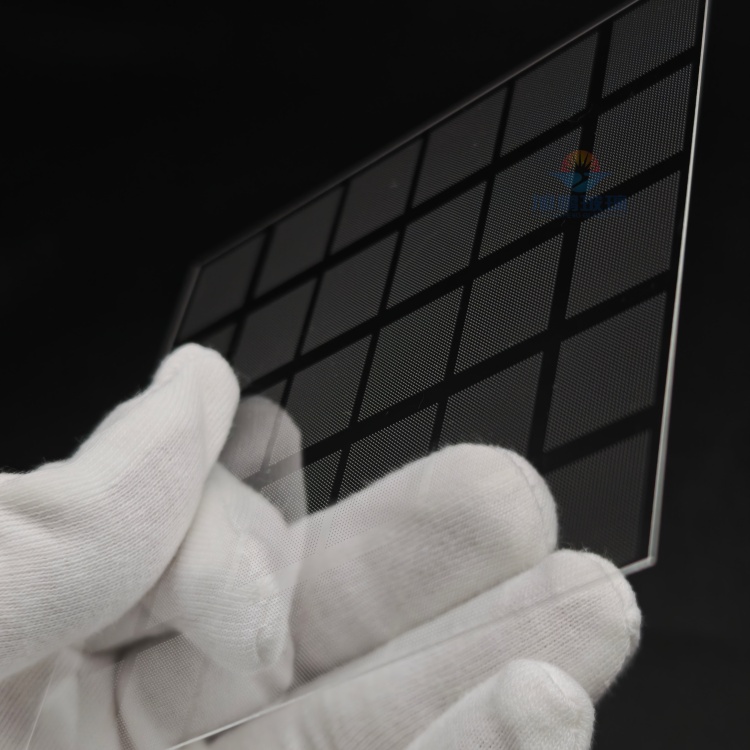 TGV Glass
TGV Drilled Packaging Glass Substrate, Precision Laser Microvia Glass
Recommended for advanced packaging, sensor housings and microvia glass substrates where laser drilling, via placement and substrate flatness affect downstream assembly yield.
- Laser microvia
- Packaging
- Precision drilling
 Optical Wafer
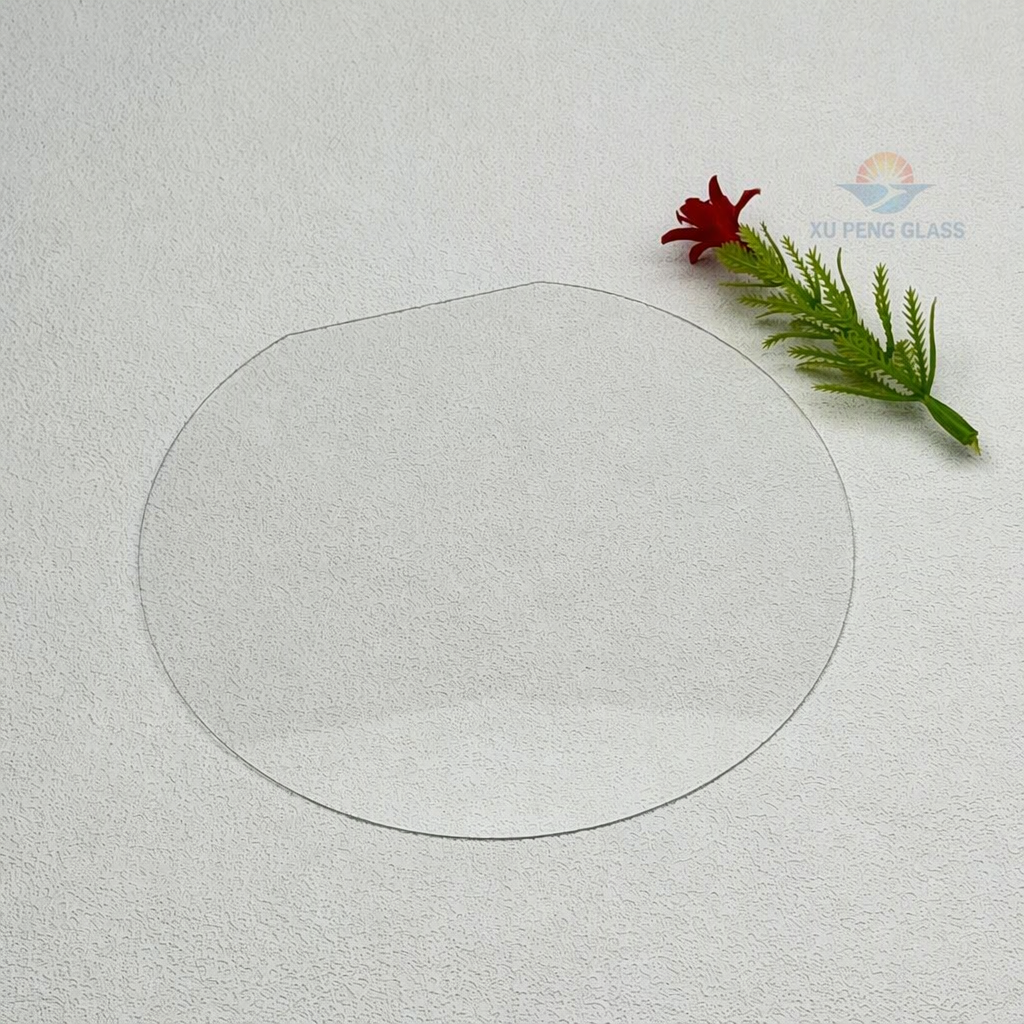
Ultra-thin High-precision Optical Glass Wafer, Corning / SCHOTT / Fused Silica
Recommended for optical instruments, compact imaging modules and precision sensor windows that need thin-profile glass, controlled flatness and stable material performance.
- Ultra-thin
- Fused silica
- High precision
 Tempered Panel
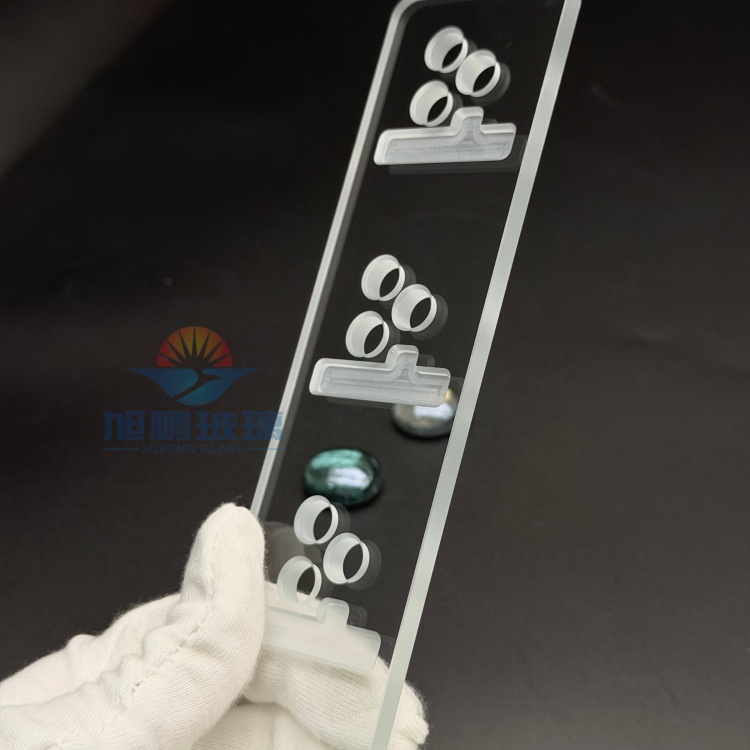
Ultra Clear High Light Transmission Tempered Glass Panel, CNC Arc Polishing, Drilling & Grooving
Recommended for smart control panels, appliance covers and display front glass where low-iron clarity, CNC edge quality and tempered safety performance are required.
- Low-iron
- CNC polishing
- Drilling & grooving
 Display Glass
High-transmittance Anti-Reflection Coated Glass
Recommended for wholesale programs that need a repeatable AR-coated cover glass for touch displays, kiosks, industrial HMIs and optical viewing windows.
- AR coated
- Touch display
- HMI covers
 Flexible Glass
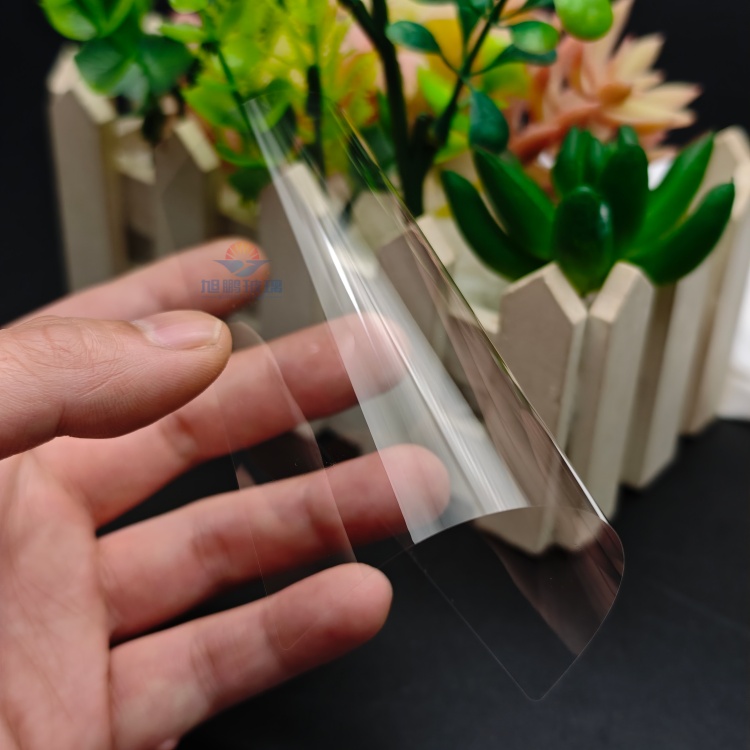
Ultra-thin Flexible UTG Glass, bendable and foldable, suitable for commercial aerospace and new energy industries
Recommended for foldable display stacks, flexible electronics and lightweight protective covers where bendability, surface quality and edge reliability must be validated together.
- UTG
- Bendable
- Flexible display
Why AUVE Glass Is a Reliable OEM/ODM Screen Cover Glass Wholesaler



AUVE Glass is located in Songshan Lake, Dongguan, one of China's electronics and optoelectronics clusters. The company describes itself as a manufacturer integrating R&D, design, production and export. That operating model is important for wholesale buyers because it allows engineering questions, sample review, production control and export packing to be managed through one technical contact instead of several disconnected workshops.
Its stated product coverage includes flat and curved tempered glass, ultra-white, laminated and painted glass, LCD and touch screen glass, smart control panel glass, LED lamp glass, instrument glass, AR high-transmittance glass and AG anti-glare glass. For a screen cover glass wholesaler or an OEM brand owner, this means one supplier can support both standard display covers and more specialized optical or semiconductor-adjacent glass parts.
Commercial confidence also comes from verification signals. The company profile references onsite supplier verification, credit index, transaction level, trade capacity, trade history, transaction history and buyer ratings. These are practical checks for a procurement team that cannot visit every factory before a first order. The company exports to the United States, Canada, Russia, South Korea, Japan, Australia and other markets, and states an average technical response time within 7 hours.
How Screen Cover Glass Wholesalers Will Buy in the Next Cycle
Supplier Consolidation
Wholesalers are reducing the number of approved glass suppliers to lower audit cost and improve batch consistency. A supplier that can cover tempered glass, AR/AG coating, printing, CNC machining and optical materials starts to replace several single-process vendors. Consolidation is not only about price; it is about fewer hand-offs, one quality vocabulary and one shipment schedule.
Traceability by Batch
More buyers now ask for batch identification, inspection records, packing photos and material lot information before shipment. This is especially true for AR-coated display covers, printed panels and optical wafers. Traceability helps isolate a coating defect, edge chip or print-color variation quickly, and it gives the buyer stronger evidence when discussing corrective action with the final customer.
Pilot-to-Scale Flexibility
Launch cycles are shorter, so wholesalers prefer suppliers that can support engineering samples, pilot runs and mass production without changing the process chain. Low-volume coated or optical parts may start from tens of pieces, while standard ultra-clear tempered parts often move into hundreds of pieces. The key is to discuss the scale path at the sample stage so the drawing and packing method do not need to be reinvented later.
Market-Specific Compliance
Screen cover glass may be a simple component, but its end use can bring region-specific expectations for safety, packaging, labeling and restricted materials. Buyers in North America, Europe, Japan, Korea and Australia often add their own inspection criteria. The practical procurement trend is to align on the test standard and packing specification before quotation, rather than wait for a first-article report to reveal a mismatch.
Landed-Cost Logistics
Fragile glass makes freight more than a line item. A wholesale buyer needs to compare not only FOB price but also breakage rate, export packing, crating, insurance, customs handling and delivery terms. Suppliers that understand FOB, CFR, CIF, EXW, DDP, DDU, DAF and express shipping can help buyers choose a logistics plan that matches product value and urgency.
Design for Coating Yield
Procurement and engineering teams are increasingly working together to design cover glass for coating yield. Print borders, cut-outs, hole placement and edge geometry influence handling and coating uniformity. A supplier that reviews drawings for manufacturability before quoting can reduce trial cycles and protect the optical appearance of the final display. This is where manufacturing experience becomes part of the buying decision.
Screen Cover Glass Product Trends for OEM/ODM Programs
AR and AG Hybrid Surfaces
Displays are moving into brighter indoor and outdoor environments, so reflection control is becoming a product feature rather than a premium option. AR coating improves contrast by reducing surface reflection, while AG etching diffuses glare. Buyers increasingly ask how the two can be combined with anti-fingerprint treatment, tempered glass and printed borders without compromising clarity or durability.
Ultra-Thin Flexible Glass
Foldable and flexible devices continue to push demand for UTG and bendable glass covers. The technical conversation has shifted from “can it bend?” to “can it bend repeatedly while maintaining surface quality, edge strength and optical performance?” For OEM/ODM programs, UTG development usually requires close cooperation on thickness, edge finishing, protective film and final stack-up.
TGV and Advanced Packaging Glass
Through-glass vias and laser-drilled microvias are gaining attention in advanced packaging, sensors and miniaturized electronics. The opportunity is not simply drilling a hole; it is controlling via position, taper, substrate flatness and downstream metallization. This is a lower-volume but high-value trend that favors suppliers able to combine optical glass experience with precision laser processing.
Low-CTE Semiconductor Wafers
Corning EXG and other alkali-free glass wafers are used where thermal stability, flatness and cleanliness matter. As semiconductor and display packaging become more demanding, buyers are looking for wafer-level polishing, edge quality and handling discipline rather than only material grade. The product conversation is becoming more engineering-led and more data-driven.
Large-Format Display Covers
All-in-one PCs, kiosks, industrial HMIs and commercial displays are pushing cover glass formats larger while still requiring thin profiles and clean edges. Large-format parts place more pressure on cutting accuracy, tempering control, coating uniformity and packing design. Buyers should confirm handling capability, inspection method and breakage protection for every format change.
Printed and Functional Glass Surfaces
Silk-screen printing remains a practical way to integrate borders, icons, windows and brand graphics into screen cover glass. The next step is functional printing combined with coating, where the printed area, optical window and sensor opening must work together. High-temperature ceramic inks and controlled print registration help maintain appearance after tempering and environmental testing.
Screen Cover Glass Selection Matrix for Wholesale Buyers
Use this matrix to narrow the material and process route before requesting a quotation. Final specifications should always be confirmed against the application drawing and an agreed inspection standard.
Ultra-Clear Tempered Cover Glass
Best for appliance panels, smart controls and LED lighting covers where clarity, safety and edge quality matter.
Priority: transmission + tempering + CNC edgeAR Coated Display Glass
Best for touch modules, AIO PCs and optical windows that must reduce reflection and preserve image contrast.
Priority: coating uniformity + transmissionAG Anti-Glare Glass
Best for outdoor LCDs, kiosks and industrial interfaces exposed to strong light and fingertip contact.
Priority: haze control + durabilitySilk-Screen Printed Glass
Best for instrument panels, switches and decorative covers where graphics are integrated into the glass.
Priority: registration + ink adhesionOptical & Semiconductor Glass
Best for K9, quartz, sapphire, EXG wafers and TGV substrates used in precision instruments and packaging.
Priority: flatness + cleanliness + toleranceFlexible UTG Glass
Best for foldable displays, flexible electronics and lightweight protective stacks requiring bendability.
Priority: thickness + edge strength + bend lifeQuality Assurance, Traceability and Fragile-Goods Packing
Screen cover glass is a deceptively simple component. A small edge chip, a coating haze variation or a print-registration shift can stop an assembly line. For that reason, a qualified OEM/ODM supplier should define inspection points before mass production: incoming sheet check, cutting and CNC dimensional review, edge inspection, tempering control, printing inspection, coating appearance, final visual check and packing verification.
AUVE Glass states that production follows defined process standards and a documented quality management system so every batch is traceable from raw sheet to packed carton. For wholesale buyers, that principle should be converted into a project-specific quality plan. Confirm which dimensions are critical, which surface defects are acceptable, how the coating color will be judged, whether samples will be retained, and how packing photos will be recorded before shipment.
Export packing deserves the same attention as product quality. Fragile glass parts typically require interleaving film or paper, foam corner protection and fumigation-free wooden crates or reinforced cartons. Clear batch labels, carton markings and product counts reduce receiving errors and make it easier to trace a claim if transit damage occurs. The approved packing method should be documented and repeated consistently, not left to ad-hoc decisions at the end of production.

Frequently Asked Questions from OEM/ODM Glass Buyers
What types of screen cover glass can AUVE Glass process?
Flat and curved tempered glass, ultra-clear low-iron glass, AR anti-reflective glass, AG anti-glare glass, silk-screen printed glass, touch screen and LCD cover glass, LED lighting glass, instrument glass, and optical materials such as K9, quartz, sapphire, borosilicate and Corning EXG alkali-free glass.
Can you manufacture to my own drawing?
Yes. Send a CAD, DXF or PDF drawing with thickness, tolerance, edge, hole, printing and coating requirements. Engineering review normally covers CNC cutting, edging, drilling, tempering, silk-screen printing and AR/AG coating before production begins.
What is the minimum order quantity?
MOQ depends on material and process. Many coated and optical glass parts start from 10 to 50 pieces, while standard ultra-clear tempered parts typically start from 100 to 500 pieces. Sample and pilot quantities can be discussed for new projects.
Which file details help you quote faster?
Include the drawing, glass material, thickness, dimensions, tolerance, edge profile, hole and groove locations, printing artwork, coating target, application environment, estimated annual demand and required delivery market. A reference sample or photo of the current part also helps.
Which Incoterms and shipping methods are supported?
FOB, CFR, CIF, EXW, DDP, DDU, DAF and express delivery are supported. Export packing is designed for fragile glass parts, and the final packing method should be confirmed with the quotation.
Which markets do you export to?
The company profile states exports to the United States, Canada, Russia, South Korea, Japan, Australia and other markets. Buyers should confirm destination-specific labeling, packing and documentation requirements before shipment.
How quickly are technical inquiries answered?
The stated average response time is within 7 hours. For fastest review, include the drawing and quantity in the first message so the engineering and export teams can assess material, process route and packing together.
How do you control quality and traceability?
Production is managed through defined process checks and a documented quality management system, with traceability from raw sheet to packed carton. Project-specific inspection criteria, retained samples and packing photos can be agreed before mass production.
Share Your Drawing. Get an Engineering-Led Wholesale Review.
Send your size, thickness, tolerance, coating, printing and packing requirements. Our team will review the manufacturability, confirm the appropriate material and process route, and respond with the next steps — usually within 7 hours.