Top 10 Glass Sheet Suppliers & Wholesalers
A procurement-led guide to qualifying custom glass sheet manufacturers — from tempered and low-iron covers to AR/AG coated, quartz, sapphire, wafer and precision-printed glass.
8 Glass Sheet Products That Reveal a Supplier’s True Capability
Buyers comparing the top 10 glass sheet suppliers and wholesalers should look past catalogue thumbnails. The products below expose real process depth: UV-grade quartz, anti-reflection coating, wafer substrates, sapphire, welding filter glass, CNC-drilled tempered glass, glass-ceramic and low-iron tempered panels.
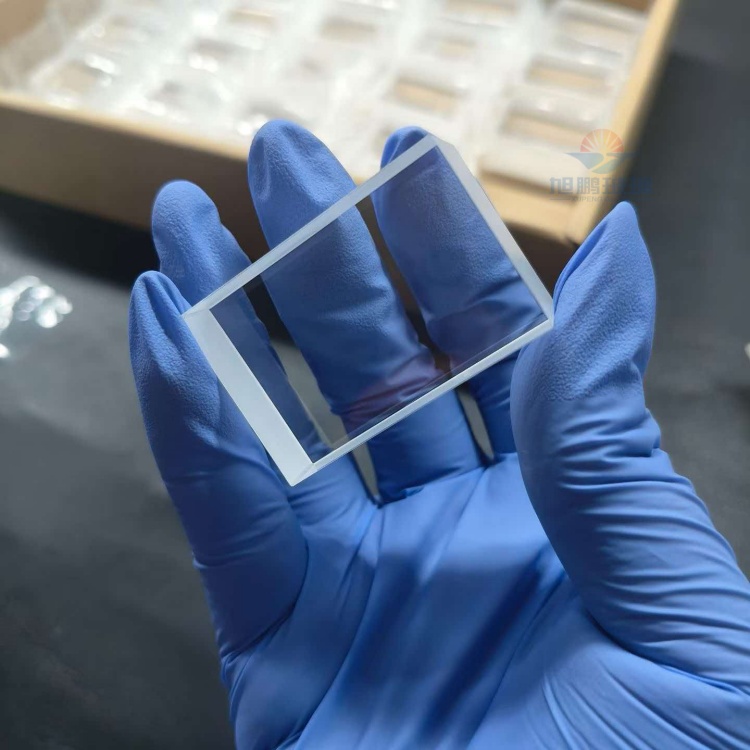
High UV Transmission Thick Gauge Quartz Glass Plate
Best fit: UV curing, disinfection equipment, high-temperature viewports and optical windows.
Qualify with: UV transmission curve, OH content, bubble and inclusion class, flatness, annealing and edge polish.

High-transmittance Anti-Reflection Coated Glass
Best fit: display windows, touch modules, instrument covers and optical viewing panels.
Qualify with: single or double-side reflectance, transmission gain, coating durability, substrate colour and printable window design.

Wafer Glass Thickness Substrate for Circuit Board, Chip, Solar and Silicon Ingot
Best fit: thin substrate applications where thickness control, flatness and surface cleanliness are critical.
Qualify with: thickness tolerance, TTV, flatness, surface finish, dicing method, cleaning standard and packing protection.

High Transmittance Sapphire Glass, Scratch Resistant & High Temperature Resistant Sheets
Best fit: sensor covers, high-temperature windows and scratch-critical surfaces.
Qualify with: crystal orientation, thickness, polish grade, chamfer, transmission target and thermal cycling requirements.

Welding Black Filter Glass, Beveled Edge Grinding, Long Irregular Shapes
Best fit: welding masks, goggles and optical filter windows requiring shape stability.
Qualify with: optical density, visible light transmittance, edge quality, batch colour consistency and shape tolerance.

Precision CNC Cut & Holed High-temperature Silk Screen Tempered Glass Discs
Best fit: control panels, appliance windows, device view windows and instrument interfaces.
Qualify with: hole tolerance, print registration, ceramic ink colour, tempering standard, flatness and edge chipping limits.

White Ceramic Glass-Ceramic, 4 mm & 6 mm, High Temperature Resistant
Best fit: high-temperature panels, appliance surfaces and thermally demanding cover plates.
Qualify with: thermal shock resistance, dielectric properties, whiteness, flatness, cut-out quality and operating temperature.
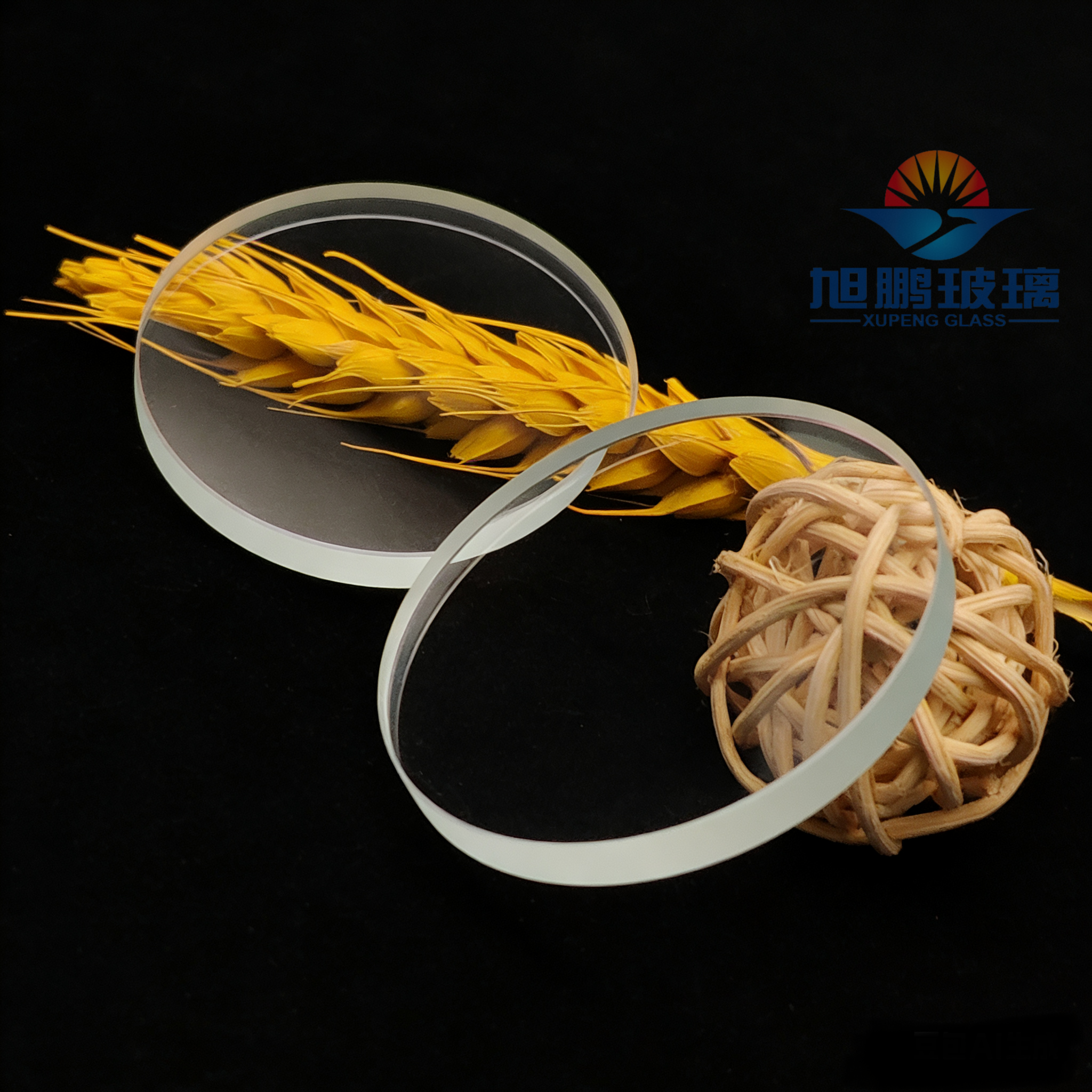
Low Iron Round High Transmittance Tempered Glass Panel with Polished Edges
Best fit: control panels, lighting covers, display windows and premium appliance glass.
Qualify with: visible light transmission, edge polish, flatness, tempering mark policy, surface protection and packing method.
For drawings and RFQs, use the Contact Us button below. Every custom glass sheet quote should be confirmed against your final drawing, quantity and inspection standard.
Start With Evidence, Not a Directory Badge
A “top 10” list is only useful when it helps you separate trading intermediaries from manufacturers with controlled processes. For custom glass sheets, the strongest evidence is operational: how drawings are reviewed, how processes are controlled, how batches are packed and how fast engineers respond.
Dongguan AUVE Glass Co., Ltd. is a deep-processing glass manufacturer established in 2018 in Songshan Lake, Dongguan, China. The company integrates R&D, design, production and export, with a facility of 1,001–2,000 m² and 51–100 skilled employees. Its production scope includes flat and curved tempered glass, ultra-clear low-iron glass, AR anti-reflective and AG anti-glare coated glass, silk-screen printed glass, LCD and touch screen cover glass, LED lighting glass, instrument glass and optical materials such as K9, quartz, sapphire, borosilicate and Corning EXG alkali-free glass.
For procurement teams evaluating top 10 glass sheet suppliers and wholesalers, that breadth matters. It reduces the number of vendors needed for one bill of materials. More importantly, in-house cutting, CNC edging, drilling, tempering, silk-screen printing, AR/AG coating and quality inspection create a shorter feedback loop when tolerances, print registration or coating targets need engineering adjustment.
AUVE Glass also publishes supplier evidence that buyers can check: onsite verification status, credit index, transaction level, trade capacity, trade history and buyer feedback. This kind of verifiable profile supports E-E-A-T in practice — not by claiming authority, but by making experience, process knowledge and reliability easier to audit.
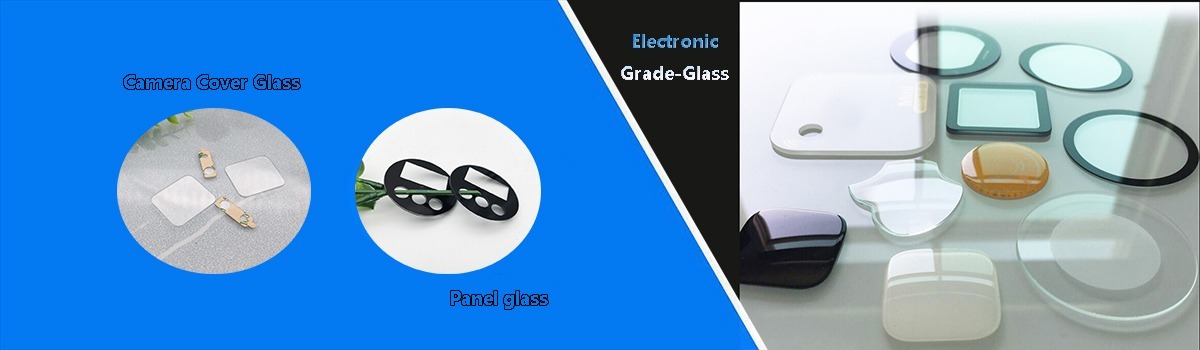
Factory-direct deep-processing supports drawing review, sampling, coating, tempering and export packing under one quality system.
How to Compare the Top 10 Glass Sheet Suppliers and Wholesalers
Price per sheet is a weak comparison metric when glass is custom-cut, coated, printed, tempered or packed for export. Use a weighted scorecard that reflects total landed cost, process control and engineering response. The weighting below is a practical starting model for B2B buyers.
Engineering Review & Process Control
30%Does the supplier review CAD, DXF or PDF drawings before quoting? Can they flag fragile corners, hole-to-edge distance, print registration and tempering constraints?
Material Breadth & Traceability
25%Can one supplier handle low-iron, AR/AG, quartz, sapphire, K9 and Corning EXG without losing batch traceability from raw sheet to carton?
Quality Evidence & Response Speed
25%Look for dimensional checks, visual inspection, optical checks where relevant, verified supplier records and response times that keep RFQs moving.
Export Packing, Terms & Landed Cost
20%Fragile glass requires protective film, foam corners, interleaving, crates or reinforced cartons. Compare FOB, CIF, DDP and express options against breakage risk.
| RFQ Data Package | What a Serious Supplier Should Ask | Why It Protects Your Project |
|---|---|---|
| Drawing file | CAD, DXF or PDF with outer profile, holes, cut-outs, print windows and critical dimensions. | Prevents quotation against a generic sheet when the part is actually an assembly-ready component. |
| Glass specification | Material type, thickness, colour, transmission target, coating, tempering and edge finish. | Confirms the correct substrate before tooling, printing or coating begins. |
| Tolerances | Size, hole, flatness, thickness, edge chip and print registration tolerances. | Separates commercial sheet supply from precision fabrication and avoids over- or under-specifying. |
| Inspection standard | AQL level, visual defects, measurement method, sample approval and test report requirements. | Creates an objective acceptance basis instead of relying on email descriptions. |
| Commercial terms | Order quantity, MOQ, Incoterms, packing method, lead time and shipping destination. | Aligns unit price with freight, insurance, breakage risk and cash-flow planning. |
Use the same RFQ package for every shortlisted supplier. A comparable response is more valuable than a low, incomplete quote.
Factory-Direct Capabilities That Matter to Importers
The strongest wholesale relationships are built around manufacturing control, not only stock availability. AUVE Glass supports OEMs, brand owners and distributors with custom processing, optical materials and export-ready documentation.
Deep Processing Under One Roof
Cutting, CNC edging, drilling, tempering, silk-screen printing, AR/AG coating, polishing and inspection can be coordinated as one production route.
Drawing Review Before Production
Engineers review manufacturability before tooling and production, covering tolerances, edge profiles, hole placement, printing and coating targets.
Broad Sheet Glass Portfolio
Tempered, ultra-clear, laminated and painted glass, AR/AG coatings, printed glass, K9, quartz, sapphire, borosilicate and Corning EXG materials.
Checkable Supplier Evidence
Onsite verification, credit index, transaction level, trade capacity, trade history and buyer ratings give procurement teams verifiable signals.
Export Packing & Incoterms
Protective film, interleaving, foam corners, wooden crates or reinforced cartons. Supported terms include FOB, CFR, CIF, EXW, DDP, DDU, DAF and express.
Fast Technical Response
Average response time within 7 hours helps engineering and sourcing teams keep sample approvals, RFQs and production schedules moving.
Precision Cutting
Automatic and CNC cutting from float, low-iron, glass-ceramic and optical stock.
CNC Edging & Drilling
Edge grinding, beveling, grooving, holes, cut-outs and shape verification.
Tempering
Flat and curved thermal tempering for impact resistance and thermal performance.
Silk-Screen Printing
High-temperature ceramic inks for logos, windows, icons and instrument graphics.
AR / AG Coating
Anti-reflective, anti-glare, mirror and functional coatings matched to the application.
QC & Export Packing
Dimensional, visual and optical checks, then protective packing for fragile glass parts.
Glass Sheet Procurement Trends Reshaping Wholesaler Selection
Buyers are moving away from one-off price hunting toward supplier systems that can support repeatable specifications, faster engineering feedback and lower total risk. These trends are especially visible in display electronics, industrial equipment, lighting and optical instruments.
Total Landed Cost Replaces Unit Price
Procurement teams now compare breakage rate, packing cost, freight mode, inspection workload and rework risk. A slightly higher sheet price can be cheaper when it reduces rejects and line stoppages.
Consolidation Across Glass Categories
Brand owners prefer fewer qualified suppliers. A manufacturer that can supply tempered, AR/AG, printed, quartz and optical glass helps reduce vendor audits and inconsistent documentation.
Traceability and Supplier Verification
Onsite checks, credit profiles, trade records and buyer feedback are increasingly reviewed before samples are approved. Reliable evidence shortens the vendor qualification cycle.
Digital RFQ and Early DFM Feedback
CAD, DXF and PDF drawings sent by email or sourcing platforms now trigger early manufacturability review. Fast technical feedback is becoming a competitive advantage for suppliers.
Glass Sheet Product Trends Driving the Next Sourcing Cycle
Product development is pushing glass sheets into more demanding roles: larger display covers, thinner substrates, higher transmission, better glare control and harsher operating environments. The supplier’s process window matters as much as the raw material.
High-Clarity Low-Iron + Functional Coating
Low-iron glass with AR or AG treatment is increasingly used for displays, control panels and lighting. Buyers are specifying transmission, haze, gloss and colour shift together rather than as separate items.
Thinner Wafers and Flexible Glass
Semiconductor, sensor and flexible display applications continue to demand thinner substrates, tighter flatness, double-side polishing and cleaner packing.
Quartz, Sapphire and Glass-Ceramic
High-temperature, UV and scratch-critical applications are increasing demand for fused quartz, sapphire, borosilicate and white glass-ceramic sheets with documented thermal properties.
Printed and Coated Glass as One Part
More assemblies combine tempering, CNC holes, ceramic printing and AR/AG coating in a single glass part. This reduces fasteners and improves optical performance but raises process-control requirements.
Send This RFQ Package to Every Shortlisted Supplier
A disciplined RFQ package is an information-gain advantage. It forces suppliers to quote against the same data and makes hidden assumptions visible before samples or tooling are approved.
What to Include in the Inquiry
- 2D drawing in CAD, DXF or PDF, plus a 3D file if the part is curved or has complex cut-outs.
- Material type, thickness, colour, transmission target and any equivalent material reference.
- Edge finish, hole tolerance, chamfer, flatness, print registration and surface quality limits.
- Coating specification: AR reflectance, AG haze and gloss, mirror, filter or other functional layers.
- Annual demand, first order quantity, sample quantity, target lead time and destination country.
- Inspection method, AQL level, packaging preference and required shipping Incoterm.
Red Flags to Challenge Early
- A quote that does not reference your drawing revision, thickness tolerance or edge requirement.
- No clear answer on whether tempering, coating and printing are performed in-house or outsourced.
- Unrealistic lead time for custom tooling, printing screens, coating runs or tempered glass.
- No packing details for fragile sheets, no corner protection and no batch identification.
- No sample approval route, no inspection record and no defined acceptance standard.
- Supplier evidence that cannot be checked or does not match the legal entity on the quotation.
Glass Sheet Sourcing Questions Buyers Ask Most
These answers reflect common RFQ and supplier-qualification questions from OEM procurement, engineering and distribution teams.
Are the top 10 glass sheet suppliers always manufacturers?
Not necessarily. A top-10 list may include stocking wholesalers, importers or trading companies. For standard stock sizes, a wholesaler can be efficient. For custom holes, tempering, silk-screen printing, AR/AG coating, optical materials or tight tolerances, a manufacturer with in-house process control is usually easier to qualify and audit.
How should I verify a glass wholesaler before ordering?
Check the legal entity, factory address, onsite verification status, credit profile, transaction records and buyer feedback. Ask for a process route for your part, sample inspection records and packing details. For custom glass, request evidence that drawing review, cutting, edge processing, tempering, printing or coating are controlled under a documented quality system.
What information is required for an accurate glass sheet quotation?
Provide a drawing or dimensioned PDF, material and thickness, quantity, tolerances, edge and hole requirements, printing or coating specification, inspection standard and delivery destination. If the final application is UV exposure, high temperature, outdoor glare, touch display or high-pressure cleaning, state that early because it affects material and process selection.
What is the typical MOQ for custom glass sheets?
MOQ depends on material and process. Coated and optical glass parts may start from 10 to 50 pieces for selected items, while standard ultra-clear tempered parts often start from 100 to 500 pieces. Complex printing, special tooling or non-standard optical materials can require a higher pilot quantity. Sample and pilot runs can be discussed for new projects.
How do I choose between tempered glass, AR glass, quartz and sapphire?
Choose tempered glass when impact resistance and safety are priorities. Choose AR coated glass when display contrast and low reflection matter. Choose quartz when UV transmission and thermal shock resistance are critical. Choose sapphire when scratch resistance, hardness and high-temperature optical windows justify the material cost. For semiconductor-related substrates, alkali-free materials such as Corning EXG may be more appropriate.
Which shipping terms and export packing options are available?
Suppliers may support FOB, CFR, CIF, EXW, DDP, DDU, DAF and express delivery. For fragile glass, confirm interleaving film or paper, foam corner protection, batch labels and export wooden crates or reinforced cartons. Always align the packing method with the selected freight mode and the destination handling environment.
How does AUVE Glass support custom projects from drawing to delivery?
AUVE Glass reviews CAD, DXF or PDF drawings before production, confirms material and process feasibility, then coordinates cutting, CNC edging, drilling, tempering, silk-screen printing, AR/AG coating, inspection and export packing. Buyers can review supplier evidence and send RFQ details for an engineering review, with an average response time within 7 hours.
Have a Drawing? Get an Engineering Review.
Share your size, thickness, tolerance, edge, hole, printing and coating requirements. The AUVE Glass team will confirm a practical material and process route, then return a quotation for your project — usually within 7 hours.