8 Product Routes That Reveal a Factory’s True Processing Depth
Low-iron glass is rarely bought as a commodity sheet. The part that matters is the finished assembly: cut quality, edge strength, coating durability, printing registration, flatness, packing and documentation. The eight product links below are typical qualification routes used by display, lighting, instrument, semiconductor and industrial buyers. Product URLs are preserved for direct specification review; if a drawing needs engineering feedback, use the Contact Us button and our team will review it.
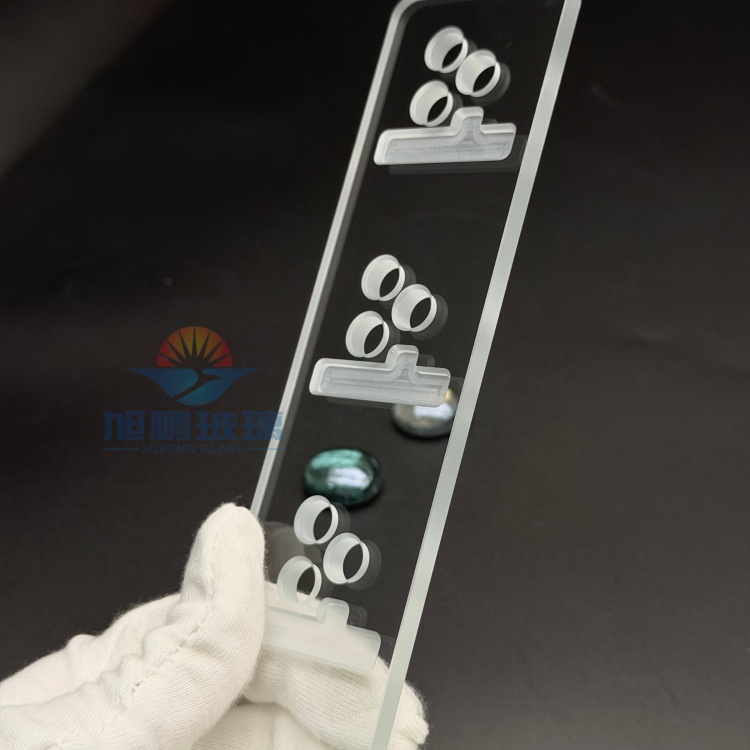
Ultra Clear High Light Transmission Tempered Glass Panel, CNC Arc Polishing, Drilling & Grooving
View specification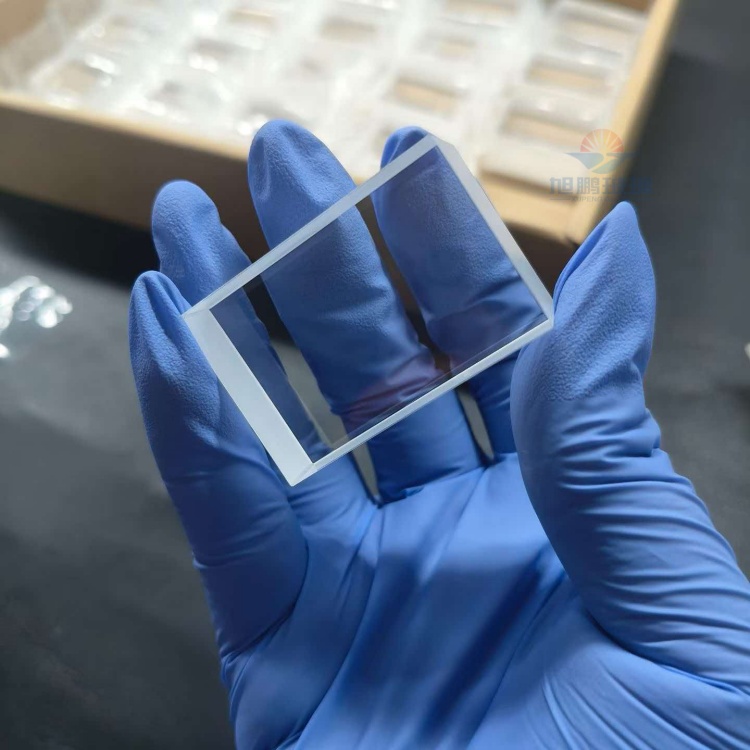
High UV Transmission Thick Gauge Thick Quartz Glass Plate
View specification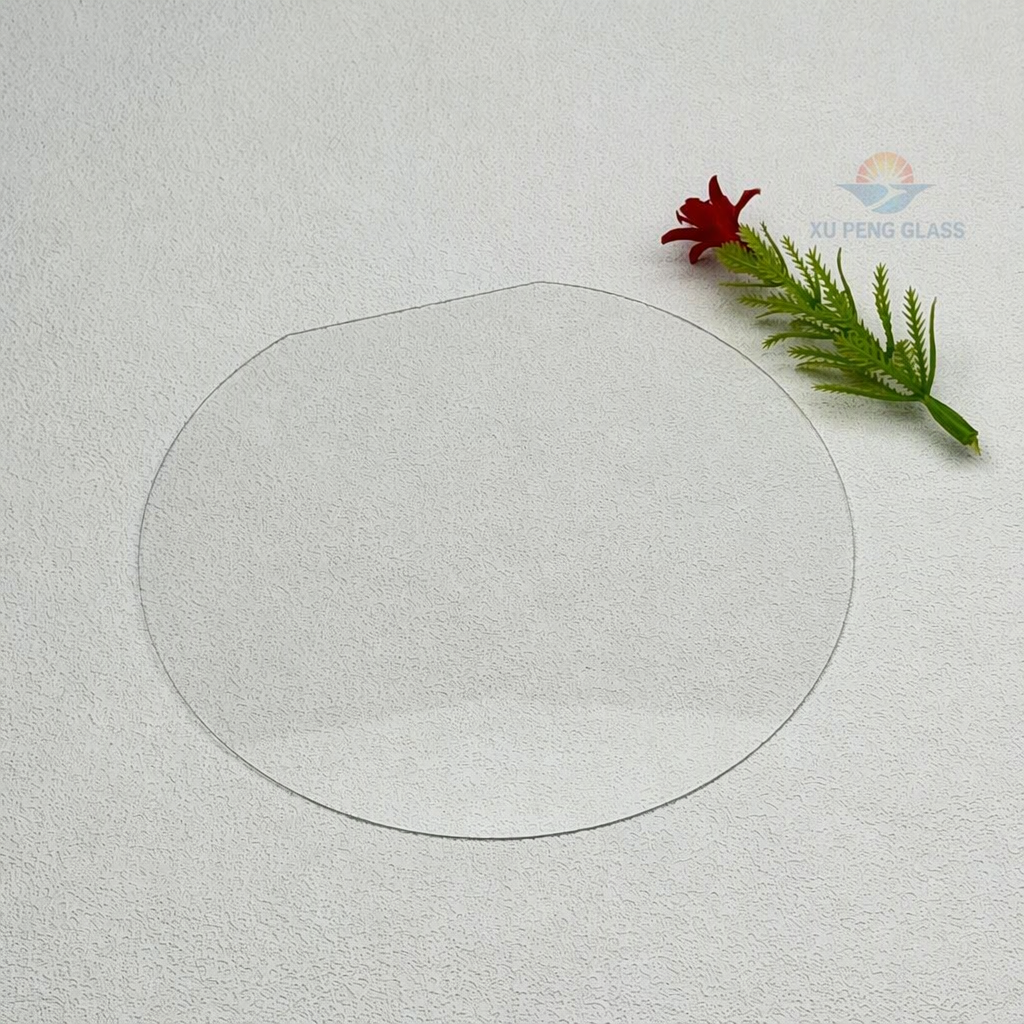
Ultra-thin High-precision Optical Glass Wafer, Corning / SCHOTT / Fused Silica
View specification
Schott Ultra-thin Optical Glass Sheets, 0.1mm, 0.5mm, 0.7mm, 1.1mm, Raw Semiconductor Electronic Glass Substrates
View specification
Welding Black Filter Glass, Beveled Edge Grinding, Long Irregular-shaped Welding Filter Glass
View specification
Schott BF33 TGV Microvia Glass Wafer, Packaging Substrate for Sensors & Chips
View specification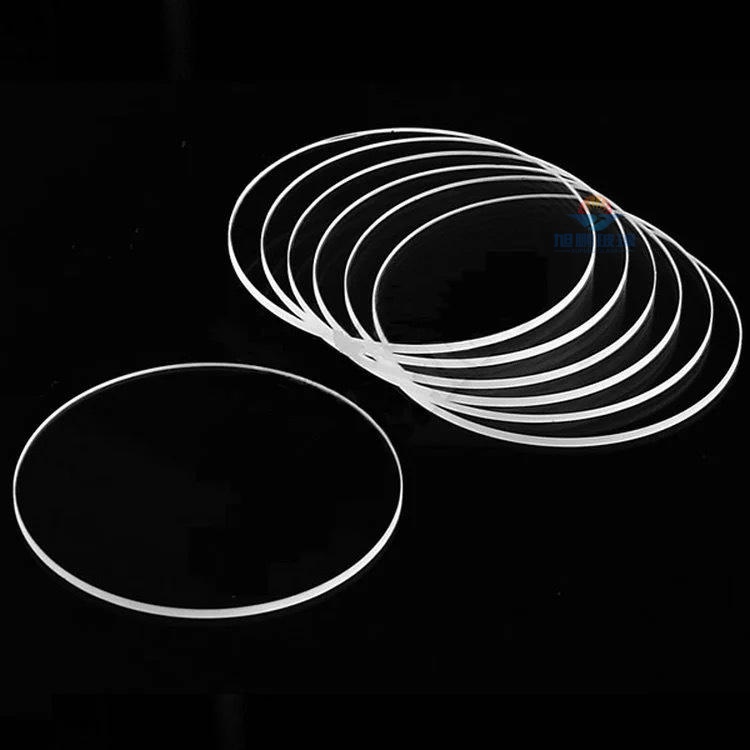
Corning EXG Alkali-Free Glass, UV High-Transmittance Optical Window Substrate
View specification
Ultra-white Tempered Glass, AR Anti-Reflection Coatable, High Light Transmittance & Anti-reflective
View specificationTop 10 Low Iron Glass Factories & Exporters: What the Title Should Really Mean to a Buyer
The phrase “top 10 low iron glass factories and exporters” is a search shortcut. Procurement teams are not buying a trophy list; they are buying a lower-risk route to consistent transmission, clean edges, reliable coating adhesion, stable lead times and export-grade packaging. A useful ranking therefore has to be built on evidence, not adjectives.
This guide is written from the perspective of a deep-processing glass manufacturer and exporter working with OEM buyers, brand owners and distributors. Rather than publish an unverified beauty parade, it gives sourcing teams the ten signals that separate a genuinely capable low-iron glass factory from a trading intermediary — and shows how those signals appear in real product routes, drawings, samples and RFQs.
The 10 Signals That Separate a Top-Tier Low-Iron Glass Factory From a Reseller
Raw material control
Can the supplier trace low-iron or ultra-white sheet grade, thickness and batch, and explain how iron content affects edge colour and visible transmission?
In-house shape capability
CNC cutting, arc polishing, drilling, grooving, cut-outs and irregular outlines should be controlled internally or through audited partners.
Tempering validation
Flat and curved tempering needs documented furnace control, fragmentation and flatness checks, especially for thin or large panels.
Coating integration
AR, AG, mirror and functional coatings must be matched to the glass grade and end use, with reflectance, haze and adhesion targets agreed before mass production.
Printing reliability
High-temperature ceramic ink, multi-colour registration, IR windows and logos must survive tempering, cleaning and assembly handling.
Metrology and visual QC
The best factories inspect dimensions, holes, chips, scratches, bow, coating defects and light transmission under defined lighting conditions.
Engineering review
A true factory flags manufacturability risks before quoting: tight tolerances, sharp internal corners, tempering constraints and coating edge pull-back.
Export packing
Protective film, foam corners, interleaving paper, moisture control and reinforced crates are not extras — they are part of the product.
Documented trade terms
FOB, CFR, CIF, EXW, DDP, DDU, DAF and express options should be quoted clearly, with HS classification and destination handling understood.
Technical responsiveness
Fast, clear answers to drawing questions reduce rework. A practical benchmark is a response within 7 hours for normal technical inquiries.
Low-Iron Glass Product Recommendations for 2025–2026
The right recommendation depends on the optical target, mechanical load, printing, coating and assembly environment. These six routes cover the majority of new low-iron and precision glass RFQs.
DisplayUltra-clear tempered control-panel glass
For smart control panels, appliance covers and HMI windows. Specify low-iron float, 3–6 mm thickness, CNC drilled holes, silk-screen graphics and edge polishing. Procurement note: confirm the transmission and edge-colour target before quoting.
OpticalAR-coatable ultra-white tempered glass
For displays, instrument windows and museum glazing where reflection lowers contrast. Double-side AR can reduce surface reflection to roughly 0.5–1% per side, depending on stack design. Procurement note: define cleaning, abrasion and environmental tests.
OutdoorAG or AG+AR cover glass
For outdoor LCDs, kiosks and industrial HMIs. Etched AG diffuses glare while AR can improve transmission. Procurement note: agree gloss, haze and sparkle acceptance criteria on a golden sample.
PrecisionOptical glass wafers and ultra-thin substrates
For sensors, optical instruments and semiconductor-adjacent projects. Materials can include K9, fused silica, quartz, sapphire, SCHOTT ultra-thin glass and Corning EXG. Procurement note: flatness, thickness tolerance and edge-chip limits drive yield.
UVHigh-UV quartz and sapphire windows
For UV curing, disinfection, analytical instruments and high-temperature viewports. Fused quartz offers high UV transmission and thermal shock resistance; sapphire supports scratch-critical windows. Procurement note: request transmission curves by thickness.
AdvancedTGV and alkali-free glass wafers
For advanced packaging, MEMS and sensor substrates. SCHOTT BF33 TGV wafers and Corning EXG alkali-free glass support demanding flatness and thermal-expansion requirements. Procurement note: define via geometry, surface quality and dicing method early.
Product Development Trends That Will Change Your Next Specification
Low-iron glass is moving from a simple cover material to a functional interface. The specifications that win in 2025 and 2026 will combine optics, durability, shape freedom and packaging compatibility.
Thinner but stronger glass
Chemical strengthening, edge quality and stress control allow thinner low-iron glass in displays and portable devices without sacrificing drop performance.
AR + AG + easy-clean stacks
Buyers increasingly request combined anti-reflection, anti-glare and anti-fingerprint performance, with defined abrasion and chemical resistance tests.
Larger formats and curved shapes
Large-format displays, appliance panels and automotive-style interfaces are pushing factories to control bow, coating uniformity and printing registration on bigger parts.
Glass as a functional substrate
TGV, alkali-free wafers and ultra-thin glass are becoming packaging and sensor substrates, not just windows. Cleanroom-compatible handling and metrology matter.
UV and high-temperature transparency
Quartz, sapphire and borosilicate routes continue to grow in UV equipment, analytical instruments and high-temperature inspection windows.
Functional printing and hidden graphics
Dead-front displays, IR-transparent windows, touch icons and decorative inks require tight registration and ink systems that survive tempering and cleaning.
What Low-Iron Glass Procurement Teams Are Changing Now
Price per piece still matters, but total risk is now the bigger conversation. Buyers are asking for more evidence, earlier engineering review and more resilient supply.
Total landed cost
Freight, breakage, rework, inspection and inventory carrying cost are being compared against unit price. A cheap quote with weak packing is no longer cheap.
Dual-source strategy
OEMs are qualifying a primary factory and a technical backup, often using the same drawing and golden sample to reduce transfer risk.
Drawing-led RFQs
CAD, DXF and PDF drawings with tolerance blocks are replacing loose descriptions. Factories that can review manufacturability before quoting win faster.
Traceability and ESG
Material certificates, batch labels, coating records, packing photos and sustainability statements are increasingly requested alongside commercial terms.
Low-Iron, AR, AG, Quartz, Sapphire and Alkali-Free Glass: Quick Selection Table
Use this table to shortlist a material route before requesting samples. Final acceptance criteria should always be confirmed against your drawing, application environment and test standard.
| Glass route | Typical property | Best-fit use | Buyer check |
|---|---|---|---|
| Low-iron tempered glass | Visible transmission around 91%; reduced green edge tint; tempered strength roughly 4–5× annealed glass | Control panels, appliance covers, LED fixtures, light boxes | Confirm edge colour, bow, fragmentation and packing |
| Ultra-white AR tempered glass | Lower surface reflection and higher display contrast; AR performance depends on stack design | Touch modules, all-in-one PCs, instrument windows | Agree reflectance, adhesion, haze and cleaning tests |
| AG anti-glare glass | Micro-textured surface diffuses glare; gloss and haze are selectable | Outdoor LCDs, kiosks, industrial HMIs | Approve gloss, haze and sparkle on a golden sample |
| Silk-screen printed tempered glass | Ceramic ink fired into glass for durable graphics and windows | Instrument panels, appliance fronts, switch covers | Check registration, colour, IR ink and chemical resistance |
| K9 optical glass | Borosilicate crown glass with refractive index around 1.5168 | Lenses, prisms, optical instrument windows | Specify Polish grade, inclusions and coating |
| Fused quartz | High UV transmission and strong thermal shock resistance | UV curing, disinfection, high-temperature viewports | Request transmission by thickness and OH content where relevant |
| Sapphire glass | Mohs hardness 9; melting point around 2,040°C | Sensor covers and scratch-critical windows | Define orientation, flatness and chamfer quality |
| Corning EXG / SCHOTT ultra-thin | Alkali-free or ultra-thin substrates with controlled CTE and surface quality | Semiconductor wafers, MEMS, sensors, flexible electronics | Confirm flatness, via geometry, dicing and cleanroom packing |
Values are typical reference data for early material selection. Production specifications are confirmed against the approved drawing and agreed inspection method.

Why Dongguan AUVE Glass Belongs on a Low-Iron Glass RFQ Shortlist
Dongguan AUVE Glass Co., Ltd. is a deep-processing glass manufacturer integrating R&D, design, production and export in Songshan Lake, Dongguan — one of China’s electronics and optoelectronics clusters. The company was founded in 2018 and operates with 51–100 skilled employees in a facility of up to 2,000 m².
Its production scope covers flat and curved tempered glass, ultra-white and low-iron glass, laminated and painted glass, LCD and touch screen glass, smart control panel glass, LED lamp glass, instrument glass, AR high-transmittance glass and AG anti-glare glass. Optical routes include K9, quartz, sapphire, borosilicate, SCHOTT ultra-thin glass and Corning EXG alkali-free glass.
Because cutting, CNC edging, drilling, grooving, tempering, silk-screen printing, AR/AG coating and inspection are handled as an integrated process route, buyers get fewer hand-offs, faster engineering feedback and clearer accountability when tolerances are tight.
Export support includes FOB, CFR, CIF, EXW, DDP, DDU, DAF and express delivery. Fragile glass parts are packed with protective film, foam corner protection and fumigation-free wooden crates or reinforced cartons. Technical inquiries are typically answered within 7 hours, and sample or pilot quantities can be discussed for new projects.
A 12-Point RFQ Checklist You Can Send to Any Low-Iron Glass Factory or Exporter
The fastest way to compare suppliers is to force the same information into every quote. This checklist reduces ambiguity and exposes whether a supplier is engineering-led or simply forwarding prices.
Material grade: low-iron, ultra-white, K9, quartz, sapphire, SCHOTT or Corning EXG.
Optical target: visible transmission, edge colour, reflectance, haze or UV transmission.
Dimensions: length, width, thickness and critical tolerances.
Edge and holes: polish, bevel, chamfer, drilling, grooving and cut-out requirements.
Tempering: flat or curved, fragmentation, bow and thermal performance.
Coating: AR, AG, mirror, easy-clean, single-side or double-side.
Printing: colour, registration, IR window, ink durability and artwork file.
Inspection: surface quality, chips, scratches, bubbles and measurement method.
Sample approval: golden sample, first-article report and change-control process.
Packing: film, interleaving, corners, crates, labels and drop-test expectation.
Commercial terms: MOQ, lead time, Incoterm, HS code and destination.
Documentation: material certificate, inspection report, packing list and traceability.
Frequently Asked Questions From Low-Iron Glass Buyers
These are the questions engineering and sourcing teams ask most often before sending a drawing, sample order or mass-production PO.
What is low-iron glass, and why specify it instead of standard clear glass?
Low-iron glass, often called ultra-clear or ultra-white glass, contains less iron oxide than standard clear float glass. This reduces the green edge tint and can raise visible light transmission to roughly 91% in typical thicknesses. It is specified when colour fidelity, edge clarity, display contrast or LED light transmission matter. The final target should be agreed on a sample because thickness, coating and printing all affect perceived colour and transmission.
How can I verify whether a supplier is a real factory or a trading company?
Ask for process evidence rather than factory photos alone: equipment list for cutting, CNC, tempering, printing and coating; QC flow; sample traceability; export packing photos; and third-party verification records. A deep-processing manufacturer should be able to explain manufacturability limits on your drawing before quoting. Dongguan AUVE Glass, for example, provides company profile, credit index, transaction level, trade capacity, trade history and buyer feedback for independent review.
What MOQ should I expect for low-iron glass and custom optical parts?
MOQ depends on material and process. Coated and optical glass parts often start from 10 to 50 pieces, while standard ultra-clear tempered parts commonly start from 100 to 500 pieces. Large-format, curved, printed or special-coated parts may require a higher setup quantity. Sample and pilot quantities can be discussed for new projects, especially when a golden sample is needed before tooling or mass production.
Can low-iron glass be produced to my own drawing?
Yes. Send a CAD, DXF or PDF drawing with thickness, tolerances, edge profile, holes, grooves, printing, coating and inspection requirements. A capable factory will review the design before production, covering CNC cutting, edging, drilling, tempering, silk-screen printing and AR/AG coating. Early review is particularly important for sharp internal corners, thin glass, large panels and coating near edges.
What is the difference between AR and AG glass?
AR means anti-reflective: a coating stack reduces surface reflection and can improve display contrast and light transmission. AG means anti-glare: the surface is etched or treated to scatter reflected light, reducing glare but usually lowering clarity slightly. Many outdoor and industrial projects use AG alone or AG combined with AR, depending on the balance between glare, transmission, haze and sparkle.
How do I specify tolerances for large low-iron tempered panels?
Specify critical dimensions separately from non-critical ones, and allow realistic tolerances for cutting, drilling, tempering and coating. Large panels are affected by bow and warp, so flatness should be agreed in the application context. Avoid sharp internal corners where possible, define edge quality by function, and require a first-article report before full production.
What export packing is suitable for fragile glass parts?
Good packing usually combines protective film, interleaving paper or foam, corner protection, moisture control and fumigation-free wooden crates or reinforced cartons. Labels should include part number, batch, quantity and handling symbols. For high-value coated or optical glass, ask for packing photos before shipment and confirm whether the destination requires palletized or crate-level handling.
Which Incoterms and export markets are typically supported?
Common terms include FOB, CFR, CIF, EXW, DDP, DDU, DAF and express delivery. AUVE Glass exports to markets including the United States, Canada, Russia, South Korea, Japan and Australia. The correct Incoterm depends on your customs setup, freight forwarder and risk-transfer preference, so confirm it before the order is finalized.
How quickly can I receive a technical response and quote?
A practical benchmark for a technical inquiry is a response within several hours, not several days. AUVE Glass reports an average response time within 7 hours. For faster quoting, include your drawing, annual or first-order quantity, target market, application environment and any required test standards.
Can I approve samples before placing a mass-production order?
Yes. For custom glass parts, sample approval is strongly recommended. The sample should be checked for dimensions, edge quality, holes, printing registration, coating appearance, transmission or reflectance, and packing. Once approved, the golden sample and inspection report become the reference for mass production and incoming inspection.
Have a Low-Iron Glass Drawing? Get an Engineering Review.
Share your size, thickness, tolerance, edge, hole, printing and coating requirements. Our team will confirm material, process route and lead time — usually within 7 hours.