8 Glass Products for Thick-Glass, Display and Optical Procurement Teams
These production-ready product families reflect the real scope of a qualified custom glass supplier: tempered and ultra-clear glass, functional coatings, precision optical materials, sapphire, semiconductor glass and CNC-processed components.
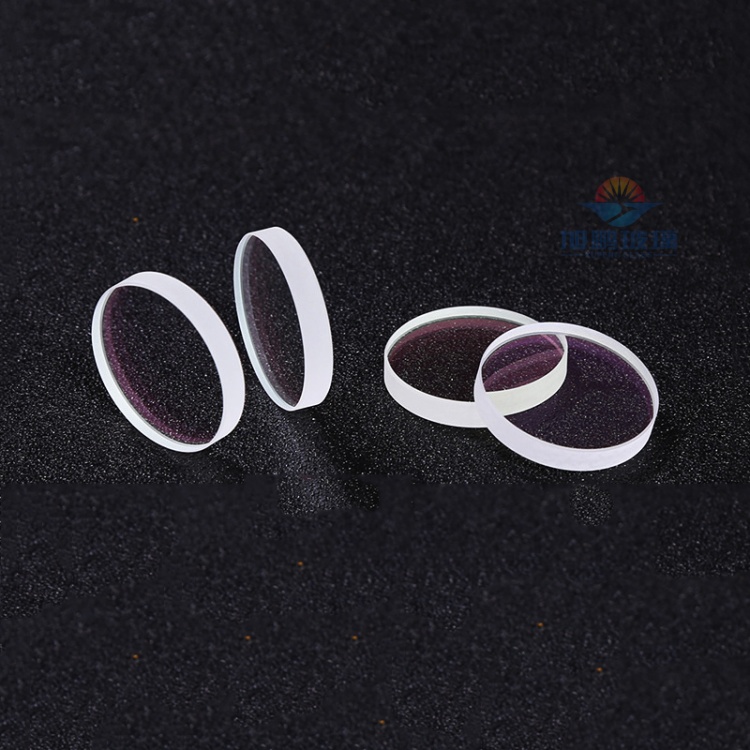
Ultra-clear Tempered Glass, Custom Processing Available: Drilling, Etching, AG Coating Silk Printing, AR Coating
High-clarity tempered glass for control panels, display covers and appliance fronts, with drilling, etching, printing and functional coating options.
View product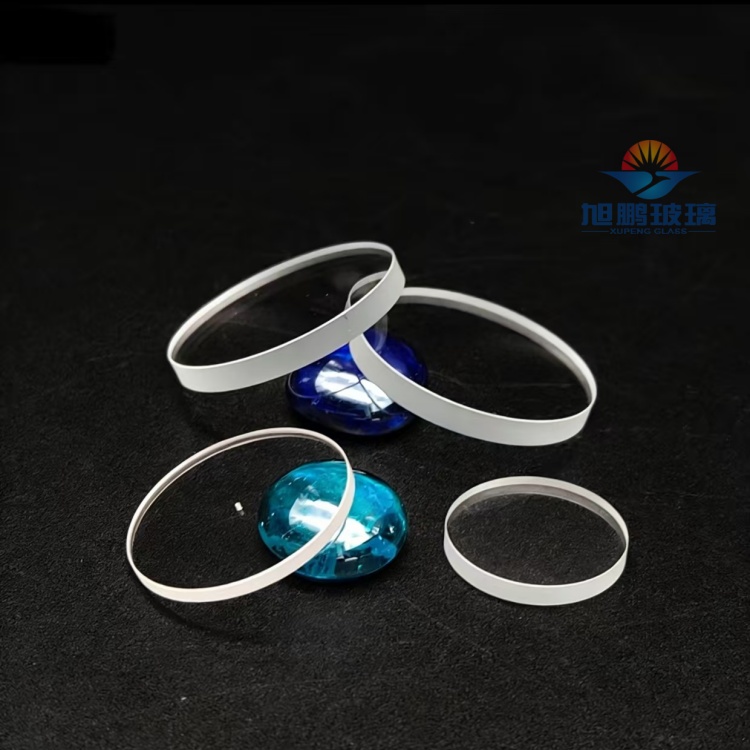
Sapphire Glass Step Window Wafers, High Temperature Resistant & High Light Transmittance Optical Sapphire Lenses
Sapphire windows and lenses for scratch-critical, high-temperature and high-transmittance optical assemblies.
View product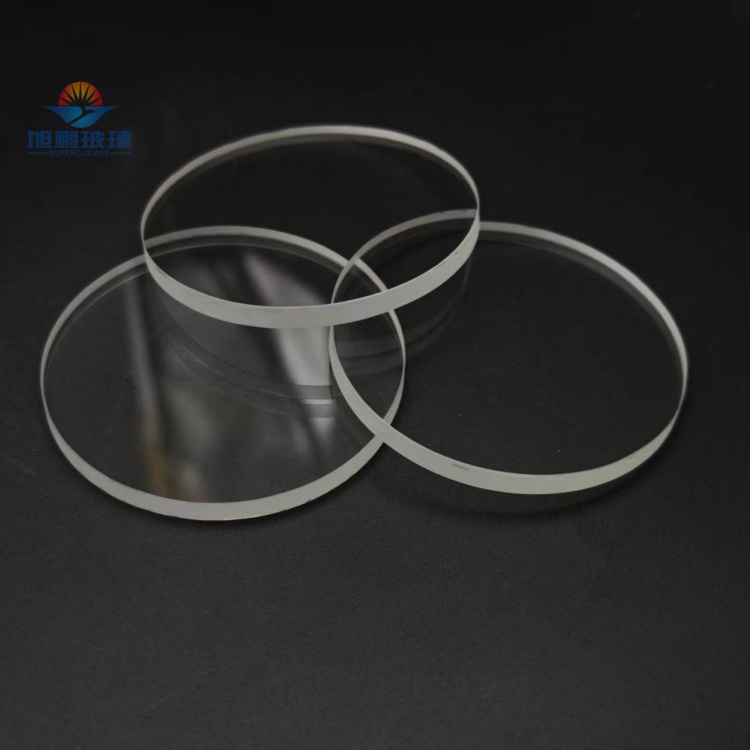
K9 Optical Glass (K9 Crystal Glass) for Optical Instruments
Borosilicate crown-type optical glass for lenses, prisms, view windows and precision instrument components.
View product
Corning Ultra-Thin Glass Sheet, Optical Grade Glass Wafer Substrate with Chamfered Edge
Ultra-thin optical-grade substrates with chamfered edges for precision electronic and optical applications.
View product
Ultra-thin Optical Glass Sheets Schott B270/D263T Semiconductor Electronic Glass Blank Cutting & Processing
Cutting and processing of Schott B270 and D263T glass blanks for electronic, display and semiconductor projects.
View product
Welding Black Filter Glass, Beveled Edge Grinding, Long Irregular-shaped Welding Filter Glass
Beveled-edge black filter glass for welding masks and optical filtering assemblies requiring irregular shapes.
View product
Round Aluminosilicate Glass with Chamfered Ground Edges and Metal Coating
Precision round aluminosilicate glass with chamfered edges and metal coating for industrial and electronic use.
View product
Precision CNC Cut & Holed, High-temperature Silk Screen Tempered Glass, Drilled Ultra-clear Small Round Glass Discs
CNC-cut, drilled and high-temperature silk-screen printed tempered glass discs for device view windows.
View productTop 10 Thick Glass Manufacturer & Suppliers: Beyond the Directory List
A buyer typing “top 10 thick glass manufacturer & suppliers” is not simply looking for ten company names. The search combines supplier discovery, material capability, custom processing, quality assurance, export readiness and conversion risk. From a semantic-search perspective, the query asks: who can manufacture, inspect, pack and deliver the right glass to my drawing without creating a hidden total-cost problem?
For procurement teams, the real shortlist is built through evidence. A supplier may advertise tempered glass, yet fail to control hole quality, edge chipping, flatness, coating adhesion, silk-screen ink durability or fragile export packing. A directory listing is not a manufacturing qualification. The top suppliers are separated by process depth, engineering review, traceability and responsiveness.
This whitepaper explains how to evaluate thick glass manufacturers and suppliers with greater information gain than a simple price comparison. It also uses Dongguan AUVE Glass Co., Ltd. as a practical reference point for factory-direct custom glass because the company integrates R&D, design, production and export in Songshan Lake, Dongguan, China.
- Need definition: thick tempered glass, optical windows, display covers, filter glass or high-temperature substrates?
- Process verification: cutting, CNC edging, drilling, tempering, printing, AR/AG coating and inspection.
- Trade confidence: drawings review, MOQ flexibility, export packing, Incoterms and response speed.
- Risk reduction: dimensional records, visual inspection, coating checks and fragile-goods logistics.
What the query actually asks
The 10-Point Matrix Behind a Reliable Thick Glass Supplier Shortlist
Use these ten criteria to compare manufacturers objectively. A supplier that can answer all ten with documented processes is more likely to remain competitive after the sample stage.
Material traceability
Clear glass grade, supplier origin and batch records matter for optical clarity, tempering behaviour and coating yield.
Thickness & flatness
Tolerance discipline across thickness, bow, warp and flatness prevents fitment issues in frames, gaskets and display stacks.
In-house tempering
Controlled thermal tempering improves strength and breakage behaviour for safety-related industrial and appliance glass.
Edge & hole quality
CNC edging, chamfering, beveling, grooving and drilling determine crack risk and assembly speed.
Printing & coating
AR, AG, mirror, metal and high-temperature silk-screen inks must survive cleaning, handling and field use.
Inspection discipline
Dimensional, visual and optical checks should be defined before mass production, not negotiated after defects appear.
Engineering review
A supplier should review CAD, DXF or PDF drawings for manufacturability before quoting final tooling and lead time.
MOQ & sampling
Flexible pilot quantities reduce launch risk, while stable standard MOQs keep repeat production predictable.
Export packing
Fragile glass needs interleaving, edge protection, batch labeling and appropriate wooden crates or reinforced cartons.
Verified credentials
Onsite checks, trade history, credit index, transaction level and buyer feedback shorten supplier due diligence.
Thick Glass Procurement Trends Reshaping Buyer Shortlists
Price remains important, but total cost of ownership is increasingly driven by verification, process integration, packaging quality and launch flexibility.
Verified suppliers first
Buyers now check factory status, transaction levels, trade capacity and reviews before sharing drawings. Verification reduces hidden sourcing risk.
Low-iron and coated glass
Ultra-clear low-iron glass, AR and AG coatings are increasingly specified for displays, control panels and premium appliance faces.
Consolidation
OEMs prefer one factory that can cut, edge, drill, temper, print, coat, inspect and pack rather than coordinating multiple processors.
Small-batch customization
Pilot runs, custom shapes and mixed finishing requirements are becoming normal, especially for instrument and industrial displays.
Product Development Trends in Thick and Precision Glass
Thick glass is increasingly specified alongside thin optical substrates, functional coatings and high-temperature materials. Suppliers must understand the entire assembly, not only one sheet.
Hybrid thick-thin stacks
Structural thick glass covers are being paired with thin optical wafers, printed layers and sensor windows in one device stack.
Functional coatings
AR anti-reflective and AG anti-glare coatings are moving from premium options to baseline requirements for display clarity.
High-temperature materials
Quartz, sapphire and borosilicate are used in UV equipment, sensors, viewports and process windows exposed to heat or chemicals.
Semiconductor substrates
Alkali-free, low-CTE glass such as Corning EXG and Schott B270/D263T continues to grow in precision electronic applications.
Which Glass Should You Specify for Your Assembly?
Use this reference to align application requirements with material and finishing choices. Final specifications should always be confirmed against your drawing, tolerances and agreed test standard.
| Application | Recommended glass | Why it fits | Key processing focus |
|---|---|---|---|
| Industrial HMI and control panels | Ultra-clear tempered glass, AR/AG coated | High clarity, scratch resistance and glare control for readable interfaces | CNC cutting, drilling, silk-screen, AR/AG coating |
| Optical instruments and view windows | K9 optical glass, borosilicate, quartz | Good transmittance and stable optical behaviour | Polishing, chamfering, precision edging |
| High-temperature sensor windows | Sapphire glass | Scratch resistance and high-temperature durability | Step windows, chamfering, optical polishing |
| Semiconductor and electronic substrates | Corning EXG, Schott B270/D263T | Alkali-free or specialty glass behaviour for precision devices | Ultra-thin cutting, wafer processing, edge finishing |
| Welding masks and filter assemblies | Black filter glass | Optical filtering with durable glass construction | Beveled edge grinding, irregular shaping |
| Device view windows and small covers | Tempered round glass discs | Clear visibility with custom holes and printed graphics | CNC cutting, drilling, high-temperature silk screen |
Material selection is a starting point. Edge quality, residual stress, coating durability and packing are equally important in mass production.



Why Dongguan AUVE Glass Is a Credible Partner for Custom Glass Programs
Dongguan AUVE Glass Co., Ltd. is a deep-processing glass manufacturer integrating R&D, design, production and export under one roof in Songshan Lake, Dongguan, China — one of the country’s leading electronics and optoelectronics clusters. The company was established in 2018 and operates as a manufacturer and trading enterprise with 51–100 skilled employees and a 1,001–2,000 m² facility.
Its production scope covers flat and curved tempered glass, ultra-clear low-iron glass, laminated and painted glass, LCD and touch-screen cover glass, smart control panel glass, LED lighting glass, instrument glass, AR high-transmittance glass, AG anti-glare glass and optical materials such as K9, quartz, sapphire, borosilicate and Corning EXG alkali-free glass.
Guided by the philosophy of “focusing on high-end glass, pioneering and innovating,” AUVE invests in engineering review and process control so OEMs, brand owners and distributors can consolidate custom glass sourcing with one qualified supplier.
Capability depth
Cutting, CNC edging, drilling, tempering, printing, coating, inspection and export packing under one quality system.
Ultra-clear clarity
Low-iron glass reduces green edge tint and is suitable for premium control panels, lighting and display covers.
Engineering response
Fast drawing review helps buyers clarify tolerances, finishing options, MOQ and packing before committing to a purchase order.
Export readiness
Experience with fragile-glass export packing, Incoterms and overseas buyer communication reduces transit and customs friction.
From Drawing to Export Carton: Controlled Glass Processing
Each process step should be reviewed in-house. This shortens lead times, protects tolerances and allows engineers to correct issues before they reach the assembly line.
Precision cutting
Automatic and CNC cutting from float, low-iron, optical and specialty stock.
CNC edging & drilling
Edge grinding, beveling, grooving, drilling and laser punching to drawing.
Tempering
Flat and curved thermal tempering for impact and thermal resistance.
Silk-screen printing
High-temperature ceramic inks for logos, windows, icons and instrument graphics.
AR / AG coating
Anti-reflective, anti-glare, mirror and functional coatings for final performance.
QC & export packing
Dimensional, visual and optical checks before protective packing and shipment.
Quality Control, Safe Packing and Export Terms for Fragile Glass
For thick glass and precision optical parts, quality is not limited to the glass surface. Buyers should confirm incoming material inspection, dimensional measurement, edge quality, hole position, coating appearance, printing adhesion and final packing method. A documented route from raw sheet to packed carton is what makes repeat orders stable.
Export packing is equally important. Interleaving film or paper, foam corner protection and fumigation-free wooden crates or reinforced cartons help reduce breakage during long-distance transport. Batch labeling supports incoming inspection at the buyer’s warehouse and makes future reorders easier to trace.
AUVE supports FOB, CFR, CIF, EXW, DDP, DDU, DAF and express delivery, with export packing designed for fragile glass parts. Products are exported to the United States, Canada, Russia, South Korea, Japan, Australia and other markets.
Get a QuoteAccepted delivery terms
Choose the Incoterm that fits your supply chain and customs setup.
Safe glass packing
Protective film, interleaving paper, foam corners, wooden crates and batch labeling for fragile glass parts.
Frequently Asked Questions About Thick Glass Manufacturers & Suppliers
Direct answers to the questions procurement and engineering teams ask when comparing custom glass suppliers.
What types of glass does Dongguan AUVE Glass manufacture?
AUVE processes flat and curved tempered glass, ultra-clear low-iron glass, laminated and painted glass, AR anti-reflective and AG anti-glare coated glass, silk-screen printed glass, touch-screen and LCD cover glass, LED lighting glass, instrument glass and optical materials such as K9, quartz, sapphire, borosilicate and Corning EXG alkali-free glass.
Can you produce thick glass or custom glass parts to my own drawing?
Yes. Send a CAD, DXF or PDF drawing with thickness, tolerance, edge, hole, printing and coating requirements. Our engineers review manufacturability before production, covering CNC cutting, edging, drilling, tempering, silk-screen printing and AR/AG coating.
What is the minimum order quantity?
MOQ depends on material and process. Many coated and optical glass parts start from 10 to 50 pieces, while standard ultra-clear tempered parts typically start from 100 to 500 pieces. Sample and pilot quantities can be discussed for new projects.
How do you control quality on custom and thick glass orders?
Quality control should be defined before mass production. Depending on the part, checks may include incoming material review, dimensional measurement, flatness, edge and hole inspection, coating appearance, printing adhesion, visual defects and final packing verification. Specifications are confirmed against the drawing and agreed test standard.
Which Incoterms and shipping methods do you support?
We support FOB, CFR, CIF, EXW, DDP, DDU, DAF and express delivery, with export packing designed for fragile glass parts.
Which markets do you export to?
Our glass products are exported to the United States, Canada, Russia, South Korea, Japan, Australia and other markets.
How quickly do you reply to technical inquiries?
Our average response time is within 7 hours. Email info@auveglass.com with your drawing and quantity for an engineering review.
How do I request a quote for a thick glass project?
Share your drawing, material preference, thickness, size, tolerance, edge and hole requirements, printing or coating needs, target quantity and delivery market. The team will confirm process route, MOQ, lead time and packing options. You can start with the quote button below.
Have a Drawing or RFQ for Thick Glass?
Share your size, thickness, tolerance, edge, hole, printing and coating requirements. AUVE will review material, process route, MOQ, packing and lead time — usually within 7 hours.