Top 10 TV Screen Glass Factories & Wholesaler
A buyer’s guide to supplier verification, display-grade glass selection, total landed cost, and the product and procurement trends shaping 2026.
Display-Grade Glass Products Commonly Specified for TV, Monitor, and Screen Assemblies
These eight products reflect the materials international buyers most often request when sourcing TV screen glass, display cover glass, optical windows, and custom tempered glass. Each product link is preserved from the original catalogue so buyers can verify specifications directly.
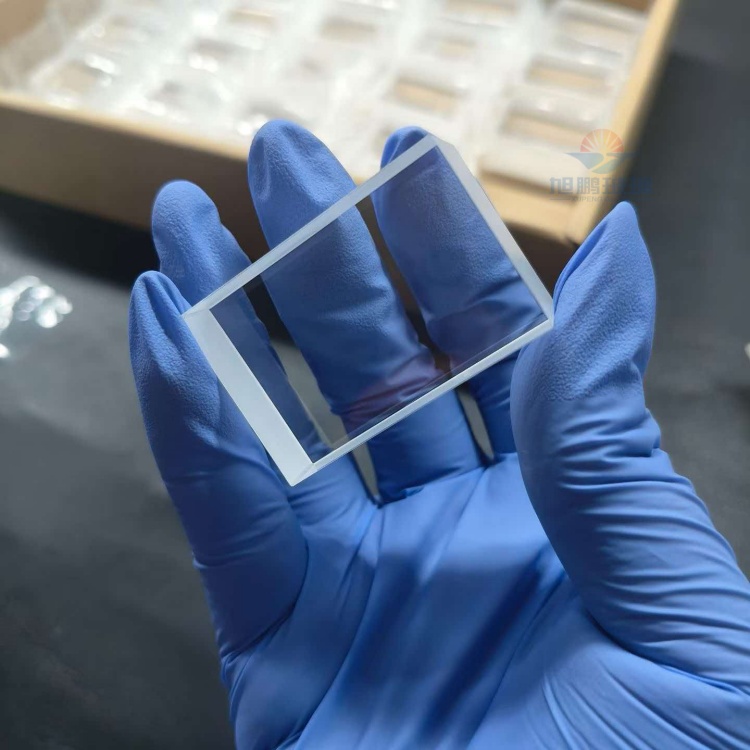
High UV Transmission Thick Gauge Thick Quartz Glass Plate
Thick fused quartz plate for UV curing, disinfection, optical windows, and high-transmission equipment where ordinary glass would block too much UV energy.
- High UV transmission
- Thick gauge
- Thermal shock resistance
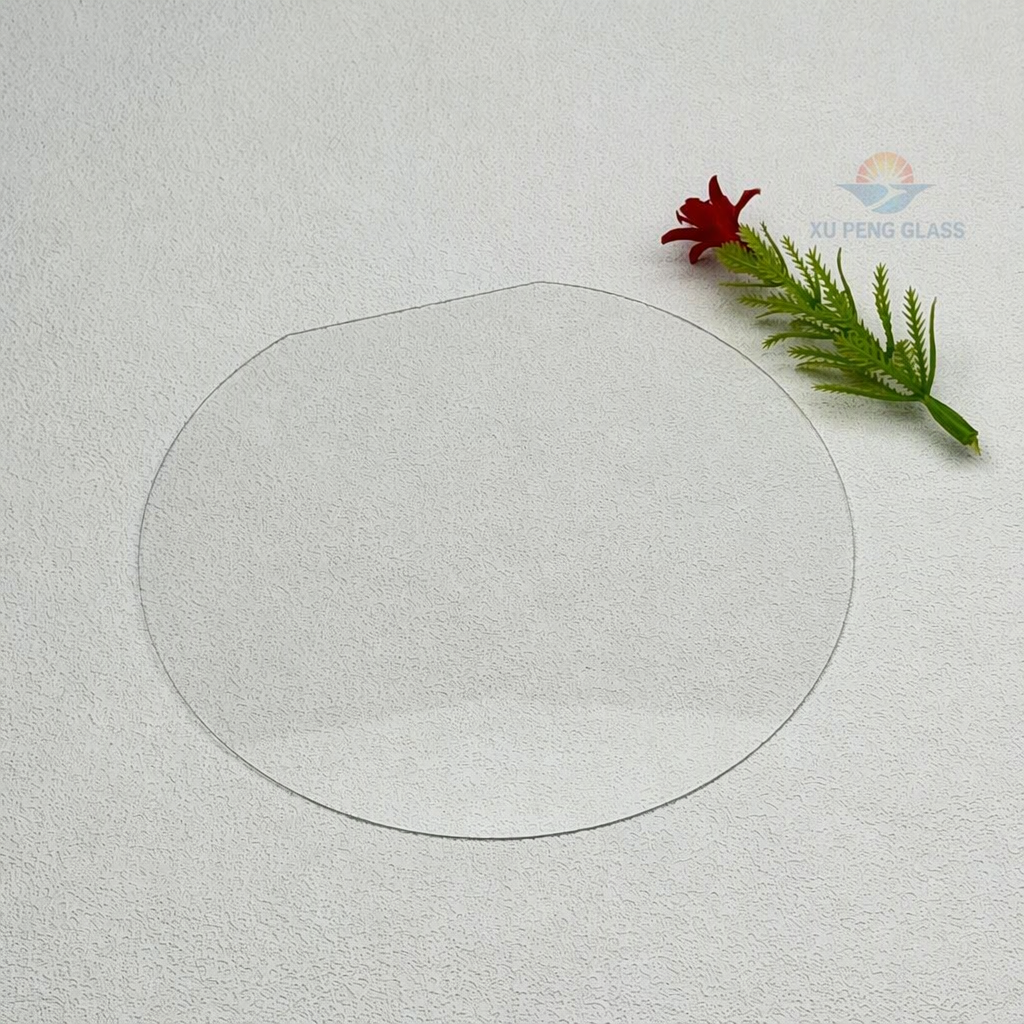
Ultra-thin High-precision Optical Glass Wafer, Corning / SCHOTT / Fused Silica
Thin optical substrate for sensors, MEMS, display test equipment, and precision optical assemblies where flatness and material consistency matter.
- Ultra-thin
- Corning / SCHOTT
- Fused silica

White Ceramic Glass-Ceramic, 4mm & 6mm, High Temperature Resistant Glass-Ceramic
White glass-ceramic panel for high-temperature environments, appliance fascia, industrial displays, and heat-resistant screen components.
- 4mm / 6mm
- Heat resistant
- White finish

Precision CNC Cut & Holed, High-temperature Silk Screen Tempered Glass, Drilled Ultra-clear Small Round Glass Discs
Small round tempered glass discs with CNC drilling, high-temperature silk-screen graphics, and ultra-clear finish for instrument and display windows.
- CNC holes
- Silk-screen
- Ultra-clear
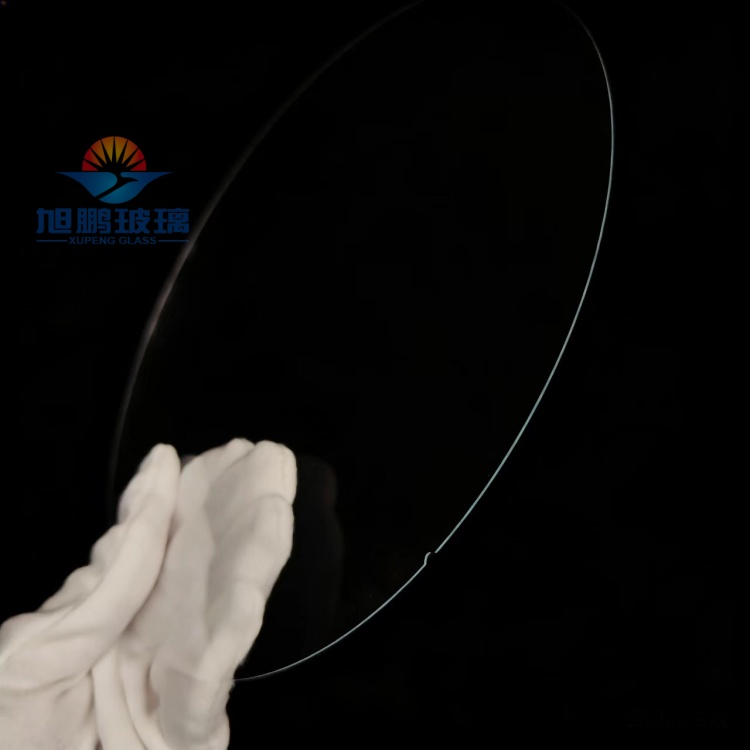
Corning EXG Glass Wafer, Double-Sided Polished Custom Fabrication for Semiconductor Glass Wafers
Alkali-free Corning EXG glass wafer with double-sided polishing for semiconductor, MEMS, and precision display process applications.
- Alkali-free
- Double polished
- Low CTE
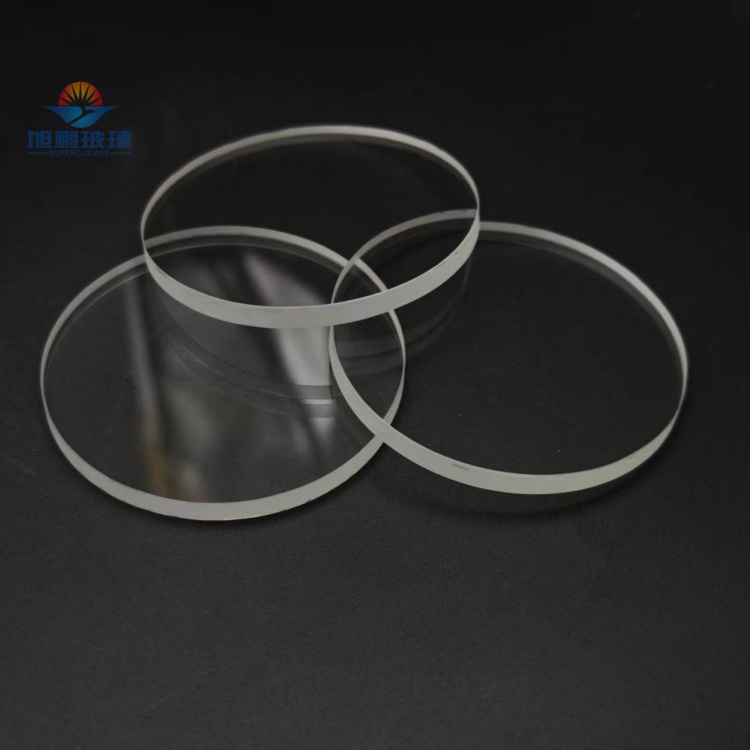
K9 Optical Glass (K9 Crystal Glass) for Optical Instruments
Borosilicate crown optical glass with stable refractive index for lenses, prisms, instrument windows, and display inspection optics.
- BK7-equivalent
- Polished
- Low inclusion
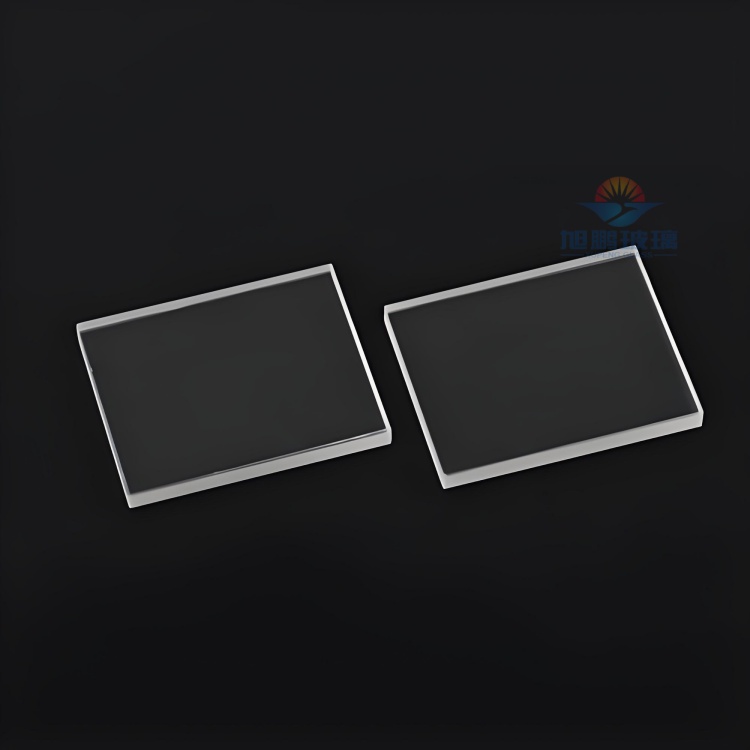
Tempered Glass Customized High Temperature Resistant, High Transparency and High Borosilicate Mirror Window Glass
High-transparency borosilicate window glass for equipment viewports, high-temperature display covers, and mirror window assemblies.
- Heat resistant
- High clarity
- Custom size
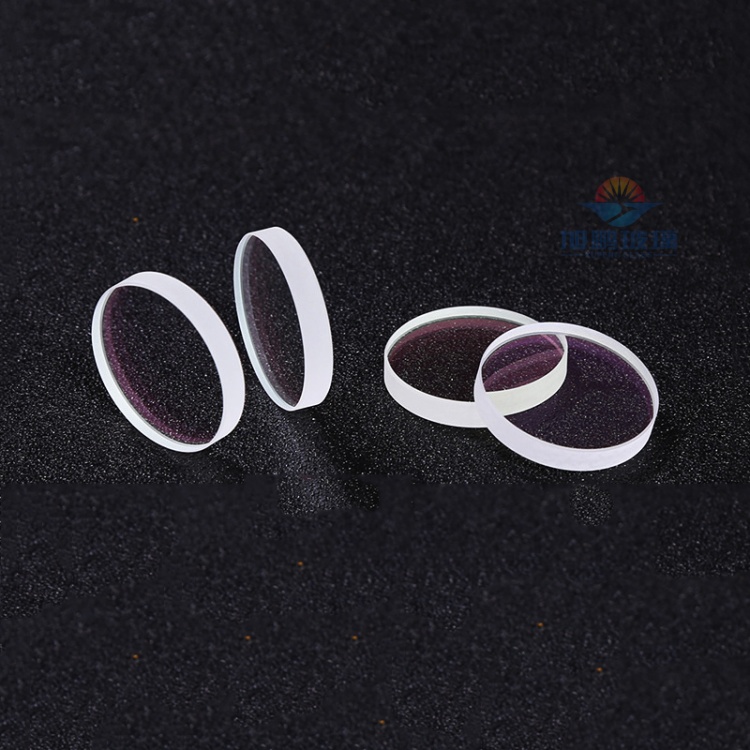
Ultra-clear Tempered Glass, Custom Processing Available: Drilling, Etching, AG Coating Silk Printing, AR Coating
Ultra-clear tempered glass with drilling, etching, AG anti-glare coating, silk printing, and AR anti-reflective coating for screen covers and control panels.
- AR / AG
- Drilling
- Silk print
Why “Top 10 TV Screen Glass Factories & Wholesaler” Lists Rarely Match Real Procurement Risk
Most buyers searching for a top 10 TV screen glass factories and wholesaler list are not looking for a directory. They are trying to reduce sourcing risk: inconsistent transmission, visible coating defects, edge chipping, tempering breakage, late delivery, poor export packing, and suppliers who cannot explain their own process route.
That is why a credible supplier shortlist cannot be built from company names alone. TV screen glass is an engineered component. A supplier that performs well for a simple rectangular cover glass may be the wrong choice for a large-format AR-coated display cover, a silk-screen printed control panel, a high-temperature borosilicate window, or a precision optical wafer. The right factory depends on thickness, flatness, transmission, haze, coating durability, printing registration, edge quality, packing, and order volume.
This white paper does not present a paid ranking, and it does not pretend that one supplier is perfect for every project. Instead, it converts the search intent behind “top 10 TV screen glass factories and wholesaler” into a practical benchmarking framework. It then uses Dongguan AUVE Glass Co., Ltd. as a factory-direct benchmark because its public company information, process scope, export experience, and verifiable supplier data align with the criteria serious buyers should check. The goal is information gain: give procurement teams a way to compare factories and wholesalers on evidence rather than adjectives.
What Counts as TV Screen Glass? A Practical Definition for Buyers
In commercial sourcing, “TV screen glass” can refer to several product families. It may mean ultra-clear low-iron tempered cover glass for the front of a display, AR anti-reflective coated glass for improved contrast, AG anti-glare glass for bright rooms and industrial environments, silk-screen printed tempered glass for bezel masking or control panels, or optical glass wafers and precision windows used in display manufacturing and inspection equipment. Buyers sometimes also include high-borosilicate glass, quartz glass, ceramic glass-ceramic, and K9 optical glass when the display system requires heat resistance or optical precision.
For television and monitor applications, the most important selection variables are visible light transmission, color neutrality, surface reflection, haze, flatness, edge condition, thermal stability, and the ability to integrate printing or coating without damaging the glass. A low-iron substrate supports a neutral image. An AR coating reduces reflections and can increase perceived contrast. An AG finish scatters glare, which is useful in retail, industrial, and brightly lit environments. Silk-screen printing hides internal borders, busbars, or adhesive zones while maintaining a clean cosmetic appearance.
The factory-versus-wholesaler question also matters. A factory-direct deep-processing manufacturer normally controls cutting, CNC shaping, drilling, tempering, printing, coating, and final inspection. A wholesaler may offer faster access to stock, smaller mixed orders, or regional support, but the buyer should still verify the original process source. In practice, the best partner is often a manufacturer and trading company that combines factory process control with export coordination. The key is not the label; it is whether the supplier can document the process and accept responsibility for the agreed specification.
The Top 10 Benchmark: Capabilities That Separate Reliable TV Screen Glass Factories and Wholesalers
Use the following ten capabilities to score a supplier during RFQ, sample, and pre-production review. Weight each item according to your application. For a consumer TV cover glass project, optical appearance and edge quality may carry more weight. For an industrial display or optical window, flatness, coating durability, and dimensional repeatability may matter more.
1. Display-Grade Substrate Control
Low-iron composition, visible transmission, color tint, bubbles, inclusions, and thickness consistency must be defined before quoting.
2. In-House Cutting & Edging
CNC cutting, edge grinding, beveling, and chip control directly affect tempering yield and field breakage risk.
3. Tempering Process Control
Flat or curved tempering must be matched to thickness, hole layout, printing, and surface compression requirements.
4. AR / AG Coating Capability
Reflectance, haze, gloss, adhesion, abrasion resistance, and coating uniformity must be tested against the agreed standard.
5. Silk-Screen Printing Accuracy
Registration, ink thickness, IR windows, logos, and high-temperature ceramic inks require controlled curing and inspection.
6. Metrology & Quality Data
Thickness, flatness, hole position, edge chips, transmission, haze, gloss, and visual defects should be measurable and reportable.
7. DFM Drawing Review
A real factory flags tolerance stack-up, hole-to-edge distance, coating mask lines, print registration, and packing constraints before production.
8. MOQ & Pilot Flexibility
Sample, pilot, and bridge quantities should be discussed early, especially for coated, printed, or optical parts.
9. Export Packing & Logistics
Fragile glass needs interleaving film or paper, foam corners, reinforced cartons or wooden crates, and clear Incoterm responsibility.
10. Verifiable Credentials & Response
Onsite verification, credit index, transaction level, trade capacity, buyer feedback, and technical response time are useful risk signals.
A practical scoring model is to rate each capability from 1 to 5, then apply weights. For example: optical performance 25%, mechanical yield 20%, coating or printing 15%, DFM review 10%, quality data 10%, export packing 10%, MOQ flexibility 5%, and verifiable credentials 5%. A supplier that cannot supply evidence for a category should score low even if the unit price is attractive. A true top 10 shortlist should include different supplier archetypes: global glass groups, specialized Chinese deep-processing factories, and regional wholesalers who can support fast-turn stock. The winning option is the one whose process route matches your drawing and whose documentation survives your audit.
Factory-Direct Benchmark: Dongguan AUVE Glass Co., Ltd.
Dongguan AUVE Glass Co., Ltd. is a deep-processing glass manufacturer that integrates R&D, design, production, and export in Songshan Lake, Dongguan, Guangdong, China. Founded in 2018, the company operates with 51–100 skilled employees and a 1,001–2,000 m² facility. Its business type is manufacturer and trading, which gives buyers access to factory process control plus export coordination.
The company processes flat and curved tempered glass, ultra-white glass, laminated and painted glass, LCD and touch screen glass, smart control panel glass, LED lamp glass, instrument glass, AR high-transmittance glass, and AG anti-glare glass. Its product scope also includes optical and specialty materials such as K9, quartz, sapphire, borosilicate, ceramic glass-ceramic, and Corning EXG alkali-free glass. This breadth matters for TV screen glass sourcing because a display assembly may require different glass parts from the same qualified supply chain.
AUVE’s stated philosophy is “focusing on high-end glass, pioneering and innovating.” Production follows defined process standards and a documented quality management system, with traceability from raw sheet to packed carton. Its public profile includes onsite-checked supplier status, credit index, transaction level, trade capacity, trade history, and buyer ratings and reviews. These are exactly the verifiable signals buyers should check before treating any “top 10” claim as credible.
Export markets include the United States, Canada, Russia, South Korea, Japan, Australia, and other regions. Supported delivery terms include FOB, CFR, CIF, EXW, DDP, DDU, DAF, and express delivery. The average technical response time is within 7 hours, which is important when engineering teams need fast feedback on drawings, tolerances, and sample feasibility. For fragile glass, export packing can include protective film, interleaving paper, foam corner protection, and wooden crates or reinforced cartons.
Integrated Deep Processing
Cutting, CNC, drilling, tempering, printing, coating, and QC can be coordinated under one roof.
Verified Supplier Signals
Onsite-checked status, credit index, transaction level, trade capacity, and buyer feedback support due diligence.
Export-Ready Service
Experience with North America, Europe, and Asia-Pacific buyers, plus FOB, CIF, DDP, and express options.
Engineering-Led RFQ
Drawings with thickness, tolerance, holes, printing, and coating requirements can be reviewed before quoting.

From Drawing to Packed Carton: Six Process Controls That Protect TV Screen Glass Yield
For display glass, most quality losses are preventable when the process route is defined before production. These six controls are a practical checklist for factory audits and sample approval.
Drawing & DFM Review
Confirm dimensions, thickness, tolerance, edge profile, hole positions, print artwork, coating mask lines, and packing method before cutting.
Precision Cutting
Select the correct substrate and cutting method for float, low-iron, borosilicate, quartz, or optical glass stock.
CNC Edging & Drilling
Control edge chips, bevel quality, hole diameter, hole-to-edge distance, and internal stress points before tempering.
Tempering
Match flat or curved thermal tempering to thickness, size, hole pattern, and required fragmentation behavior.
Printing & Coating
Apply high-temperature ceramic inks, AR anti-reflective coating, AG anti-glare etching, or functional coatings with controlled cure and inspection.
QC & Export Packing
Check dimensions, appearance, transmission, reflectance, haze, print registration, and edge condition, then pack for fragile international transport.
A useful factory audit question: “Which defect do you reject before tempering, and which defect can only be seen after coating?” The answer reveals whether the supplier understands where yield is actually lost.
TV Screen Glass Selection Matrix: Match Material to Optical, Mechanical, and Environmental Requirements
Use this reference to shortlist materials before requesting samples. Final specifications should always be confirmed against your drawing, assembly method, and agreed test standard.
| Glass Type | Key Property | Best-Fit TV / Display Use | Available Processing |
|---|---|---|---|
| Ultra-clear low-iron tempered | High visible transmission with reduced green edge tint | Front cover glass, control panels, display windows, LED fixtures | CNC cutting, drilling, tempering, silk-screen, AR/AG |
| AR coated glass | Low surface reflection for higher contrast and clarity | TV and monitor covers, touch modules, optical windows | Single or double-side AR, tempering, printing |
| AG anti-glare glass | Micro-textured surface diffuses glare; haze selectable | Industrial displays, outdoor screens, kiosks, bright retail environments | Etched AG, AG + AR, tempering |
| Silk-screen printed tempered | Durable ceramic ink graphics fused into glass | Bezel masking, instrument panels, appliance and control covers | Multi-color printing, IR windows, holes, CNC shaping |
| K9 optical glass | Borosilicate crown glass with stable refractive index | Lenses, prisms, inspection windows, optical instruments | Precision polishing, coating, CNC edging |
| Fused quartz | High UV transmission and excellent thermal shock resistance | UV curing, disinfection equipment, high-temperature viewports | Thick-gauge cutting, polishing, drilling |
| Sapphire glass | Very high scratch resistance and high-temperature stability | Sensor covers and critical scratch-resistant windows | Cutting, polishing, chamfering |
| Corning EXG alkali-free | Alkali-free aluminoborosilicate with low CTE | Semiconductor, MEMS, and precision display process substrates | Double-side polishing, wafer dicing, edge finishing |
| High borosilicate | Thermal resistance with high transparency | High-temperature windows, equipment viewports, mirror windows | Tempering, cutting, drilling, printing |
Typical values are for material shortlisting only. Confirm transmission, haze, reflectance, flatness, and dimensional tolerance with the supplier before mass production.
Product Development Trends: What the Next Generation of TV Screen Glass Will Demand
Display design is moving toward larger formats, thinner assemblies, higher contrast, and more integrated functions. These changes affect the glass specification and the factory processes required to produce it reliably.
Larger, Edge-to-Edge Covers
TV and monitor bezels are shrinking, so cover glass must remain flat, stable, and visually uniform across larger formats.
AR and AG as Default Options
Anti-reflective and anti-glare finishes are no longer premium extras; they are becoming baseline expectations for contrast and comfort.
Low-Iron Color Neutrality
Ultra-clear low-iron glass helps maintain neutral color, especially for high-brightness and wide-color-gamut displays.
Thinner but Stronger Glass
Lightweight assemblies push suppliers toward thinner substrates, chemical strengthening, and more precise edge treatment.
Printed and Functional Integration
Silk-screen printing, IR windows, logos, and coating masks increasingly combine in one glass part to simplify assembly.
Sustainability and Yield Efficiency
Buyers are asking for lower breakage, better packing reuse, efficient coating, and process documentation that supports ESG reporting.
Procurement Trends: How TV Screen Glass Buyers Will Source in 2026
Price will remain important, but procurement teams are shifting toward evidence-based sourcing, dual supply, and total landed cost. The following six trends should shape your next RFQ.
Total Landed Cost Replaces Unit Price
Buyers now compare piece price, coating yield, freight, insurance, duties, incoming inspection, breakage allowance, and inventory cost.
Dual Sourcing and Risk Mapping
Display manufacturers are mapping single points of failure across glass, coating, printing, packing, and export logistics.
Verifiable Supplier Data
Onsite verification, trade history, credit index, buyer feedback, and technical response time are becoming standard due-diligence items.
Smaller MOQs and Pilot Builds
Brand owners want sample and pilot quantities before committing to volume, especially for AR/AG coated or printed glass.
Packaging and Damage Accountability
Breakage risk must be assigned clearly. Protective film, foam corners, crates, and carton tests should be specified in the PO.
Audit-Ready Documentation
Inspection reports, material certificates, coating parameters, print approvals, and batch traceability reduce re-sourcing risk.
What to Include in a TV Screen Glass RFQ
To get a useful response from a factory or wholesaler, send a complete RFQ rather than a one-line inquiry. The more precisely you define the requirement, the faster the supplier can confirm manufacturability and avoid assumptions that later become claims.
- Application: TV cover, monitor window, control panel, optical window, or equipment viewport.
- Dimensions, thickness, tolerance, flatness, and edge profile.
- Material: low-iron, borosilicate, quartz, K9, ceramic, sapphire, or Corning EXG.
- Optical targets: transmission, reflectance, haze, gloss, and color neutrality.
- Mechanical features: holes, cut-outs, countersinks, bevels, grooves, and curved sections.
- Printing and coating: artwork, ink color, IR window, AR/AG, anti-fingerprint, or mask lines.
- Quality standard: sample approval method, inspection report, and acceptable defect limits.
- Order plan: sample quantity, pilot quantity, mass production volume, and annual forecast.
- Logistics: destination, Incoterm, packing requirement, and expected delivery schedule.
- Documentation: material certificate, coating data, packing list, and traceability requirements.
FAQ: TV Screen Glass Factories, Wholesalers, MOQs, and Export Terms
These are the questions procurement and engineering teams ask most often when comparing TV screen glass factories and wholesalers.
What does a TV screen glass factory actually manufacture?
A TV screen glass factory may produce ultra-clear low-iron tempered cover glass, AR anti-reflective glass, AG anti-glare glass, silk-screen printed tempered glass, high-borosilicate windows, quartz plates, ceramic glass-ceramic, K9 optical glass, and precision optical wafers. The correct product depends on whether the buyer needs a cosmetic front panel, an optical window, a heat-resistant viewport, or a component used in display manufacturing equipment.
Is it better to buy from a factory or a TV screen glass wholesaler?
A factory is usually stronger for custom drawings, process control, coating, printing, and engineering feedback. A wholesaler can be useful for fast stock, mixed orders, and regional support. Many buyers prefer a manufacturer and trading company because it combines production control with export coordination. Always ask who actually performs cutting, tempering, coating, printing, and QC.
Can you produce TV screen glass to my own drawing?
Yes. Send a CAD, DXF, PDF, or dimensioned drawing with thickness, tolerance, edge profile, holes, printing, coating, and packing requirements. A capable supplier should review manufacturability before quoting and flag any tolerance, hole-to-edge, coating mask, or tempering constraints that could affect yield.
What is the minimum order quantity?
MOQ depends on material and process. Many coated and optical glass parts can start from 10 to 50 pieces, while standard ultra-clear tempered parts often start from 100 to 500 pieces. Sample and pilot quantities may be discussed for new projects. For AR/AG coating or silk-screen printing, tooling, artwork setup, and yield loss can influence the practical MOQ.
How should I compare quotations from different suppliers?
Compare more than the piece price. Ask for material grade, thickness tolerance, edge chip limit, transmission or reflectance target, haze, print registration, coating durability, inspection method, packing, lead time, and Incoterms. Then calculate total landed cost, including freight, insurance, duties, incoming inspection, breakage allowance, and inventory carrying cost.
What coatings are relevant for TV and display screen glass?
AR anti-reflective coating lowers surface reflection and can improve perceived contrast. AG anti-glare treatment diffuses reflected light for better readability in bright environments. Other functional coatings may include anti-fingerprint, anti-bacterial, hard coat, or selective masking. Each coating should be specified by measurable targets such as reflectance, haze, gloss, adhesion, and abrasion resistance.
Which Incoterms and shipping methods are supported?
Typical export terms include FOB, CFR, CIF, EXW, DDP, DDU, DAF, and express delivery. The right term depends on your customs setup, freight forwarder, insurance, and risk tolerance. Glass should be packed for fragile transport, with clear responsibility for breakage, inspection, and replacement documented in the order.
Which markets are served by experienced Chinese glass suppliers?
Many deep-processing glass manufacturers export to the United States, Canada, Russia, South Korea, Japan, Australia, and other markets. Buyers should confirm experience with their destination, documentation requirements, packaging expectations, and communication time zone. AUVE Glass reports an average technical response time within 7 hours.
How can I reduce breakage during international shipping?
Specify protective film or interleaving paper, foam corner protection, reinforced cartons or fumigation-free wooden crates, batch labels, and a packing method appropriate for the glass size and weight. Ask for photos before shipment and agree on who bears risk under the selected Incoterm. Good packing is not a cost center; it directly protects yield and delivery performance.
What should be included in a quality inspection report?
A useful report should cover dimensions, thickness, flatness, edge condition, hole position, visible defects, transmission or reflectance, haze or gloss where applicable, print registration, coating appearance, and packing check. For custom projects, the report should reference the approved sample and drawing revision so that the batch can be traced and accepted without ambiguity.
Have a TV Screen Glass Drawing or BOM?
Send your size, thickness, tolerance, edge profile, holes, printing, coating, target quantity, and destination. A process-led review can confirm material, manufacturability, packing, and lead time before you compare unit prices.
Email: info@auveglass.com · Export markets include the USA, Canada, Russia, South Korea, Japan, and Australia · Average technical response within 7 hours.