8 Cover Glass Products International Buyers Most Often Source from China
These eight product directions reflect the enquiries we receive most often from engineering, sourcing, and NPI teams: semiconductor glass wafers, ultra-thin optical wafers, flexible UTG, ultra-white tempered decorative glass, chip substrate glass, and UV high-transmittance window substrates. Product links are preserved so your team can review specifications before requesting samples.

Corning EXG Glass Wafer Double-Sided Polished for Custom Semiconductor Glass Wafers & Solar Panels
Double-side polished alkali-free wafer format for semiconductor carriers, solar panels, and high-precision inspection windows where flatness and low contamination matter.
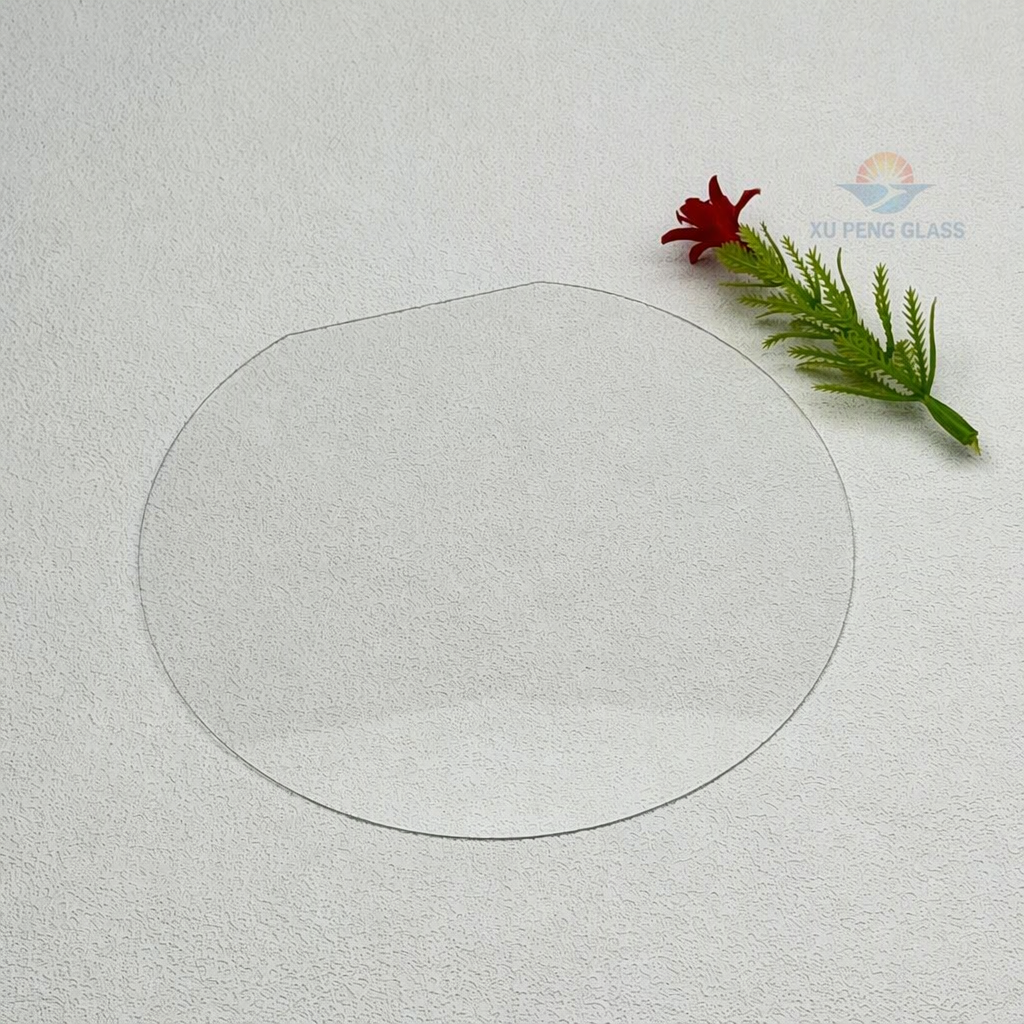
Ultra-thin High-precision Optical Glass Wafer, Corning / SCHOTT / Fused Silica
Thin optical wafers for compact sensors, optical instruments, and precision spacers. Buyers should define thickness, parallelism, flatness, and transmitted wavefront tolerance.
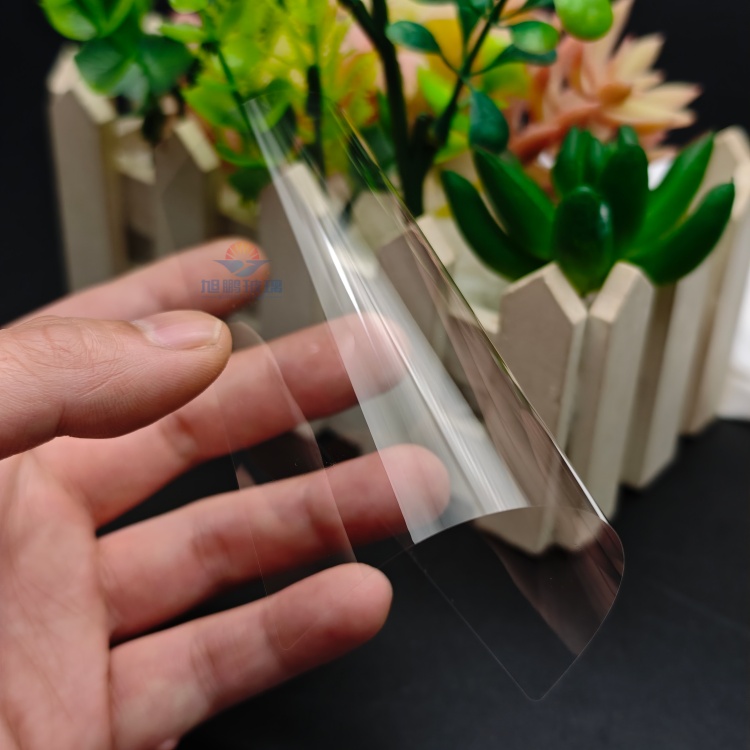
Ultra-thin Flexible UTG Glass, Bendable and Foldable, Suitable for Commercial Aerospace and New Energy Industries
Ultra-thin flexible glass for foldable displays, flexible electronics, aerospace, and new-energy devices. Bend radius, edge quality, coating compatibility, and handling method are critical.
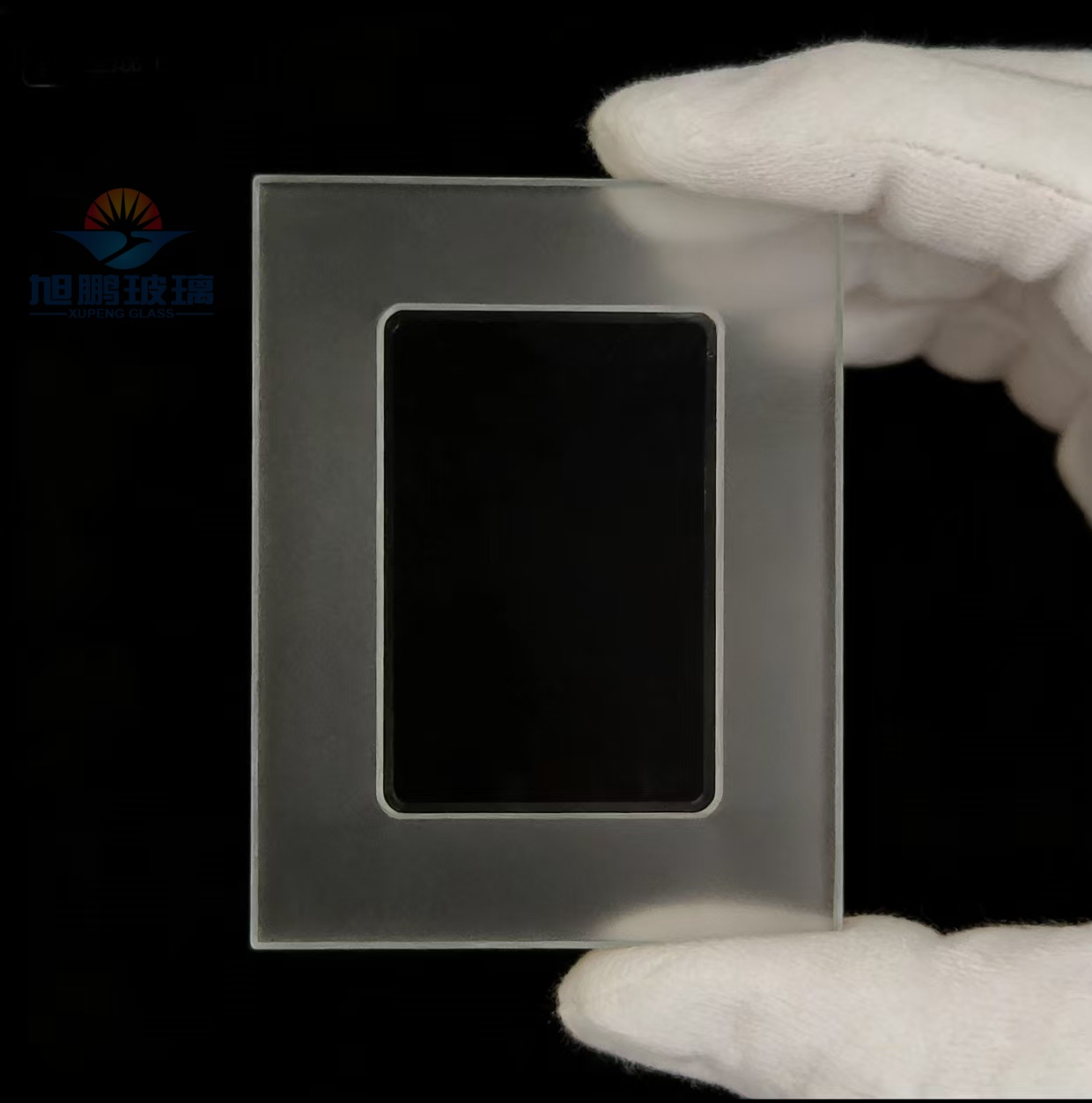
Custom Ultra-White Clear Tempered Glass Socket Decorative Cover for Stairways
Ultra-white tempered decorative cover with clean cut-outs and consistent color. A strong fit for smart-home, switch, socket, and architectural finish applications.
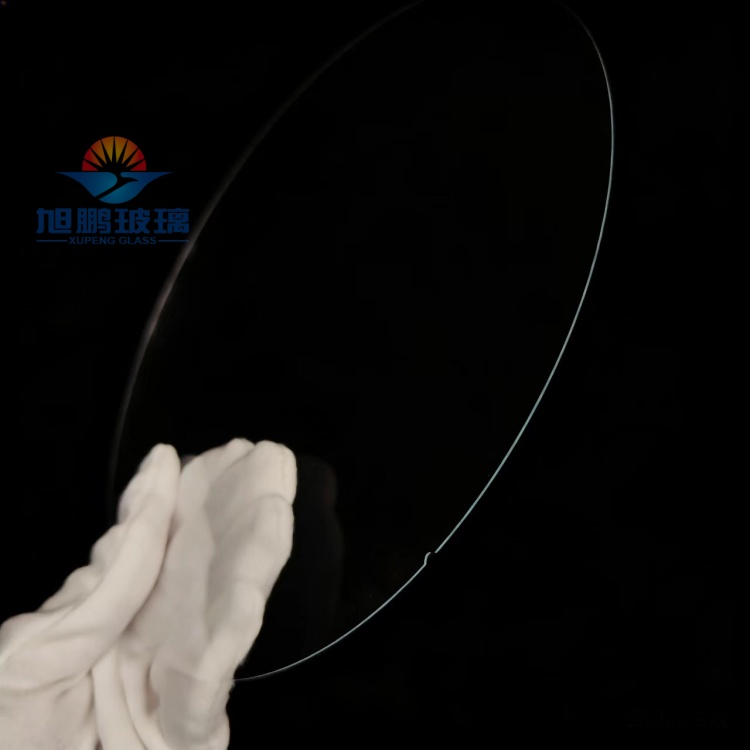
Corning EXG Glass Wafer, Double-Sided Polished Custom Fabrication for Semiconductor Glass Wafers
Drawing-based EXG wafer fabrication with cutting, edging, polishing, and inspection. Suitable for semiconductor, MEMS, display, and specialty substrate programs.

Wafer Glass Thickness, Circuit Board, Chip, Solar Silicon Ingot Substrate
Glass substrate and insulating wafer formats for circuit boards, chips, and solar research. Confirm dielectric performance, thickness tolerance, and thermal compatibility.
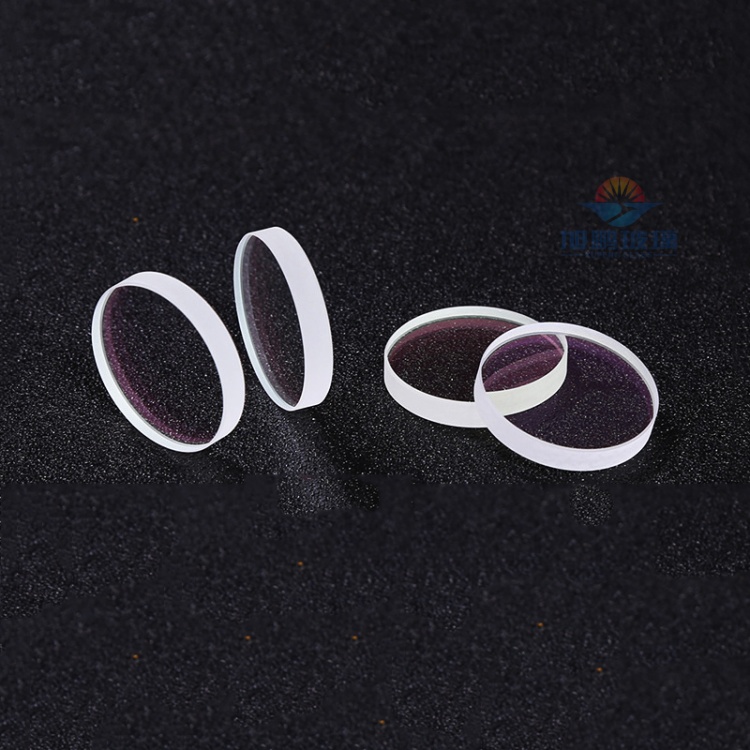
Ultra-clear Tempered Glass, Custom Processing Available: Drilling, Etching, AG Coating, Silk Printing, AR Coating
Integrated ultra-clear cover glass processing for HMI, appliance, display, and lighting projects. Consolidating cutting, printing, tempering, and coating reduces handling risk.
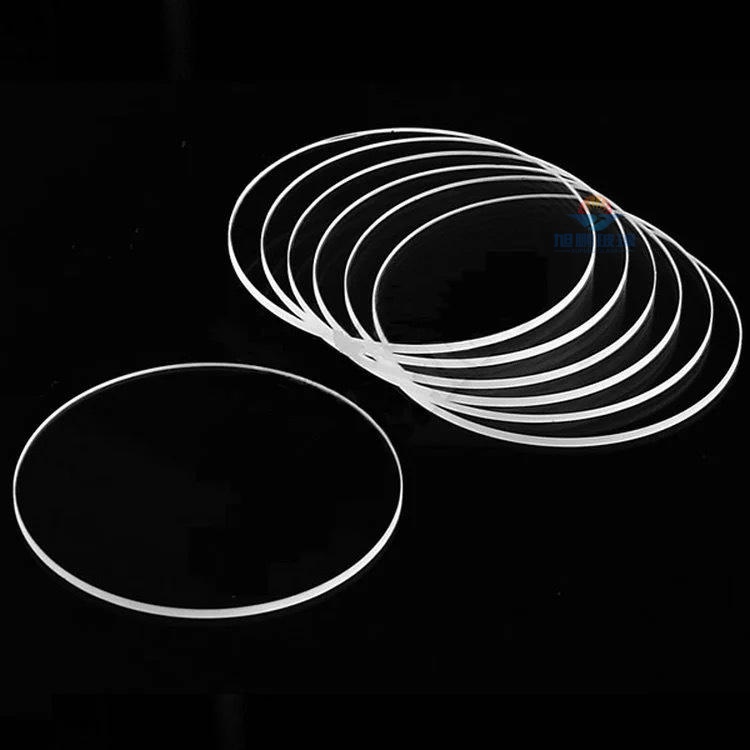
Corning EXG Alkali-Free Glass, UV High-Transmittance Optical Window Substrate
Alkali-free EXG substrate for UV optical windows where transmission and dimensional stability cannot be compromised. Ideal for photonics and analytical instruments.
Top China Cover Glass Factories & Supplier: How Serious Buyers Separate Capability from Marketing
Searching for a “top China cover glass factory” usually means your team is not simply buying a catalog item. You need a qualified manufacturing partner who can read a drawing, control optical and mechanical tolerances, integrate coatings or printing, protect fragile parts during export, and communicate engineering questions before production starts.
China remains a highly feasible source for cover glass because the country combines mature flat-glass supply, dense CNC and tempering capacity, strong coating ecosystems, and fast access to electronic display, smart-home, semiconductor, and optoelectronics supply chains. However, the supplier landscape is broad, and not every factory that advertises “tempered glass” or “optical glass” can support a demanding OEM program.
This guide is prepared by Dongguan AUVE Glass Co., Ltd., a deep-processing glass manufacturer founded in 2018 and based in Songshan Lake, Dongguan, Guangdong. AUVE integrates R&D, design, production, and export for tempered, ultra-clear, AR/AG coated, silk-screen printed, and optical glass products. Our experience with international buyers in the United States, Canada, Russia, South Korea, Japan, and Australia informs the evaluation criteria below. The aim is not to ask you to choose on price alone, but to help you compare factories using the same technical and commercial lens our own engineers use when reviewing a new cover glass enquiry.
What “cover glass” includes in a real procurement project
Cover glass is often used as a broad term. In practice, buyers may be sourcing chemically or thermally strengthened display covers, ultra-clear low-iron tempered control panels, AG anti-glare industrial HMI windows, AR anti-reflective display modules, decorative switch or socket covers, optical wafers, semiconductor-grade glass substrates, or ultra-thin flexible glass for foldable electronics. Each category uses different inspection criteria. A qualified supplier should be able to clarify whether your drawing calls for visible-light transmission, haze, gloss, flatness, parallelism, edge chipping limits, surface scratch limits, coating adhesion, or bend radius before quoting.
For display and touch applications, typical comparison points include visible light transmission around 91% for ultra-clear low-iron glass, AR reflection roughly 0.5–1% per side depending on coating design, and tempered strength approximately four to five times that of annealed glass. For semiconductor and optical substrates, the discussion shifts to alkali-free chemistry, low coefficient of thermal expansion, double-side polishing, flatness, and particle cleanliness. For Corning EXG-type alkali-free substrates, a representative CTE is approximately 3.2 ppm/°C; sapphire offers Mohs hardness 9; and ultra-thin flexible glass can be specified down to 0.03 mm in suitable projects. These values are selection references only; final acceptance must be agreed against your drawing and test standard.
Supplier Capability Data Buyers Can Check
Credible supplier selection starts with verifiable facts. AUVE’s publicly listed company profile describes a manufacturer and trading enterprise with a defined facility, a skilled team, export experience, and a documented process approach.
A Practical 100-Point Scorecard for China Cover Glass Suppliers
Most sourcing teams over-weight unit price at RFQ stage. Use this suggested weighting to compare factories on the capabilities that determine launch success. The percentages are an evaluation model, not a statement of any supplier’s score.
Suggested evaluation weighting
Adjust the model to your industry, but keep engineering review and process control ahead of commercial terms.
RFQ checklist before you commit
- Submit a CAD, DXF, PDF, or STEP drawing with thickness, tolerance, edge, hole, printing, and coating requirements.
- State the application environment: indoor HMI, outdoor kiosk, UV exposure, semiconductor tool, foldable display, or high-temperature window.
- Define acceptance tests for flatness, scratches, chips, bow, light transmission, reflection, haze, gloss, and coating adhesion.
- Ask whether cutting, CNC shaping, drilling, tempering, printing, AR/AG coating, and final inspection are controlled in-house or coordinated externally.
- Confirm sample quantity, pilot lot, annual demand, packaging method, and Incoterms before comparing final landed cost.
Recommended Glass Direction by Application
The right material is usually determined by the failure mode you are trying to prevent: reflection, glare, breakage, UV loss, thermal drift, particle contamination, weight, or flex fatigue.
Display and touch cover glass
Use ultra-clear low-iron glass with AR anti-reflective coating when contrast and transmission are critical. For outdoor or industrial HMI, combine AG anti-glare treatment with an appropriate AR or easy-clean surface. Specify coating side, reflection target, haze or gloss range, and durability test.
Semiconductor and EXG substrates
Corning EXG alkali-free glass wafers are relevant when low CTE, dimensional stability, and double-side polishing matter. Buyers should confirm flatness, roughness, edge profile, particle cleanliness, and dicing method. Alkali-free chemistry avoids mobile-ion risk in many precision electronic processes.
UV windows, quartz, and sapphire
Fused quartz is often selected for UV curing, disinfection, and high-temperature viewports because of its UV transmission and thermal shock resistance. Sapphire is appropriate for scratch-critical or high-temperature windows. Confirm orientation, thickness, surface quality, and transmission curve for your wavelength.
Silk-screen printed tempered panels
For appliance, instrument, switch, socket, and smart-control panels, high-temperature ceramic inks provide durable graphics, windows, icons, and masking. The factory should control ink thickness, color consistency, registration, firing profile, and print-to-edge tolerance after tempering.
Decorative ultra-white tempered glass
Ultra-white glass reduces the green edge tint common in standard float glass, making it attractive for exposed decorative covers. Buyers should define color target, edge polishing, cut-out quality, breakage pattern, and whether the part requires anti-fingerprint or easy-clean treatment.
Ultra-thin flexible UTG
UTG projects should start with application-specific bend radius, cycle life, edge micro-crack limits, carrier method, and coating compatibility. Ultra-thin glass can enable lighter and more flexible stacks, but handling and lamination strategy are as important as the raw glass specification.
Cover Glass Procurement Trends Reshaping China Sourcing
The conversation with international buyers is moving away from simple “price per piece” toward total process control, documentation, and supply resilience.
Total yield cost replaces lowest unit price
Experienced buyers now compare incoming inspection yield, assembly-line rejects, and field failure risk. A factory that controls edge quality and coating consistency can reduce hidden costs even if its quoted piece price is not the lowest.
Drawing-led RFQs and documented inspection
Cover glass enquiries increasingly include CAD, tolerance stacks, control plans, and acceptance standards. Buyers want measured evidence, not only photos. Ask for dimensional reports, visual defect criteria, coating data, and batch traceability.
Multi-process integration
Printing, coating, tempering, cutting, and drilling are being consolidated with fewer suppliers. This reduces double handling of fragile glass, shortens qualification cycles, and creates a single point of accountability for dimensional and cosmetic requirements.
China plus one and smaller pilot lots
Buyers still value China’s process depth, but they plan dual sourcing and staged launches. Suppliers that support lower pilot quantities, clear sampling steps, and repeatable mass-production data are better positioned for new programs.
Another important trend is the integration of functional surfaces. AR, AG, anti-fingerprint, anti-bacterial, easy-clean, and decorative effects are no longer separate afterthoughts; they are designed into the cover-glass stack. Suppliers must understand coating compatibility with tempering, printing, touch sensors, and optical bonding. If your product uses optical clear adhesive, the glass surface energy and coating type should be agreed with the laminator before mass production.
Finally, documentation is becoming a competitive differentiator. For semiconductor, automotive-adjacent, medical, and industrial programs, buyers expect the supplier to explain raw material traceability, process routing, measurement method, packing protection, and deviation handling. The strongest China cover glass factories are not only machine-intensive; they are communication-intensive.
Cover Glass Product and Technology Trends to Watch
Product development is moving toward thinner, stronger, more functional, and more application-specific glass surfaces.
UTG and foldable cover stacks
Ultra-thin flexible glass continues to attract interest in foldable displays, flexible sensors, aerospace, and new-energy devices. The technical conversation is shifting from “can it bend?” to “can it survive the full lamination, carrier, and end-use cycle?”
Alkali-free and semiconductor glass substrates
Corning EXG and related alkali-free substrates remain important for semiconductor carriers, MEMS, display, and UV optical windows. Expect tighter flatness, cleanliness, and surface roughness requirements as devices become more compact.
Integrated AR, AG, and easy-clean coatings
Display buyers increasingly request combined anti-reflective and anti-glare performance with anti-fingerprint or easy-clean functionality. The winning specification will define reflection, transmission, haze, gloss, abrasion resistance, and chemical durability together.
Decorative tempered glass with functional printing
Smart-home, appliance, and architectural panels are combining ultra-white glass, custom cut-outs, silk printing, and durability. The next stage is integrating sensors, backlighting, and touch interfaces while maintaining a premium surface.
Dongguan AUVE Glass Co., Ltd.: A Factory-Direct Partner for Custom Cover Glass
AUVE is not a catalog-only trader. Our role is to convert a cover-glass drawing into a manufacturable process route, then control the route from raw sheet to packed export carton.
Deep-processing factory since 2018
Dongguan AUVE Glass Co., Ltd. integrates R&D, design, production, and export in Songshan Lake, Dongguan, one of China’s electronics and optoelectronics clusters. The company’s stated philosophy, “focusing on high-end glass, pioneering and innovating,” aligns with the engineering-led nature of cover glass sourcing.
Breadth across glass materials
AUVE processes flat and curved tempered glass, ultra-clear low-iron glass, laminated and painted glass, AR/AG coated glass, silk-screen printed glass, touch and LCD cover glass, LED lighting glass, instrument glass, K9 optical glass, quartz, sapphire, borosilicate, Corning EXG alkali-free glass, and ultra-thin flexible glass.
Engineering review before production
Send CAD, DXF, or PDF drawings with thickness, tolerance, edge, hole, printing, and coating requirements. Our engineers review manufacturability before quoting, covering CNC cutting, edging, drilling, tempering, silk-screen printing, and AR/AG coating.
Documented process control
Production follows defined process standards and a documented quality management system, supporting traceability from raw sheet to packed carton. For programs requiring third-party certification, buyers should request and verify the current certificate scope directly.
Export experience across key markets
AUVE’s products are exported to the United States, Canada, Russia, South Korea, Japan, Australia, and other markets. Supported delivery terms include FOB, CFR, CIF, EXW, DDP, DDU, DAF, and express delivery, with export packing for fragile glass parts.
Responsive technical communication
The average response time is within 7 hours. For NPI teams, that speed matters when drawings change, tolerances need clarification, or a sample must be approved before a line trial.

From Drawing to Finished Cover Glass: Process Control That Matters
Each step below should be questioned during supplier qualification. The more steps a factory controls directly, the fewer blind spots exist between raw material and final assembly.
Precision cutting
Automatic and CNC cutting from float glass, low-iron glass, and optical stock. Confirm sheet origin, thickness tolerance, and cut-to-size allowance before processing.
CNC edging and drilling
Edge grinding, beveling, grooving, countersinking, and hole generation. Chip limits should be defined by zone because edges and holes often control breakage risk.
Tempering
Flat and curved thermal tempering for impact and thermal performance. For printed or coated parts, process order must be agreed because tempering can affect optics and ink.
Silk-screen printing
High-temperature ceramic inks for logos, windows, icons, and masking. Ask for color target, print thickness, registration, and post-fire visual criteria.
AR / AG coating
Anti-reflective, anti-glare, mirror, and functional coatings require agreed measurement geometry. Define reflection, transmission, haze, gloss, adhesion, and abrasion tests.
QC and export packing
Dimensional, visual, and optical checks followed by protective packing. Use interleaving film or paper, foam corner protection, batch labels, and crates suitable for fragile glass.
Frequently Asked Questions from International Cover Glass Buyers
These are the practical questions engineering and procurement teams ask before placing a sample or production order for China-made cover glass.
Can a China cover glass factory produce to my own drawings?
Yes, provided the drawing is complete. Send CAD, DXF, or PDF files with thickness, tolerance, edge profile, holes, printing, coating, packing, and application details. A qualified factory should review manufacturability before quoting. AUVE’s engineers review CNC cutting, edging, drilling, tempering, silk-screen printing, and AR/AG coating requirements before production.
What minimum order quantity should I expect?
MOQ depends on material and process. Many coated and optical glass parts start from 10 to 50 pieces, while standard ultra-clear tempered parts often start from 100 to 500 pieces. Sample and pilot quantities can be discussed for new projects. Always compare MOQ with expected annual demand, packaging cost, and process setup cost.
What information should I include in the first RFQ?
Include a 2D drawing, material, thickness, size, tolerance, edge and hole requirements, printing or coating specification, application environment, target annual volume, sample quantity, inspection standard, packaging requirement, and preferred Incoterm. For display covers, also state reflection, transmission, haze, gloss, and bonding requirements.
How do I compare AR and AG coating quotations?
Do not compare only price. Confirm coating side, target reflection or transmission, haze and gloss range, substrate, tempering sequence, adhesion test, abrasion test, and measurement method. A supplier quoting a lower price may be proposing single-side coating, a different reflection target, or a different durability standard.
How is fragile cover glass packed for export?
Good export packing usually includes interleaving film or paper, foam corner protection, shock-absorbing separators, moisture protection where required, reinforced cartons or fumigation-free wooden crates, and batch labeling. For high-value optical or semiconductor parts, cleanroom bags and double-wall protection may also be required.
Which markets and delivery terms are supported?
AUVE’s glass products are exported to the United States, Canada, Russia, South Korea, Japan, Australia, and other markets. Supported delivery terms include FOB, CFR, CIF, EXW, DDP, DDU, DAF, and express delivery. The right Incoterm depends on your customs setup, freight forwarder, risk preference, and package value.
For buyers new to China sourcing, the most useful next step is not to request a generic price list but to send one representative drawing. A real drawing reveals how the supplier asks questions, identifies risks, proposes a process route, and controls the sample. That single interaction often tells you more about long-term supply reliability than a catalog page.
If your application involves Corning EXG wafers, ultra-thin UTG, AR/AG coated display glass, ultra-white tempered decorative covers, semiconductor substrate glass, or UV high-transmittance optical windows, request a technical review with your drawing and target specifications. A qualified factory will confirm material, process route, inspection method, MOQ, lead time, and export packing before asking you to commit to mass production.
Request the Cover Glass Sourcing Catalog and Drawing Review
Share your size, thickness, tolerance, edge, printing, coating, and application requirements. Our team will review manufacturability and help you select the right material and process route for tempered, ultra-clear, printed, AR/AG coated, Corning EXG, quartz, sapphire, or ultra-thin flexible glass.
Get Catalog