Eight Heat-Resistant Glass Products for OEM and Wholesale Programs
This product set reflects the practical range global buyers request when sourcing high-temperature windows, optical wafers, TGV packaging substrates, borosilicate viewports and glass-ceramic panels. Each item can be quoted from a drawing, with material, thickness, edge profile, tolerance, coating and packaging reviewed before production.
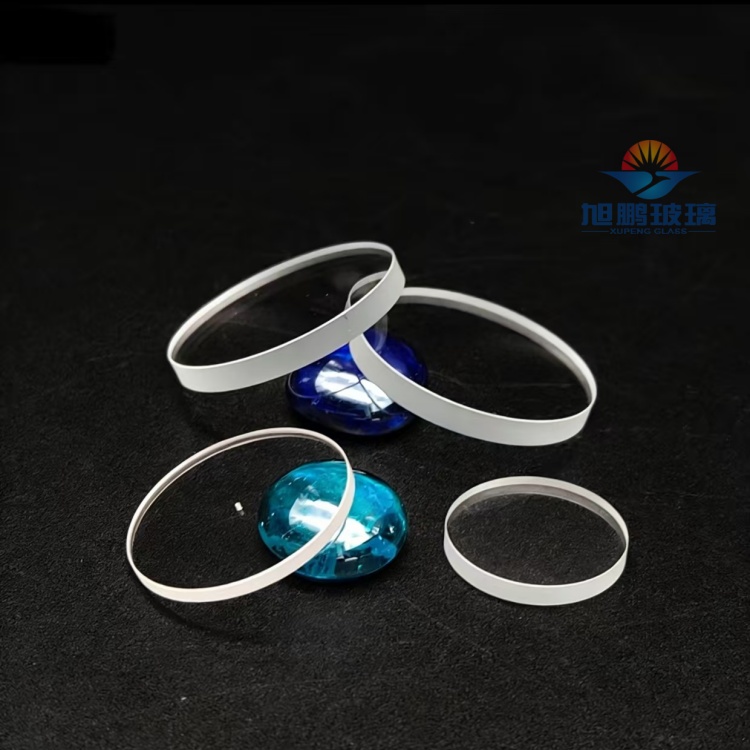
Sapphire Glass Step Window Wafers, High Temperature Resistant & High Light Transmittance Optical Sapphire Lenses
Scratch-resistant sapphire step windows for sensors, high-temperature viewports and optical assemblies. Custom thickness, orientation, chamfer and polish are confirmed against the drawing.
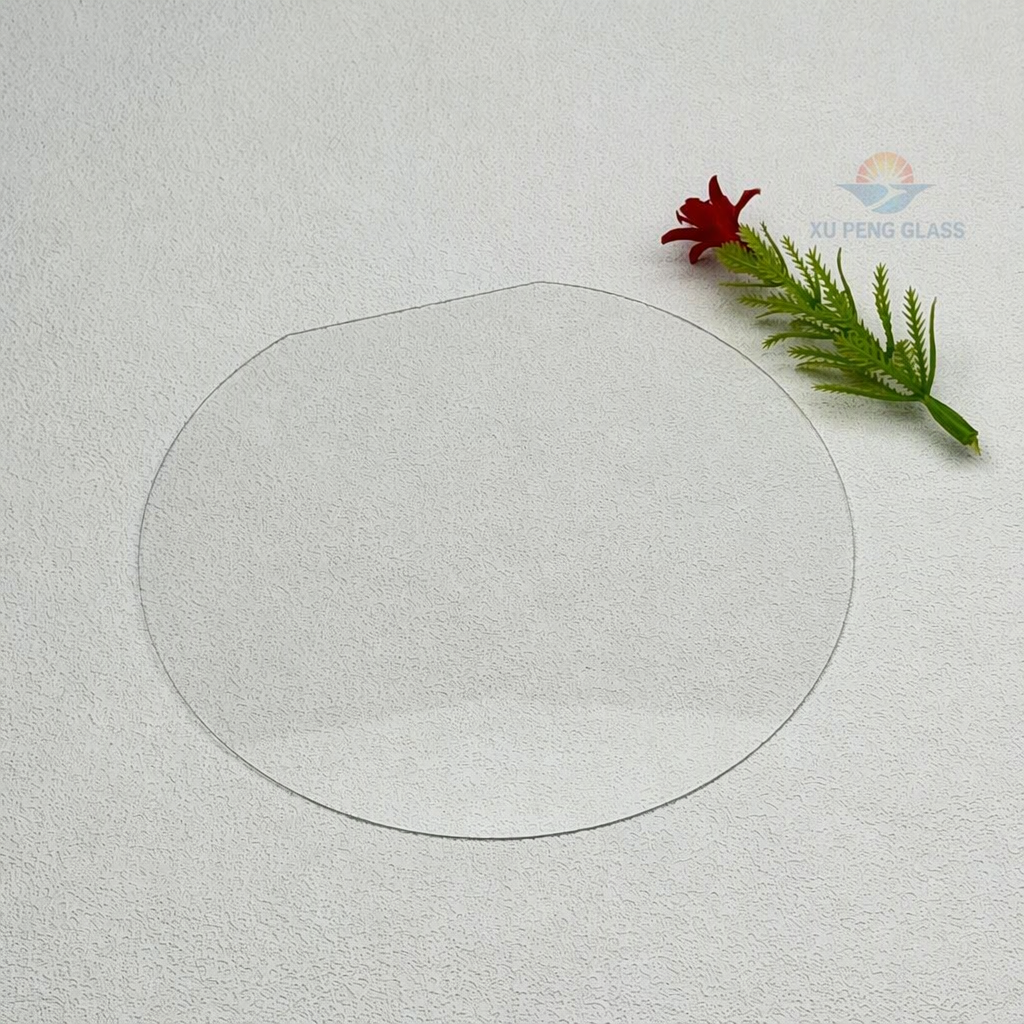
Ultra-thin High-precision Optical Glass Wafer, Corning / SCHOTT / Fused Silica
Thin optical wafers for display, sensor and micro-optics programs. Material options include Corning, SCHOTT and fused silica, with controlled flatness, edge quality and cleaning.
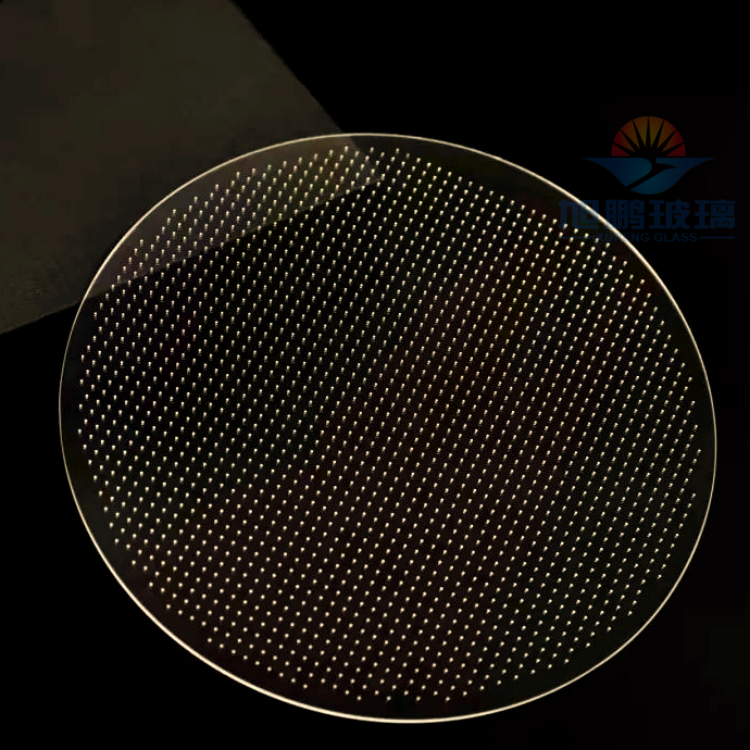
Schott BF33 TGV Microvia Glass Wafer, Packaging Substrate for Sensors & Chips
Borosilicate glass wafer substrates with microvia patterns for sensor and chip packaging. Suitable for projects moving from prototype wafer layouts into qualified volume supply.
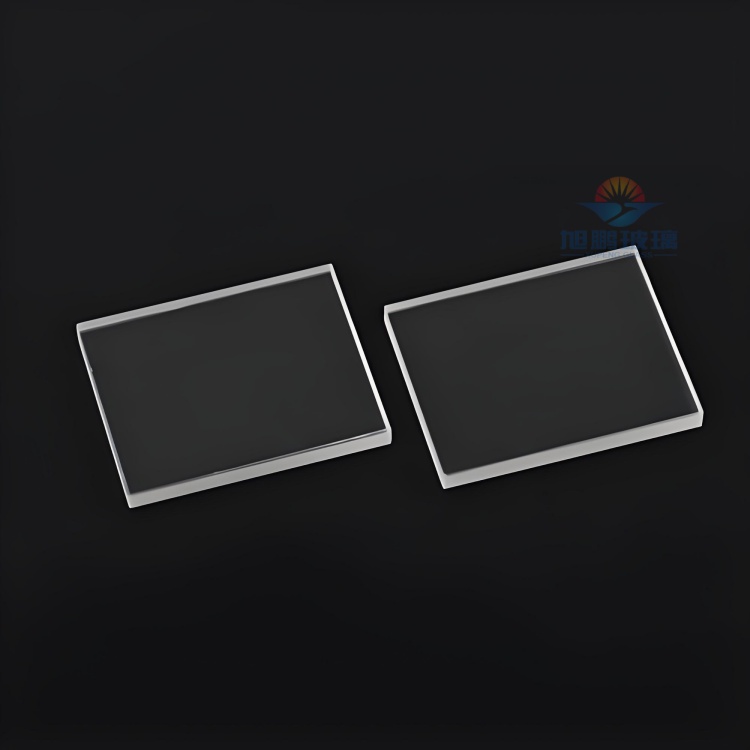
Tempered Glass Customized High Temperature Resistant, High Transparency and High Borosilicate Mirror Window Glass
High-borosilicate tempered window glass for heat shields, appliances, lighting and instrument covers. CNC cut-outs, edge grinding, printing and coating can be combined.
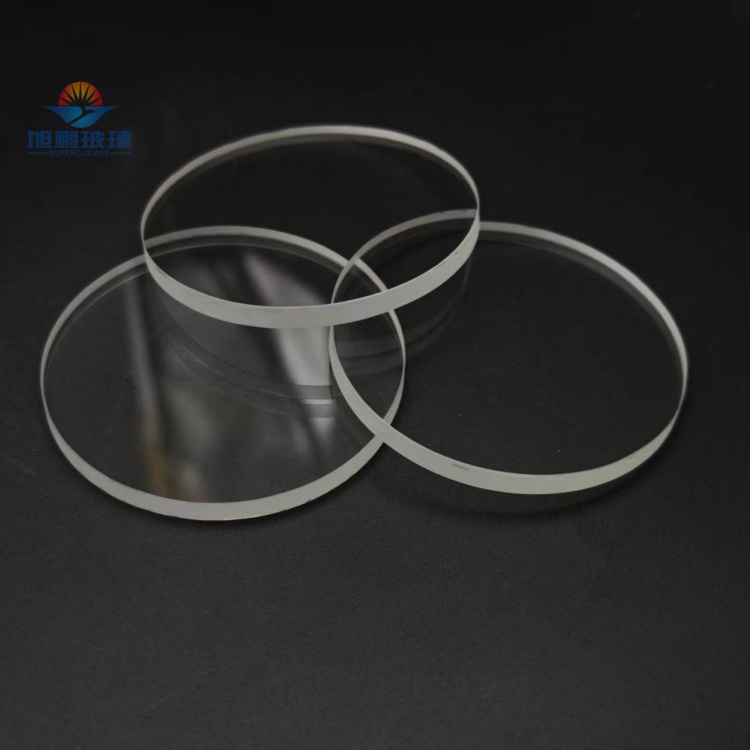
K9 Optical Glass (K9 Crystal Glass) for Optical Instruments
Borosilicate crown-type optical glass for lenses, prisms and instrument windows. Precision polishing, chamfering and optional coating support repeatable optical assembly.

White Ceramic Glass-Ceramic, 4mm & 6mm, High Temperature Resistant Glass-Ceramic
White glass-ceramic panels for thermal appliances, heating display surfaces and high-temperature covers. Low thermal expansion supports stable performance under repeated heating cycles.

Corning Ultra-Thin Glass Sheet, Optical Grade Glass Wafer Substrate with Chamfered Edge
Corning ultra-thin optical glass sheets with chamfered edges for display, sensor and precision packaging substrates. Edge quality and handling packaging are reviewed for fragile thin parts.
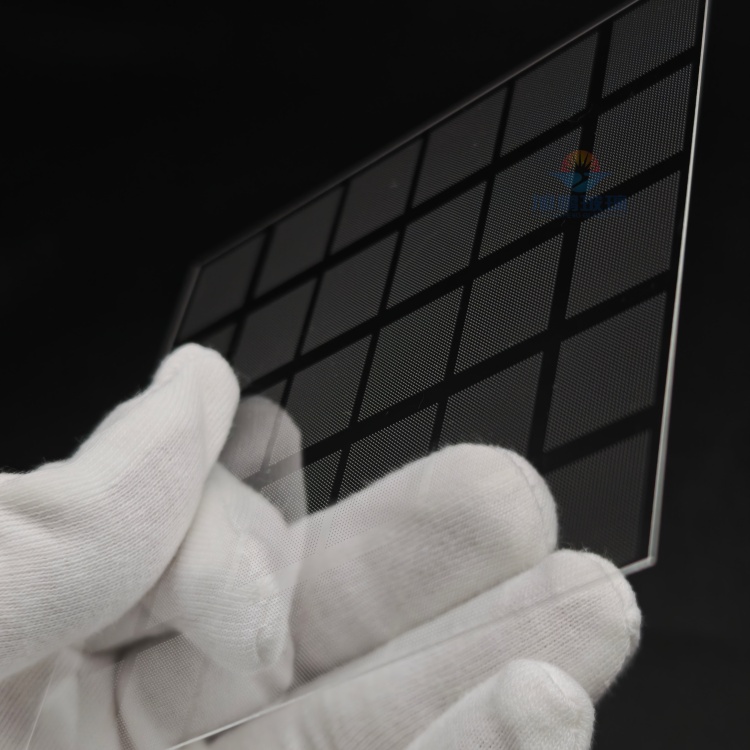
TGV Drilled Packaging Glass Substrate, Precision Laser Microvia Glass
Precision laser-drilled through-glass via substrates for advanced packaging, sensors and microelectronic devices. Via diameter, pitch, taper and surface condition are agreed before production.
What Global Buyers Really Search for in a China Heat-Resistant Glass Exporter
“Heat-resistant glass” is not one specification. It is a family of materials and process routes selected around thermal shock, continuous service temperature, optical transmission, dielectric performance, edge strength, dimensional tolerance and packaging risk.
The strongest search intent behind China heat-resistant glass exporters and wholesaler queries is not simply price per square meter. Procurement teams are usually trying to de-risk a project: can the supplier process borosilicate, glass-ceramic, sapphire, quartz, K9 or TGV wafers to the drawing, keep tolerances stable across batches, pack fragile glass for export, and answer engineering questions quickly enough to keep the project moving?
Dongguan AUVE Glass Co., Ltd. operates as a deep-processing glass manufacturer serving OEMs, brand owners and distributors from Songshan Lake, Dongguan, Guangdong. The company integrates R&D, design, production and export, and processes flat and curved tempered glass, ultra-clear low-iron glass, AR anti-reflective glass, AG anti-glare glass, silk-screen printed glass, instrument glass, K9 optical glass, quartz, sapphire, borosilicate and Corning EXG-related glass substrates.
For buyers, the practical difference is process depth. A qualified heat-resistant glass wholesaler should be able to review the drawing, propose the right substrate, flag manufacturability limits, run cutting, CNC edging, drilling, tempering, printing, coating and inspection, then pack the finished parts so the glass arrives intact. That is the standard behind this buyer guide.
Why Global Buyers Choose AUVE Glass as a Heat-Resistant Glass Wholesaler
For international B2B buyers, supplier selection is a balance of engineering capability, process control, communication speed and export packing. AUVE Glass is positioned around that exact combination.
Factory-Direct Deep Processing
AUVE Glass is a manufacturer and trading company based in Dongguan, a strategic location within one of China’s leading electronics and optoelectronics clusters. Buyers work directly with a factory-side team on material selection, process route and production feasibility rather than relying on an opaque trading layer.
Broad Heat-Resistant Material Range
The product portfolio covers high borosilicate tempered windows, white glass-ceramic panels, sapphire windows, fused quartz, K9 optical glass, ultra-thin optical wafers, Corning ultra-thin glass and Schott BF33-type TGV packaging substrates. This range supports both traditional thermal applications and advanced display or sensor packaging projects.
In-House Process Chain
Production capabilities include precision cutting, CNC edging and drilling, flat and curved tempering, silk-screen printing with high-temperature inks, AR/AG coating, polishing and final inspection. Reviewing the full process in one supply chain reduces handling risk and simplifies accountability for tolerances.
Drawing-Based Engineering Review
Buyers can send CAD, DXF or PDF drawings with thickness, tolerance, edge, hole, printing and coating requirements. The engineering team reviews manufacturability before production, which is especially valuable for fragile thin glass, step windows, TGV microvias and optical parts with tight edge-quality requirements.
Traceability and Export Packing
Production follows defined process standards and a documented quality management system, so batches can be traced from raw sheet to packed carton. Export packing is designed for fragile glass parts, with protective film, foam corner protection, reinforced cartons or wooden crates and batch labeling suited to international shipping.
Fast Communication and Verified Profile
The average inquiry response time is within seven hours. The company also maintains a verifiable supplier profile covering onsite status, credit index, trade capacity, transaction history and buyer feedback. These data points help procurement teams complete supplier onboarding with fewer unknowns.



Matching Heat-Resistant Glass Products to Real Applications
The eight featured products map naturally to four buying scenarios. Use these scenarios to shortlist materials before requesting samples or production drawings.
Display, HMI and Control Panels
High-borosilicate tempered window glass, ultra-thin optical wafers and Corning ultra-thin substrates support control panels, display windows and sensor covers where clarity, edge quality and heat resistance matter.
High-Temperature Viewports
Sapphire step windows, borosilicate tempered windows and fused-quartz options are suited to inspection windows, sensor protection and equipment covers exposed to heat, scratching or repeated cleaning.
Semiconductor and Sensor Packaging
Schott BF33 TGV microvia wafers and precision laser-drilled TGV glass substrates fit advanced packaging, sensor modules and microelectronic devices that require through-glass vias and stable substrates.
Heating Appliances and Lighting
White glass-ceramic panels and high-borosilicate tempered glass are appropriate for heating surfaces, appliance windows, lighting fixtures and light boxes where thermal cycling and visual clarity are both important.
Heat-Resistant Glass Procurement Trends Buyers Should Prepare For
Purchasing behavior is shifting from low-cost sheet sourcing toward specification-driven partnerships. The following trends are especially relevant for importers, OEMs and engineering teams building 2025–2030 supply plans.
Dual Sourcing Without Doubling Engineering Risk
Buyers increasingly qualify a primary and secondary glass supplier, but they do not want two different material assumptions. RFQs are becoming more standardized: one drawing package, one property checklist, one packaging standard and one approval process. Exporters that can document tolerances, coating runs and batch traceability are better positioned than suppliers that quote only by size and thickness.
Drawing-Based RFQs Replace Generic Price Lists
Heat-resistant glass parts often fail at holes, slots, step edges, printed windows or coating boundaries. As a result, sourcing teams are moving toward drawing-based RFQs with clear acceptance criteria for edge chips, surface scratches, flatness, transmission and thermal testing. A wholesaler that reviews manufacturability before quoting reduces late-stage change orders and scrap.
TGV and Optical-Grade Glass Enter Mainstream Programs
Through-glass vias, ultra-thin wafers and alkali-free substrates are moving from advanced research into packaging and sensor supply chains. Buyers are asking for both traditional tempered glass and semiconductor-adjacent glass processing from one supplier. This favors exporters with cross-category experience in optical polishing, laser drilling, thin-glass handling and clean packaging.
Information gain for buyers: request a three-batch process capability snapshot, not only a single sample. For heat-resistant glass, batch consistency in transmission, flatness, hole position, edge quality and coating color is usually more valuable than a one-time laboratory result.
Where Heat-Resistant Glass Technology Is Moving Next
Material development is converging with precision processing. Buyers should watch four directions because they affect drawing requirements, supplier qualification and total landed cost.
Thinner Glass, Stronger Edges
Ultra-thin glass is entering display, sensor and packaging applications. The challenge is not only thickness but edge chamfering, handling, cleaning and breakage control. Suppliers must combine thin-glass processing with packaging that protects the part from the factory to the assembly line.
Glass-Ceramic for Thermal Stability
White glass-ceramic continues to gain attention in heating appliances, high-temperature covers and display surfaces where low thermal expansion and visual uniformity are required. Buyers should confirm coefficient of thermal expansion, color consistency and surface tolerance against the application.
Functional Coatings on Heat-Resistant Glass
AR anti-reflective and AG anti-glare coatings are increasingly combined with tempered or borosilicate substrates. This creates value for display windows, outdoor HMI and optical instruments, but it also requires clear acceptance criteria for reflection, haze, gloss and coating durability.
TGV and Laser Processing Convergence
Laser-drilled microvias, step windows and precision contours are becoming more common in heat-resistant glass sourcing. Buyers should expect earlier DFM feedback on via pitch, taper, edge distance and handling limits, especially when moving from prototypes to volume orders.
Heat-Resistant Glass Selection Guide for Sourcing and Engineering Teams
Use this comparison as a shortlisting aid. Final material selection must be validated against your drawing, thermal cycle profile, optical requirement and agreed test standard.
| Material / Product | Typical Property Direction | Best-Fit Applications | Procurement Note |
|---|---|---|---|
| High Borosilicate Tempered Glass | Low thermal expansion and good thermal-shock headroom compared with ordinary soda-lime glass; tempered strength supports impact resistance. | Viewports, appliance windows, lighting covers, instrument panels and heat shields. | Confirm edge quality, hole distance from edge, printing ink compatibility and whether tempering is required after cut-outs. |
| White Glass-Ceramic | Low expansion, stable appearance and good resistance to repeated heating cycles; available in 4 mm and 6 mm options. | Heating appliances, cooker panels, high-temperature display surfaces and thermal covers. | Agree color shade, flatness, surface finish and allowable edge treatment before quoting. |
| Fused Quartz | High UV transmission and strong thermal-shock resistance; suitable for high-temperature and UV equipment. | UV curing, disinfection systems, high-temperature viewports and laboratory equipment. | Specify transmission range, OH content if relevant, thickness and polishing level. |
| Sapphire Glass | Mohs hardness 9 and high melting point; excellent scratch resistance and optical clarity. | Sensor windows, high-temperature viewports, scratch-critical covers and optical assemblies. | State orientation, thickness, chamfer, surface finish and whether step geometry is required. |
| K9 Optical Glass | Borosilicate crown glass with refractive index near 1.5168; suitable for optical instrument elements. | Lenses, prisms, instrument windows and optical testing fixtures. | Clarify tolerance on dimension, surface quality, coating and edge blackening if needed. |
| Schott BF33-Type / Corning EXG / TGV Wafers | Alkali-free or borosilicate substrate directions with low CTE options; TGV microvia capability for advanced packaging. | Sensor packaging, semiconductor-related substrates, microelectronics and display substrates. | Provide via layout, pitch, diameter, taper, flatness, cleaning and dicing requirements. |
Indicative guidance only. Actual values vary by grade, thickness, geometry, coating and process route. AUVE Glass reviews final specifications against the buyer’s drawing before mass production.
From Drawing Review to Export Packing
A heat-resistant glass order is not complete when the glass is cut. It is complete when the parts arrive at your inspection station with the right documentation, packaging and batch identity.
Incoming and In-Process Checks
Raw glass, cutting dimensions, hole positions, edge quality, printed graphics and coating appearance are reviewed through the process route. For optical and thin-glass parts, handling controls and surface protection are part of the production discipline.
Final Inspection and Batch Identity
Final checks may include dimensional verification, visual inspection, coating appearance, transmission confirmation and packing review. Batch labels help buyers trace cartons back to the agreed drawing and production lot.
Fragile-Goods Export Packing
Protective film, interleaving material, foam corner guards, reinforced cartons or wooden crates and outer labeling are selected around part size, material and shipping method. Packaging is especially important for thin wafers, large windows and TGV substrates.
Flexible Trade Terms
AUVE Glass supports FOB, CFR, CIF, EXW, DDP, DDU, DAF and express delivery. MOQ depends on material and process: many coated and optical parts can start from 10–50 pieces, while standard ultra-clear tempered parts often start from 100–500 pieces.
FAQ for Heat-Resistant Glass Wholesale and OEM Buyers
These are the questions procurement and engineering teams ask most often when evaluating a China glass exporter.
What does “heat-resistant glass” mean in a B2B sourcing specification?
It should be defined by the actual thermal load and failure mode: continuous service temperature, thermal shock cycles, maximum heating rate, mechanical support, sealing method and optical requirement. High borosilicate, glass-ceramic, fused quartz, sapphire and tempered soda-lime glass all behave differently. A supplier should ask for the application conditions before recommending a material.
Which material is suitable for repeated thermal cycling?
High borosilicate and glass-ceramic are common starting points for repeated heating and cooling, while fused quartz is often selected when high UV transmission or more severe thermal shock is involved. Sapphire is usually selected for scratch-critical or very high-temperature optical windows. Final selection should be validated with a sample test that reflects your assembly and fastening conditions.
Can AUVE Glass supply both heat-resistant tempered glass and optical or TGV wafers?
Yes. The portfolio includes flat and curved tempered glass, ultra-clear low-iron glass, AR/AG coated glass, silk-screen printed glass, instrument glass, K9 optical glass, quartz, sapphire, borosilicate, white glass-ceramic, Corning ultra-thin glass and Schott BF33-type TGV packaging substrates. This allows buyers to consolidate several glass categories with one qualified supplier.
What should I include in a drawing or RFQ for an accurate quotation?
Provide CAD, DXF or PDF drawings with dimensions, thickness, tolerance, edge profile, hole or slot positions, step geometry, printing, coating, surface finish and packing requirements. Also state the application temperature, cleaning method, annual volume, target sample date and any test standard. The engineering team can then review manufacturability and propose a process route.
What are typical MOQs, lead times and shipping terms?
MOQ depends on material and process. Many coated and optical glass parts can start from 10–50 pieces, while standard ultra-clear tempered parts often start from 100–500 pieces. Lead time depends on drawing approval, material availability, coating runs and quantity. Shipping can be arranged under FOB, CFR, CIF, EXW, DDP, DDU, DAF or express delivery, with export packing designed for fragile glass parts.
How do I start a supplier review or technical inquiry?
Send your drawing, target quantity, material preference and application conditions to the AUVE Glass team. The average response time is within seven hours. For new projects, sample and pilot quantities can be discussed. The team also maintains verifiable business profile information, including onsite status, credit index, transaction level, trade capacity and buyer feedback, so procurement can complete due diligence before placing a production order.
Have a Drawing? Get an Engineering Review Before You Commit Tooling.
Share your size, thickness, tolerance, thermal conditions, coating, printing and packing requirements. AUVE Glass will confirm the material route, manufacturability and quotation details — usually within seven hours.
Dongguan AUVE Glass Co., Ltd. · Songshan Lake, Dongguan, Guangdong, China · info@auveglass.com