8 High Transparency Glass Products for OEM and Wholesale Buyers
Eight production-ready glass families cover display electronics, semiconductor packaging, optical instruments, lighting, harsh-environment windows and flexible devices. Every product URL below points to an existing specification page, and each item can be customized by size, thickness, tolerance, edge profile, holes, printing, coating and packaging.

Schott BF33 TGV Microvia Glass Wafer, Packaging Substrate for Sensors & Chips
Alkali-free borosilicate wafer with TGV microvias for sensor packaging and chip substrates; double-side polishing options support thin-film processes.
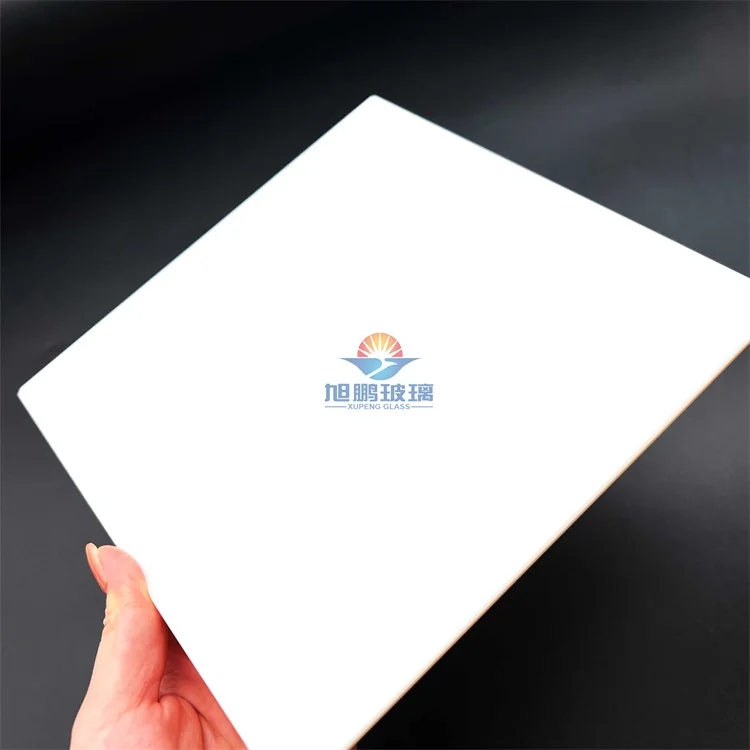
White Ceramic Glass-Ceramic, 4mm & 6mm, High Temperature Resistant Glass-Ceramic
White glass-ceramic panels in 4 mm and 6 mm for high-temperature viewports, appliance faces and industrial lighting where thermal stability matters.

Ultra-thin Flexible UTG Glass, Bendable and Foldable, Suitable for Commercial Aerospace and New Energy Industries
Bendable ultra-thin glass for foldable displays, aerospace windows and new-energy devices; edge strengthening and precision cutting are available.
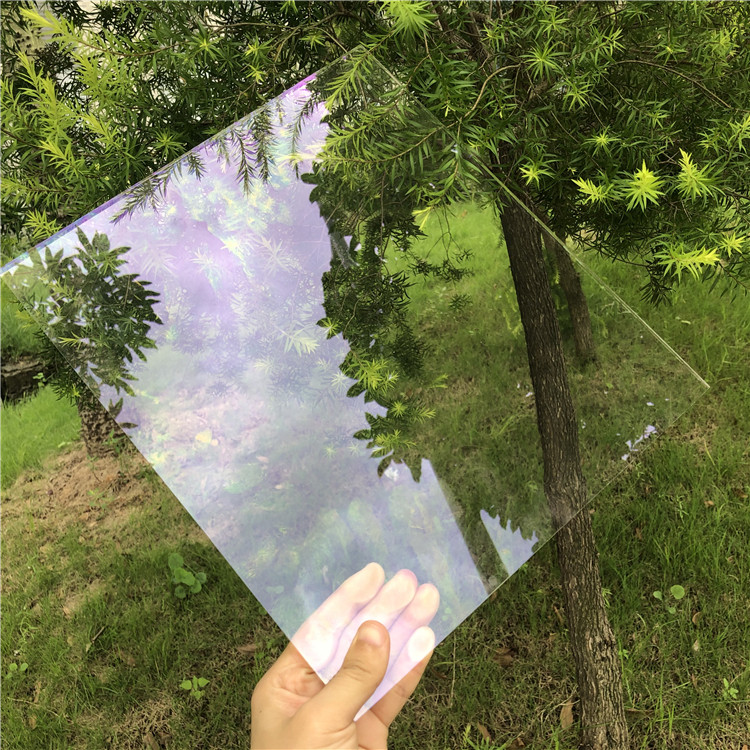
High-transmittance Anti-Reflection (AR) Coated Optical Glass
High-transmittance AR coated optical glass that reduces surface reflection for touch modules, instrument windows and display cover assemblies.

Corning EXG Glass Wafer Double-Sided Polished for Custom Semiconductor Glass Wafers & Solar Panels
Corning EXG alkali-free glass wafer with double-side polishing for semiconductor, MEMS and solar research; custom wafer sizes and dicing are supported.
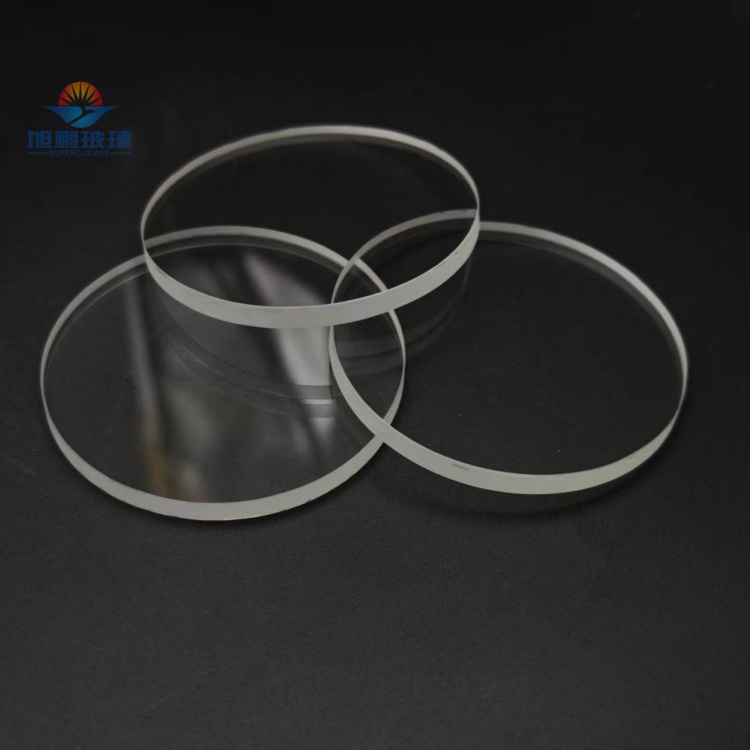
K9 Optical Glass (K9 Crystal Glass) for Optical Instruments
K9 crystal glass for lenses, prisms and optical instrument windows, with CNC edging, precision polishing and optional coatings.
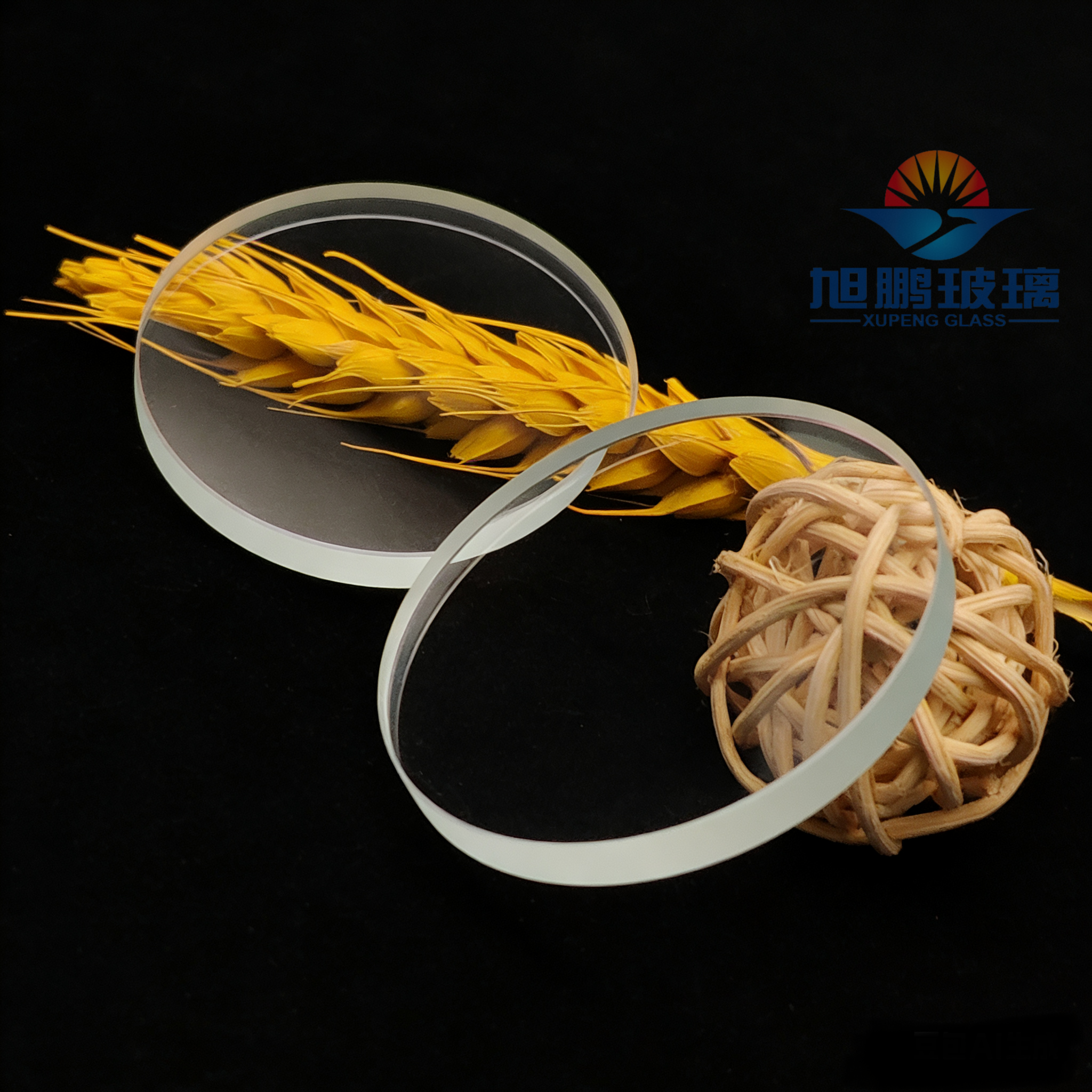
Low Iron Round High Transmittance Tempered Glass Panel with Precision Polished Edges, Flat Clear Glass
Low-iron round tempered glass panel with high light transmission and polished edges for display, lighting and decorative equipment.

High-transmittance AR Coated Optical Glass, Ultra-clear Tempered Glass
Ultra-clear tempered glass with high-transmittance AR coating for touch panels, HMI covers and optical display windows.
Verified Capability in Numbers
Procurement teams need evidence, not adjectives. These figures summarise the factory profile, response benchmark and export footprint that support AUVE Glass as a China high transparency glass manufacturer and wholesaler.
Why High Transparency Glass Deserves Board-Level Attention in 2025–2030
High transparency glass is no longer a commodity sheet product. It is becoming a system-level material that affects display contrast, sensor reliability, thermal management, product safety and brand perception. The purchasing question has shifted from “Can you cut glass?” to “Can you control optical performance, coating durability, traceability and export risk?” This guide adds information gain beyond a standard catalogue page by connecting material choice, process control, procurement risk and total cost of ownership.
Optical clarity is now a measurable KPI
Visible light transmittance, haze, reflection, colour shift and edge tint all influence the final user experience. A low-iron tempered panel may reach roughly 91% visible light transmission, while a well-controlled AR coating can cut surface reflection to around 0.5–1% per side. Buyers should specify these values with test methods, not rely on photographs or subjective samples.
Coating durability decides field reliability
AR, AG, mirror and anti-fingerprint stacks must survive cleaning, humidity, abrasion and temperature cycling. The real differentiator is interface engineering: substrate cleaning, primer selection, deposition control and curing discipline. Request adhesion, abrasion, humidity and thermal-cycle test summaries for the exact stack you plan to approve.
Traceability compresses qualification cycles
Batch-level traceability from raw sheet to packed carton shortens engineering approval and makes field complaints easier to contain. A qualified Chinese deep-processing partner should provide material certificates, process route records, dimensional reports and inspection images before shipment, so receiving inspection is guided by data rather than hope.
Transparency and Reliability Reference Ranges
Typical reference ranges for material selection. Final specifications are confirmed against your drawing and agreed test standard before mass production.
Application-Led Recommendations for High Transparency Glass
The best substrate is the one that survives the real operating environment, cleaning process and assembly method. Use these recommendation clusters to shortlist materials before sending a drawing.
Display and touch modules
Choose high-transmittance AR coated optical glass or ultra-clear tempered glass when the goal is higher contrast, lower reflection and durable cover glass. Specify coating on the viewing side, printing on the bond side, edge quality and logo window tolerances.
Semiconductor and sensor packaging
For TGV, MEMS and sensor substrates, Corning EXG or Schott BF33 glass wafers offer alkali-free or borosilicate stability. Discuss via diameter, thickness, flatness, surface roughness, via pitch and downstream dicing before sampling.
Optical instruments and harsh environments
K9 optical glass, fused quartz and sapphire are suitable for lenses, prisms, viewports and sensor windows. Match refractive index, UV transmission, Mohs hardness and thermal shock resistance to the operating environment, then confirm polishing and coating specifications.
Flexible and high-temperature equipment
Ultra-thin flexible UTG and white ceramic glass-ceramic address foldable displays, aerospace windows, new-energy equipment and high-temperature lighting. Edge strengthening, ceramic ink, laser cutting and protective film selection are as important as base material properties.
The AUVE Glass Advantage: Verified Factory-Direct Capability
Dongguan AUVE Glass Co., Ltd. is a deep-processing glass manufacturer integrating R&D, design, production and export in Songshan Lake, Dongguan, one of China’s leading electronics and optoelectronics clusters.
Founded in 2018, the company operates a 1,001–2,000 m² facility with 51–100 skilled employees and focuses on high-end glass rather than low-cost commodity trading. Production covers flat and curved tempered glass, ultra-clear low-iron glass, laminated and painted glass, LCD and touch screen glass, smart control panel glass, LED lamp glass, instrument glass, AR high-transmittance glass and AG anti-glare glass.
The same engineering team processes optical materials including K9, quartz, sapphire, borosilicate and Corning EXG alkali-free glass. Because cutting, CNC edging, drilling, tempering, silk-screen printing, AR/AG coating, inspection and export packing are coordinated under one roof, AUVE can protect tolerances, shorten lead times and resolve manufacturability issues before they reach the customer’s assembly line.
For E-E-A-T evaluation, the relevant signals are experience as a factory-direct producer since 2018, expertise across multiple glass materials and coatings, authority documented through third-party supplier verification and trade records, and trust built through transparent MOQ guidance, buyer reviews and export packing standards. The stated service benchmark is an average technical response within 7 hours, with export experience in the United States, Canada, Russia, South Korea, Japan and Australia.

Onsite-Checked Supplier
Premises and legal status confirmed through third-party onsite verification; review the report before releasing a pilot order.
View report Risk ReviewCredit Index
A transparent credit profile built on real trading behaviour helps procurement teams compare risk before payment terms are discussed.
Check index Verified ActivityTransaction Level
Verified online transaction records with overseas buyers give sourcing managers an independent view of commercial activity.
See level CapabilityTrade Capacity
Export experience, main markets and production capability are documented for buyers building a qualified supplier scorecard.
View capacity Field EvidenceRatings & Reviews
Unfiltered buyer feedback on quality, delivery and service provides field evidence beyond catalogue claims.
Read reviews Due DiligenceTrade History
Documented shipment history across global markets supports due-diligence and supplier onboarding.
View historyFrom Drawing to Export Carton: Six Controlled Process Stages
Each stage is reviewed against the approved drawing, material route and test plan. This is how a custom glass order becomes a repeatable supply item rather than a one-off sample.
Drawing & DFM Review
Engineers check thickness, tolerance, edge, hole, printing and coating requirements before quotation. CAD, DXF and PDF drawings are welcome.
Precision Cutting
Automatic and CNC cutting from float, low-iron and optical stock reduce edge chipping and prepare stable downstream tolerances.
CNC Edging & Drilling
Edge grinding, beveling, grooving, countersinking, holes and laser punching are controlled against drawing dimensions.
Tempering & Heat Treatment
Flat and curved thermal tempering improve impact and thermal resistance; heat-soak or annealed options are discussed by application.
Printing & Coating
High-temperature ceramic inks, AR, AG, mirror and functional coatings are applied with process-specific cleaning and curing controls.
QC & Export Packing
Dimensional, visual, optical and coating checks are followed by interleaving film, foam protection and fumigation-free crates or reinforced cartons.



Specification Control and Quality Assurance for Global Buyers
A glass part can look correct on arrival and still fail after cleaning, bonding, thermal cycling or outdoor exposure. Quality control must therefore track both dimensions and functional performance.
Material verification
Raw sheet identity, thickness, transmission and visual quality are checked before release. Low-iron, optical and coated materials are segregated to prevent mix-ups.
Metrology and edge control
CNC programs, edge inspection and dimensional sampling keep holes, cut-outs and outer profiles within agreed tolerances before tempering or coating.
Optical performance checks
Reflectance, transmission, haze, adhesion, abrasion and environmental resistance are reviewed against the approved sample and test method.
Export packing validation
Protective film, interleaving paper, foam corners and crate design are selected for fragile glass. Batch labels support receiving inspection and traceability.
Future Procurement Trends: A Buyer Playbook for 2025–2030
Sourcing high transparency glass is becoming more evidence-driven. Cost remains important, but optical performance, supply resilience and quality records are moving into the core scorecard.
Dual sourcing with one deep-processing anchor
Buyers are reducing single-factory risk without giving up engineering support. A practical model is to keep a qualified Chinese deep-processing partner for coated and optical glass while adding regional assembly or finishing capacity.
Spec-based RFQs replace photo-based quotes
Procurement teams increasingly request transmission, haze, reflection, adhesion, flatness, roughness and packaging tests. This reduces sample disputes and makes total cost comparison more reliable across suppliers.
ESG and packaging enter the scorecard
Fumigation-free crates, recyclable interleaving, lower breakage rates and documented process waste are becoming measurable supplier criteria, especially for European and North American buyers.
Digital quality records shorten audits
Batch IDs, inspection images, coating curves and material certificates are now expected in supplier data packages. A traceable record is often more persuasive than a generic certificate alone.
Product Development Trends: Where High Transparency Glass Is Heading
Material innovation is moving toward multifunctional surfaces, thinner substrates and harsher-environment reliability. The winning supplier will be the one that can control these transitions in production, not only in a laboratory sample.
Multifunctional AR/AG stacks
Next-generation display glass combines anti-reflection, anti-glare, anti-fingerprint and easy-clean properties in one durable stack. The challenge is balancing optical gain with cleaning and abrasion resistance.
Ultra-thin flexible glass
UTG below 0.05 mm is moving from demonstration to commercial programmes in foldable displays, flexible sensors and aerospace. Edge quality and bend fatigue are becoming qualification priorities.
Alkali-free wafer substrates
Corning EXG and similar alkali-free substrates are in demand for MEMS, RF and sensor packaging. Flatness, surface roughness and via quality matter more than sheet size alone.
Ceramic, quartz and sapphire glass
White ceramic glass-ceramic, quartz and sapphire are expanding into high-temperature viewports, UV equipment, new-energy devices and industrial sensing.
Frequently Asked Questions About High Transparency Glass Procurement
Direct answers to the technical and commercial questions engineering, procurement and compliance teams ask most often.
What is high transparency glass and how is it measured?
High transparency glass is a substrate engineered to maximise visible light transmission while controlling haze, reflection and colour shift. Buyers typically specify visible light transmittance, haze, refractive index, surface flatness and coating reflectance. For low-iron tempered glass, visible transmission may be around 91%; AR-coated surfaces can reduce reflection to roughly 0.5–1% per side, depending on the stack and test method.
What glass types can you custom manufacture?
We process flat and curved tempered glass, ultra-clear low-iron glass, laminated and painted glass, AR anti-reflective and AG anti-glare coated glass, silk-screen printed glass, touch screen and LCD cover glass, LED lighting glass, instrument glass, and optical materials such as K9, quartz, sapphire, borosilicate and Corning EXG alkali-free glass. Custom sizes, holes, edges and coatings are quoted from drawings.
Can you produce glass to my own drawings?
Yes. Send a CAD, DXF or PDF drawing with thickness, tolerance, edge, hole, printing and coating requirements. Our engineers review manufacturability before production, covering CNC cutting, edging, drilling, tempering, silk-screen printing and AR/AG coating. Early DFM feedback often prevents expensive tooling changes after samples are approved.
What is the minimum order quantity?
MOQ depends on material and process. Many coated and optical glass parts start from 10 to 50 pieces, while standard ultra-clear tempered parts typically start from 100 to 500 pieces. Sample and pilot quantities can be discussed for new projects. The final MOQ is confirmed after reviewing material availability, yield and coating setup.
Which coatings and finishes are available?
Options include single- or double-side AR, etched AG, AG plus AR, mirror coating, anti-fingerprint treatment, high-temperature ceramic ink printing and precision polished edges. Each finish is matched to the application, cleaning method and durability requirement. Buyers should approve a physical sample and test standard before mass production.
How do you protect glass during export?
Export packing uses protective film or interleaving paper, foam corner protection, and fumigation-free wooden crates or reinforced cartons. Batch labels support receiving inspection and traceability. Packing is designed for fragile glass parts and can be customised for sea, air or express shipments based on destination and handling conditions.
Which Incoterms and markets do you support?
We support FOB, CFR, CIF, EXW, DDP, DDU, DAF and express delivery. Products are exported to the United States, Canada, Russia, South Korea, Japan, Australia and other markets. The commercial term is selected to match the buyer’s customs setup, freight forwarder and risk-transfer preference.
How quickly do you reply to technical inquiries?
Our average response time is within 7 hours. Email info@auveglass.com with your drawing, quantity, application and any coating or test requirements for an engineering review. Including the operating environment and cleaning process helps the team recommend the right material and finish faster.
Send Your Drawing for an Engineering Review
Share size, thickness, tolerance, edge, hole, printing, coating and packaging requirements. The team will confirm material, process route and lead time — usually within 7 hours. For urgent projects, include the target annual quantity and destination market so freight and compliance can be reviewed together.