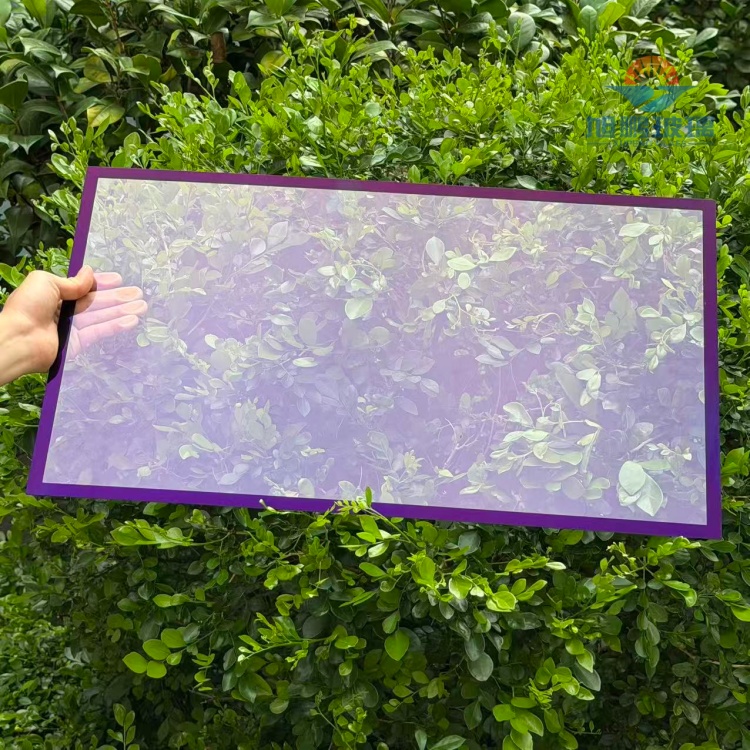
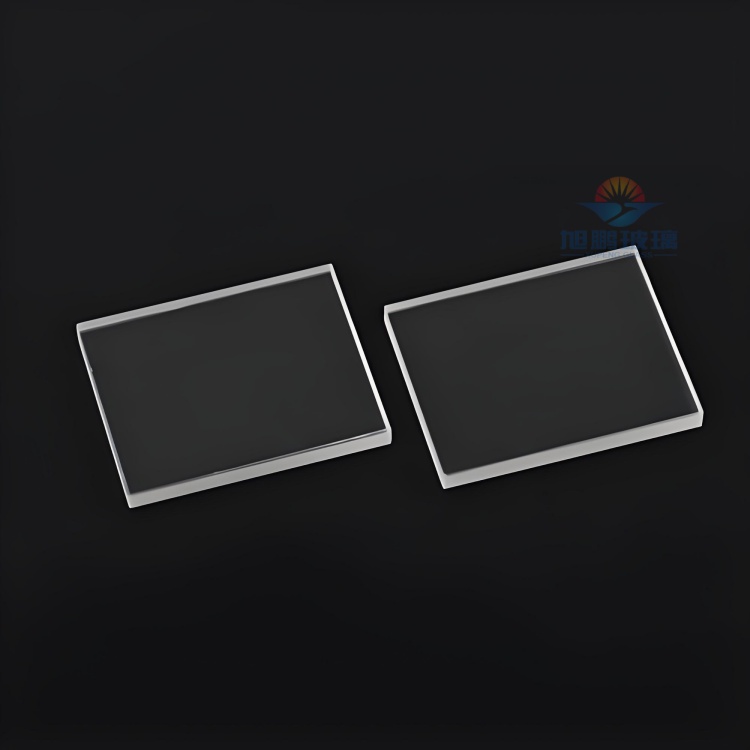
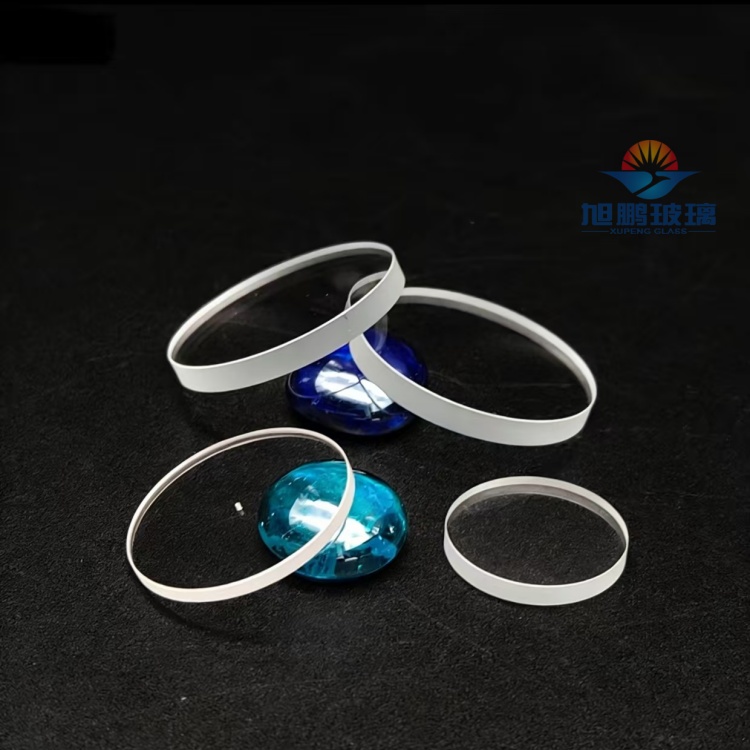
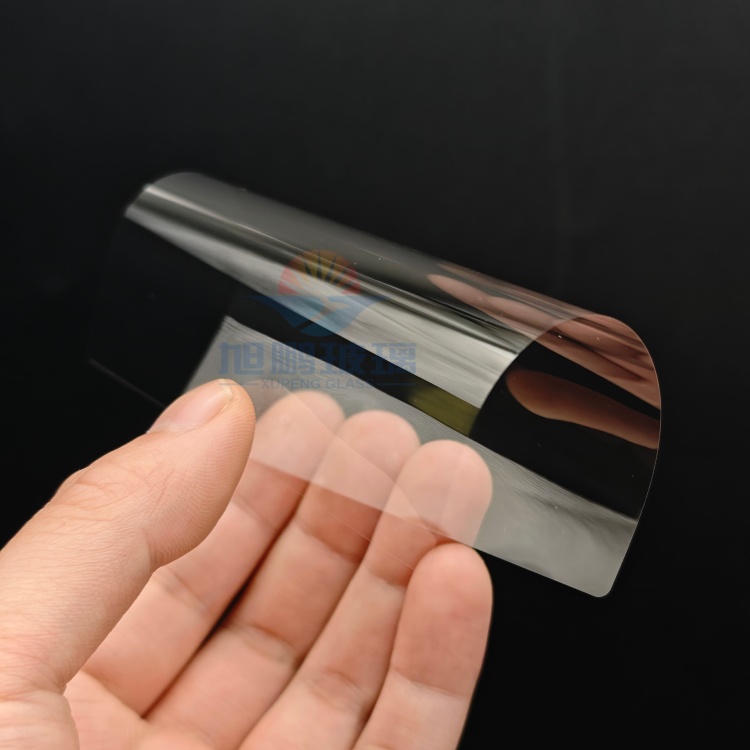
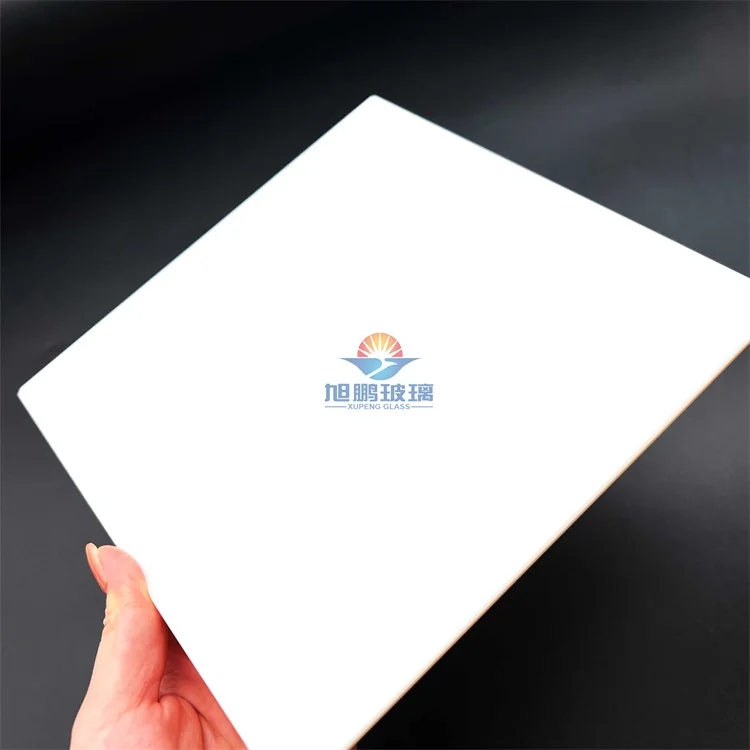
White Ceramic Glass-Ceramic, 4mm & 6mm, High Temperature Resistant Glass-Ceramic
Near-zero thermal expansion and stable colour at sustained high temperature — the workhorse substrate for cooktops, heater windows and bent appliance panels.
View specEight production-proven specifications that cover the way curved and precision glass is actually bought: bendable cover glass, high-temperature windows, coated display glass, optical substrates and advanced packaging wafers. Every item below can be re-cut, re-bent and re-coated to your drawing.

Near-zero thermal expansion and stable colour at sustained high temperature — the workhorse substrate for cooktops, heater windows and bent appliance panels.
View spec
Flat, low-stress glass carriers and inspection substrates with tightly held thickness and flatness for wafer, chip and photovoltaic process lines.
View spec
Large-format AR cover glass that suppresses surface reflection on all-in-one PCs, monitors and kiosks, lifting perceived contrast without touching the panel.
View spec
High-borosilicate tempered windows that survive thermal shock and repeated heat cycling while keeping optical clarity in appliance and instrument housings.
View spec
Low-iron tempered decorative covers with polished edges and clean cut-outs — a repeatable way to lift the perceived finish of switches and wall fittings.
View spec
Mohs 9 hardness and roughly 2,040 °C melting point: the answer when a window must stay scratch-free and optically clean in a harsh process chamber.
View spec
Alkali-free borosilicate wafers with high-density microvias for sensor and chip packaging — a glass-core alternative to organic interposers.
View spec
Down to 0.03 mm with genuine bendability — the substrate behind foldable display covers and flexible electronic carriers.
View specBent glass is a high-risk purchase: a single wrong radius wastes a whole tooling cycle. These are the operating facts behind the quotes you receive.
Dongguan AUVE Glass Co., Ltd. is a deep-processing glass manufacturer integrating R&D, design, production and export in Songshan Lake, Dongguan — one of China's densest electronics and optoelectronics clusters. Guided by the philosophy of "focusing on high-end glass, pioneering and innovating," the factory keeps investing in engineers and equipment so buyers get one accountable partner instead of five disconnected vendors.
Flat and curved thermal bending, thermal tempering and chemical strengthening are scheduled back-to-back in the same plant. One team owns bend radius, optical distortion and edge stress — not three subcontractors blaming each other.
Before cutting, engineers check whether your bend radius, holes, print margins and coating masks are physically compatible. Problems are caught at quotation stage — the cheapest possible moment to change a design.
AR anti-reflective, AG anti-glare, mirror coating, high-temperature silk-screen printing, anti-shatter film and laser opening — combined on the same part so an assembled panel never arrives with mismatched finishes.
Float glass, ultra-clear low-iron, high-borosilicate, white glass-ceramic, K9 optical, fused quartz, sapphire, Corning EXG and SCHOTT BF33 — one supplier covering display, appliance, optical and packaging programmes.
Onsite inspection status, credit index, transaction level, trade capacity, trade history and unfiltered buyer ratings are all published and externally checkable — evidence, not adjectives.
Interleaving film or paper, foam corner guards, a moisture barrier and fumigation-free wooden crates or reinforced cartons, with batch labels applied at packing so your warehouse can receive by project.
Six controlled stages. Keeping all of them in-house is what shortens lead time and protects the tolerances that matter after assembly.
CAD, DXF or PDF is checked for bend radius, hole-to-bend distance, print registration and coating zones before anything is cut.
Automatic and CNC cutting from float, low-iron, borosilicate, ceramic and optical stock, with sheet traceability retained per batch.
Flat and pencil edging, beveling, grooving, countersinking, drilled holes and laser-cut inner contours and windows.
Thermal bending over matched moulds, then flat or curved tempering to build the surface compression that carries impact and thermal load.
High-temperature ceramic ink, IR/window ink, then AR, AG, mirror or anti-shatter coating applied and cured in controlled conditions.
Dimension, radius, optical distortion, coating haze and visual checks, followed by glass-specific protective packing and export documentation.
What procurement teams are actually changing in their glass supply plans — and what it means for the way you should write the next RFQ.
Buyers increasingly ask for DDP or DDU instead of FOB, because breakage risk and customs handling are easier to absorb into one landed-cost figure than to manage internally on a fragile, low-weight-to-volume product.
Rather than splitting flat tempered, curved tempered, printed and optical parts across four vendors, sourcing teams now consolidate onto one audited factory to collapse incoming inspection points and shorten the corrective-action loop.
Bent cover glass is moving toward pilot quantities of 10–50 pieces alongside aftersales replenishment, which pushes suppliers to quote tooling and setup costs separately instead of hiding them in a large MOQ.
Dimensional reports, coating adhesion and abrasion results, glass batch identification and packing lists are being written into purchase contracts — a supplier that cannot issue them is filtered out at the audit stage.
Design directions that are already generating real tooling enquiries — useful when you are planning a platform two or three product cycles ahead.
Automotive consoles, smart appliances and kiosks keep moving to gently curved front glass, usually combined with anti-glare etching and dead-front silk print so the display disappears when powered down.
Thickness in the 0.03–0.07 mm range lets glass replace polymer covers on foldable and rollable devices, trading a small bend-radius penalty for scratch resistance and optical clarity.
Glass wafers with high-density microvias are being evaluated as packaging substrates for sensors and advanced chips, driven by dimensional stability and a thermal expansion close to silicon.
Outdoor panels need both: AG scatter to kill specular glare and AR to raise transmittance. Single-layer solutions are giving way to tuned multi-layer stacks specified by haze and gloss, not just "anti-glare."
The single most expensive sourcing mistake is choosing the wrong substrate. Shortlist the material against the actual service condition before the drawing leaves your desk.
| Glass Type | Key Property (Typical) | Best-Fit Applications | Available Processing |
|---|---|---|---|
| Hot Bent Tempered Glass | Thermal bending over matched moulds; strength retained after shaping | Curved display covers, appliance fronts, LED luminaires, arc-shaped guards | Bending, tempering, silk print, AG coating |
| White Glass-Ceramic (4 / 6 mm) | Near-zero thermal expansion, colour stable under sustained heat | Cooktops, heater windows, high-temperature appliance panels | Bending, drilling, printing, edge grinding |
| Ultra-Clear Low-Iron Tempered | ~91% visible light transmission, no green edge tint | Control panels, lighting, light boxes, decorative covers | CNC, drilling, etching, AR/AG, printing |
| AR Coated Glass | Surface reflection reduced to roughly 0.5–1% per side | Touch modules, AIO PCs, instrument and museum windows | Single/double-side AR, tempering, printing |
| AG Anti-Glare Glass | Micro-textured surface diffuses specular glare; haze selectable | Outdoor LCDs, industrial HMI, kiosks, control rooms | Etched AG, AG + AR, tempering |
| High-Borosilicate Tempered | Low thermal expansion, strong thermal-shock resistance | Appliance viewports, oven doors, instrument windows | Cutting, fire polishing, tempering |
| K9 Optical Glass | Borosilicate crown, nd ≈ 1.5168, low inclusion count | Lenses, prisms, optical instrument windows | Precision polishing, coating, CNC edging |
| Fused Quartz | High UV transmission, excellent thermal-shock resistance | UV curing, UV disinfection, high-temperature viewports | Thick-gauge cutting, polishing, drilling |
| Corning EXG / SCHOTT BF33 | Alkali-free, low CTE, high dimensional stability | Semiconductor wafers, MEMS, TGV packaging substrates | Double-side polishing, wafer dicing, microvia |
Values are typical reference data for material shortlisting. Final specifications are confirmed against your drawing and an agreed test standard before mass production.
Curved glass is awkward freight. These are the commercial and packaging arrangements that keep landed cost predictable.
Pick the Incoterm that matches your customs setup and internal freight contracts — FOB, CFR, CIF, EXW, DDP, DDU, DAF or express.
Glass from this plant is already running in customer assemblies across North America, Europe and Asia-Pacific.
Interleaving film or paper, foam corner protection, moisture barrier and fumigation-free wooden crates or reinforced cartons on every shipment.
The questions engineering and procurement teams raise most often during a first evaluation.
Yes. Flat and curved thermal bending is performed in-house using matched moulds, followed by flat or curved tempering. Send the CAD or DXF with the target radius, chord, thickness and any holes or print zones, and the engineers will confirm whether the geometry is bendable and where a hole must stay outside the bend zone to avoid fracture.
Yes. A CAD, DXF or PDF drawing with thickness, tolerance, edge profile, hole position, printing artwork and coating requirement is enough to start. Manufacturability is reviewed before production, covering CNC cutting, edging, drilling, tempering, silk-screen printing and AR/AG coating, so any conflict between radius, hole placement and coating mask is resolved at quotation stage.
MOQ depends on material and process rather than on one fixed rule. Many coated and optical glass parts start from 10 to 50 pieces, while standard ultra-clear tempered parts typically start from 100 to 500 pieces. Sample and pilot quantities can be discussed for new projects, and tooling or setup cost is quoted separately so it stays visible.
Lead time is driven by tooling, coating cycles and quantity. Coated optical parts and standard tempered panels usually move fastest, while curved parts needing new moulds add a tooling step before the first article. Once a drawing is confirmed, the process route and a realistic delivery window are issued with the quotation rather than after the order.
FOB, CFR, CIF, EXW, DDP, DDU, DAF and express delivery are all supported, with export packing designed specifically for fragile glass parts. For high-value curved or coated panels, an inner foam structure plus wooden crate is normally recommended over cartons.
Inspection covers dimension and radius, edge and hole integrity, optical distortion in the bent zone, coating haze and transmission, print registration and final visual review under controlled lighting. Batch identification is retained from raw sheet through to the packed carton, so claims can be traced back to a specific production run.
Our glass products are exported to the United States, Canada, Russia, South Korea, Japan, Australia and other markets, and the factory works with buyers in both OEM contract manufacturing and distribution models.
Average response time is within 7 hours. Send your drawing, quantity and target application to info@auveglass.com and the team will return an engineering review — material recommendation, process route and lead time — rather than an unverified price.
Share your thickness, bend radius, tolerance, edge profile, print artwork and coating target. Engineers will confirm the material, the process route and a realistic lead time — instead of quoting a number that fails at first article.
Get Catalog