8 Production-Ready Glass References
Use these eight references to qualify a factory’s real deep-processing platform: cutting, CNC, tempering, silk-screen printing, AR/AG coating, optical polishing, inspection and export packing. Every product link below is preserved from the original series.
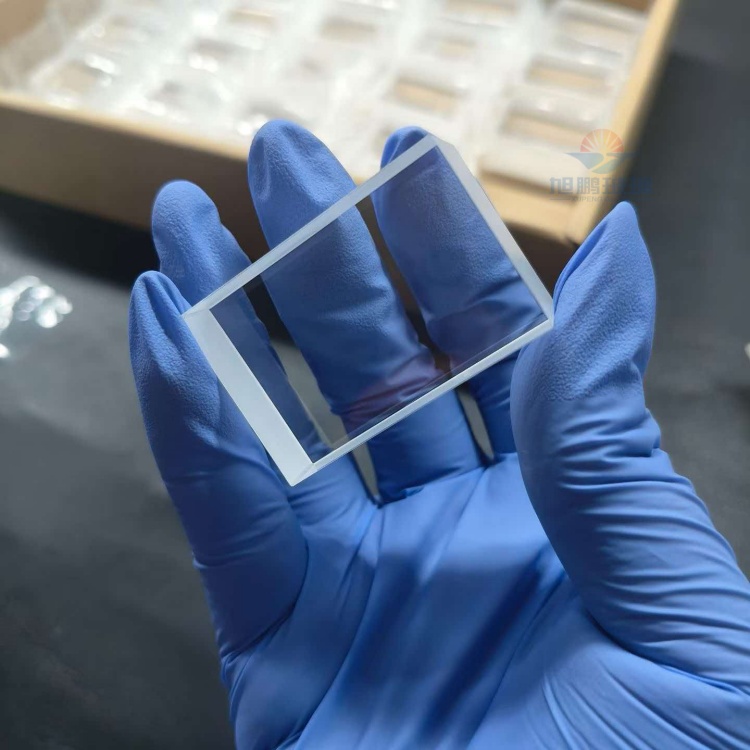
High UV Transmission Thick Gauge Thick Quartz Glass Plate
Fused quartz plate for UV curing, disinfection and high-temperature viewports. Thick-gauge cutting, polishing and inspection can be reviewed against your drawing.
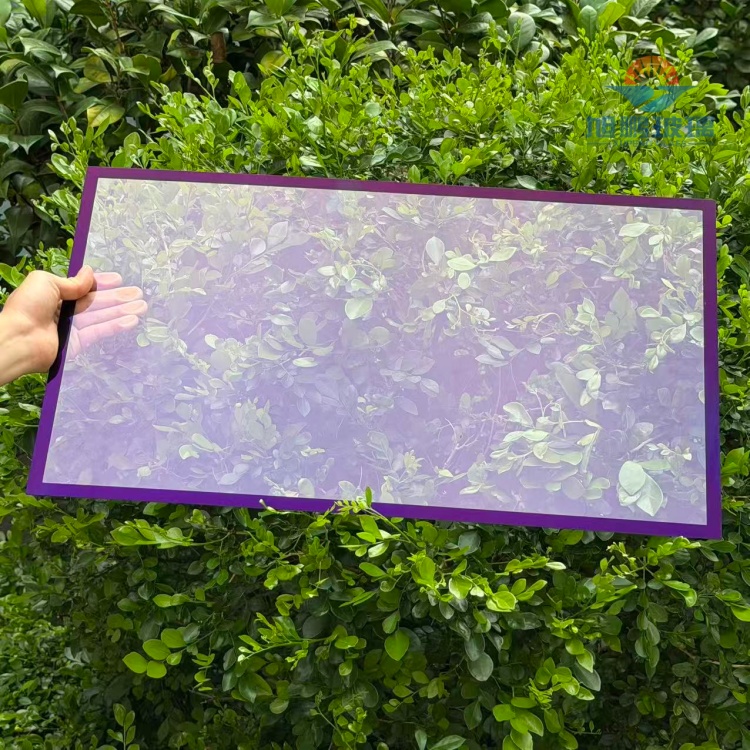
27-inch All-in-One PC AR Coated Glass
Large-format AR coated cover glass for all-in-one PCs and commercial displays. Double-side anti-reflection options help increase contrast under bright office lighting.
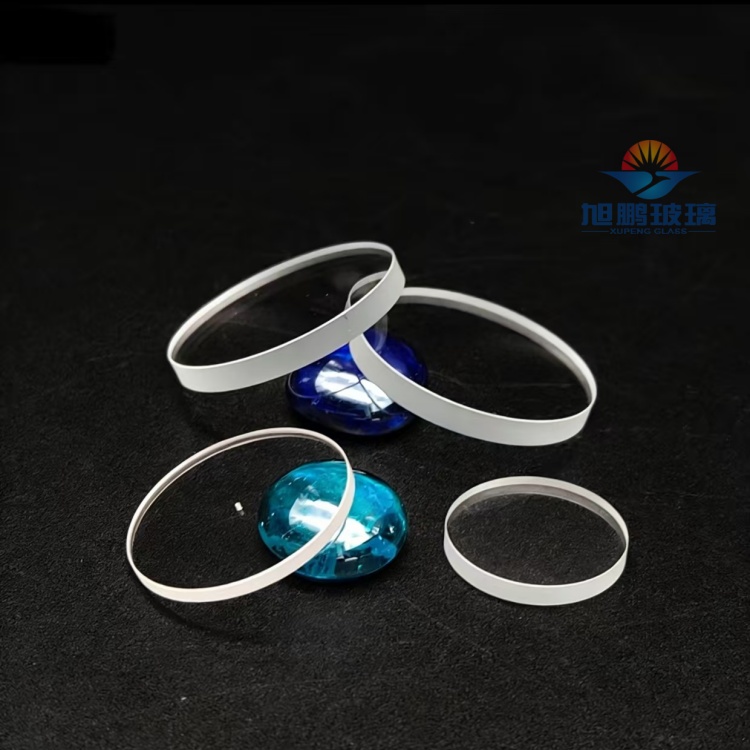
Sapphire Glass Step Window Wafers, High Temperature Resistant & High Light Transmittance Optical Sapphire Lenses
Step-window sapphire wafers and lenses for scratch-critical sensors, optical instruments and high-temperature windows where clarity and durability matter.
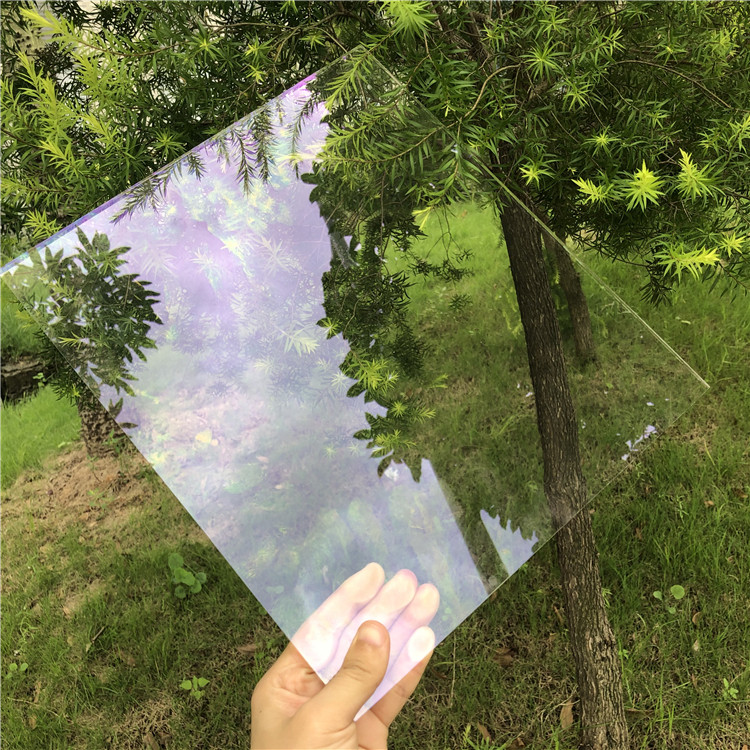
High-transmittance Anti-Reflection (AR) Coated Optical Glass
AR coated optical glass for instrument covers, display windows and touch modules. Coating designs can be aligned with target transmission and reflection values.
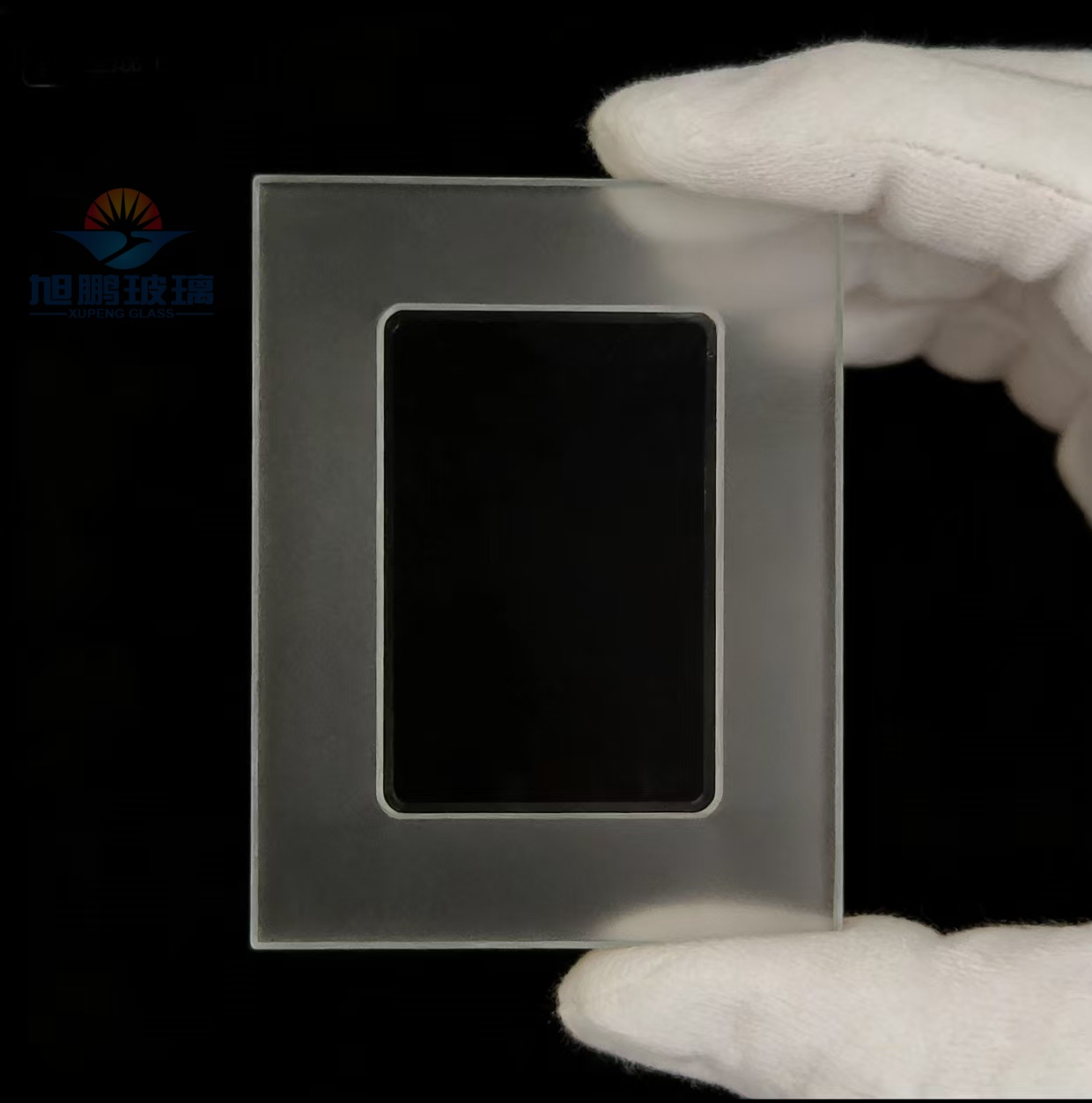
Custom Ultra-White Clear Tempered Glass Socket Decorative Cover for Stairways
Ultra-white tempered glass decorative socket and switch covers for interior fit-outs. Custom cut-outs, edge work and printing support electrical and design requirements.
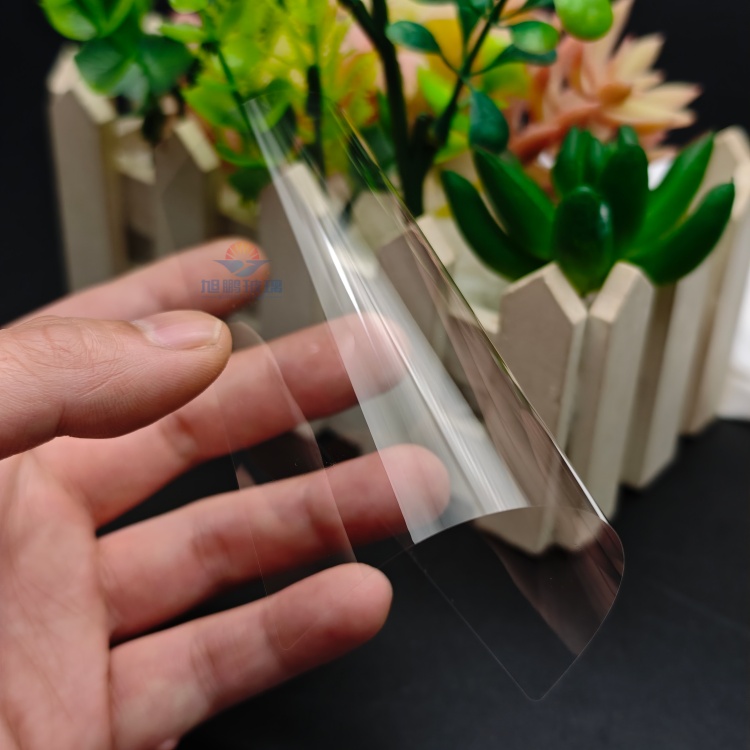
Ultra-thin Flexible UTG Glass, bendable and foldable, suitable for commercial aerospace and new energy industries
Thin-gauge flexible glass for bendable and foldable display concepts. Edge quality, handling and lamination compatibility should be confirmed during engineering review.

High-transmittance AR Coated Optical Glass, Ultra-clear Tempered Glass
AR-coated optical glass combined with an ultra-clear tempered substrate for display and control-panel covers. Coating, tempering and printing can be coordinated in one process route.

White Ceramic Glass-Ceramic, 4mm & 6mm, High Temperature Resistant Glass-Ceramic
White ceramic glass-ceramic in 4 mm and 6 mm for high-temperature resistance in appliance, lighting and industrial windows. Thermal and opacity requirements are confirmed by application.
Verified Metrics Buyers Can Use in a Supplier Scorecard
AUVE’s public company profile documents the operational scale, response speed and export reach that matter when shortlisting a colored tempered glass factory.
What Buyers Actually Mean by “Top Trusted Colored Tempered Glass Factories”
Buyers searching for top trusted colored tempered glass factories & factory are usually not looking for a long directory. They are trying to reduce a specific set of risks: color drift between batches, edge chipping, breakage during tempering, coating adhesion failure, late delivery and poor export packing. For an engineer, the question is whether color is fired into the glass as a ceramic frit, applied as a back-paint, produced from a tinted float body, or introduced through a laminated interlayer. Each route changes durability, touch feel, color depth, repair options and the allowable process sequence.
A trustworthy colored tempered glass factory can explain that route before quoting. It should be able to show how color is measured on the final tempered part, not only on an untempered color chip. Ask whether the factory measures with a spectrophotometer under D65 lighting, what ΔE tolerance it can hold for adjacent panels, and whether it keeps a signed color master or witness sample. For safety glass, ask how tempering stress, flatness, edge quality and fragmentation are checked. For printed or coated glass, ask about ink compatibility with the thermal cycle, coating adhesion and whether the coating is applied before or after tempering.
This is where information gain separates a serious factory from a catalog seller. A credible supplier provides a process route, control plan, batch traceability and failure analysis. For colored tempered glass, request a pre-production color master, a tempered witness sample and a production sample viewed under the actual lighting conditions of the project. For AR, AG, silk-screen and optical products, request transmission, reflection, gloss, haze or adhesion data as relevant. A factory that can answer with data and process discipline is more valuable than one that only shows polished photos.
Practical audit note: review the eight product references above as evidence of process breadth. They cover quartz, sapphire, AR-coated glass, ultra-white tempered covers, flexible UTG, ceramic glass-ceramic and large-format display glass—the same cutting, tempering, printing, coating and inspection platform needed for a colored tempered glass program.
Six Controls to Verify Before You Approve a Colored Tempered Glass Factory
Use this checklist as a sourcing scorecard. Each item should be documented, not assumed.
Color science discipline
Request D65 measurement, ΔE targets, a signed color master and batch witness retention. Confirm whether color is checked on tempered finished parts or only on raw glass.
Tempering control
Review furnace load records, flatness checks, edge inspection and fragmentation testing. For printed glass, confirm that the ceramic ink is compatible with the tempering profile.
Process sequence
Drilling, CNC edging, printing and coating must follow the correct order. A factory should flag risks before production, such as hole-to-edge distance or coating over printed areas.
Drawing review
Send CAD, DXF or PDF drawings with thickness, tolerance, edge, hole, printing and coating requirements. Demand a manufacturability review before the PO is released.
Verified credibility
Check onsite verification, credit index, transaction level, trade capacity and buyer reviews. Public verification is not a substitute for samples, but it reduces counterparty risk.
Export packing
For fragile glass, verify interleaving film or paper, foam corner protection, reinforced cartons or fumigation-free wooden crates, batch labels and loading photos.
Which Glass Route Fits Your Application?
Match the substrate and finishing route to the environment, not just the color reference.
Architectural & appliance panels
Choose ultra-white or low-iron tempered glass with fired ceramic ink when the color must survive cleaning, heat and daily wear. This route suits control panels, decorative socket covers, appliance fronts and interior glazing. Specify edge quality and cut-out tolerances early.
Display & HMI windows
For all-in-one PCs, industrial HMIs and kiosk covers, combine ultra-clear tempered glass with AR or AG coating. Define reflection, transmission, haze and gloss targets; then verify readability under real indoor or outdoor lighting. The 27-inch AR coated reference above is a useful starting point.
High-temperature & harsh environments
Quartz, sapphire and ceramic glass-ceramic are better choices when thermal shock, UV exposure or scratch resistance dominates. Use thick quartz for UV equipment, sapphire for scratch-critical windows and 4 mm or 6 mm ceramic glass-ceramic for high-temperature appliance or lighting windows.
Optical & flexible designs
AR-coated optical glass, K9, quartz and UTG support instrument windows, sensor covers and foldable display concepts. For thin flexible glass, confirm bend radius, lamination method, edge treatment and handling limits during DFM—not after the tooling is fixed.
How Colored Tempered Glass Procurement Is Changing
Cost per square meter remains important, but total risk cost is becoming the deciding metric. Buyers are comparing color consistency, documentary evidence, packing quality and supply resilience alongside price.
Illustrative Buyer Scorecard Weights
Color digitization
Buyers increasingly require digital color records, D65 measurement and batch-level ΔE reports. Color chips alone are no longer enough for multi-panel projects where adjacent parts must match.
Verifiable documentation
Onsite checks, credit indexes, transaction levels and trade history are becoming part of normal supplier due diligence. Procurement teams want evidence they can attach to internal approval files.
Dual-source planning
Rather than single-sourcing a custom color, many buyers qualify a primary and a backup route for tempered, printed and coated glass. That reduces exposure to furnace downtime and shipping disruption.
Lower-carbon glass
Energy use, recycled cullet, furnace efficiency and packaging waste are entering RFQs. Suppliers that can document process improvements without compromising color or tempering quality will have an advantage.
Small-batch agility
Product life cycles are shorter, so pilot quantities and rapid color changes matter more. MOQ flexibility for coated and optical parts—often from 10 to 50 pieces—can reduce launch risk.
Export resilience
Fragile-glass packing, Incoterm flexibility and clear loading evidence are now evaluated as part of landed cost. FOB, CFR, CIF, EXW, DDP, DDU, DAF and express options are practical RFQ questions.
Glass Features Buyers Should Prepare For
Colored tempered glass is no longer a standalone decorative part. It is increasingly combined with optical, thermal, printed and flexible functions.
AR + AG integration
Display covers increasingly combine anti-reflection and anti-glare behavior with tempered strength and printed borders. The specification must balance transmission, reflection, haze, gloss and scratch resistance.
Fired-in ceramic color
For appliance and architectural panels, ceramic frit fired into the glass offers durable color that resists cleaning and UV exposure. The key trend is tighter ΔE control and faster color-change cycles.
Thin flexible glass
Ultra-thin flexible UTG supports bendable and foldable device concepts. Buyers should define bend radius, edge treatment, lamination adhesive and handling requirements before requesting samples.
Ceramic glass-ceramic
White ceramic glass-ceramic in 4 mm and 6 mm is gaining attention for high-temperature appliance, lighting and industrial windows where dimensional stability and appearance matter.
Quartz & sapphire windows
UV equipment, sensors and high-temperature tools demand materials beyond ordinary soda-lime glass. Quartz and sapphire references help qualify a supplier’s ability to cut, polish and inspect hard materials.
Traceable custom lots
Buyers increasingly ask for lot-level traceability from raw sheet to packed carton. A factory with in-house cutting, tempering, printing, coating and final QC is better positioned to supply that record.
Why Dongguan AUVE Glass Co., Ltd. Belongs on the Shortlist
AUVE is a deep-processing glass manufacturer integrating R&D, design, production and export in Songshan Lake, Dongguan—one of China’s electronics and optoelectronics clusters.
Factory foundation
Founded in 2018, with 51–100 skilled employees and a 1,001–2,000 m² facility. The company is positioned as an onsite-checked supplier, not an anonymous trading layer.
Deep process breadth
Flat and curved tempered glass, ultra-clear low-iron glass, laminated and painted glass, AR/AG coated glass, silk-screen printed glass, touch/LCD cover glass, LED lighting glass and optical materials including K9, quartz, sapphire, borosilicate and Corning EXG alkali-free glass.
Verifiable credibility
Public profiles cover onsite assessment, credit index, transaction level, trade capacity, ratings and reviews, and trade history. Buyers can check these records before releasing a sample or bulk order.
Export service
Products are exported to the United States, Canada, Russia, South Korea, Japan, Australia and other markets. The team supports FOB, CFR, CIF, EXW, DDP, DDU, DAF and express delivery, with fragile-goods packing and an average response time within 7 hours.
AUVE’s stated philosophy—focusing on high-end glass, pioneering and innovating—is supported by a process chain that covers precision cutting, CNC edging and drilling, flat and curved tempering, high-temperature silk-screen printing, AR/AG coating, optical polishing and final dimensional, visual and optical checks. For OEMs and brand owners, that means fewer handoffs, clearer accountability and a faster route from a CAD drawing to a packed, export-ready glass part.
If your project needs colored tempered glass, printed control panels, AR display windows, quartz plates, sapphire windows, ceramic glass-ceramic or flexible UTG, the next step is an engineering review against your drawing, quantities and target market.
Frequently Asked Questions from Glass Buyers
Straight answers for sourcing teams comparing colored tempered glass factories and custom glass manufacturers.
How is color achieved in colored tempered glass?
Color can come from tinted float glass, a ceramic frit fired into the glass surface, back-painting, a laminated interlayer or a printed pattern. Each route behaves differently under tempering, cleaning and UV exposure. For durable exterior or appliance color, fired ceramic ink on low-iron or ultra-white glass is often preferred because the color becomes part of the glass surface rather than sitting on top of it.
Can a factory match a Pantone, RAL or brand color?
Yes, but “matching” should be defined. Ask for a signed color master, measurement under D65 lighting and an agreed ΔE tolerance. For adjacent panels, tighter tolerance may be required than for isolated decorative parts. Also confirm whether the color is being measured on the final tempered and printed part, not only on an untempered sample.
Is printing applied before or after tempering?
For fired ceramic ink, printing is typically applied before tempering so the ink fuses during the thermal cycle. The exact sequence depends on the ink system, coating and glass type. A factory should review ink compatibility, firing profile, hole and edge clearance, and whether any coating must be applied after printing.
What MOQ should I expect for custom glass?
MOQ depends on material and process. Many coated and optical glass parts can start from 10 to 50 pieces, while standard ultra-clear tempered parts often start from 100 to 500 pieces. Sample and pilot quantities can be discussed for new projects, especially when color matching, tooling or special packing is involved.
Can you produce glass to my own drawing?
Yes. Send a CAD, DXF or PDF drawing with thickness, tolerance, edge, hole, printing, coating and packing requirements. A proper engineering review covers CNC cutting, edging, drilling, tempering, silk-screen printing and AR/AG coating before production begins.
How do you reduce breakage during export shipping?
Fragile glass requires interleaving film or paper, foam corner protection, reinforced cartons or fumigation-free wooden crates, batch labels and controlled loading. Buyers should ask for packing photos and confirm the Incoterm, route and handling expectations before shipment.
Which Incoterms and export markets are supported?
AUVE supports FOB, CFR, CIF, EXW, DDP, DDU, DAF and express delivery. Products are exported to the United States, Canada, Russia, South Korea, Japan, Australia and other markets. Confirm the destination, customs setup and unloading constraints before finalizing the shipping term.
How quickly can I receive a technical response?
The published average response time is within 7 hours. Include your drawing, target quantity, glass type, thickness, finishing requirements and application environment so the reply can cover material, process route, MOQ and lead time.
How can I verify the supplier before ordering?
Review the company profile, onsite assessment, credit index, transaction level, trade capacity, ratings and reviews, and trade history. Then request a sample or pilot batch with agreed inspection criteria. Verification records reduce risk, but they do not replace drawing-based engineering review and incoming inspection.
Have a Colored Tempered Glass Drawing?
Share the drawing, target quantity, thickness, color reference, edge and hole requirements, coating or printing needs, and destination market. The team will review the process route, material and lead time before you commit to tooling or a bulk order.