8 High-Value Glass Cover Products for OEM Procurement
Buyers searching for top trusted glass cover exporters and wholesalers are not buying a generic sheet. They are qualifying a partner for a component that must survive bonding, printing, thermal cycling, cleaning, drop, scratch and end-user handling. These eight production routes cover foldable UTG, high-temperature borosilicate, 0.03 mm flexible glass, SCHOTT B270/D263T semiconductor blanks, high-precision optical wafers, Corning EXG double-sided polished wafers, white ceramic glass-ceramic and thick UV quartz.

Ultra-thin Flexible UTG Glass for Aerospace & New Energy
Bendable, foldable UTG for lightweight laminates, commercial aerospace and new-energy applications where thin-glass edge quality and coating compatibility are critical.
- Bendable
- Foldable
- Thin-glass handling
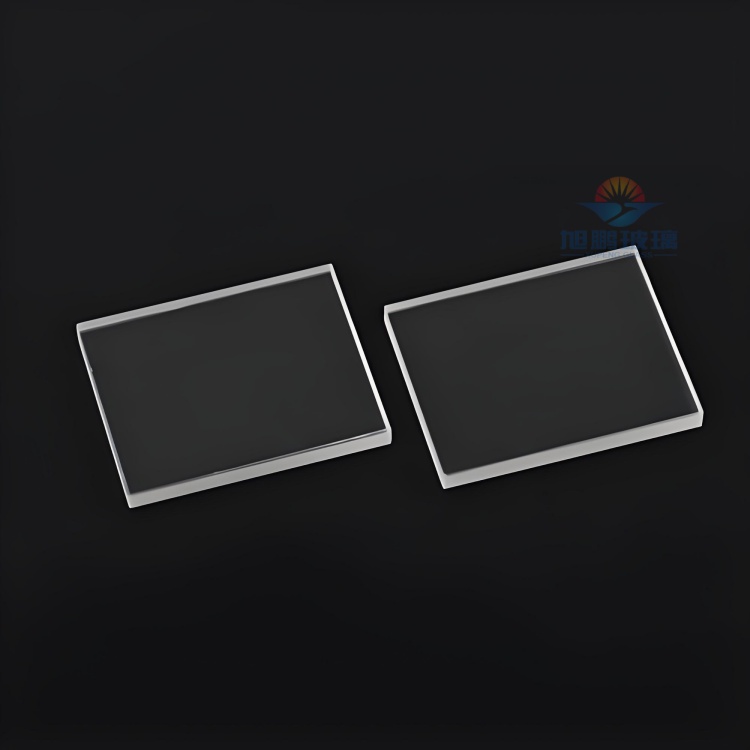
Customized High Borosilicate Tempered Window Glass
High-transparency borosilicate mirror window glass for equipment, instrument and appliance viewports where heat resistance and optical clarity must be specified together.
- Borosilicate
- Tempered
- High clarity
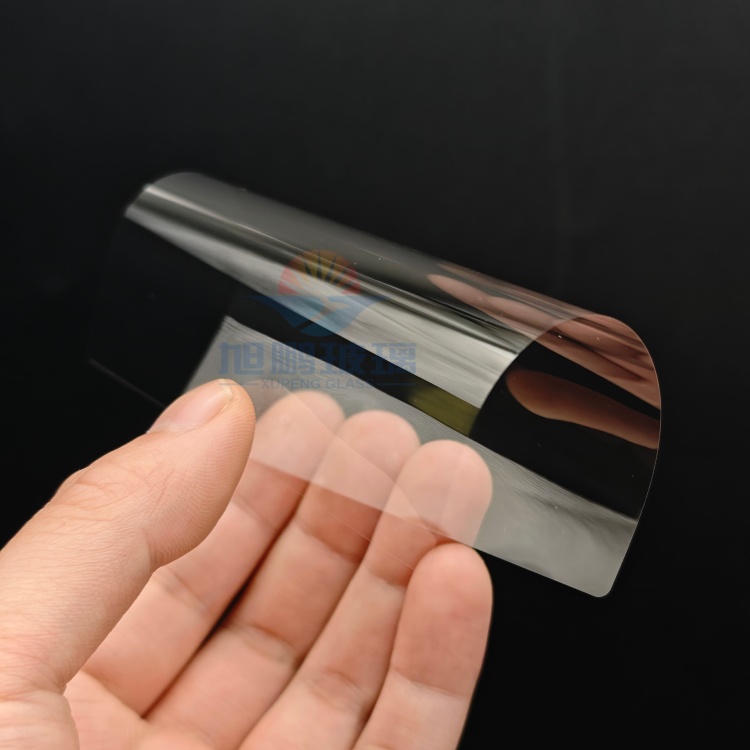
0.03 mm Ultra-thin Flexible Bendable Glass
A 0.03 mm flexible glass platform for foldable display concepts and lightweight device stacks, demanding controlled cutting, edge strengthening and inspection lighting.
- 0.03 mm
- Flexible
- Precision cutting

SCHOTT B270/D263T Semiconductor Glass Blank Cutting
Ultra-thin optical glass sheets with blank cutting and processing for semiconductor, electronic and precision optical assemblies requiring stable material provenance.
- B270/D263T
- Blank cutting
- Optical glass
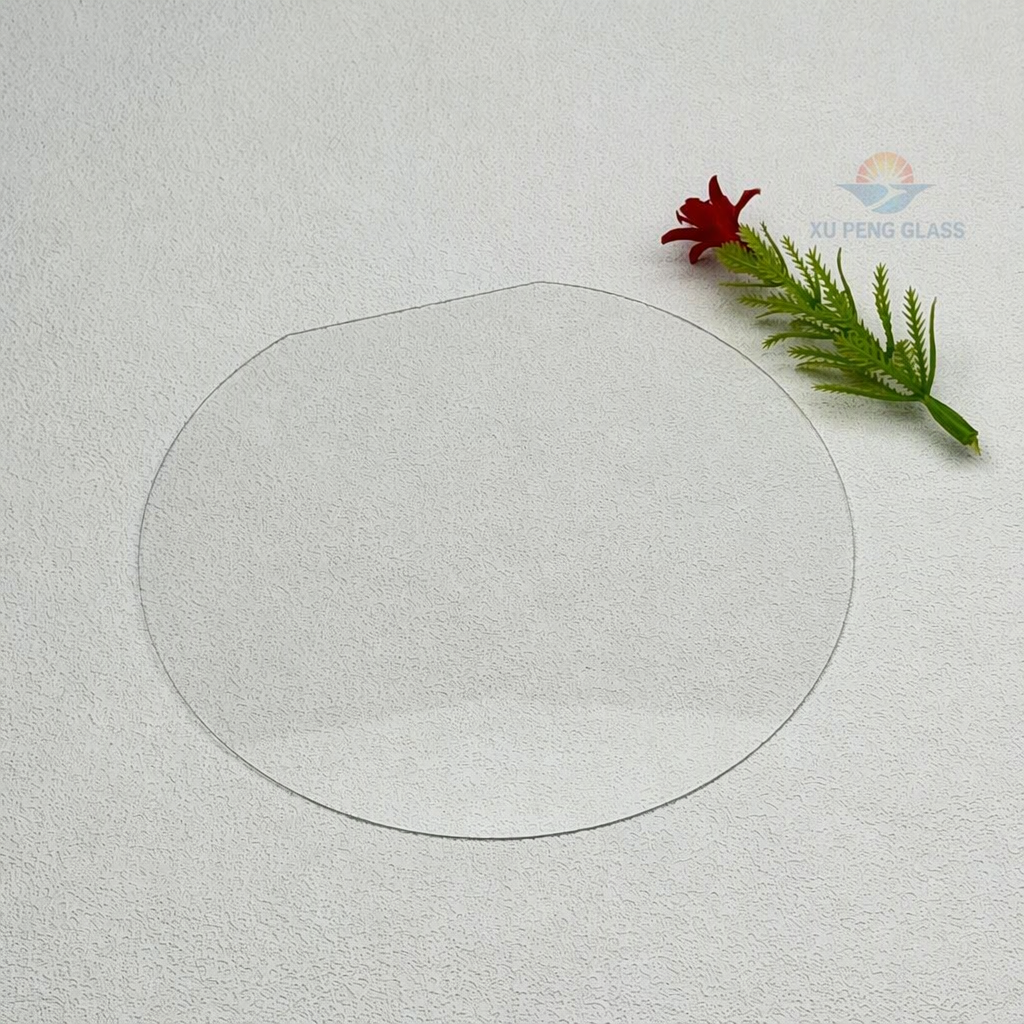
Ultra-thin High-Precision Optical Glass Wafers
Corning, SCHOTT and fused-silica wafer options for optical instruments, sensors and precision devices where flatness, surface quality and transmission matter.
- Corning
- SCHOTT
- Fused silica
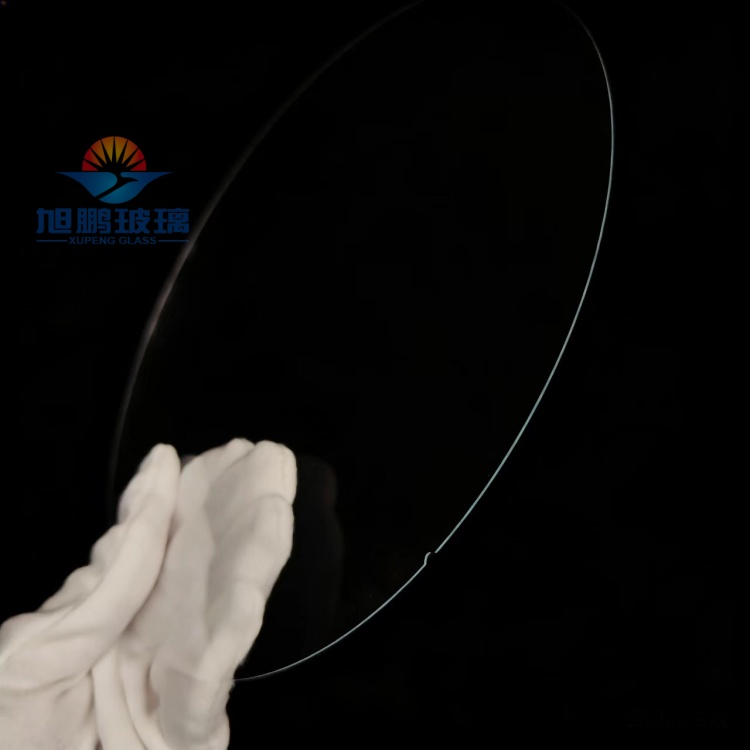
Corning EXG Double-Sided Polished Glass Wafers
Alkali-free Corning EXG wafer fabrication with double-sided polishing for semiconductor, MEMS and display-substrate development work.
- Corning EXG
- Double-side polish
- Custom fabrication
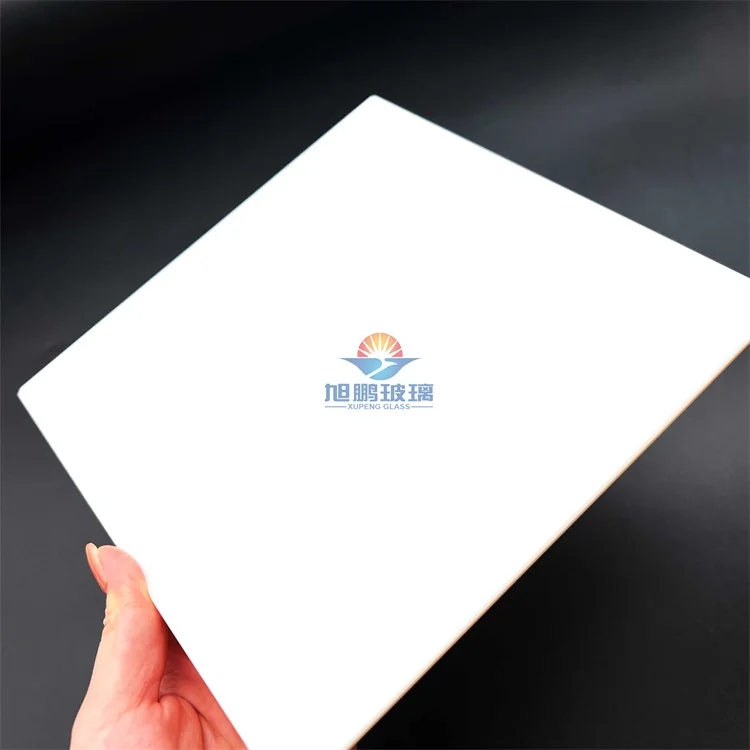
White Ceramic Glass-Ceramic, 4 mm & 6 mm
High-temperature resistant white glass-ceramic for appliance panels, induction cooktops, high-temp windows and designs where colour consistency and thermal stability are essential.
- 4 mm / 6 mm
- High temperature
- White ceramic
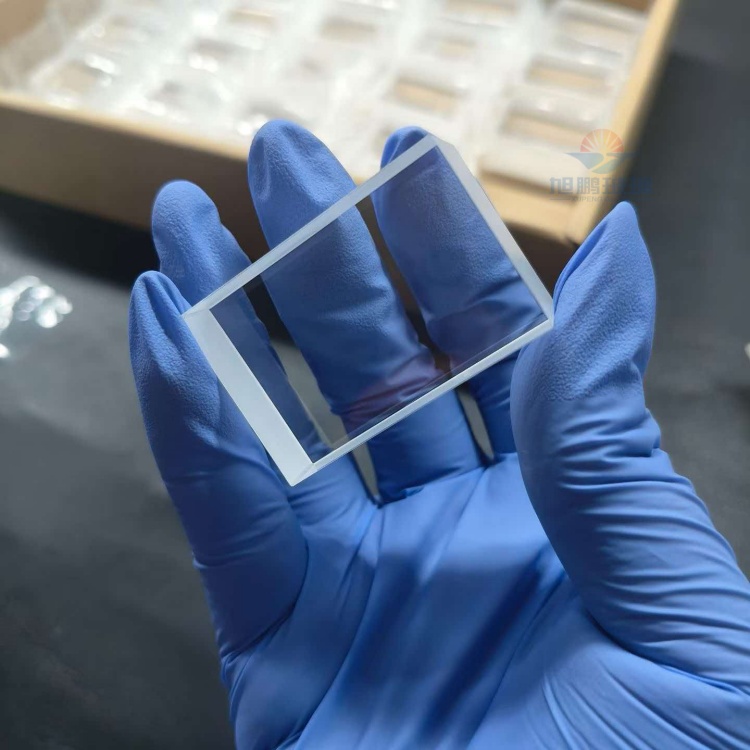
High UV Transmission Thick Quartz Glass Plate
Thick-gauge fused quartz for UV curing, disinfection and high-temperature viewports, selected for UV transmission, thermal shock resistance and surface quality.
- Thick gauge
- High UV
- Quartz
Every product above can be reviewed against your drawing for size, thickness, tolerance, edge profile, holes, printing and coating.
What “Trusted” Should Actually Mean in Glass Cover Sourcing
A trusted glass cover exporter is not simply a trading company with a product list. The supplier must understand the mechanical stack-up, the optical target, the cleaning and bonding process, the packaging risk and the documentation your quality team will ask for after the first shipment.
For procurement teams, the strongest qualification model is a two-stage process. Stage one is a desktop audit: confirm the supplier’s legal identity, production scope, material sources, process route and export record. Stage two is an engineering sample build: ask for parts made to your drawing and inspect dimensional tolerance, edge quality, surface defects, coating adhesion, print registration and packing. This approach separates real glass cover manufacturers from catalogue resellers.
Dongguan AUVE Glass Co., Ltd. is built around this deeper model. The company integrates R&D, design, production and export in Songshan Lake, Dongguan, one of China’s electronics and optoelectronics clusters. Its production scope covers flat and curved tempered glass, ultra-clear low-iron glass, AR anti-reflective and AG anti-glare coated glass, silk-screen printed glass, LCD and touch screen cover glass, LED lighting glass, instrument glass and advanced optical materials such as K9, quartz, sapphire, borosilicate and Corning EXG.
That breadth matters because glass cover projects rarely stay inside one category. A display cover may need ultra-clear low-iron glass, AR/AG coating and silk-screen printing. A high-temperature appliance panel may move from borosilicate to ceramic glass-ceramic. A semiconductor carrier project may require Corning EXG, SCHOTT B270/D263T or fused silica. A supplier able to control several process routes reduces the risk of split responsibility when something fails.
Our recommended buying position is straightforward: use exporters and wholesalers for reach and responsiveness, but qualify the behind-the-scenes process discipline. Ask for drawing-based feasibility feedback before price, because manufacturability drives cost and yield more than a generic quotation sheet ever will.
Buyer’s evidence stack
Use these six checks to qualify any glass cover exporter or wholesaler before a pilot order.
- Legal entity, factory location and onsite verification status.
- In-house cutting, CNC, tempering, printing, coating and QC claims.
- Material identity for low-iron, borosilicate, quartz, sapphire and EXG.
- Drawing review, tolerance feedback and inspection plan.
- Coating, printing, thermal and dimensional test reports.
- Fragile-goods packing method and Incoterms support.
Future Procurement Trends for Glass Cover Buyers, 2026–2030
The next sourcing cycle will reward buyers who evaluate engineering responsiveness, traceability and total landed cost instead of chasing the lowest piece price.
Dual-source qualification
OEMs are qualifying a primary and a backup glass cover supplier before launch, not after a quality escape. This is especially common in display covers, AR/AG windows and semiconductor wafers where a single process failure can stop an assembly line.
Total landed cost discipline
Procurement teams are adding breakage, rework, inspection, freight and line-stop risk to the quotation. A glass cover exporter with controlled packing and documented QC often beats a lower unit price once the first damaged pallet reaches the receiving dock.
Drawing-led sourcing
Catalogue products are becoming starting points, not final specifications. Buyers want a supplier who can review CAD, DXF or PDF drawings for thickness, tolerance, edge profile, holes, print windows and coating zones before the RFQ is frozen.
Traceability and PPAP-style evidence
Quality teams increasingly ask for material identity, batch labels, inspection criteria and change-control notes. This is particularly important for AR/AG coatings, printed tempered covers, optical wafers and high-temperature glass-ceramic panels.
Safer, leaner export packing
Fragile-goods packaging is moving from “extra cost” to a controlled engineering item: interleaving film, foam corners, reinforced cartons, fumigation-free wooden crates and batch labels that help receiving teams inspect quickly.
Faster technical inquiry loops
Average response time is now part of supplier performance. A glass cover exporter that can return manufacturability feedback, lead time and material advice in hours — not days — shortens the design cycle and reduces re-quotation.
Product Development Trends Reshaping Glass Covers
Glass covers are becoming thinner, stronger, more optically complex and more application-specific. These six trends should be written into your next RFQ.
Thinner, bendable UTG
Foldable and flexible devices continue to push demand for ultra-thin glass, including 0.03 mm flexible bendable glass and UTG for aerospace and new-energy projects. The critical supply question is not only thickness, but edge quality, handling cleanliness and coating compatibility.
AR, AG and anti-fingerprint stacks
Display covers are no longer judged only by transmission. Buyers specify low reflection, anti-glare haze, scratch resistance and easy-clean surfaces. AR-coated optical glass and AG anti-glare glass are becoming standard options for touch modules, AIO PCs, kiosks and industrial HMIs.
Ultra-clear low-iron tempered covers
Low-iron glass reduces the green edge tint common in standard float glass, making it preferable for smart control panels, appliance covers, LED lighting and advertising light boxes where colour fidelity and edge appearance matter.
Semiconductor and precision optics
Corning EXG, SCHOTT B270/D263T, fused silica and optical wafer platforms are moving from specialist labs into broader industrial supply chains. Buyers need double-sided polishing, blank cutting, flatness control and clean packaging — not just material grade.
High-temperature borosilicate and ceramic glass
Borosilicate window glass and white ceramic glass-ceramic in 4 mm and 6 mm formats are increasingly specified for appliances, induction cooktops, instrument windows and equipment viewports that face heat, cleaning agents and thermal cycling.
Quartz, sapphire and harsh-environment covers
UV curing, disinfection, sensor protection and high-temperature equipment demand materials such as high-UV thick quartz glass plates and scratch-resistant sapphire. These projects require early material selection because processing windows and inspection methods differ sharply from tempered glass.
Recommended Glass Cover Product Matches by Application
Use this matrix to shortlist the right product route before contacting a glass cover exporter. Final material and process selection should be confirmed against your drawing and test standard.
| Application | Recommended glass cover | Why specify it | Procurement check |
|---|---|---|---|
| Display & touch cover | Ultra-clear tempered glass with AR/AG coating | Improves contrast, reduces glare and protects the display stack. | Coating adhesion, haze, transmission, print registration and flatness. |
| Foldable & flexible devices | 0.03 mm ultra-thin flexible bendable glass / UTG | Supports bending and thin stack-ups without adding excess weight. | Edge quality, handling cleanliness, bend radius and lamination compatibility. |
| High-temperature appliance panel | Borosilicate tempered glass or white ceramic glass-ceramic 4 mm / 6 mm | Resists heat, thermal shock and cleaning cycles while holding appearance. | Thermal test, colour consistency, cut-out tolerance and edge treatment. |
| Semiconductor & MEMS | Corning EXG double-sided polished wafer, SCHOTT B270/D263T blank | Provides low-alkali or stable substrate options for precision processes. | Material certificate, flatness, surface quality, particle control and packing. |
| Optical instruments | High-precision optical glass wafer / K9 / fused silica | Delivers controlled transmission, refractive performance and surface quality. | Polishing spec, chamfer, inspection report and coating requirement. |
| UV curing & disinfection | High UV transmission thick quartz glass plate | Maintains UV transmission and thermal shock resistance in harsh equipment. | UV transmission at target wavelength, thickness, bubbles and annealing condition. |
A 12-Point Audit for Glass Cover Exporters & Wholesalers
Use this audit before a sample order. It is designed for procurement, engineering and quality teams evaluating factory-direct suppliers and wholesale partners in China.
1. Identity and scope
Confirm the legal entity, factory address and product scope. A wholesaler may be useful for small mixed orders, but the production process must still be traceable to a qualified glass deep-processing factory.
2. In-house process control
Ask which steps are in-house: cutting, CNC edging, drilling, tempering, silk-screen printing, AR/AG coating, polishing and final inspection. More controlled steps usually mean faster corrective action.
3. Material identity
For low-iron, borosilicate, quartz, sapphire, K9 and Corning EXG, request material identity and batch notes. Do not accept a generic “high-quality glass” answer for a precision cover.
4. Drawing review
A strong exporter will flag risk before production: thin walls, sharp corners, hole-to-edge distance, print windows, coating zones and tempering limits. This feedback is a positive buying signal.
5. Sample inspection plan
Agree on dimensional checks, visual defects, edge quality, coating performance and print registration. Define acceptance criteria before the first article is made.
6. Change control
Ask how material batch, ink, coating recipe or process changes are communicated. Uncontrolled change is a common hidden risk in glass cover supply.
7. Packing validation
Review interleaving film, foam protection, carton strength, crate type and labelling. For fragile glass, packing is part of product quality, not a logistics afterthought.
8. Export documentation
Confirm commercial invoice, packing list, material or inspection documents and Incoterms. AUVE supports FOB, CFR, CIF, EXW, DDP, DDU, DAF and express delivery.
9. Communication speed
Set a response benchmark. For active projects, a supplier’s average response time can influence launch timing. AUVE’s average technical response time is within 7 hours.
10. Market experience
Check whether the exporter has shipped to your region. AUVE exports to the United States, Canada, Russia, South Korea, Japan, Australia and other markets.
11. Warranty and corrective action
Define how breakage, coating defects, dimensional misses or print errors are handled. A clear corrective-action path is more valuable than a vague quality promise.
12. Total risk score
Score each supplier on quality risk, communication risk, logistics risk and commercial risk. Choose the lowest total-risk partner, not only the lowest unit price.



Why AUVE Glass Is a Qualified Export Partner for Glass Covers
Dongguan AUVE Glass Co., Ltd. is a deep-processing glass manufacturer integrating R&D, design, production and export in Songshan Lake, Dongguan, Guangdong. The company processes flat and curved tempered glass, ultra-white, laminated and painted glass, LCD and touch screen glass, smart control panel glass, LED lamp glass, instrument glass, AR high-transmittance glass and AG anti-glare glass.
Guided by the philosophy of “focusing on high-end glass, pioneering and innovating”, AUVE invests in skilled engineers and advanced equipment to deliver complete glass solutions for OEMs, brand owners and distributors. Production follows defined process standards and a documented quality management system, so every batch can be traced from raw sheet to packed carton.
- Business type
- Manufacturer & trading
- Location
- Dongguan, Guangdong, China
- Team size
- 51–100 employees
- Main markets
- USA · Canada · Russia · Japan · Korea · Australia
Precision cutting
Automatic and CNC cutting from float, low-iron and optical stock.
CNC edging & drilling
Edge grinding, beveling, grooving, holes and laser punching.
Tempering
Flat and curved thermal tempering for impact and thermal resistance.
Silk-screen printing
High-temperature ceramic inks, logos, windows and icons.
AR / AG coating
Anti-reflective, anti-glare, mirror and functional coatings.
QC & export packing
Dimensional, visual and optical checks, then protective packing.
Export Terms, Packing and Delivery Risk for Glass Covers
Glass covers are fragile, clean-sensitive and often visible after assembly. The commercial terms must be matched by packaging and inspection discipline.
Incoterms support
AUVE supports FOB, CFR, CIF, EXW, DDP, DDU, DAF and express delivery. Choose the term that matches your customs setup, freight control and risk appetite.
Fragile-goods packing
Interleaving film or paper, foam corner protection, reinforced cartons and fumigation-free wooden crates help protect edges, corners and coated surfaces.
Export market experience
Products are exported to the United States, Canada, Russia, South Korea, Japan, Australia and other markets, with packaging and documentation adapted to fragile glass parts.
Glass Cover Exporters & Wholesalers: Frequently Asked Questions
Direct answers to the questions procurement and engineering teams ask most often when evaluating glass cover supply from China.
What types of glass does Dongguan AUVE Glass manufacture?
AUVE processes flat and curved tempered glass, ultra-clear low-iron glass, laminated and painted glass, AR anti-reflective and AG anti-glare coated glass, silk-screen printed glass, touch screen and LCD cover glass, LED lighting glass, instrument glass, and optical materials such as K9, quartz, sapphire, borosilicate, ceramic glass-ceramic and Corning EXG alkali-free glass.
Can you produce glass covers to my own drawing?
Yes. Send a CAD, DXF or PDF drawing with thickness, tolerance, edge, hole, printing and coating requirements. Engineers review manufacturability before production, covering CNC cutting, edging, drilling, tempering, silk-screen printing and AR/AG coating. Early drawing review is the fastest way to reduce rework and quotation churn.
What is the minimum order quantity for a glass cover project?
MOQ depends on material and process. Many coated and optical glass parts start from 10 to 50 pieces, while standard ultra-clear tempered parts typically start from 100 to 500 pieces. Sample and pilot quantities can be discussed for new projects, especially when the process route is still being validated.
Which Incoterms and shipping methods do you support?
AUVE supports FOB, CFR, CIF, EXW, DDP, DDU, DAF and express delivery. Export packing is designed for fragile glass parts, with interleaving protection, reinforced cartons or wooden crates and batch labels where required.
Which markets do you export glass products to?
Glass products are exported to the United States, Canada, Russia, South Korea, Japan, Australia and other markets. For new markets, confirm the required documentation, labelling language and delivery term before shipment.
How quickly do you reply to technical inquiries?
Average response time is within 7 hours. Email info@auveglass.com with your drawing and quantity for an engineering review, or use the inquiry button on this page. Include the application, target thickness, tolerance, coating or printing requirement and expected annual volume.
How do you control quality for AR/AG, printed and optical glass covers?
Quality control should match the product route. For coated covers, check adhesion, haze, transmission and surface cleanliness. For printed covers, check registration, ink cure and window accuracy. For optical wafers and semiconductor glass, check flatness, surface quality, material identity and particle-controlled packing.
What information should I include in an RFQ?
Include a drawing or 3D file, glass type, thickness, tolerance, edge and hole requirements, printing or coating zones, surface quality criteria, quantity, target delivery date and any test standard. If a specification is still open, say so; a good engineering team will propose a manufacturable route and flag cost drivers before sampling.
Have a Glass Cover Drawing? Get an Engineering Review.
Share your size, thickness, tolerance, edge, printing, coating and quantity requirements. Our team will confirm material, process route and lead time — usually within 7 hours.