Top Trusted LCD Glass Manufacturers & Exporters
A buyer-focused guide to tempered, AR/AG coated, ultra-clear, ceramic, sapphire and TGV glass — with eight production-ready products from Dongguan AUVE Glass Co., Ltd.
Eight LCD Glass Products Worth Shortlisting
The shortlist below combines factory-floor practicality with purchasing relevance: display cover glass, AR optical glass, high-temperature sapphire, ceramic glass-ceramic, ultra-clear tempered glass and TGV wafer substrates. Each item can be customised by drawing, thickness, tolerance, edge profile, holes, printing and coating.
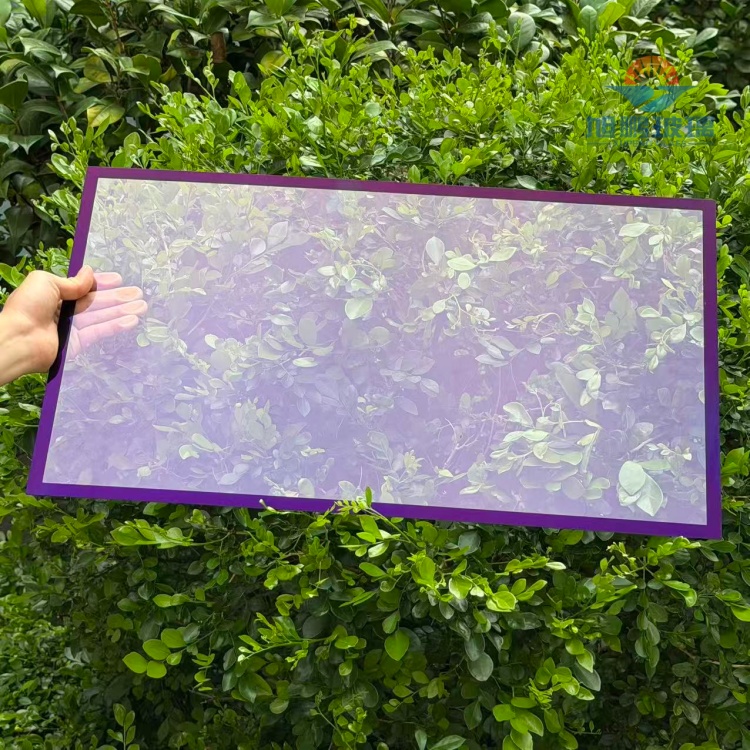
27-inch All-in-One PC AR Coated Glass
Large-format AR cover glass for all-in-one PCs, interactive displays and kiosk modules where reflection control matters.
- 27-inch
- AR coated
- Display cover
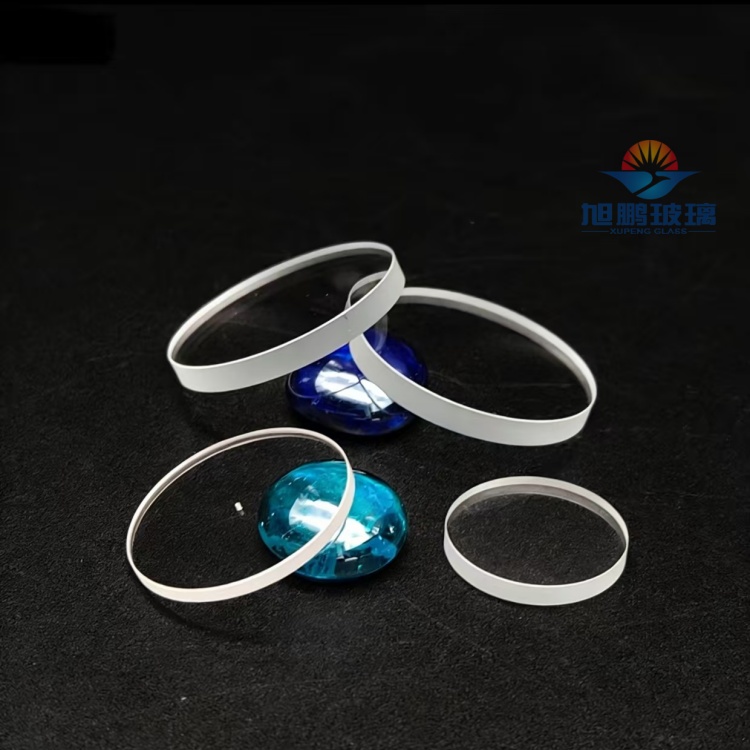
Sapphire Glass Step Window Wafers, High Temperature Resistant & High Light Transmittance Optical Sapphire Lenses
Scratch-resistant sapphire windows for sensors, instruments and high-temperature optical viewing applications.
- Sapphire
- High temp
- Optical
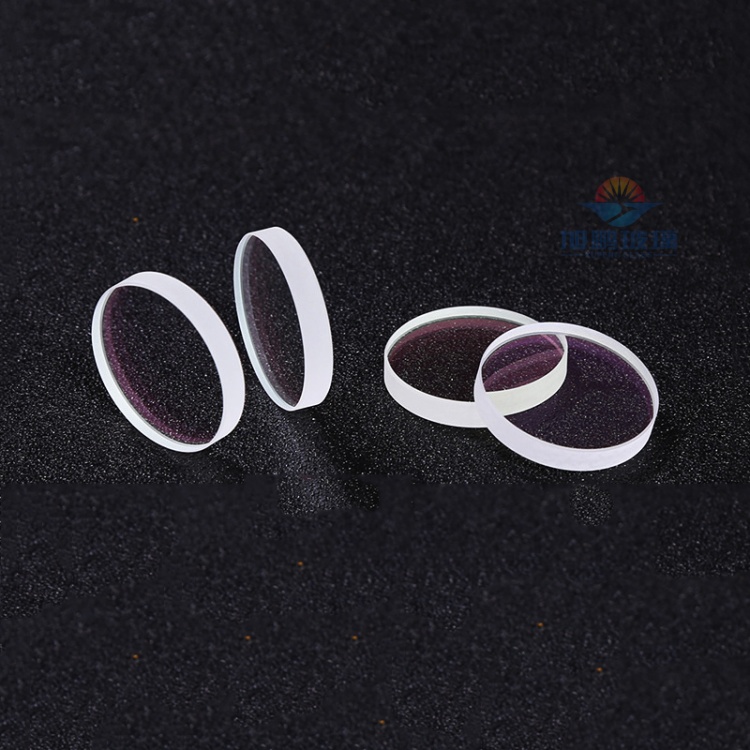
Ultra-clear Tempered Glass, Custom Processing Available: Drilling, Etching, AG Coating, Silk Printing, AR Coating
A flexible platform for LCD cover glass and control panels requiring multiple finishing steps on one part.
- Drilling
- Etching
- AG / AR
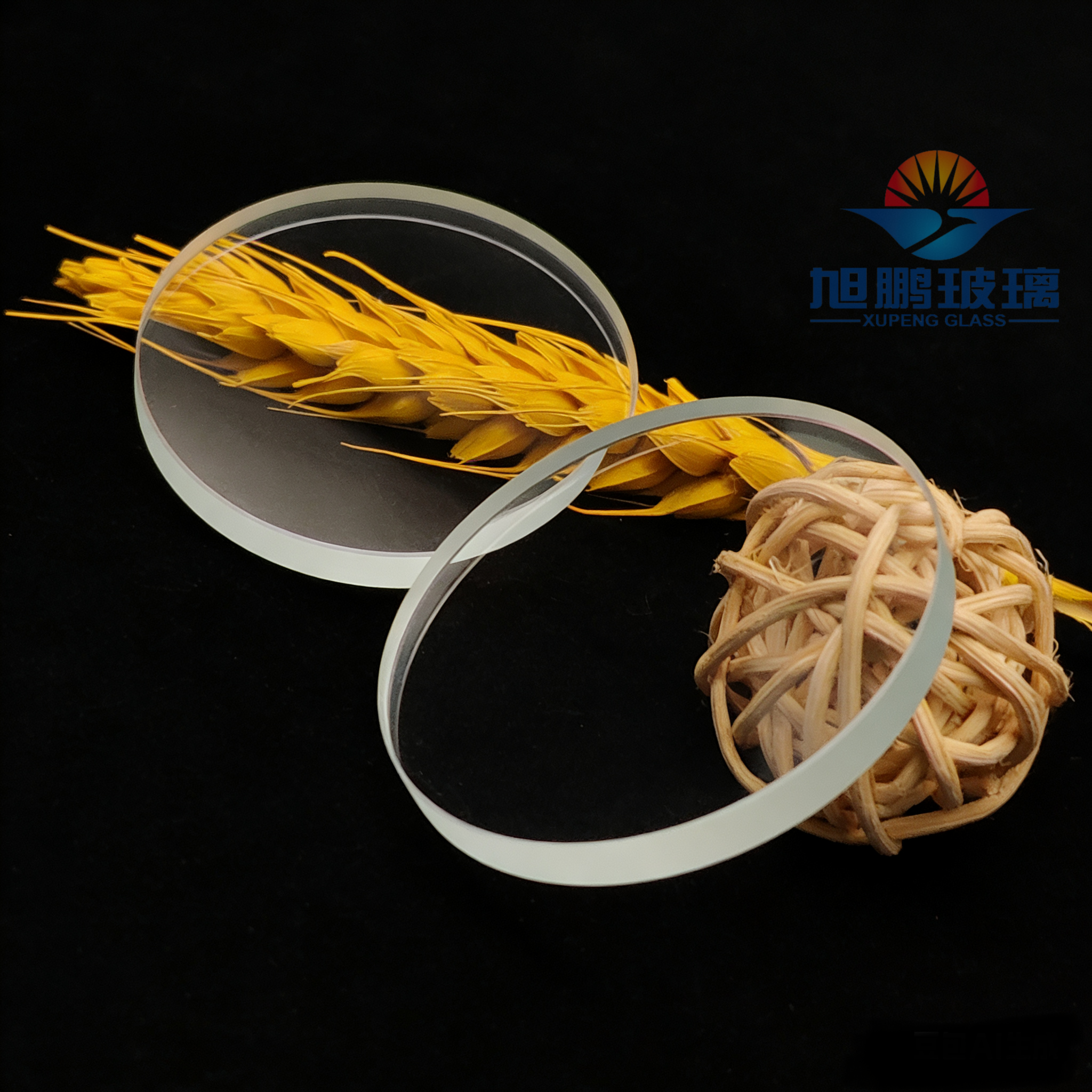
Low Iron Round High Transmittance Tempered Glass Panel with Precision Polished Edges, Flat Clear Glass
Clear, low-iron tempered glass for lighting fixtures, decorative panels and premium appliance interfaces.
- Low-iron
- Round panel
- Polished edge
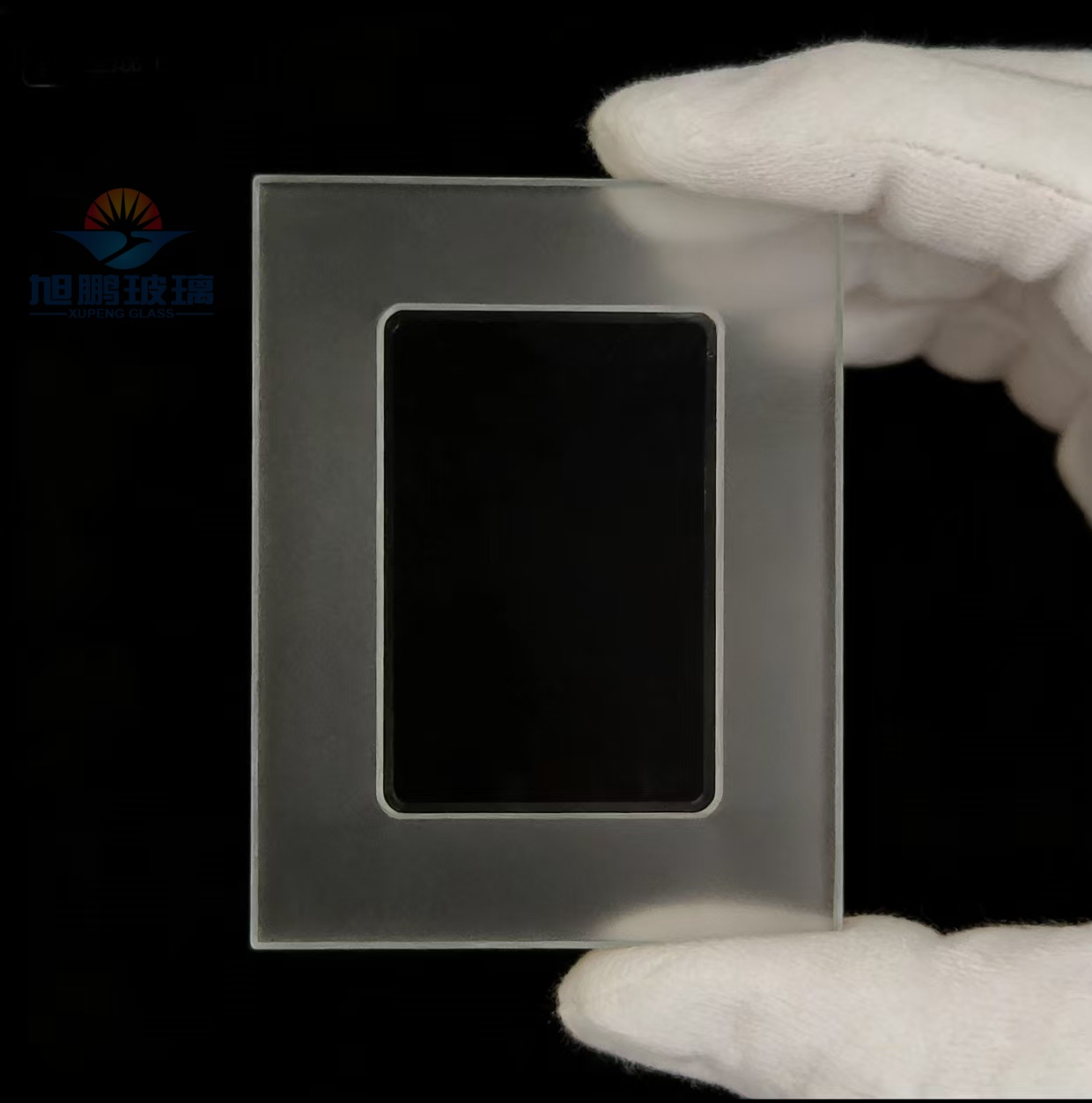
Custom Ultra-White Clear Tempered Glass Socket Decorative Cover for Stairways
Ultra-white tempered glass covers for switches, sockets and stairway details where clarity and cut-outs matter.
- Ultra-white
- Custom cut-outs
- Tempered

White Ceramic Glass-Ceramic, 4mm & 6mm, High Temperature Resistant Glass-Ceramic
Heat-resistant glass-ceramic for appliance panels, heat shielding and high-temperature window applications.
- 4mm / 6mm
- Ceramic
- Heat resistant
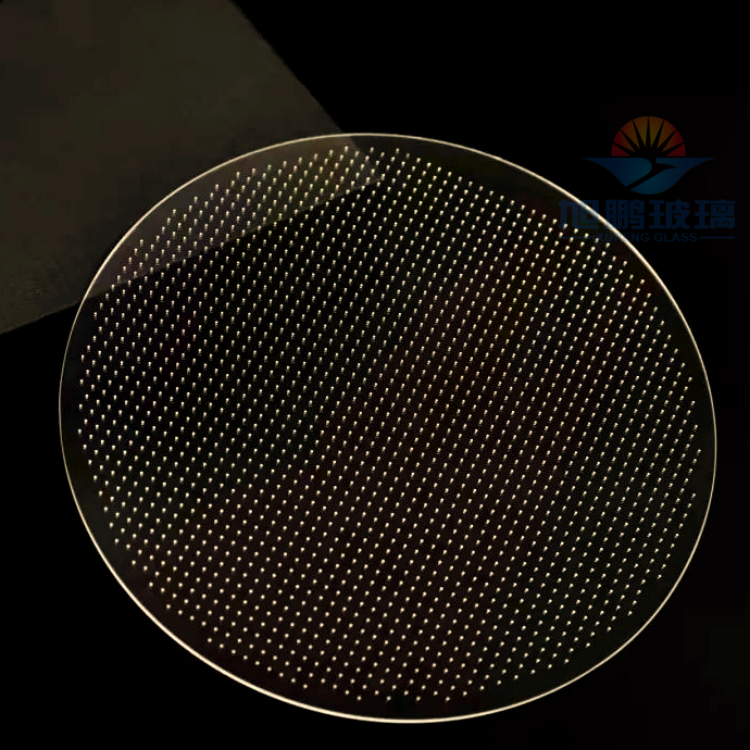
Schott BF33 TGV Microvia Glass Wafer, Packaging Substrate for Sensors & Chips
Through-glass via wafer substrate for advanced packaging, sensor packages and chip-scale integration.
- BF33
- TGV
- Wafer

High-transmittance AR Coated Optical Glass, Ultra-clear Tempered Glass
Ultra-clear tempered glass with AR coating for display windows, optical modules and instrument covers.
- AR coated
- Ultra-clear
- Tempered
Why LCD Glass Sourcing Is Now a Strategic Supplier Decision
LCD glass is no longer a commodity line item. In displays, industrial HMIs, medical instruments, appliance panels, automotive interfaces and advanced packaging, the glass surface is part of the optical stack, the touch experience, the thermal path and the product’s perceived quality. A supplier that can only cut glass is not enough; buyers need a manufacturer that can connect material selection, coating, printing, tempering, edge quality and export packing into one traceable process.
That is why experienced procurement teams evaluate total landed cost and technical risk, not merely unit price. A low-priced part that fails dimensional inspection, introduces glare in the field, or arrives with edge chips can erase the savings before the first production run. The strongest LCD glass manufacturers and exporters provide early engineering review, documented process control and credible verification data.
Dongguan AUVE Glass Co., Ltd. is a factory-direct deep-processing glass manufacturer integrating R&D, design, production and export in Songshan Lake, Dongguan, Guangdong, China. Since 2018, the company has focused on tempered, ultra-clear, AR/AG coated, silk-screen printed and precision optical glass for OEMs, brand owners and distributors. Its operating philosophy — “focusing on high-end glass, pioneering and innovating” — is supported by in-house cutting, CNC edging, drilling, tempering, printing, coating, inspection and export packing.
LCD Glass Product Trends Reshaping Specification Decisions
Product development is moving toward higher optical performance, thinner or stronger formats, and more integrated finishing. These trends matter because they change what buyers should specify, inspect and validate before mass production.
AR and AG Coatings Become Default Discussions
Anti-reflective coating reduces surface reflection and improves display contrast, while anti-glare etching diffuses harsh light in outdoor and industrial environments. Buyers increasingly ask for single-side or double-side AR, AG, and combined AR+AG options rather than accepting bare glass. The key is to define reflectance, haze, gloss, transmission and durability targets before sampling.
Large-format Cover Glass with Better Edge Quality
All-in-one PCs, interactive kiosks, industrial monitors and smart appliances are pushing cover glass sizes upward. Large formats magnify edge defects, bowing and coating uniformity issues, so CNC edge polishing, flatness control and clean silk-screen registration become more important than simple cutting capacity.
TGV Glass Wafers for Advanced Packaging
Through-glass vias are gaining attention in sensor packaging, RF modules and chip-scale integration. Buyers need wafer-level flatness, via geometry control, clean surfaces and compatible substrate materials such as borosilicate glass. This is a different purchasing conversation from conventional LCD cover glass and requires early process alignment.
High-temperature Ceramic and Sapphire Windows
Appliance panels, sensors, instruments and industrial viewports are driving demand for glass-ceramic and sapphire components that tolerate heat, scratching and chemical exposure. Buyers should compare thermal shock, hardness and optical clarity against the actual field conditions rather than defaulting to standard tempered glass.
Low-iron Ultra-clear Aesthetics
Low-iron glass removes the green edge tint common in standard float glass, making it preferable for premium control panels, lighting, decorative covers and light boxes. The purchasing challenge is to match transmission and colour consistency across batches while keeping tempering and printing quality stable.
Printed Graphics and Functional Integration
Silk-screen printed glass combines branding, icons, light windows, touch zones and decorative effects in one part. Multi-colour printing, high-temperature ceramic inks and precise registration reduce assembly steps but demand disciplined artwork review, tooling control and first-article approval.
Procurement Trends: How Leading Buyers Are De-Risking LCD Glass Supply
Purchasing teams are redesigning glass sourcing around resilience, verified capability and earlier supplier involvement. The most effective RFQs now include process questions, not only price and lead time.
Total Landed Cost over Unit Price
Buyers are factoring coating yield, breakage rate, packing quality, customs terms and rework risk into the award decision. A supplier with in-house process control can reduce hidden costs even when the quoted unit price is not the lowest.
Dual Sourcing and Process Transparency
Cross-border buyers increasingly request evidence of cutting, tempering, coating and inspection capability instead of relying on catalog photos. Clear process route documentation makes it easier to qualify a second source or shift volume during demand spikes.
Early Supplier Involvement in Design
Manufacturability feedback before tooling saves more money than late inspection catches. Sending CAD, DXF or PDF drawings with tolerance, edge, hole, printing and coating requirements helps engineers flag risks before samples are made.
Verified Credentials and ESG Evidence
Onsite verification, credit index, transaction level, trade history and buyer feedback are now part of supplier due diligence. Buyers also ask about packing materials, fumigation-free crates, energy use and responsible manufacturing practices.
LCD Glass Selection Matrix and Supplier Scorecard
Use this matrix to narrow the material and process route before requesting samples. The final specification should still be confirmed against your drawing, assembly method, cleaning process and field environment.
| Glass Type | Key Property | Best-fit Applications | Available Processing |
|---|---|---|---|
| Ultra-clear Low-iron Tempered | High visible transmission and reduced green edge tint; tempered strength for durability | Smart control panels, appliance covers, LED lighting, light boxes | CNC shaping, drilling, silk-screen, AR/AG |
| AR Coated Glass | Low surface reflection and improved display contrast | Touch modules, AIO PCs, instrument windows, museum glazing | Single/double-side AR, tempering, printing |
| AG Anti-Glare Glass | Micro-textured surface diffuses glare; gloss and haze selectable | Outdoor LCDs, industrial HMIs, kiosks | Etched AG, AG+AR, tempering |
| Silk-Screen Printed Tempered | Fired ceramic ink fused into glass for durable graphics | Instrument panels, appliances, switch and socket covers | Multi-colour printing, IR/window ink, holes |
| Sapphire Glass | Scratch resistance and high-temperature capability | Sensor covers, high-temperature windows, optical instruments | Cutting, polishing, chamfering |
| Glass-Ceramic | Heat resistance and stable visual appearance | Appliance panels, heat shielding, high-temperature windows | CNC cutting, edging, printing |
| TGV Glass Wafer | Through-glass vias for advanced packaging and sensor substrates | Sensor packages, RF modules, chip-scale packaging | Wafer polishing, microvia, dicing |
| Ultra-Thin Flexible Glass | Bendable format for thin display stacks | Foldable displays, flexible electronics | Precision cutting, edge strengthening |
Reference data only. Production specifications are confirmed by drawing, sample approval and agreed inspection standard.
Engineering Response
Drawing review and technical feedback path.
Process Depth
Cutting, edging, drilling, tempering, printing and coating.
Verified Trade Record
Onsite check, credit index, transaction level and reviews.
Export Packing
Protective film, foam corners and reinforced export packing.
Why Dongguan AUVE Glass Is Positioned as a Trusted Export Partner
Dongguan AUVE Glass Co., Ltd. operates as a deep-processing glass manufacturer and exporter in Songshan Lake, Dongguan — an electronics and optoelectronics cluster in Guangdong, China. The company’s advantage is not a single machine or a single coating line; it is the ability to coordinate material, process, inspection and export packing under one supplier relationship.
For LCD glass buyers, this matters because display cover glass often passes through several process steps: cutting, CNC edging, drilling, tempering, silk-screen printing, AR/AG coating and final inspection. When these steps are handled by separate vendors, communication costs rise and defect ownership becomes unclear. AUVE’s factory-direct model keeps the process route visible and easier to audit.
Buyers can also review supplier evidence before placing a bulk order: onsite-checked supplier status, credit index, transaction level, trade capacity, ratings and reviews, and trade history. This is the type of verifiable information gain that supports a serious sourcing decision rather than a catalogue-only comparison.

Factory-Direct Deep Processing
In-house cutting, CNC edging, drilling, tempering, silk-screen printing, AR/AG coating and inspection reduce hand-offs and protect tolerances.
Engineering Review Before Quotation
Send CAD, DXF or PDF drawings with thickness, tolerance, edge, hole, printing and coating requirements. Engineers review manufacturability before production.
Verified Supplier Credentials
Onsite-checked supplier profile, credit index, transaction level, trade capacity, ratings, reviews and trade history are available for buyer due diligence.
Flexible MOQs and Export Terms
Many coated and optical glass parts start from 10–50 pieces; standard ultra-clear tempered parts often start from 100–500 pieces. Terms include FOB, CFR, CIF, EXW, DDP, DDU, DAF and express.
Global Markets and Fast Response
Products are exported to the United States, Canada, Russia, South Korea, Japan, Australia and other markets. Average response time is within 7 hours.
Quality Control and Export Packing
Dimensional, visual and optical checks are followed by protective film, foam corners and reinforced cartons or wooden crates for fragile glass parts.

Frequently Asked Questions from LCD Glass Buyers
These are the questions procurement and engineering teams ask most often when comparing LCD glass manufacturers and exporters.
What types of LCD glass does Dongguan AUVE Glass manufacture?
The company processes flat and curved tempered glass, ultra-clear low-iron glass, laminated and painted glass, AR anti-reflective and AG anti-glare coated glass, silk-screen printed glass, touch screen and LCD cover glass, LED lighting glass, instrument glass, and optical materials such as K9, quartz, sapphire, borosilicate and Corning EXG alkali-free glass.
Can you produce glass to my own drawing?
Yes. Send a CAD, DXF or PDF drawing with thickness, tolerance, edge, hole, printing and coating requirements. The engineering team reviews manufacturability before production, covering CNC cutting, edging, drilling, tempering, silk-screen printing and AR/AG coating.
What is the minimum order quantity?
MOQ depends on material and process. Many coated and optical glass parts start from 10 to 50 pieces, while standard ultra-clear tempered parts typically start from 100 to 500 pieces. Sample and pilot quantities can be discussed for new projects.
How do I choose between AR, AG and AR+AG glass?
Choose AR when reflection and contrast are the main issues; choose AG when ambient light creates glare in outdoor or industrial environments; consider AR+AG when both low reflection and glare diffusion are required. Define transmission, haze, gloss and durability targets before sampling.
Which Incoterms and shipping methods are supported?
FOB, CFR, CIF, EXW, DDP, DDU, DAF and express delivery are supported, with export packing designed for fragile glass parts. The selected term should match your customs setup and risk preference.
Which markets are served and how fast is the response?
Glass products are exported to the United States, Canada, Russia, South Korea, Japan, Australia and other markets. Average response time is within 7 hours. Email info@auveglass.com with your drawing and quantity for an engineering review.
Request a Drawing-Based LCD Glass Quote
Share your size, thickness, tolerance, edge profile, holes, printing, coating and target quantity. AUVE’s team can confirm material, process route, MOQ, lead time and export packing — usually within 7 hours.