Supplier & Wholesaler Intelligence · 2025 Edition

Top Trusted LED Display Glass Suppliers & Wholesalers

How OEM buyers separate real LED display glass processors from re-labelling traders, which eight substrates matter most, and where procurement is heading through 2028.

  • 2018Factory established in Dongguan
  • 51–100Skilled employees on site
  • ≤7hAverage technical reply time
  • 6+Core export markets served
Product Recommendation

Eight Glass Substrates That Define a Trusted LED Display Glass Supplier

Every product below is a production SKU with a live specification page, a defined material and a processing route that runs inside one facility — from a UV-grade alkali-free window to a silk-printed socket cover.

Corning EXG alkali-free glass UV high-transmittance optical window substrate
Optical Window

Corning EXG Alkali-Free UV Optical Window Substrate

An alkali-free aluminoborosilicate with high UV transmission and a low coefficient of thermal expansion. Specified wherever sodium migration or dimensional drift would degrade a sensor, a UV curing window or a photonic package. Supplied cut to drawing, chamfered and optionally double-side polished.

  • Alkali-free
  • UV grade
  • Low CTE
View specifications
K9 optical glass K9 crystal glass for optical instruments
Optical Glass

K9 Optical Glass for Optical Instruments

K9 is the Chinese equivalent of BK7 crown glass: refractive index around 1.5168, low bubble content and good homogeneity at a fraction of imported cost. Typical parts are lenses, prisms, light-guide windows and instrument cover plates, polished to your flatness and surface-quality callout.

  • nd ≈ 1.5168
  • Low inclusions
  • Custom polishing
View specifications
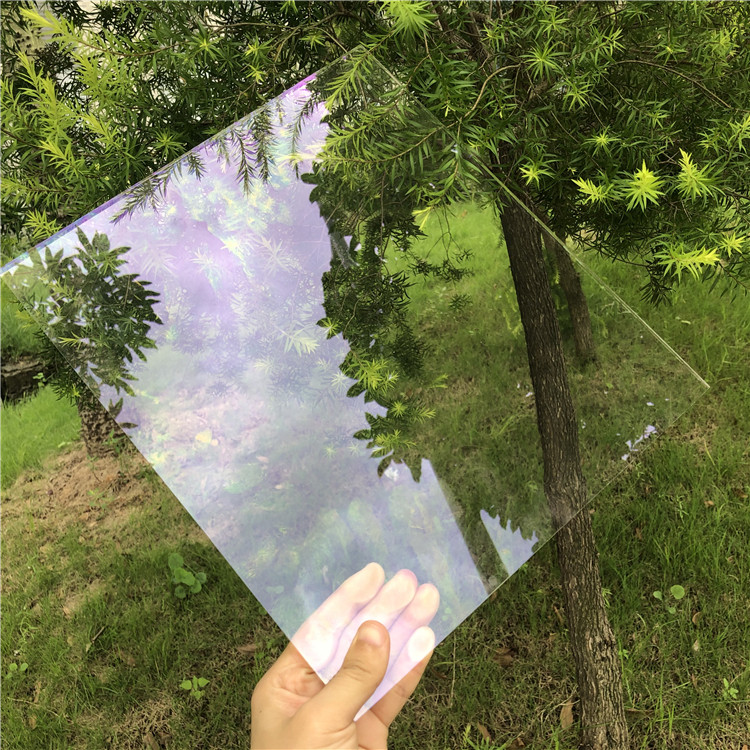
High-transmittance anti-reflection AR coated optical glass for display covers
AR Coated

High-Transmittance AR Coated Optical Glass

A single- or double-sided anti-reflective coating that pushes surface reflection down to roughly 0.5–1% per face — the difference between a readable display and a washed-out one under daylight. Specified for touch modules, all-in-one PC covers, museum glazing and instrument windows.

  • 0.5–1% per face
  • Single or double side
  • Tempering optional
View specifications
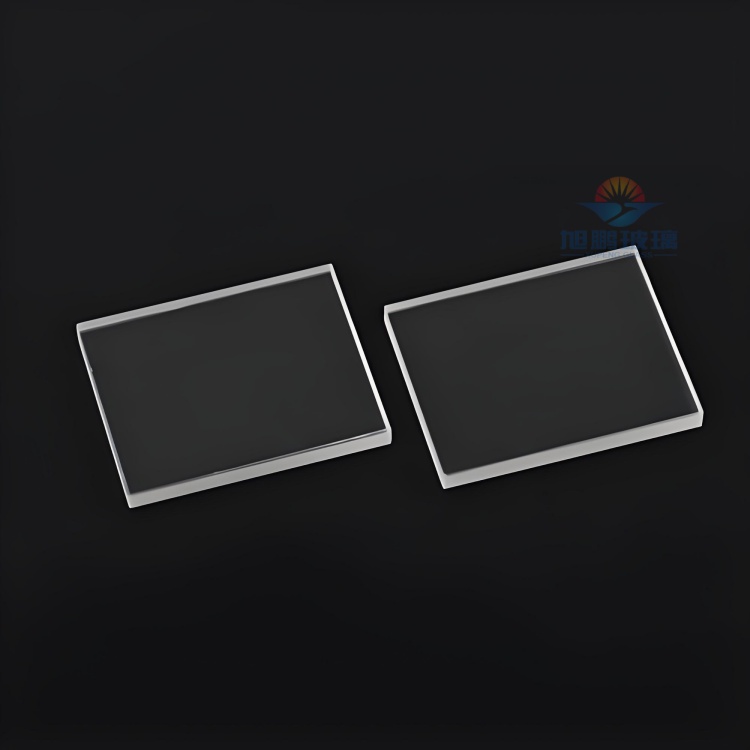
Black welding filter glass with beveled edge grinding in long irregular shapes
Filter Glass

Black Welding Filter Glass with Beveled Edges

Dark filter glass cut into long irregular profiles with ground bevels. It absorbs and blocks stray light in welding helmets, optical shielding and sensor housings. The part is a useful qualification test: irregular geometry, beveled edges and controlled optical density are difficult to outsource to a trader.

  • Irregular shapes
  • Bevel edge
  • Light blocking
View specifications
High borosilicate heat-resistant tempered window glass with high transparency
Heat Resistant

High Borosilicate Heat-Resistant Window Glass

High-borosilicate glass tempered for thermal shock, then finished as a high-clarity viewing window. Used in high-power LED luminaires, oven and furnace viewports, and equipment that cycles between hot and cold. Edge quality is controlled because thermal failure usually starts at the rim.

  • Borosilicate
  • Thermal shock
  • High clarity
View specifications
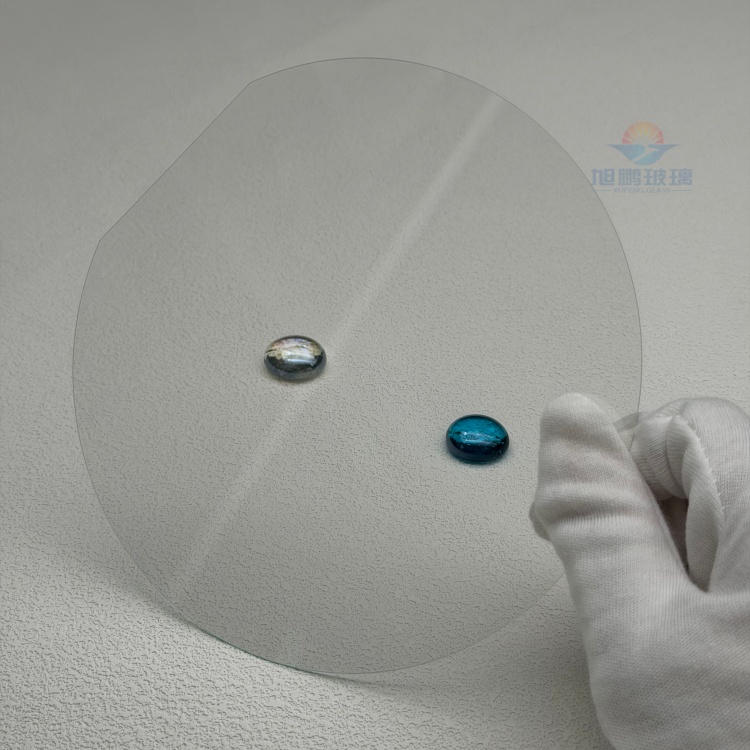
Corning EXG glass wafer double-side polished for semiconductor and solar substrates
Semiconductor

Corning EXG Double-Sided Polished Glass Wafer

EXG wafers polished on both faces for semiconductor carriers, MEMS and thin-film solar work. Thickness, total thickness variation and surface roughness are agreed before production, and finished parts are packed in wafer carriers rather than cartons to protect the polished faces.

  • Double-side polish
  • Wafer dicing
  • Low TTV
View specifications
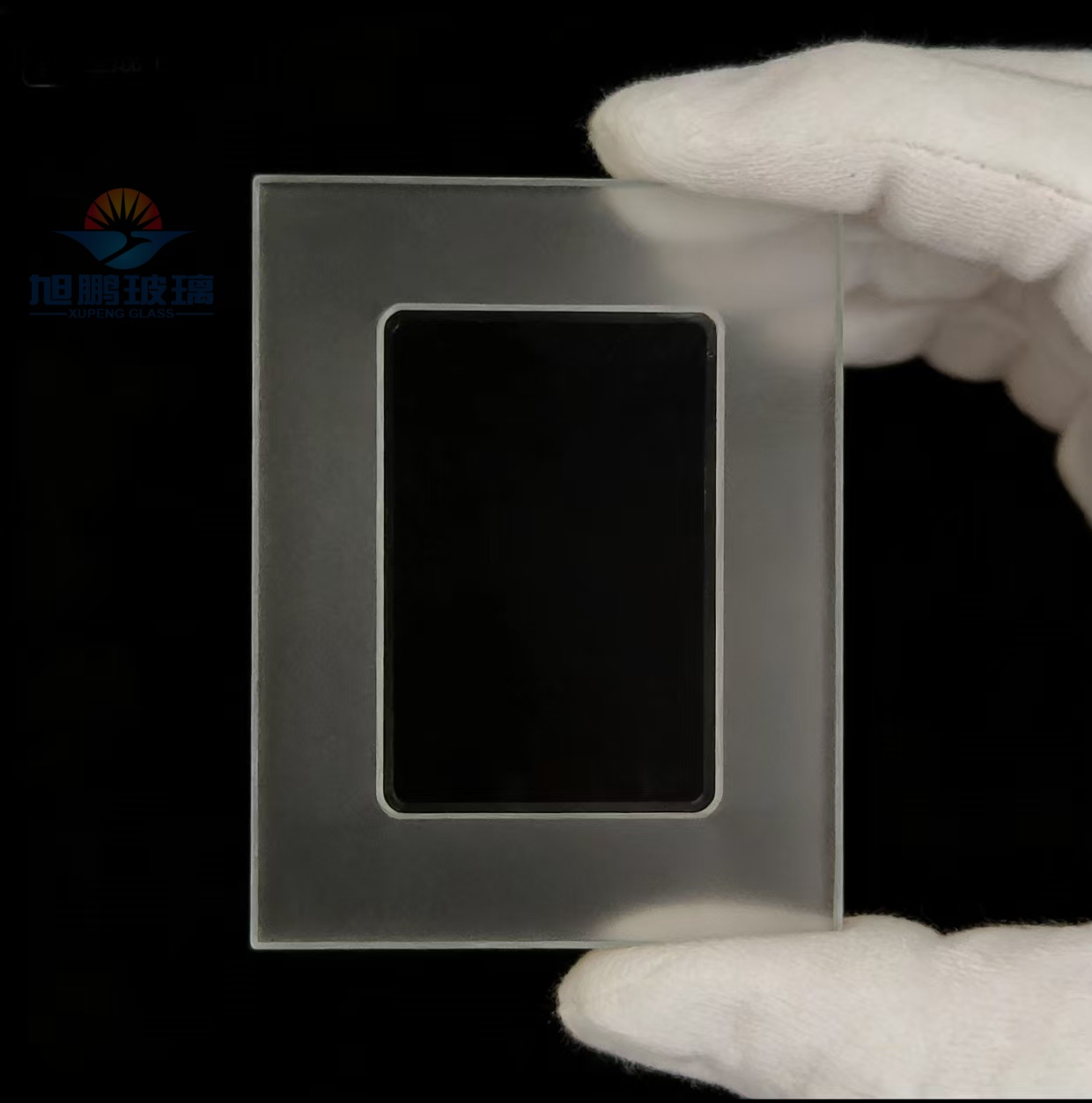
Custom ultra-white clear tempered glass socket decorative cover for stairways
Decorative

Ultra-White Tempered Glass Socket Covers

An ultra-white, low-iron tempered cover with silk-screened graphics and clean cut-outs for sockets and switches. It demonstrates the decorative end of the range: colour neutrality, print registration and the ability to combine tempering with printing inside a single production lot.

  • Ultra-white
  • Silk print
  • Custom cut-outs
View specifications
Ultra-thin optical glass sheets Schott B270 D263T for semiconductor glass processing
Ultra-Thin

Ultra-Thin Schott B270 / D263T Glass Sheets

Schott B270 and D263T drawn glass processed below 1.1 mm, including thin gauges for touch sensors, display encapsulation and thin-film device carriers. Cutting, CNC shaping, edge polishing and coating are performed in-house so the optical surface is not re-handled between steps.

  • < 1.1 mm
  • B270 / D263T
  • Precision cutting
View specifications
Search Intent

What “LED Display Glass” Really Covers — and Why the Label Misleads Buyers

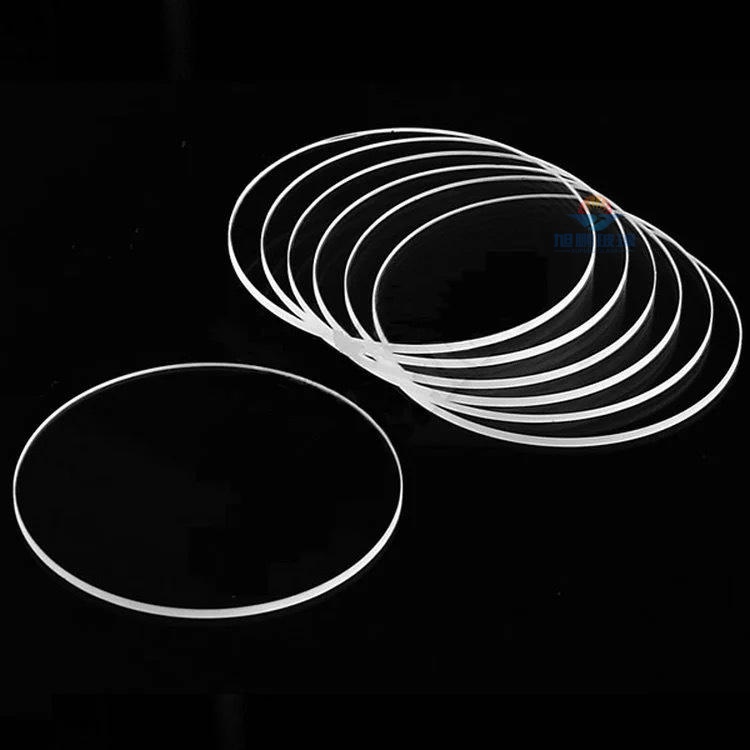
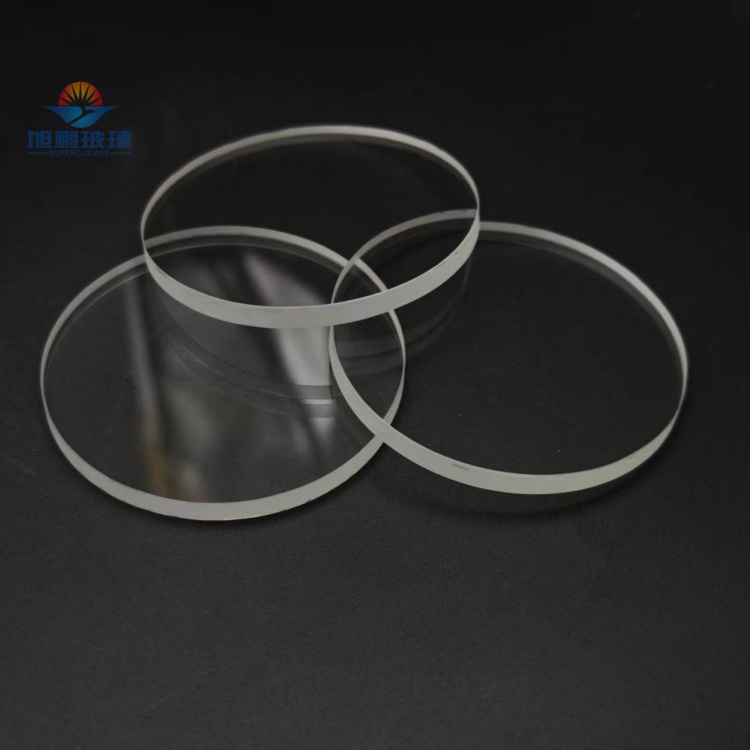
Search interest in LED display glass suppliers has grown alongside the shift from discrete LED panels to integrated display modules, transparent screens and indoor-outdoor signage. The phrase itself, however, is a semantic trap. In a single week, our engineering desk receives enquiries that describe four completely different products as “LED display glass”: anti-reflective cover glass for a 27-inch display module, heat-resistant borosilicate windows for high-power LED luminaires, black filter glass for optical shielding, and ultra-white tempered decorative covers.

The distinction matters because the qualification criteria are not interchangeable. A display cover is judged on transmission, reflection, haze, flatness and print registration. A luminaire window is judged on thermal shock resistance and edge quality. An optical window is judged on refractive index, bubble class and surface figure. When buyers shortlist LED display glass wholesalers without separating these categories, they end up comparing quotes for parts that will never fit the same assembly.

This guide is written from the other side of the transaction — a deep-processing glass factory in Dongguan that ships display, lighting and optical glass to OEMs in the United States, Canada, Russia, Japan, South Korea and Australia. It separates the categories, shows the eight substrates most often ordered under this label, and explains how to verify whether a wholesaler owns the process or simply re-labels someone else's output.
Procurement Trends

Six Procurement Shifts Reshaping LED Display Glass Wholesale, 2025–2028

Buying behaviour around LED display glass wholesale has changed more in the last three years than in the previous ten. These six shifts now separate suppliers that stay on approved vendor lists from those that only appear in the first round of RFQs.

Optical Performance Is Now a Purchase Specification

Five years ago an AR coating was a line item a buyer added if budget allowed. Today purchasing teams write reflection targets, haze values and transmission windows directly into the PO, and reject lots that drift outside them. Wholesalers who cannot supply a measured curve — not just a claim — are being removed from approved vendor lists.

High-Mix, Low-Volume Ordering Became Normal

Display projects now launch in more sizes and finish variants than ever, so a single order may contain eight SKUs of 50 pieces each instead of one SKU of 400. The winners are processors with fast changeover, in-house tooling and sample turnaround measured in days rather than weeks.

Dual Sourcing With Documented Traceability

Tariff volatility and freight disruption pushed most OEMs to a two-supplier model. The second source is only useful if both suppliers can produce batch records, material certificates and coating run data. Traceability has become a procurement requirement rather than a quality nicety.

Packaging Is Priced as a Separate Line

Breakage in transit is the most expensive defect in glass sourcing because it destroys the whole downstream schedule. Buyers now ask for the packing method to be quoted explicitly — interleaving film, foam corners, fumigation-free crates, drop-test evidence — instead of accepting “export standard packing” as an answer.

Engineering Review Before Price

Mature buyers send a drawing and ask for a manufacturability opinion before they ask for a number. A wholesaler that quotes instantly without commenting on tolerance stack-up, hole-to-edge distance or tempering constraints is usually passing the technical risk straight back to the buyer.

Regional Inventory and Door-to-Door Terms

DDP and DDU terms, once rare in glass, are now requested for sample and pilot shipments so the buyer's engineering team receives parts without managing customs. Suppliers who can run FOB, CIF, DDP and express from one order desk shorten the pilot loop considerably.

Need a reference stack for a display cover? Send the transmission and reflection targets, the thickness and the operating environment — the engineering team returns a material and coating recommendation with the quotation.

Technology Outlook

Where Display and Optical Glass Technology Is Heading

Glass itself is evolving on four fronts. Each one changes what buyers should specify in the drawing, not just what they should expect from a catalogue.

Thinner, Stronger, Bendable

Gauge reduction continues: 0.55 mm covers are routine, 0.2 mm is commercial, and 0.03 mm flexible glass is moving from demonstration to sampling. The constraint is no longer the glass itself — it is handling, edge quality and lamination yield.

Large-Format Coating Uniformity

As displays grow past 27 inches, an AR coating that is uniform in the centre but drifts at the corners becomes visible. Buyers are starting to specify reflection uniformity across the full aperture instead of accepting a single centre-point measurement.

Low-CTE Substrates for Mini and Micro LED

Tighter emitter pitch means tighter dimensional stability. Alkali-free substrates such as Corning EXG, and low-CTE borosilicates, are replacing ordinary float glass wherever thermal drift during bonding would misalign an emitter array.

Printing and Coating in One Route

Black matrix printing, anti-glare etching and AR coating used to involve three suppliers. Integrating them reduces handling damage, shortens lead time and, critically, keeps the optical stack registered to the printed features on the same substrate.

Supplier Vetting

A Seven-Point Checklist for Vetting an LED Display Glass Wholesaler

Run this list in the first technical call. A genuine processor answers all seven without escalation; an intermediary usually stalls at the third.

CheckpointQuestion to AskWarning Sign
Process ownershipWhich cutting, edging, tempering, printing and coating steps run inside your own plant?Vague answers; every step is “partnered”
Coating depthCan you send a measured reflection curve and a haze value from the last AR run?Only renders, photos or generic datasheets
MetrologyHow do you measure flatness, thickness, haze and transmission?No instrument names, no sample reports
DFM feedbackWill you review my drawing and flag risks before quoting?Instant price with no technical comments
TraceabilityCan you link a shipped carton back to a batch and coating run?Batch records “available on request only”
Packing methodWhat exactly is the packing, and do you have drop-test evidence?“Export standard” with no detail
Response speedWhat is your average technical response time, not sales response time?Days of delay, and only sales replies
Company Advantage

Inside Dongguan AUVE Glass: The Advantages Buyers Consolidate For

Capability claims are easy to write. The sections below describe what can actually be verified — company data, process ownership, material breadth and export record — and what a buyer should confirm personally before the first purchase order.

Factory-Direct Since 2018

Dongguan AUVE Glass Co., Ltd. was founded in 2018 and operates from Songshan Lake, Dongguan — one of China's densest optoelectronics clusters. The business runs as manufacturer and trading company with 51–100 skilled employees and a 1,001–2,000 m² facility.

Every Critical Step In-House

CNC cutting, edging, drilling, tempering, silk-screen printing, AR/AG coating, inspection and export packing run under one roof. That is why an irregular beveled filter glass and a double-side polished wafer can leave the same loading dock with the same batch discipline.

Engineering Review on Every Drawing

Send a CAD, DXF or PDF file with thickness, tolerance, edge profile, hole positions, printing artwork and coating requirements. Engineers review manufacturability before production and flag hole-to-edge conflicts, tempering limits and coating mask issues in writing.

Optical Material Breadth

Beyond tempered and ultra-clear glass, the range covers K9, fused quartz, sapphire, borosilicate, Schott B270/D263T and Corning EXG alkali-free substrates — so a display programme can move from prototype material to production material without changing supplier.

Verifiable Supplier Data

Onsite verification status, credit index, transaction level, trade capacity and buyer ratings are published and independently checkable. Buyers are encouraged to review them before a first order rather than relying on a sales deck.

Export Experience Across Six Core Markets

Glass ships to the United States, Canada, Russia, South Korea, Japan and Australia under FOB, CFR, CIF, EXW, DDP, DDU and DAF terms, with express options for samples. Average technical response time is within 7 hours.

Process Control

Six Controlled Steps From Drawing to Export Carton

Every step below happens inside one plant. This is the reason tolerance, coating quality and lead time can be committed in writing rather than estimated.

Drawing Review & Cutting

Engineers check the drawing, then automatic and CNC cutting from float, low-iron and optical stock.

CNC Edging & Drilling

Edge grinding, beveling, grooving, countersinking and hole drilling with controlled chipping limits.

Tempering

Flat and curved thermal tempering for impact and thermal resistance, with edge quality checked first.

Silk-Screen Printing

High-temperature ceramic inks for logos, black matrix windows, icons and light-blocking layers.

AR / AG Coating

Anti-reflective, anti-glare, mirror and functional coatings applied to the agreed optical target.

QC & Export Packing

Dimensional, visual and optical checks, then interleaved, corner-protected, batch-labelled packing.

FAQ

Frequently Asked Questions From Display, Lighting and Optical Buyers

These are the questions our engineers answer most often. They are written for the person who has to defend a supplier choice internally.

What is the difference between LED display glass and ordinary tempered glass?

Ordinary tempered glass is judged mainly on strength and appearance. LED display glass is judged on optical performance — transmission, reflection, haze and colour neutrality — plus the dimensional accuracy needed to sit over an emitter array or a sensor. The same furnace may temper both, but the specification, inspection method and packing requirements are different.

Which glass should I choose for a display cover used under bright ambient light?

Start with ultra-clear low-iron glass for colour neutrality, then add an AR coating to suppress surface reflection. If the display is used outdoors, add AG etching or an AG plus AR stack and specify a haze value. Send the target transmission and reflection figures and the engineering team will propose a stack.

What is the minimum order quantity for custom display glass?

MOQ depends on material and process. Coated and optical parts commonly start at 10–50 pieces, while standard ultra-clear tempered parts typically start at 100–500 pieces. Sample and pilot quantities are reviewed case by case for new projects.

Can you produce glass to my own drawing?

Yes. Supply a CAD, DXF or PDF drawing with thickness, tolerance, edge profile, hole positions, printing artwork and coating requirements. The engineering team reviews manufacturability first, then confirms material, process route and lead time before production begins.

How is glass protected during export shipping?

Interleaving film or paper between parts, foam corner protection, reinforced cartons or fumigation-free wooden crates, and batch labels on every pack. The packing method is confirmed at quotation stage, so it is never treated as an afterthought once the order is placed.

Which Incoterms and markets do you support?

FOB, CFR, CIF, EXW, DDP, DDU, DAF and express delivery. Main export markets are the United States, Canada, Russia, South Korea, Japan and Australia, with other destinations handled on request.

How fast will I receive a technical response?

Average response time is within 7 hours. Include the drawing, quantity, target optical values and destination country in the first message for the fastest route to a quotation and a process recommendation.

Request the Display & Optical Glass Catalog

Send your drawing, target transmission or reflection, quantity and destination country. Engineers will confirm material, process route, packing method and lead time — usually within 7 hours.

info@auveglass.com