Top Trusted Scratch Resistant Glass Factory & Suppliers
Source scratch-resistant sapphire, tempered, AR/AG-coated, quartz, aluminosilicate and semiconductor glass from a Dongguan factory that supports drawing review, CNC processing, tempering, coating, printing and export packing.
8 Scratch-Resistant Glass Products for High-Reliability Sourcing
These recommendations are organized around real application needs: UV equipment, semiconductor packaging, sensor windows, high-temperature viewports, display cover glass, reflective optics and ultra-thin electronic glass. Product URLs are preserved so engineers and buyers can review specifications directly.
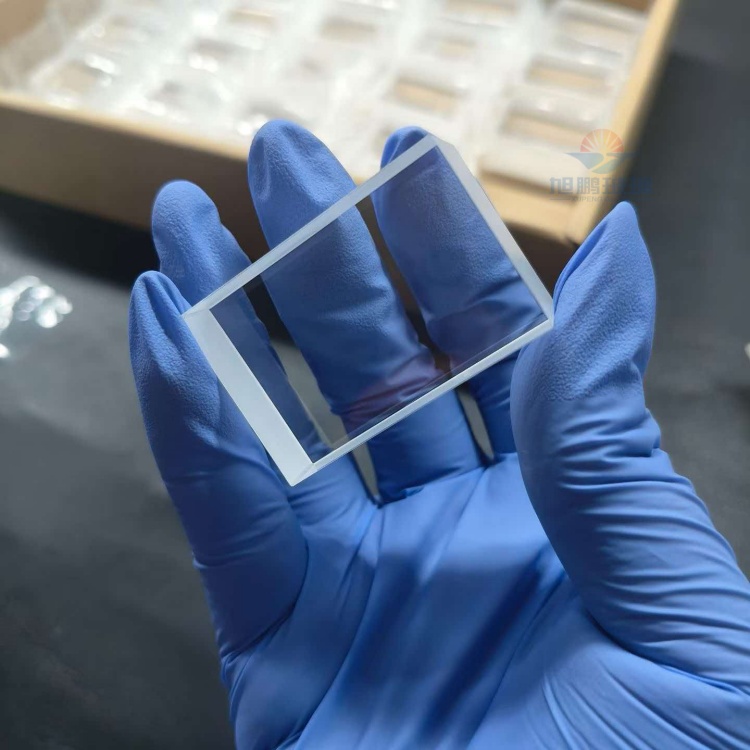
High UV Transmission Thick Gauge Quartz Glass Plate
For UV curing, disinfection and high-temperature viewports. Specify OH content, bubble class, thickness tolerance, surface finish and edge condition before quotation.
View product →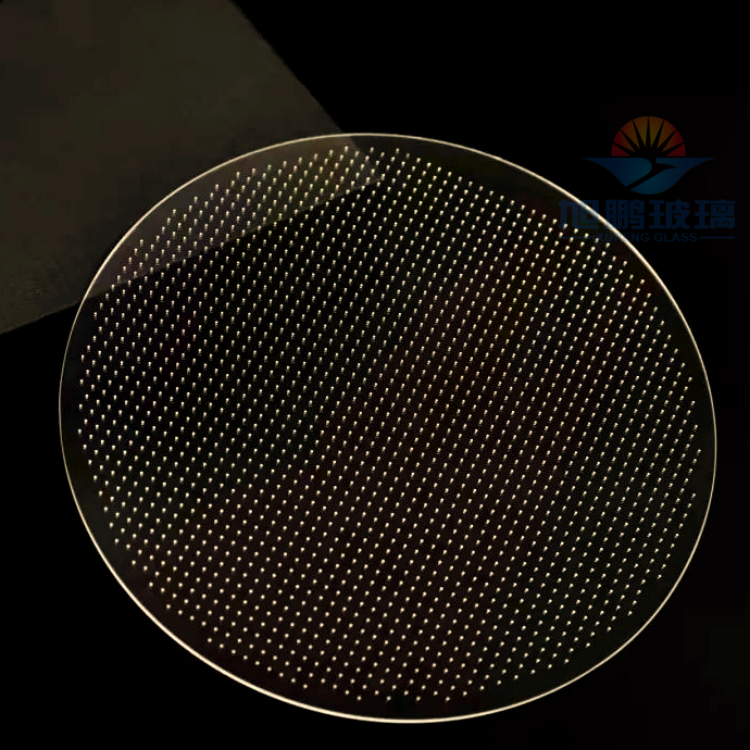
Schott BF33 TGV Microvia Glass Wafer, Packaging Substrate for Sensors & Chips
An alkali-free borosilicate wafer option for sensor and chip packaging. Discuss via geometry, flatness, dicing method, surface quality and downstream metallization.
View product →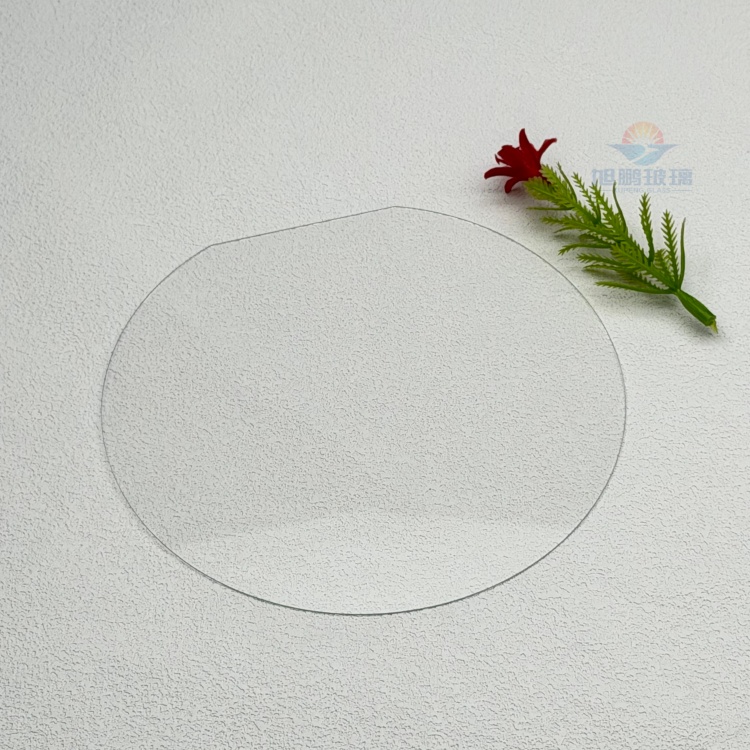
Round Aluminosilicate Glass with Chamfered Ground Edges and Metal Coating
Designed for applications that need edge durability, dimensional repeatability and functional metal coating. Confirm coating adhesion, pattern, sheet resistance and chamfer geometry.
View product →
Corning EXG Double-Sided Polished Glass Wafers for Semiconductor & Solar Panels
Low-CTE alkali-free glass wafers for semiconductor and solar-related work. Define thickness, TTV, roughness, edge profile and cleaning standard with your RFQ.
View product →
High Transmittance Sapphire Glass, Scratch Resistant & Heat Resistant Sheets
Sapphire offers exceptional scratch resistance and high-temperature stability for sensor covers, optical windows and harsh-environment viewports. It is hard, but not unbreakable — chip resistance and mounting design still matter.
View product →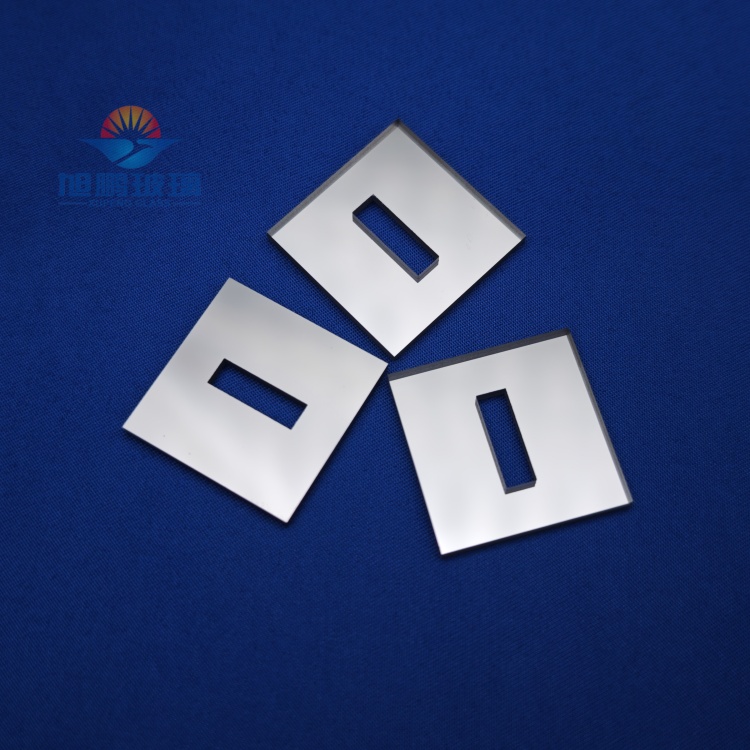
Silver-Coated Mirror, Grooved at the Center of Glass
For reflective optical assemblies where center groove geometry and coating durability are critical. Review reflectance, coating protection, groove tolerance and edge quality.
View product →
Ultra-White Tempered Glass, AR Anti-Reflection Coatable, High Light Transmittance
Low-iron tempered glass for display covers, smart panels, light boxes and touch interfaces. Combine silk-screen printing, AR coating and AG etching to match the optical requirement.
View product →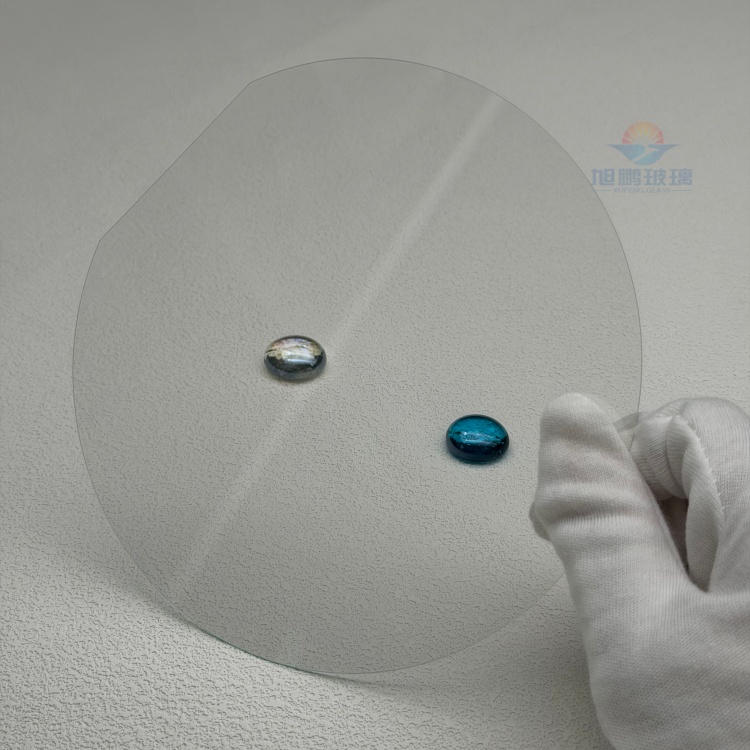
Ultra-Thin Schott B270/D263T Optical Glass Sheets for Semiconductor Processing
Thin B270/D263T glass for electronic and semiconductor-related processing. Review cutting method, edge chipping limits, thickness tolerance, cleaning and packing separation.
View product →What “Scratch Resistant Glass” Should Mean in a Technical RFQ
Scratch resistance is not a single material property. It is the combined result of substrate hardness, surface finish, coating architecture, edge quality, cleaning method, handling and the actual scratch test used by the buyer. A useful RFQ defines the failure mode before it defines the supplier.
Substrate Hardness
Sapphire is substantially harder than conventional soda-lime or borosilicate glass. Tempered glass improves impact strength, but tempering does not turn glass into sapphire. Match hardness to the real contact risk.
Coating Stack
AR, AG, mirror and metal coatings add optical or electrical function, but the coating itself may be more sensitive to abrasion than the glass beneath it. Specify coating adhesion and cleaning resistance.
Test Method
“No scratches” is not a test. Define the abrasive, load, stroke count, inspection lighting and acceptance criterion. Optical inspection standards must match the end-use environment.
Handling & Packing
Many “scratch complaints” originate after production: interleaving errors, sliding contact, unsuitable cleaning cloths or repeated assembly. Protective film, separators and handling instructions are part of the specification.
For a faster engineering review, send a drawing with material grade, thickness, size, tolerance, edge profile, hole positions, coating or printing requirement, scratch/abrasion acceptance method, quantity and target delivery window.
How Buyers Will Purchase Scratch-Resistant Glass in the Next Sourcing Cycle
Procurement teams are moving away from price-only comparisons. The stronger purchasing model is risk-adjusted total cost: yield, scratch loss, coating durability, handling damage, engineering response, repeatability and supply continuity are evaluated together.
Total Landed Cost Replaces Piece Price
A lower unit price can disappear when scratch rejects, replacements, inspection labor and line downtime are added. Buyers now ask for process capability evidence, rework policy, packaging validation and batch traceability.
Engineering Review Before RFQ
Experienced buyers send manufacturability questions early: can the edge be chamfered, how will the coating be masked, what is the safe hole-to-edge distance, and which packing method prevents movement?
Verification-First Supplier Due Diligence
Onsite verification status, credit index, transaction level, trade capacity and buyer reviews are increasingly reviewed before samples are requested. Public supplier data helps sourcing teams screen for continuity risk.
Dual Sourcing With Fewer Qualified Suppliers
Dual sourcing remains important, but qualification overhead is high. Buyers prefer a primary and secondary supplier that can both work from the same drawing, inspection standard and packing specification.
Pilot Lots and Faster Sample Loops
Low-volume pilot runs are used to test assembly, cleaning agents, fixture contact and end-user handling. Suppliers that can support 10–50 piece coated/optical lots and 100–500 piece tempered lots can shorten validation.
Supply Continuity and Export Readiness
Incoterms flexibility, fragile-goods packing, customs documentation and a proven export record are now part of supplier scoring. FOB, CIF, DDP and express shipments may all be evaluated for the same program.
Where Scratch-Resistant Glass Technology Is Moving
The strongest product development is application-driven. Buyers are not simply asking for “harder glass”; they are asking for thinner stacks, better optical performance, higher temperature tolerance, tighter edge control and more reliable integration into sensors, displays and semiconductor packaging.
Sapphire for Extreme Wear and Temperature
Sapphire remains a leading choice for sensor windows, optical instruments and high-temperature viewports where conventional glass may fail. Designers increasingly evaluate sapphire against strengthened glass using chip resistance, mounting stress and total cost, not hardness alone.
Ultra-Thin and Flexible Glass
Ultra-thin glass is moving into flexible electronics and foldable display concepts. Handling, edge quality, cleaning and lamination become more important as thickness decreases; a pristine surface can still be damaged by poor packing or fixture contact.
Semiconductor Glass and TGV Packaging
Alkali-free glass wafers, EXG substrates, BF33 TGV wafers and B270/D263T thin sheets support sensor, MEMS and advanced packaging pathways. Buyers need wafer-level flatness, through-glass via feasibility, dicing quality and contamination control.
AR, AG and Easy-Clean Surface Stacks
Display and HMI buyers are combining AR anti-reflection, AG anti-glare and easy-clean functions on one cover glass. The practical trend is a validated stack: each layer must survive cleaning, handling, adhesion testing and the expected scratch exposure.
Quartz for UV and High-Temperature Equipment
UV curing, disinfection and high-temperature process equipment continue to demand thick quartz plates with controlled transmission and inclusions. Buyers are specifying grade, bubble class and surface quality to reduce yield loss.
Integration of Printing, Coating and Tempering
Control panels and appliance covers increasingly combine ultra-clear tempered glass, high-temperature silk-screen printing, windows, holes and AR/AG coating in one part. This integration reduces assembly steps but raises the importance of DFM review.
Compare Scratch-Resistant Glass Materials Before You Send an RFQ
Use this matrix as an engineering starting point. Final selection should be confirmed with the actual contact material, cleaning process, thermal cycling, optical target, mechanical mounting and inspection standard.
| Material | Scratch Resistance Profile | Thermal / Optical Note | Best-Fit Procurement Use |
|---|---|---|---|
| Sapphire Glass | Exceptional hardness; Mohs 9. Resists many abrasive contacts but can still chip under point impact. | High temperature resistance and high transmittance; polishing quality affects optical performance. | Sensor windows, optical instruments, high-temperature viewports, wear-critical covers. |
| Tempered Low-Iron Glass | Good impact strength; moderate scratch resistance. Tempering does not change surface hardness to sapphire level. | High clarity with low green tint; approximately 91% typical visible light transmission in suitable grades. | Smart control panels, appliance covers, light boxes, display windows, touch interfaces. |
| Aluminosilicate Glass | Good surface durability and edge strength when chamfered and polished correctly. | Useful thermal and mechanical balance; coating compatibility depends on the exact grade. | Instrument windows, coated round parts, high-reliability industrial covers. |
| Fused Quartz | Moderate scratch resistance; excellent thermal shock resistance and UV transmission. | Thick-gauge options support UV curing, disinfection and high-temperature equipment. | UV windows, high-temperature viewports, process equipment, optical blanks. |
| Alkali-Free / EXG / BF33 | Moderate scratch resistance; the priority is dimensional stability and contamination control. | Low CTE and alkali-free composition for semiconductor, MEMS and display-related substrates. | Wafers, TGV packaging, sensor substrates, thin-film processing carriers. |
| AR / AG Coated Glass | Substrate-dependent; coating durability and cleaning resistance must be specified separately. | AR reduces reflection, while AG diffuses glare. Coating adhesion and haze/gloss targets must be agreed. | Touch displays, outdoor HMIs, kiosks, medical and instrument windows. |
Values and descriptions are intended for preliminary material selection. Production acceptance criteria must be confirmed against your drawing, sample and agreed test method.

Why Buyers Shortlist Dongguan AUVE Glass
Dongguan AUVE Glass Co., Ltd. is a deep-processing glass manufacturer integrating R&D, design, production and export in Songshan Lake, Dongguan — an electronics and optoelectronics cluster in Guangdong, China. The factory works from buyer drawings and supports CNC cutting, edging, drilling, tempering, silk-screen printing, AR/AG coating, inspection and export packing.
For scratch-resistant glass projects, the advantage is not a single machine. It is the ability to connect material selection, edge quality, coating compatibility, printing, cleaning and packing into one controlled route. That reduces the risk of a part passing dimensional inspection but failing later because of handling scratches or coating damage.
Buyers can review the supplier’s public verification data, including onsite-checked supplier status, credit index, transaction level, trade capacity and buyer reviews. The company reports an average response time within 7 hours and exports to markets including the United States, Canada, Russia, South Korea, Japan and Australia.
From Drawing to Packed Glass: A Six-Step Control Route
The process route should be agreed before mass production. This is especially important for coated, printed, tempered and thin glass, where a small process change can affect scratch visibility, optical performance or assembly fit.
Drawing & DFM Review
Review material, thickness, tolerance, edge, hole, coating, printing, scratch test and packing requirements before quotation.
Precision Cutting
Automatic and CNC cutting from float, low-iron, optical, quartz, sapphire or wafer stock.
Edging & Drilling
Edge grinding, chamfering, beveling, grooving, holes and laser processing according to assembly needs.
Tempering / Heat Treatment
Flat and curved thermal tempering for impact resistance and thermal performance where the design allows.
Coating & Silk-Screen
AR, AG, mirror, metal coating and high-temperature ceramic printing, with masking and handling controls.
Inspection & Export Packing
Dimensional, visual and optical checks, then protective film, separators, foam protection and export crates or cartons.
Frequently Asked Questions About Scratch-Resistant Glass Sourcing
These are the questions engineering, procurement and quality teams most often raise during supplier selection and sample validation.
What makes glass “scratch resistant” in real applications?
It depends on the substrate and the surface stack. Sapphire is exceptionally hard and is often selected for wear-critical windows, while tempered low-iron glass is widely used for display covers because it offers good impact strength, optical clarity and process integration. AR, AG, metal and mirror coatings can add function, but the coating durability may become the limiting factor. The RFQ should therefore define both substrate hardness and surface acceptance.
How do I choose between sapphire, tempered glass, quartz and aluminosilicate glass?
Start from the failure mode. Choose sapphire for extreme scratch or high-temperature exposure where budget and mounting design allow. Choose tempered low-iron glass for display covers, control panels and light boxes where impact strength, clarity and finishing integration matter. Choose fused quartz for UV transmission and thermal shock applications. Choose aluminosilicate or alkali-free glass when thermal stability, coating compatibility or semiconductor-related cleanliness is central to the design.
Can you manufacture glass to my own drawing?
Yes. Send a CAD, DXF, PDF or dimensioned drawing with thickness, size, tolerance, edge profile, hole positions, printing, coating and packing requirements. The engineering review should also include the scratch or abrasion acceptance method, cleaning agents, contact materials and assembly handling so that the process route is defined before mass production.
What is the minimum order quantity for these glass products?
MOQ depends on material, size and process. Many coated and optical glass parts can start from 10 to 50 pieces, while standard ultra-clear tempered parts commonly start from 100 to 500 pieces. Sample and pilot quantities can be discussed for new projects. The best approach is to send the drawing and target quantity so the factory can confirm the practical process route.
How should I specify scratch and abrasion acceptance?
Define the abrasive material, load, stroke length, number of cycles, cleaning method and inspection condition. For transparent parts, state whether the inspection is under direct light, backlight, dark field or a specific illumination angle. For coated glass, add coating adhesion, wiping resistance and haze or gloss limits where relevant. Avoid wording such as “no scratches” without a method, because it cannot be inspected consistently by either side.
What coatings and printing options are available?
The product route can include AR anti-reflection coating, AG anti-glare etching, silver mirror coating, metal coating, high-temperature silk-screen printing, windows, icons and custom graphics. Each added layer affects handling, cleaning and scratch acceptance. Buyers should confirm the optical target, coating pattern, masking area, printing color, ink durability and surface inspection standard before sampling.
Which Incoterms, shipping methods and export markets are supported?
Supported trade terms include FOB, CFR, CIF, EXW, DDP, DDU, DAF and express delivery where appropriate. Export packing should be designed for fragile glass parts, with protective film, separators, foam protection and wooden crates or reinforced cartons. Existing export markets include the United States, Canada, Russia, South Korea, Japan, Australia and other regions.
How quickly can I receive a technical response or sample quotation?
The published average response time is within 7 hours. For a faster review, include product material and grade, thickness, dimensions, tolerance, edge requirement, holes or cut-outs, coating or printing, scratch test method, annual volume, target delivery date and destination. If a sample is needed, state which variables must remain fixed and which can be adjusted for manufacturability.
Send Your Scratch-Resistant Glass Drawing for an Engineering Review
Share your material, thickness, size, tolerance, edge profile, coating or printing requirement, scratch/abrasion acceptance method, quantity and target delivery date. The goal is a practical quotation supported by a manufacturable process route — not a price that only looks competitive on paper.