Eight Glass Products That Support Tinted & Functional Tempered Glass Programs
Tinted tempered glass is not a single catalogue SKU. It is a finish and performance requirement built on the right substrate, tempering cycle, printing, coating and edge work. The eight production items below show the material depth behind AUVE’s OEM and wholesale supply capability.
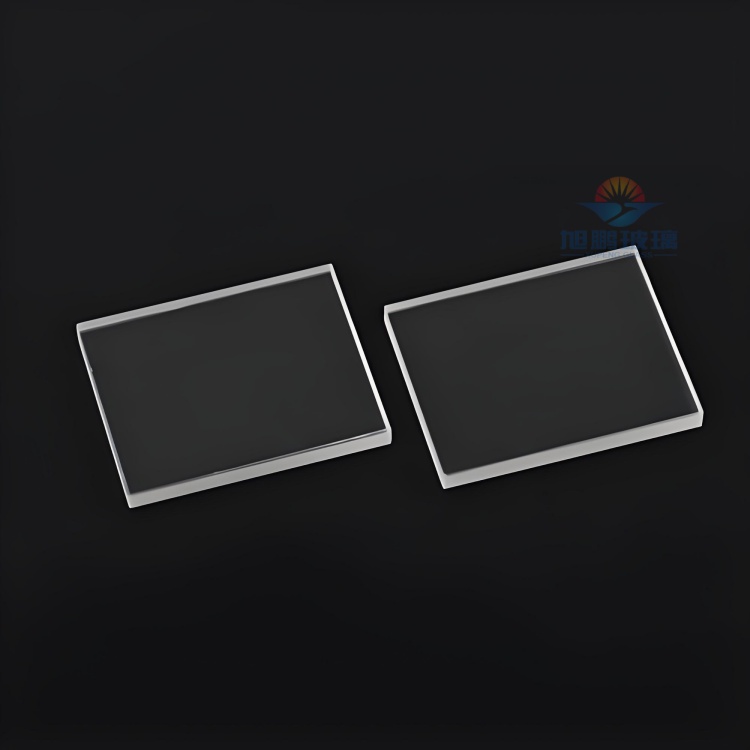
Tempered Glass Customized High Temperature Resistant, High Transparency and High Borosilicate Mirror Window Glass
For high-temperature view windows, appliance panels, inspection ports and heat-resistant assemblies. Custom shape, edge finish and printing requirements can be reviewed against the drawing.
View product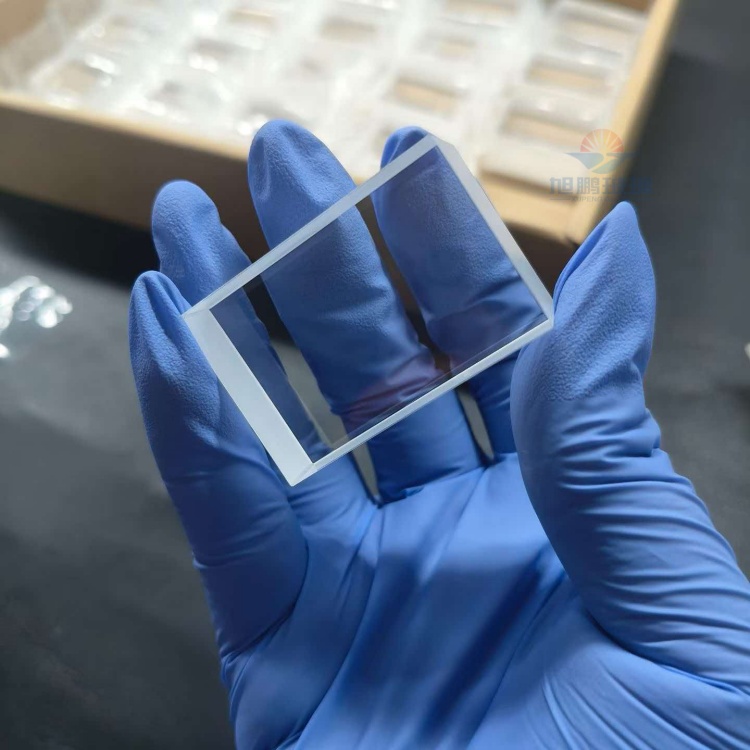
High UV Transmission Thick Gauge Thick Quartz Glass Plate
Used in UV curing, disinfection equipment and optical instruments. Buyers should specify thickness, UV transmission target, flatness, edge condition and packing protection.
View product
High Transmittance Sapphire Glass, Scratch Resistant & High Temperature Resistant Sapphire Glass Sheets
Recommended where optical clarity, scratch resistance and high-temperature resistance are all critical, such as sensor windows, instrument covers and harsh-environment ports.
View product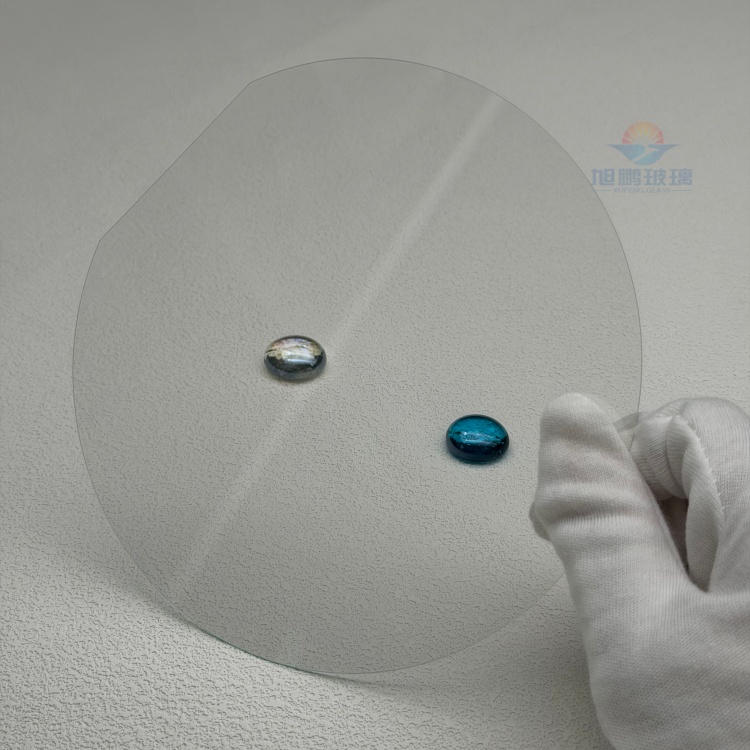
Ultra-thin Optical Glass Sheets Schott B270/D263T Semiconductor Electronic Glass Blank Cutting & Processing
A precision processing route for thin electronic and optical glass blanks. Edge chips, dimensional tolerance, cleanliness and packaging should be written into the RFQ.
View product
Corning Ultra-Thin Glass Sheet, Optical Grade Glass Wafer Substrate with Chamfered Edge
For optical-grade wafer substrates and miniaturized electronic assemblies. Chamfered edges help handling, while flatness and surface quality must be agreed before production.
View product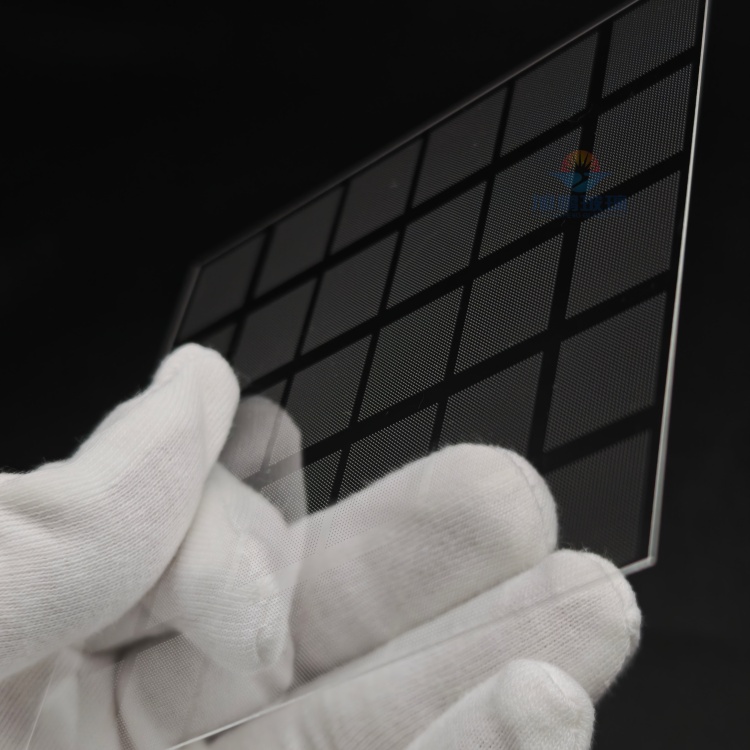
TGV Drilled Packaging Glass Substrate, Precision Laser Microvia Glass
Laser-drilled TGV substrates for advanced packaging and microelectronics. Via diameter, pitch, taper, sidewall condition and inspection method define the manufacturable window.
View product
CNC Carved Low Iron Glass Sheet, High-temperature Screen Printed Tempered Glass, Drilled Glass Panel
A practical route for tinted, printed and decorated control panels, appliance covers and functional glass parts. Artwork, window clarity and hole positions must be frozen before tempering.
View product
High-transmittance AR Coated Optical Glass, Ultra-clear Tempered Glass
For display windows, touch modules and instrument covers where reflection control and transmission matter. Specify coating side, reflectance target and transmission data.
View productA Tinted Tempered Glass Exporter Buyers Can Verify Before Sampling
Procurement teams do not need another anonymous glass catalogue. They need a supplier whose factory status, trade activity, response speed, process depth and export packing can be checked before a purchase order is released.
Information gain for buyers: A trusted exporter is not judged only by the lowest unit price. Verify whether the supplier can review your drawing, recommend the correct substrate and coating sequence, protect the finished surface during packing, and provide a consistent colour and printing result across repeat orders. AUVE’s verified supplier profile includes onsite status, credit index, transaction level, trade capacity, trade history and buyer feedback.
Why AUVE Is a Trusted Tinted Tempered Glass Wholesaler & OEM Partner
Dongguan AUVE Glass Co., Ltd. integrates R&D, design, production and export under one roof in Songshan Lake, Dongguan, one of China’s major electronics and optoelectronics clusters. That location and process depth support both custom tinted tempered glass projects and repeat wholesale supply.
Factory-Direct Deep Processing
Flat and curved tempered glass, ultra-clear low-iron glass, laminated and painted glass, silk-screen printed glass, AR/AG coated glass and optical materials including K9, quartz, sapphire, borosilicate and Corning EXG alkali-free glass.
Drawing-First Engineering Review
Send CAD, DXF or PDF drawings with thickness, tolerance, edge, hole, printing and coating requirements. Engineers review manufacturability before production across CNC cutting, edging, drilling, tempering, printing and coating.
Checkable Trade Credentials
Onsite-checked supplier status, credit index, transaction level, trade capacity, trade history and buyer feedback help sourcing teams assess commercial reliability before placing a sample or bulk order.
Export Experience & Fast Response
Products are exported to the United States, Canada, Russia, South Korea, Japan, Australia and other markets. FOB, CFR, CIF, EXW, DDP, DDU, DAF and express delivery are supported, with average response within 7 hours.
Tinted Tempered Glass Buying Guide: Define the Finish Before the Price
“Tinted tempered glass” can describe body-tinted float glass, ceramic-printed glass, painted glass, laminated coloured glass, AR/AG functional glass or a combination of these routes. If the inquiry only says “tinted”, two suppliers may quote completely different processes, yield and failure risk.
The best quotation starts with function, not colour alone. Ask what the glass must do: hide internal components, reduce glare, improve contrast, match a brand colour, filter light, resist heat, support touch interaction, protect a sensor or survive outdoor exposure. Once the function is clear, the suitable substrate and finishing route become easier to lock.
1. Specify the Tint Route
Clarify whether the colour comes from the glass body, a painted backing, high-temperature ceramic ink, a laminated interlayer or a functional coating. Each route changes durability, optical performance, process sequence and cost. A physical reference sample or measured colour target is more reliable than a verbal description.
2. Freeze the Drawing Before Tempering
Cutting, CNC shaping, edging, drilling and printing should be reviewed before tempering. Post-temper machining can damage the tempered stress layer and increase breakage risk. Hole positions, cut-outs, print windows and edge profiles should be final before the batch enters the tempering furnace.
3. Control Optical and Visual Acceptance
For display or control-panel glass, define transmission, gloss, haze, reflectance and colour acceptance under agreed lighting. For printed glass, confirm artwork registration, ink opacity, visible and non-visible windows, print side and whether the ink must survive high-temperature firing.
| Product / Process | Best-Fit Application | Procurement Detail to Lock |
|---|---|---|
| Printed / Tinted Low-Iron Tempered Glass | Control panels, appliance covers, decorative functional panels | Colour reference, print artwork, glass thickness, edge profile, visible window and tempering standard |
| High Borosilicate Tempered Window | Heat-resistant inspection windows and thermal equipment | Thermal shock requirement, edge quality, dimensions, transparency and whether any post-temper machining is needed |
| Quartz Glass Plate | UV curing, UV disinfection, optical equipment | UV transmission target, thickness, flatness, bubble/inclusion acceptance and edge finish |
| Sapphire Glass Sheet | Scratch-resistant sensor windows and high-temperature viewports | Surface quality, chamfer, thickness tolerance, transmission and packing protection for high-value parts |
| SCHOTT / Corning Ultra-Thin Glass | Semiconductor, electronic and optical wafer substrates | Flatness, edge chips, cleanliness level, dicing or blank size, chamfer and handling packaging |
| TGV Laser-Drilled Glass Substrate | Advanced packaging and microelectronics | Via diameter, pitch, taper, sidewall quality, inspection method and panel size |
| AR-Coated Ultra-Clear Tempered Glass | Touch displays, instrument windows and optical covers | Reflectance target, transmission, coating side, coating durability, tempering sequence and cleaning method |
Final specifications are confirmed against the approved drawing, reference sample and agreed inspection standard before mass production.
A Practical RFQ Checklist That Reduces Delays
- Submit CAD, DXF or PDF drawings with final dimensions and tolerances.
- Name the substrate: low-iron, borosilicate, quartz, sapphire, SCHOTT, Corning or another material.
- Provide a physical colour target or reference sample for tinted, painted or printed glass.
- Mark the coated side, printed side, visible window and hidden black border.
- Confirm whether holes, cut-outs, edge grinding and corner radii are required before tempering.
- State the quantity, destination, packing expectation and any AQL or inspection method.
What Tinted Tempered Glass Buyers Will Expect Next
Sourcing is shifting from “find a glass supplier” to “qualify a process partner”. The pressures are familiar: shorter product cycles, tighter optical requirements, more custom colours and smaller pilot batches that must scale without quality drift.
Supplier Consolidation
Buyers will reduce the number of glass vendors by consolidating tempered, printed, coated and optical parts with suppliers who can document process control, trade history and repeatability.
Engineering-Led RFQs
Drawings, coating targets, colour references and acceptance methods will be treated as core procurement data, not attachments. Clear RFQs shorten sampling cycles and reduce rework.
Flexible Custom Batches
Pilot quantities, custom colour windows, printed brand panels and mixed-material projects will grow. Suppliers must discuss sample and pilot quantities without losing sight of serial-production consistency.
Total Landed Cost
Breakage, protective film, wooden crates, batch labeling, documentation and lead-time reliability will be evaluated alongside unit price. Packing quality directly affects total cost.
Where Glass Performance Is Moving Next
Glass is becoming a functional component rather than a passive cover. For tinted tempered glass programs, the future lies in combining appearance with optical control, thermal resistance, thinness and integration readiness.
Functional Display Glass
AR anti-reflective, AG anti-glare, printed borders and tempered strength increasingly appear in one part. Display integration demands tighter optical and dimensional control.
Thin & Ultra-Thin Glass
SCHOTT, Corning and flexible ultra-thin glass support semiconductor, foldable display, sensor and advanced packaging applications where weight and thickness are constrained.
Heat-Resistant Materials
Borosilicate, quartz and sapphire remain important where thermal shock, UV transmission or scratch resistance matter. These materials demand application-specific quotation, not generic pricing.
TGV & Advanced Packaging
Laser-drilled glass vias and precision substrates are gaining attention in microelectronics and advanced packaging. Buyers will expect suppliers to understand via metrology, cleanliness and handling.



Inside AUVE’s Manufacturing & Export System
Dongguan AUVE Glass Co., Ltd. was established in 2018 and operates as a deep-processing glass manufacturer integrating R&D, design, production and export. The team of 51–100 employees works from a 1,001–2,000 m² facility in Songshan Lake, Dongguan, Guangdong, China.
Production covers flat and curved tempered glass, ultra-clear low-iron glass, laminated and painted glass, LCD and touch screen cover glass, smart control panel glass, LED lighting glass, instrument glass, AR high-transmittance glass, AG anti-glare glass and optical materials such as K9, quartz, sapphire, borosilicate and Corning EXG alkali-free glass.
Guided by the philosophy of “focusing on high-end glass, pioneering and innovating”, AUVE keeps investing in skilled engineers and advanced equipment so OEMs, brand owners and distributors can source complete glass solutions instead of managing multiple fragmented processes.
From Raw Sheet to Finished Glass Part
Keeping cutting, CNC shaping, tempering, printing, coating and inspection under coordinated control shortens lead times and reduces the risk of discovering process conflicts after the drawing is released.
Precision Cutting
Automatic and CNC cutting from float, low-iron, borosilicate, quartz, sapphire, optical and ultra-thin glass stock.
CNC Edging & Drilling
Edge grinding, beveling, grooving, drilled holes, cut-outs and laser processing reviewed before tempering.
Tempering
Flat and curved thermal tempering for impact and thermal resistance, with process sequencing planned around print and hole requirements.
Silk-Screen Printing
High-temperature ceramic inks, logos, black borders, visible windows and decorative graphics fused into the glass surface.
AR / AG Coating
Anti-reflective, anti-glare and functional coatings for displays, touch modules, instrument windows and optical assemblies.
QC & Export Packing
Dimensional, visual and optical checks, then protective film, foam protection, reinforced cartons or wooden crates for fragile glass parts.
Tinted Tempered Glass Wholesale & Sourcing FAQs
Straight answers for procurement teams comparing custom glass exporters, tinted tempered glass wholesalers and optical glass manufacturers.
What types of glass can Dongguan AUVE Glass manufacture?
AUVE processes flat and curved tempered glass, ultra-clear low-iron glass, laminated and painted glass, AR anti-reflective and AG anti-glare coated glass, silk-screen printed glass, touch screen and LCD cover glass, LED lighting glass, instrument glass, and optical materials such as K9, quartz, sapphire, borosilicate and Corning EXG alkali-free glass.
Can you produce tinted tempered glass to my own drawing?
Yes. Send a CAD, DXF or PDF drawing with thickness, tolerance, edge, hole, printing and coating requirements. For a tinted or printed project, include a colour reference or physical sample. Engineers review manufacturability before production, covering CNC cutting, edging, drilling, tempering, silk-screen printing and AR/AG coating.
What is the minimum order quantity for wholesale glass parts?
MOQ depends on material and process. Many coated and optical glass parts start from 10 to 50 pieces, while standard ultra-clear tempered parts typically start from 100 to 500 pieces. Sample and pilot quantities can be discussed for new projects, especially when the drawing and finishing route are still being validated.
Which Incoterms and shipping methods do you support?
AUVE supports FOB, CFR, CIF, EXW, DDP, DDU, DAF and express delivery. Export packing is designed for fragile glass parts, using surface protection, corner protection and reinforced cartons or wooden crates according to the part size and destination.
Which markets do you export to?
Glass products are exported to the United States, Canada, Russia, South Korea, Japan, Australia and other markets. Buyers can request packing and documentation details suitable for their destination and shipping method.
How quickly do you reply to technical inquiries?
The average response time is within 7 hours. For a faster engineering review, include the drawing, glass type, thickness, tint or colour reference, quantity, target market and delivery destination in the first inquiry.
Have a Tinted Tempered Glass Drawing, Colour Target or Wholesale Requirement?
Share your size, thickness, glass type, tint reference, printing artwork, coating target, quantity and destination. The team will review material availability, process route, packing and lead time before quotation.